Tiger\\\’s Nest Bhutan Hike: Your Complete Guide to Paro Taktsang Monastery

Tiger\\\’s Nest Bhutan Hike: Your Complete Guide to Paro Taktsang Monastery

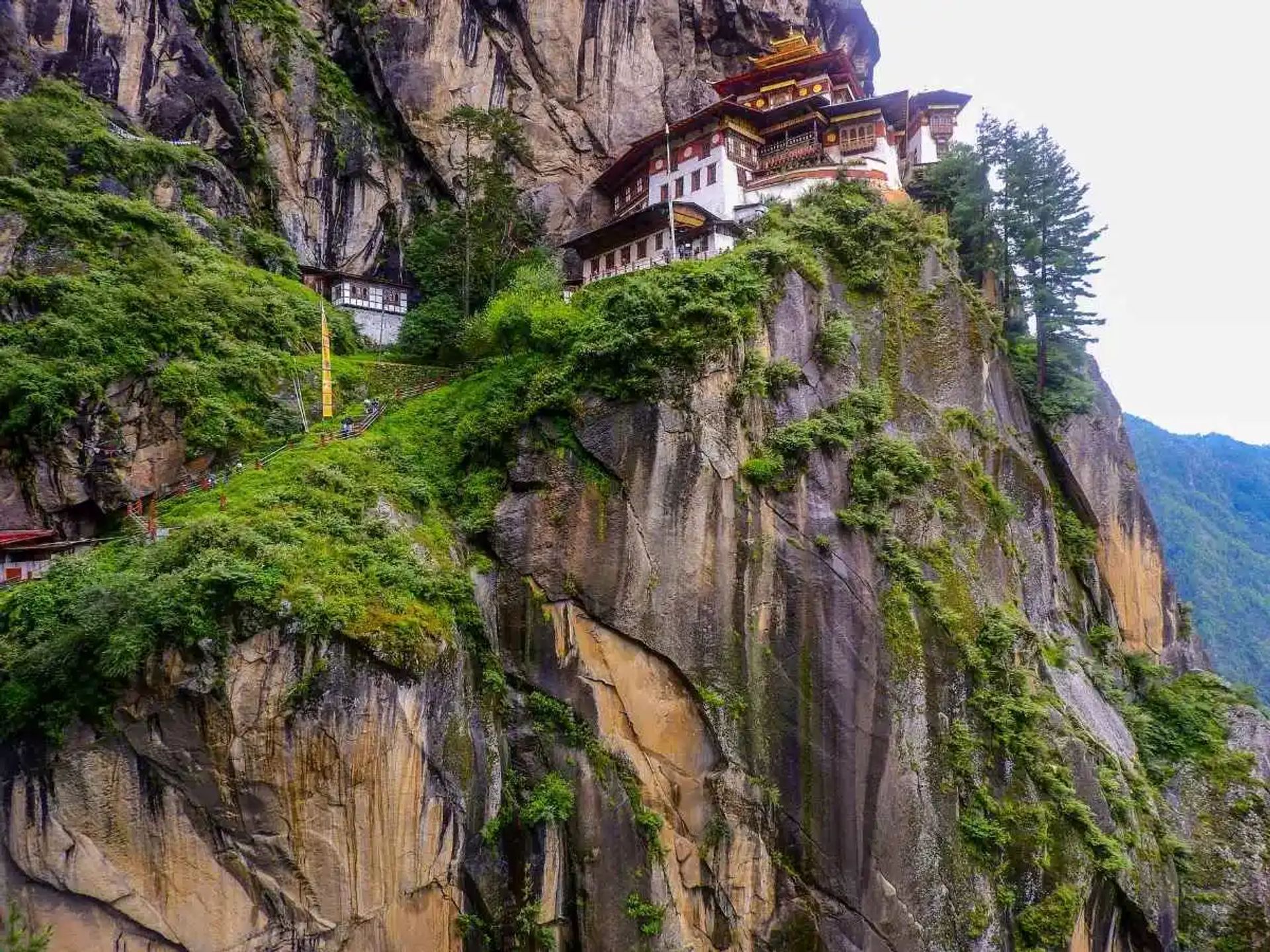
The Tiger’s Nest hike — known locally as the Paro Taktsang trek — is a 6.5-kilometre round trip trail in the Paro Valley that leads to a 17th-century cliff-face monastery perched 900 metres above the valley floor. Starting at around 2,100 metres above sea level and reaching 3,120 metres at the monastery gates, the hike takes most walkers four to five hours. It is considered Bhutan’s most iconic day hike and one of the most sacred Buddhist sites in the Himalayas. Moderate fitness, sturdy footwear, and proper acclimatisation are all you need to complete it.

The Kingdom of Bhutan is a place where the modern world feels like a distant memory. Nestled high in the Himalayas, this landlocked nation is often called the Land of the Thunder Dragon. For many travellers, the image that defines this mystical country is a white monastery with golden roofs, clinging to the side of a sheer granite cliff. This is the famous tigers nest bhutan hike, a journey that serves as a complete guide to the country’s deep soul. This paro taktsang monastery is the definitive spiritual heart of Bhutanese travel.

Standing in the lush Paro Valley, you look up and see a tiny white speck over 900 metres above you. It seems impossible that a building could be perched so high, let alone that a path exists to reach it. Yet, the hike to the tigers nest is a challenge that tests your legs and rewards your spirit. Whether you have travelled through India or explored the remote hills of myanmar, nothing quite prepares you for the sheer vertical beauty of this buddhist site.
Tiger's Nest Bhutan Hike: Your Complete Guide to Paro Taktsang Monastery "The Tiger's Nest hike — known locally as the Paro Taktsang trek — is a 6.5-kilometre round trip trail in the Paro Valley that leads to a 17th-century cliff-face monastery perched 900 metres above the valley floor. Starting at around 2,100 metres above sea level and reaching 3,120 metres at the monastery gates, the hike takes most walkers four to five hours. It is considered Bhutan's most iconic day hike and one of the most sacred Buddhist sites in the Himalayas. Moderate fitness, sturdy footwear, and proper acclimatisation are all you need to complete it." The Kingdom of Bhutan is a place where the modern world feels like a distant memory. Nestled high in the Himalayas, this landlocked nation is often called the Land of the Thunder Dragon. For many travellers, the image that defines this mystical country is a white monastery with golden roofs, clinging to the side of a sheer granite cliff. This is the famous tigers nest bhutan hike, a journey that serves as a complete guide to the country’s deep soul. This paro taktsang monastery is the definitive spiritual heart of Bhutanese travel. Standing in the lush Paro Valley, you look up and see a tiny white speck over 900 metres above you. It seems impossible that a building could be perched so high, let alone that a path exists to reach it. Yet, the hike to the tigers nest is a challenge that tests your legs and rewards your spirit. Whether you have travelled through India or explored the remote hills of myanmar, nothing quite prepares you for the sheer vertical beauty of this buddhist site. How to Prepare for the Tiger's Nest Trek Before you set foot on the trail for this day hike, it is important to understand the challenge ahead. The Paro Taktsang trek is not a simple walk in the park. It requires preparation, respect for the high altitude, and the right mindset. Unlike a standard holiday, this is a true trek into the clouds. Altitude and Elevation: What to Expect on the Tiger's Nest Trail The walk to Taktsang Monastery involves an elevation gain of between 500 and 900 metres. To give you a sense of scale, the total height of Snowdon in Wales is 1,085 metres. While the vertical climb is less than a full ascent of Ben Nevis, the starting altitude makes it feel far more strenuous. The trail begins at about 2,100 metres above sea level. By the time you reach the monastery entrance, you will be at 3,120 metres. At this height, the air is thinner. This means your body must work harder to get oxygen. This is why even fit visitors can find themselves huffing and puffing. Listen to your body throughout. Acclimatising Before You Reach Paro One of the most important aspects of a successful Paro Taktsang trek is timing. Altitude sickness is a real concern in this part of the world. If you attempt the climb on your first day, you may struggle. This is why a proper itinerary should always schedule the Tiger's Nest towards the end of the whole trip. Knowing the ideal time to travel to Bhutan also helps, since trail conditions and weather can vary significantly between seasons. By spending several days exploring other parts of the country first, such as the warmer valleys of punakha, you allow your body to adjust. You will have found your "mountain lungs" by the time you reach Paro. This makes the climb feel like a triumph rather than a struggle. It ensures you can focus on the spectacular views rather than just the difficulty of the terrain. What to Pack for a Nest Trek in Bhutan Preparation starts with your kit bag. Given the variable mountain weather, layering is essential. You might start the morning in a chilly mist and end it under a blazing sun. Sturdy hiking shoes or boots are a must. While some sections of the path are stone, much of it is a dirt trail that can become slippery. A pair of hiking poles is also highly recommended. They provide stability on the descent and take pressure off your knees. Because you will be entering a working nest temple, you must follow the local dress code. This means no shorts or sleeveless tops. Even if it is a warm day, you will need long trousers and a shirt that covers your shoulders. Bringing a lightweight waterproof jacket is also wise, as mountain showers appear without warning. A Three-Stage Tiger’s Nest Bhutan Hike Itinerary The path to Taktsang Monastery is roughly 6.5 kilometres round trip. Most walkers find that it takes between four and five hours to complete. The journey breaks down into three distinct stages, each with its own character and scenery. Stage One: Starting the Pine Forest Trek The journey begins at the Ramthangkha base. As you step onto the path, you are greeted by the scent of blue pines. This wooded area is filled with the sounds of the mountain. You will navigate wide switchbacks that climb steadily through the forest. In this stage, the rhythmic chime of water-powered prayer wheels fills the air. These wheels are set in motion by mountain streams. It is believed that the water they touch becomes blessed. Look up, and you will see colourful prayer flags strung between the trees, sending silent messages of buddhism on the wind. Stage Two: Respite on the Way to the Nest Monastery After about 90 minutes of climbing, the trail flattens out as you reach a wooden cafeteria. Sitting at 2,900 metres, this is the primary rest stop for visitors. It offers traditional tea and snacks. More importantly, it provides the first clear, classic view of the Tiger's Nest monastery — one of the highlights you experience when thinking about what to do in Bhutan for any visitor to the kingdom. From this balcony, the buildings look like they are floating in the clouds. For many, this is a point of decision. If you feel the incline is too much, this spot offers a perfect end to the journey. However, for those who wish to reach the heart of the sanctuary, the path continues along a narrower ledge. Stage Three: The Final Steps of the Tiger’s Nest Trek The final stage of the hike is the most dramatic. From the cafeteria, the trail winds around the mountainside until you reach a viewpoint that looks directly across the gorge. From here, the dirt trail ends and is replaced by a series of steep stairs. First, you must descend deep into the canyon. As you go down the stairs, you will pass a sacred 60-metre waterfall. You cross a bridge draped in flags before beginning the final ascent. The last 120 steps lead you straight to the main gates. This section is steep, but the sight of the white walls looming above provides all the motivation you need. Exploring Inside the Tiger’s Nest Monastery Upon reaching the gates, the atmosphere changes. This is not just a landmark; it is one of the most sacred places in the world. The Legend of the Tiger and Guru Rinpoche The history of the site dates back to the 8th century. Legend tells that Guru Padmasambhava, the Second Buddha, arrived here on the back of a flying tigress. The tigress was actually his consort, who transformed herself to carry him across the mountains. The Guru chose a cave on this cliffside to meditate. He is said to have spent over three years in meditation here. This legend gives the site its name, which translates to "Tiger’s Lair." The nest monastery you see today was built in 1692 around that original cave. Sacred Etiquette for Your Bhutan Travel Trip When you enter the complex, you must leave your cameras and bags in secure lockers. Photography is strictly prohibited inside the temples. You will also be asked to remove your shoes. The interior is a sensory experience. The air is thick with the scent of juniper incense and the glow of butter lamps. You will see monks in maroon robes performing daily rituals. The walls are covered in intricate murals that depict the history of the faith. It is a place of absolute silence and deep peace. The Inner Sanctums of the Nest Monastery The complex consists of four main temples. One of the most significant areas is the Senge Samdup cave. While the cave itself is usually closed, the nest temple built over it allows you to feel the weight of centuries of devotion. One of the most fascinating features is a large statue of the Guru. Local stories say that the statue was too heavy to carry up the cliff. The Guru is said to have appeared and moved the statue inside the temple himself. Moments like these, where folklore and faith blend together, are what make the whole trip so memorable. The Solo Adventurer’s Guide to Bhutan Travel Visiting this region used to be a complicated process for independent travellers. However, the current model makes it a perfect destination for those seeking a meaningful connection with a new culture. Small Group Trek Experiences Focusing on small group tours changes the entire experience. Instead of being lost in a crowd, you have the space to move at your own pace. You can listen to the stories shared by your expert local guide without distraction. A small-group Bhutan cultural tour combines the Tiger's Nest hike with deeper cultural immersion across Bhutan's sacred valleys. Small groups allow for deeper immersion. You can share a cup of tea with your fellow travellers and discuss the history of the taktsang monastery without the noise of a large crowd. It creates a sense of friendship that is often the highlight of the adventure. Maximising Your Bhutan Trip Without Extra Costs Many adventure seekers travel solo. That is why it is beneficial to look for tours that offer a "no compulsory single supplement" policy. This allows you to be paired with another traveller, making the journey much more affordable. If your dates align with one of Bhutan's great religious celebrations, our Bhutan cultural festival tours pair the Tiger's Nest hike with the spectacle of a traditional tsechu — one of the most unforgettable experiences in the Himalayas. Conclusion Reaching the Tiger's Nest is more than a check on a travel list; it is a moment where the modern world falls away. As you stand on the edge of the Paro Valley, the effort of the climb transforms into a lasting sense of peace. At Undiscovered Destinations, we believe these are the moments that define a journey — not just the sights you see, but the stories you bring home. Start your Bhutanese pilgrimage today by exploring our guaranteed departures to Bhutan.

How to Prepare for the Tiger’s Nest Trek

Before you set foot on the trail for this day hike, it is important to understand the challenge ahead. The Paro Taktsang trek is not a simple walk in the park. It requires preparation, respect for the high altitude, and the right mindset. Unlike a standard holiday, this is a true trek into the clouds.

Altitude and Elevation: What to Expect on the Tiger’s Nest Trail

The walk to Taktsang Monastery involves an elevation gain of between 500 and 900 metres. To give you a sense of scale, the total height of Snowdon in Wales is 1,085 metres. While the vertical climb is less than a full ascent of Ben Nevis, the starting altitude makes it feel far more strenuous.

The trail begins at about 2,100 metres above sea level. By the time you reach the monastery entrance, you will be at 3,120 metres. At this height, the air is thinner. This means your body must work harder to get oxygen. This is why even fit visitors can find themselves huffing and puffing. Listen to your body throughout.

Acclimatising Before You Reach Paro

One of the most important aspects of a successful Paro Taktsang trek is timing. Altitude sickness is a real concern in this part of the world. If you attempt the climb on your first day, you may struggle. This is why a proper itinerary should always schedule the Tiger’s Nest towards the end of the whole trip. Knowing the ideal time to travel to Bhutan also helps, since trail conditions and weather can vary significantly between seasons.

By spending several days exploring other parts of the country first, such as the warmer valleys of punakha, you allow your body to adjust. You will have found your “mountain lungs” by the time you reach Paro. This makes the climb feel like a triumph rather than a struggle. It ensures you can focus on the spectacular views rather than just the difficulty of the terrain.

What to Pack for a Nest Trek in Bhutan

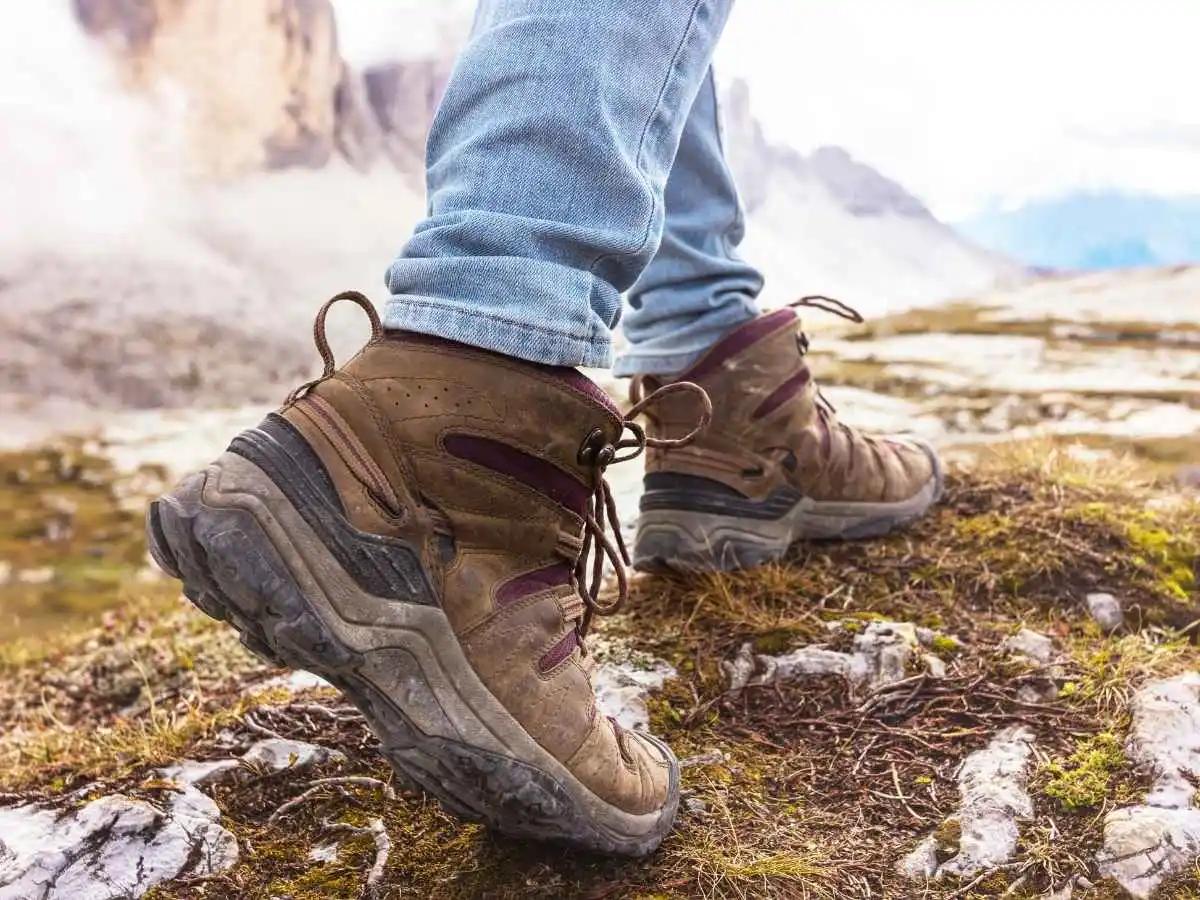
Preparation starts with your kit bag. Given the variable mountain weather, layering is essential. You might start the morning in a chilly mist and end it under a blazing sun. Sturdy hiking shoes or boots are a must. While some sections of the path are stone, much of it is a dirt trail that can become slippery.

A pair of hiking poles is also highly recommended. They provide stability on the descent and take pressure off your knees. Because you will be entering a working nest temple, you must follow the local dress code. This means no shorts or sleeveless tops. Even if it is a warm day, you will need long trousers and a shirt that covers your shoulders. Bringing a lightweight waterproof jacket is also wise, as mountain showers appear without warning.
A Three-Stage Tiger’s Nest Bhutan Hike Itinerary

The path to Taktsang Monastery is roughly 6.5 kilometres round trip. Most walkers find that it takes between four and five hours to complete. The journey breaks down into three distinct stages, each with its own character and scenery.

Stage One: Starting the Pine Forest Trek

The journey begins at the Ramthangkha base. As you step onto the path, you are greeted by the scent of blue pines. This wooded area is filled with the sounds of the mountain. You will navigate wide switchbacks that climb steadily through the forest.

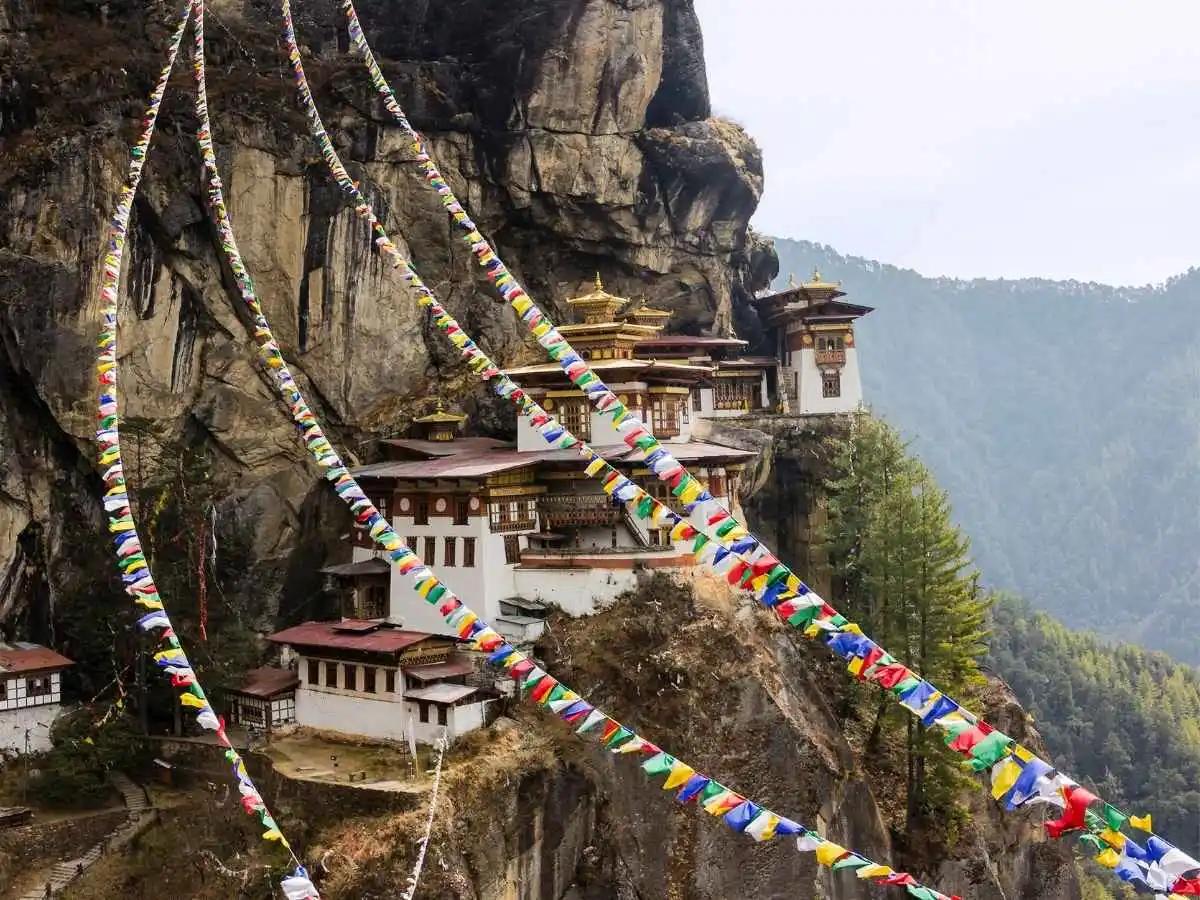
In this stage, the rhythmic chime of water-powered prayer wheels fills the air. These wheels are set in motion by mountain streams. It is believed that the water they touch becomes blessed. Look up, and you will see colourful prayer flags strung between the trees, sending silent messages of buddhism on the wind.

Stage Two: Respite on the Way to the Nest Monastery

After about 90 minutes of climbing, the trail flattens out as you reach a wooden cafeteria. Sitting at 2,900 metres, this is the primary rest stop for visitors. It offers traditional tea and snacks. More importantly, it provides the first clear, classic view of the Tiger’s Nest monastery — one of the highlights you experience when thinking about what to do in Bhutan for any visitor to the kingdom.

From this balcony, the buildings look like they are floating in the clouds. For many, this is a point of decision. If you feel the incline is too much, this spot offers a perfect end to the journey. However, for those who wish to reach the heart of the sanctuary, the path continues along a narrower ledge.

Stage Three: The Final Steps of the Tiger’s Nest Trek

The final stage of the hike is the most dramatic. From the cafeteria, the trail winds around the mountainside until you reach a viewpoint that looks directly across the gorge. From here, the dirt trail ends and is replaced by a series of steep stairs.

First, you must descend deep into the canyon. As you go down the stairs, you will pass a sacred 60-metre waterfall. You cross a bridge draped in flags before beginning the final ascent. The last 120 steps lead you straight to the main gates. This section is steep, but the sight of the white walls looming above provides all the motivation you need.
golden altar monastery Bhutan incense smoke

Exploring Inside the Tiger’s Nest Monastery

Upon reaching the gates, the atmosphere changes. This is not just a landmark; it is one of the most sacred places in the world.

The Legend of the Tiger and Guru Rinpoche

The history of the site dates back to the 8th century. Legend tells that Guru Padmasambhava, the Second Buddha, arrived here on the back of a flying tigress. The tigress was actually his consort, who transformed herself to carry him across the mountains.

The Guru chose a cave on this cliffside to meditate. He is said to have spent over three years in meditation here. This legend gives the site its name, which translates to “Tiger’s Lair.” The nest monastery you see today was built in 1692 around that original cave.

Sacred Etiquette for Your Bhutan Travel Trip

When you enter the complex, you must leave your cameras and bags in secure lockers. Photography is strictly prohibited inside the temples. You will also be asked to remove your shoes.

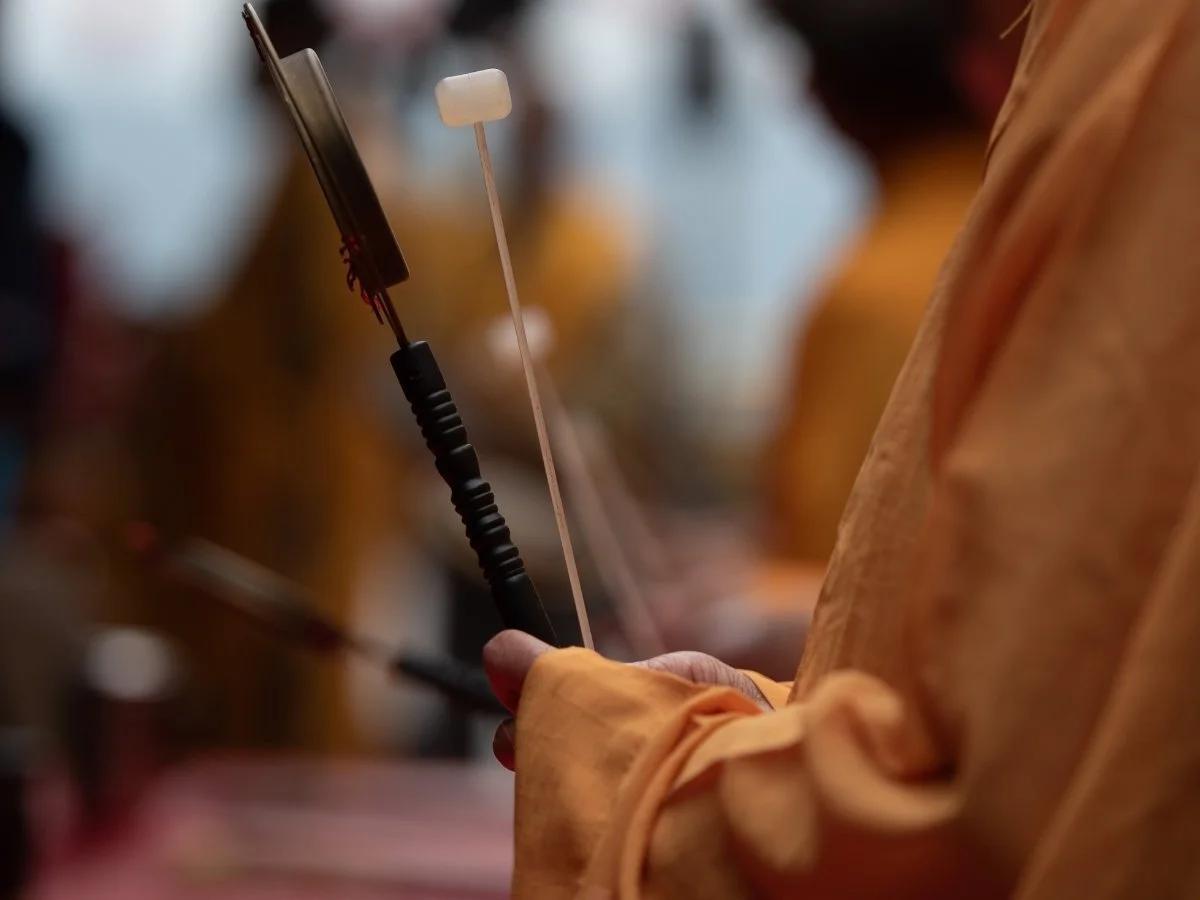
The interior is a sensory experience. The air is thick with the scent of juniper incense and the glow of butter lamps. You will see monks in maroon robes performing daily rituals. The walls are covered in intricate murals that depict the history of the faith. It is a place of absolute silence and deep peace.

The Inner Sanctums of the Nest Monastery

The complex consists of four main temples. One of the most significant areas is the Senge Samdup cave. While the cave itself is usually closed, the nest temple built over it allows you to feel the weight of centuries of devotion.

One of the most fascinating features is a large statue of the Guru. Local stories say that the statue was too heavy to carry up the cliff. The Guru is said to have appeared and moved the statue inside the temple himself. Moments like these, where folklore and faith blend together, are what make the whole trip so memorable.
Solo Adventurer’

The Solo Adventurer’s Guide to Bhutan Travel

Visiting this region used to be a complicated process for independent travellers, and all travel arrangements are still managed through the official system outlined by the Bhutan Tourism Council. However, the current model makes it a perfect destination for those seeking a meaningful connection with a new culture.

Small Group Trek Experiences

Focusing on small group tours changes the entire experience. Instead of being lost in a crowd, you have the space to move at your own pace. You can listen to the stories shared by your expert local guide without distraction. A small-group Bhutan cultural tour combines the Tiger’s Nest hike with deeper cultural immersion across Bhutan’s sacred valleys.

Small groups allow for deeper immersion. You can share a cup of tea with your fellow travellers and discuss the history of the taktsang monastery without the noise of a large crowd. It creates a sense of friendship that is often the highlight of the adventure.

Maximising Your Bhutan Trip Without Extra Costs

Many adventure seekers travel solo. That is why it is beneficial to look for tours that offer a “no compulsory single supplement” policy. This allows you to be paired with another traveller, making the journey much more affordable. If your dates align with one of Bhutan’s great religious celebrations, our Bhutan cultural festival tours pair the Tiger’s Nest hike with the spectacle of a traditional tsechu — one of the most unforgettable experiences in the Himalayas.

Conclusion

Reaching the Tiger’s Nest is more than a check on a travel list; it is a moment where the modern world falls away. As you stand on the edge of the Paro Valley, the effort of the climb transforms into a lasting sense of peace. At Undiscovered Destinations, we believe these are the moments that define a journey — not just the sights you see, but the stories you bring home.

Start your Bhutanese pilgrimage today by exploring our guaranteed departures to Bhutan.
Jim Louth
Jim Louth
undiscovered-destinations.com

Jim Louth is the founder of Undiscovered Destinations. A lifelong adventure enthusiast with decades of travel industry experience, Jim curates immersive journeys that connect travellers to the heart of a destination through meaningful travel.

Related Posts