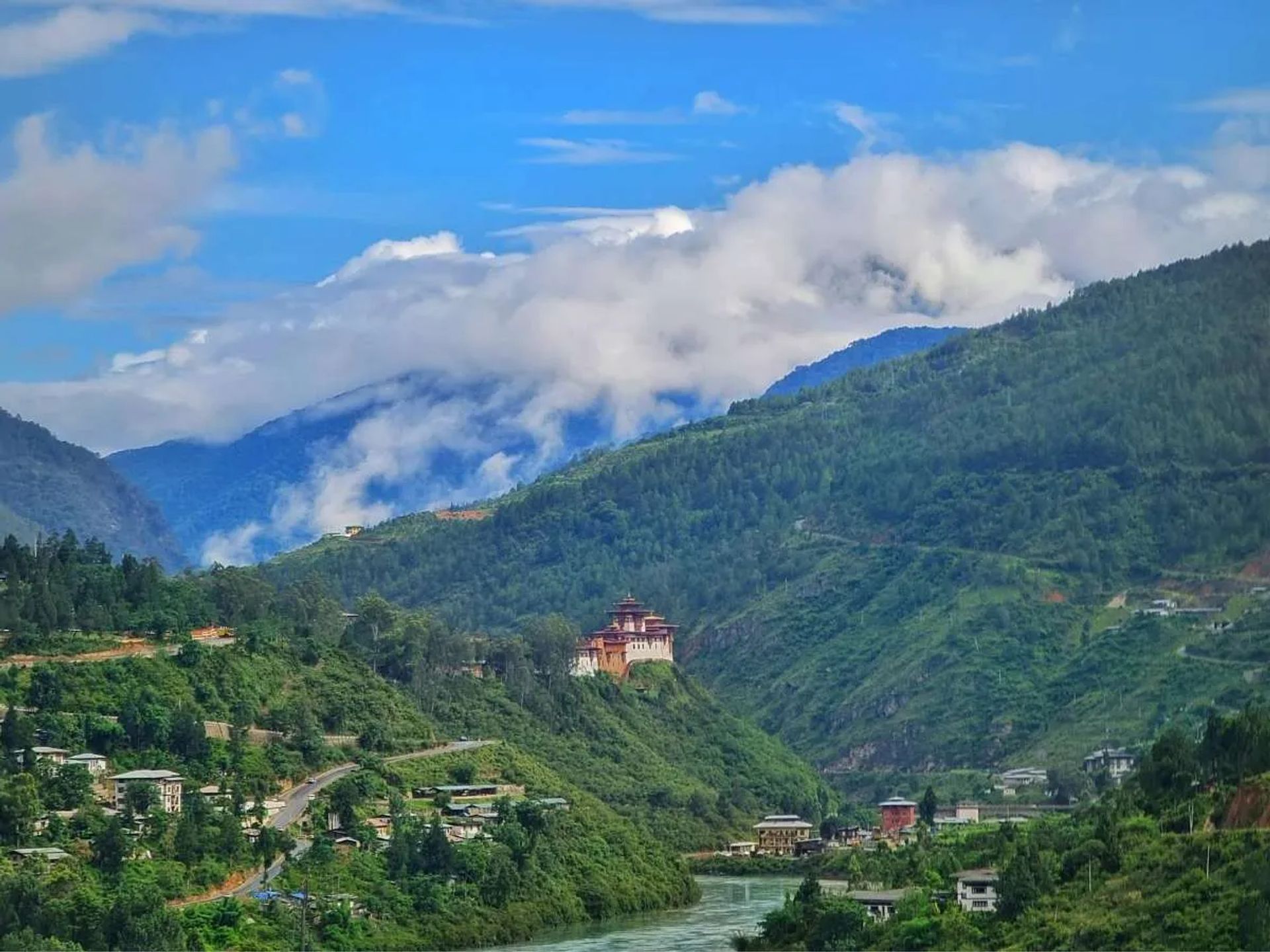
The best time to visit Bhutan is October for clear skies and Thimphu Tsechu, or April for rhododendron blooms and Paro Tsechu. Spring (March–May) and autumn (September–November) offer the most settled weather, comfortable temperatures and reliable mountain views. Winter (December–February) suits photographers and quieter travel, while the monsoon (June–August) brings lush green valleys and near-empty cultural sites.
Bhutan does not have a single best month. It has five or six, depending on what you want from the trip. Some travellers come for the rhododendron-lined trails of April. Others wait for October's clear skies and the great masked dances of Thimphu. A quieter group arrives in February, when the air is sharp, the valleys are empty, and the Himalayas appear with the kind of clarity you only get in deep winter. If you're weighing up your options, Bhutan small group tours can be shaped around whichever season suits you best.
This guide breaks the year into seasons and shows what each one offers. The aim is simple: help you choose the season that fits the journey you actually want to take.
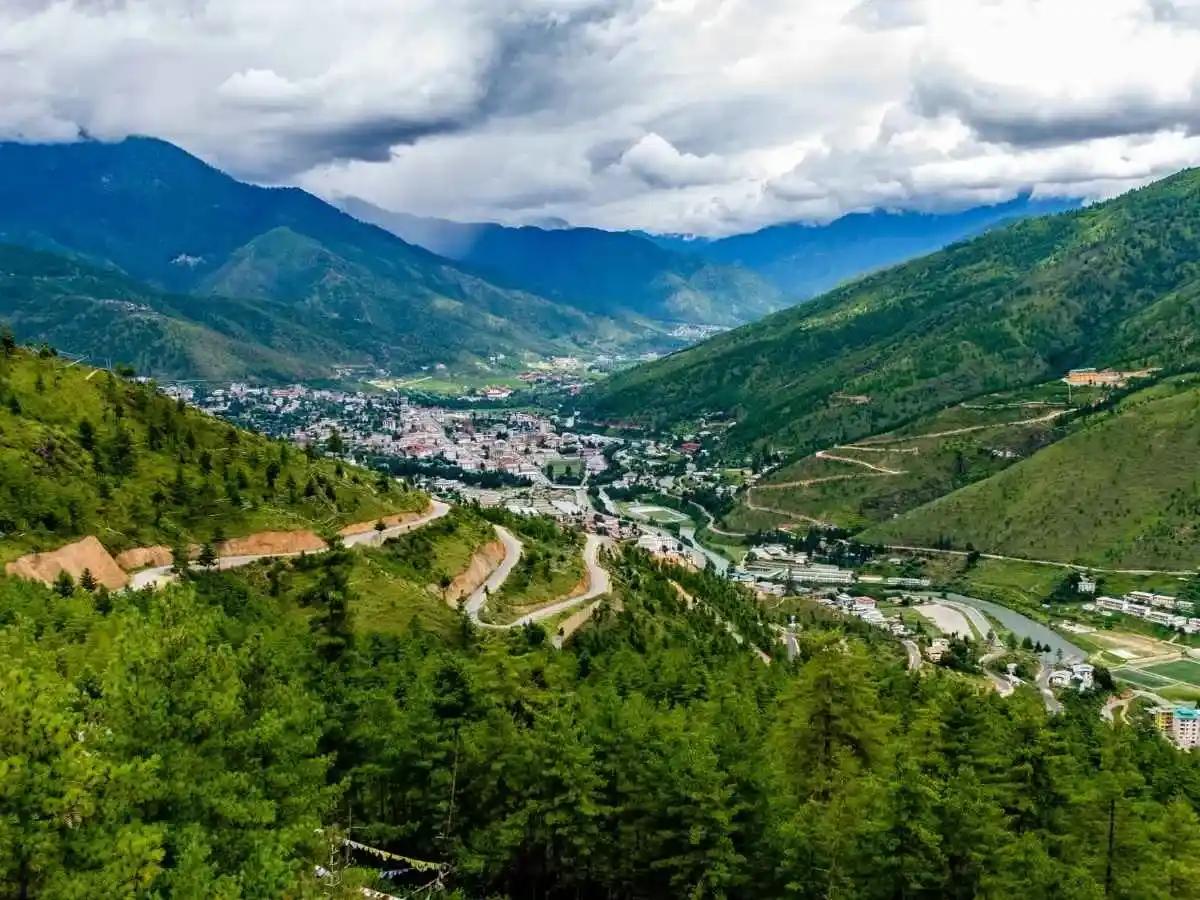
A Bhutan Climate Guide: Understand the Country Before You Choose a Month to Visit
A Country Defined by Altitude
To plan a trip to Bhutan well, it helps to think in altitude rather than calendar months. The country folds across three broad climate zones. The southern lowlands are warm and humid for most of the year. The central valleys, where Paro, Thimphu and Punakha sit, are temperate and home to most of the country's cultural sites. The far north climbs into alpine terrain, where snow lingers on high passes and winter never truly leaves.
This is why a single forecast tells you very little. The weather in Bhutan in any given month can mean cold rain in the foothills, mild sun in the central valleys and deep snow in the mountains, all on the same day.
The Four-Season Weather Pattern Across Central Bhutan
Bhutan climate follows a clear four-season rhythm with four distinct seasons that shape every trip. Spring runs from March to May. The summer months bring the monsoon season from June to August. Autumn stretches from September to November. The winter months set in from December and hold through February. In the central valleys, where most travellers spend their time, spring and autumn deliver the most settled weather of the year.
Spring in Bhutan (March to May)
Spring Weather and Temperatures
Spring eases in slowly. Temperatures in Bhutan during March still feel like late winter in the central valleys, with daytime highs in the low teens. By April, they climb into the high teens and early twenties. May is warm, with afternoons reaching the mid-20s in Paro and Thimphu. Nights stay cool, dropping into single digits even at the end of the season.
Lower valleys can hold a soft haze through March and into April, which sometimes hides the high peaks. Mountain passes that have been closed by snow start to open from late March, opening up the western Bhutan trail network as the rhododendron season begins.
Why Travellers Choose Spring: Rhododendrons and the Paro April Festivals
From mid-March, hillsides bloom with rhododendrons in pink, red and white. Bhutan is home to dozens of native species, and highland trails turn into walking gardens for several weeks during the rhododendron season.
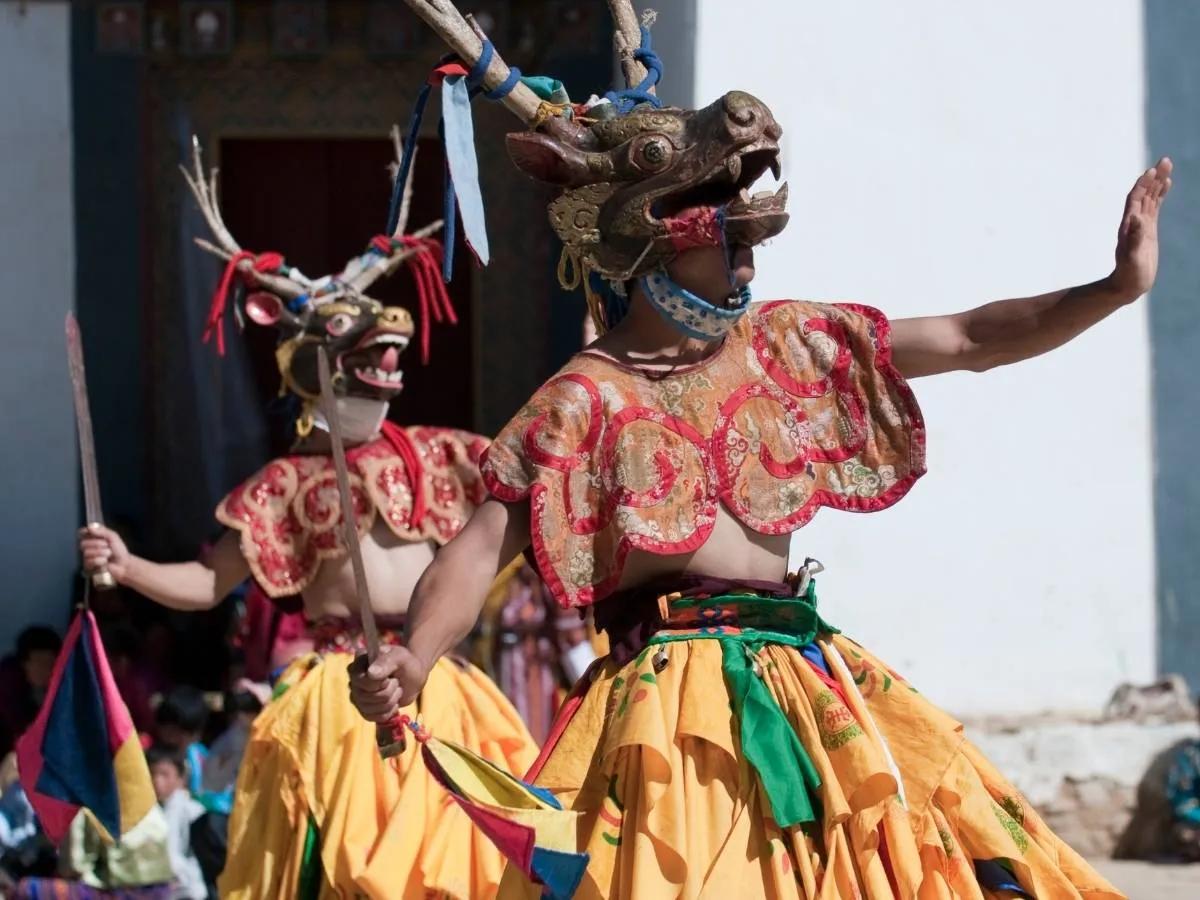
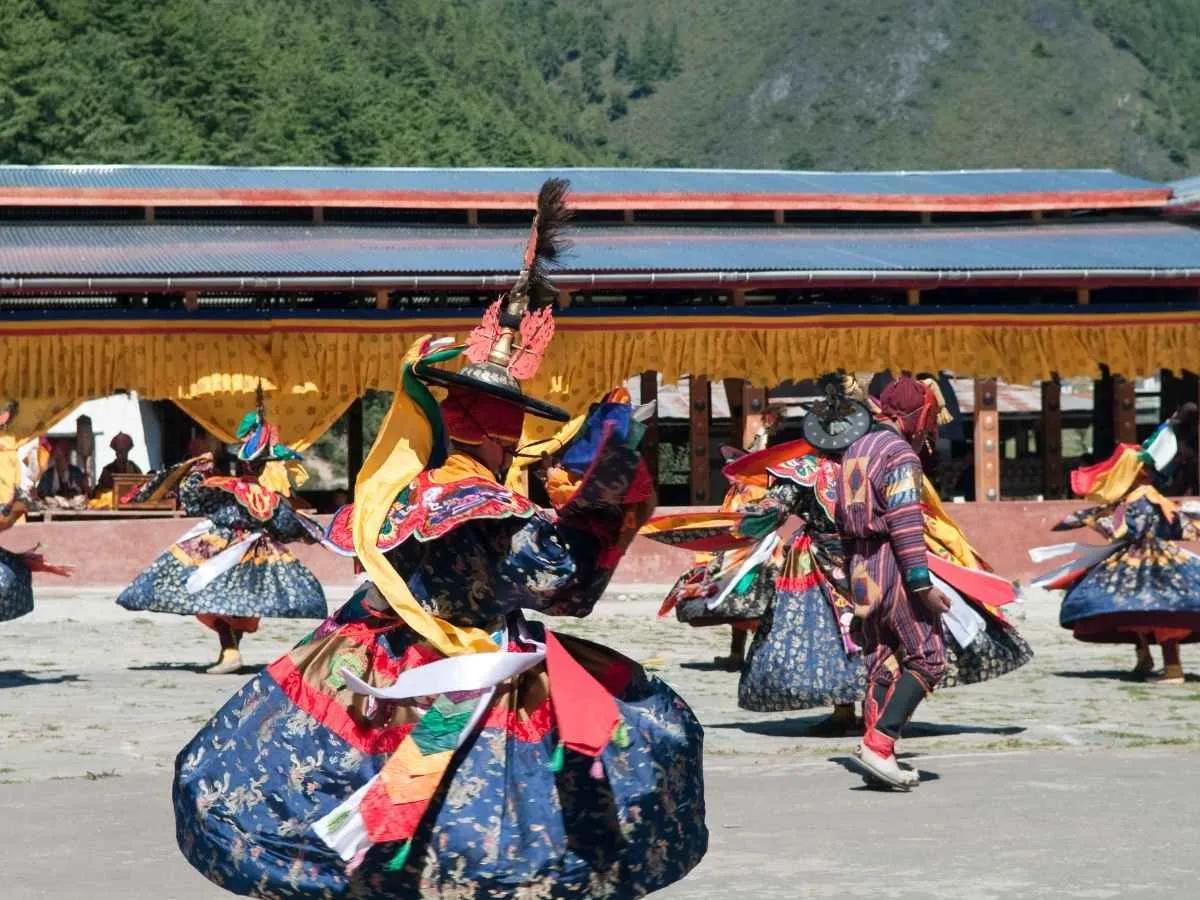
The trekking window opens properly in April. April also brings Paro Tsechu, one of the country's largest masked dance festivals, held in the courtyard of Paro's hilltop dzong. Locals dress in their finest robes, monks perform centuries-old dances, and the whole valley fills with quiet ceremony. It is also a popular time of year for sightseeing across western Bhutan, with longer days and clearer afternoons making the great dzongs and temples easier to enjoy at a leisurely pace. Our Bhutan festival tour is timed to capture Paro Tsechu and the masked dances that define the spring calendar.
What to Watch For in Spring
Spring is busy. April in particular sees a steady flow of festival-goers, photographers and trekkers. Hotel rates climb in Paro and Thimphu, and the most popular tour dates fill early. Travellers who want spring without the crowds often look at late March or the first half of May.
Summer and the July Monsoon (June to August)
A Quieter, Greener Bhutan
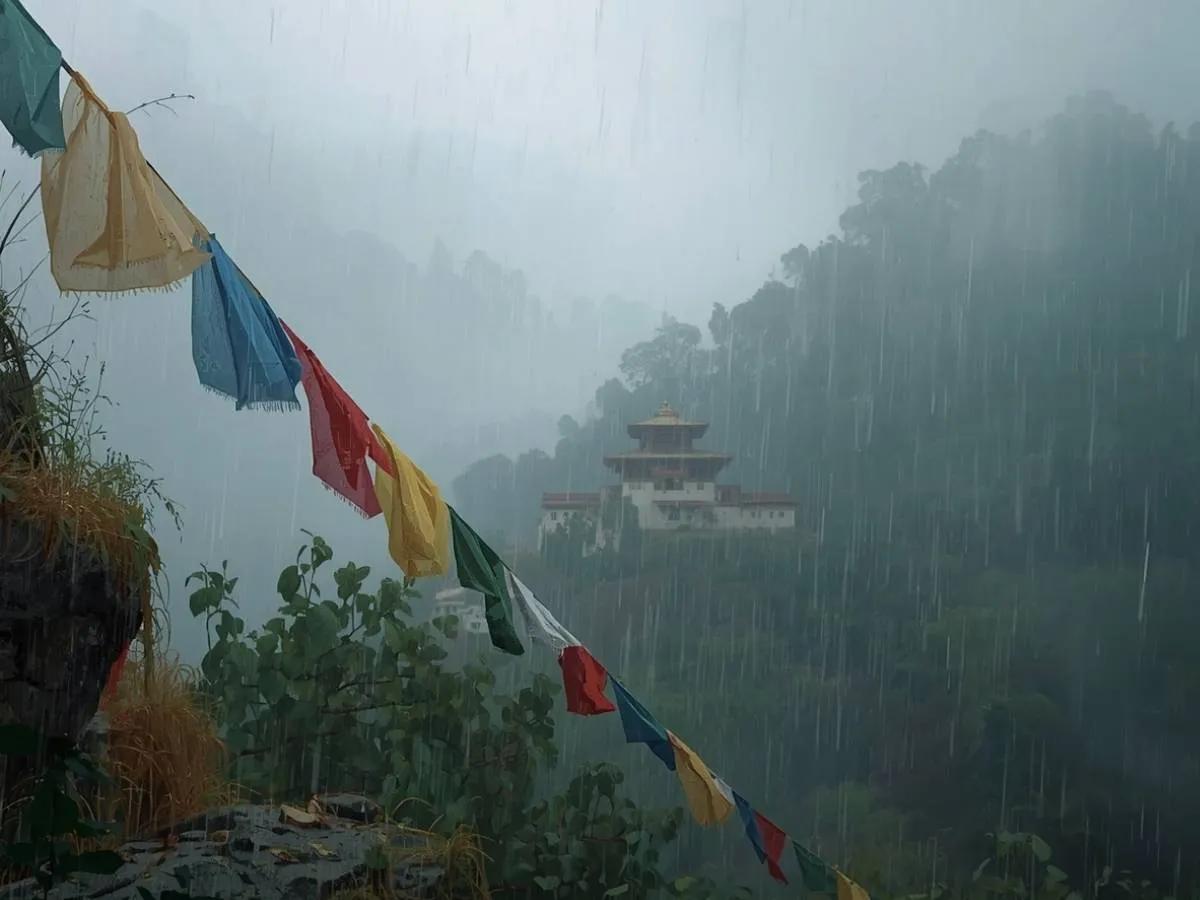
The monsoon rains transform the country. Valleys that looked dusty in May turn deep green. Rivers run high. There are far fewer travellers, and the cultural sites that bustle in October are nearly empty. Rainfall is heaviest in July; across the rainy season, Thimphu can record around half a metre of rain.
When the July Monsoon Works
Cultural travel through the central valleys is still possible if you are flexible. The temples, dzongs and museums stay open, and you will often have them to yourself. July is also the best window for alpine wildflowers at higher elevations. Photographers who like atmosphere over postcards do well in monsoon, with cloud-wreathed monasteries and brilliant green paddy fields. Travellers who prefer dry trails and reliable views often head to Nepal in this season instead, but Bhutan in summer has a quieter, less-trodden charm. Those who want to combine both destinations can explore our Nepal and Bhutan tour, which pairs the highlights of each country in a single itinerary.
When to Avoid It
Most multi-day treks are off the table. Trails turn to mud, leeches arrive in numbers, and river crossings become unpredictable. Roads slip in the foothills, and flights in and out of Paro can be delayed for hours or days during the monsoon rains.
Autumn in Bhutan (September to November)
Autumn Weather and Temperatures
September starts wet but clears as the month goes on. By early October the monsoon has retreated, and the air takes on the bright, clean quality that defines Bhutan in autumn. Daytime temperatures in the central valleys settle around 18 to 22°C through October, cooling steadily into November. Nights are crisp from the start and properly cold by the end of November.
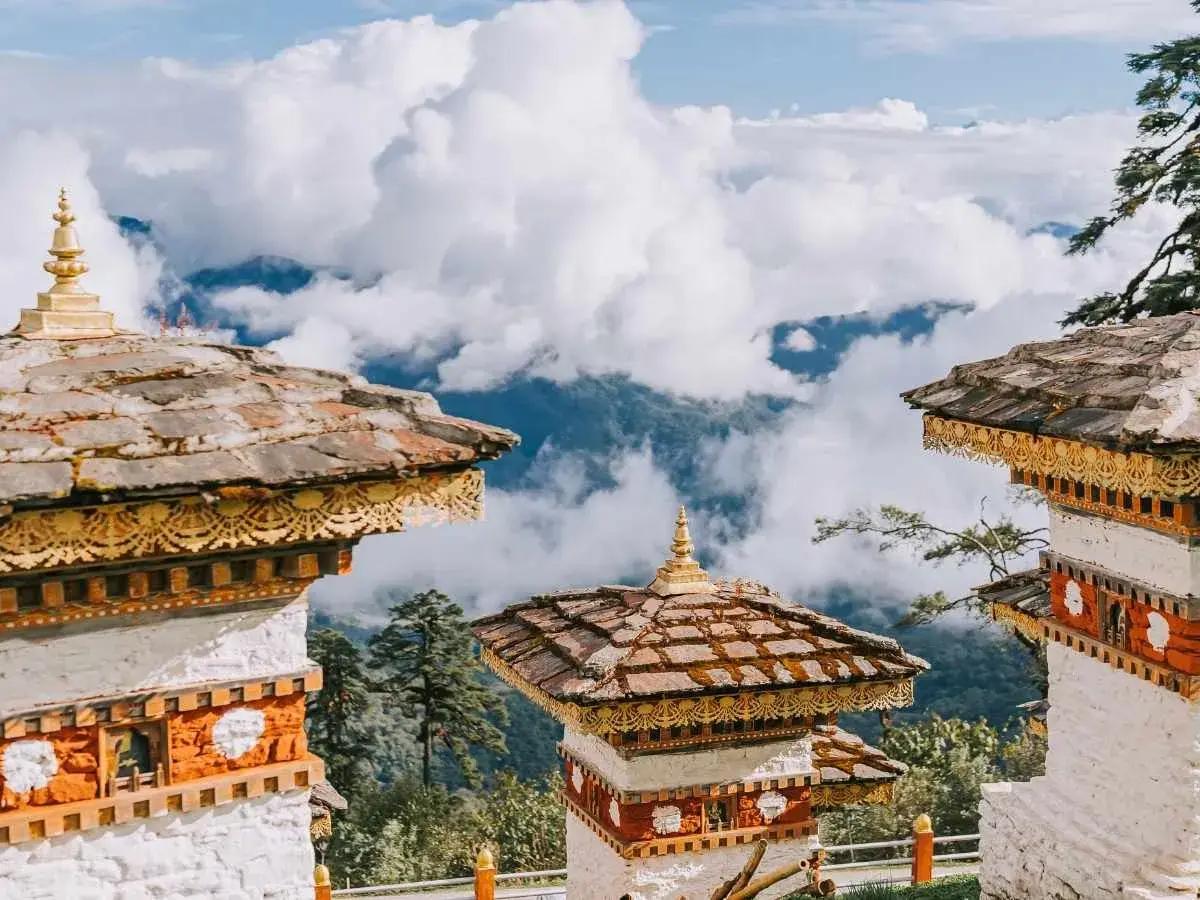
Mountain views, hidden behind cloud for most of the year, become reliable. From high passes such as Dochula, the eastern Himalayas stretch across the horizon on most clear mornings.
Why October Is the Most Popular Month to Visit
October is the single busiest month for foreign visitors to Bhutan. The combination of stable weather, comfortable temperatures and Thimphu Tsechu in late September and early October draws travellers from across the world. Trails are dry, the air is clear, and the Himalayan light has a quality that photographers chase for years.
November in Phobjikha Valley: A Quieter Reward
If October feels too busy, November is the underrated gem. The weather holds, the crowds thin, and prices ease a little. Early in the month, up to 600 black-necked cranes return to Phobjikha Valley from the Tibetan plateau. Watching them glide down past the ancient walls of Gangtey Monastery at dawn is one of the country's quiet wonders.
November is also festival-rich. The Royal Highland Festival in remote Laya celebrates Bhutan's mountain communities with horse races, traditional dress and yak-themed contests.
Winter in Bhutan (December to February)
Cold, Clear and Quiet
Winter is misunderstood. It is cold, with daytime temperatures in Paro and Thimphu hovering around 9 to 14°C and nights regularly below freezing. The high passes are snowbound. But the central valleys see very little snow at low elevations, and the air is the clearest it gets all year.
Eastern Bhutan is gentler. Towns like Trashigang and Mongar can reach 20°C in the afternoon and rarely fall below 8°C at night, making the east a smart winter holiday option for travellers who want to skip the high passes entirely.
Who Should Travel to Bhutan in Winter
Photographers do well in winter. The light is sharp, the skies are clean, and the great monasteries stand out against snow-dusted backdrops. The Tiger's Nest Monastery hike, which can feel crowded in spring and autumn, becomes a quieter pilgrimage in January and February. The lower-lying Punakha Valley also stays comfortably warm by day, making it a strong base for winter sightseeing. Solo travellers benefit from lighter demand on Thimphu and Punakha hotels and more flexibility on dates. Many traditional Bhutan menu staples — ema datshi, red rice, butter tea — taste especially good after a cold morning on the trail.
Winter Festivals Worth Travelling For
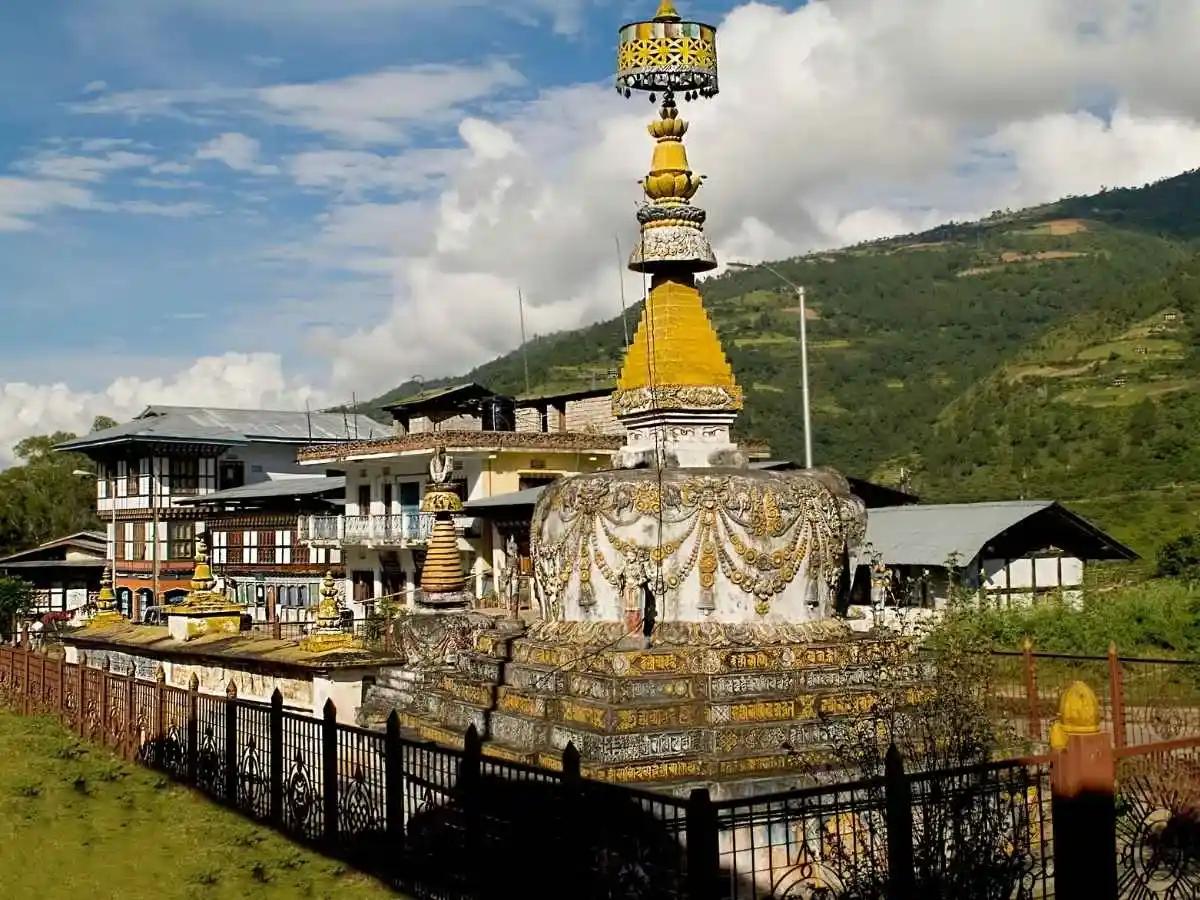
Late February brings Punakha Drubchen, where hundreds of costumed warriors recreate a 17th-century battle with Tibet. A three-day tsechu of masked dance follows immediately after. In the east, the Chorten Kora festival draws pilgrims from across Bhutan and India's Arunachal Pradesh.
The Best Season to Visit Bhutan for Your Style of Travel
For Trekkers
April and May open the spring trekking window. October and November deliver the steadiest conditions of the year. Lower-altitude routes such as Bumdrak and Saga La are also possible from March.
For Festival-Goers
Spring offers Paro Tsechu and the Rhododendron Festival. Autumn brings Thimphu Tsechu, Jambay Lhakhang Drup and the Black-Necked Crane Festival. Winter rewards the patient with Punakha Drubchen and Chorten Kora. Most festivals follow the lunar calendar, so dates shift each year and are usually confirmed by astrologers a year or so in advance.
For Culture and Photography
Late November through February is the sweet spot. Light is at its sharpest, mountain views are at their most reliable, and the great cultural sites are at their quietest.
For Independent and Solo Travellers
The shoulder weeks either side of October and April offer a smart compromise. Weather is close to peak, festival energy is still present, and hotel rates and trail traffic are noticeably lighter. Women travelling solo may want to look at our Bhutan journey for women, a small group itinerary led by a local female guide with access to Buddhist nunneries and the Nalakhar Festival.
Spring or Autumn? A Direct Comparison
Choosing the best season to visit Bhutan often comes down to a straight contest between spring and autumn. Both deliver clear weather, manageable temperatures and major festivals.
Where Spring Wins
Spring brings the rhododendron blooms and Paro Tsechu. Daylight is long, evenings are mild, and the trekking season starts in earnest.
Where Autumn Wins
Autumn delivers the clearest mountain views of the year. Trekking conditions are more reliable, and Thimphu Tsechu is the country's most attended festival.
How to Choose
Start with the purpose of the trip. A festival trip is built around a date. A trekking trip is built around weather. A culture trip can flex either way.
Practical Tips for Timing Your Trip
Plan Festivals Around the Lunar Calendar
Most major festivals are scheduled by astrologers and confirmed only a year or so in advance. If your trip depends on attending a specific tsechu, check the official Department of Tourism dates before booking flights or fixing leave.
Pack for Altitude, Not Calendar
Spring and autumn need warm down for evenings, even when afternoons feel summery. Winter calls for proper insulation. Monsoon travellers need waterproof outer layers. Sunglasses and high-factor sun cream matter year-round at altitude.
Build in Flexibility for Paro Hotels and Flights
Flights into Paro are weather-sensitive. The runway sits in a valley surrounded by high ridges, and visibility-dependent landings can be delayed by hours or, in monsoon, by full days. A buffer day at either end of your trip, with flexible Paro hotels in your itinerary, is wise.
Conclusion
Bhutan rewards travellers who choose their timing with intent. Spring and autumn deliver the postcard version of the kingdom. Winter offers something different, in the form of clarity, quiet and uncrowded paths to the country's most photographed sites. Even monsoon has its own pull, for those willing to trade certainty for atmosphere.
The Himalayas have stood for thousands of years. The perfect month to see them is the one that fits the journey you want to take. Map your season, map your route, and let the kingdom unfold at the pace it deserves.
Map your perfect season in Bhutan — explore tailor-made and small group journeys with Undiscovered Destinations.
Map your perfect season in Bhutan — explore small group journeys with Undiscovered Destinations.