
Laos travel tips begin with one essential piece of advice: arrive with an open mind. Landlocked, unhurried, and far less visited than its neighbours, it rewards travellers who embrace a slower pace and come prepared. Whether you are planning a slow boat cruise down the Mekong River, exploring the gleaming temples of Luang Prabang, or losing yourself on the tranquil 4000 Islands in the south, this Laos travel guide will help you make the most of every day.
From practical Laos travel advice on visas and packing to essential travel tips on cultural customs and tipping, this Laos guide covers everything a first-timer needs to know before arriving.
Why Laos Is Worth the Journey
Why Laos Is Different from Thailand and Its Neighbours
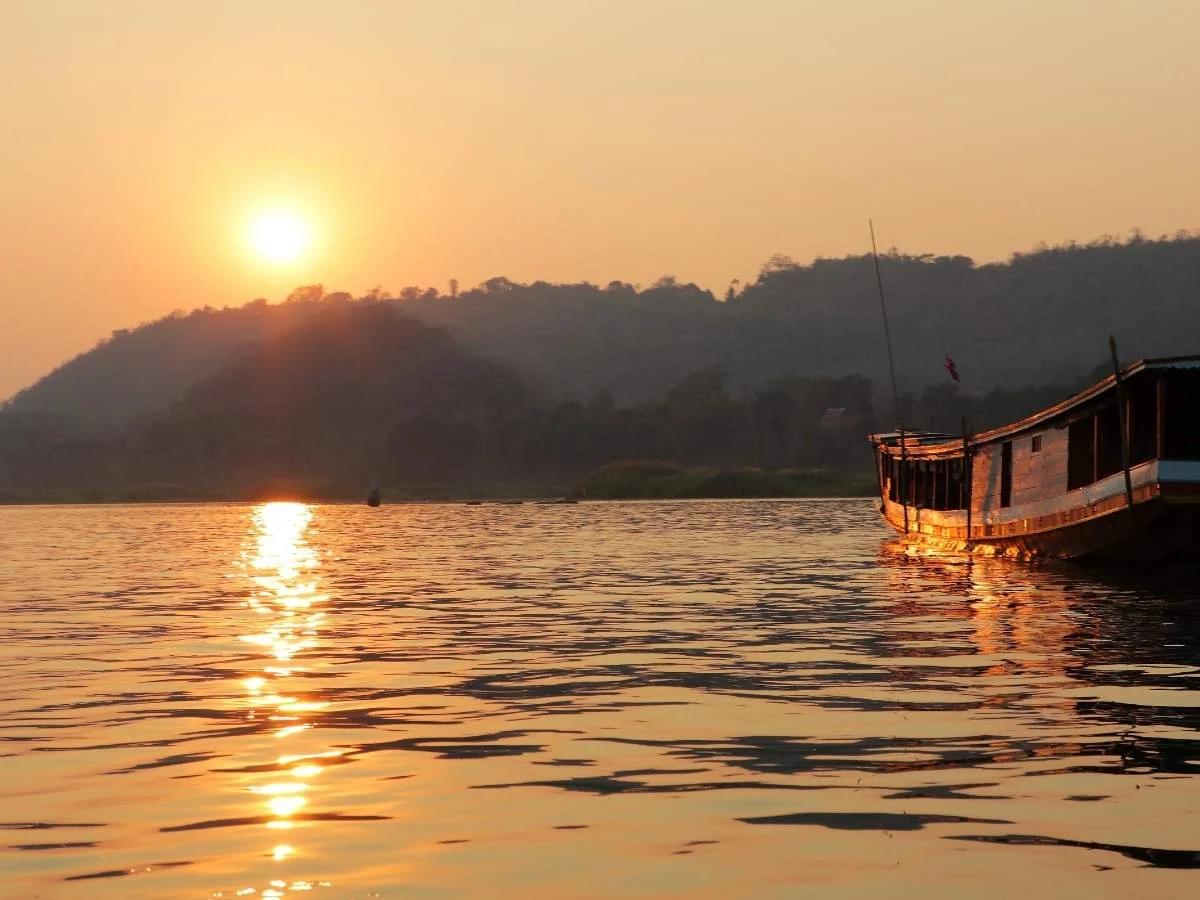
Where Thailand draws the crowds and Vietnam moves fast, Laos moves slowly and quietly. This is a country of crumbling French colonial architecture, hill tribe villages, ancient Buddhist temples, and lush jungle plateaus formed from an ancient super volcano. The Mekong River runs through it like a spine, offering everything from morning coffee on a riverside terrace to a two-day slow boat cruise through unspoilt forest.
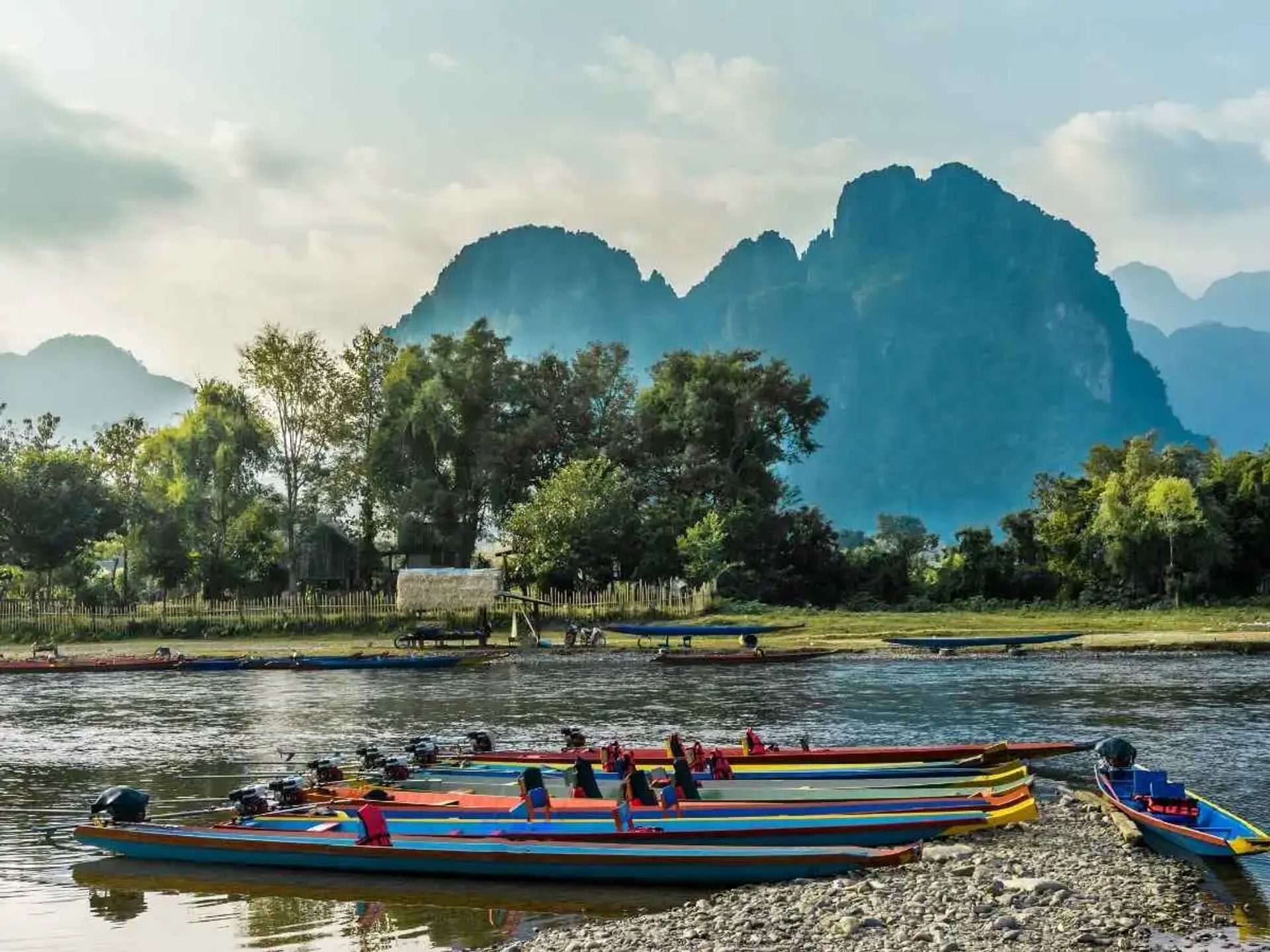
For those drawn to adventure travel, Laos more than delivers. Northern Laos is home to one of the most ethnically diverse regions in the country, where tribal villages of the Akha, Hmong, Khmu, and Lanten people have maintained their traditional customs for centuries. Jungle hikes, outdoor activities, and river journeys are woven into the daily rhythm of travel here. Visiting a hill tribe village — watching local people practise traditional weaving or bamboo paper making — is the kind of off the beaten track experience that defines outdoor adventure in this part of the world. Further south, the lively town of Vang Vieng is popular with travellers seeking a more active base, with kayaking, rock climbing, and hot air balloon rides over the surrounding valley all on offer. For a broader look at how to fill your time across the country, our guide to the best things to do in Laos covers the full range of activities and experiences from north to south.
During the 1960s and 70s, the communist Pathet Lao movement fought a prolonged struggle for control of the country amid the wider conflict of the Indochina War. This period had a profound impact on Laos and continues to shape the country today. The COPE Visitor Centre in Vientiane offers a thoughtful and informative insight into this history and the lasting effects of unexploded ordnance across the country.
Southern Laos offers a completely different experience: the atmospheric temple complex of Wat Phou — a UNESCO World Heritage Site — the sweeping volcanic scenery of the Bolaven Plateau, and the enchanting river archipelago of Si Phan Don — known in English as the 4000 Islands — where the Mekong spreads out over 14 kilometres of calm, island-dotted water.
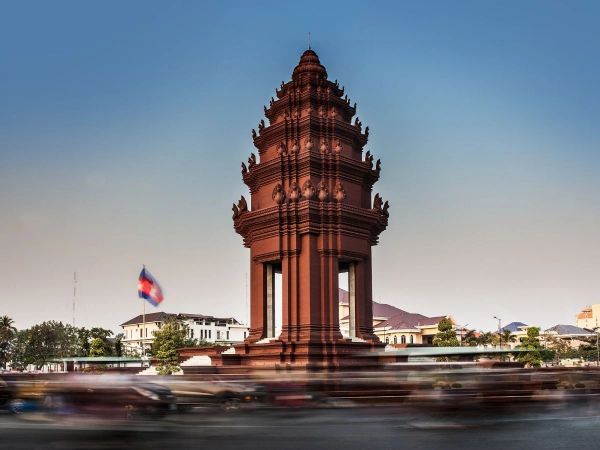
Many travellers also choose to combine Laos with Cambodia - our Laos and Cambodia itinerary brings both countries together in a single trip, and the two countries sit naturally together in a single extended itinerary, sharing French colonial heritage, Buddhist culture, and a similar gentle pace of life.
Is Laos Right for You?
Laos suits travellers who enjoy cultural immersion, beautiful landscapes, and a slower pace. You do not need to be an athlete, but a reasonable level of fitness helps. You will be walking in highland landscapes, visiting temples and historical sites, and covering some long travel days on the road. Those who embrace flexibility and travel with an open mind tend to love it. Laos is also considered one of the safer destinations in South East Asia for female travellers, with low levels of violent crime and a welcoming atmosphere throughout the country.
When to Visit Laos
The Dry Season: November to April
The dry season is the best time to visit. Temperatures are warm, skies are clear, and conditions are ideal for river cruises, trekking on the Bolaven Plateau, and exploring the temples around Champasak. The coolest months — November to February — are particularly comfortable for walking.
The Wet Season
The wet season runs from May to October. Rain is heavy but often falls in short bursts, and the landscape turns a vivid green. Travel in the north around Luang Namtha can be more challenging on unpaved roads during this period, but the country is far quieter and prices are lower.
Getting Your Visa for Laos
Visa on Arrival at Vientiane, Pakse and Luang Prabang International Airport
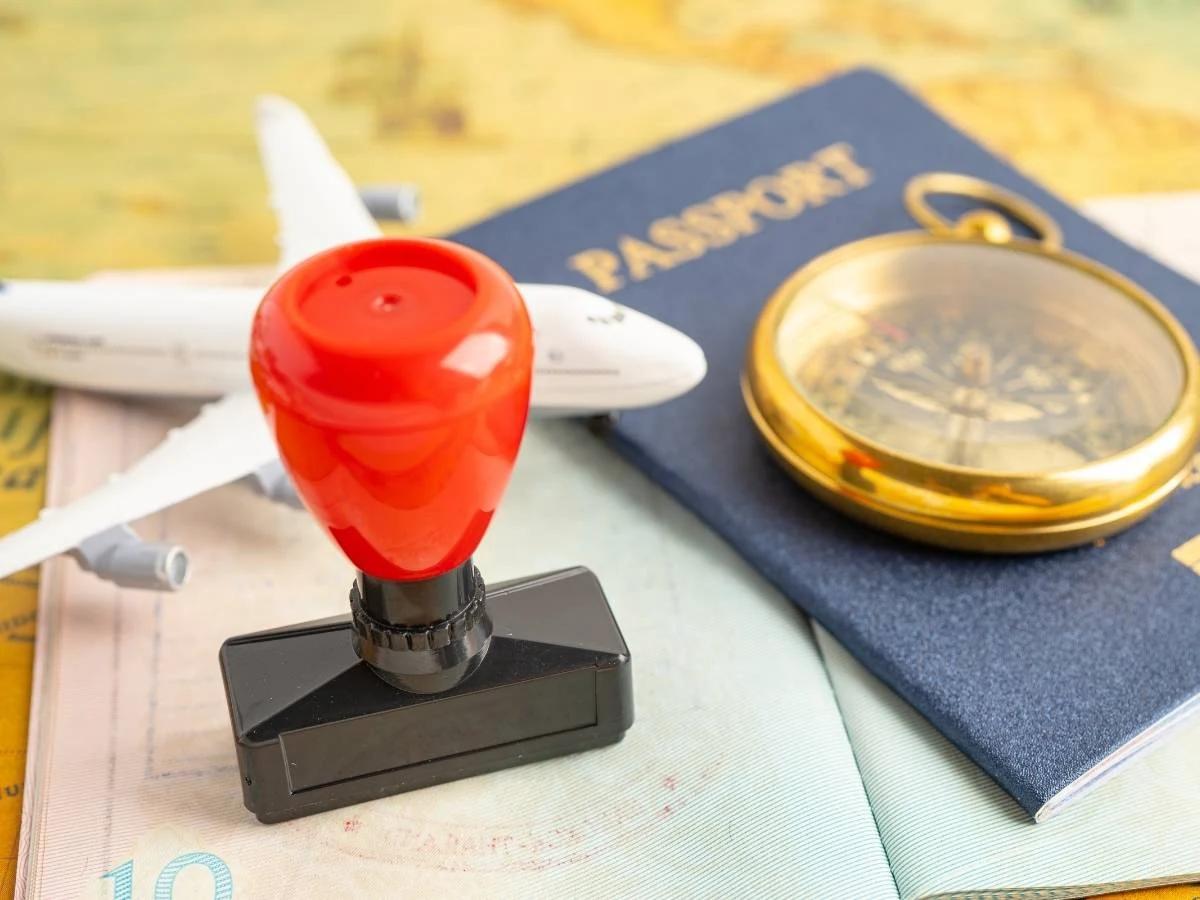
At the time of writing, British, US, and Australian nationals require a visa to enter Laos. Getting your visa for Laos is more straightforward than many people expect. Many nationalities can obtain a visa on arrival when flying into Vientiane, Pakse, or Luang Prabang International Airport. An e-visa is also available and should be applied for at least five days before travel. Note that the e-visa is single entry only and is accepted at major points of entry.
What to Check Before You Travel
Entry rules can change. If you are travelling overland, the most popular crossing from Thailand into Laos is via Nong Khai, across the Friendship Bridge into Vientiane. International flights to Laos typically connect via Bangkok, Chiang Mai, Singapore, or other regional hubs depending on your route. Always check the latest requirements when you book, when you pay your balance, and again a couple of weeks before departure. Your tour operator can offer guidance, but you must confirm the current rules directly with the relevant embassy or consulate.
Money and Budget in Laos
The Lao Kip
The official currency is the Lao Kip. In popular tourist areas, US dollars and Thai Baht are sometimes accepted alongside Kip, but it is always better to carry local currency for everyday purchases, transport, and smaller guesthouses. ATMs are available in the main cities and larger towns, but far less common in rural areas, so withdraw enough cash before heading off the beaten track.
Budgeting for Your Trip
Laos is one of the more affordable destinations in South East Asia. Accommodation, food at local restaurants, and transport are all excellent value. That said, it is worth budgeting properly for guided experiences, domestic flights, and entrance fees to sites such as the UNESCO World Heritage temple complex of Wat Phou. Travelling with a reputable operator means many of these costs are included, which makes planning your itineraries far more straightforward.
What to Bring to Laos
Packing thoughtfully makes a real difference, particularly if you are heading beyond the main cities.
Clothing and Footwear
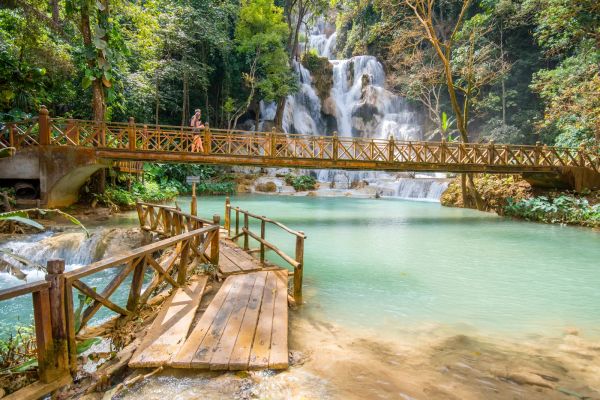
Pack light layers, as temperatures vary considerably between the cooler hill regions of the north and the hot, humid south. A lightweight fleece or jumper is useful for early morning boat trips and cooler highland evenings. Bring rainwear, a hat, and sunglasses. Comfortable walking shoes or boots are essential for trekking and temple visits, while sandals are ideal for travel days and riverside stops. Swimwear is worth packing — the turquoise pools at Kuang Si Falls near Luang Prabang and the waterfalls of the Bolaven Plateau are not to be missed.
When visiting temples, wats, or villages, you must cover your shoulders and knees. A light scarf or sarong doubles as both a temple cover and a practical travel companion throughout the trip. Pack at least two so you always have a clean one available.
Health and Safety Essentials
This kit is non-negotiable for Laos:
- Travel insurance with medical coverage — never travel without it
- Insect repellent — dengue and malaria are present in rural areas
- Sunscreen
- A personal first aid kit
- Any prescription medications you need
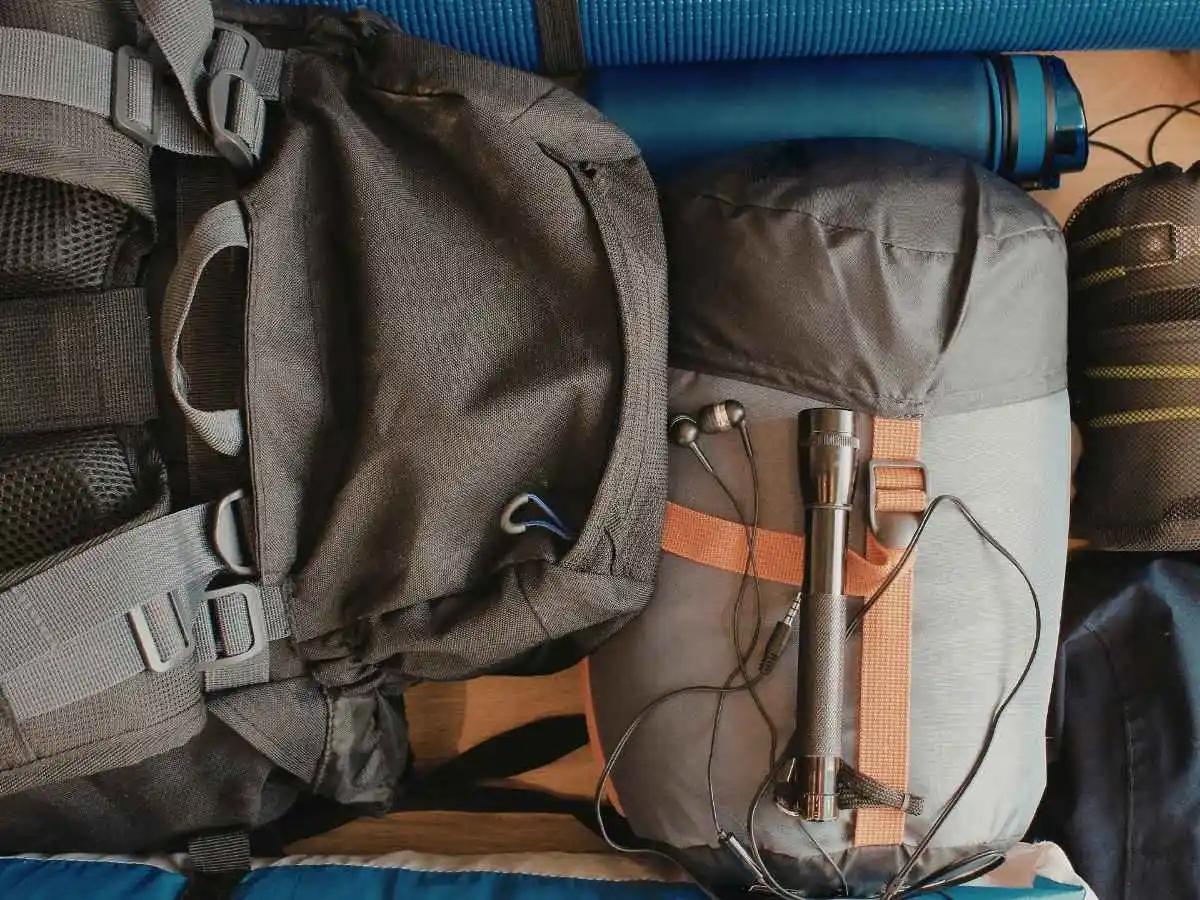
- A small waterproof dry bag to protect valuables during river travel
- A refillable water bottle — tap water is not safe to drink
- A small torch for rural stays where lighting can be limited
Walking poles are optional but useful on longer jungle hikes. Binoculars are a worthwhile addition if you have an interest in birdlife, particularly in areas such as the Nam Ha National Park near Luang Namtha, one of the most biologically diverse ecosystems in the country.
Tech and Connectivity
WiFi is widely available in hotels and guesthouses across Laos, but speed and reliability can vary — especially in more remote areas. In some properties, WiFi is only available in communal spaces. If staying connected matters to you, consider purchasing a local SIM card or setting up an eSIM before you travel.
Getting Around Laos
Road Travel: What to Expect
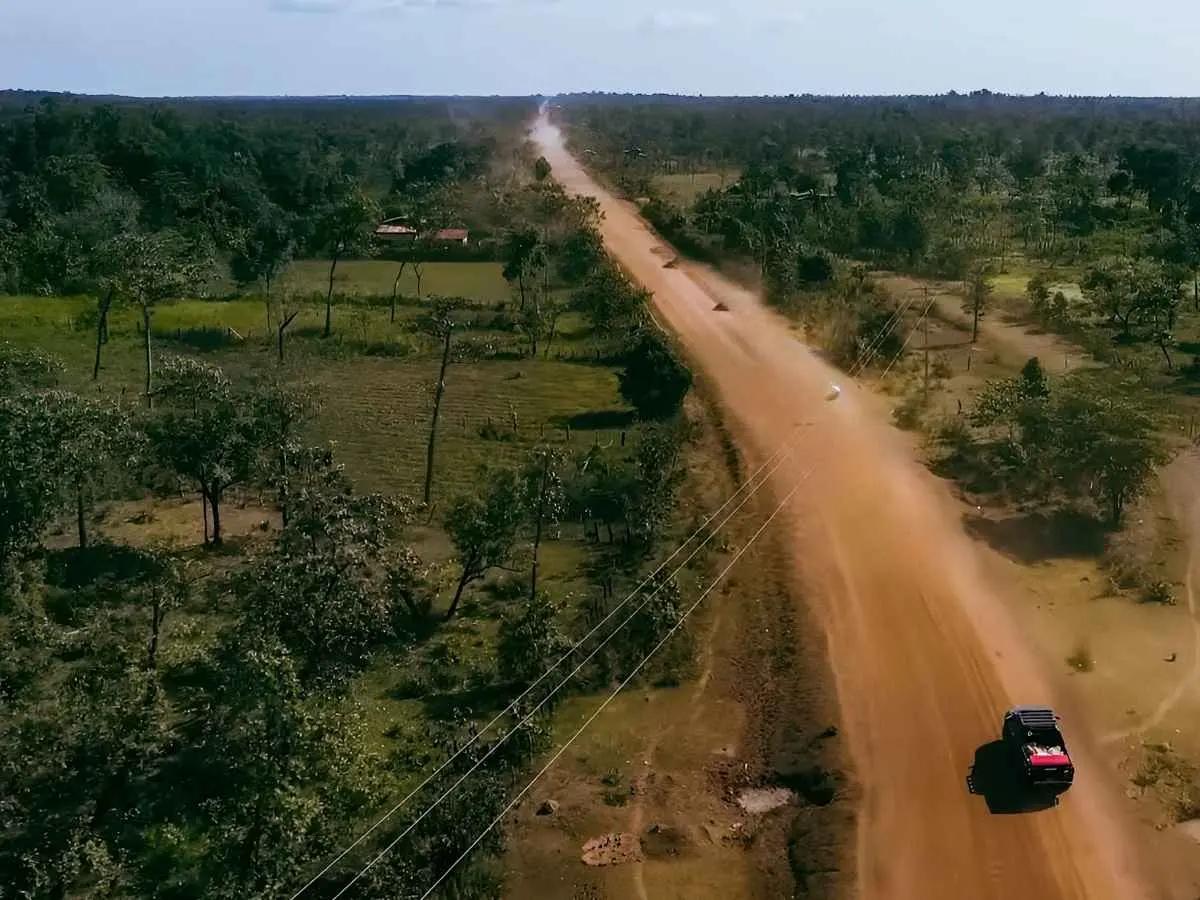
Roads in Laos are of variable quality. Expect smooth stretches between larger towns as well as some twisty, narrow, and bumpy roads, particularly in the hill tribe regions of the north. Several destinations are separated by journeys of four or more hours by bus, so long travel days are simply part of the experience — and the scenery along the way is often spectacular. If you suffer from motion sickness, bring medication.
Tuk Tuks and Local Transport
In towns and cities, tuk tuks are the most common form of local transport. They are inexpensive and a genuinely enjoyable way to get around. Always agree on a price before you set off. In some areas, songthaews — shared pick-up trucks with benches in the back — cover local routes between villages and towns. In Luang Prabang, hiring a bicycle is a wonderful option and gives you the freedom to explore the city and its surrounding countryside at your own pace.
Cruising the Mekong River to Luang Prabang
A slow boat cruise down the Mekong from Huay Xai to Luang Prabang is one of the highlights of any Laos trip. This two-day journey passes unspoilt forest, rural riverside villages, and the Pak Ou Caves — an ancient pilgrimage site containing thousands of gold lacquered Buddha images. It is one of the most memorable ways to arrive in Luang Prabang, and far preferable to rushing the journey by road.
Reaching the Islands: Domestic Flights and Boats
Internal flights connect the main cities, cutting long overland journeys where needed. Local boats are the main way to reach Si Phan Don — the 4000 Islands — where the Mekong spreads out over a width of 14 kilometres. The Nam Ou River in northern Laos is another rewarding waterway, passing through dramatic limestone scenery and small villages including Muang Ngoi, one of the most peaceful spots in the country. Planning your route and where to base yourself is covered in more detail in our must-visit places in Laos guide.

Food and Drink in Laos
Lao Cuisine Highlights
Laotian food is one of the genuine pleasures of any trip to the country and deserves far more attention than it usually receives. Sticky rice is a staple at almost every meal — eaten with your hands by rolling it into a small ball and dipping it into accompanying dishes. Papaya salad, known as tam mak houng, is sharp, spicy, and refreshing. Lao noodle soup, kao piak, is a warming and filling breakfast that sets you up perfectly for a long day on the road. Grilled meats from roadside stalls, fresh herbs, and lime-heavy dipping sauces are everywhere and consistently excellent.
For a drink at the end of the day, Beer Lao is the local staple. Light, refreshing, and best enjoyed at a table overlooking the Mekong as the sun goes down, it has become something of a traveller's ritual in its own right.
Coffee on the Bolaven Plateau
Laos produces some of the finest coffee in South East Asia, and most of it comes from the Bolaven Plateau in the south. The plateau's rich volcanic soil and high altitude create ideal growing conditions, and the resulting coffee — typically served slow drip or French press — is outstanding. If you visit the plateau, take the opportunity to meet a local coffee farmer, walk through a working plantation, and try a freshly roasted cup at source. It is one of the most distinctive experiences the country has to offer and a world away from anything you will find in a high street café at home.
Cultural Etiquette You Need to Know
Visiting Temples and Sacred Sites
As with many Asian countries, Laos takes religious observance seriously, and temples are active places of worship rather than tourist attractions. Always remove your shoes before entering. Cover your shoulders and knees. Never point your feet towards a Buddha image or a monk, and avoid touching anyone on the head. Photography is generally permitted at temples, but use your judgement — in areas of active worship, put the camera away and simply observe. The experience will be richer for it.
In Vientiane, the riverside Buddha Park — a sculpture garden filled with Buddhist and Hindu figures — is one of the city's most unusual and rewarding sights and a fascinating introduction to Lao religious art.
The Alms-Giving Ceremony
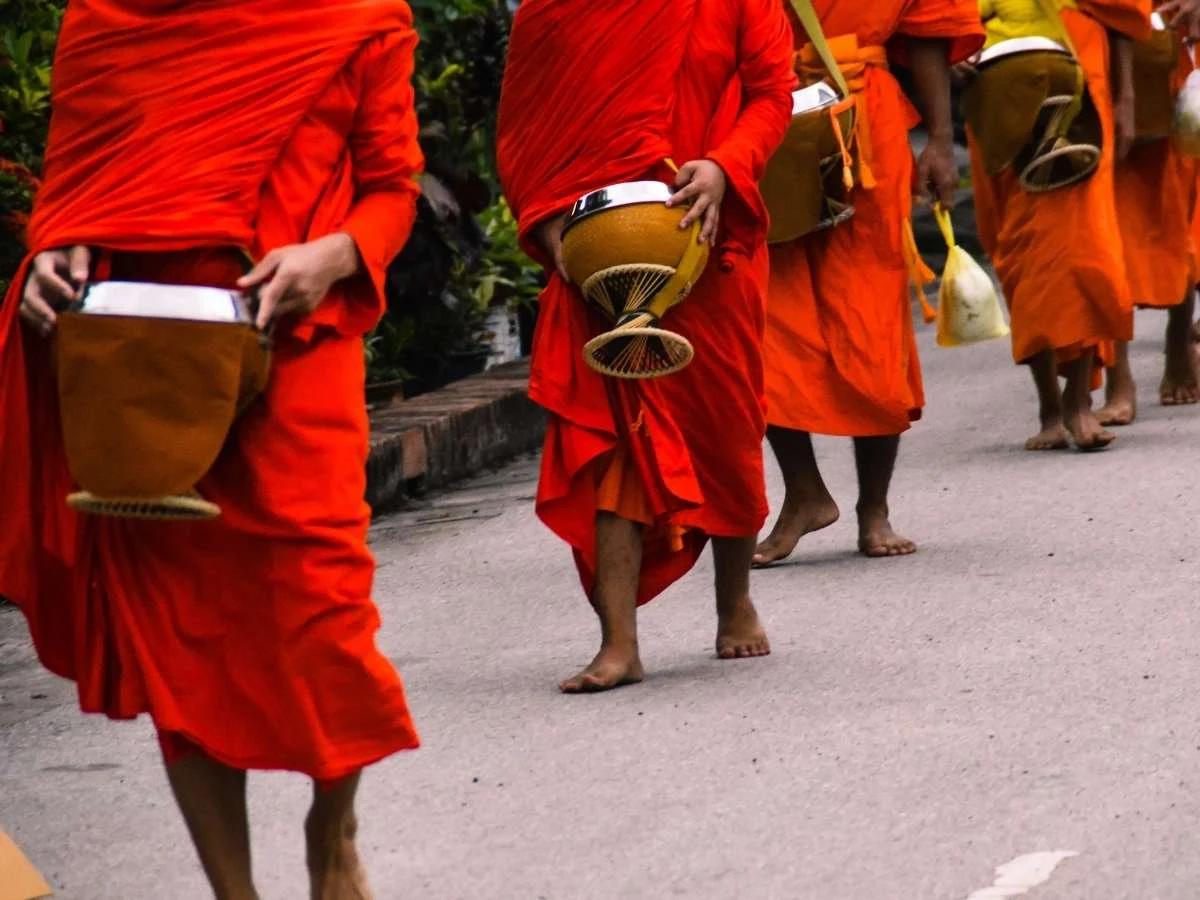
In Luang Prabang, the daily alms-giving ceremony — known locally as Sai Bath — takes place at dawn. Long lines of barefoot monks move quietly through the streets to receive rice from local villagers. If you wish to observe, do so from a respectful distance. Do not use flash photography and avoid interfering with this sacred ritual in any way.
Local Customs and the Baci Ceremony
The traditional greeting in Laos is the nop — pressing the palms together in a prayer-like gesture. In some villages, you may be invited to take part in a Baci ceremony, where cotton cords are tied gently around your wrists as a symbol of luck, friendship, and good health. It is a genuine expression of Lao hospitality and one of those moments that stays with you long after you return home.
Tipping in Laos
Tipping is not traditionally part of Lao culture, but it is appreciated — particularly by those working hard in the travel industry.
Tour Leaders and Drivers
If you are travelling with a guided tour, a discretionary tip for your tour leader of approximately £5 per person per day is recommended. For your driver, around £3 per person per day is a fair guide. These figures reflect the local knowledge, effort, and care that good guides bring to a trip every single day.
Restaurants, Hotels, and Everyday Service
In restaurants, rounding up your bill or leaving a small amount where service has been good is always a kind gesture. In smaller guesthouses and rural properties, a tip is welcome but never expected. The guiding principle is discretion — give what feels right for the level of service you have received.
Essential Laos Travel Advice for First-Timers
Accommodation: What to Expect
Accommodation in Laos ranges from simple guesthouses in smaller towns to charming boutique hotels in Luang Prabang and comfortable eco-lodges on the Bolaven Plateau. In most properties you will have a private bathroom, though outside the major cities facilities can be more basic and service a little slower. This is part of the off the beaten track experience and most travellers find it adds character rather than detracting from the trip. Pack your own basics — hand sanitiser, a travel towel, and earplugs — and you will be prepared for any property.
Food, Water, and Staying Healthy
Take care with street food hygiene in the early days while your stomach adjusts, and always drink bottled or filtered water throughout your trip.
Managing Expectations on the Road
Laos does not run to a tight timetable. Roads are unpredictable, schedules can shift, and service in rural areas can be slower than you are used to at home. This is not a problem — it is part of what makes Laos so special. Travellers who arrive with a flexible attitude consistently get far more out of the country than those who do not. Laos borders several countries, including China to the north and Vietnam to the east. If you plan to cross the Vietnamese border or enter from China into northern Laos overland, check current crossing requirements well in advance.
Safety and UXO Awareness
Laos is a very safe country for visitors. Violent crime against travellers is rare. The main thing to be aware of is the legacy of unexploded ordnance (UXO) left over from the Indochina war. Always stick to marked paths in rural areas and never touch unfamiliar objects on the ground.
Ready to Discover Laos?
Laos moves at its own pace — and that is precisely why it gets under your skin. With the right preparation, a respectful attitude, and a genuine sense of adventure, a first trip here can become one of the most memorable journeys of your life. The country has a rare quality: it changes the people who visit it, quietly and completely, in ways they rarely expect.
Undiscovered Destinations has been running small group tours to Laos since 2004, earning a 97% customer satisfaction rating with no compulsory single supplements. If you are ready to explore this extraordinary country — from the temples of Luang Prabang to the coffee plantations of the Bolaven Plateau and the enchanting 4000 Islands — get in touch with our team to start planning your Laos trip.