The best time to visit Argentina depends on where you are going. Argentina spans nearly 3,700 kilometres from subtropical north to subpolar south, with five distinct climate zones and no single season that suits the whole country at once. November is widely regarded as the optimal month — Patagonia is open and uncrowded, Buenos Aires is warm and dry, and the Andean northwest is at its clearest before summer storms arrive. The Patagonian summer (December–February) is peak season for glaciers, trekking, and Ushuaia, but books out months in advance. Spring (September–November) and autumn (March–May) offer shoulder-season pricing and excellent conditions across multiple regions. Winter (June–August) suits Buenos Aires city breaks, Andean skiing, and the dry northwest. All visits benefit significantly from planning ahead — particularly for Patagonia, where accommodation and transport sell out early in the peak season.
Argentina sits in the southern hemisphere, which means its seasons run in reverse to those in the UK. When we are pulling on coats for November, Argentina is shaking off winter and heading into spring. When we are enjoying long summer evenings in July, much of Argentina is cold, quiet, and in some places, closed for the season.
The best time to visit Argentina depends largely on where you are going — the country spans nearly 3,700 kilometres from subtropical landscapes in the north to subpolar wilderness in the south, with dramatically different climates across each region. Understanding this is the first step to planning well. Whether you are searching for small-group tours across Argentina, or simply trying to identify the ideal time to visit one of South America's most popular destinations, choosing the right region matters just as much as choosing the right season.
Argentina Climate Guide
Argentina spans five distinct climate zones, and the contrast between them is striking. The far north is hot, humid, and tropical. Central Argentina and Buenos Aires are temperate and moderate. The northwest is dry and high altitude, with dramatic temperature swings between day and night. The far south — Patagonia and Tierra del Fuego — is cold, windswept, and governed by a short but rewarding summer. Knowing which region you are heading to, and what the weather actually does there, is far more useful than searching for a single best month to go.
The Subtropical North and Iguazú Falls
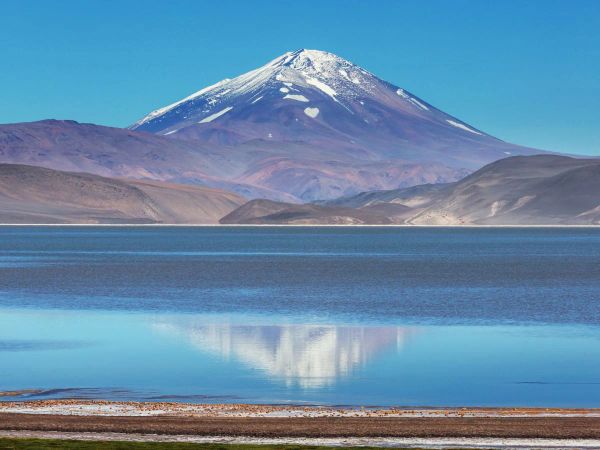
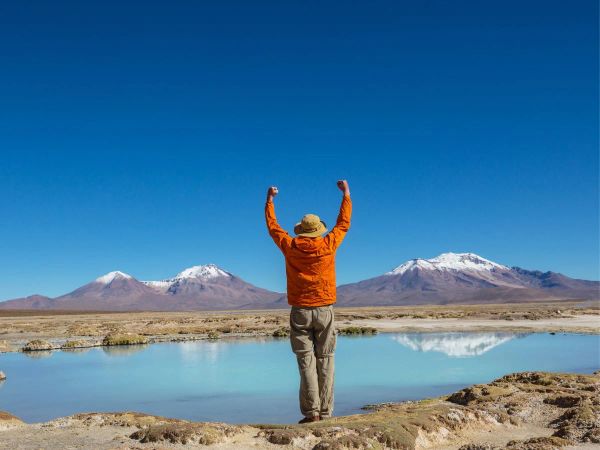
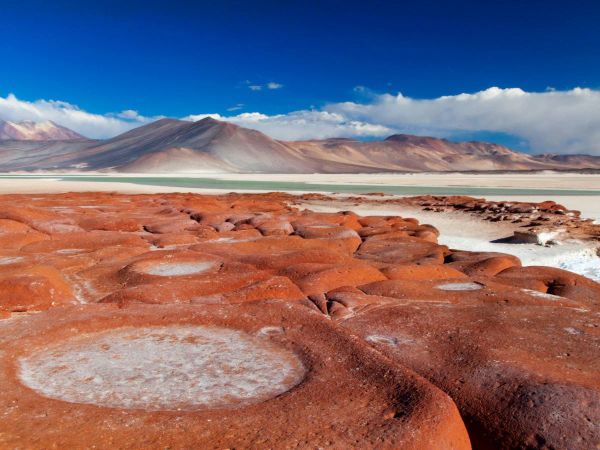
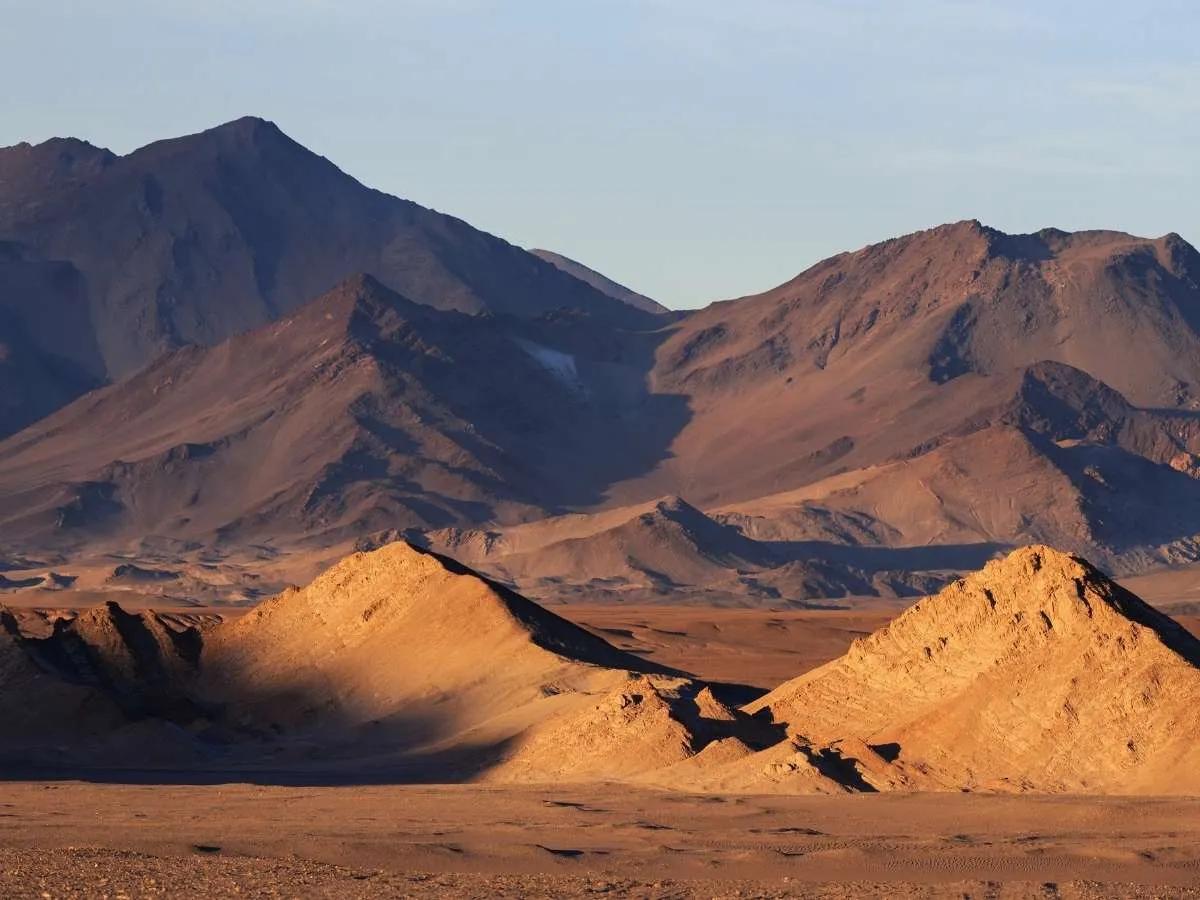
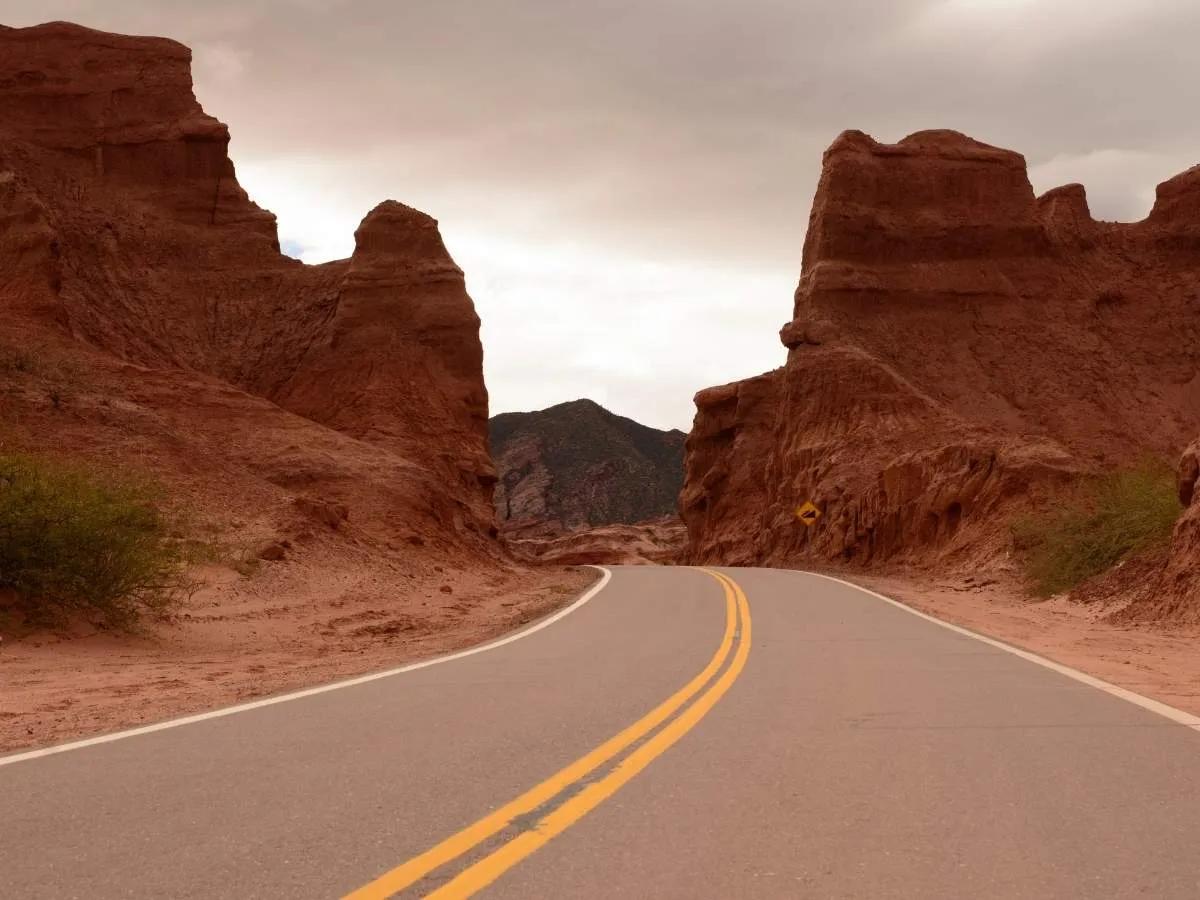
Northern Argentina is home to some of the country's most compelling landscapes and wildlife. The northwest provinces of Salta and Jujuy feature colonial architecture, ancient Andean culture, and terrain that shifts from red desert earth to the remote high-altitude Puna plateau, with the Andes rising dramatically to the west. Summer temperatures here can exceed 40°C in the lower valleys, making April through October the most comfortable window for exploring the region. The rainy season typically runs from December through March, bringing heavy downpours to the lower valleys and making some high-altitude roads unpredictable.
Further east, the subtropical provinces of Misiones and Corrientes are warm and humid year-round, with winters sitting around 16–18°C and summers regularly exceeding 25°C. This region is home to the Iberá wetlands — one of South America's great wildlife sanctuaries, teeming with capybara, caiman, and marsh deer — and to Iguazú Falls, one of the most breathtaking natural wonders on earth. Sitting on the border between Argentina and Brazil, Iguazú Falls attracts visitors year-round, though the falls are at their most powerful and dramatic during and after the wet season.
Buenos Aires, Mendoza and the Temperate Zone
Buenos Aires has a mild and moderate climate with no dramatic extremes. Winters are cool and often sunny, averaging around 11°C in July, while summers are warm and humid, reaching around 25°C in January and February. Spring and early autumn are the ideal seasons for exploring Buenos Aires on foot — warm, bright days, lower humidity, and the city at its most vibrant. The Buenos Aires Tango Festival in August draws performers and enthusiastic audiences from around the world, adding a compelling cultural dimension to any late-winter visit and making it one of the city's most celebrated annual events. For anyone planning their trip around a festival experience, this is well worth factoring in.
Mendoza, to the west in central Argentina at the foot of the Andes, enjoys a Mediterranean-style climate with warm summers and mild winters. It is a comfortable destination year-round, though spring and autumn offer the most rewarding conditions for exploring the region's vineyards and mountain scenery.
Patagonia and the Far South
Patagonia is where the rules change most sharply. The region is semi-arid, consistently cold even in summer, and exposed to powerful westerly winds that arrive with little warning. Summer temperatures in southern Patagonia hover between 5°C and 20°C. In winter — June through August — services close, trails become hazardous, and travel to the far south is not recommended for most visitors.
Argentina Holidays: The Best Time to Visit by Season
Spring — September to November
For UK travellers, Argentina's spring falls during our autumn months. This shoulder season is widely regarded as one of the most rewarding windows for Argentina holidays: conditions are good, tourist crowds are manageable, and prices are considerably lower than during the peak tourist season. It is the ideal season for those who want to experience the country's popular destinations without the pressure of high tourist season — good weather, open trails, and a pace that allows you to breathe.
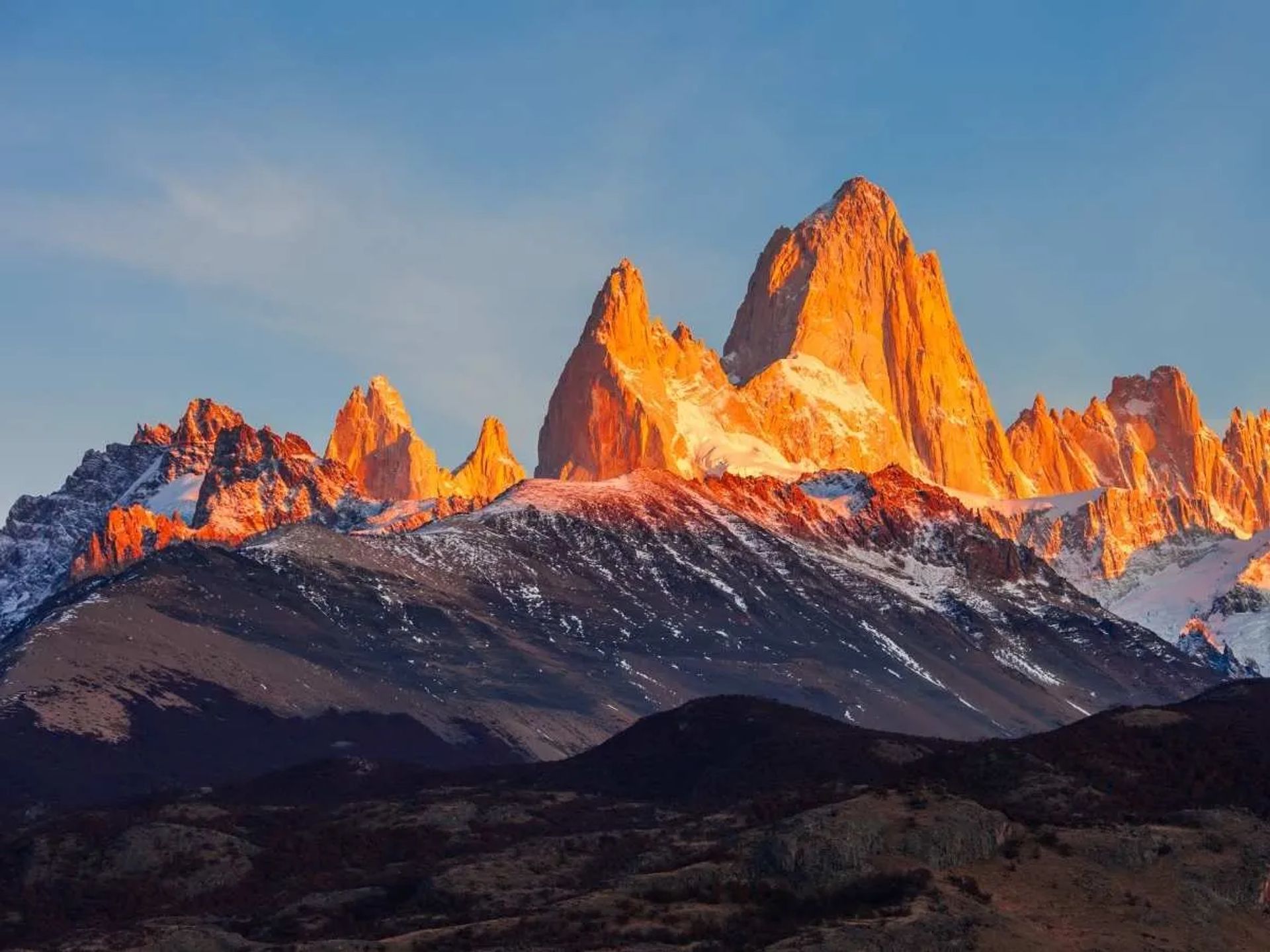
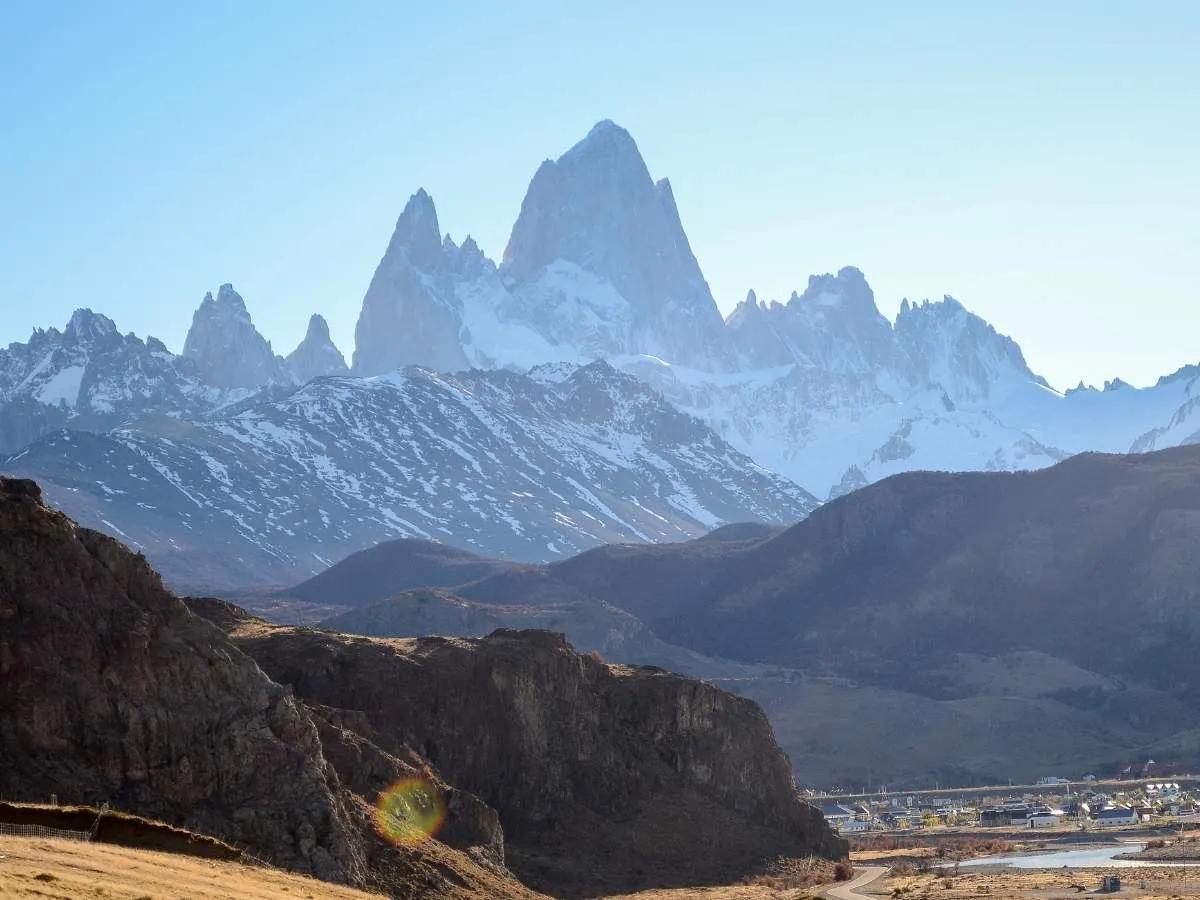
Buenos Aires is at its most pleasant — warm, dry, and full of life. In Patagonia, the landscape is coming back to life. Trails reopen, wildflowers appear across the hillsides, and the outdoor adventure season is fully underway by October. The famous peaks of Fitz Roy and Cerro Torre near El Chaltén are increasingly visible as conditions improve, and the area around El Calafate is accessible without the midsummer rush.
In the northwest, spring brings ideal conditions to Salta and the Puna before the heat of summer builds. The clear, dry air of October and November is perfect for exploring the salt flats at Salinas Grandes and the high-altitude desert landscapes that define this part of Argentina.
Summer — December, January and February
Argentina's summer coincides with the UK's Christmas and New Year period — something that catches many British travellers off guard. The Argentine summer is peak season for Patagonia, and the summer months bring the most stable and accessible conditions for trekking, glacier visits, and long days in the far south.
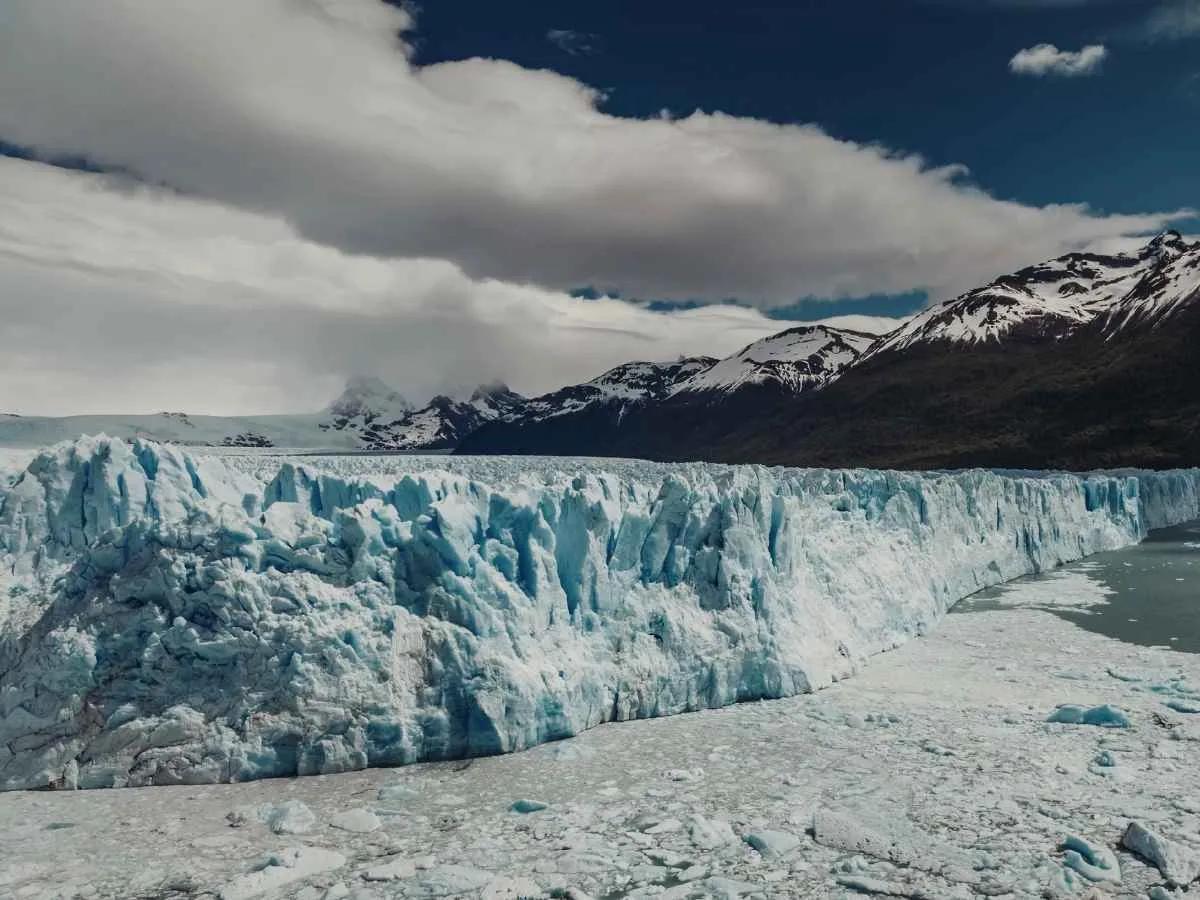
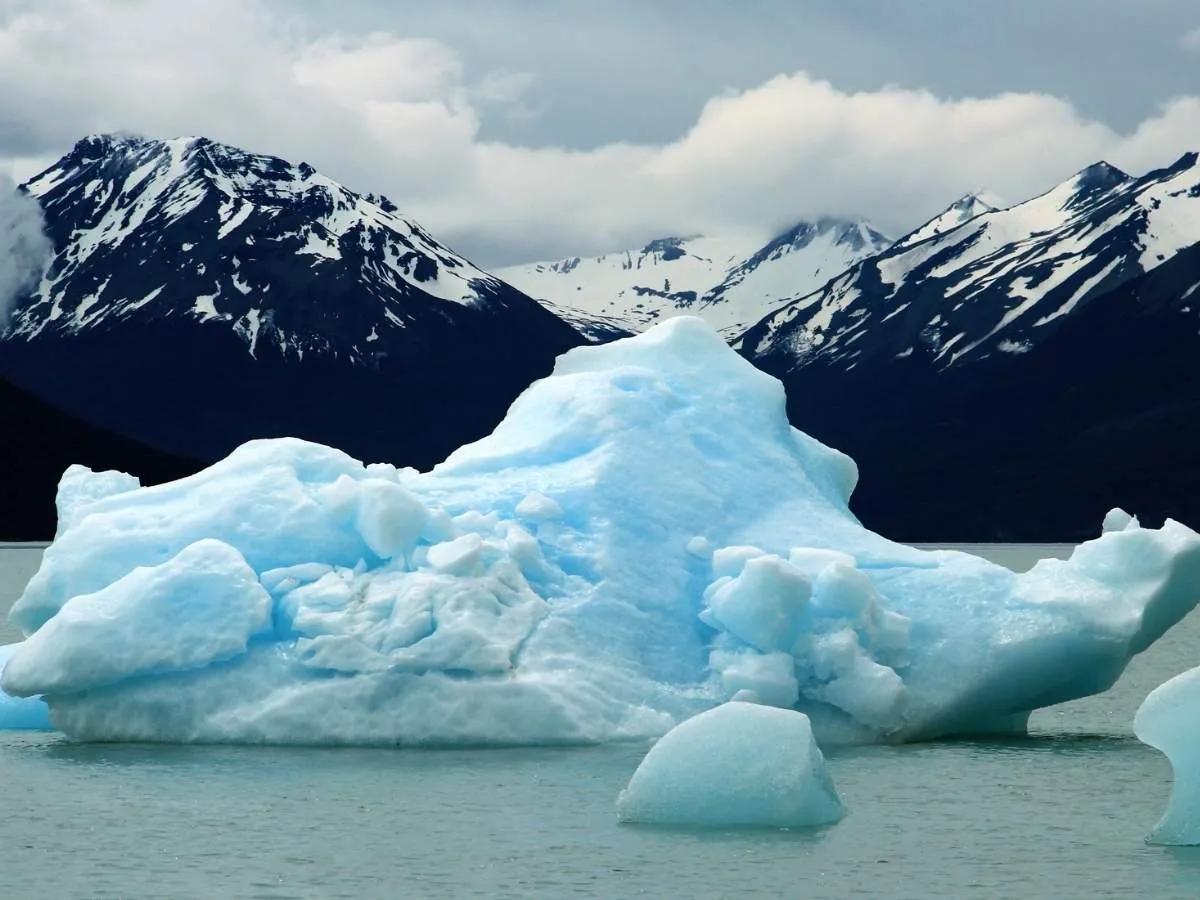
El Calafate fills with visitors heading to the Perito Moreno Glacier within Los Glaciares National Park, a UNESCO World Heritage Site and one of the few glaciers in the world that is still advancing. The sight of ice calving into the turquoise waters of Lake Argentino is at its most dramatic in the summer warmth. Further north in El Chaltén, the jagged towers of Fitz Roy and Cerro Torre draw serious hikers for multi-day routes through some of the most spectacular mountain scenery on the continent. Our Glaciers and Peaks of Patagonia tour covers these highlights across both sides of the border, timed specifically for the Patagonian summer season. Down in Ushuaia, extended daylight hours make this the ideal time to explore the Beagle Channel and the trails of Tierra del Fuego National Park.
This is the high tourist season in Patagonia — the peak tourist season for the region — and it shows in both footfall and prices. Buenos Aires, by contrast, becomes hot and humid through January and February. Many locals head for the beautiful beaches of the Atlantic coast, leaving the city quieter than usual. The northwest is at its most intense — summer storms can affect the Puna, and the lower valleys see temperatures that make daytime activity uncomfortable.
Book early. Accommodation and transport in Patagonia during December to February sell out months in advance.
Autumn — March to May
Argentina's autumn is the other shoulder season, and in many ways the most visually spectacular. Between late March and May, the lenga beech forests surrounding El Chaltén and El Calafate turn deep gold and amber. Visitor numbers drop, trails remain fully walkable, and the light takes on a quality that photographers travel specifically to capture.
March is the beginning of the harvest season in Argentina's high-altitude wine regions. Around Salta and the Cafayate Valley, some of the world's highest-altitude Malbec and Torrontés vineyards are in full harvest, and the annual festival celebrating the grape harvest is a lively and culturally rich event worth timing a visit around. Travellers who combine the northwest with a crossing into Chile can follow this route as part of a wider Puna and Atacama experience — the dry season makes the high-altitude roads at their most reliable from late March onwards.
Wildlife remains active through autumn. Penguin colonies on the Atlantic coast are still present through March, and orcas arrive at the Valdés Peninsula in March and April to hunt young seal pups along the shore — one of nature's more extraordinary spectacles. The Iberá wetlands are particularly rewarding at this time of year, when cooler temperatures make wildlife watching comfortable and the region sees fewer visitors than in peak summer.
Winter — June, July and August: Skiing and the Northwest
Winter is Argentina's quietest period, and it has more to offer than its reputation suggests. Buenos Aires is mild and manageable — rarely dropping below 5°C — and is an excellent base for exploring the city's neighbourhoods, museums, and food culture without the summer heat or tourist crowds. The Atlantic coast beaches that are busy throughout summer become quiet and windswept in winter, offering a completely different and genuinely peaceful experience.
The northwest shines in winter. Salta and the surrounding highland region are warm and dry during these months, and the Puna plateau is particularly clear-skied and striking under winter light.
For those seeking snow, the Andean ski resorts come into their own during the ski season. Cerro Catedral near Bariloche is the largest ski resort in South America, drawing visitors from across the continent for reliable snowfall and well-maintained pistes. June, July, and August are the optimal time for skiing, and the Lake District surrounding Bariloche offers some of the most scenic ski terrain anywhere in the southern hemisphere.
Patagonia, however, is a different matter entirely. The far south — El Calafate, El Chaltén, Ushuaia — experiences extreme cold and persistent wind. Most long-distance trails are inaccessible. Travel is possible but limited, and the experience bears little resemblance to the same places in summer.
Argentina Weather in November — A Month Worth Choosing
November sits in a quiet but genuinely rewarding position in the Argentine travel calendar. It is past the uncertainty of early spring, but well ahead of the tourist crowds that build from mid-December onwards. For many experienced travellers, November is the best time to visit Argentina, with excellent conditions across multiple regions at the same time.
In Patagonia, November is the moment when the season properly opens. El Calafate and El Chaltén are accessible and increasingly busy, but not yet at full capacity. The Perito Moreno Glacier is in excellent form, and the hiking trails around Fitz Roy are clear and walkable. Wildflowers are in bloom across the valley floors, and the days are lengthening noticeably — providing ample time for long walks and dramatic views without the competition for trail space that arrives in summer.
Buenos Aires in November is warm and dry, without the humidity that makes the capital feel heavy in January. It is a good month to spend time in the city, walking its neighbourhoods at a relaxed pace before or after heading south.
In the northwest, November is the last comfortable month before summer storms begin to build around the Puna. The salt flats, the highland passes, and the landscapes of Salta and Jujuy province are at their clearest and most accessible.
For UK travellers, November also carries a practical advantage: it falls before the Christmas period, when flights to Buenos Aires and onward connections to Patagonia become significantly more expensive and harder to secure.
Best Time to Visit Patagonia
Patagonia is the destination that most often shapes the timing of an Argentina trip. It is also the most unforgiving region when it comes to weather.
Peak Season: Hiking and Glacier Visits
The Patagonian summer is the most accessible and rewarding window for hiking and outdoor activities. Days can stretch to 17 hours of usable light in December, which matters enormously when you are covering long distances on foot or by road. Los Glaciares National Park and the Perito Moreno Glacier are at their most dramatic in the warmer months, when ice calving is frequent and all access routes are fully open. Fitz Roy and Cerro Torre, notoriously cloud-covered for much of the year, have their best odds of a clear reveal in summer. Ushuaia is lively and well-serviced, with wildlife cruises operating through the Beagle Channel and good access into Tierra del Fuego National Park.
The trade-off is tourist crowds and cost. Plan and book as far ahead as possible if travelling between December and February.
Shoulder Season — October to November and Late March to April
For those who want Patagonia without peak-season pressure, November and late March to early April are the most practical alternatives. November brings warming temperatures and far fewer tourist crowds than December or January. Late March and April bring autumn colour and a significant drop in visitor numbers, with most trails and services still fully operational. Temperatures are lower than in summer, but with proper clothing, neither window feels like a compromise.
What to Expect from Patagonia's Weather
Even at the height of summer, Patagonia does not offer warmth in any conventional sense. Pack thermal base layers, a good waterproof outer layer, and clothing designed to handle sustained wind. The westerly winds that sweep across the southern ice fields can be severe — strong enough to make outdoor activities difficult on exposed ridges. Conditions change quickly and without much warning. Building flexibility into your itinerary is not overcautious. It is sensible planning.
Planning Your Argentina and Chile Trip
Many travellers visit Argentina and Chile together, and the two countries share some of their most popular destinations and dramatic landscapes. The timing considerations overlap more than people expect, making a combined trip more straightforward to plan than it might initially appear.
Building Your Patagonia Itinerary
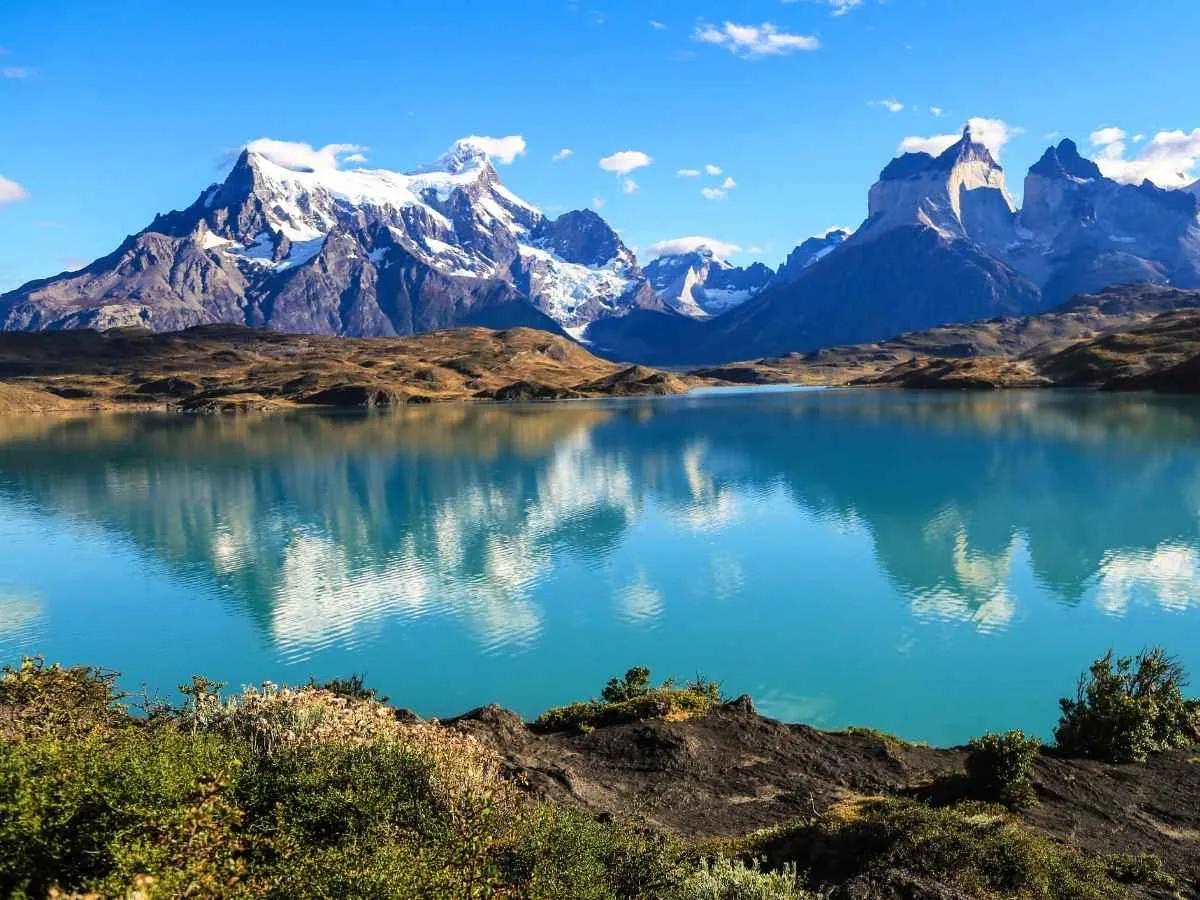
Argentine and Chilean Patagonia share a season. The optimal window for both sides of the border — October through April, peaking December to February — is essentially the same. Travelling from El Calafate and Argentinian Patagonia westward into Chilean Patagonia, or approaching from Torres del Paine and crossing east, the logic of the journey holds across both countries. For travellers planning a combined Argentina and Chile trip, our Argentina, Chile and Bolivia Explorer tour takes in the full sweep of the southern cone across the best seasonal window.
A combined Patagonia itinerary in November or late March gives you the best of both sides: rewarding conditions, open trails, and space to move without peak-season congestion.
The Northwest and the Atacama
A very different combined journey links the high-altitude landscapes of northwest Argentina with the Atacama Desert in northern Chile. Beginning in Salta, the route travels through the Puna plateau — past the vast Salinas Grandes salt flats, the painted hills of Purmamarca, and the remote highland roads of Jujuy province — before crossing into Chile via the Jama Pass at over 4,200 metres.
This is one of the most dramatic overland crossings in South America, and the best time to make it is between April and October. The dry season keeps the high-altitude roads clear and the skies reliably open. From November through March, summer storms across the Puna can make the crossing unpredictable.
Month-by-Month Argentina Travel Guide
January and February are the peak of the Argentine summer in Patagonia. El Calafate, El Chaltén, and Ushuaia are busy and fully open, with the longest days and most stable conditions for hiking. Buenos Aires is hot and humid; northern Argentina is at its most intense.
March through May bring Argentine autumn. Argentinian Patagonia turns golden, the northwest is warm and accessible, and visitor numbers fall across the country. One of the best windows for those with flexibility in their travel dates.
June through August are winter months. Buenos Aires remains mild and pleasant. Salta and the Andean northwest are dry and clear. The ski season is in full swing across the Andes. Patagonia is largely off-limits for trekking.
September through November is spring — a lovely month across several of Argentina's top destinations, with good conditions and shoulder-season pricing in effect. November in particular stands out as the ideal time to combine Patagonia, Buenos Aires, and the northwest without the disruption of high tourist season.
Conclusion
Argentina is one of those rare destinations where understanding the seasons is not just useful — it is what separates a good trip from an extraordinary one. Its scale means that almost any month offers somewhere worth going. But matching your timing to your destinations, your appetite for crowds, and the experiences you are most drawn to makes the difference between arriving at the right moment and arriving when everything is working against you.
Whether it is the glaciers and granite towers of Patagonia in the long summer light, the red desert plateaux of Salta under a winter sky, or the golden lenga beech forests of El Chaltén in autumn — Argentina reveals itself best to those who have done their homework.
That is where Undiscovered Destinations comes in. We specialise in small-group tours in Argentina, designed for travellers who want to experience the country properly, at the right time, with people who know it well. Start planning your Argentina journey today — and make sure you arrive at exactly the right moment.