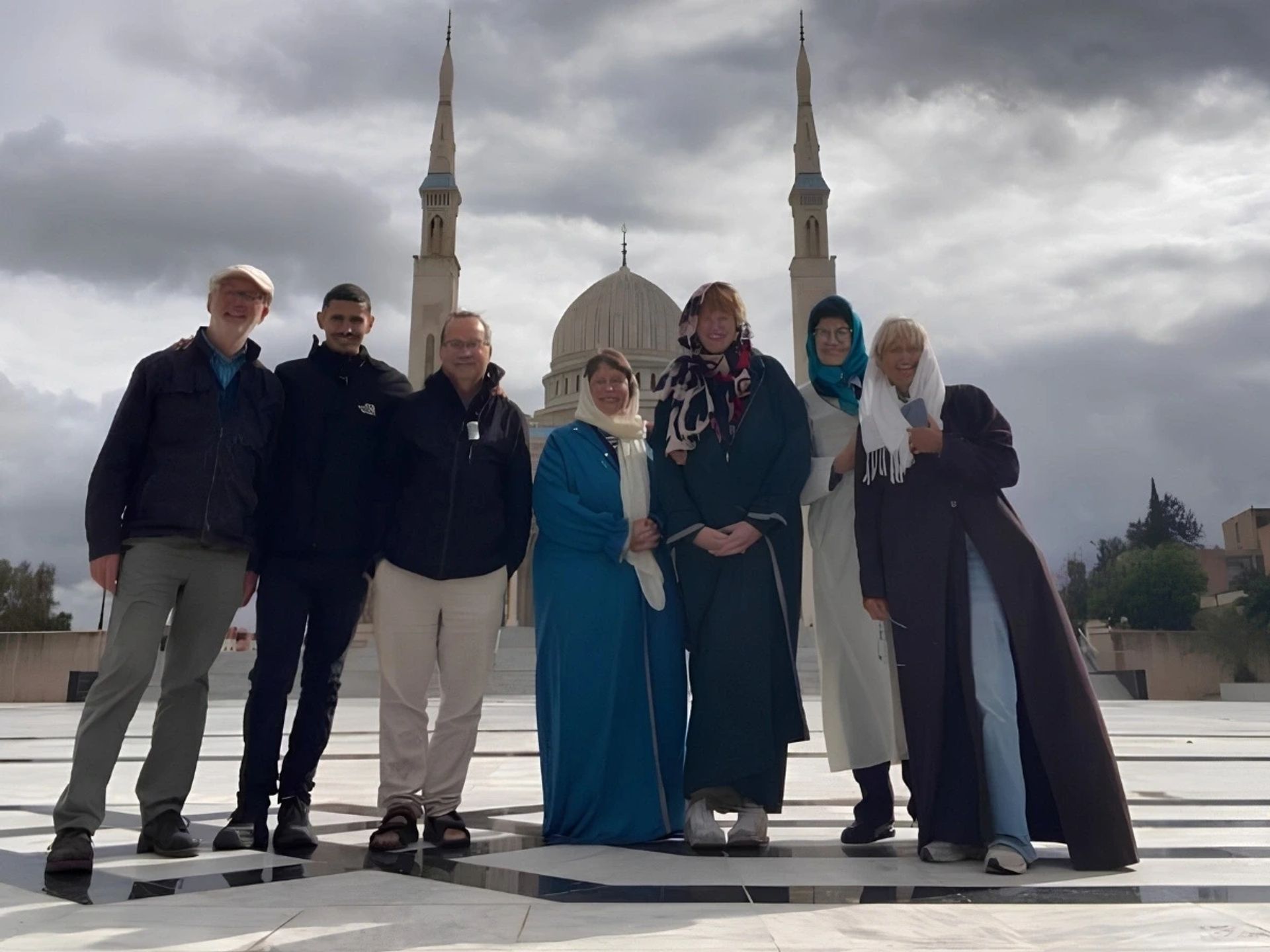
Arriving into Algiers felt much like arriving into any major city at first, a sprawling metropolis, passing government buildings and the vast Djamaa El Djazair, one of the largest mosques in the world, before nearing the hotel where the mix of architectural styles quickly became clear.
Exploring the city, you start to notice how effortlessly old and new sit side by side, elegant French colonial buildings alongside Moorish landmarks such as the Old Post Office. It is a city shaped by a complex past, from Ottoman and French rule to independence in 1962 and more recent instability, which helps explain why tourism here still feels refreshingly limited. and if you want to understand what makes Algeria such a compelling destination before you go, our guide to discovering Algeria is well worth a read.
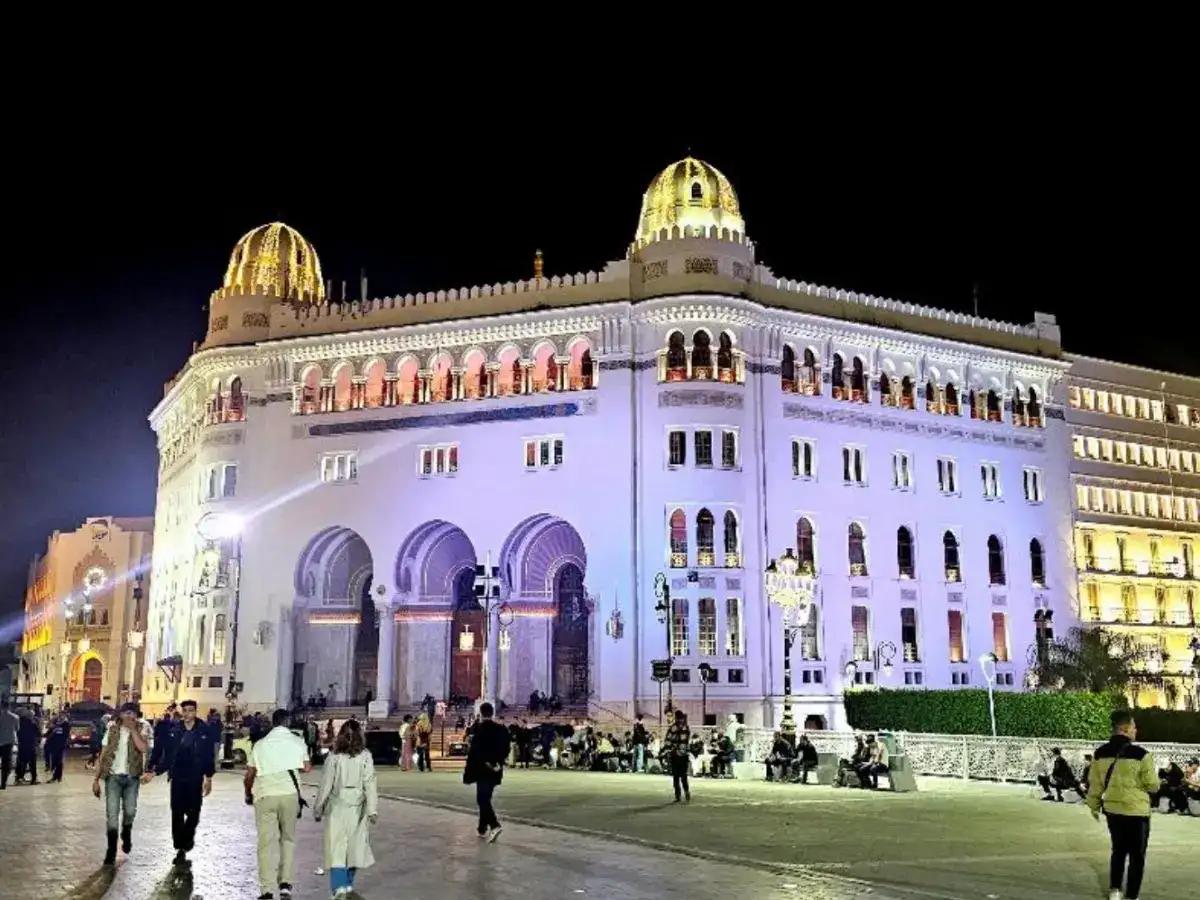
The Casbah, Street Art and Ottoman Grandeur
A visit to the Casbah of Algiers really is a must. It is a maze of narrow streets, full of life, with locals, schoolchildren and the occasional tourist all weaving through together. I have always had a bit of a soft spot for street art, so I found this especially interesting, although others on the trip may have just seen it as graffiti. Much of it ties back to football culture, even portraits of well known figures often come down to club loyalty. Down at the seafront, Palais des Rais offers a glimpse into Ottoman grandeur, with beautifully restored courtyards and intricate tilework.
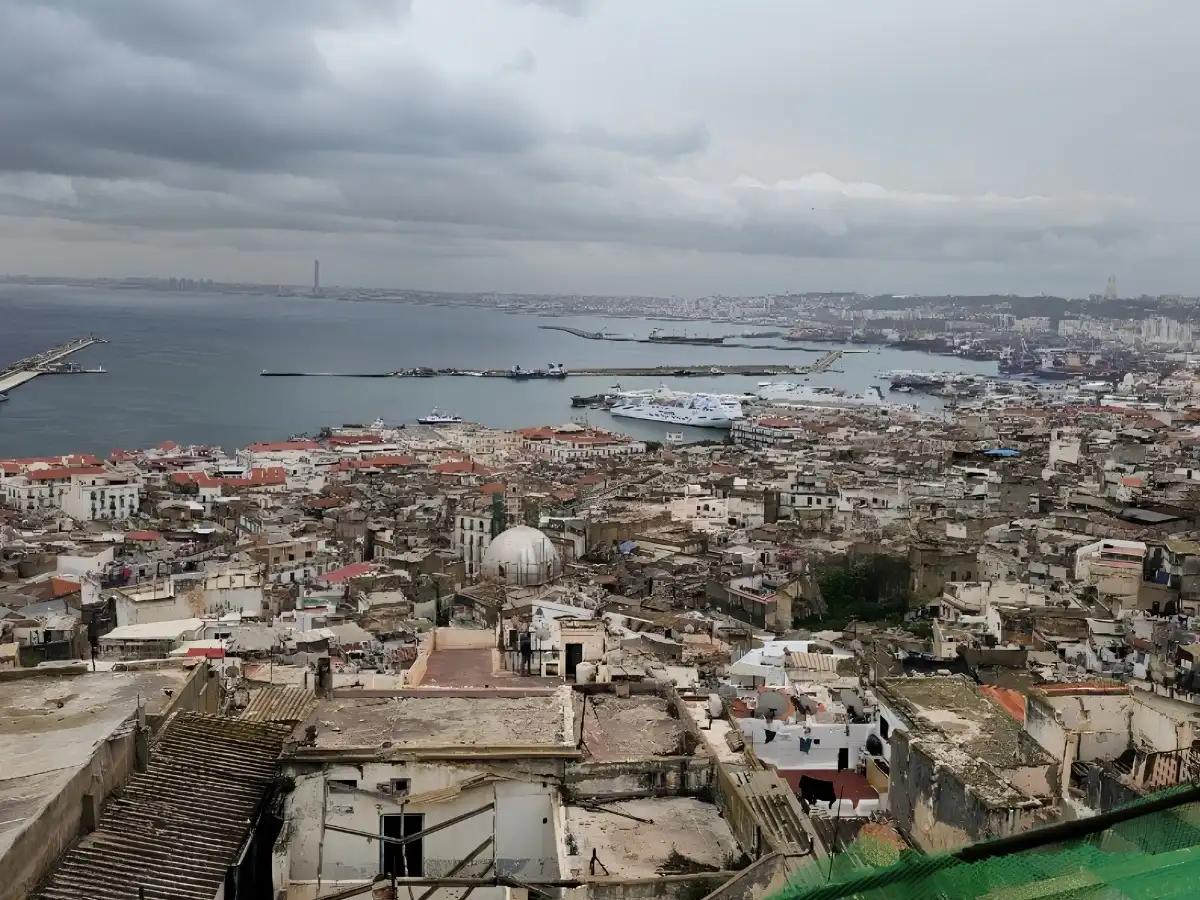
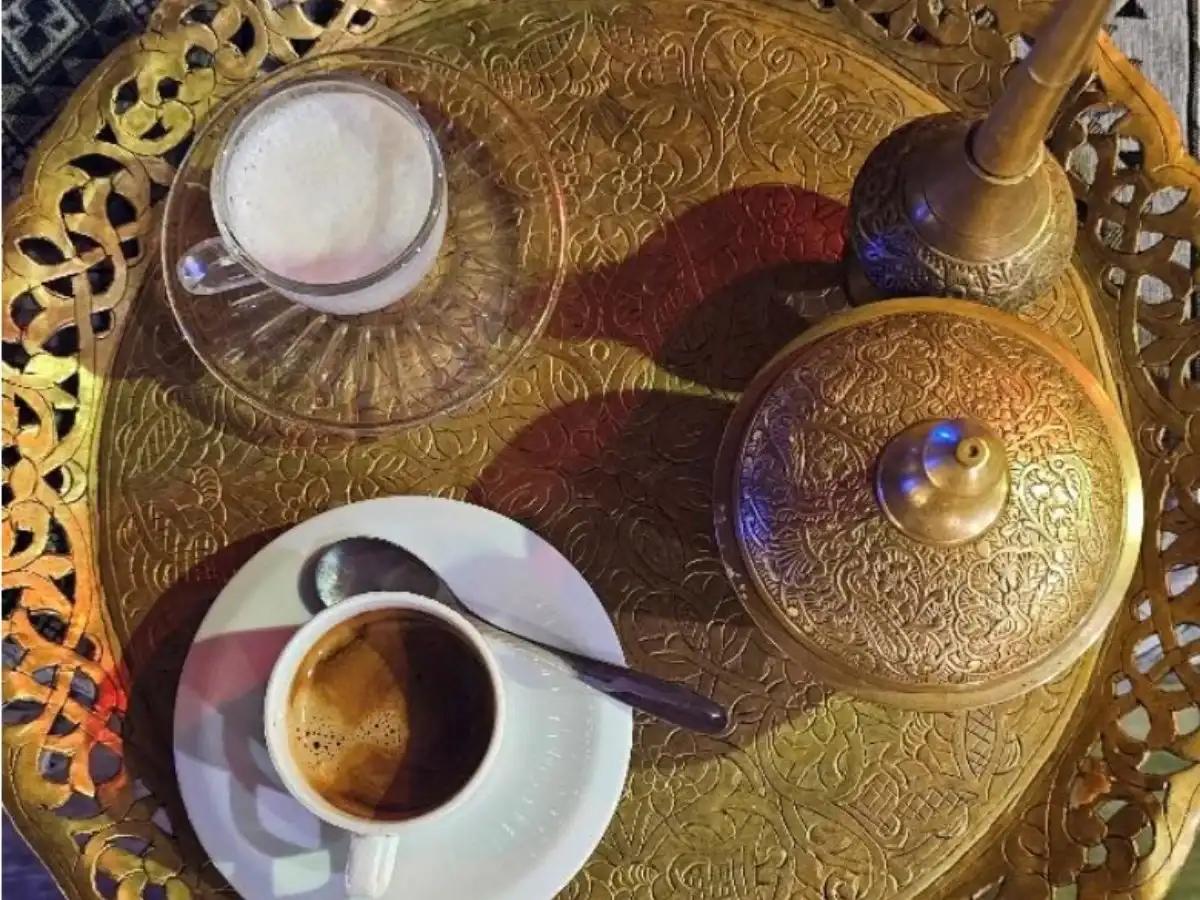
Throughout Algeria Cafés spill out onto pavements across the city, and coffee culture is very much part of daily life, strong, dark coffee taken slowly and socially. Interestingly, the price of coffee is kept low and consistent due to government subsidies, making it an accessible daily ritual for locals.
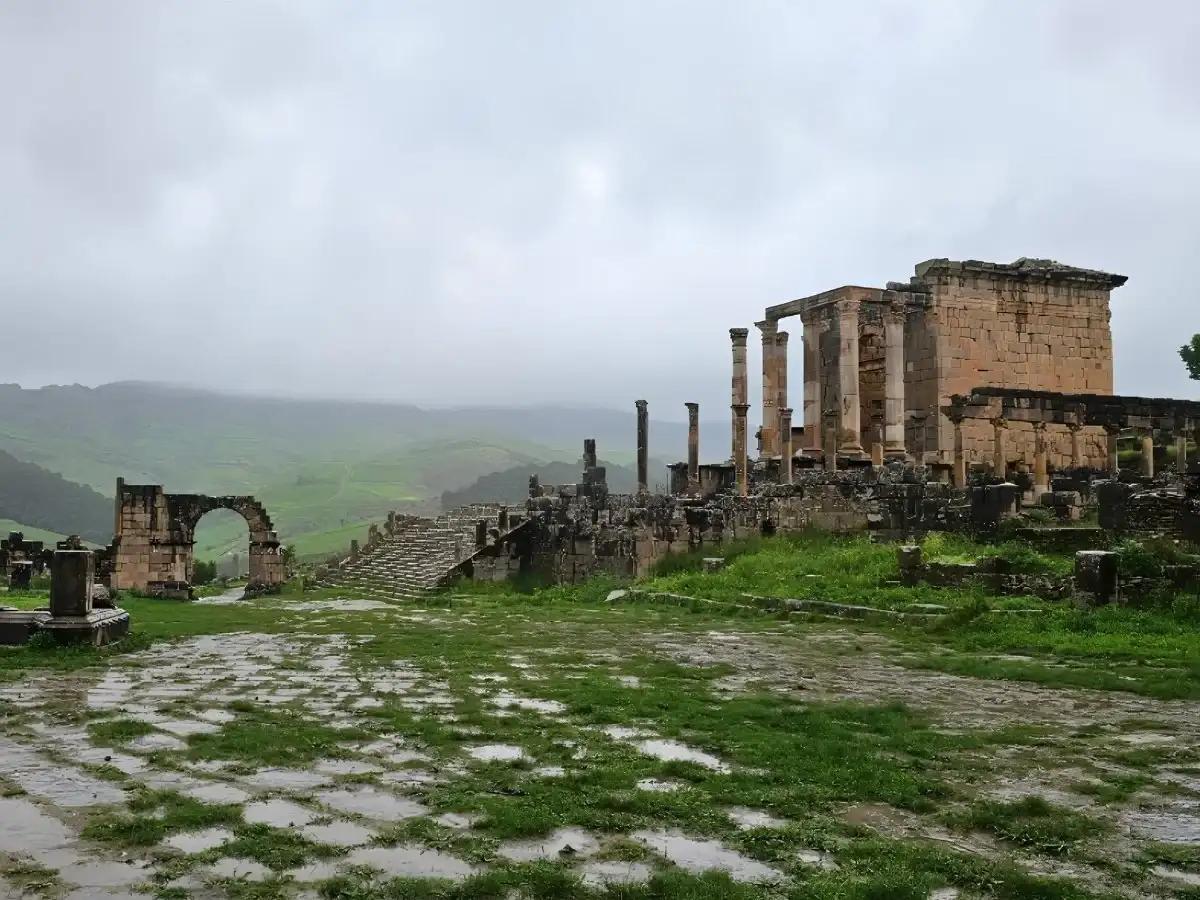
Roman Algeria: Setif, Djemila and Timgad
Heading east, we reached Setif, where the museum houses some of the finest Roman mosaics in the country. At nearby Djemila, it is the sheer scale that impresses, vast halls of reconstructed mosaics followed by the ruins themselves, dating back to the 1st century AD. Both Djemila and Timgad are recognised as UNESCO World Heritage Sites, among the best-preserved Roman cities in the world.
Constantine: The City Above the Gorge
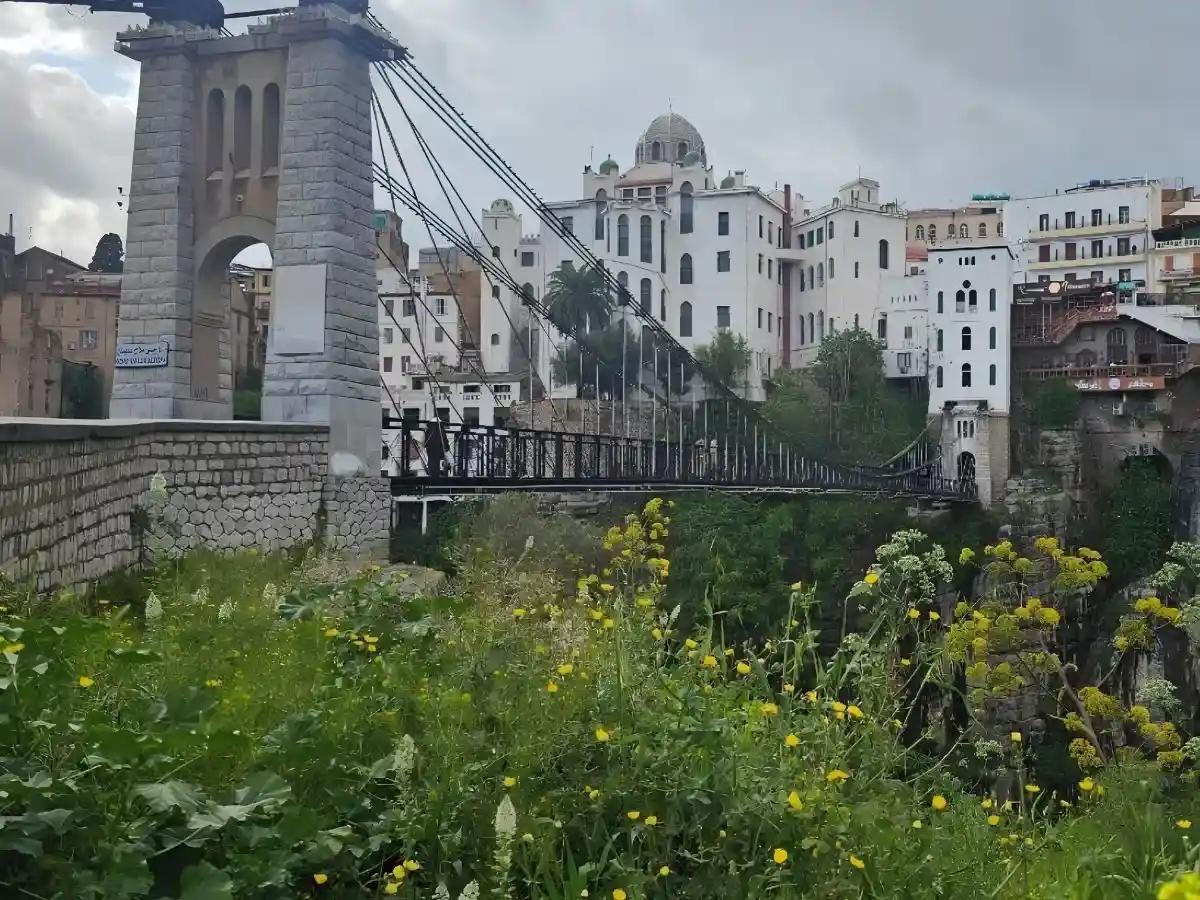
In Constantine, the setting is unforgettable. Perched above the dramatic Rhumel Gorge, the city is connected by a series of spectacular bridges. We visited the Palace of Ahmed Bey, a 19th century Ottoman residence with ornate courtyards and sweeping views across the gorge, before taking a cable car ride for a broader perspective of the city.
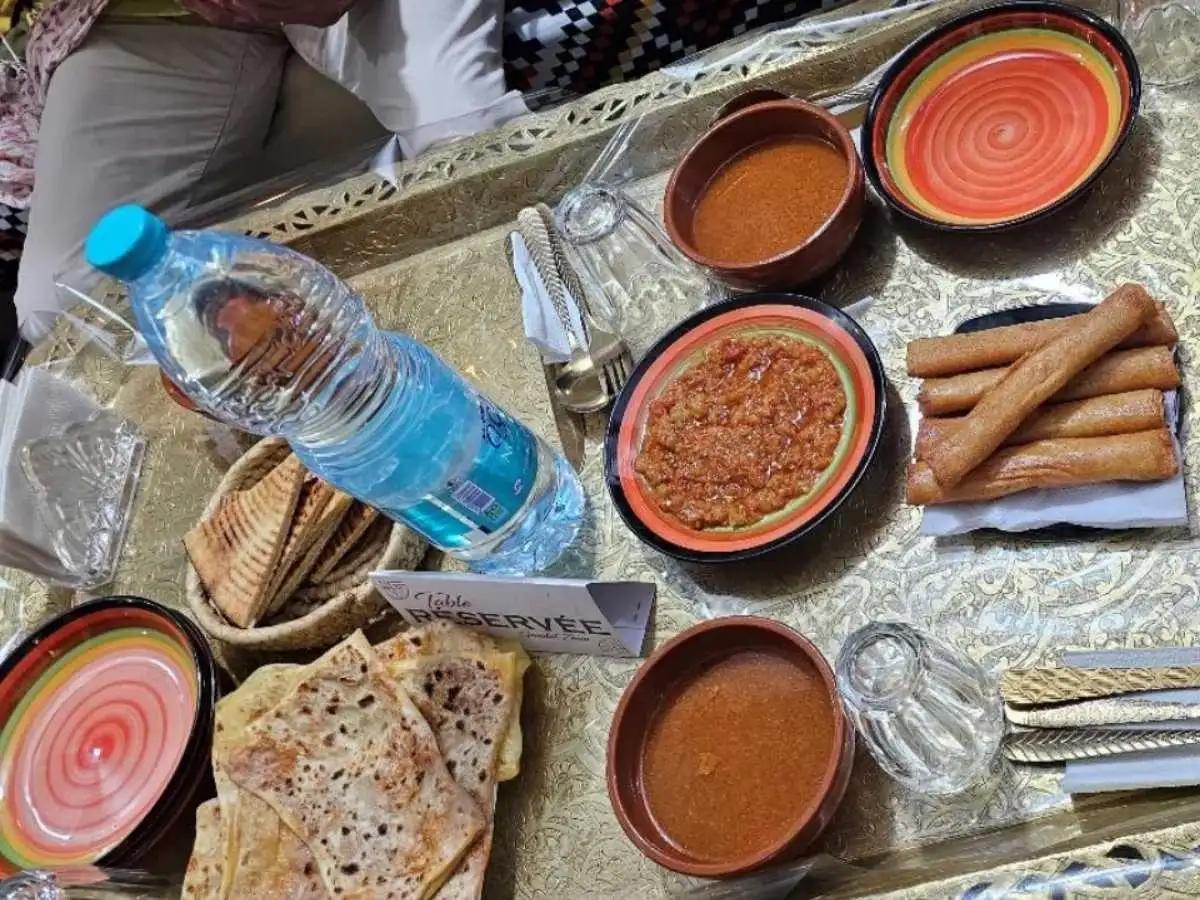
Lunches throughout were simple and traditional, soups, breads and dishes such as borek, alongside quick bites, stews, roasted vegetables and the occasional meat skewers. It all reflects Algeria’s reliance on staple ingredients like wheat, supported by government subsidies that help keep everyday food accessible.
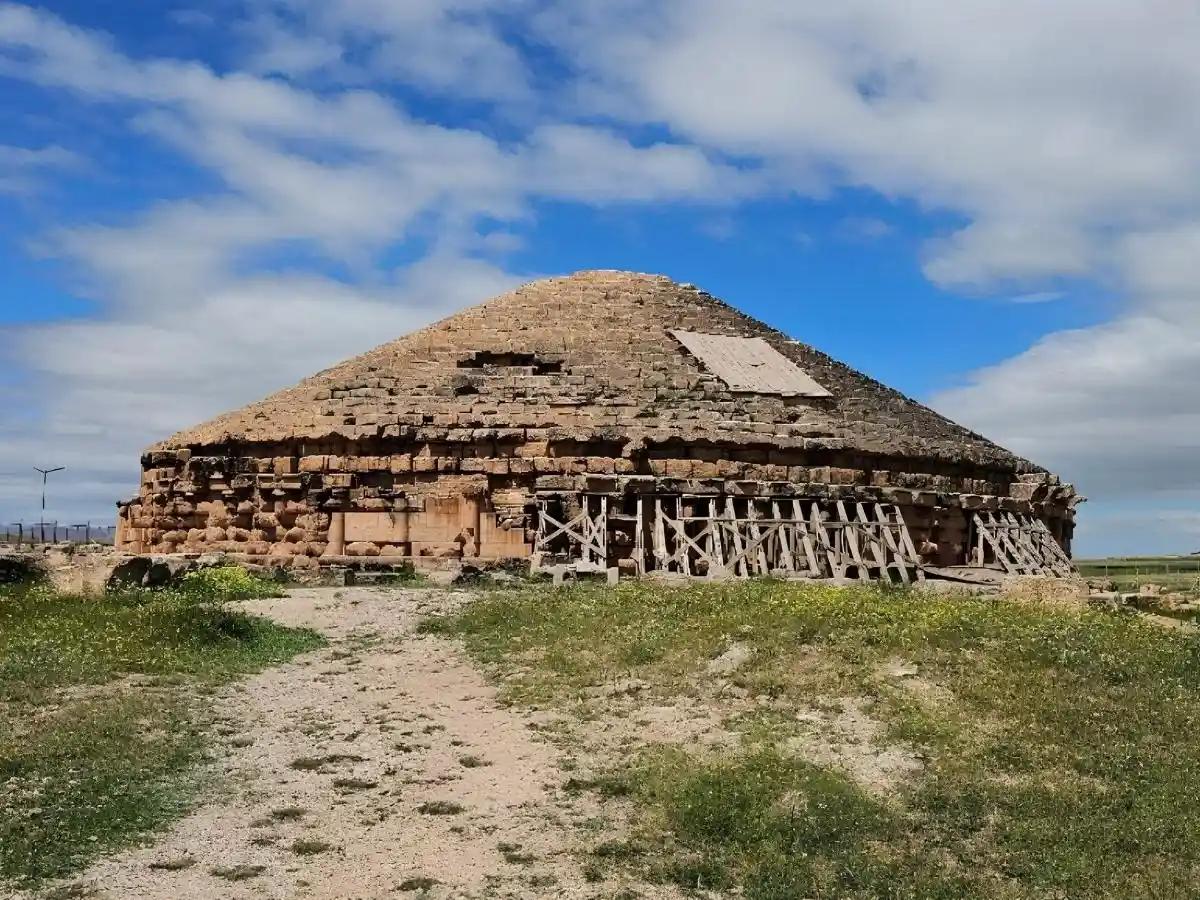
Further south, we stopped at Medracen, a striking pre Roman royal tomb, before arriving at Timgad. Founded by Emperor Trajan, it remains one of the best preserved Roman cities anywhere, its grid layout, theatre and temples still clearly visible.
Gateway to the Sahara: El Kantara and Ghoufi Canyon
The journey towards the Sahara marked a real shift in landscape. Passing through El Kantara, often called the gateway to the desert and site of the first shots of the rebellion in 1954, the scenery quickly changed from green mountains to arid plains. At Ghoufi Canyon, ancient dwellings cling to the canyon walls, while Sidi Okba Mosque stands as one of the country’s oldest religious sites.
The M'Zab Valley: A Deeply Traditional Desert Community
We continued to Ghardaia, with a brief overnight in El Oued. Throughout Algeria alcohol is available, although not widely, and while not commonly consumed, the local wines and beers we tried were mostly surprisingly good. The rarity of it was perhaps best illustrated when we had to wait nearly twenty minutes for a corkscrew at this hotel to be delivered before the bottle could be opened!
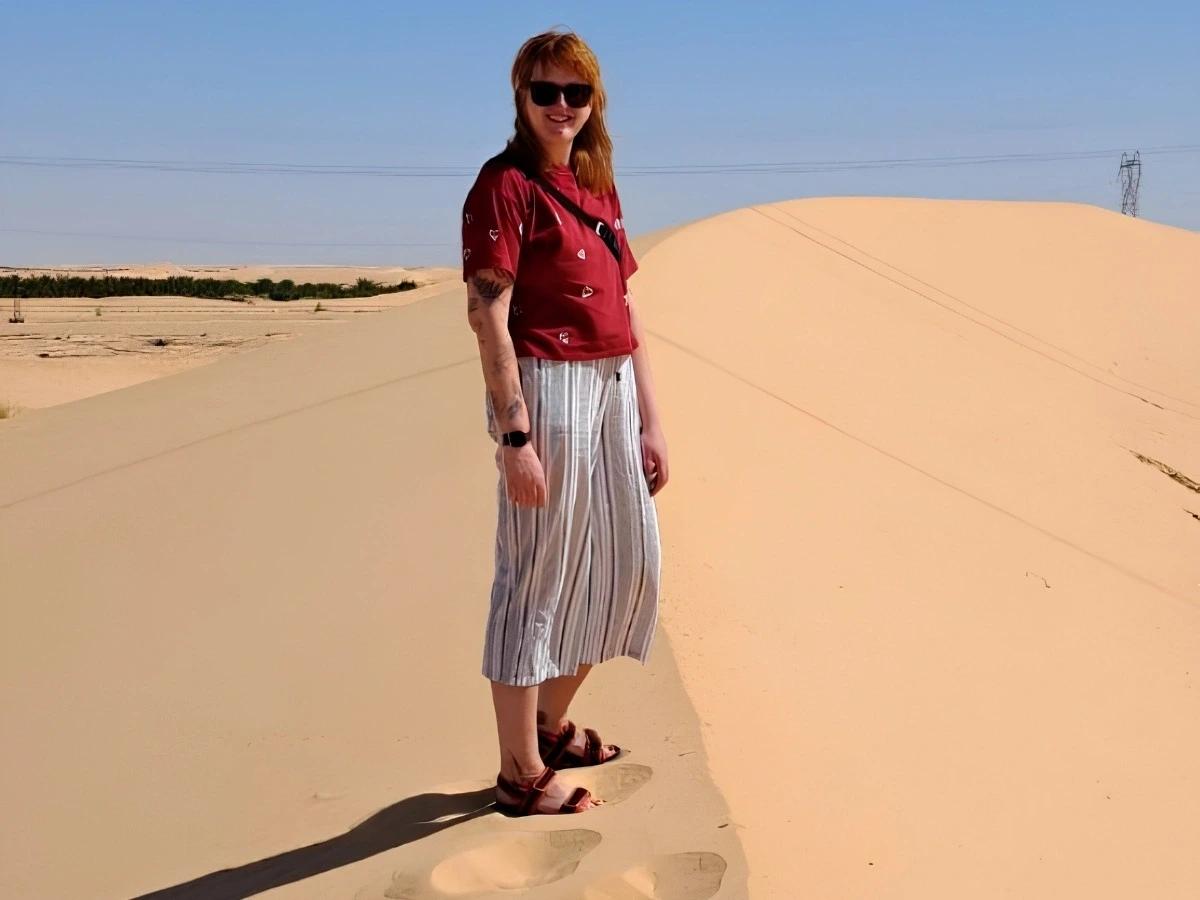
The M'Zab Valley is made up of five historic towns, Ghardaia, Beni Isguen, Melika, Bounoura and El Atteuf, founded in the 10th century and still deeply traditional. The M'Zab Valley is another UNESCO-listed site in Algeria, celebrated for its remarkable example of a traditional human habitatVisiting with a local guide offers genuine insight into a tightly knit community with a strong sense of identity. It is not possible to visit without a Mozabite guide, with our Algerian guide often acting as translator, and at times feeling almost as much of an outsider as we were.
We explored markets, sampled local dishes such as chakhchoukha and zviti, and visited Tafilelt, a modern interpretation of traditional desert architecture. In Bounoura, we watched the sunset over palm groves sustained by ancient underground irrigation systems.
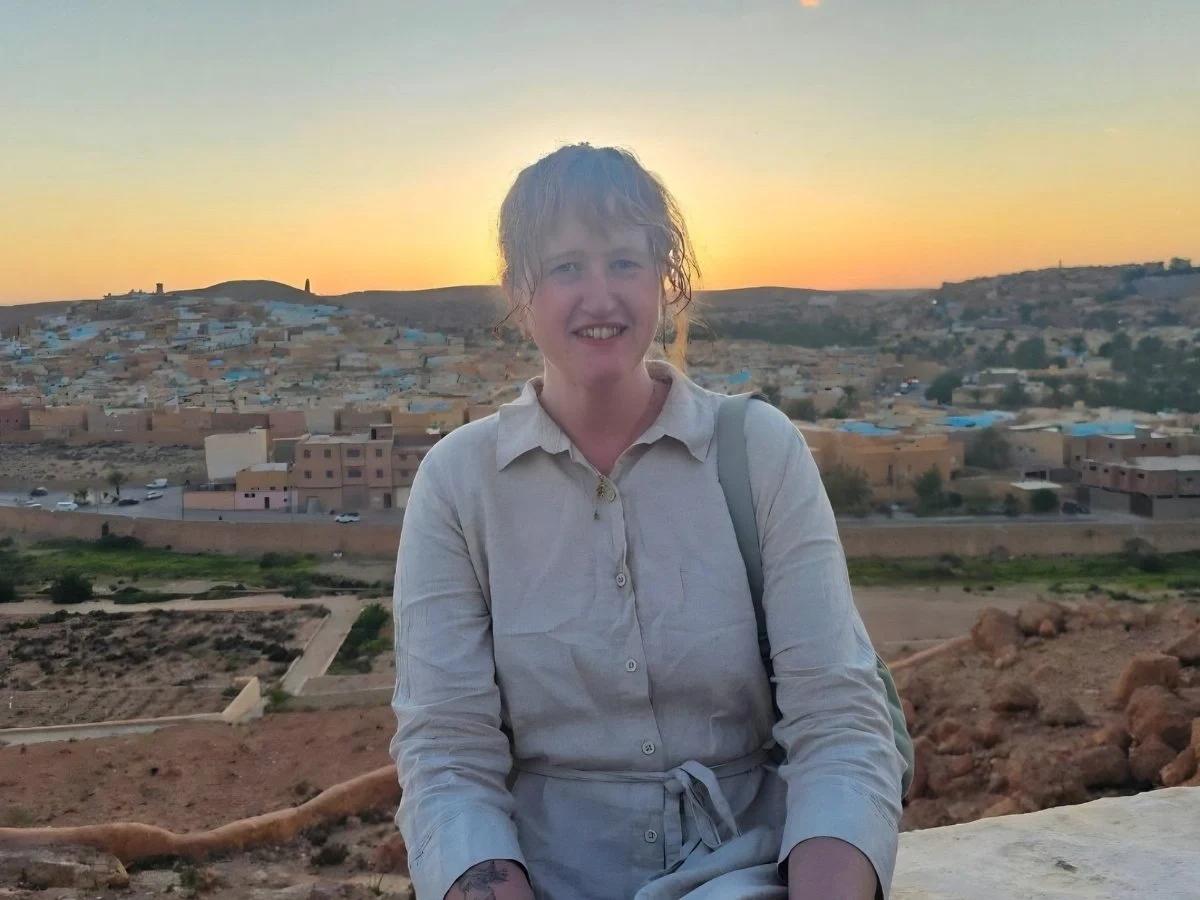
Timimoun: Red Dunes, Fortified Villages and Saharan Hospitality
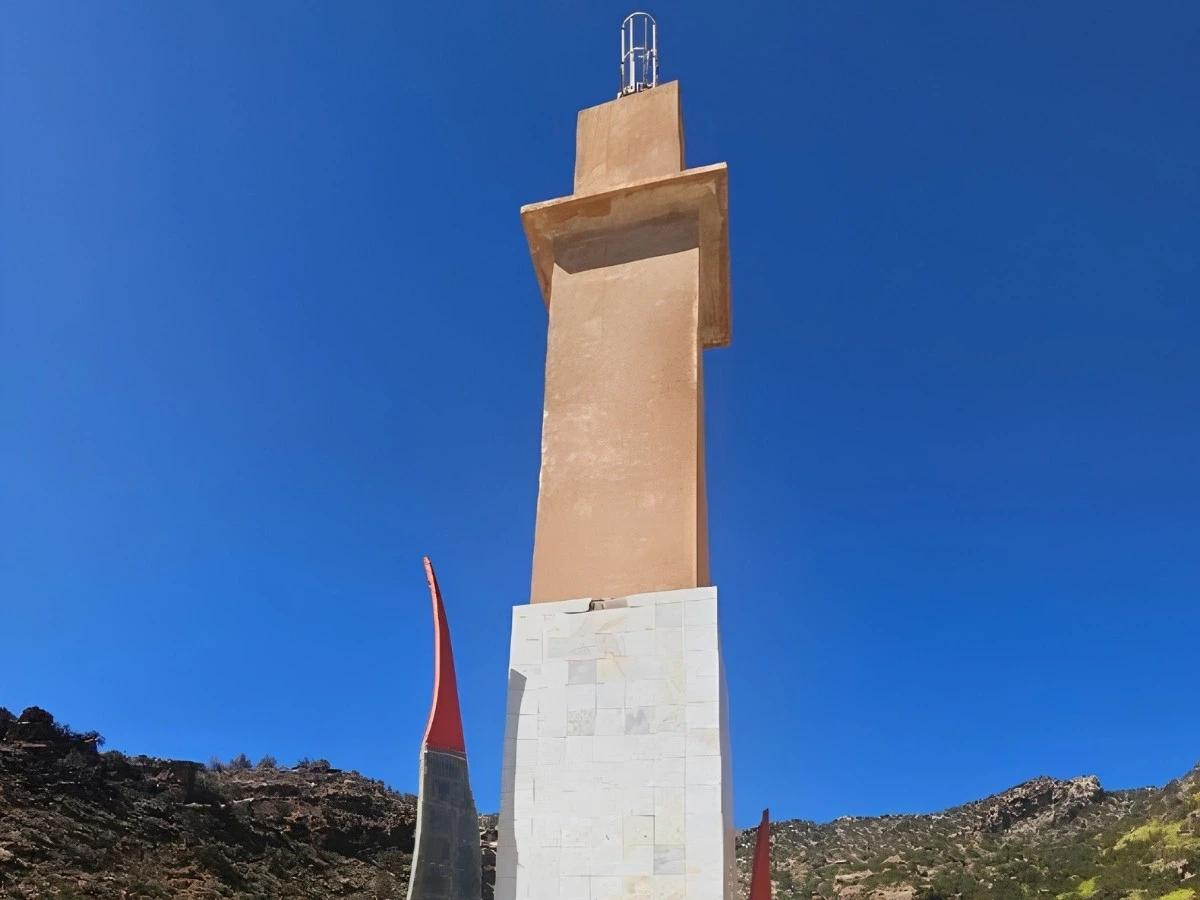
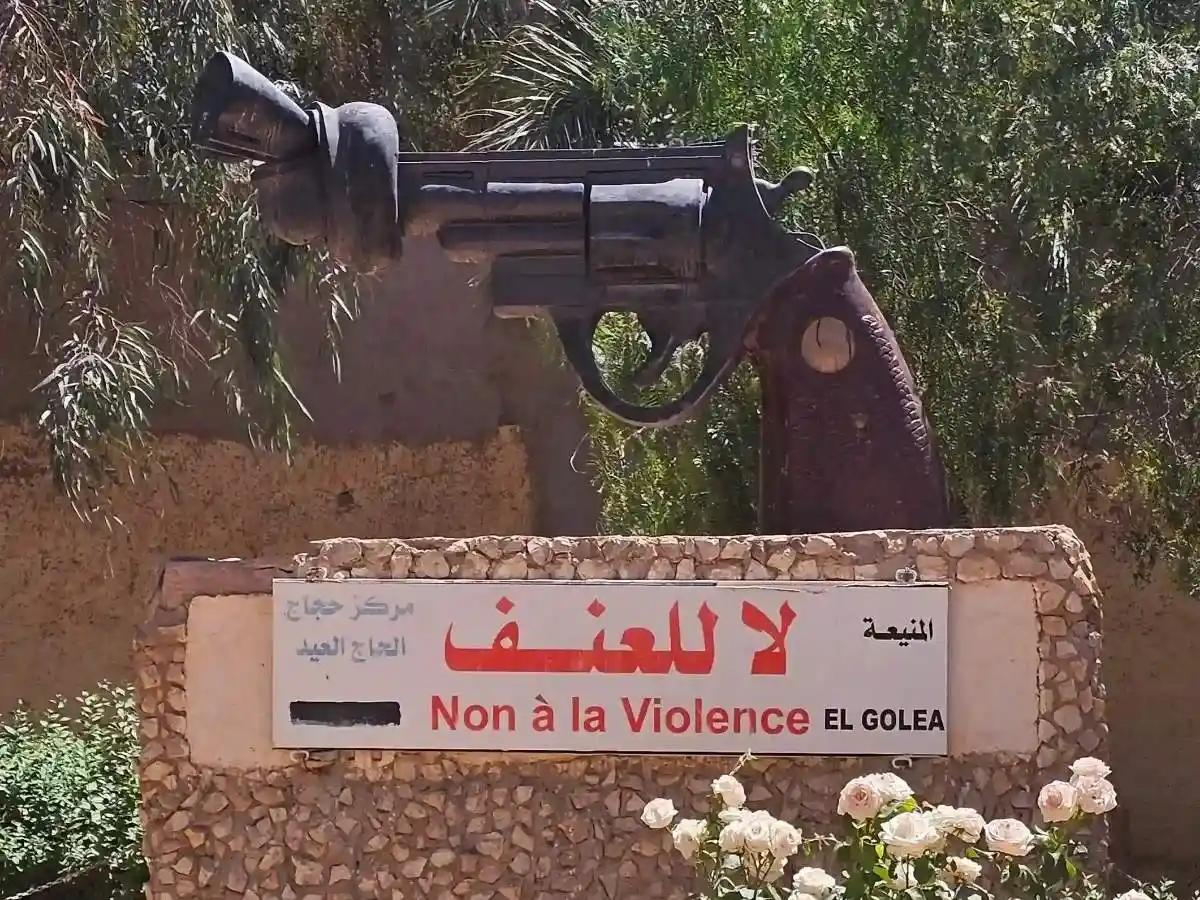
Travelling deeper into the Sahara, we reached Timimoun, stopping en route in El Menia. Once a key stop on trans Saharan trade routes, El Menia also carries a more recent and sobering history. The town experienced periods of unrest in the past, and today an anti violence memorial stands as a reminder of that time, reflecting both the challenges the country has faced and the resilience of its people.
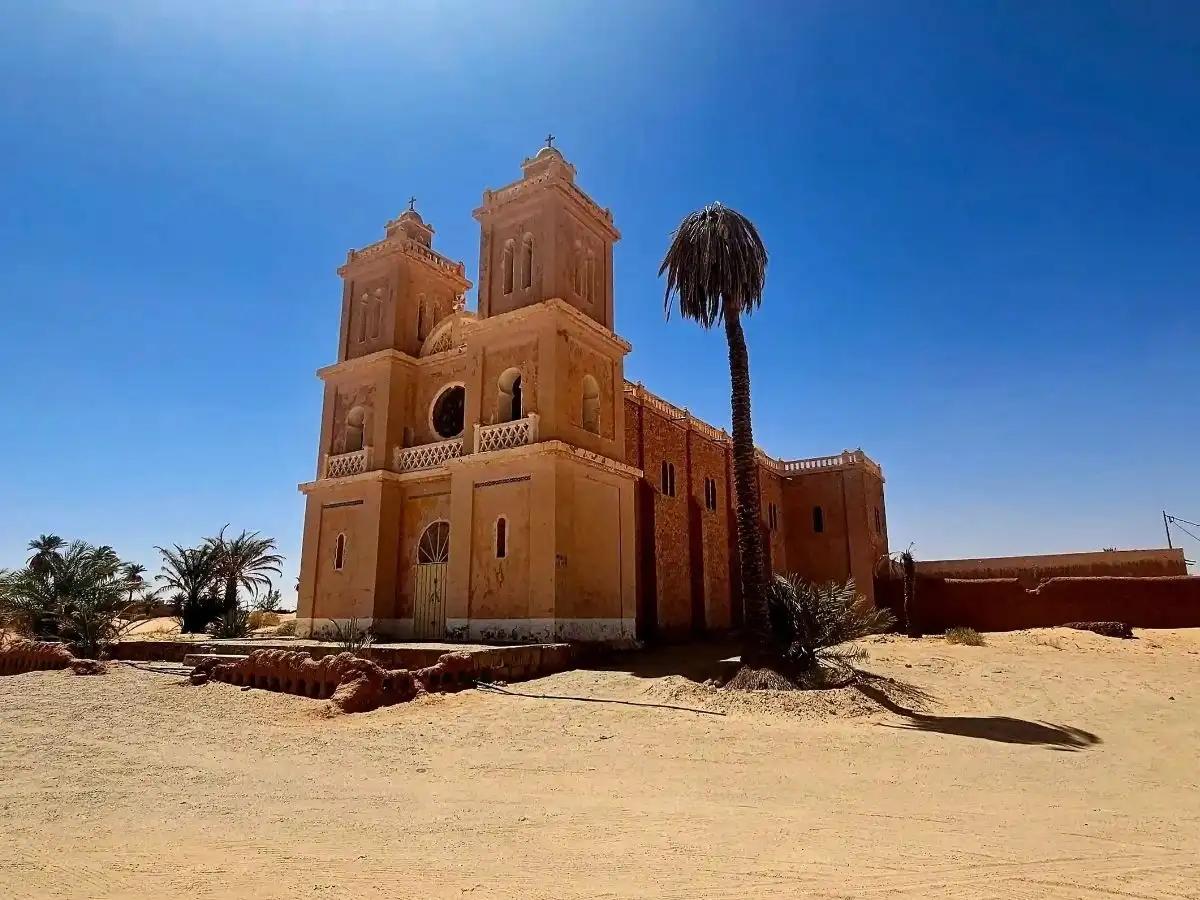
There are also layers of history visible across the town, from a small church dating to the French era (Church and tomb of St Joseph) to the nearby Ksar Draa, a much older fortified settlement that reflects the region’s pre colonial desert architecture and long standing trading heritage.
Timimoun’s red hued buildings and surrounding dunes create a striking landscape. We visited several ksour (forts) and learned how water is carefully managed in this harsh environment.
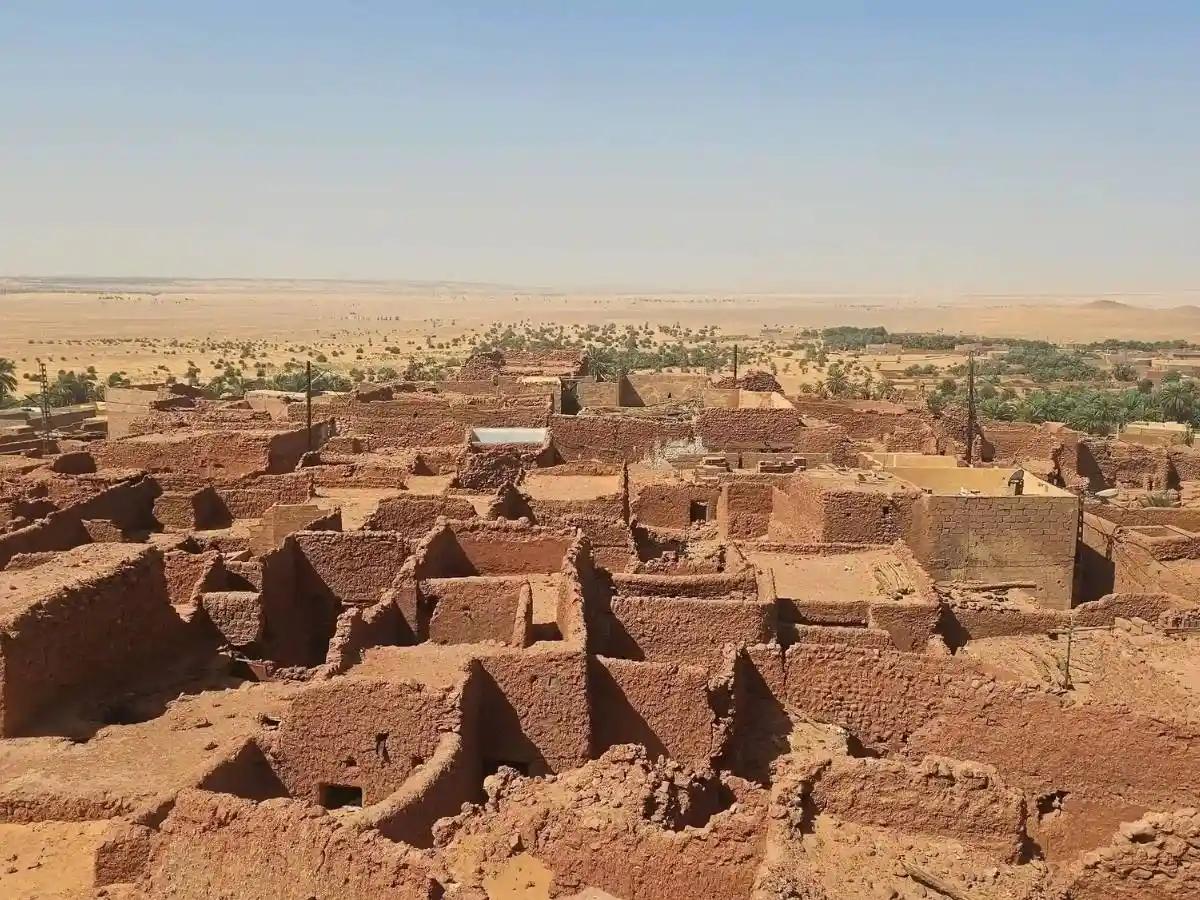
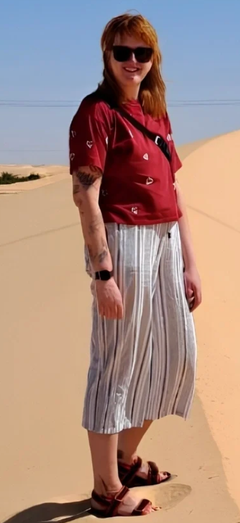
A real highlight for all in our group was an evening in the dunes, climbing to watch the sunset before sharing sweet tea, a simple but memorable moment and a symbol of Algerian hospitality.
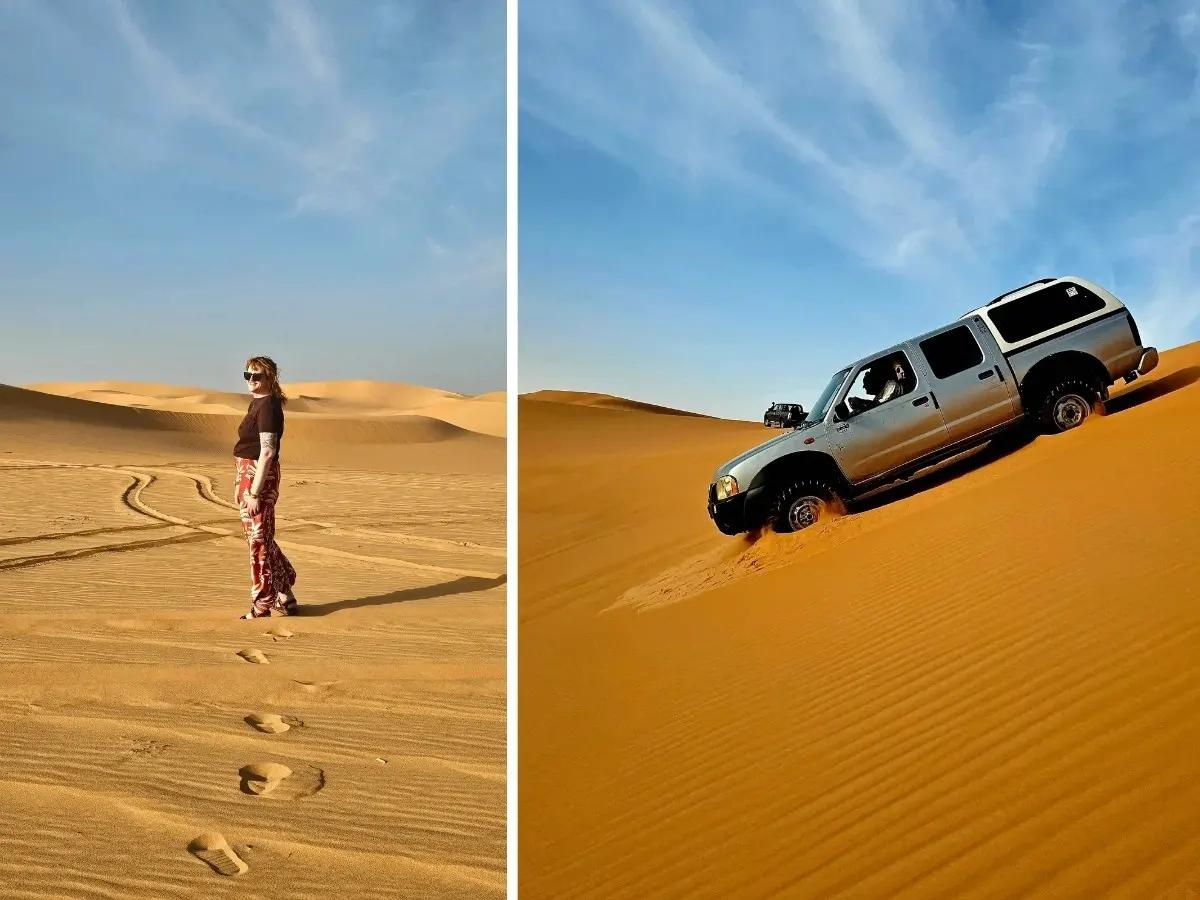
Oran: Coastal Energy and the Home of Raï Music
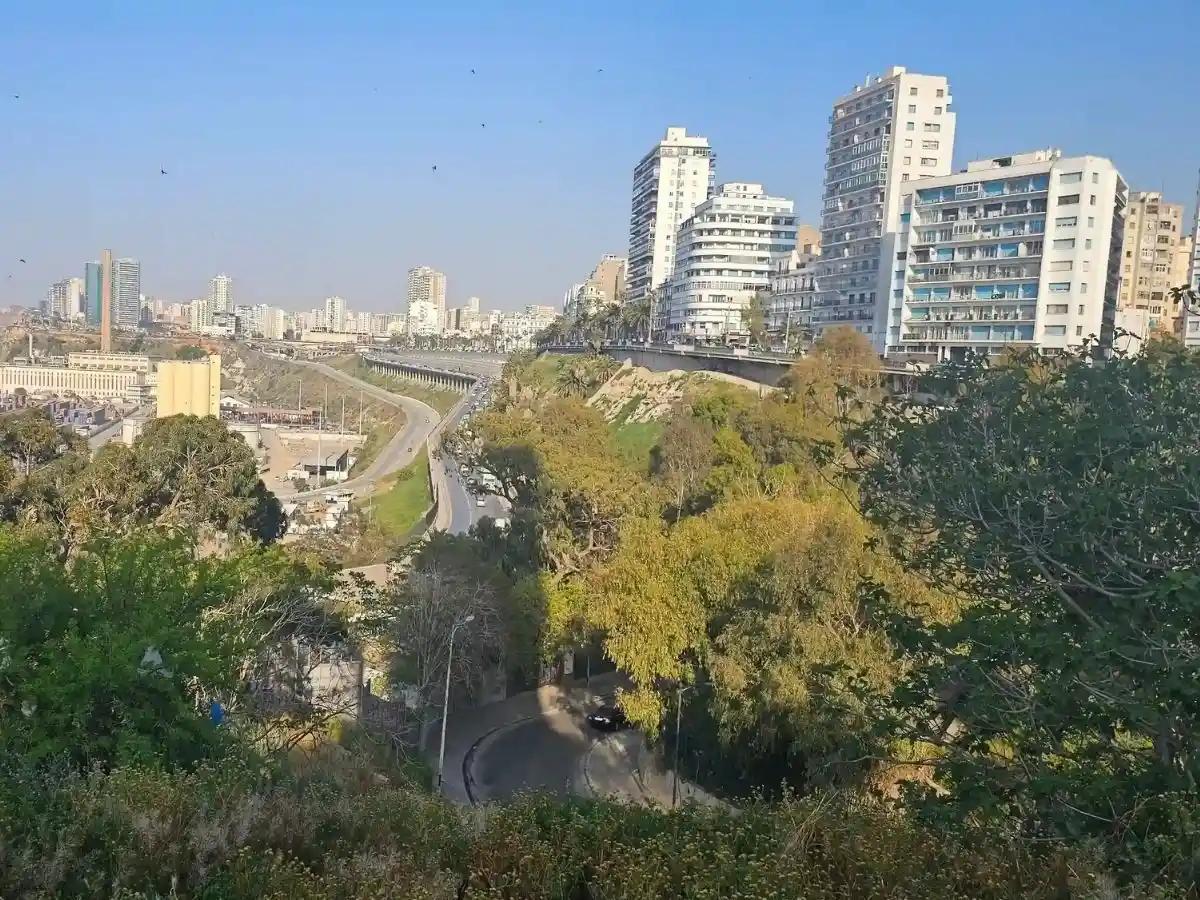
From here we flew to Oran, passing through extensive security before boarding a rather informal flight, where our assigned seating seemed to mean very little! Oran has a distinctly different feel, lively, coastal and culturally rich, and is known as the birthplace of Rai music.
Oran alone could fill a week — but it works beautifully as a final chapter to a longer journey through the country. If it has caught your attention, take a look at our Algeria tours to see how we fit it in.
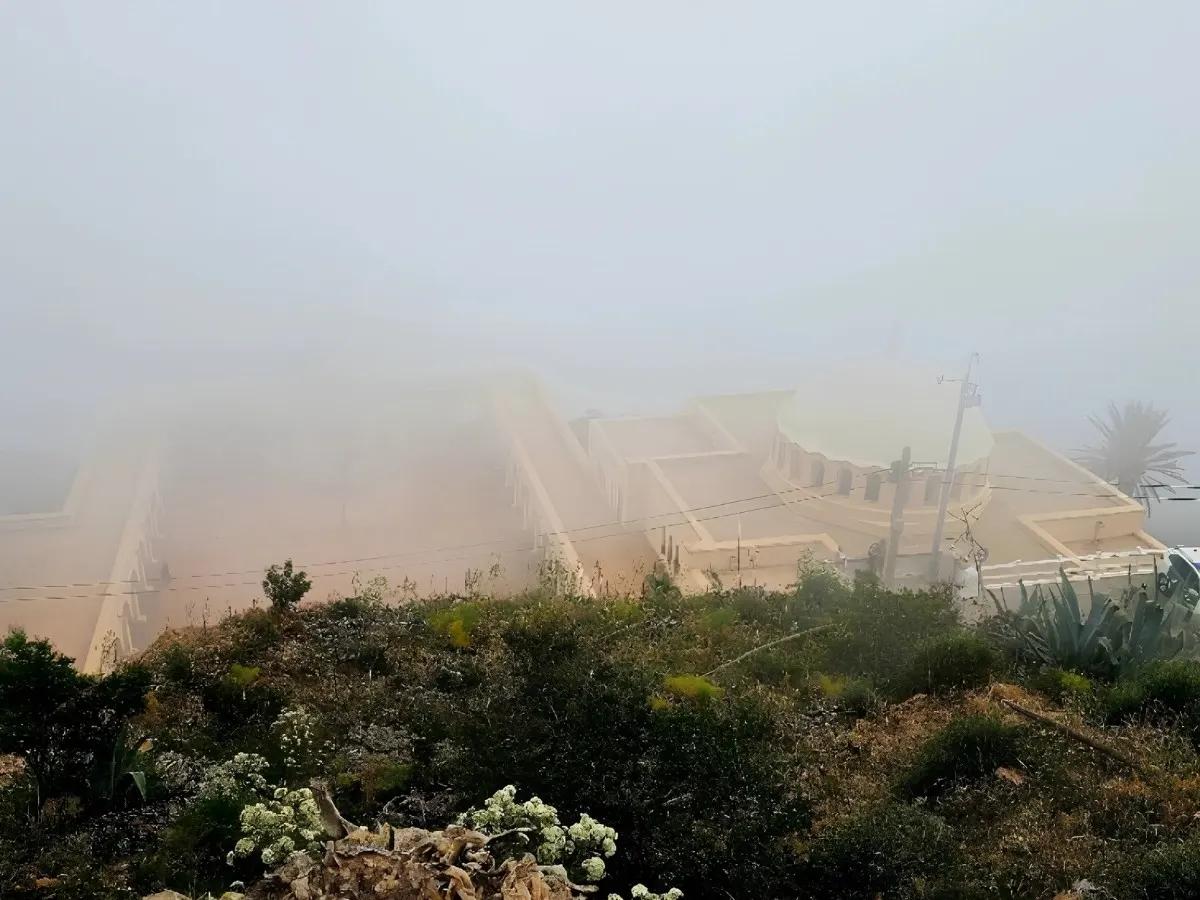
We visited Santa Cruz Fort, a Spanish built fortress overlooking the city, which on a clear day offers sweeping coastal views (which as you can see what not our luck!)
Final Reflections: Why Algeria Stands Apart
Algeria today offers free education and maintains compulsory military service for men, which must be completed before they are 30, reflecting a continued focus on national development and stability. Despite its relatively low tourism numbers, the country offers an authentic and deeply rewarding experience, shaped by history, strong community values and remarkable landscapes.
I have returned home from my two week journey through Algeria feeling genuinely overwhelmed by its beauty and the diversity of its landscapes, people and food. It is a destination that truly stands out, and one I feel is best explored over the coming years, before this hidden gem becomes a little less undiscovered!
I joined the group tour Algeria: Deserts and History in April 2026, with our next departure in September 2026.