
The best time to visit Mongolia is July, when the Naadam Festival brings the country to life across green summer steppes, with warm days and the full landscape accessible. September and October are outstanding alternatives — fewer crowds, golden autumn colours, and the Eagle Festival in the west. Spring offers solitude and lower prices; winter is severe and suited only to specialist travellers willing to brave the cold.
Mongolia is not a destination that rewards vague planning. It is a vast, landlocked country of extreme contrasts — summer temperatures that push 40°C in the Gobi Desert, winters that drop to -40°C in the northern mountains, and a landscape that shifts from scorched desert to rolling green steppe depending entirely on when you arrive. For travellers wondering when to visit Mongolia, the honest answer is that timing shapes everything: the landscapes you see, the festivals you experience, and the practicalities of getting around. This guide breaks down every season, highlights the events that define the Mongolian calendar, and gives you the practical knowledge to plan a trip that delivers.
Mongolia Weather and Climate
Mongolia has a continental climate, receiving no moderating influence from the sea. Understanding Mongolia weather starts with accepting its extremes — temperatures swing dramatically between seasons and even between morning and evening on the same day. Mongolian weather is shaped by the country's landlocked position deep in the heart of Asia, and this produces conditions unlike those found almost anywhere else. The country enjoys approximately 250 sunny days per year, making it one of the sunniest nations in Asia — but sunshine does not mean warmth, and a clear October sky can accompany temperatures already falling sharply at altitude.
The country divides broadly into three climatic zones: the Gobi Desert in the south, the central steppe and river valleys in the middle, and the forested mountains and high Altai ranges in the west and north. Each behaves differently across the year, and understanding this is the foundation for choosing the best time of year to visit Mongolia.
What Makes Mongolia's Weather Unique
The most important thing to understand is daily temperature variation. Even in midsummer, afternoons that reach 25°C can give way to cold evenings once the sun drops. Layers are essential at every time of year. Mongolia also sits at high altitude across much of its territory, which intensifies UV exposure and wind chill. Rainfall is relatively low across most of the country, typically arriving in short, sharp bursts between June and August rather than in long grey stretches. The sky clears quickly after rain, and the light that follows is remarkable.
A Season-by-Season Guide to Mongolia
Choosing the best season to visit Mongolia comes down to a balance of weather, access, and experience.
Spring in Mongolia — March, April and May
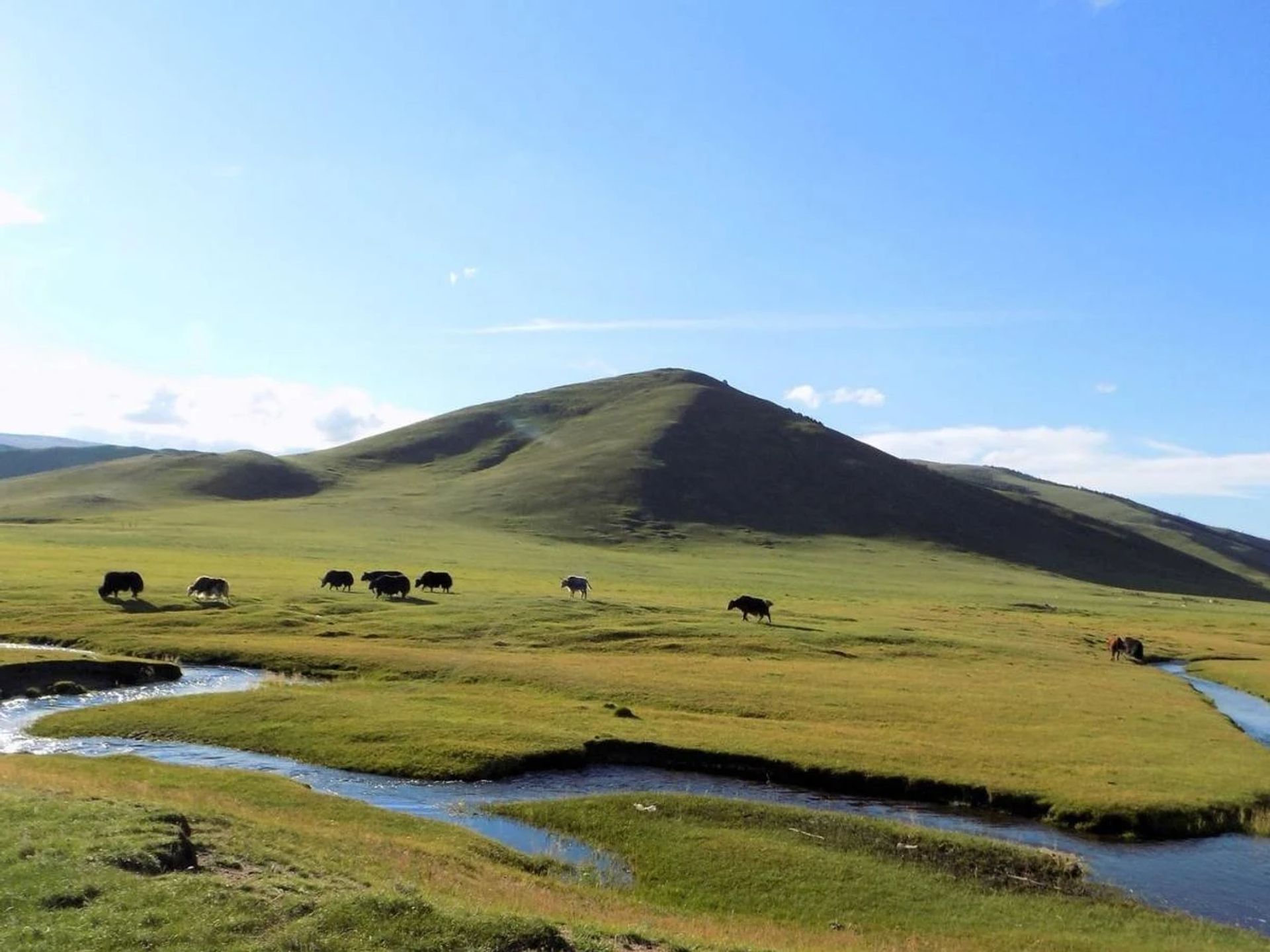
Spring is Mongolia's quiet season. The winter thaw arrives slowly, and the landscape shifts from frozen brown to tentative green through April and May. Nights remain cold, and the unsealed tracks that connect most of the country can be soft and difficult to navigate in the early weeks after the thaw. Spring rainfall is modest but enough to soften the ground significantly in lower-lying areas. The upside is solitude. Visitors are few, prices are lower, and you will find nomadic herders beginning the age-old migration of their livestock to summer pastures — a rhythm that has continued here unchanged for centuries.
Summer — June to August
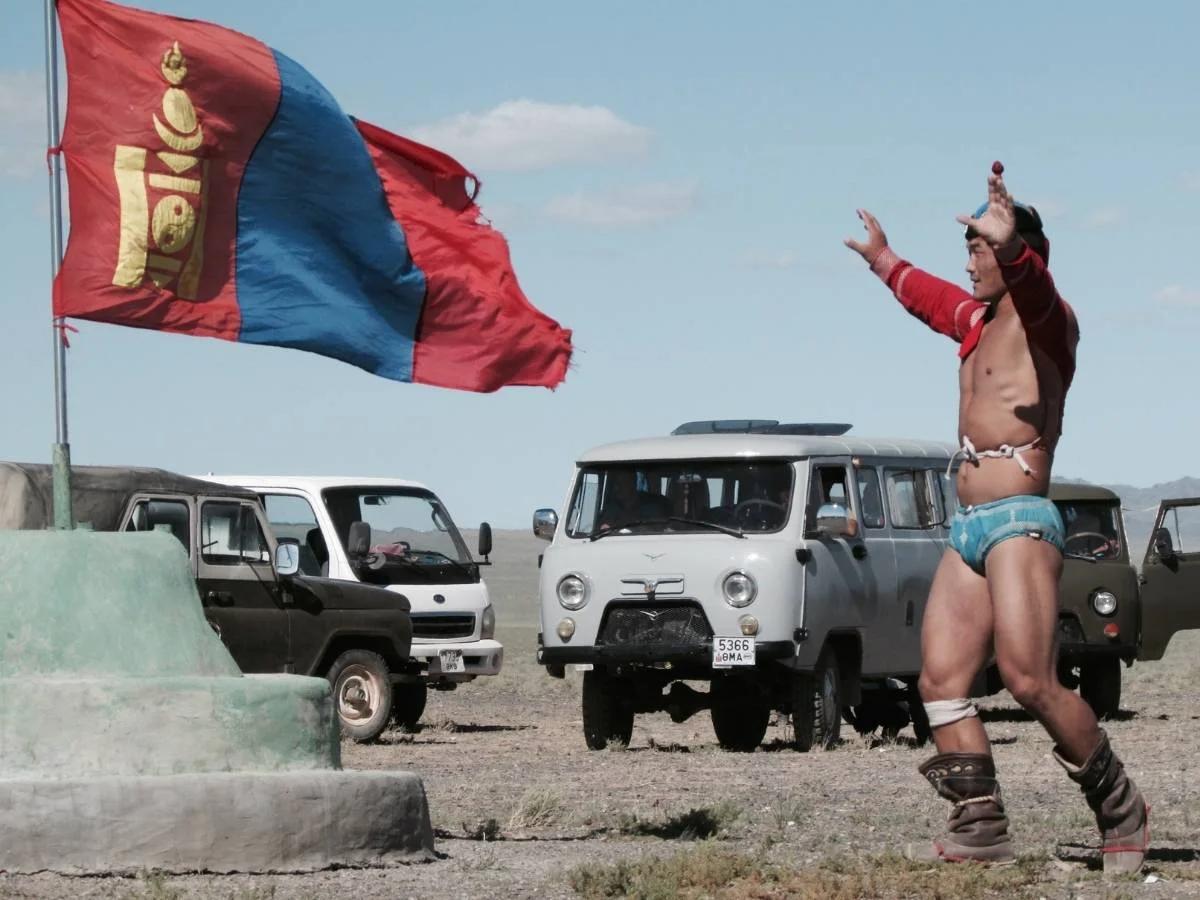
This is peak season, and with good reason. The summer months bring warm, largely reliable weather, with average daytime temperatures around 25°C across the central steppe. The landscape turns vivid green, the Gobi Desert becomes fully accessible, and the full range of experiences — from camel riding among towering sand dunes to hiking across the steppe — is available in comfort. The festival calendar reaches its peak, with summer festivals in Mongolia drawing visitors from across the world from June onwards, and the country feels alive in a way it simply does not at other times of year. Book accommodation and guided tours well in advance if you are travelling in July.
Autumn — September to October
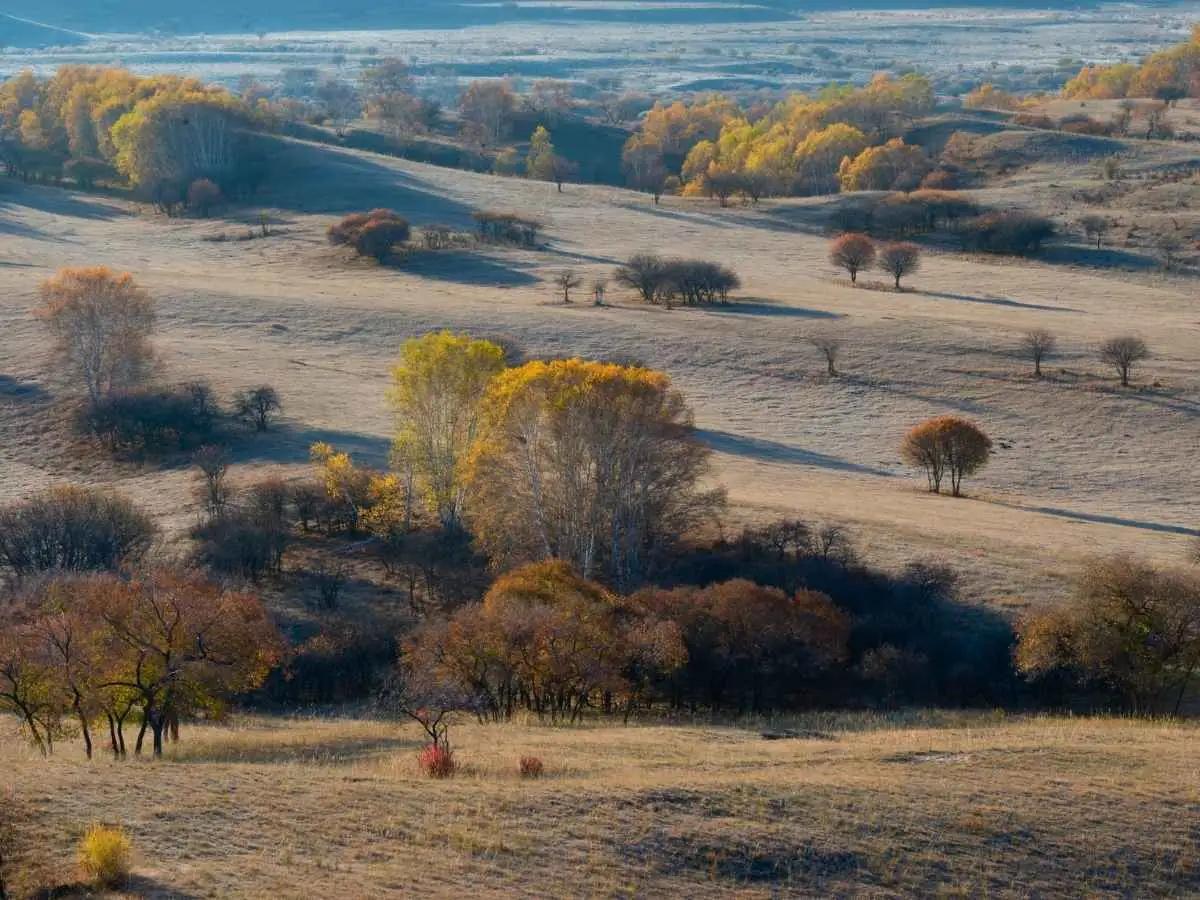
September and October are increasingly recognised as among the best months for a Mongolia trip. The summer crowds thin, the landscape shifts to gold and amber, and the air is crisp without yet being harsh. The Gobi remains perfectly accessible throughout September, and the central steppe is arguably at its most photogenic. October brings one of the most extraordinary cultural events in the world — the Eagle Festival in western Mongolia — which makes autumn the best time to go to Mongolia for those seeking a different kind of encounter.
December and January — The Depths of Winter
The Mongolian winter is severe, and nowhere is this felt more sharply than in December and January. Snow covers the steppe from late November onwards, and by December the countryside has locked into a deep freeze. January is typically the coldest month of all, with Ulaanbaatar recording average temperatures around -20°C and the northern mountain regions falling considerably lower. During the winter months, many ger camps close across the countryside, road travel outside the capital becomes significantly restricted, and the logistics of getting around grow considerably harder. This is a harsh winter by any measure, and it is not a practical time to travel for most visitors.
February — Winter Festivals and the End of the Cold Season
February marks the tail end of the Mongolian winter and brings with it one notable reason to visit — Tsagaan Sar, Mongolia's Lunar New Year celebration and one of the country's most significant winter festivals. Centred on family gatherings, ceremonial food, and traditional dress, it offers a rare and intimate glimpse into Mongolian life for specialist travellers prepared for the cold. For everyone else, it is a reason to plan ahead for the following summer.
The Best Month for Your Mongolia Trip
If you want a single, direct answer, it is July.
Why July Is the Single Best Month
July sits at the height of the Mongolian summer, when the weather is at its most reliable and the country's most celebrated event — the Naadam Festival — takes place. Those already exploring things to do in Mongolia will find July the month when nearly every experience on the list is available at once. Held annually from 11 to 13 July in Ulaanbaatar, with regional versions running across the countryside throughout the month, Naadam is a UNESCO-recognised festival unlike anything else. The steppe is green, every region of the country is accessible, and the national energy is unlike anything else on the travel calendar.
That said, July's popularity means it requires planning. Tours fill quickly, accommodation in popular areas books well in advance, and the main Ulaanbaatar festivities draw large crowds. Many experienced travellers choose to attend countryside Naadam events in smaller provincial towns instead — a far more authentic experience, where the celebrations happen alongside local families rather than in front of tour groups.
September as the Best Alternative
For those who prefer fewer crowds and cooler air, September is an outstanding alternative. The Gobi remains warm enough for comfortable exploration, autumn colour begins to appear on the steppe, and by mid-October, western Mongolia is preparing for the Eagle Festival. A late-September to mid-October trip can combine landscape, culture, and wildlife in a way that summer travel rarely manages.
Mongolia's Festivals — and When to Plan Around Them
Two festivals define the Mongolian travel calendar, and both are worth building a trip around.
Naadam Festival — Mongolia's Greatest Celebration (July)
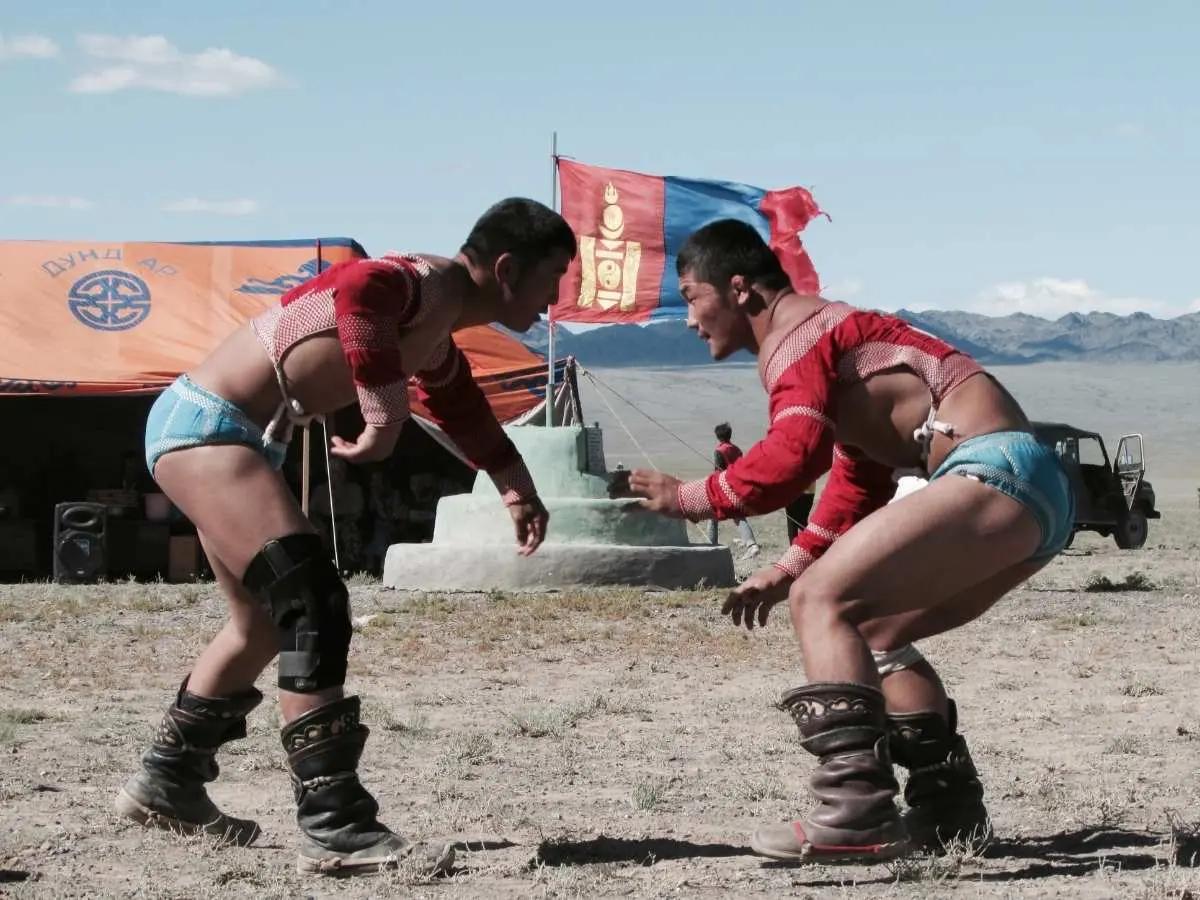
Naadam is the soul of Mongolian culture. Held every July, it celebrates the "Three Manly Sports" — wrestling, archery, and horse racing — that have shaped nomadic life here for centuries. The wrestling is ceremonial and theatrical; the archery ancient and precise; the horse races extraordinary, with child jockeys competing over long distances across open steppe. While the main Ulaanbaatar event is impressive, travelling with a Naadam Festival tour is the best way to reach provincial celebrations where the real spirit of the event comes through, with genuine community energy and no barriers between visitors and participants.
Eagle Festival — A Rare Encounter in Western Mongolia (October)
Each October, the Kazakh communities of western Mongolia gather in the Altai Mountains for the Golden Eagle Festival. Eagle hunters — known as berkutchi — have trained golden eagles for hunting across generations, and the festival brings these remarkable partnerships into full view. The Mongolian Tourism Organisation confirms the Golden Eagle Festival typically takes place over the first weekend of October, though exact dates vary each year, so it is worth checking the Mongolian calendar when planning an autumn trip. Eagles swoop from high ridgelines while their hunters, dressed in traditional costume and mounted on horseback, call them back. The setting near Tolbo Lake in the Altai region is as dramatic as the event itself: wide skies, rugged mountain scenery, and a landscape that feels genuinely remote. October's clear, cold light makes for extraordinary photography, and joining a dedicated Eagle Festival trip means the logistics of reaching this remote corner of the Altai are handled end to end. October's clear, cold light makes for extraordinary photography and a deep sense of being somewhere few people ever reach.
Where to Go and When in Mongolia
The Gobi Desert
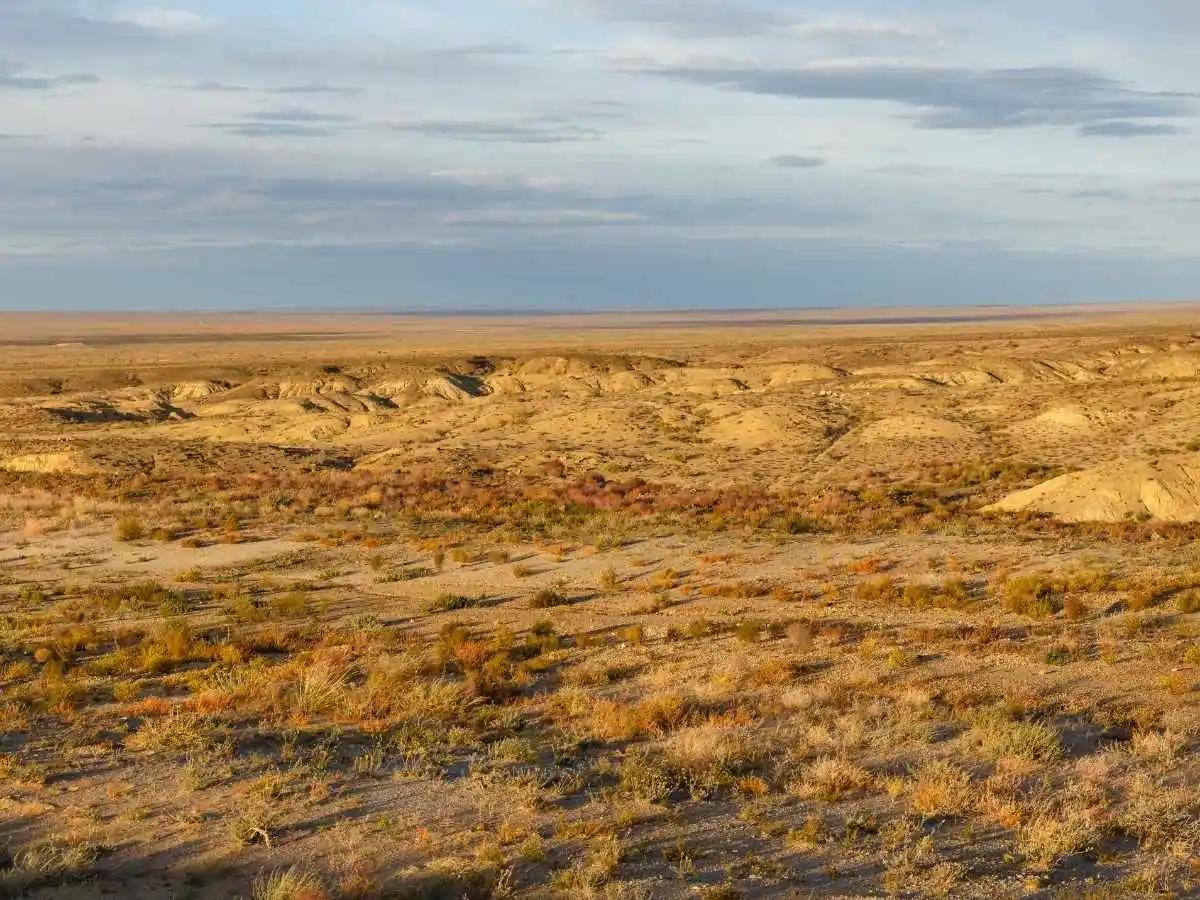
The Gobi is best explored between June and September, when road conditions are good and temperatures manageable. The Flaming Cliffs of Bayanzag, where dinosaur fossils including Protoceratops and Velociraptor were first discovered in the 1920s, glow deep red at sunset and rank among the most visually dramatic natural sites in Asia. The Khongor Sand Dunes — known as the Singing Dunes for the low hum they produce in the wind — stretch for 180 kilometres and rise to around 300 metres in height. Yolyn Am gorge, carved into the mountains of the South Gobi at 2,800 metres above sea level, holds ice in its narrow canyon well into summer, even when the desert around it bakes.
The Central Steppe, Orkhon Valley, and Ancient Capitals
The central steppe and Orkhon Valley are best visited in summer, though autumn is equally rewarding. Kharkhorin — once the heart of the Mongol Empire under Ögedei Khan — was destroyed by Ming forces in 1380, but the Erdene Zuu Monastery complex, built from its stones, stands today as a UNESCO World Heritage Site. Khustai National Park, a relatively short drive from Ulaanbaatar, is home to the Takhi — the Przewalski's horse, the only genuinely wild horse on earth — as well as steppe gazelle, wolf, and lynx. Summer and early autumn offer the best wildlife sightings, and the park is well suited to gentle hiking among open grassland and river valleys.
Western Mongolia and the Altai Mountains
Western Mongolia is best visited in autumn, timed to coincide with the Eagle Festival — and a small group Mongolia tour is by far the most practical way to reach these remote mountain regions. The Altai Mountains are logistically demanding — part of their appeal. October combines manageable temperatures with the spectacle of the festival and the sharp, clean light of the mountain season. For travellers drawn to summer landscapes and horseback riding in lush terrain, the northern reaches of the country around Lake Khovsgol offer a greener, quieter side of Mongolia that is best explored in June and July. This vast freshwater lake, set among forest-covered hills near the Russian border, is one of the most serene corners of the country.
Planning Your Mongolia Trip: Essential Travel Tips
What to Pack for Each Season
Layers are essential at every time of year. In summer, pack lightweight clothing for warm days, a fleece and windproof layer for evenings, and sun protection for the intense high-altitude light. In autumn, add thermals and a warmer jacket, particularly for western regions. Soft bags and backpacks are considerably more practical than hard suitcases — much of the travel in Mongolia is by 4x4 across rough terrain, and flexible luggage handles the journey far better.
Getting Around Mongolia
Most routes between sites follow unsealed tracks across open countryside, and journey times can be long. This is not a drawback — it is an essential part of what makes Mongolia feel genuinely remote. The drive itself, across landscapes that seem to go on forever, is often one of the most memorable parts of any trip. The best conditions for road travel run from June through to September. Internal flights connect Ulaanbaatar to regional airports in the west and south, which is worth considering on longer itineraries. Some travellers also arrive in Mongolia by rail, via the Trans-Mongolian branch of the Siberian Railway, which connects Moscow to Beijing through Ulaanbaatar — a legendary route and a spectacular way to approach the country.
Staying in Ger Camps
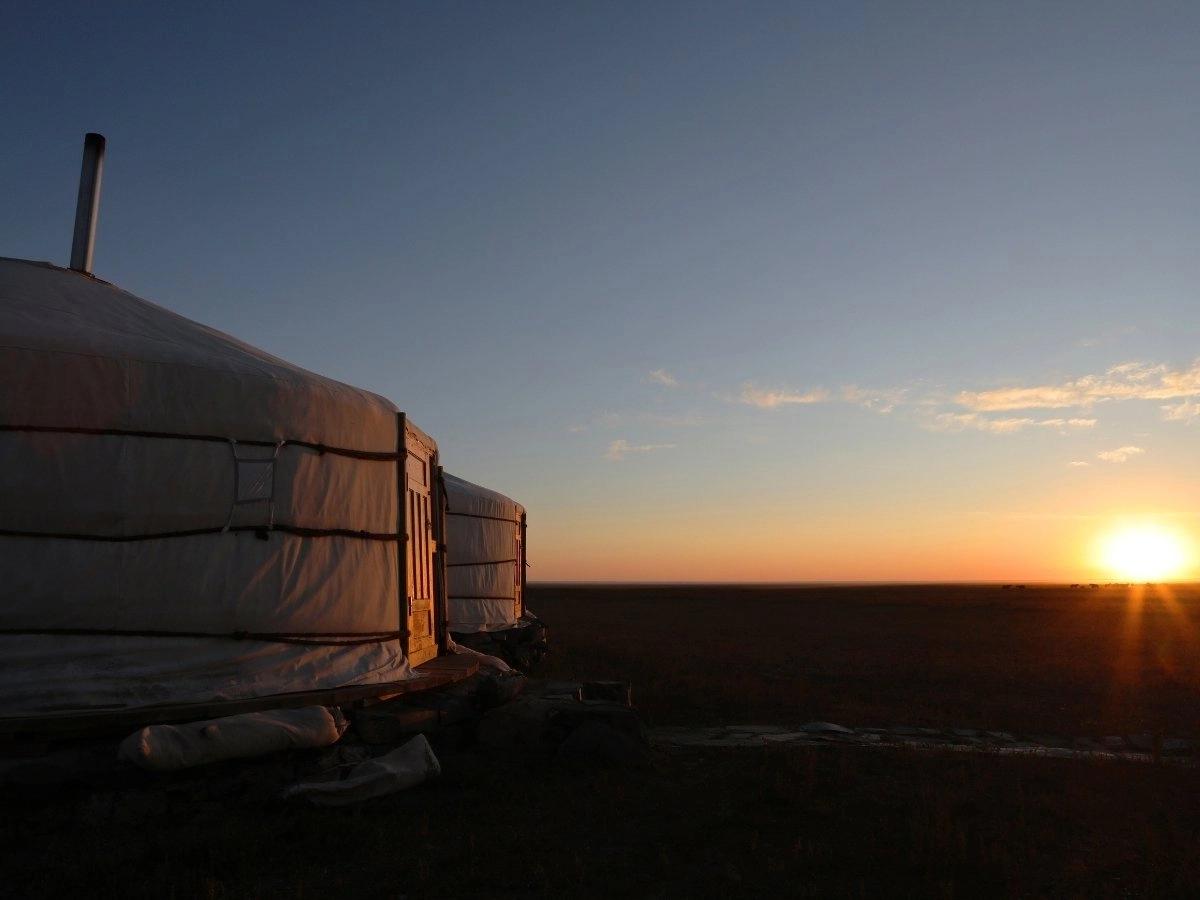
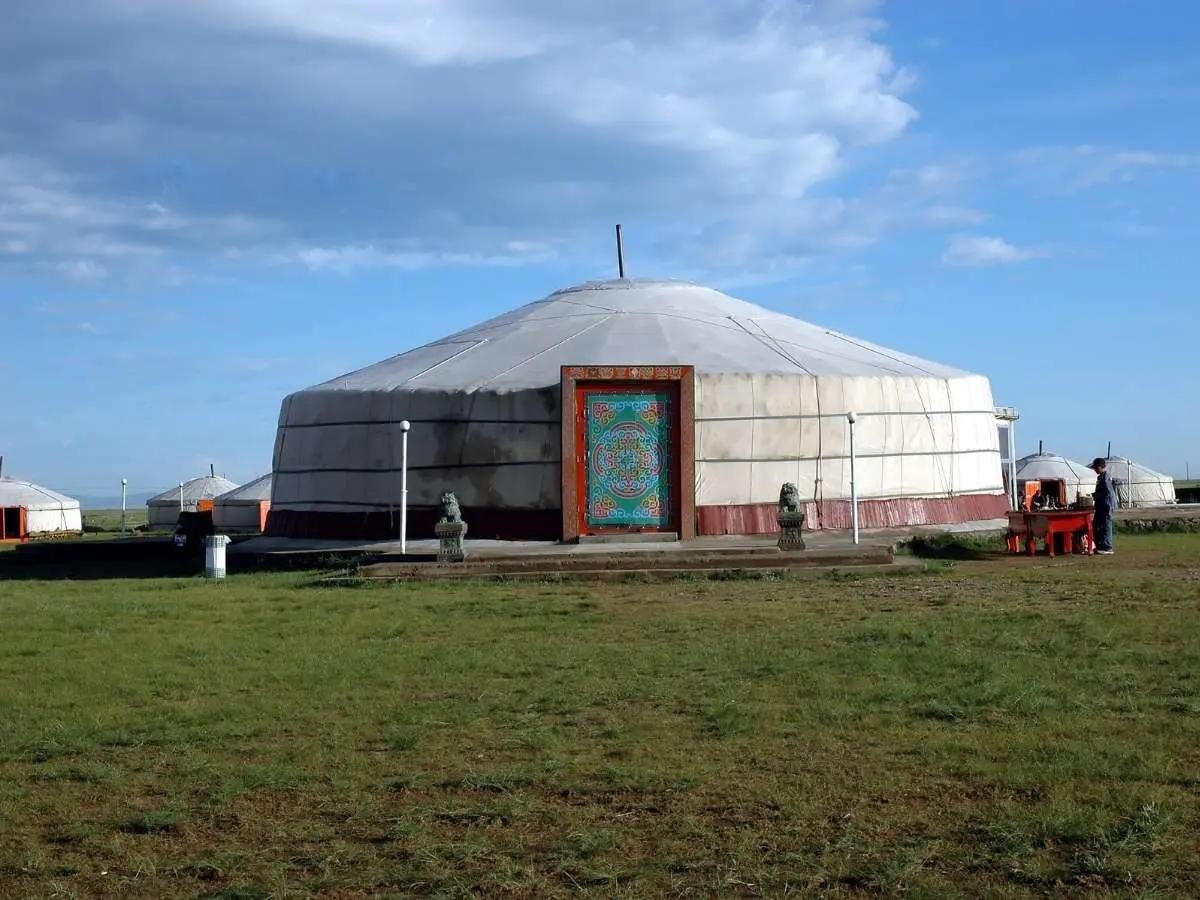
Outside Ulaanbaatar, traditional ger camps are the primary form of accommodation. Circular felt tents heated by a central wood-burning stove, they are warm and comfortable inside, with simple shared facilities. WiFi and mobile signal are limited or absent in rural areas — most travellers find this a welcome part of the experience. Mongolian food is hearty and meat-heavy; vegetarian options can usually be arranged with advance notice, and it is worth communicating any dietary requirements before departure.
Conclusion
Mongolia rewards those who plan with intention. Summer brings green steppes, reliable weather, and the electrifying energy of Naadam — the festival that defines the country's spirit. Autumn arrives quieter, golden, and with a spectacle all its own in the Altai Mountains, where eagle hunters have practised their ancient craft for generations. Spring offers solitude; winter, a reminder of just how wild this land truly is.
Whatever season calls to you, Mongolia has a way of exceeding every expectation. If Mongolia is your next adventure, the right time to go is the one that matches what you want to experience — the harder question is knowing where to start planning a trip this extraordinary. Undiscovered Destinations has been crafting small group tours and tailor-made Mongolia itineraries since 2004, built for travellers who want to go further than the guidebook takes them. Let your Mongolia journey begin.