AITO 4.9 Excellent Rating
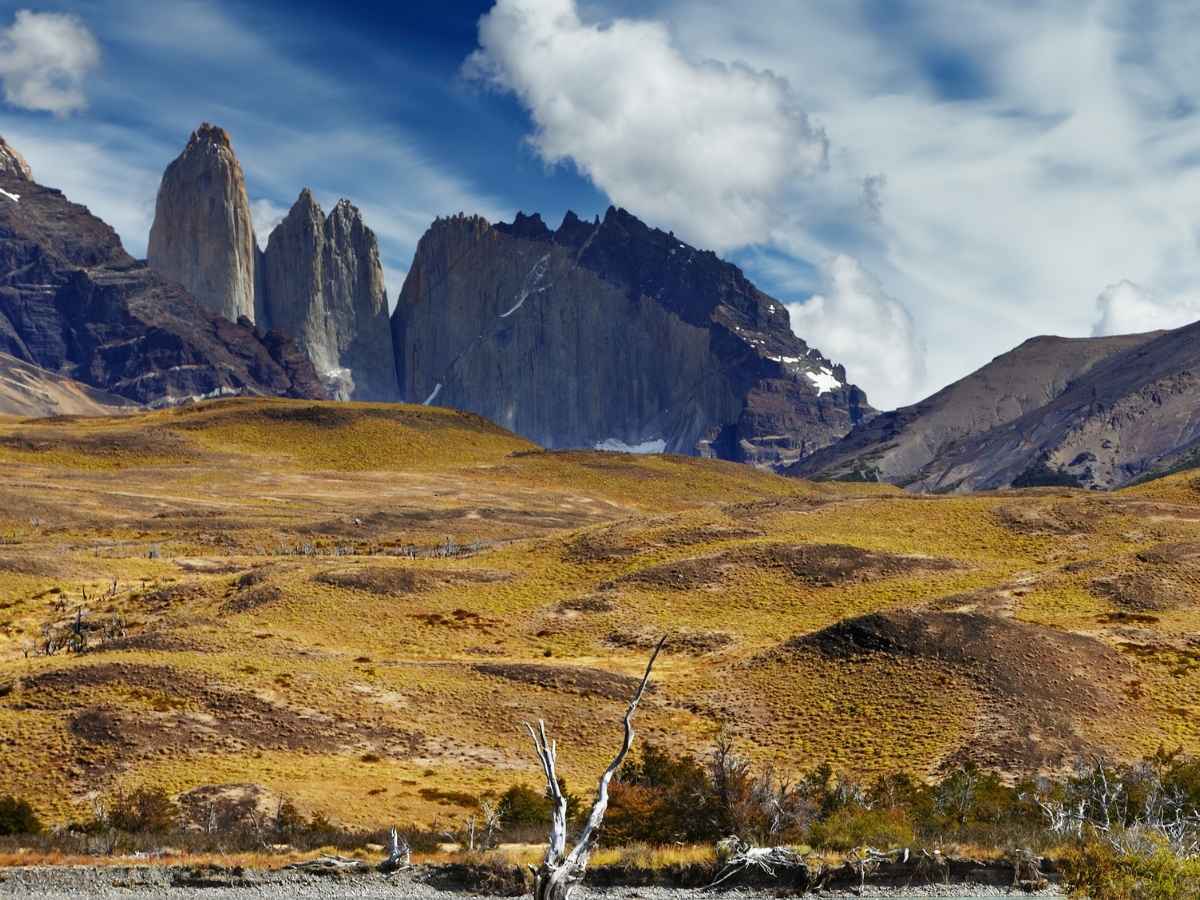

The best time to visit Patagonia is December to February, when long daylight hours and fully open trails give first-time visitors the most reliable access to the region’s glaciers and hiking routes. For quieter trails and striking autumn colour, many experienced travellers prefer the shoulder seasons of late November or March to April instead. Whatever window you choose, expect Patagonia’s famous four-seasons-in-one-day weather, and pack accordingly.
This Patagonia guide will walk you through the realities of each season, explain how timing varies across Patagonia’s key destinations, and help you make a decision with confidence.
Your Patagonia Travel Guide: Why Timing Matters
Planning Year-Round: The Southern Hemisphere Calendar
If you are travelling from the UK, the first thing to get your head around is that Patagonia’s seasons run in reverse. December, January, and February are summer. June, July, and August are the depths of winter. When British travellers are wrapping up for Christmas, Patagonia is basking in its longest days of the year. Most Patagonia trips from the UK involve a long-haul flight, often connecting through Buenos Aires or Santiago before heading south into the heart of the region. This is worth keeping front of mind when you start researching dates, as much of the travel content out there is written from a northern hemisphere perspective and can cause confusion when you first start planning.
Patagonian Weather: Four Seasons in One Day
You will read this phrase in almost every Patagonia travel guide, and it is entirely accurate. What it means in practice is that no matter when you visit, you should be prepared for the weather to change without much warning. Weather systems roll in rapidly off the Andes mountains, meaning conditions can shift from warm sunshine to driving rain within the space of an hour. This is not a reason to avoid the region. It is simply the nature of travelling at these southerly latitudes. Experienced Patagonian guides will tell you that the weather is part of the adventure, not an obstacle to it. Pack layers, carry a waterproof at all times, and embrace the unpredictability. Thermal base layers, a windproof jacket, and a good pair of waterproof walking boots will serve you well for any outdoor activities you have planned, whatever the season. The travellers who prepare for all conditions tend to enjoy the trip far more than those who arrive expecting guaranteed sunshine.
Summer in Patagonia — December to February
The Case for Peak Season in December and January
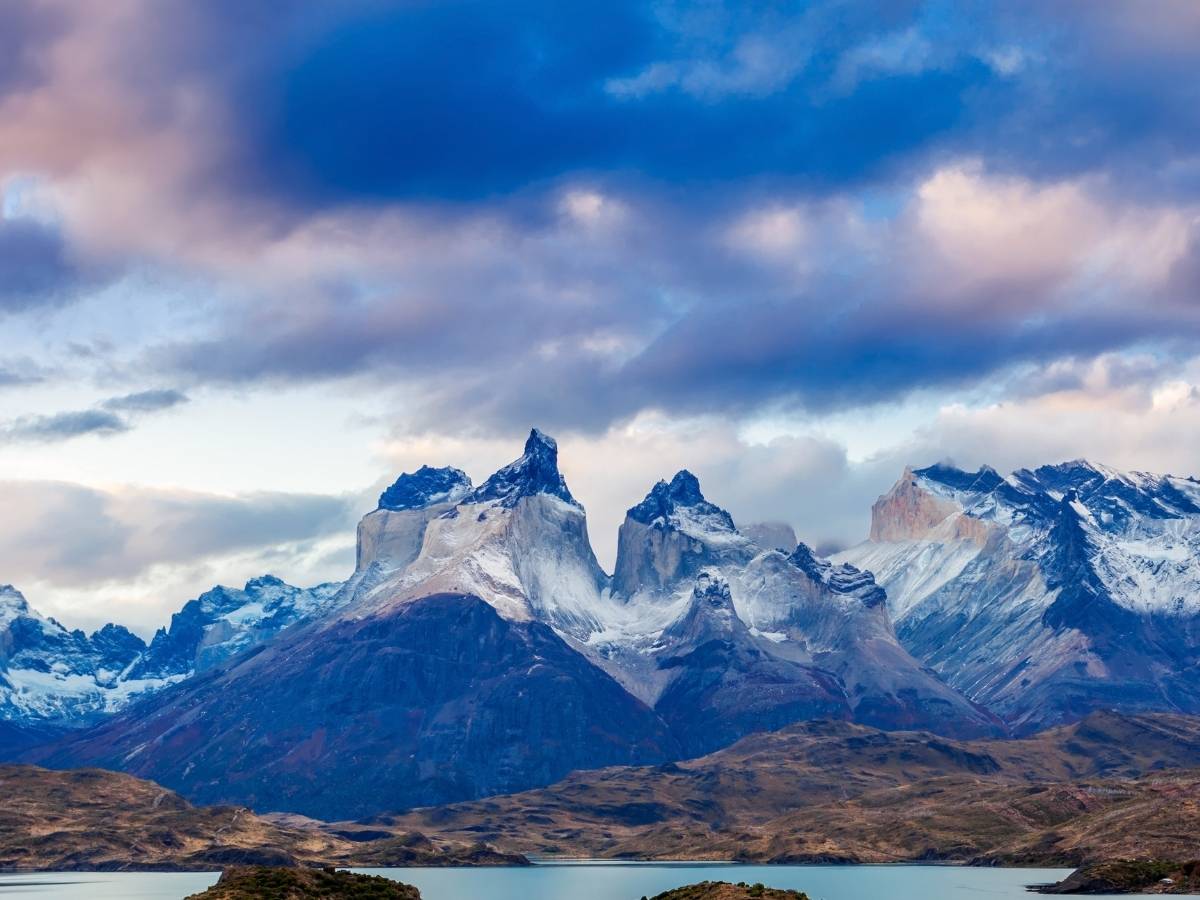
This is peak tourist season in Patagonia. During the peak summer months of December and January, summer temperatures in sheltered areas can reach 15 to 20°C, and long warm days with light evenings make the most of the extraordinary landscapes on offer. The days are extraordinarily long — up to 18 hours of daylight in the far south — providing optimal hiking conditions on the main routes across the region. All trails and national parks are fully open, wildlife is active, and the full range of guided tours and accommodation is available. If you are visiting Patagonia for the first time and want the most reliable access to its highlights — the glaciers, the trekking routes, the dramatic mountain vistas — summer gives you the best chance of experiencing everything.
A Month-by-Month Look at the Trade-Offs
There is a catch, and it is a significant one: the wind. Patagonian summer winds are relentless and, at times, ferocious. On exposed ridgelines and open steppe, gusts can make walking difficult and photography frustrating. The winds are at their most intense in January and February, particularly across southern Torres del Paine and on the open Argentine plateau.
Summer also brings the crowds. The major trailheads at Torres del Paine and El Chaltén can feel particularly busy at the height of the season, especially during the middle two weeks of January. The most popular hiking trails fill up quickly, and accommodation at key bases books out many months in advance. If you are planning a summer trip, early booking is not a suggestion. It is essential.
Shoulder Season — the Traveller’s Sweet Spot
Spring — October to November
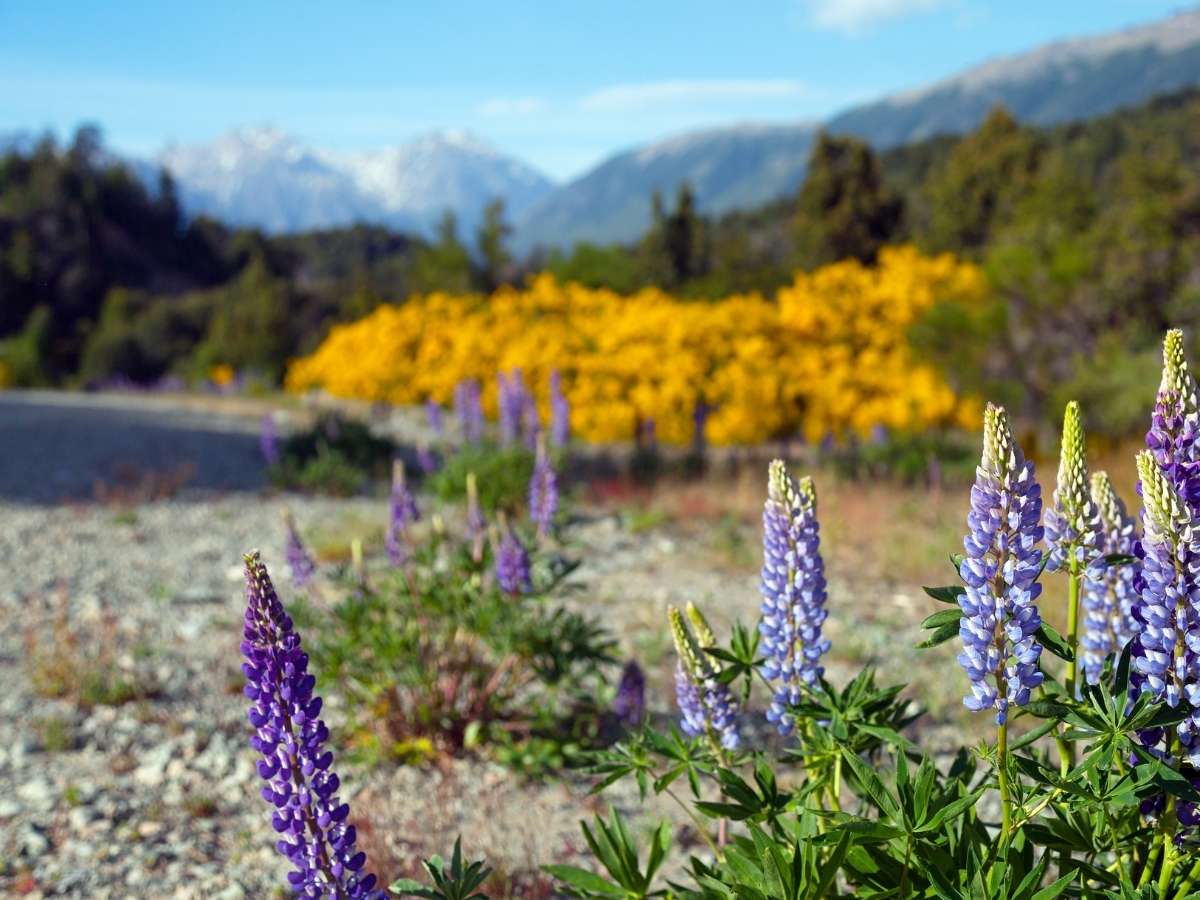
Spring arrives tentatively in Patagonia. October can still be cold, with overnight frosts at altitude and unpredictable conditions on the higher trails. By November, things shift noticeably. Temperatures begin to climb towards 8 to 14°C, and many trails reopen after their winter closure. The landscape starts to come alive, wildflowers appear across the steppe and valleys, and Patagonia wildlife becomes increasingly visible as temperatures rise. Guanacos, Andean condors, and other species are noticeably more active in the warming conditions, making early-season walks something close to a wildlife safari for those who keep their eyes open.
November, in particular, has gained a strong following among experienced Patagonia travellers. The trails are open, the summer crowds have not yet arrived in full force, and the days are already long. For those who want the full experience without the peak-season pressure, late November is genuinely hard to beat.
Autumn — Your Month Guide: March and April
If shoulder season has a favourite, it is autumn. From the start of autumn in March, the summer crowds begin to clear, and milder winds compared to the January and February peak make trekking far more comfortable. The landscape transforms, too. The beech forests that cover Patagonia’s valleys and slopes turn from green to amber, copper, and gold. Set against the grey granite peaks and the deep blue of the glacial lakes, the autumn colour is nothing short of spectacular.
Daytime temperatures in March remain comfortable at around 10 to 16°C, dropping further into April. Many local guides consider this their preferred time of year, and it is easy to understand why. The trails are quieter, the light is softer and more atmospheric, and there is a stillness to the landscape that the busy summer months rarely offer. For hiking and photography, autumn in Patagonia is hard to top. The contrast between the warm amber tones of the falling leaves and the icy blue of the region’s lakes and glaciers creates a visual richness that is almost impossible to replicate at any other time of year. Autumn consistently earns the highest praise in any Patagonia month guide, and once you have seen it for yourself, it is not difficult to understand why.
Winter in Patagonia: June, July and August
The winter months of June, July and August are a serious undertaking in Patagonia. Temperatures drop sharply, snowfall closes many of the major trekking routes, and several areas become inaccessible without specialist gear and guiding. For most travellers, and for first-time visitors in particular, winter is not the right time to go.
That said, it is not without its own appeal. For those seeking winter activities, ski resorts in the Argentine Lake District — including Cerro Catedral near Bariloche, one of the largest ski areas in South America — draw visitors through the colder months. In the far south, Ushuaia is home to the world’s southernmost ski resort at Cerro Castor, a unique draw for those who want to combine the drama of Tierra del Fuego with time on the slopes. The remote wilderness under snow has a raw, dramatic quality unlike any other time of year, and visitor numbers are at their lowest. If you are drawn to solitude and are comfortable travelling in cold, challenging conditions with experienced guides, a winter visit to parts of Patagonia can be deeply rewarding. It’s also worth reading up on general practicalities and safety in Argentina before committing to a winter itinerary, as conditions and access change fast. It simply requires more careful planning.
When to Go by Destination: Argentina and Chile
Patagonia covers an enormous area, and the best time to visit is not the same everywhere. Thinking about your key destinations and matching them to the right window can make a real difference to your experience. This section covers Patagonia’s seasonal timing at a regional level — if you want the fuller month-by-month picture for Argentina as a whole, including areas well beyond Patagonia, our dedicated Argentina timing guide goes into that in more depth.
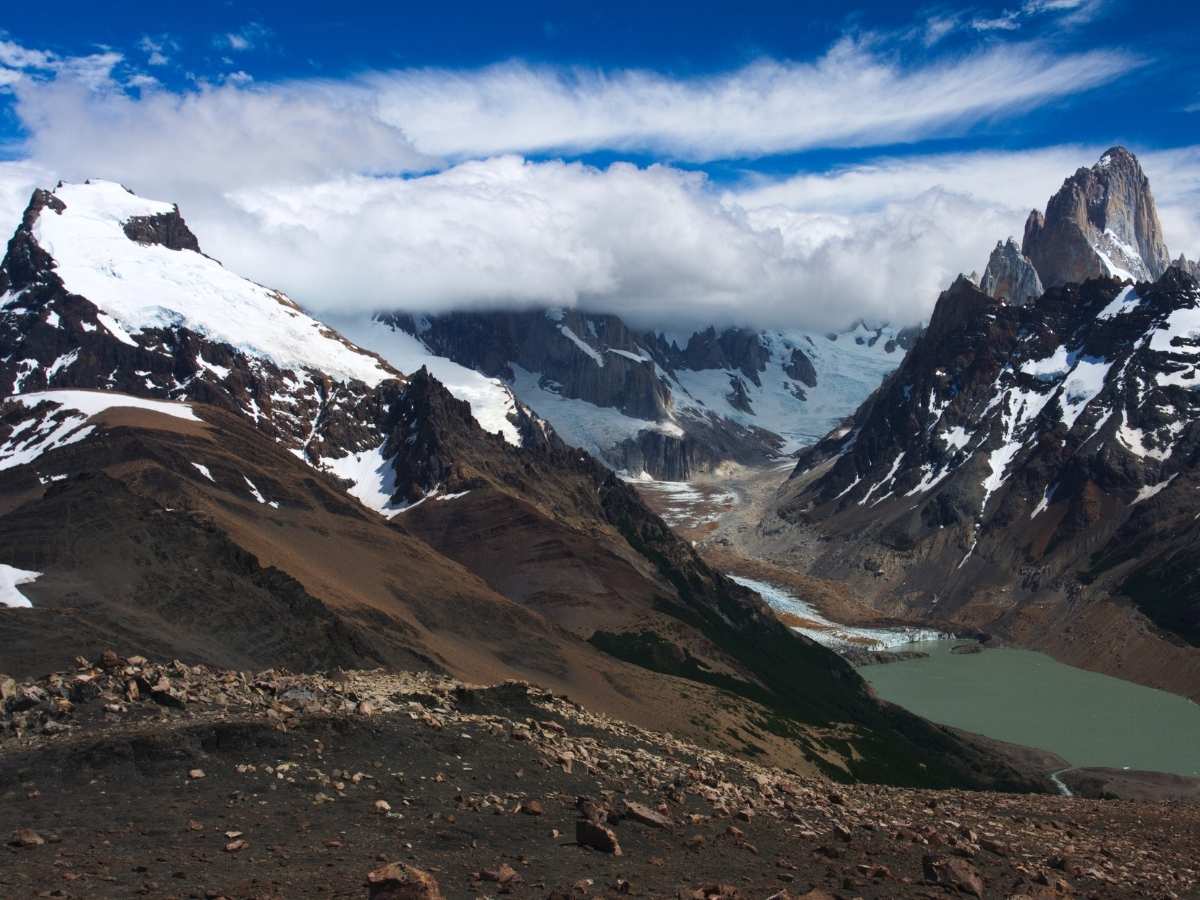
El Chaltén: Hiking to Mount Fitz Roy
El Chaltén sits within Los Glaciares National Park, at the foot of the dramatic Fitz Roy massif in the Patagonian Andes. The hiking trails here lead to some of the finest mountain scenery in the world, including routes to Laguna Torre, Cerro Torre, and the classic walk to Laguna de los Tres. The trekking season runs from late November to early April, with December to February offering the most reliable conditions. However, late November and early April are worth serious consideration. The trails are less busy, and on a clear day, the views of Fitz Roy and the surrounding peaks are every bit as breathtaking.
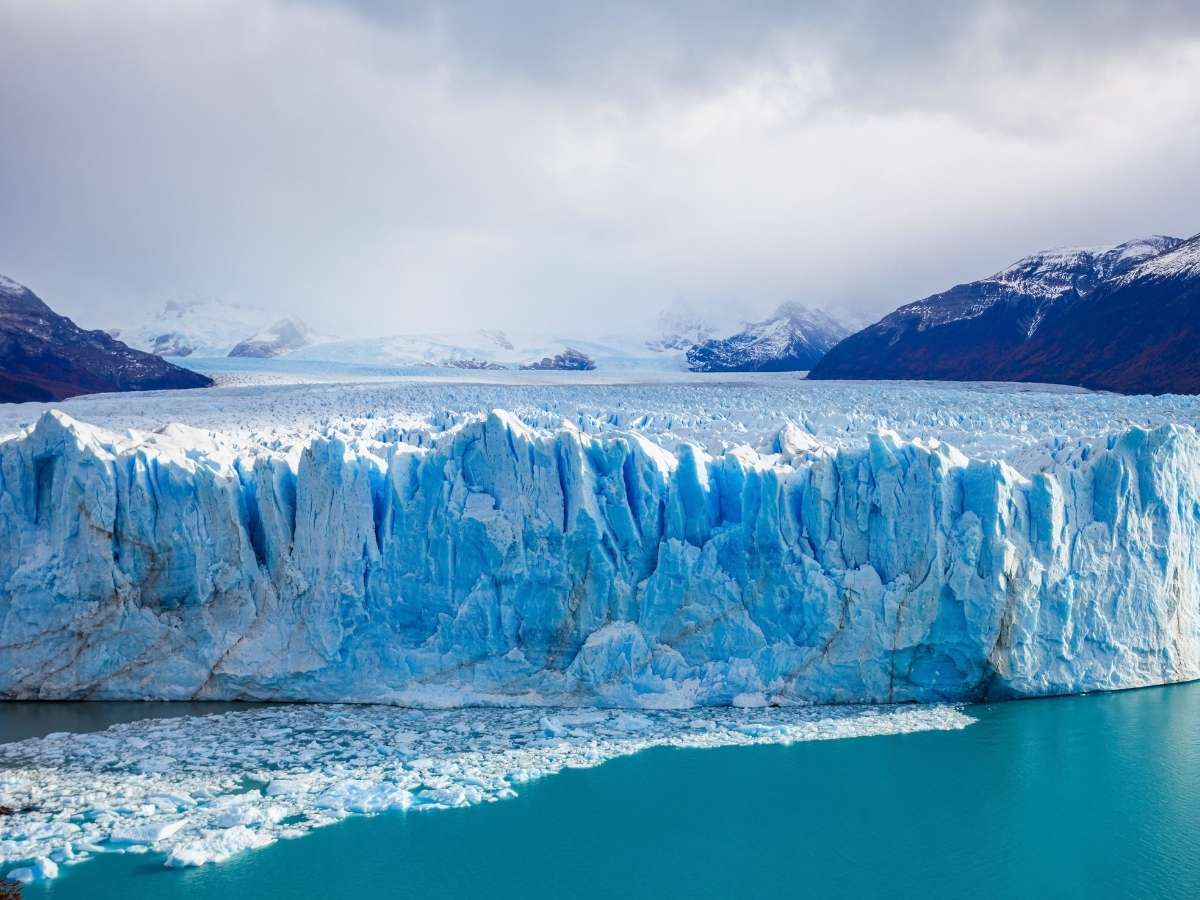
El Calafate and the Perito Moreno Glacier
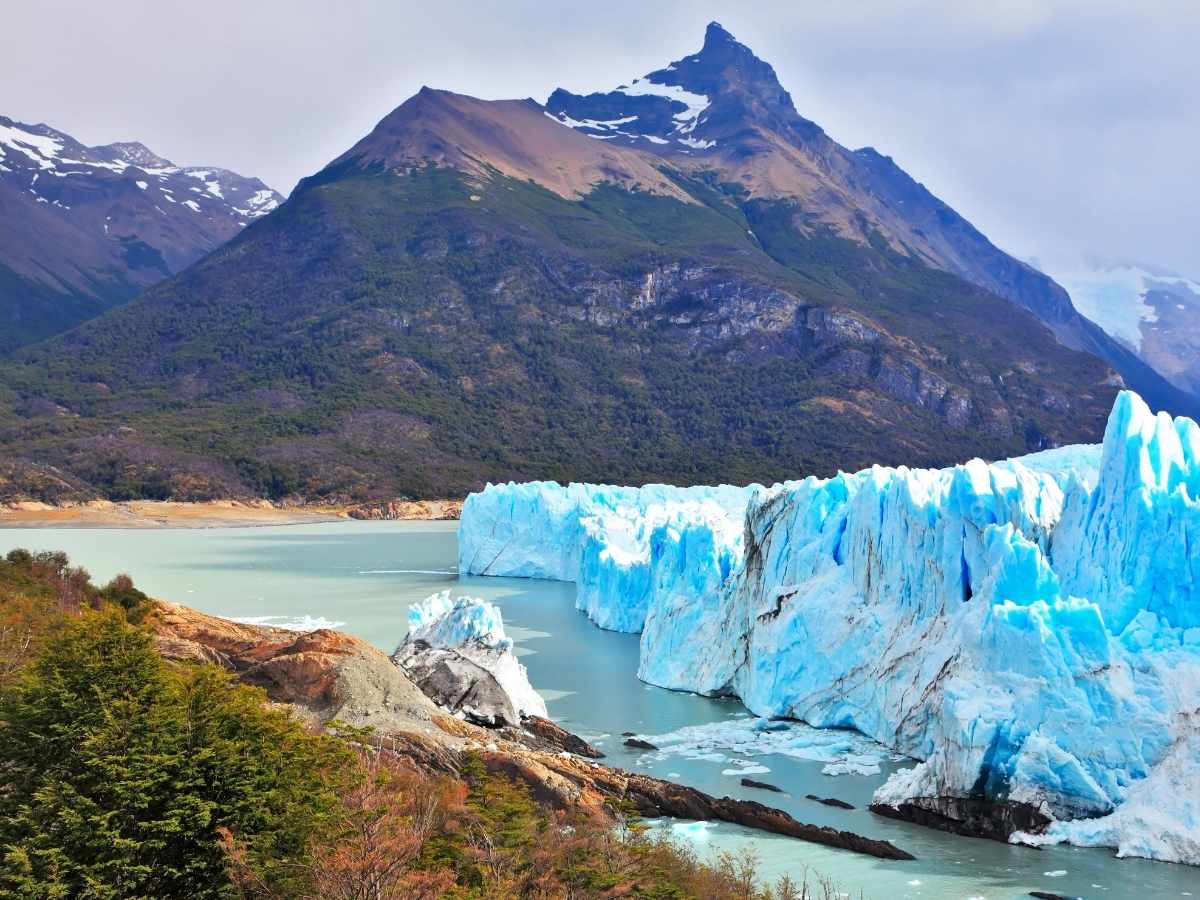
The Perito Moreno Glacier is one of the great natural wonders of the world, and unlike most of Patagonia’s highlights, it is accessible throughout the year. The best visiting window runs from October to April. The glacier is easily accessed as a day trip from El Calafate, with a five-kilometre circuit of walkways delivering extraordinary close-up views of the ice. Shoulder season visits bring shorter queues and equally dramatic scenery. Watching vast towers of ice calve into the milky blue waters below is an experience that never loses its power, whatever the month.
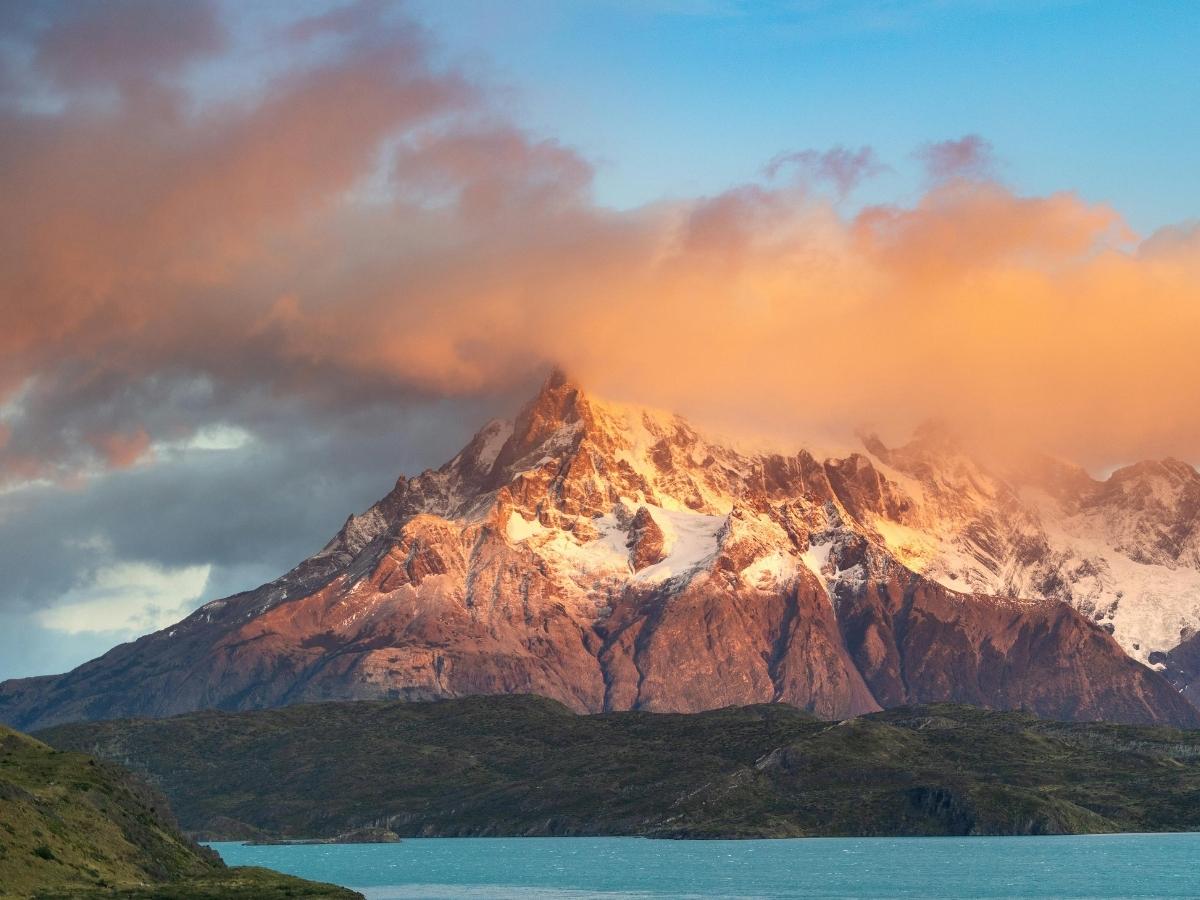
Torres del Paine: The Heart of Chilean Patagonia
Torres del Paine is the jewel of Chilean Patagonia, and its iconic granite towers, glacial lakes, and sweeping valleys draw visitors from around the world. The park is typically reached from Puerto Natales, with some travellers flying into Punta Arenas and travelling north through the region. Peak season — December to February — gives the best trekking conditions. Autumn is increasingly popular for its foliage, calmer winds, and noticeably quieter trails. Lago Grey, the Cuernos del Paine, and Laguna Amarga are as impressive in April as they are in January, and you are far more likely to have a viewpoint to yourself.
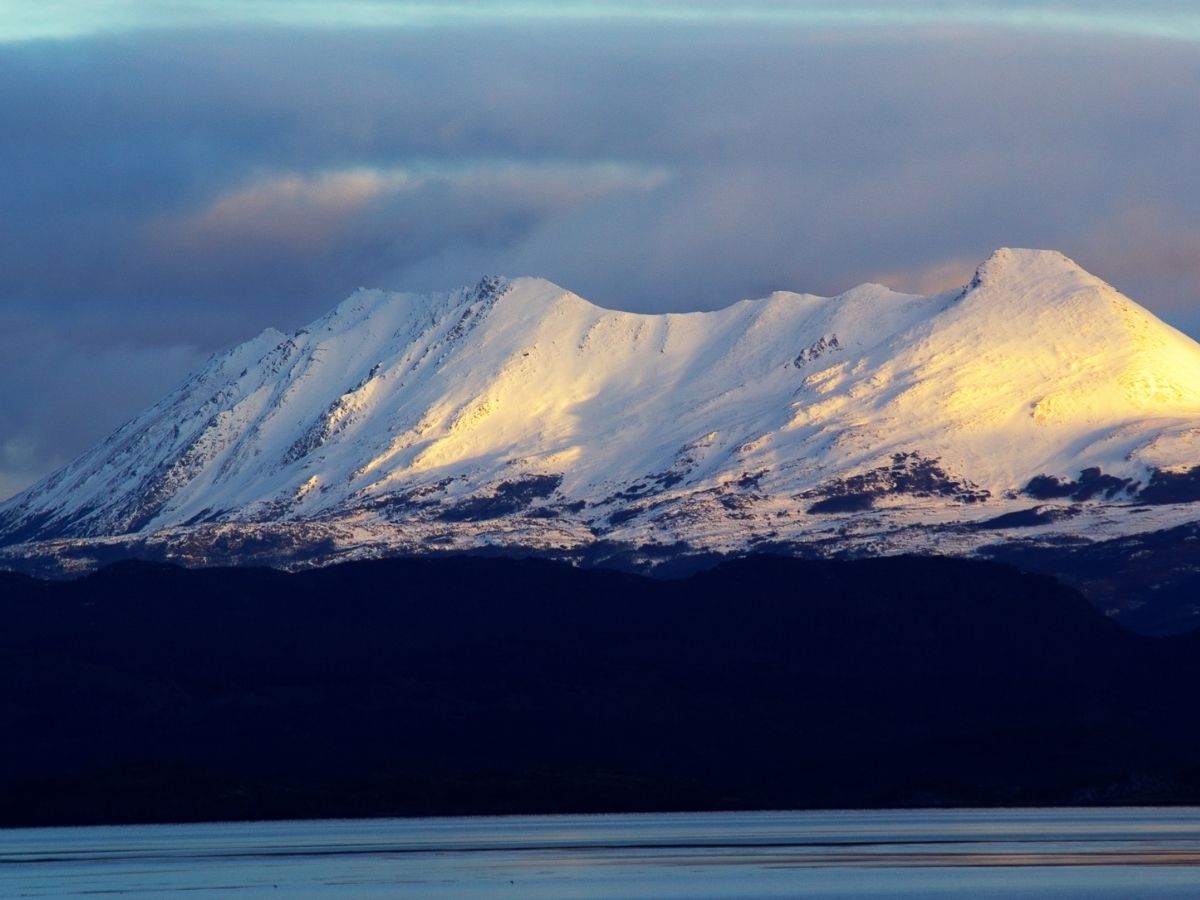
Ushuaia, Tierra del Fuego and Patagonian Wildlife
Ushuaia sits at the southern tip of Argentina, the world’s southernmost city, reached by crossing the Magellan Strait into Tierra del Fuego. The Tierra del Fuego National Park, the Beagle Channel, and the surrounding sub-Antarctic wilderness are best explored between October and April. The Beagle Channel is alive with seabirds and marine mammals throughout this period, and penguin colonies in the wider region are most active during the breeding season from November to February.
So, When Is the Best Time? Your Patagonia Month Travel Guide
Using this month travel guide as a framework, the honest answer is that the ideal time depends on what you want from the trip. For most first-time visitors who want full trail access, long daylight hours, and the widest range of experiences, December to February remains the safe and reliable choice. Book well in advance, pack for strong winds, and be prepared for company on the trail.
If you have flexibility, consider late November or March to early April. Both spring and autumn offer much of what summer provides — open trails, accessible highlights, active wildlife — with fewer visitors and, in the case of autumn, some of the most beautiful scenery Patagonia produces all year. Many seasoned travellers who have returned more than once will quietly admit that autumn is when they feel Patagonia at its very best. For travellers keen to combine Patagonia with more of the continent, our Argentina, Chile and Bolivia explorer trip is worth a look.
Whatever time you choose, go with realistic expectations about the weather. Patagonia is not a destination where the forecast is ever truly reliable. It is a destination where the drama is real, the landscapes are extraordinary, and no two days look the same. That is part of what makes it worth every bit of effort it takes to get there.
Plan Your Patagonia Adventure
Patagonia does not do things by halves. Its peaks are higher, its winds are stronger, and its skies shift faster than almost anywhere on earth. But that is precisely what makes it worth getting right. Choose your season with intention — whether you are drawn to the long summer days and open trails, the fiery colours of autumn, or the quiet drama of a shoulder-season morning with Fitz Roy to yourself – and your Patagonia adventure will reward you for it. If you’re looking to explore more of the country beyond Patagonia, discover our Argentina tours, which combine iconic landscapes with authentic cultural experiences.
Whenever your window opens, Undiscovered Destinations has been leading small group adventures through this remarkable region since 2004, including our glaciers and peaks of Patagonia small-group itinerary. If you are ready to find your perfect moment in Patagonia, speak to the team and let them help you plan a trip built around exactly when and how you want to travel.