
Chile is not easy to summarise. It stretches for more than 4,300 km from one of the driest deserts on Earth to the broken, wind-blasted edge of the South American continent. Within that distance, it contains volcanic plateaus, ancient salt flats, glacial lakes, Andean condors, and some of the most isolated landscapes on the planet. For travellers who want to know the best things to do in Chile, the answer depends entirely on how far they are willing to go.
Most itineraries follow the same well-worn path: a night or two in Santiago, a visit to the Atacama, and a few days around Torres del Paine. These are reasonable choices, but Chile holds far more than a highlights reel can contain. The country rewards those who look beyond the obvious — who are willing to drive unpaved roads at altitude, board an early-morning boat through a Patagonian fjord, or stand in near-total silence beside a high-altitude lake surrounded by volcanoes and flamingos.
This guide is for those travellers.
Lose Yourself in the Atacama — and Go Deeper Than Most Travellers Do
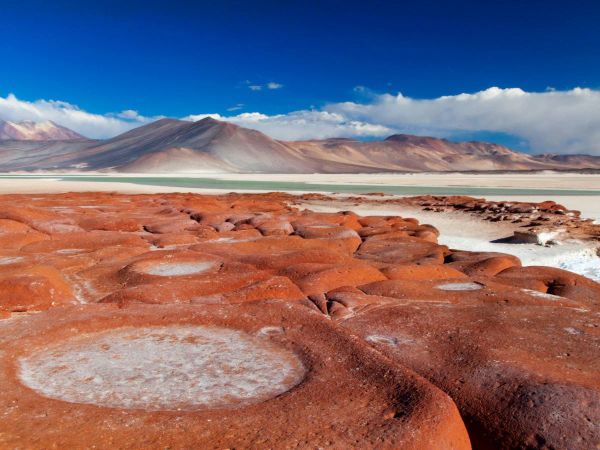
The Atacama Desert covers a vast stretch of northern Chile and is one of the most extraordinary environments on Earth. It is the driest non-polar desert on the planet, and parts of it receive almost no rainfall at all. Its landscapes range from pale salt crusts and rust-coloured canyons to perfectly formed volcanoes rising against a deep blue sky. Most visitors base themselves in San Pedro de Atacama, and with good reason — but the town is simply the starting point for everything that matters.
San Pedro de Atacama — the Gateway to the North
San Pedro de Atacama sits at 2,475 metres above sea level in the heart of the Atacama Desert. It is a small, adobe-built town with unpaved streets and an unhurried pace, surrounded by desert on every side. The air is dry and clear, and at night the sky is thick with stars in a way that is difficult to appreciate until you experience it yourself.
From San Pedro, travellers can reach some of the most remarkable natural features in all of South America. The town serves as a base for exploration across high volcanic terrain, ancient Andean trade routes, and landscapes that genuinely resemble no other place on Earth. It is a place that rewards patience and rewards those who push a little further than the obvious day trips. For travellers combining both sides of the Andes, our Puna and Atacama small-group journey crosses between Argentina and Chile through some of the highest and most remote terrain in South America.
El Tatio Geyser Field — Dawn at the Top of the World
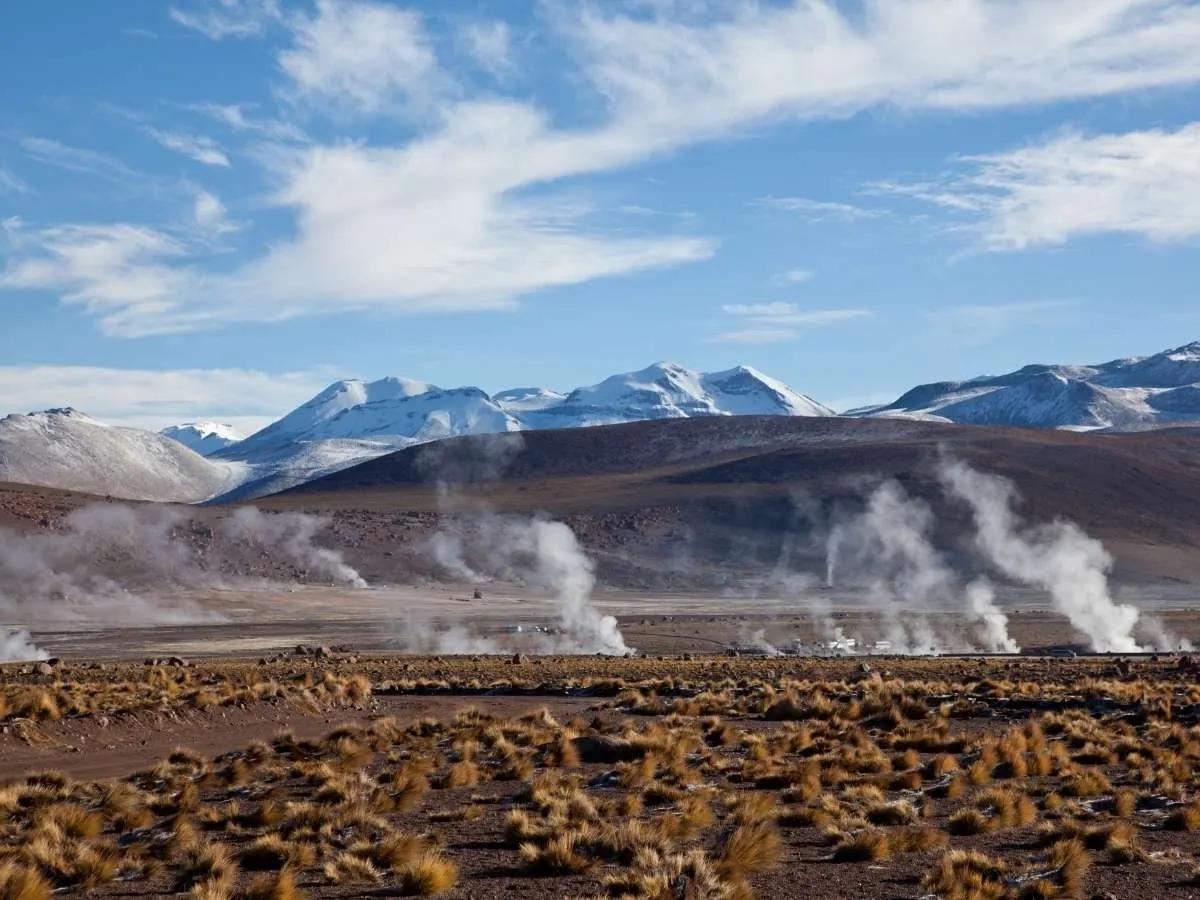
El Tatio is the largest geyser field in the southern hemisphere and the third largest in the world. It sits at around 4,200 metres within the Andes Mountains of northern Chile and contains over 80 active geysers. Arriving here at first light — when steam columns rise high into the cold morning air against a brightening sky — is one of those travel experiences that is genuinely difficult to describe to someone who has not been there.
The drive to El Tatio begins before dawn. The road climbs steadily through darkness across the high desert plateau, passing occasional volcanic peaks against the stars. By the time the geyser field comes into view, the air is sharp and cold, and the light is just beginning to change along the horizon. It is the kind of moment that makes the early start feel worthwhile many times over.
Valle de la Luna — Sunset in an Alien Landscape
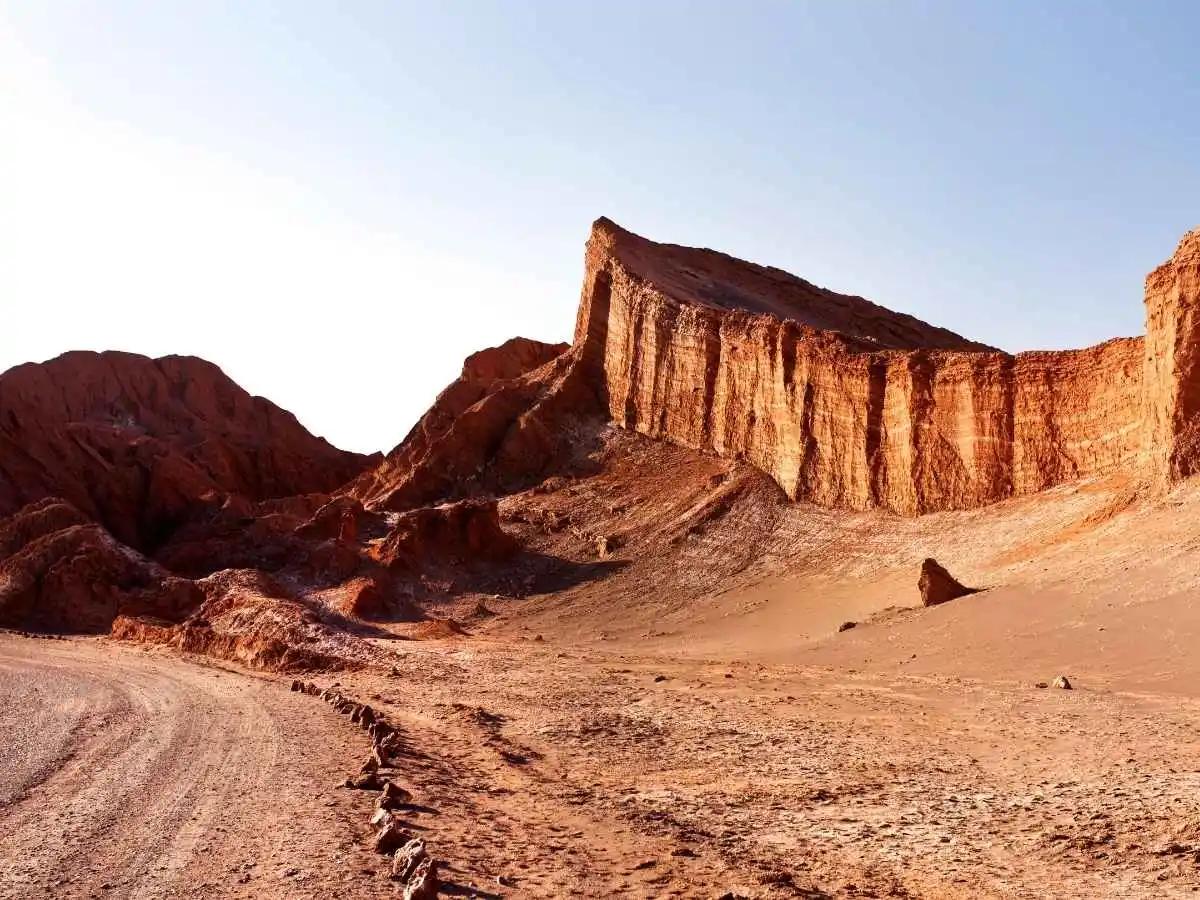
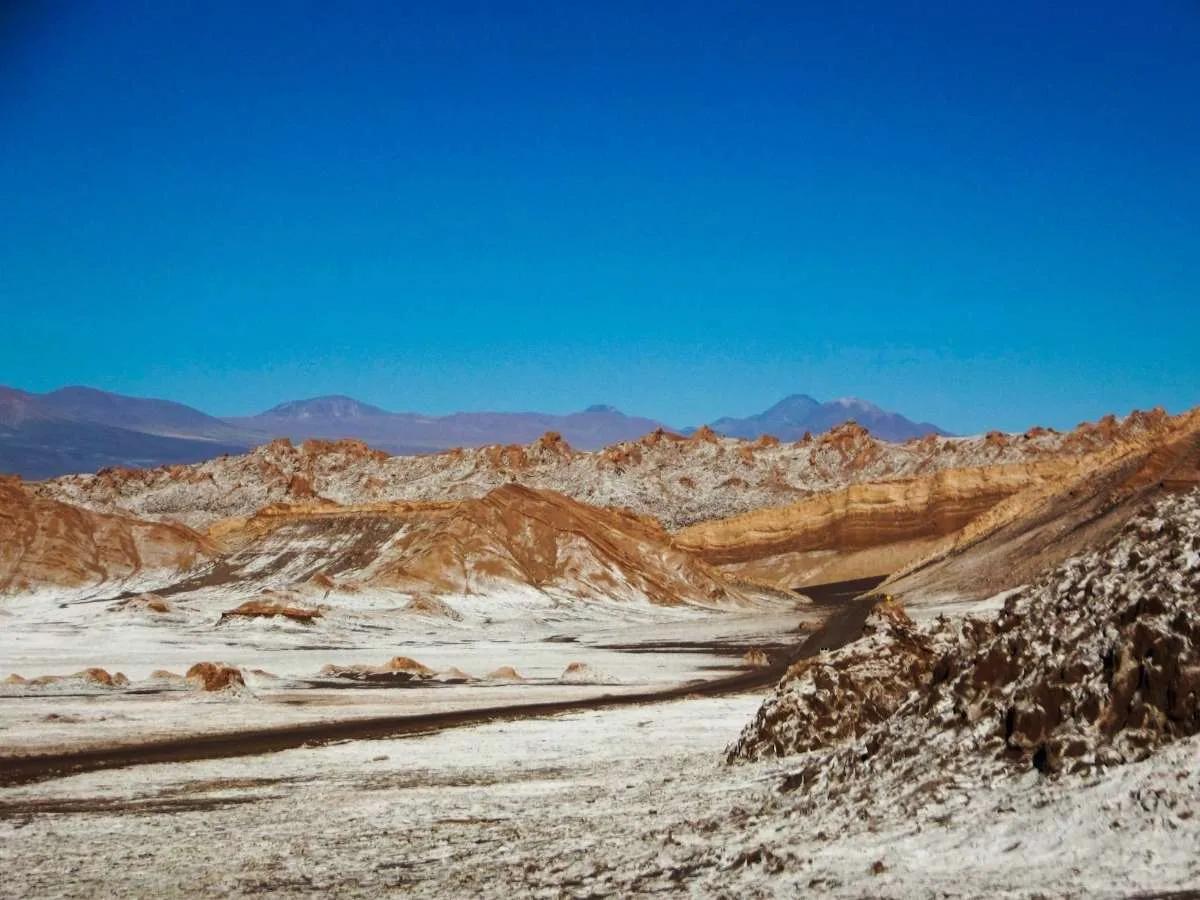
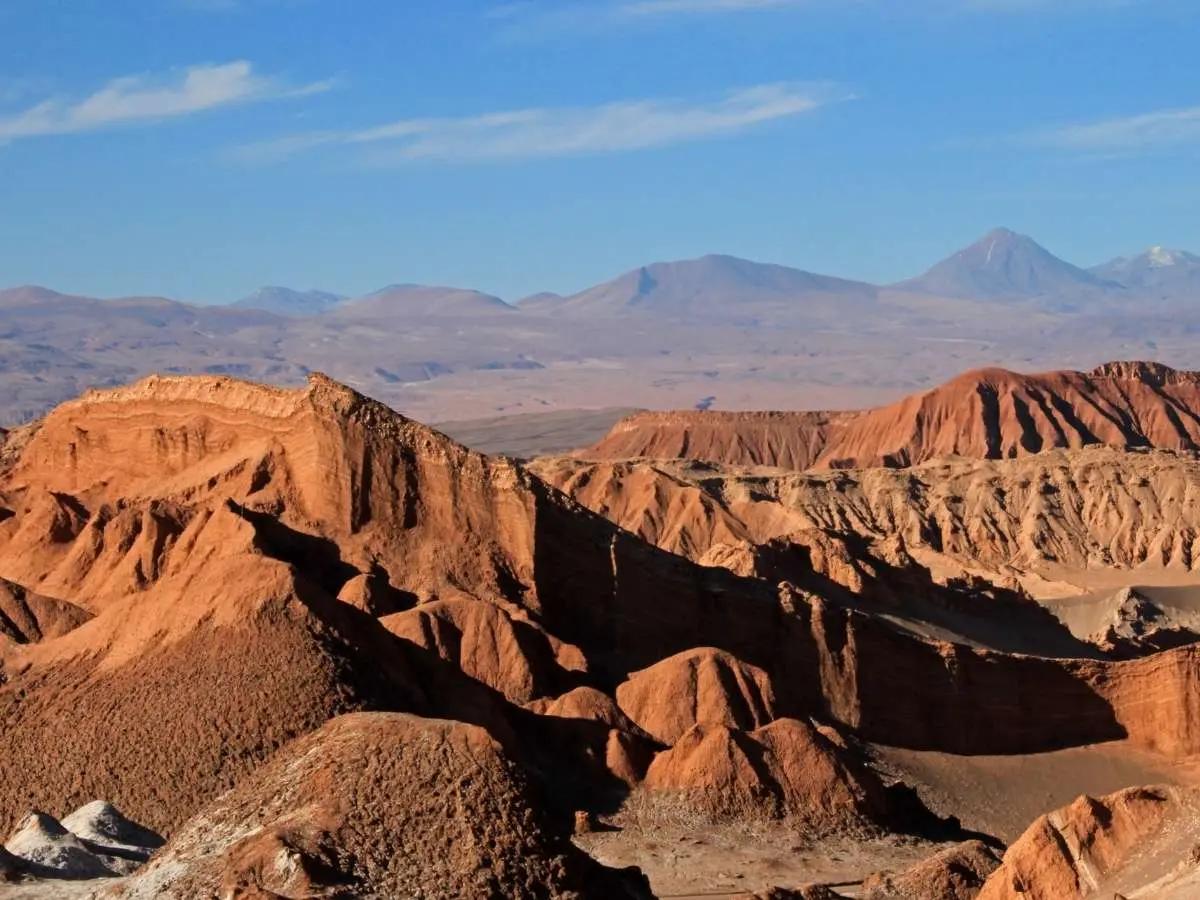
The Valle de la Luna, or Valley of the Moon, forms part of the Cordillera de Sal — the Salt Mountains Range — a short drive from San Pedro de Atacama. Shaped over millions of years by the slow erosion of salt and clay, the valley has been carved into formations that belong to an entirely different world. There are ridges, craters, and wide open basins in shades of white, ochre, and pale amber.
Sunset is the moment to be here. As the light drops, the colours shift through warm orange and deep red before fading to grey. The silence is almost total. Very few places in the world offer an experience quite like it, and yet most articles give it no more than a passing line. It deserves far better than that.
Lagunas Miscanti and Miñiques — Flamingos Above the Clouds
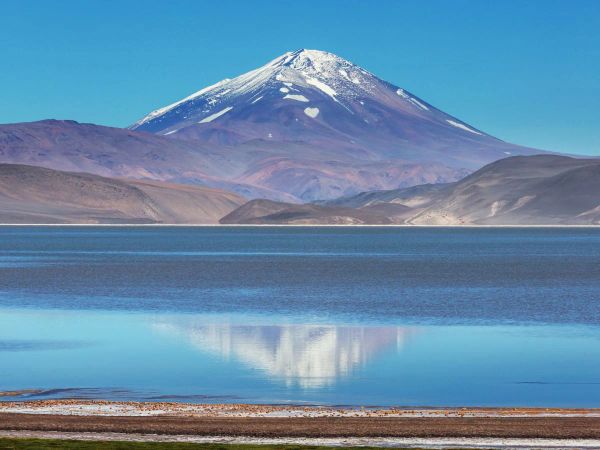
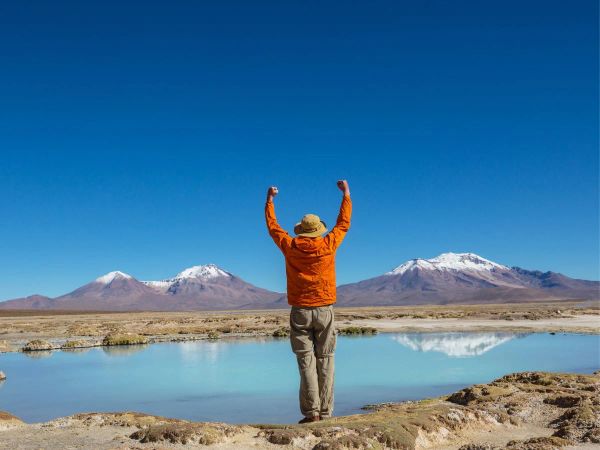
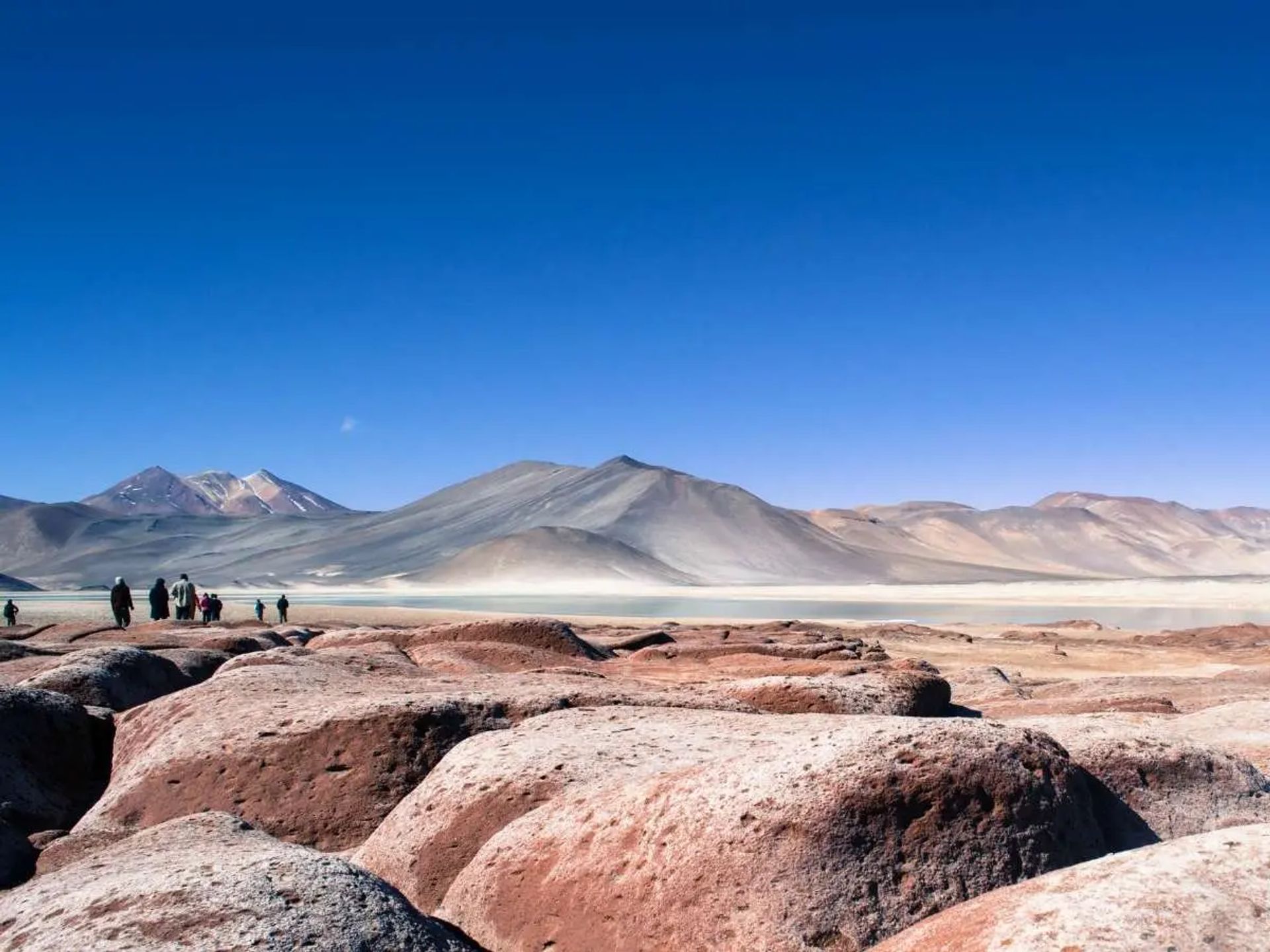
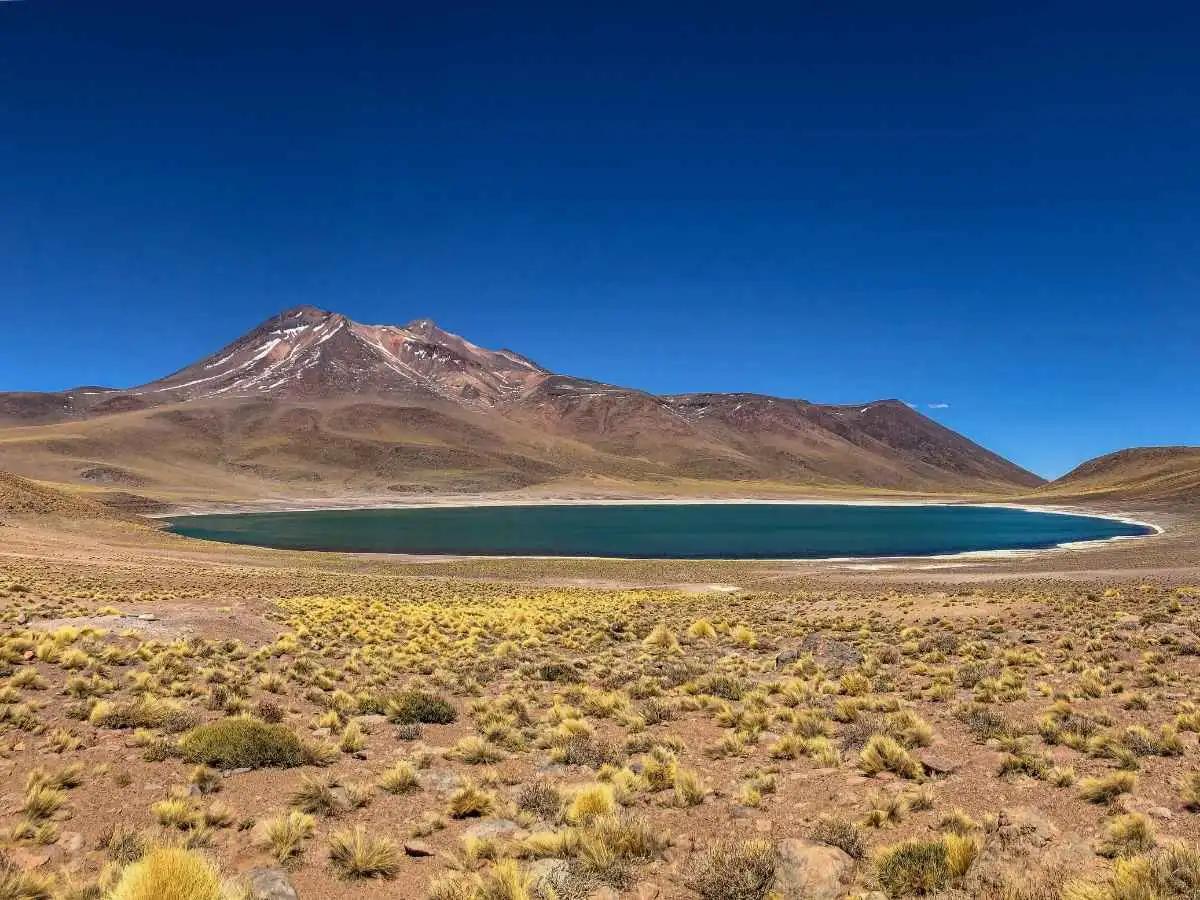
Further into the high Atacama, reached via the ancient Sico Pass, lie two of Chile's most beautiful and least-visited lakes. Lagunas Miscanti and Miñiques sit at over 4,000 metres, surrounded by the cones of sacred volcanoes and beneath a sky of extraordinary intensity. The water is a deep, vivid blue. At the shoreline, Andean flamingos stand in groups, their pink plumage sharp against the volcanic rock.
This route follows a path once used by llama caravans trading between the Andean oases — one of the ancient trade routes that connected these remote high-altitude communities across the continent for centuries. The sense of remoteness is real. There are very few other travellers here, and the scale of the plateau makes it easy to understand why early journeys through this landscape felt like crossing the edge of the known world. For those drawn to wild, isolated landscapes, this is one of the finest things to do in Chile.
Patagonia — Further Than You Think, More Rewarding Than You Imagine
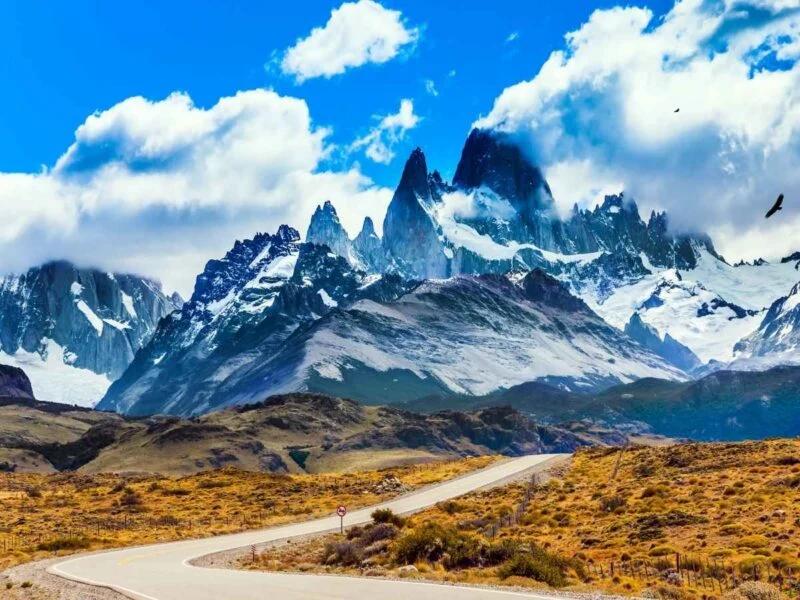
Patagonia has become shorthand for the end of the Earth: dramatic weather, staggering scenery, and the kind of wilderness that modern life rarely offers. Most visitors head directly for Torres del Paine National Park, and it is easy to see why. But the region around Puerto Natales offers experiences every bit as powerful, and far fewer people make the effort to find them.
Torres del Paine National Park — the Benchmark for a Reason
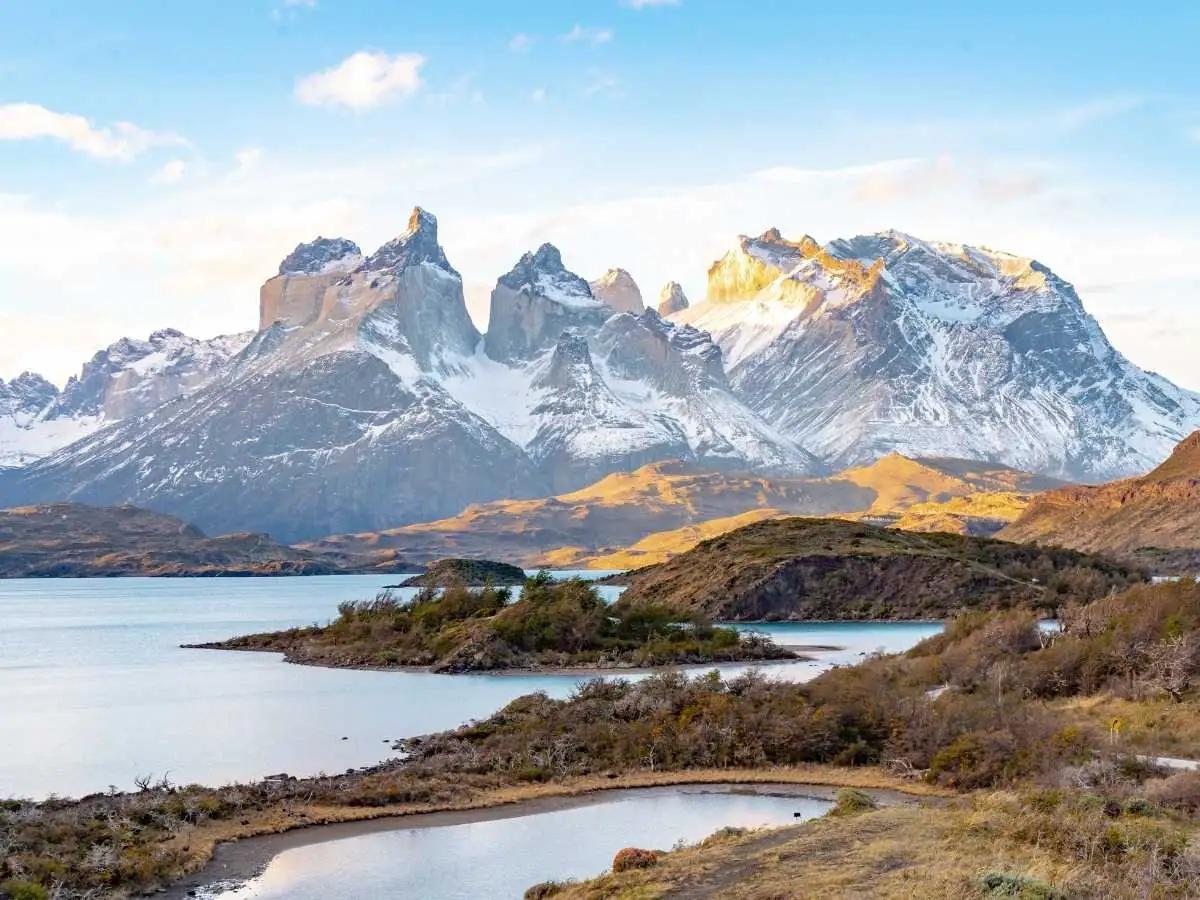
Torres del Paine is famous for its granite towers, glacial lakes, and its sky full of Andean condors. The condor has a wingspan of up to three metres — one of the largest of any flying bird — and watching one circle above the Patagonian peaks is an image that stays with a traveller long after they have left.
The park rewards those who take their time. Walking routes lead through native Patagonian forest to viewpoints over the Grey Glacier and the still waters of Lago Nordenskjöld. The weather changes quickly at this latitude, and the light shifts constantly, giving the landscape a different character at every hour of the day. A single rushed visit misses most of what Torres del Paine actually is. Those wanting to experience it properly, alongside the seldom-visited fjords to the south, will find our Patagonia glaciers and peaks tour covers both in a single carefully paced itinerary.
The Fjords of the Ultima Esperanza — Beyond the Park Gates
South of Torres del Paine, the landscape breaks apart into a network of fjords, channels, and glaciers that most visitors never reach. A boat journey from Puerto Natales through the Ultima Esperanza Fjord leads deep into Bernardo O'Higgins National Park, where the Balmaceda and Serrano Glaciers descend almost to the water's edge.
This is Patagonia without the crowds. The boat moves through still, dark water past mountains dusted with snow, past waterfalls dropping from high rocky shelves, and past Patagonian birds wheeling above the fjord. At the Serrano Glacier, it is possible to hike to a lookout point above the ice before returning to the water. The tradition on the return journey is a whisky cooled with a piece of ancient glacial ice — a small detail that captures something essential about travel in this part of the world.
The Rest of Chile — a Country That Does Not Run Out of Surprises
For travellers with more time, Chile extends well beyond the north and the far south. Santiago, the Chilean capital, is a cosmopolitan city set against the Andes. The historic Plaza de Armas, the Mercado Central, and the hilltop views from Cerro San Cristóbal are all worth a morning's exploration.
Within two hours of Santiago, Valparaíso is one of South America's most atmospheric port cities. Brightly coloured houses climb steep hills connected by old funiculars, and the streets are covered in some of the finest street art on the continent. It holds UNESCO World Heritage status and rewards those who wander without a plan.
Further south, Chile's Lake District offers volcanic lakes, dense forests, and a quieter pace of life. Chiloé Island, sitting off the southern coast, has its own distinct culture — wooden churches, houses built on stilts above the water, and a local mythology unlike anything found elsewhere in South America. For travellers keen to combine Chile's highlights with Bolivia's salt flats and Argentina's northwest, our three-country Andean explorer takes in all three in a single connected journey.
Conclusion
Chile is a country that takes time to understand. Its most memorable experiences are not the ones that appear first in a search result — they are found at 4,000 metres above sea level, in a boat cutting through a Patagonian fjord, or standing beside an alien desert landscape as the light finally fails. The things to do in Chile are as varied as the country itself, and no single trip can do them full justice. That is, perhaps, the best reason to plan carefully and travel with people who know where to look.
Undiscovered Destinations specialises in small group tours that go far beyond the well-known route — to the remote, the raw, and the genuinely extraordinary. With no compulsory single supplements and guaranteed departures, every trip is built around the experience, not the numbers.
Ready to go further than the tourist trail? Explore our Chile tours and travel planning and start building your expedition into one of the world's most remarkable countries.