AITO 4.9 Excellent Rating
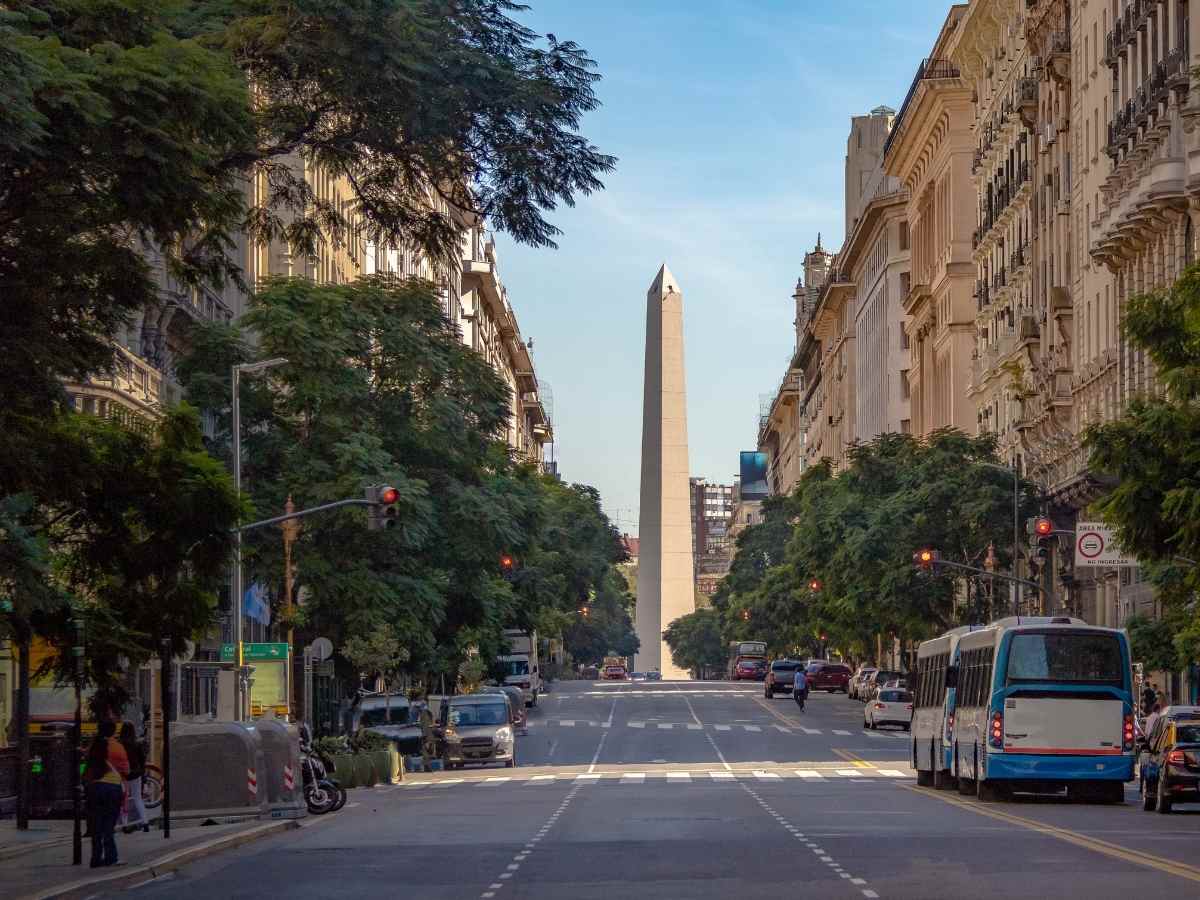

Yes — Argentina is broadly safe for tourists, and consistently ranks among the safer countries in Latin America. Petty theft in Buenos Aires is the main risk; serious violent crime targeting visitors is rare. Solo travellers, families, and independent backpackers all travel here successfully. This guide covers Buenos Aires safety, regional crime levels, solo female travel, common scams, and practical precautions to help you travel confidently.
Argentina is one of South America’s most extraordinary destinations — a country of vast Patagonian glaciers, colonial north-western valleys, world-class food and wine, and cities that pulse with culture. So when people ask “is Argentina safe?”, the honest answer is: yes, largely — but it pays to know what you’re walking into. Argentina is not a destination that demands constant vigilance, but like anywhere in the world, a little knowledge goes a long way. This guide covers everything you need to know about staying safe in Argentina, from navigating Buenos Aires to exploring the remote south — including dedicated advice for solo female travellers. For help planning when to go, our month-by-month breakdown is a useful companion to this guide.
Is Argentina Safe? Safety and Security in South America
Argentina consistently ranks as one of the safer countries in Latin America. The Global Peace Index regularly places it ahead of most of its neighbours, and serious violent crime targeting tourists is uncommon. The vast majority of travellers — including independent backpackers, families, and older visitors — return home without incident.
How Argentina Compares to Other South American Countries
Across South America, Argentina performs well on most standard safety indices. Compared to countries such as Brazil, Colombia, or Venezuela, the risks facing tourists in Argentina are considerably lower in both scale and severity. It is not without risk, but those risks are well-understood and, in most cases, avoidable with straightforward precautions.
Two categories are worth understanding before you travel: urban petty crime, concentrated primarily in Buenos Aires; and occasional political demonstrations, which are rarely violent but can disrupt transport. Beyond these, Argentina is a welcoming, well-travelled destination with a strong tourism infrastructure.
Crime and Caution in Buenos Aires
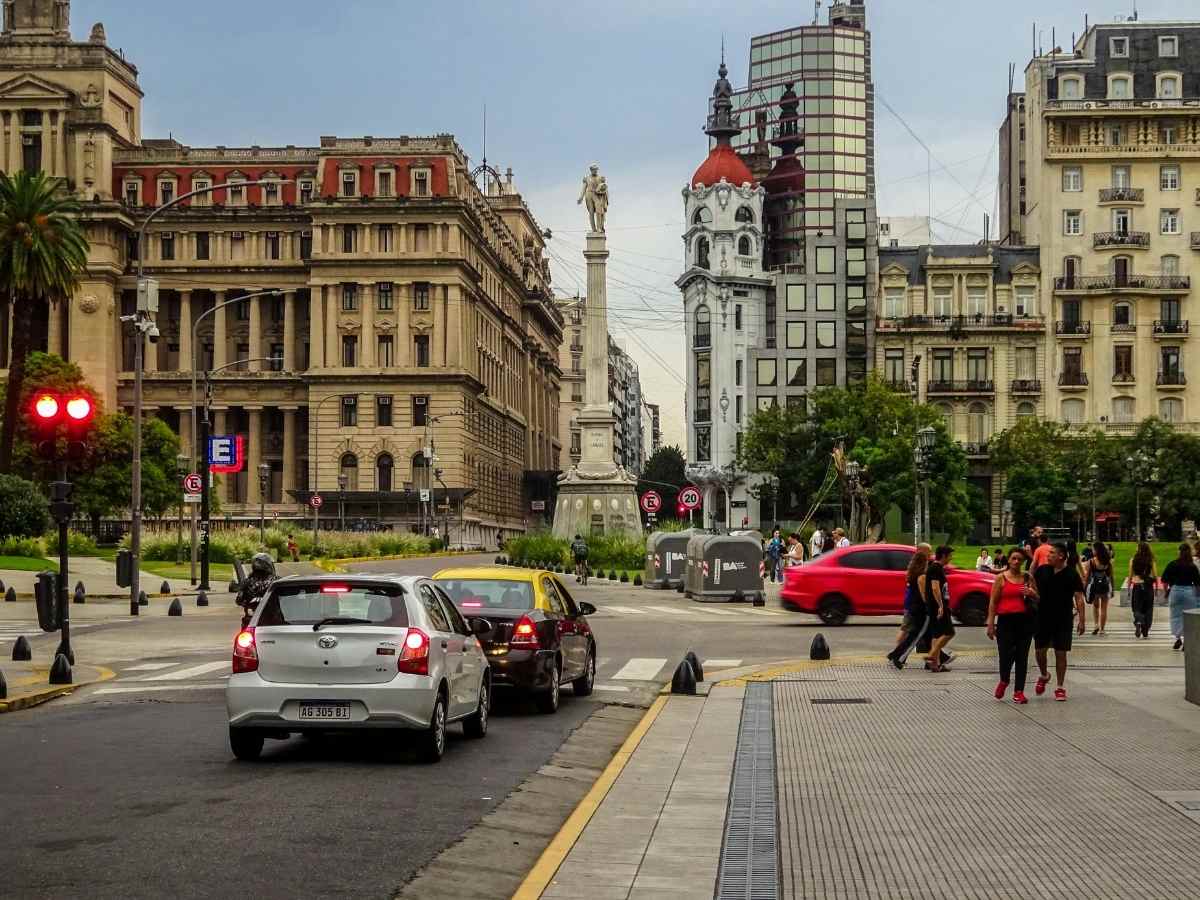
Buenos Aires is where most travellers begin their Argentina journey, and where the highest concentration of tourist-targeted crime occurs. This is not unusual for a major Latin American capital, and it should not put you off — but it does mean arriving with your eyes open.
Pickpocketing is the main risk. Busy tourist areas, crowded markets, and transport hubs are where most incidents happen. Keep your phone in a front pocket or secure zipped bag, and avoid wearing expensive jewellery or displaying camera equipment unnecessarily.
La Boca is the neighbourhood most frequently cited in safety warnings. It is colourful and atmospheric and well worth visiting — but stick to the main Caminito strip during daylight hours and avoid wandering into the residential streets beyond it. Retiro bus station warrants extra attention; keep bags close and stay alert, particularly at night.
For accommodation and day-to-day movement, base yourself in Palermo, Recoleta, or Belgrano — Buenos Aires’ safest and most tourist-friendly neighbourhoods, with good transport connections and a strong local presence.
When using ATMs, go inside a bank or shopping centre during daylight hours. Never accept currency exchange offers from anyone approaching you on the street — use official cambios or bank branches only. For getting around, official taxis and ride-hailing apps such as Cabify and Uber are reliable and straightforward. Avoid unmarked cabs, particularly outside the airport.
Safety Beyond Buenos Aires — Iguazú Falls, Mendoza and the Regions
Once you leave Buenos Aires, Argentina’s safety picture improves considerably.
Patagonia — home to El Calafate, El Chaltén, and Ushuaia — has some of the lowest crime rates in Argentina. These are small, tourism-oriented communities where violent crime is exceptionally rare. Perito Moreno Glacier, Tierra del Fuego National Park, and the Beagle Channel attract visitors from around the world, and incidents targeting tourists here are almost unheard of. This guide covers safety at an overview level — for full detail on what to see and do across the country, our Argentina destination guide goes deeper on each region.
Argentina’s north-west is equally relaxed. The province of Jujuy — which takes in Tilcara, Humahuaca, and Purmamarca — is rural and community-oriented, with very little of the urban crime dynamic that characterises Buenos Aires. Salta and Cafayate are similarly safe and welcoming. Do note that parts of the Puna region — including Salinas Grandes, Tolar Grande, and El Peñón — sit above 3,500 metres. Altitude sickness (known locally as soroche) is a genuine concern; allow time to acclimatise, avoid alcohol on your first day at altitude, and drink plenty of water.
Iguazú Falls, on Argentina’s north-eastern border with Brazil, is one of the country’s most visited natural wonders. The national park surrounding the falls is generally safe for tourists, though as with any high-footfall attraction, petty theft can occur. Stay on marked paths and keep valuables secured.
Mendoza, Argentina’s wine region in the Cuyo foothills, is regarded as one of the country’s most visitor-friendly cities. Crime rates are low compared to Buenos Aires, and both the city centre and the surrounding wine route are considered safe for independent exploration.
Is Argentina Safe for Solo Female Travellers?
Is Argentina safe for solo female travellers? The honest answer is broadly yes — with one significant caveat worth understanding before you go.
Argentina rates 4.3 out of 5 for solo female travel and ranks among the safer destinations in South America for women travelling alone. The infrastructure is good, Argentinian culture is warm and sociable, and the country has a well-established solo travel community. In practical terms, a woman travelling alone in Buenos Aires, Salta, or Patagonia is unlikely to encounter the kind of risk that would make the trip inadvisable.
The main challenge is street harassment. Argentina has a deeply ingrained culture of verbal attention towards women in public — historically referred to as piropos — that ranges from mildly irritating to genuinely uncomfortable. It is rarely physically threatening, but it is persistent enough in urban areas that most solo female travellers mention it as the primary difficulty of their experience. Walking with purpose, projecting confidence, and trusting your instincts are the most effective responses. Engaging rarely helps; moving on usually does.
Neighbourhoods such as Palermo, Recoleta, and Belgrano in Buenos Aires are generally comfortable for solo female travellers during the day and into the evening. Avoid walking alone late at night in unfamiliar areas, particularly around the Microcentro or transport hubs after dark.
On the positive side, Argentina’s strong cafe culture means sitting alone for hours attracts no attention whatsoever — a small but genuinely meaningful thing for solo travellers. The backpacker and independent travel community is active and easy to connect with, particularly in Buenos Aires and the main Patagonian hubs. Travelling with a small group rather than completely independently reduces exposure to both petty crime and unwanted attention considerably — our small-group Patagonia tour is a popular option for solo travellers who want company without sacrificing flexibility.
Crimes and Scams Common in Argentina
Argentina has a handful of tourist-specific scams worth knowing about before you arrive.
The fake police scam involves someone posing as a plainclothes officer and asking to inspect your wallet or passport. A real officer will never ask to do this on the street. Decline firmly and walk into the nearest public building.
Distraction theft works by drawing your attention — a squirt of liquid on your jacket, an “accidental” collision, someone pointing at something on your bag — while an accomplice removes valuables. Be sceptical of any unexpected physical contact or sudden distraction in crowded areas.
Unofficial currency exchange remains a risk. Anyone approaching you on the street with a better rate is almost certainly running a scam. Taxi overcharging is most common at the airport and outside major tourist sites — use ride-hailing apps where the price is agreed in advance.
Entry and Exit Requirements for Argentina
British citizens do not need a visa to visit Argentina for tourist stays of up to 90 days. You will need a valid British passport — the Argentine authorities generally expect at least six months of validity remaining beyond your intended departure date. No vaccinations are legally required for entry from the UK, though several are recommended (see the Health Advice section below).
Ensure your onward or return travel ticket is in order before you travel, as proof of departure may be requested at the border. Entry requirements can change at short notice, so always check the current position with the FCDO Argentina travel advice or the Argentine Embassy in London before departure.
Health Advice for Argentina
Argentina requires no vaccinations for entry from the UK, but several are recommended by the NHS and travel health clinics. These typically include hepatitis A and B, typhoid, and ensuring routine vaccinations — such as MMR and tetanus — are up to date. Yellow fever vaccination is recommended if you are visiting Iguazú Falls or other areas of north-east Argentina.
Food and water are generally safe in major cities and tourist areas, though drinking bottled water is advisable in more remote regions. Medical facilities in Buenos Aires are of a high standard; outside the capital, provision varies significantly. Travel insurance with emergency medical cover and evacuation is essential.
Altitude sickness is the most significant health risk for travellers heading to the Puna region of the north-west. Symptoms include headache, fatigue, nausea, and dizziness. Acclimatise gradually, avoid overexertion on arrival, and seek medical attention if symptoms worsen. Our Puna and Atacama itinerary builds in acclimatisation time as standard — worth considering if the high-altitude north-west is on your list.
Getting Around — Air Travel and Road Travel in Argentina
Air Travel in Argentina
Argentina is a large country and flying between regions is often the most practical option. Domestic airlines including Aerolíneas Argentinas and LATAM connect Buenos Aires with Ushuaia, El Calafate, Salta, Mendoza, Iguazú, and beyond. Argentine airports are generally safe and well-organised. The usual precautions apply: keep hold luggage secure and do not leave bags unattended in terminals.
Road Travel in Argentina
Road conditions outside the main cities can be poor, particularly on unpaved routes in the north-west. Long-distance bus travel is widely used, reliable, and reasonably comfortable — Argentina has an extensive intercity network with good overnight services. If hiring a car, drive defensively; road traffic incidents are more frequent than in the UK, and lane discipline on some routes is inconsistent. Night driving on unfamiliar rural roads is best avoided.
Adventure Tourism Safety in Argentina
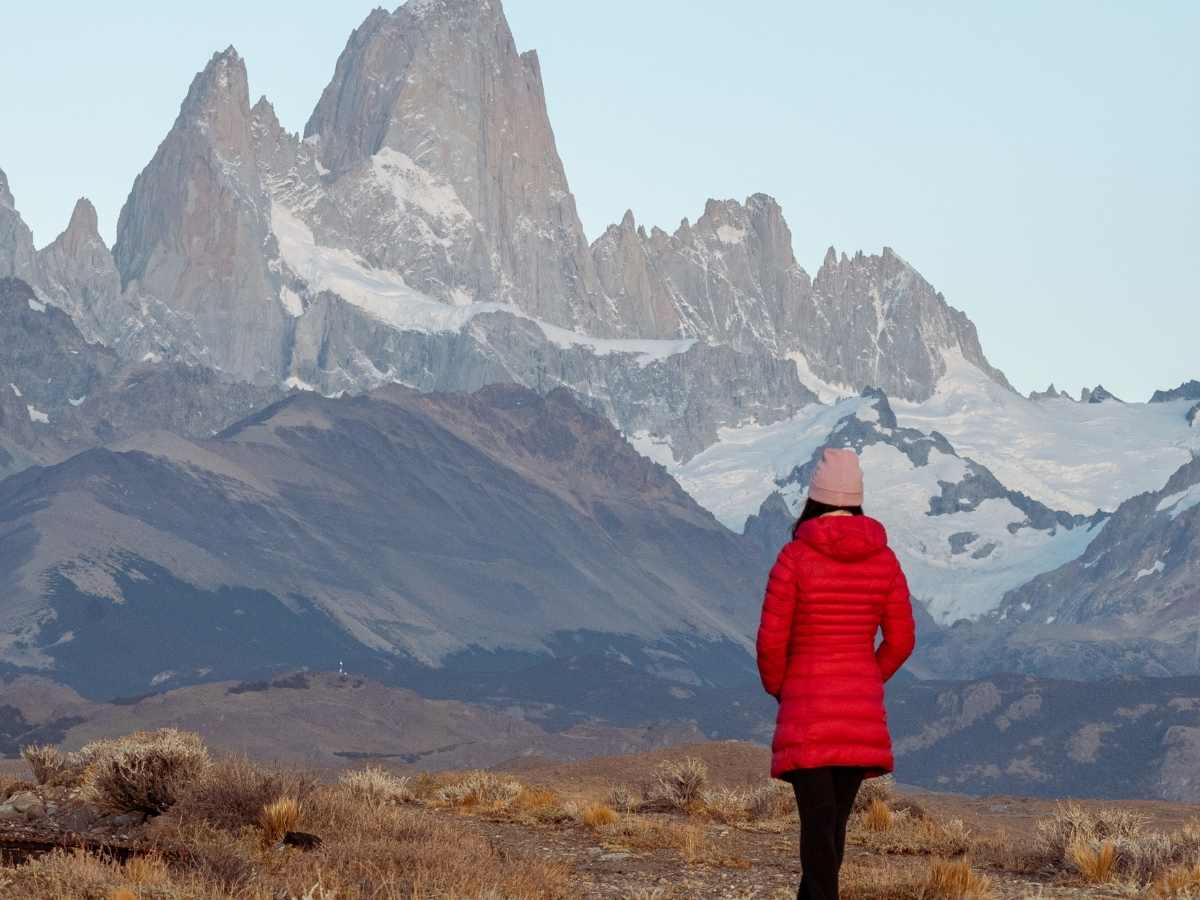
Adventure tourism is one of Argentina’s great draws, particularly in Patagonia and the north-west. Trekking in El Chaltén, glacier walks at Perito Moreno, and multi-day routes in Tierra del Fuego National Park all carry inherent physical risks unrelated to crime. Always use qualified, licensed guides for glacier and mountain activities. Check weather conditions before setting out — Patagonian weather is notoriously fast-changing. Register your intended route with local rangers where required, ensure your travel insurance covers adventure activities, and carry sufficient water, food, and emergency supplies for the terrain.
Natural Disasters in Argentina
Argentina sits within a seismically active zone. Earthquakes occur, most frequently in the Cuyo region around Mendoza and in the Andean north-west, though the majority are minor. The FCDO provides guidance on earthquake safety as part of its country travel advice.
Flooding can affect low-lying areas and river valleys, particularly during the rainy season from November to March in the north and north-west. Volcanic activity near the Argentine-Chilean border occasionally causes ash disruption to air and road travel. Monitor local alerts when travelling in potentially affected areas, and ensure your travel insurance includes natural disaster and trip disruption cover.
Practical Safety Advice for Argentina
Travel Insurance
Travel insurance is non-negotiable for Argentina. Your policy must cover emergency medical treatment and evacuation — healthcare costs without it can be very high. Check that adventure activities are included if you plan to trek or take part in guided outdoor pursuits, and consider natural disaster and cancellation cover given Argentina’s seismic and weather profile.
Beyond insurance, a few practical steps make a significant difference. Carry certified photocopies of your passport rather than the original, and keep digital backups in the cloud. Split cash and cards across different bags — if one is taken, you need something to fall back on. A local SIM card or international data plan is worth the modest cost; being connected is a practical safety advantage at all times. Dress down in tourist-heavy areas and avoid displaying expensive cameras, jewellery, or smartphones. Register your trip with the FCDO before departure.
FCDO Travel Advice for Argentina
The FCDO currently advises British travellers to exercise normal precautions across most of Argentina. In certain parts of Buenos Aires — particularly around La Boca and Retiro — it advises heightened vigilance. There are no current warnings about travel to Patagonia, the north-west, or any of the country’s main tourist destinations.
FCDO travel advice is updated regularly and should always be checked immediately before departure. Visit the FCDO’s official website for the most current guidance on Argentina.
Argentina Is Worth It
Argentina is a safe destination for the overwhelming majority of travellers, and a genuinely extraordinary one. The risks are real but manageable: stay alert in Buenos Aires, know which areas warrant extra care, understand the cultural dynamics that solo female travellers will encounter, and apply the same practical precautions you would in any large city anywhere in the world.
If you want the reassurance of expert local knowledge on the ground, Undiscovered Destinations runs small-group tours across Argentina — from the glaciers and wilderness of Patagonia to the ancient valleys and salt flats of the north-west. With no more than 12 people per group and guaranteed departures, it is a way to experience Argentina with both the depth it deserves and the confidence of having knowledgeable support throughout your journey.