Bolivia is a land of massive contrasts. You can wake up in a humid tropical forest and, just a few days later, stand on a vast mirror of salt over 3,000 metres above the sea. It is often called the Tibet of the Americas because of its high peaks and isolated culture. However, many people find planning a trip here difficult.
The biggest problem for most travellers is altitude. Many people fly straight into central La Paz, which sits at roughly 3,600 metres. This often leads to altitude sickness, known locally as soroche, which can ruin the first few days of a holiday. A much smarter approach is the "low-to-high" route. By starting in the lowlands and slowly moving upwards, your body has time to adapt naturally — and you see far more of the country in the process.
This 15-day itinerary focuses on a journey from the warm east to the rugged west. It is designed for those who want to see more than just the famous salt flats. By travelling in a small group, you can navigate the complex logistics of this region without the stress of planning it yourself.
Days 1 to 3: The Hidden Lowlands and a 15-Day Bolivia Itinerary Start
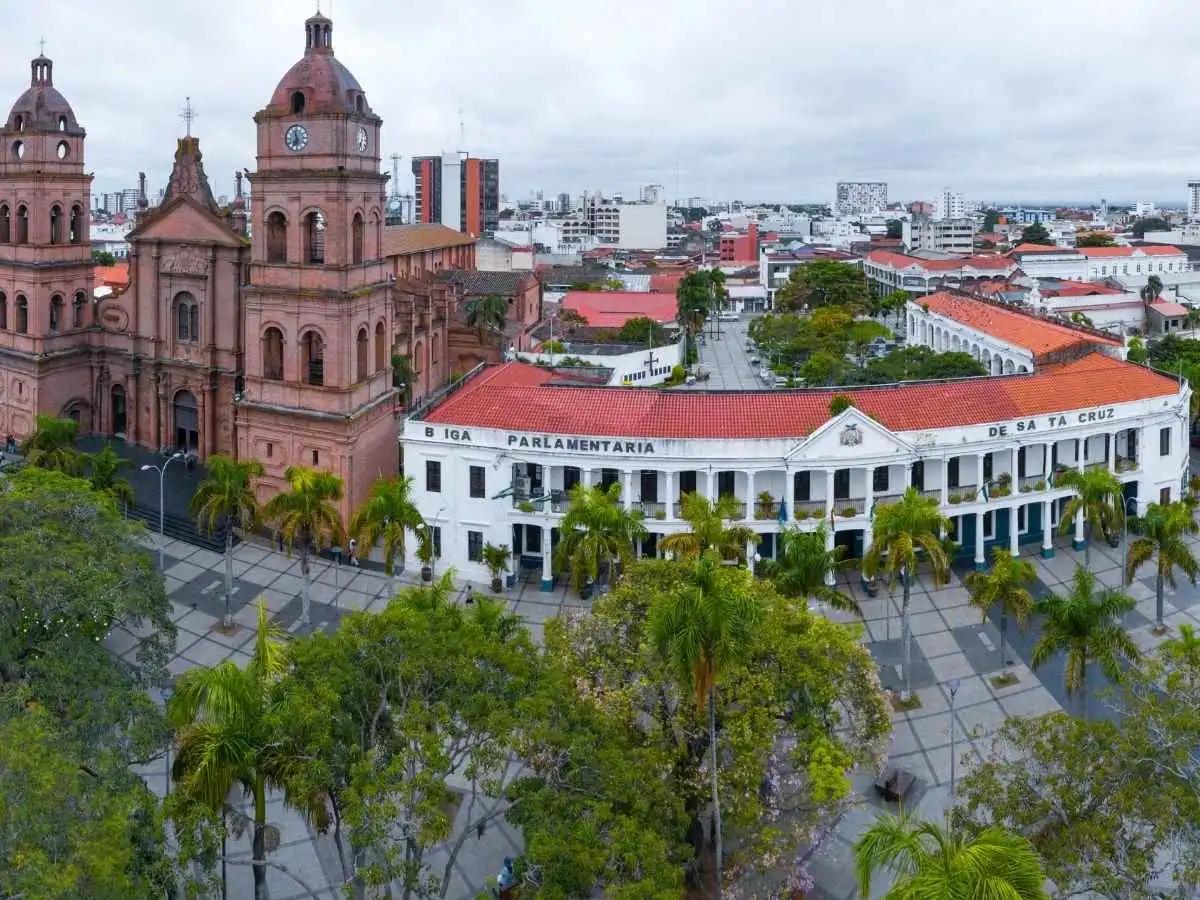
Your journey begins in Santa Cruz de la Sierra. This is Bolivia’s largest city, but it feels very different from the Andes. The air is warm, the land is flat, and the lifestyle is relaxed. At only 400 metres above sea level, it is the perfect place to start your trip while your lungs prepare for the mountains ahead. You can easily catch a taxi from the airport to your hotel to begin your Bolivia adventure.
Exploring Samaipata and the Valley of the Codo de los Andes
A short drive from the city brings you to the charming village of Samaipata, nestled in a lush valley. This area is known as the "Codo de los Andes" or the elbow of the Andes. It is where the jagged mountain peaks finally meet the green tropical plains.
The main highlight here is El Fuerte. This UNESCO World Heritage site is home to the largest carved sandstone rock in the world. While it was once an Inca outpost, its history goes back much further to the pre-Inca Chané people. They used the site for religious ceremonies, leaving behind geometric and animal carvings. Walking around these ancient ruins gives you a sense of just how deep Bolivia’s history goes before you ever reach the famous mountain sites.
Nature in the Amboró National Park
Nearby lies the Amboró National Park. This is one of the most diverse places on Earth for wildlife. You can walk through giant fern forests that look like something from a prehistoric era. The park sits at the meeting point of three different ecosystems: the Amazon, the northern Andes, and the dry Chaco. It is a peaceful way to spend your first few days before the journey becomes more intense.
Days 4 to 6: The Jesuit Missions and Authentic Bolivia Tours
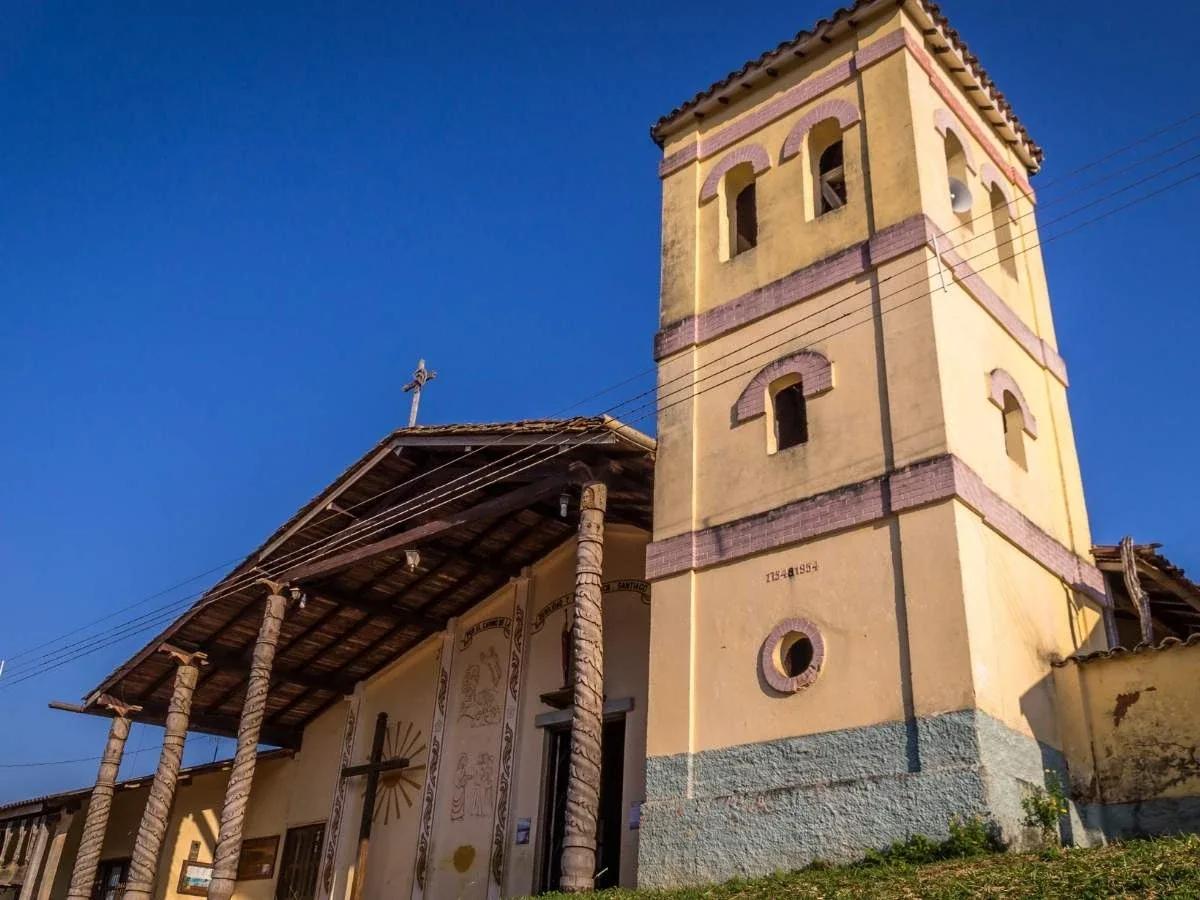
Many people visit Bolivia and never see the eastern missions. This is a mistake. The Jesuit Missions of the Chiquitania are some of the most beautiful and undiscovered cultural treasures in South America. These six settlements were founded between 1691 and 1760 and remain remarkably well-preserved.
A Living Heritage in the Semi-Arid East
Unlike the missions in North America which are often just ruins, these are living communities. The wood and adobe churches here are famous for their intricate carvings and bright colours. They represent a unique mix of European Baroque style and local indigenous art.
In the 1970s, a major restoration project led by Swiss architect Hans Roth saved these churches from decay. Today, they stand as a testament to the "ideal cities" the Jesuits tried to create. Unlike other missions in South America, these survived the expulsion of the Jesuits in 1767, with the local people continuing to care for the buildings for centuries.
San Javier and Concepción
Visiting towns like San Javier and Concepción feels like stepping back in time. San Javier was the very first mission founded in the region, its church featuring beautifully carved wooden columns and a wide open plaza. In Concepción, the church is even more ornate. Thousands of Baroque musical scores were rediscovered during restoration, and the region now hosts an international music festival every two years.
It is a quiet, soulful part of the country most tourists never experience — and one of the reasons our Panama and Bolivia tour pairs these two nations together, since both reward travellers who look beyond the obvious highlights.
Days 7 to 9: The White City and the 2-Week Travel Itinerary Middle
From the lowlands, you move up to Sucre. At 2,800 metres, it is the ideal stepping stone for your body to acclimatise before the higher altitudes ahead. It is often called the "White City" because of its beautifully preserved colonial buildings, and is widely considered the most beautiful city in Bolivia.
Sucre: The Heart of Bolivian History
Sucre is widely considered the most beautiful city in Bolivia. You can spend hours wandering through its white-washed streets and hidden courtyards. History lovers should visit the Casa de la Libertad. This is the house where the Bolivian declaration of independence was signed in 1825.
For something completely different, head to Cal Orcko. This is a massive limestone cliff located just outside the city. It is famous for being the world's largest site for dinosaur tracks. Over 12,000 footprints from at least nine different types of dinosaurs are preserved on a nearly vertical wall. It is a strange and wonderful sight that reminds you of the deep geological history of the Andes.
Potosí: The City that Changed the World
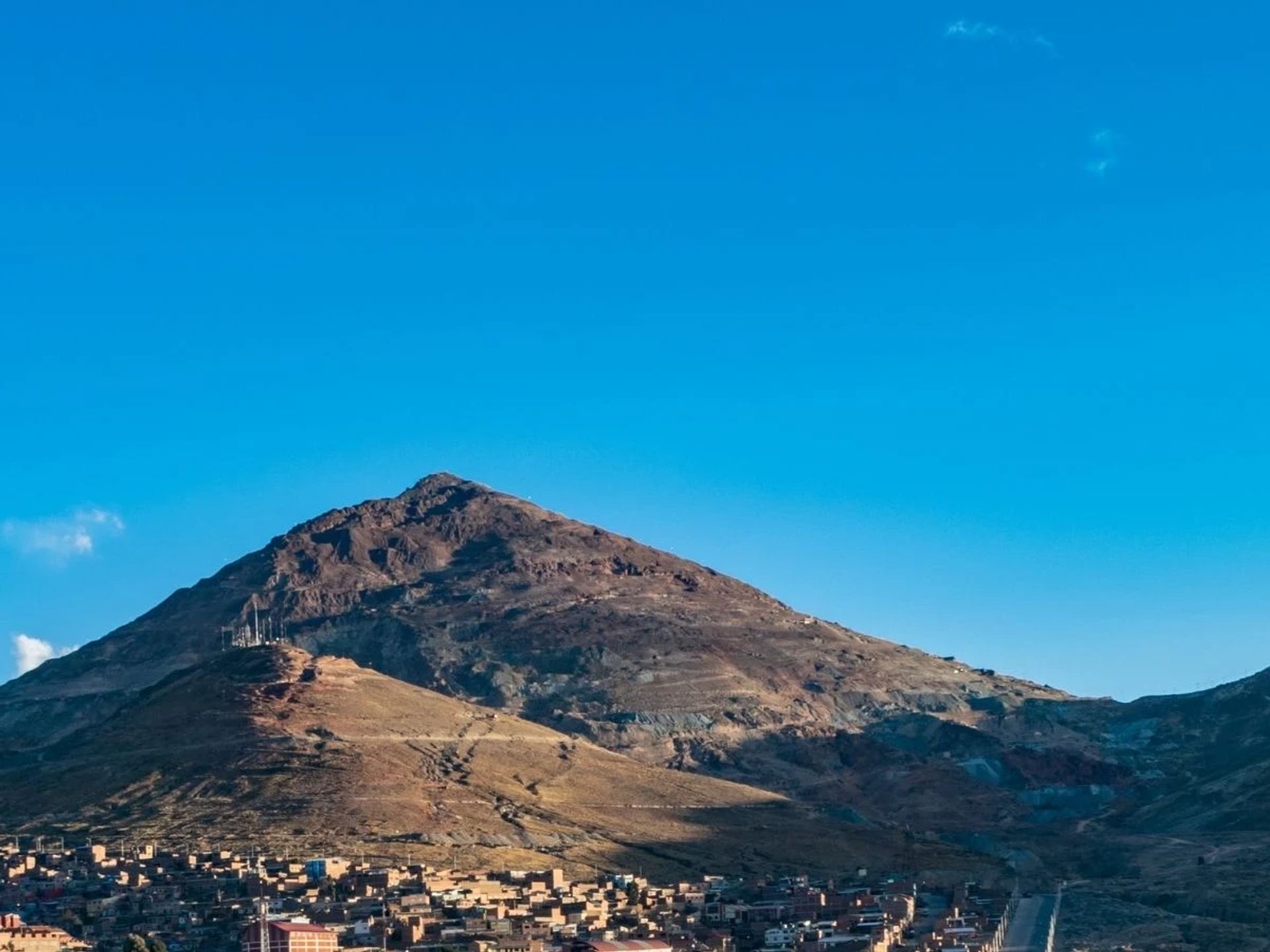
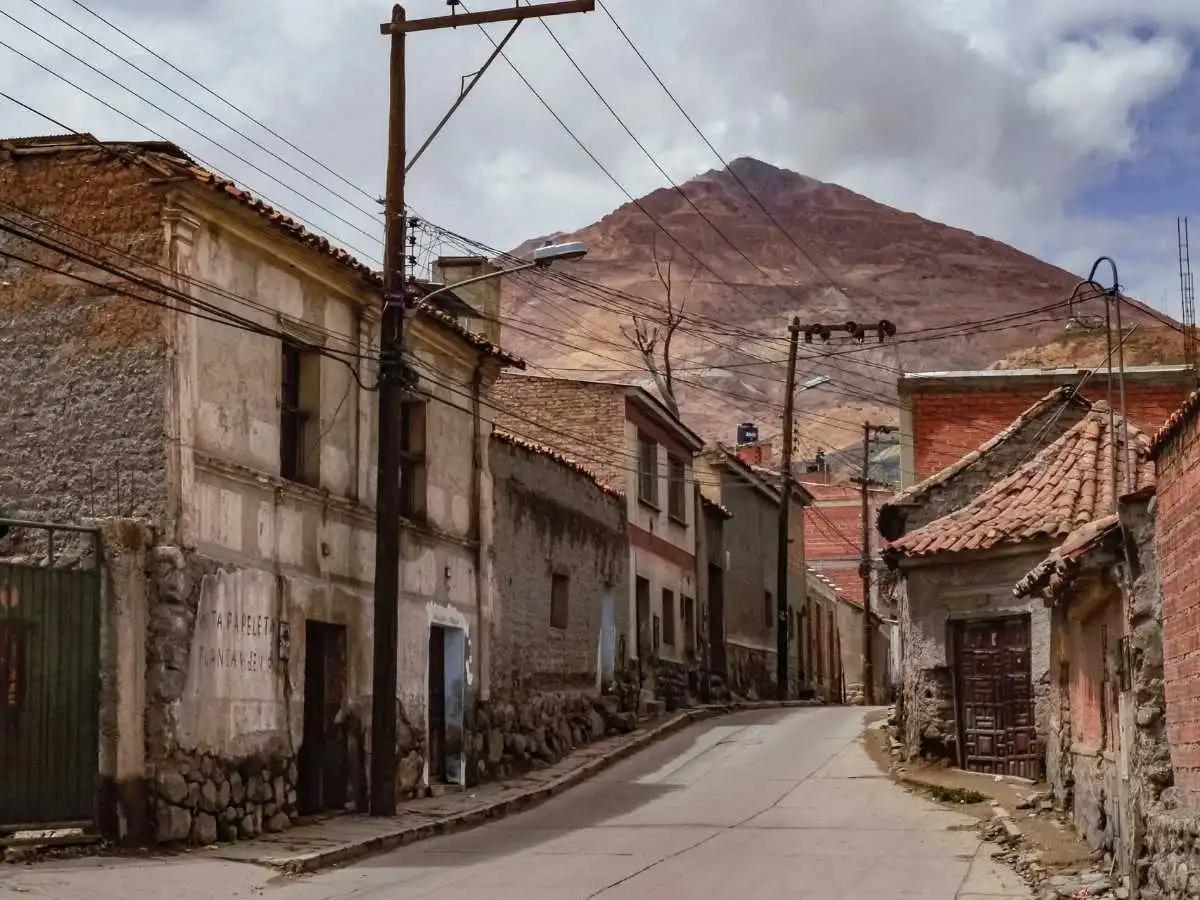
After Sucre, the altitude climbs to 4,000 metres as you reach Potosí. This was once one of the wealthiest and largest cities in the world. The silver from the Cerro Rico (Rich Hill) mountain funded the Spanish Empire for centuries. It is estimated that 60,000 tons of silver were taken from this mountain between the 1500s and 1700s.
A visit to the Royal Mint, or Casa de la Moneda, explains this complex history. The museum houses the original wooden machinery used to press silver coins that circulated across the globe. Walking through the narrow, cold streets of Potosí, you feel the weight of its history. It is a place that reminds you of the incredible cost of the colonial era and the resilience of the local miners.
Days 10 to 12: The Uyuni Salt Flats Expedition and Uyuni Tour Highlights
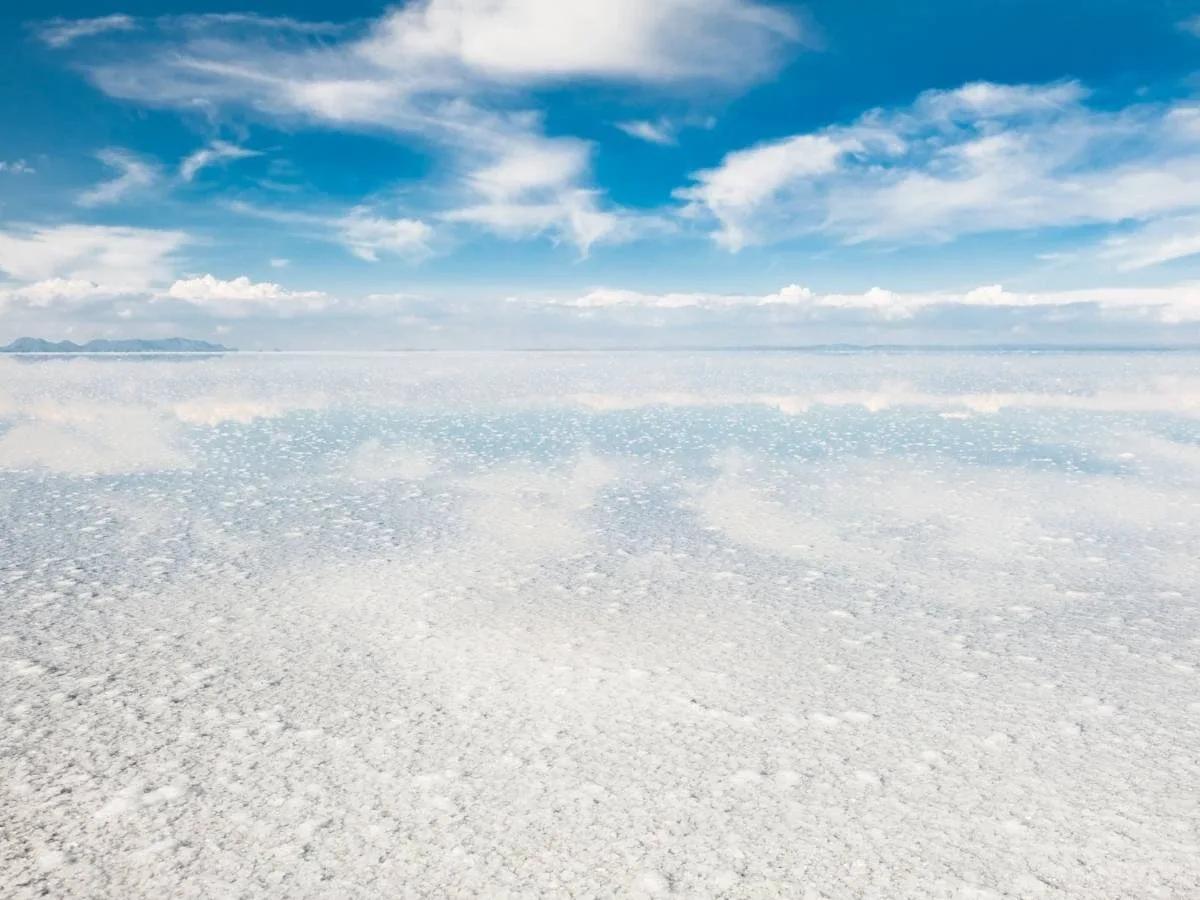
Next, you enter the high Altiplano to witness some of the world's most beautiful landscapes. This is the part of the trip most people have seen in photos. The Salar de Uyuni is the largest salt flat on the planet, covering over 10,000 square kilometres. It contains an estimated 10 billion tons of salt.
The Great White Desert of Uyuni Salt
Crossing the Bolivian salt flats in a 4x4 vehicle is an unforgettable experience. In the middle of this white desert of Uyuni salt sits Incahuasi Island. It is not an island in water, but a rocky hill made of ancient coral and covered in giant cacti. Some of these cacti are over ten metres tall and grow only one centimetre per year. From the top of the island, you get a 360-degree view of the infinite white horizon.
The Train Cemetery and Salt Hotels
On the edge of the salt flats is the Train Cemetery near Uyuni town. These rusted steam engines were abandoned in the 1940s when the local mining industry collapsed. They have become a haunting industrial relic and a perfect spot for photography.
One of the most unique experiences in this region is staying in a hotel built entirely from salt bricks. In these hotels, the walls, beds, and even the chairs are made of salt. It is a surprisingly comfortable and warm way to spend the night in the harsh Andean climate. For those wanting a deeper challenge, a hike up the slopes of the Tunupa Volcano offers a stunning summit view over the expanse.
The Coloured Lagoons and Flamingos
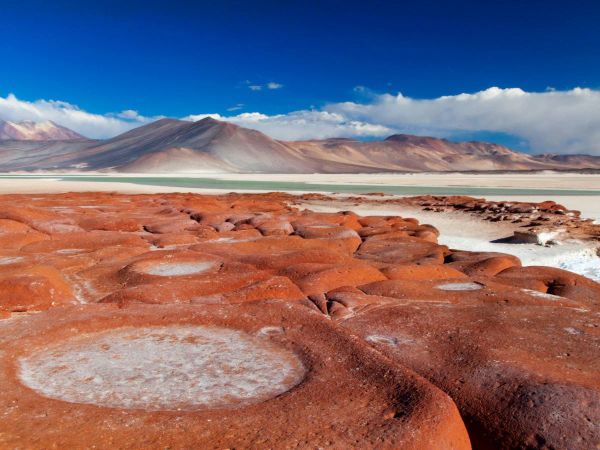
The journey continues south into the Eduardo Avaroa Reserve. Here, you will find the Laguna Colorada. This shallow salt lake is a deep red colour due to specific types of algae. It is home to thousands of James’s flamingos, which are rare and thrive in this high-altitude environment. You might also see Laguna Verde, a bright green lake at the foot of the Licancabur volcano.
As you travel through the Siloli Desert, you will encounter the "Stone Tree" and other wind-sculpted natural wonders. The contrast of the red water, white salt deposits, and deep blue sky is almost hard to believe. Many travellers compare the unique wildlife here to a high-altitude Galapagos.
Days 13 to 15: La Paz, Lake Titicaca, and the 10-Day Bolivia Itinerary Extension
Your journey ends in La Paz, the highest administrative capital in the world. This city is built into a massive bowl in the mountains, with buildings clinging to the steep hillsides. It is a place of high energy, colourful markets, and incredible views.
Riding the Teleférico for the Best Views
The best way to see La Paz is from above. The city has a network of cable cars called the Teleférico. It is the highest cable car system in the world and serves as the main public transport for locals. For tourists, it offers a bird's-eye view of the winding streets, the chaotic traffic, and the snow-capped Illimani mountain that towers over the city at 6,438 metres.
A Day Tour to Sacred Lake Titicaca and Isla del Sol
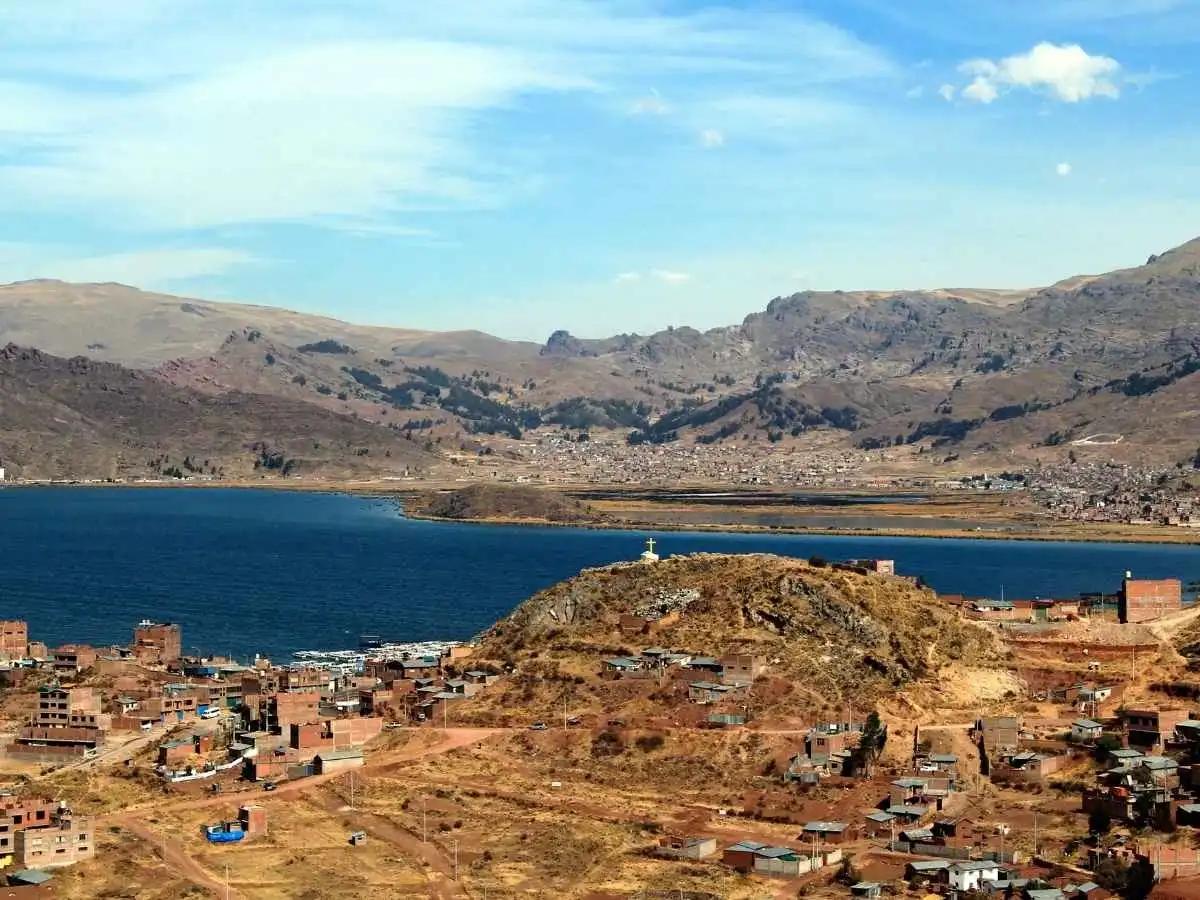
No Bolivia trip is complete without visiting the sacred Lake Titicaca. Shared with Peru, this high-altitude lake is considered sacred by indigenous Aymara and Quechua communities across the Andes. A day trip from La Paz takes you to Copacabana, where a short climb to Cerro Calvario delivers a panoramic view over the water, before heading out to Isla del Sol — believed to be the birthplace of the Inca sun god and home to over 80 ruins.
If you are planning to extend your journey across the border, our Peru holidays tour packages cover guided tours that combine Lake Titicaca with Cusco and Machu Picchu in one itinerary.
The Witches' Market and Local Traditions
In the centre of the city, you will find the Mercado de las Brujas, or Witches' Market. Here, local Aymara vendors sell traditional medicines, herbal remedies, and colourful textiles. You will also see dried llama fetuses. These are not for tourists; locals buy them to bury under the foundations of new buildings as an offering to Pachamama (Mother Earth) for protection. It is a fascinating look at how ancient Andean beliefs still play a huge role in modern life.
Tiwanaku: The Cradle of Andean Civilisation
Before you leave, a visit to the Tiwanaku ruins is essential. This city was the centre of a powerful empire that lasted for hundreds of years before the Incas ever existed. The Tiwanaku people were master stonemasons. The Gate of the Sun is their most famous monument, carved from a single block of stone with intricate astronomical symbols. Standing among these ancient stones at 3,850 metres, you realise that the high Andes have been a centre of human achievement for thousands of years.
Beyond the Border: Next to Atacama and San Pedro de Atacama
If you have more time after your week travel itinerary in Bolivia, many travellers choose to head south towards Chile.
Crossing from Uyuni to San Pedro
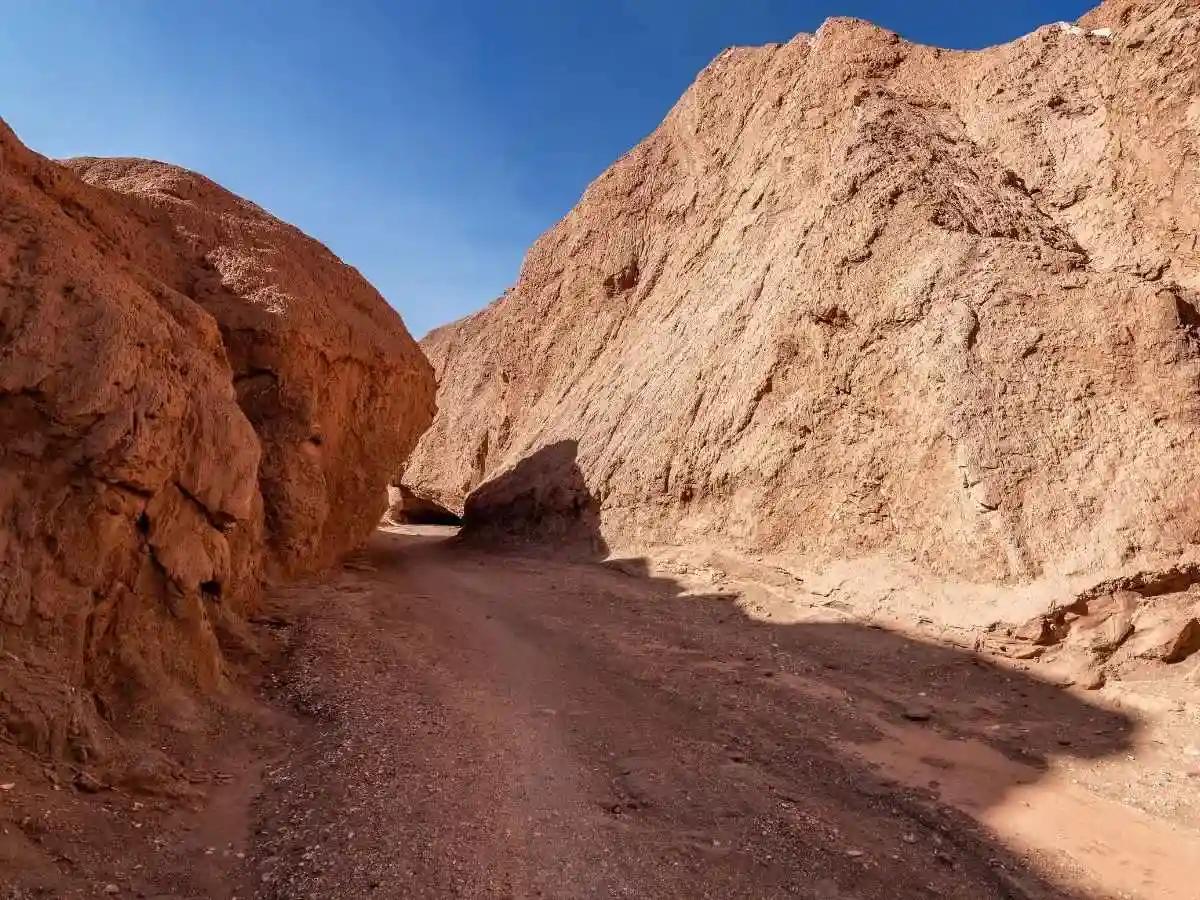
The route from the southern Bolivian lagoons leads directly to the border of Chile. From here, it is a short drive to San Pedro de Atacama. This small oasis town is the gateway to the Atacama Desert, the driest non-polar place on Earth.
Exploring the Atacama Valley of the Moon
San Pedro de Atacama offers a completely different landscape compared to the Bolivian Altiplano. You can explore the Valley of the Moon (Valle de la Luna), watch the sunset over the salt mountains, or visit the El Tatio geysers. It is a popular way to end a South American journey, connecting the wild landscapes of Bolivia with the high-desert wonders of Chile.
Alternative Adventures: Toro Toro and Tupiza
If you are looking to extend your week itinerary, Bolivia has even more hidden attractions.
Toro Toro National Park
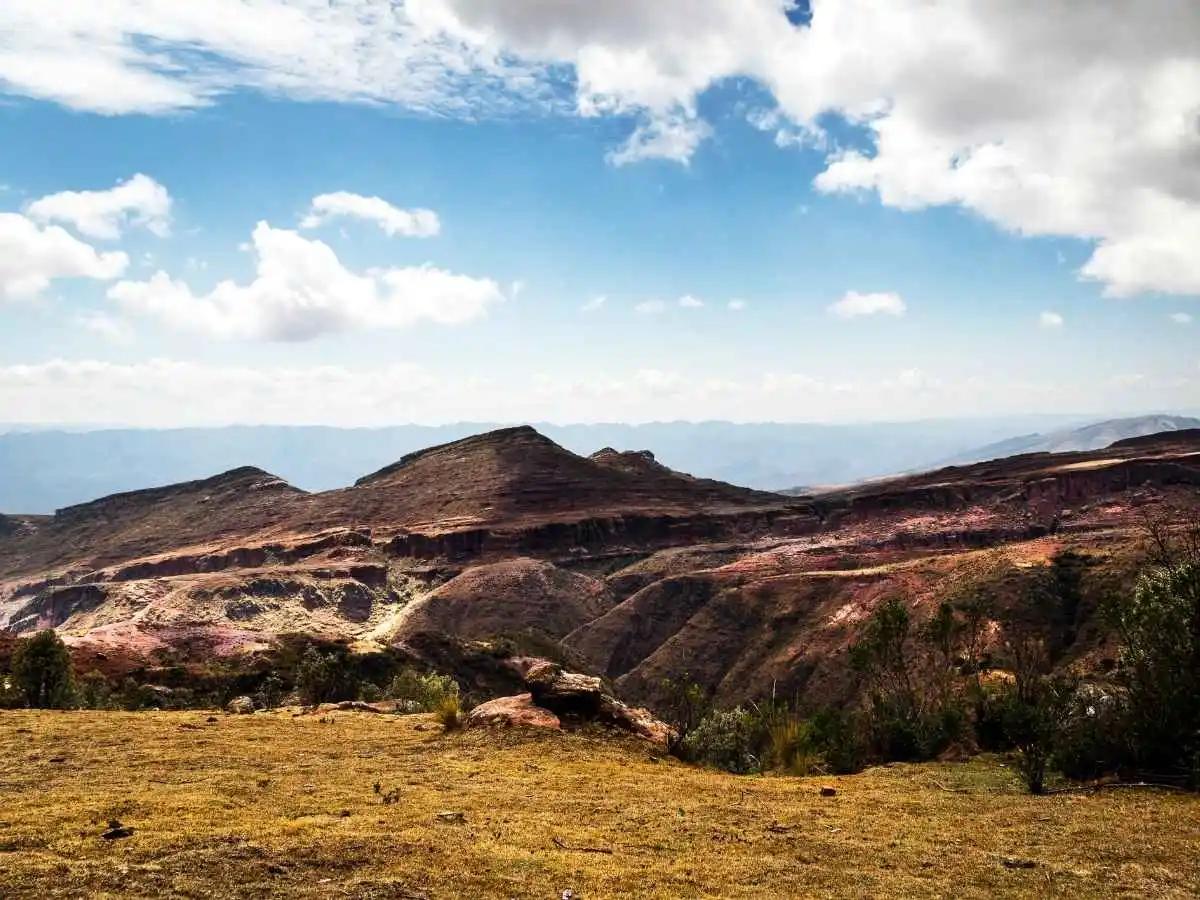
Located a few hours from Cochabamba, Toro Toro National Park is a paradise for geologists and adventurers. Here you can find deep canyons, massive caves, and even more dinosaur footprints. It is one of the most rugged and rewarding parts of the country for those who enjoy being off the beaten path.
The Wild West of Tupiza
Further south, Tupiza offers a landscape of red rock formations and cactus-filled valleys that look like a scene from a classic Western movie. It is a great starting point for an alternative flat tour that approaches the Salar de Uyuni from the south, avoiding the crowds of the main northern routes.
Further south, Tupiza's red rock formations and cactus-filled valleys look like a scene from a classic Western film. It is also an alternative starting point for the salt flats from the south, avoiding the crowds of the main northern routes. This southern approach forms a key section of our multi-country Argentina, Chile and Bolivia journey, which links three Andean nations in one continuous route.
Essential Travel Tips for Your Bolivia Trip
Bolivia is a rewarding destination, but it requires some preparation to get the most out of your 15-day travel itinerary.
- The dry season (May to October) is the best time for travel. The weather is cold but the skies are clear and the salt flats are a crisp, blinding white. The rainy season (January to March) creates the famous mirror effect on the Salar — beautiful for photos but some remote southern roads may become impassable. For a detailed month-by-month breakdown of weather across every region, including which weeks suit the salt flats, Lake Titicaca and the lowland missions, our Bolivia weather and seasons guide covers everything you need to plan around your travel dates.
- Managing Altitude: Starting your trip in Santa Cruz is the best first step. Once you reach the mountains, drink plenty of water and try the local coca tea. It is a natural remedy that helps with headaches and nausea. The most important rule is to move slowly and not overexert yourself in the first few days at high altitude.
- Currency and Budget: The local currency is the Boliviano. While cards are accepted in big hotels in La Paz and Santa Cruz, you will need cash for markets and small villages. Bolivia remains one of the most affordable countries in South America for food and souvenirs.
- Packing for All Seasons: You will experience many different climates. Pack light, breathable clothes for the tropical east where temperatures can reach 30°C. For the Altiplano and the salt flats, you will need thermal layers, a warm hat, and gloves, as temperatures often drop below freezing at night.
The Reward of the Road Less Travelled
A 15-day journey from the lowlands to the high Andes provides a complete picture of Bolivia. Most visitors only see a small slice of this country, but by following this route, you experience the heat of the tropical east, the quiet history of the missions, and the thin, sharp air of the Andean peaks.
This is a journey through a land that time often seems to have forgotten. From the dinosaur tracks of Sucre to the "witches" of La Paz, every day offers something that feels entirely different from the rest of the world.
Ready to explore the Tibet of the Americas without the stress of planning? Discover our guided small group tours in Bolivia. At Undiscovered Destinations, we take care of the complex logistics and high-altitude planning so you can focus on the adventure. Best of all, we offer guaranteed departures and no compulsory single supplements for solo travellers.