AITO 4.9 Excellent Rating
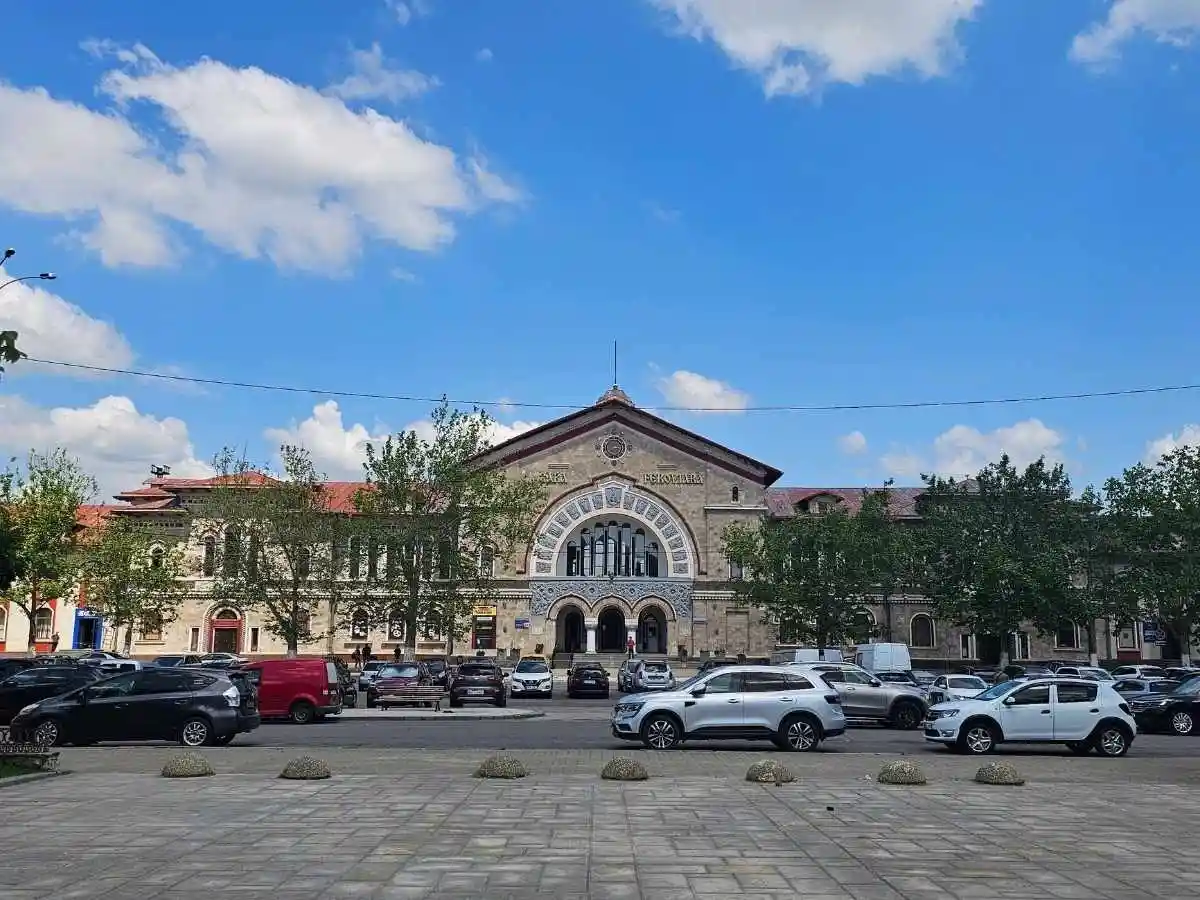

When I told friends and family I was heading to Moldova, the most common response was “Where exactly is that?”. Located between Romania and Ukraine, Moldova remains one of Europe’s least visited countries, yet rewards visitors with fascinating history, excellent wine, warm hospitality and a culture all of its own.
Arriving in Chisinau: First Impressions of Moldova’s Capital
Arriving in Chisinau, my first impression was how green the city is. Tree lined boulevards, numerous parks and a relaxed atmosphere make Moldova’s capital feel immediately welcoming.
Like much of the country, Chisinau’s history is reflected in its architecture, where Soviet buildings sit alongside Orthodox churches and modern cafés filled with young locals.
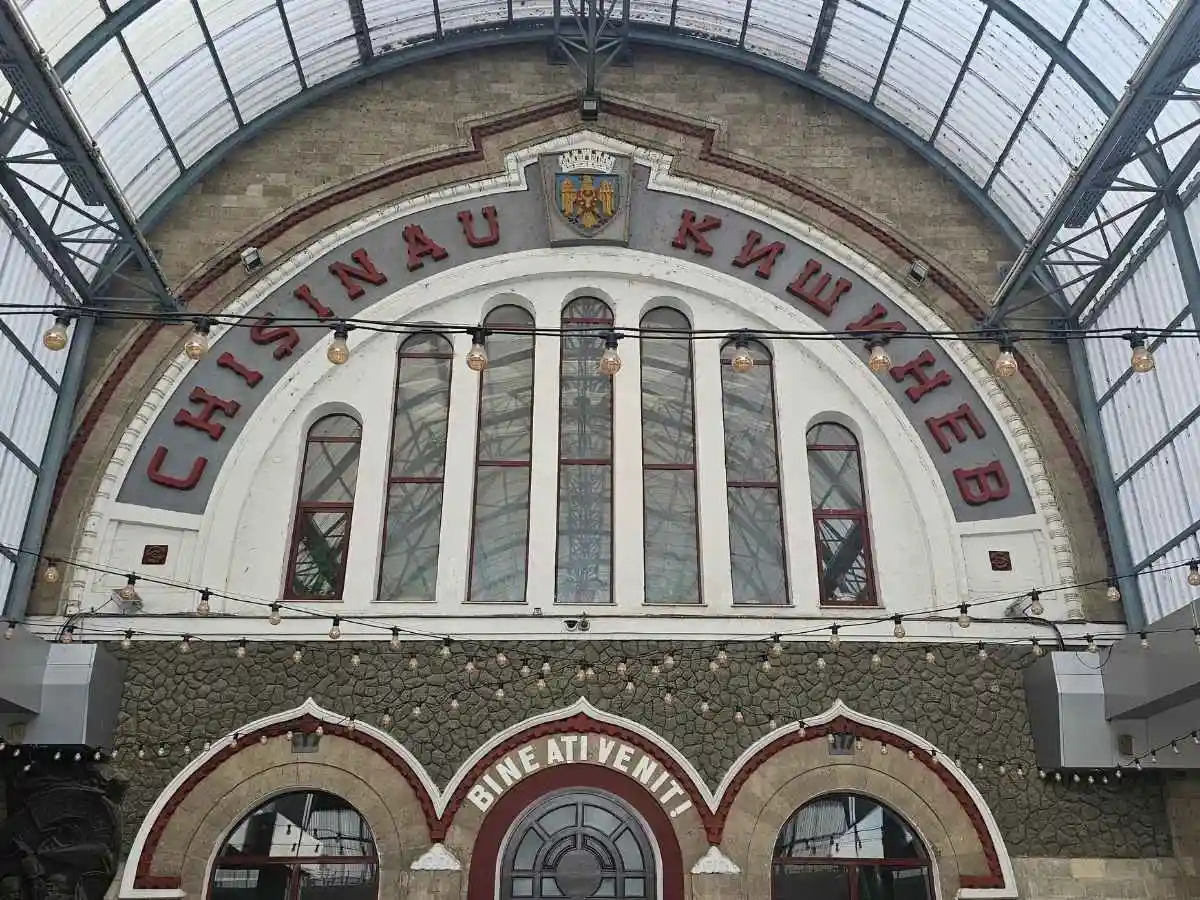
As the first day of the tour is an arrival day, I managed to spend some time exploring independently. I visited the bus station and railway station, where some impressive Soviet era mosaics can still be found. In the evening I visited a local wine bar before enjoying a tasting of wines from a boutique winery, hosted by the owner himself and paired with Moldovan cheeses. It was an excellent introduction to a country where wine plays such an important role in daily life.
Exploring Chisinau: Landmarks, History and Culture
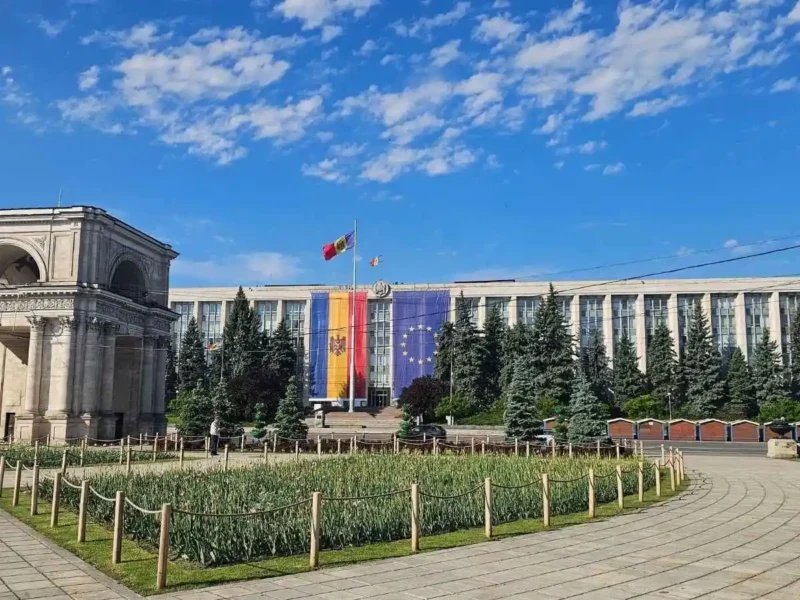
The following morning, we set out to explore Chisinau in more detail. Our tour of the capital took us past landmarks including the Triumphal Arch, the Cathedral and Parliament building, showcasing both Moldova’s Soviet past and its modern independence. We also visited the National Museum of Ethnography, which provides an excellent introduction to Moldovan culture and traditions.
Gagauzia: Moldova’s Most Distinctive Region
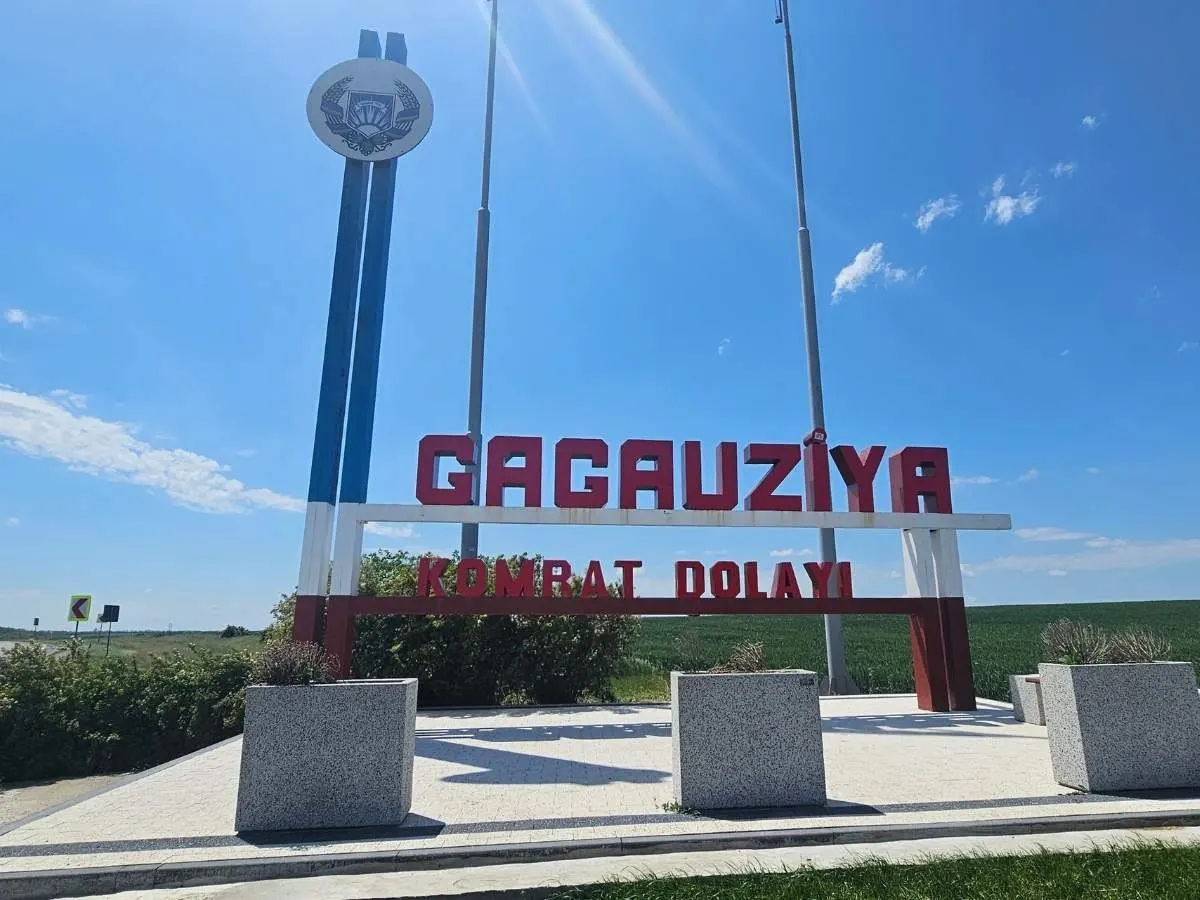
Leaving Chisinau behind, we travelled south to the autonomous region of Gagauzia. Home to the Gagauz people, a Turkic speaking Orthodox Christian community, it is one of the country’s most distinctive and culturally unique regions. In Komrat, the regional capital, daily life feels noticeably different from elsewhere in the country. Local traditions remain strong, and a visit to the Gagauzia Museum of History and Ethnology in Besalma provided fascinating insight into the customs, beliefs and heritage of the Gagauz people. We were also treated to a short performance by local women dressed in traditional clothing, who sang for our group and offered a wonderful glimpse into the region’s cultural traditions.
Soroca: The Medieval Fortress on the Dniester River
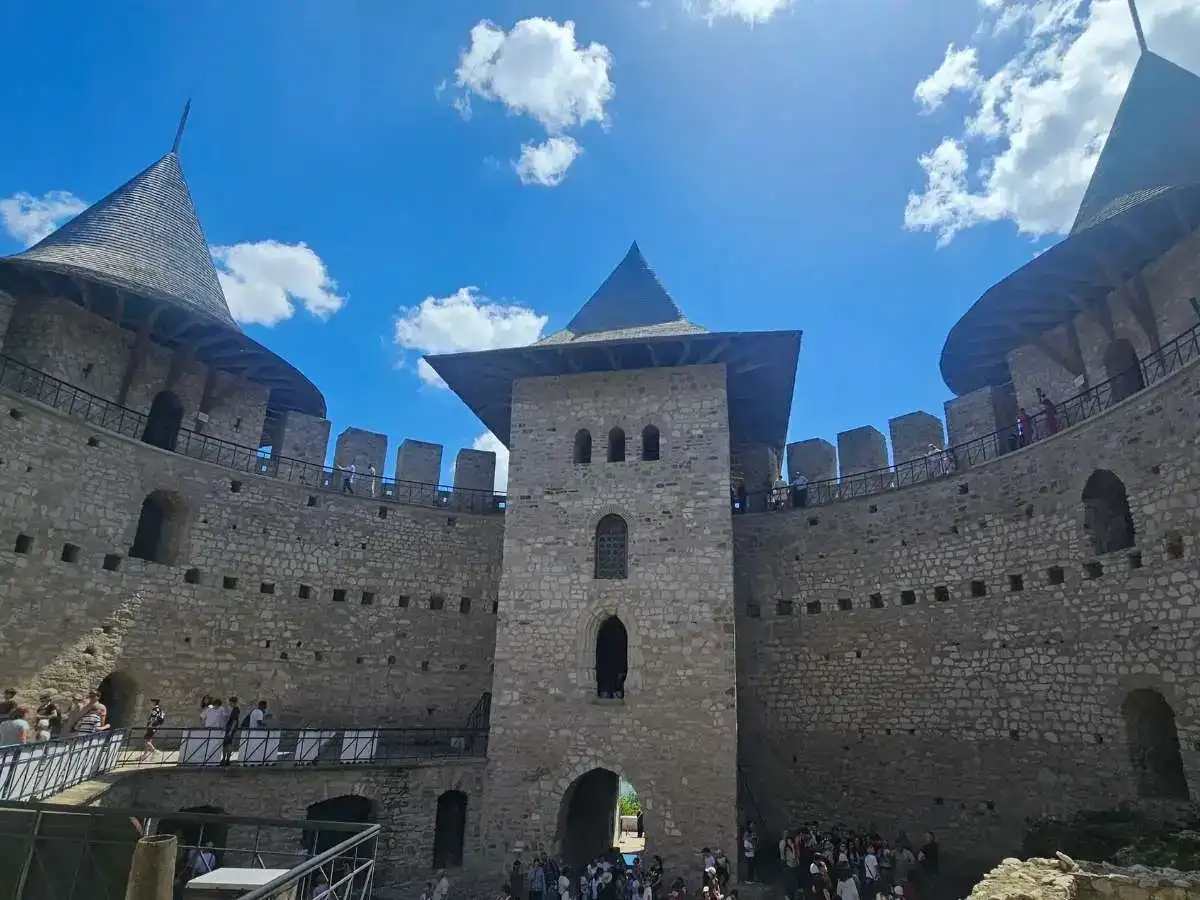
Travelling north, the landscape gradually changed as we approached Soroca, perhaps Moldova’s most intriguing town. Dominated by its impressive medieval fortress overlooking the Dniester River, with Ukraine visible on the opposite bank, Soroca has long played an important defensive role due to its strategic position on historic trade routes linking Central and Eastern Europe.
Butuceni: An Overnight Stay on a Working Farm
Our overnight stay in Butuceni was memorable for more than one reason. Whilst most of the group stayed in the main guesthouse, two of us were accommodated on a nearby working farm. This gave us the opportunity to see plenty of animals up close, including tiny baby piglets and baby donkeys, which quickly became the most photographed residents of the village!

Orheiul Vechi and Curchi Monastery: Moldova’s Sacred Landscape
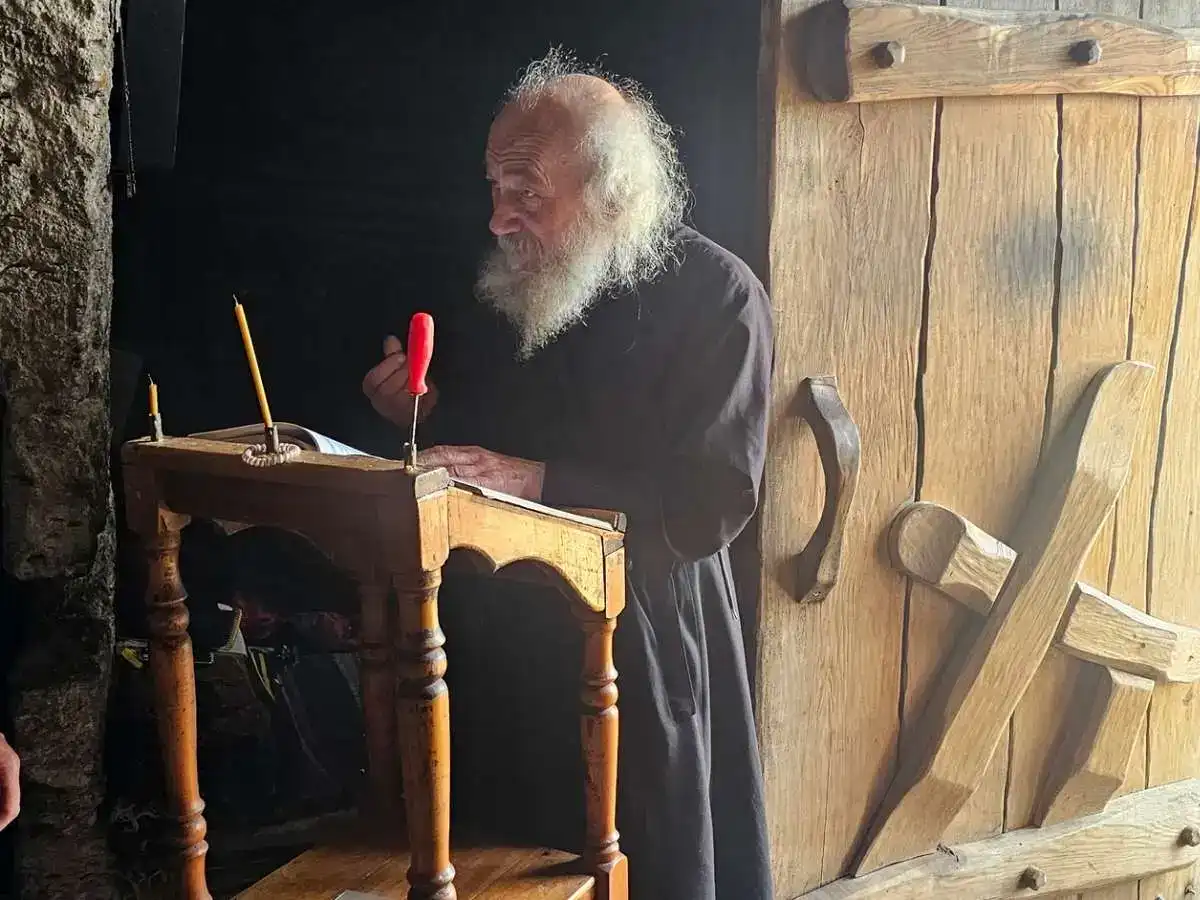
The following day brought one of the country’s most impressive historical sites, Orheiul Vechi. Carved into limestone cliffs overlooking the Raut River, this ancient monastic complex occupies a spectacular natural setting. The cave monastery itself is still active today, accessed through narrow passages carved directly into the rock. We learned about a hermit monk who has lived there for around twenty years, dedicating his life to the monastery and its traditions.
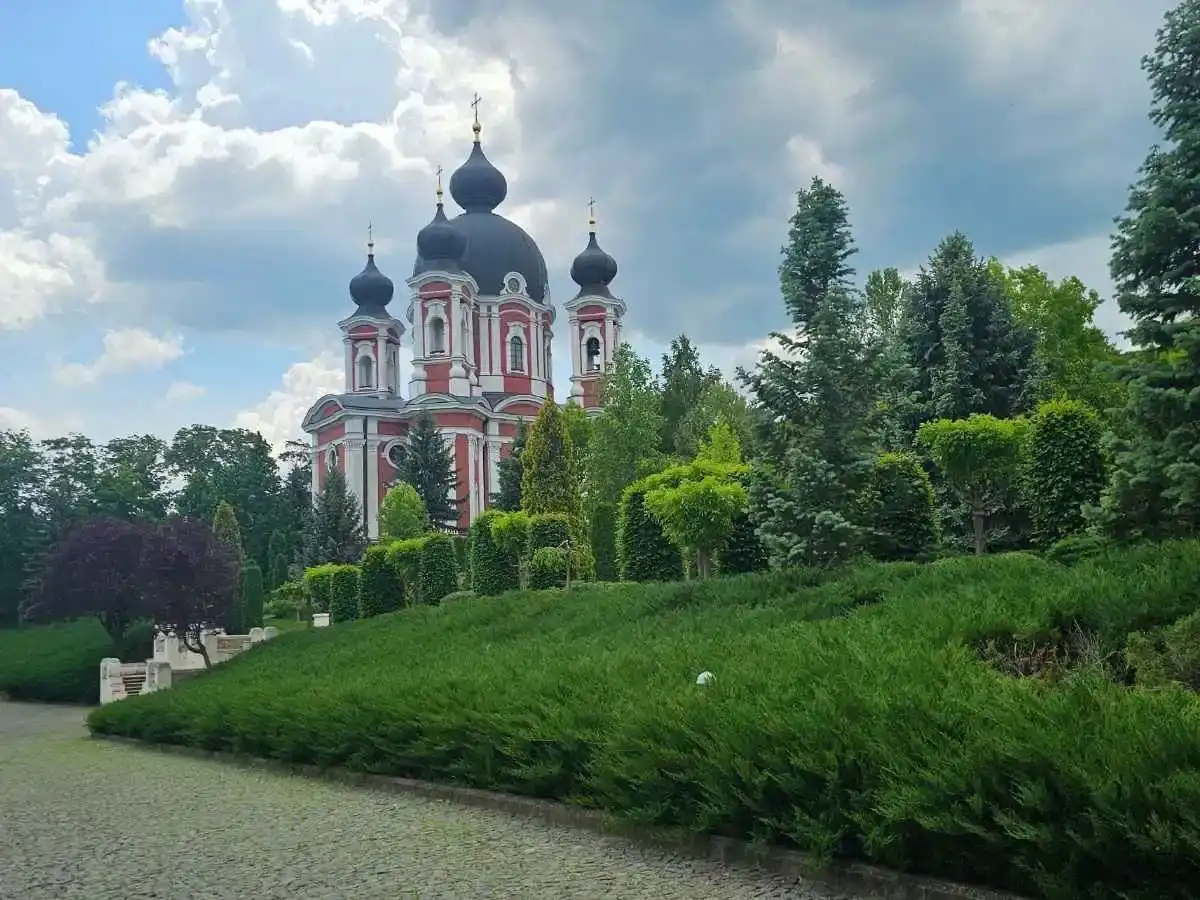
Later that day we visited Curchi Monastery, widely regarded as one of the most beautiful religious sites in Moldova. Its gleaming domes and peaceful setting provide a stark contrast to the country’s Soviet legacy, highlighting the important role faith continues to play in Moldovan society.
Cricova: Inside Moldova’s Underground Wine City
Next we travelled to Cricova. Stretching for more than 100 kilometres beneath the ground, Cricova’s vast tunnels form an underground city dedicated entirely to wine. Travelling through the cellars by road train is a unique experience. Entire streets are named after grape varieties, whilst millions of bottles are stored in ideal conditions deep underground. It is difficult not to be impressed by the sheer scale of the operation, and naturally a wine tasting formed an important part of the visit!
Chateau Purcari: History in Every Glass
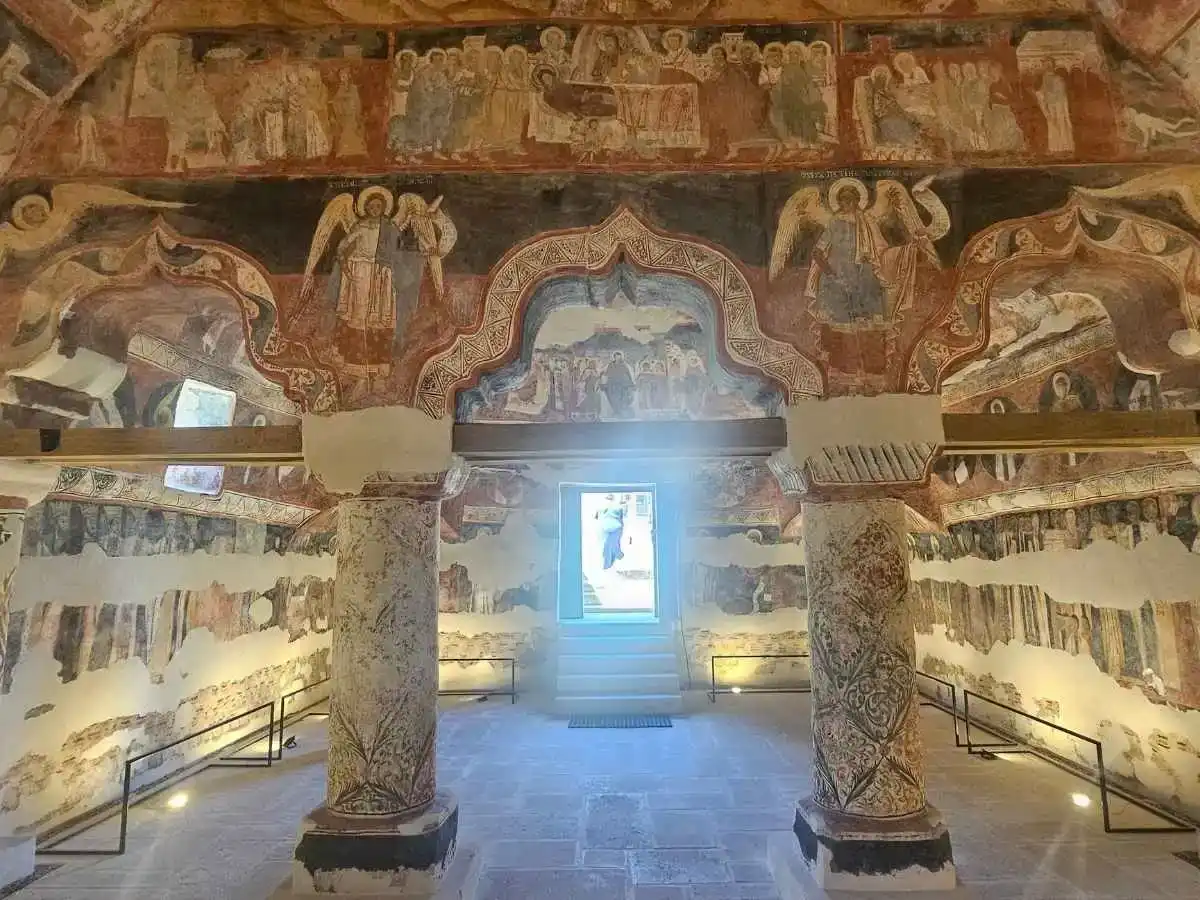
Our final full day began with a visit to the Assumption of Virgin Mary Church, known for its remarkably well preserved frescoes. Despite its relatively modest exterior, the interior contains beautiful artwork and provides another insight into Moldova’s rich religious heritage.
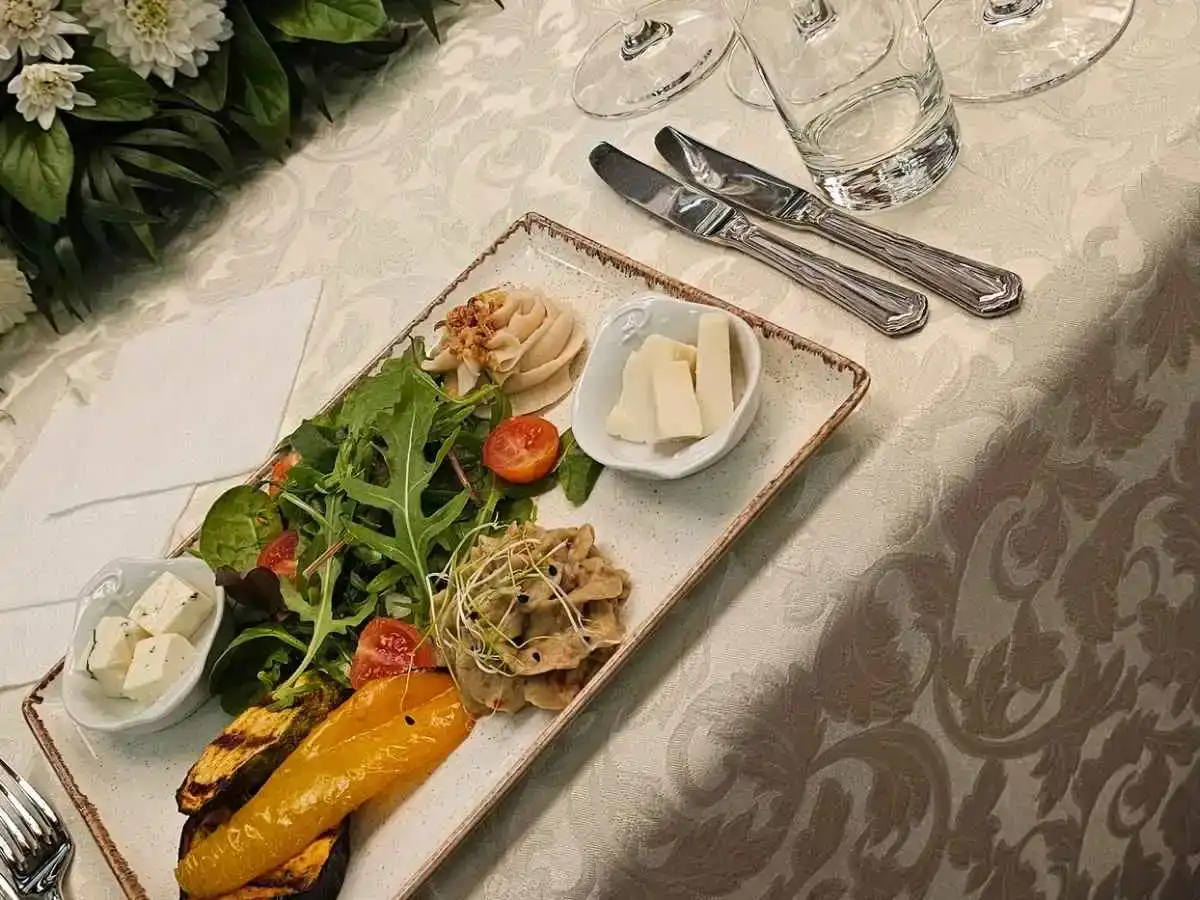
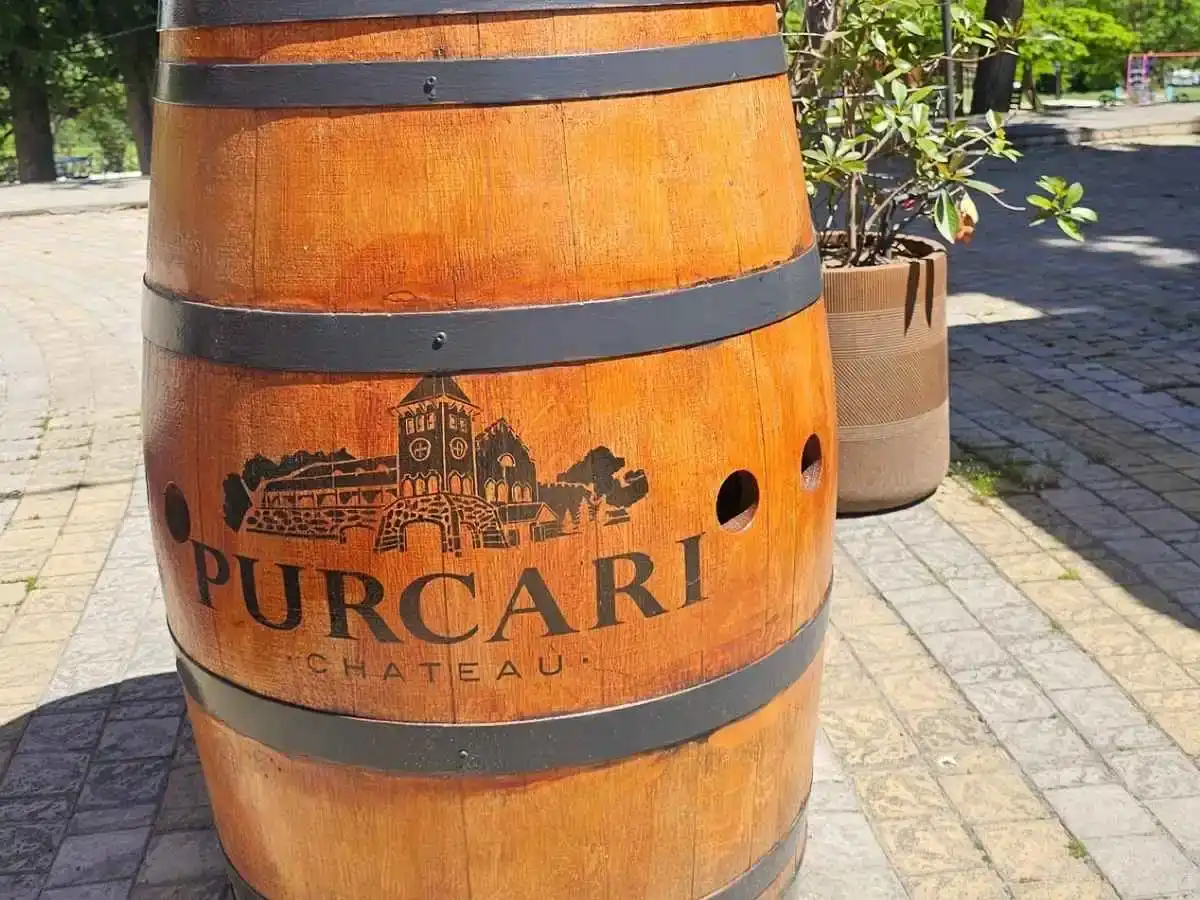
After visiting the church, we headed south to Chateau Purcari, Moldova’s oldest and most prestigious winery. Founded in 1827, the estate has earned an international reputation, with its wines reportedly enjoyed by European royalty for generations. A tour of the winery followed by a tasting and leisurely lunch offered a fitting conclusion to our exploration of Moldova’s wine culture. Whilst Cricova showcased the scale of Moldova’s wine industry, Purcari highlighted the history and tradition that has helped establish the country as one of Europe’s oldest wine producing regions.
Final Thoughts: Why Moldova Deserves a Place on Your Travel List
Moldova remains largely untouched by mass tourism, combining ancient monasteries, distinctive minority cultures, vast underground wine cities and some of Europe’s oldest winemaking traditions. Every day seemed to reveal another side of the country, from Soviet era architecture and Orthodox churches to lively cafés and modern wine bars.
I returned home pleasantly surprised by how much Moldova has to offer. For travellers willing to venture beyond Europe’s better known destinations, it rewards with fascinating history, excellent food and wine, genuine hospitality and experiences that still feel refreshingly authentic. It is a destination that deserves far more attention than it currently receives.
I returned home pleasantly surprised by how much Moldova has to offer. For travellers willing to venture beyond Europe’s better known destinations, it rewards with fascinating history, excellent food and wine, genuine hospitality and experiences that still feel refreshingly authentic. It is a destination that deserves far more attention than it currently receives.
Interested in visiting Moldova yourself? Discover our small-group Moldova tour. You can also view the full Moldova tour itinerary to explore everything included in the trip.
Emma joined our group tour to Moldova in May 2026.