AITO 4.9 Excellent Rating

Colombia is one of South America’s most rewarding travel destinations, offering colonial cities, Andean landscapes, Caribbean coastline, and ancient archaeological sites within a single country. Top experiences include Bogotá’s Gold Museum, the wax palm valleys of the Coffee Region, the walled city of Cartagena, and the multi-day trek to Ciudad Perdida. This guide covers the best things to do in Colombia from the capital to the coast.
Colombia is one of the most captivating countries in South America, yet for many years it remained overlooked by travellers exploring the continent. That has changed decisively. Today, this South American country draws visitors from across the world, offering a richness of culture, landscape, and history that few destinations can match.
From the soaring Andes to the Caribbean coast, from colonial cities to ancient archaeological sites, the variety on offer is extraordinary. Tourism in Colombia has grown rapidly over the past two decades, and the country has emerged as a top destination for those seeking something beyond the beaten path. Whether you are an adventurous trekker, a food lover, a history enthusiast, or someone in search of extraordinary natural beauty, Colombia rewards every kind of traveller. For a closer look at where to focus your time, our guide to the best places to visit in Colombia is a useful companion to this one.
This guide covers the best things to do in Colombia, from the capital Bogotá to the lush Coffee Region, taking in the highlights along the way.
Colombia: A Country of Extraordinary Variety
Before diving into specific destinations, it helps to understand the sheer scale of what Colombia offers. The country shares borders with Venezuela, Panama, Peru, Ecuador, and Brazil, and its geography spans tropical coastlines, Andean highlands, desert plains, and dense jungle.
Colombia is a popular destination not just in South America but globally, increasingly mentioned alongside Peru and Bolivia as one of the continent’s must-visit countries. Its dramatic landscapes, warm and welcoming people, and wealth of Colombian culture make it a compelling choice for travellers at any level of experience.
Bogotá: Where Your Colombian Adventure Begins
Colombia’s capital sits at over 2,600 metres above sea level on the Andean savanna, a sprawling metropolis of more than eight million people. It can feel overwhelming on arrival, but spend a few days here and its energy and character quickly become compelling.
The historic neighbourhood of La Candelaria anchors the city’s past — the Plaza de Bolívar, the Gold Museum (Museo del Oro), and the Botero Museum are all within walking distance of each other and between them offer a concentrated introduction to Colombian history and culture. For views over the city, the cable car or hiking trail to Monserrate is unmissable on a clear morning.
Bogotá deserves more time than most itineraries allow. Our dedicated Bogotá guide covers the city in full — from altitude acclimatisation tips to the best street art tours and day trips into the surrounding Andes.
The Coffee Region: Colombia’s Green Heart
Salento and the Cocora Valle
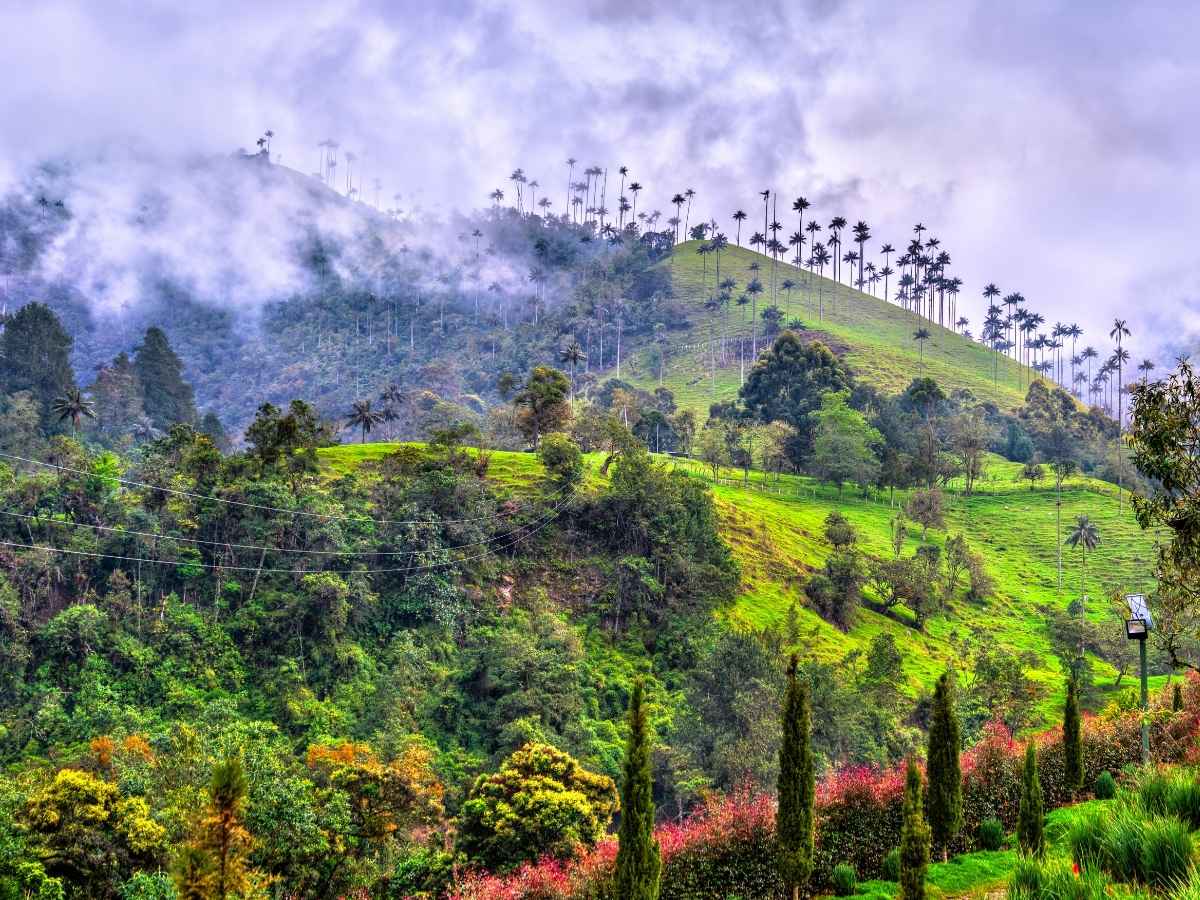
The Coffee Region — the Eje Cafetero — is one of the most beautiful parts of Colombia. The Valle de Cocora, near the small town of Salento, is famous for its towering wax palms, Colombia’s national tree, which rise improbably from the mist-covered hillsides.
Salento itself is a colourful, compact town with a main street lined with traditional architecture, local restaurants, and small shops. It makes a perfect base for exploring the region, and the walk up the wooden staircase at the top of town gives you a view across the coffee-covered hills that is hard to forget.
Coffee Fincas and Coffee Tours
No visit to the Coffee Region is complete without time spent on a coffee finca. Coffee tours here go well beyond the standard factory visit — you are walked through the full journey from seedling to cup, learning about picking and processing methods, and drinking coffee harvested from the trees around you.
Many fincas around Salento and the nearby town of Filandia offer guided tours that last a morning or afternoon. Some also offer accommodation, giving you the chance to wake up surrounded by coffee plants and the sounds of the cloud forest.
Filandia and the Villages of the Eje Cafetero
The coffee towns reward aimless wandering. Filandia, a short drive from Salento, has a hilltop location and an observation tower that looks out across a sea of green hills. Quimbaya and other small towns in the region have their own quiet character — traditional architecture, local food, and the rhythms of an agricultural community that has shaped this landscape for generations.
Ciudad Perdida: Colombia’s Lost City Trek
For those who want an adventure beyond the postcard, the trek to Ciudad Perdida — the Lost City — is one of the finest multi-day experiences in South America.
The Hike to Ciudad Perdida
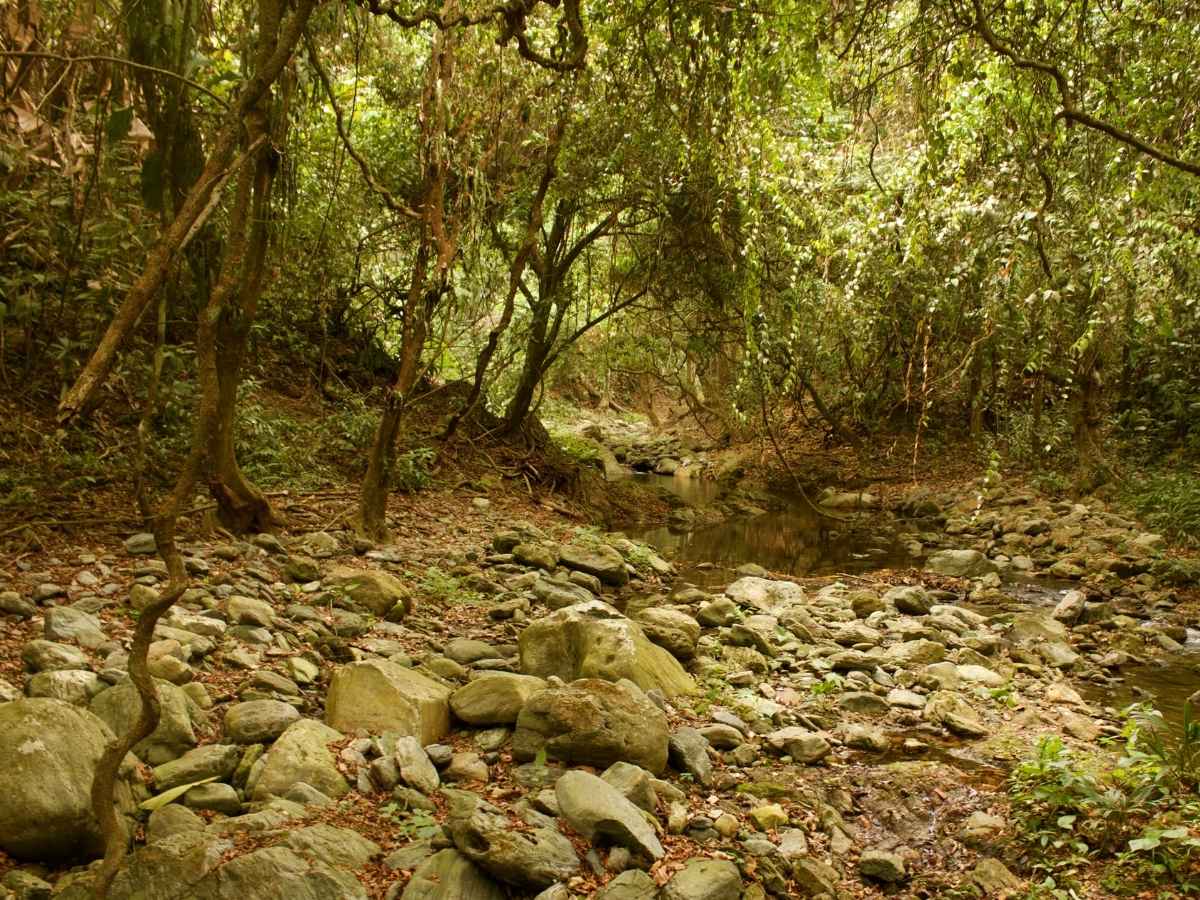
The hike takes between four and six days depending on pace and route, covering dense jungle trails, river crossings, and steep ascents through the Sierra Nevada de Santa Marta. At the end of the climb lies Ciudad Perdida itself: a pre-Columbian city of terraced platforms and stone pathways, built around 800 CE and rediscovered only in the 1970s.
The site is older than Machu Picchu and receives far fewer visitors, which means the jungle around it remains thick and genuinely wild. The journey through it — the discomfort, the humidity, the physical effort — is part of what makes arriving at the summit so powerful.
The trek must be completed with a licensed guide through one of the approved operators, most of which are based in Santa Marta.
Cartagena: History, Colour, and Beautiful Beaches
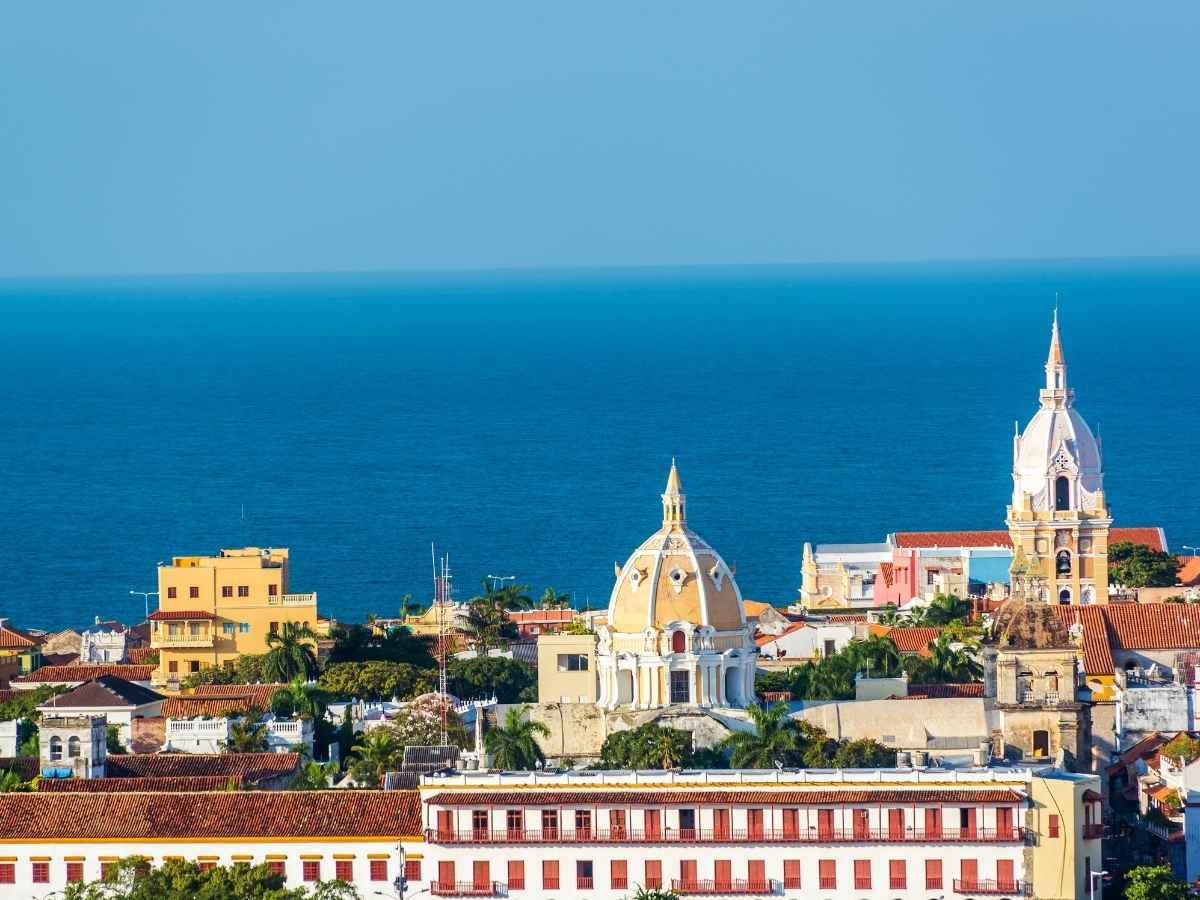
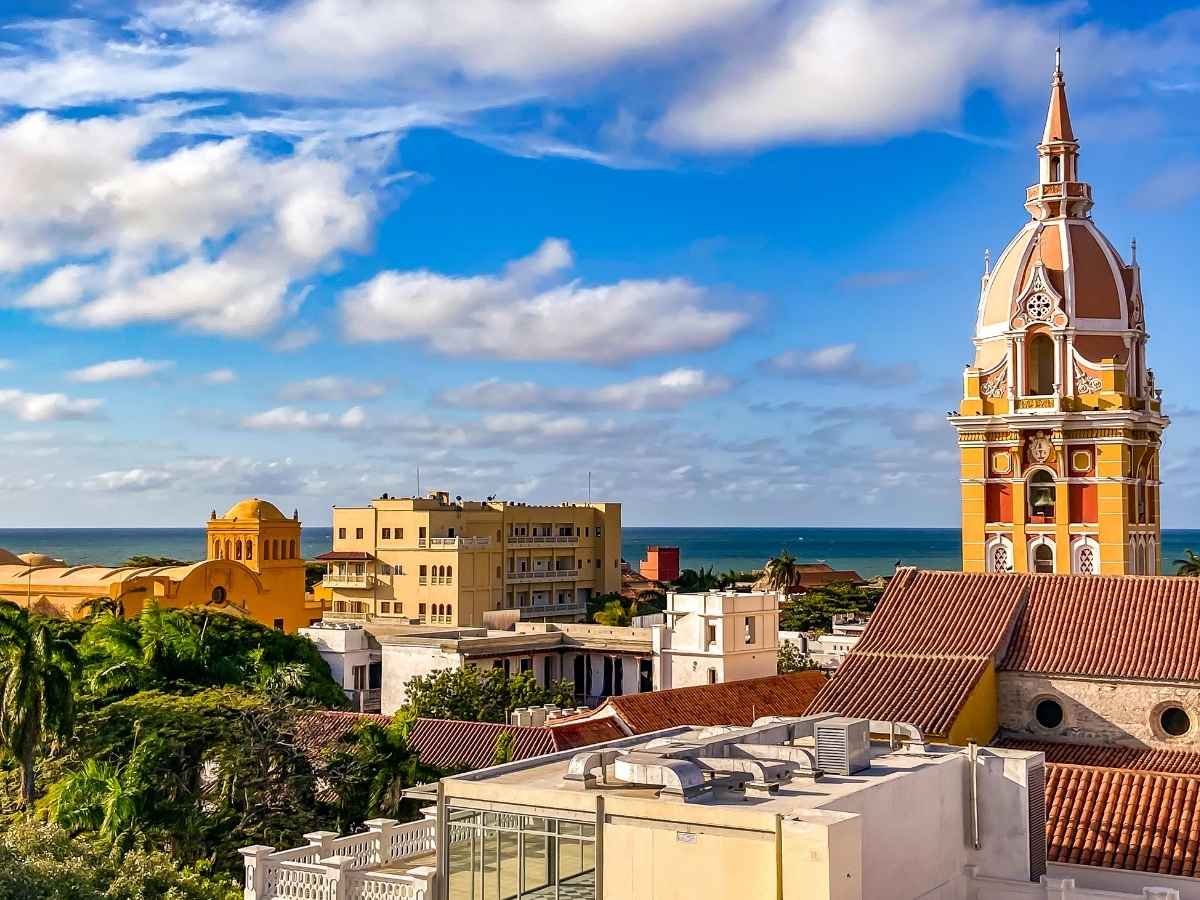
Cartagena de Indias is one of the most beautiful cities in the Americas. The walled old city is a UNESCO World Heritage Site, and rightly so — its compact streets of colourful colonial buildings, flowering balconies, and cobblestone plazas feel both preserved and alive.
The Old City and Its Neighbourhoods
The historic centre divides into the walled city and the neighbourhood of Getsemaní, the latter now home to some of the city’s best street art, restaurants, and bars. Walking between the two areas in the evening, when the heat of the day has softened, is one of the great pleasures of travelling in Colombia.
The Castillo San Felipe de Barajas, the enormous Spanish fortress that watches over the city from a nearby hill, offers a vivid picture of the colonial defences built to protect the region’s vital trade routes.
Cartagena’s Beautiful Beaches and the Rosario Islands
The beautiful beaches near Cartagena are among the most visited in Colombia. Playa Blanca and the Islas del Rosario — a group of small coral islands accessible by boat — offer calm Caribbean waters and a relaxed pace that contrasts with the intensity of the city.
Day trips to the Rosario Islands operate daily from the city and are a popular addition to any Cartagena stay.
Santa Marta and Tayrona National Park
Santa Marta
Santa Marta, a few hours east of Cartagena, is one of Colombia’s oldest cities. It sits at the foot of the Sierra Nevada de Santa Marta and serves as a gateway to the coast’s most celebrated natural area. The city itself has a compact, walkable centre and a lively seafront promenade.
Tayrona National Park
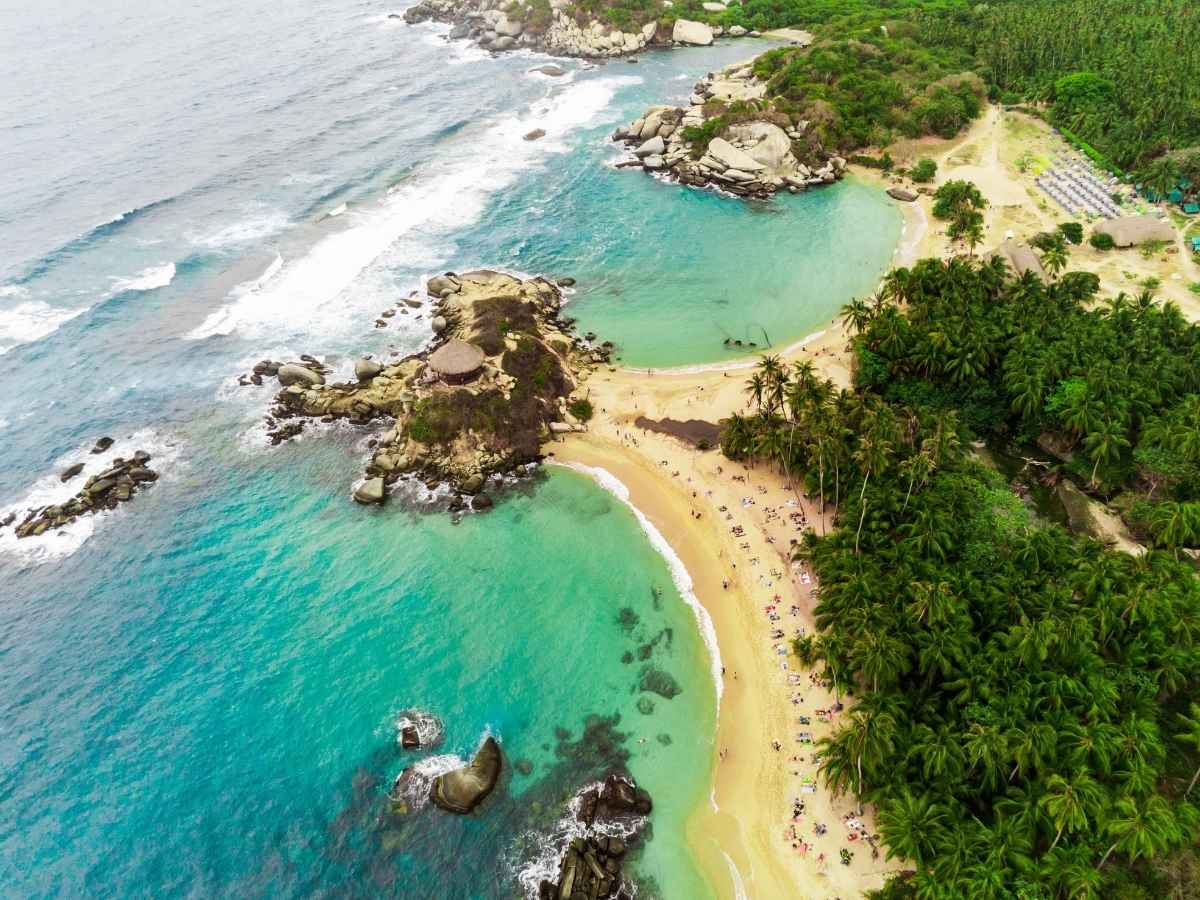
Parque Natural Tayrona stretches along the Caribbean coast just east of Santa Marta and is widely considered one of the finest natural parks in South America. The natural park combines dramatic jungle-covered peaks, ancient indigenous settlements, and beaches of extraordinary beauty within a single protected area.
Access to Tayrona National Park requires a walk from the park entrance through the jungle before you reach the coast. The most visited beaches — Cabo San Juan, Arrecifes, La Piscina — reward the effort considerably. Note that swimming is not safe at all beaches due to strong currents; the rangers and signage within the park are clear about which areas are safe.
Minca: A Cloud Forest Retreat
Inland from Santa Marta, the small village of Minca sits in the foothills of the Sierra Nevada and offers a cooler, quieter alternative to the coast. It is a destination in its own right — with waterfalls, birdwatching trails, and views across the jungle canopy toward the sea — and makes a good base for those who want to explore both the mountains and the Caribbean.
Medellín: Colombia’s City of Innovation
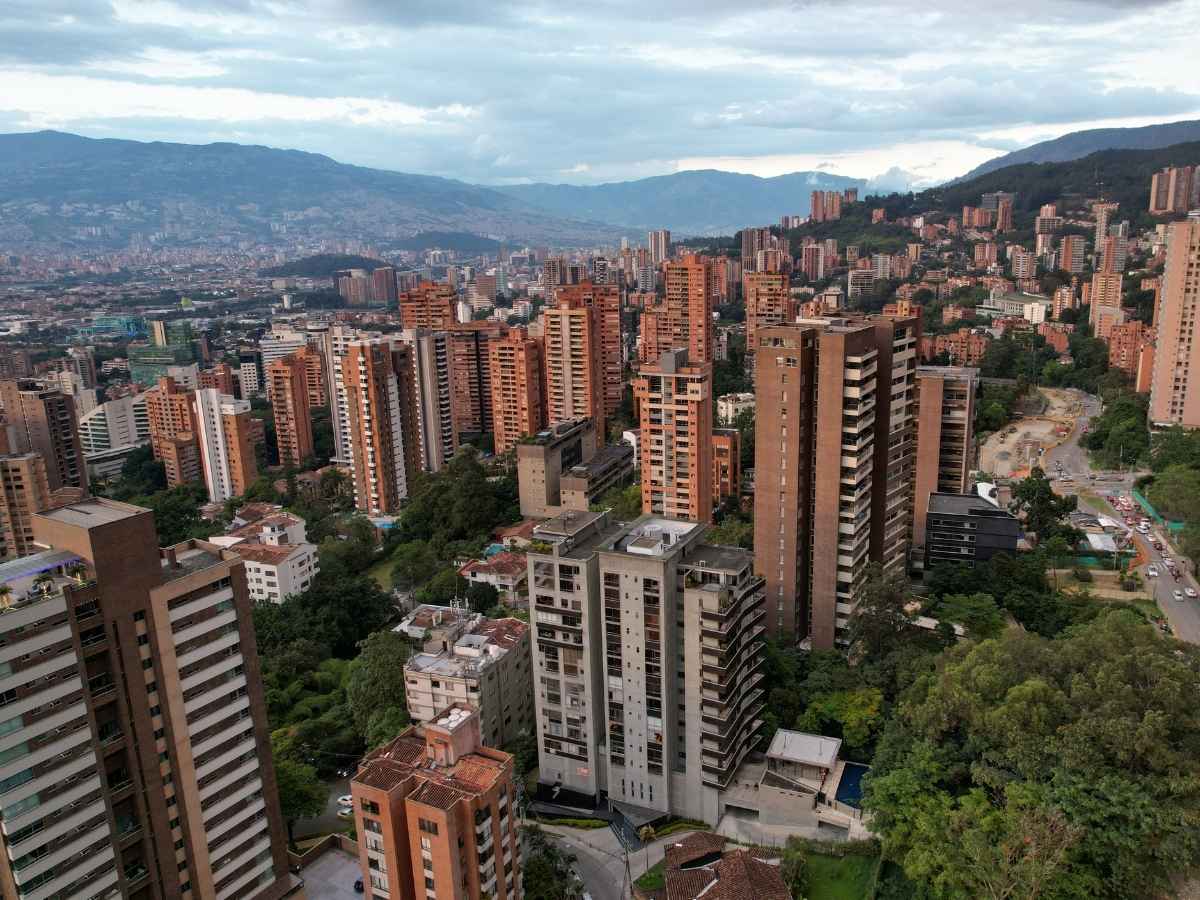
Medellín has undergone one of the most remarkable urban transformations of any city in the world over the past two decades. Once defined internationally by its difficult past, it is now celebrated as a model of urban regeneration, with innovative public infrastructure, a vibrant cultural scene, and a warmth of character that surprises many first-time visitors.
El Poblado and City Life
The neighbourhood of El Poblado is where most visitors base themselves — a hilly, green area with good restaurants, hotels, and nightlife. From here it is easy to explore the city’s transport network, which includes the famous Metrocable gondola lines that run up into the hillside comunas.
The Museo Casa de la Memoria and the Parque Explora science museum are each worth a morning. The neighbourhood of Laureles offers a more local feel, with independent cafés and a pace of life that reflects the everyday city rather than the tourist zone.
Medellín’s Cultural Scene
Medellín hosts a world-renowned flower festival each August, the Feria de las Flores, when the city comes alive with parades, flower arrangements, and open-air celebrations. The city’s public art programme — anchored by the civic spaces designed around its transport hubs — means that even a ride on the metro offers something worth looking at.
Beyond the Andes: Other Places to Explore
Colombia’s range extends far beyond its mountains and Caribbean coast. There are other places in the country that reveal entirely different faces of this extraordinary nation.
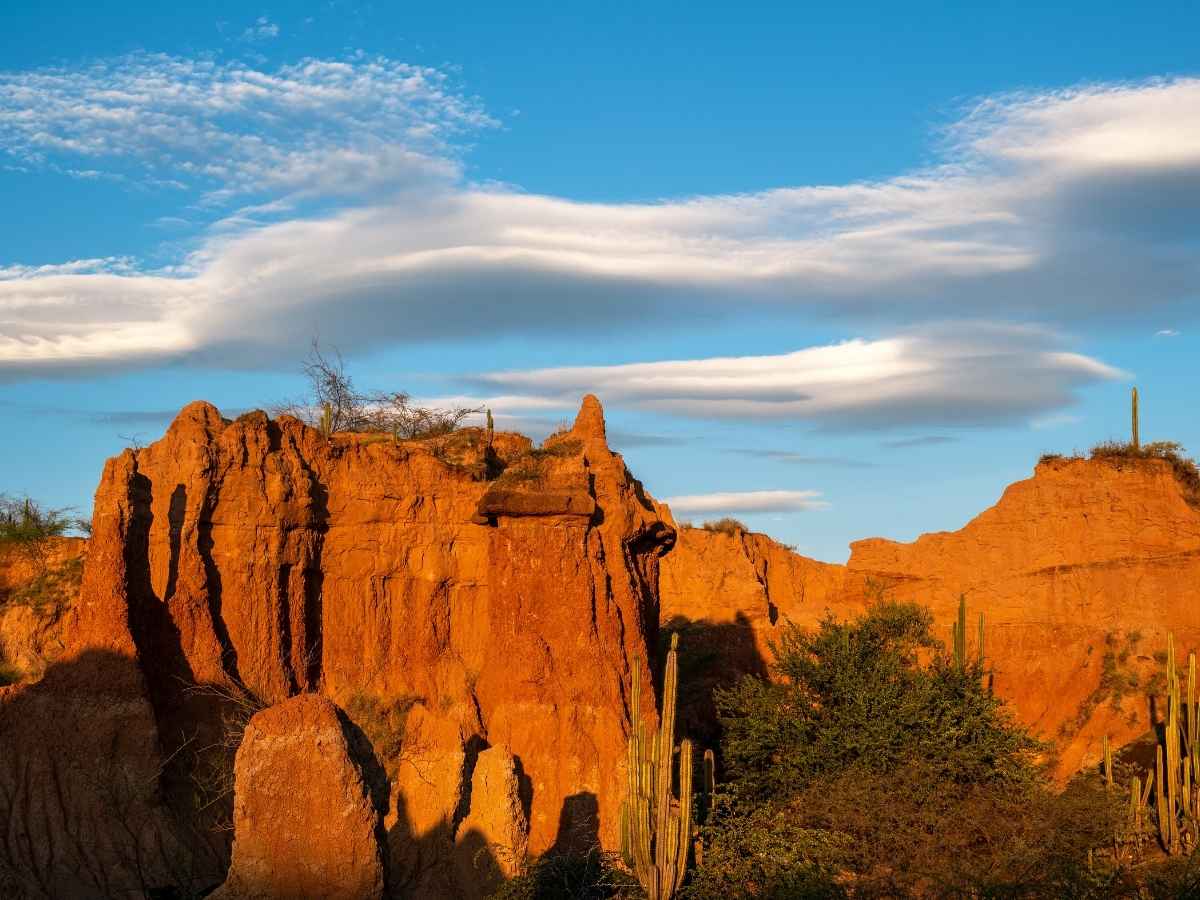
The Tatacoa Desert in the Huila department is an alien-looking landscape of ochre and grey eroded rock, best experienced at dawn when the light is at its most dramatic. The San Agustín Archaeological Park, also in Huila, is a UNESCO World Heritage Site where hundreds of pre-Columbian stone statues stand in jungle clearings — one of the largest groups of pre-Columbian monuments in the Americas.
In the south of the country, the Amazon rainforest begins just outside the town of Leticia. Boat journeys on the river, visits to indigenous communities, and wildlife spotting in the jungle canopy are all possible from here. It is a long way from Bogotá, but for those with the time, it offers a Colombia that could not be more different from the Andean highlands.
La Guajira, the remote peninsula in Colombia’s far north, is a destination of striking, almost surreal beauty. Its semi-desert landscape, pink salt flats, and indigenous Wayuu communities make it unlike anywhere else in the country.
San Cipriano, on the Pacific coast, is reached by a memorable journey on a makeshift rail vehicle and opens onto a river and jungle setting of extraordinary quiet. It is the kind of place that feels genuinely hidden — exactly the sort of discovery that makes Colombia so rewarding for those willing to venture off the main routes.
Islands: San Andrés and Providencia
San Andrés: A Tropical Island Getaway
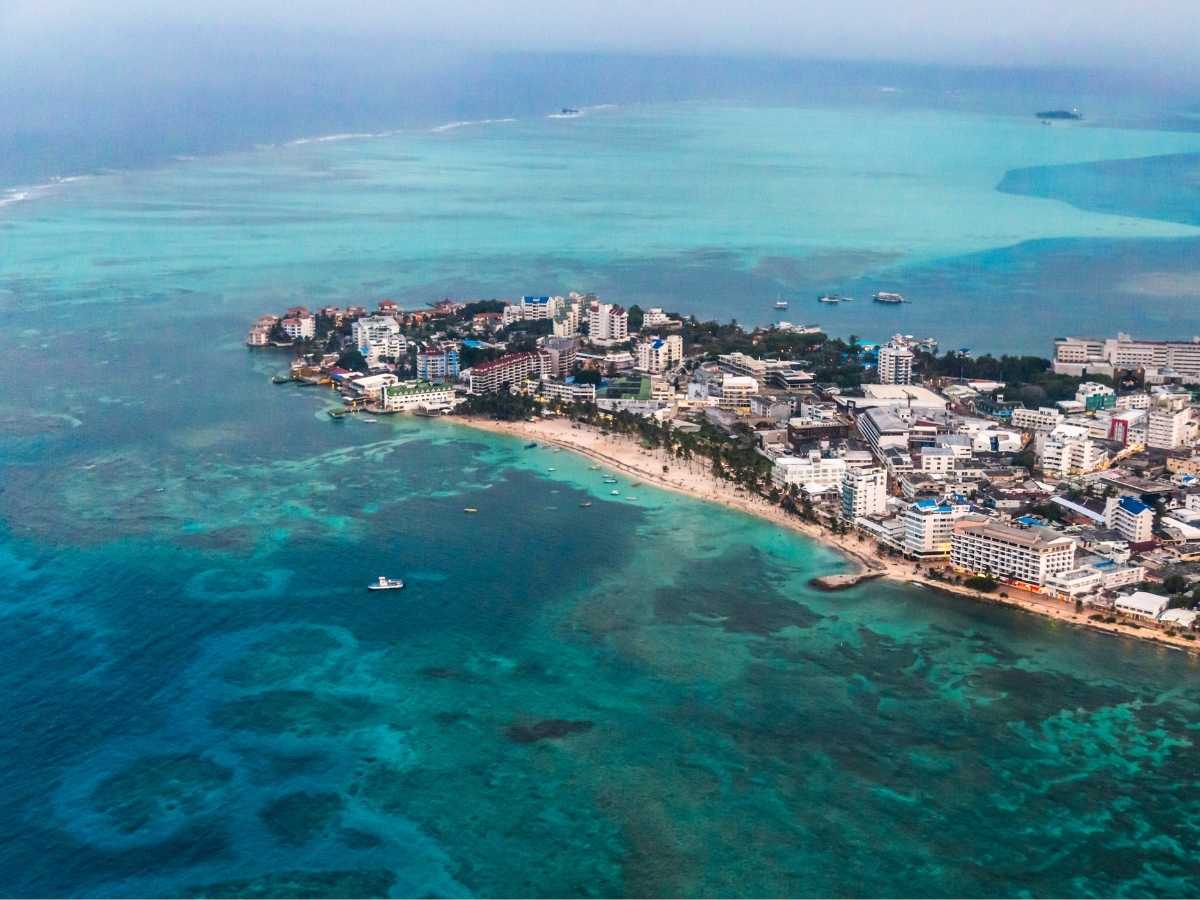
Despite being far from the Colombian mainland — located in the Caribbean Sea closer to Nicaragua than to Bogotá — the island of San Andrés is a Colombian territory with its own distinct culture, shaped by the sea. This tropical island draws visitors with its clear turquoise waters, the famous “sea of seven colours,” and a relaxed pace that feels a long way from the bustle of the mainland cities.
San Andrés is popular for snorkelling, diving, and simply spending time on the beach without much of an agenda.
Providencia: The Quieter Alternative
Providencia, a smaller island a few hours by boat from San Andrés, offers something closer to seclusion. Fewer tourists reach it, there are no large resorts, and the reef surrounding it is among the best preserved in the Caribbean. For those who find San Andrés too busy, Providencia delivers the island experience in a quieter key.
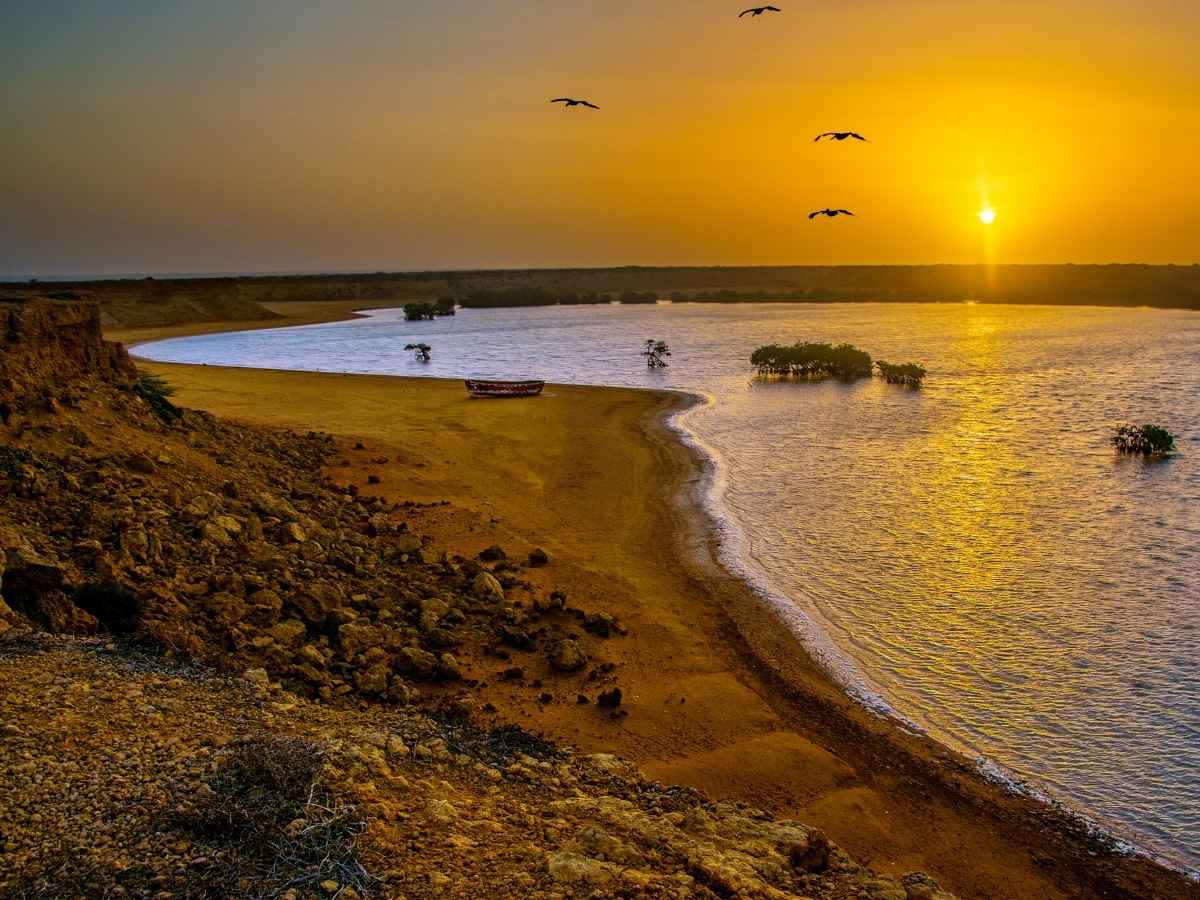
Punta Gallinas: The Tip of a Continent
Punta Gallinas, at the northernmost tip of South America, sits at the end of the La Guajira Peninsula in a landscape of sand dunes, mangroves, and open sea. Getting there requires commitment — long drives across desert tracks and arrangements made with local guides — but the reward is a destination that feels genuinely remote.
The dunes of Taroa, which fall directly into the Caribbean Sea, are among the most dramatic natural sights in Colombia.
Salsa, Culture, and the Festival Mundial de Salsa
Cali, in the Valle del Cauca, is Colombia’s capital of salsa. The city’s relationship with this music and dance form is not a performance put on for visitors — it runs through everyday life, from the neighbourhood dance schools known as salsotecas to the rhythms heard drifting from open doorways on warm evenings.
The Festival Mundial de Salsa, held annually in Cali, draws dancers and musicians from across the world and is one of the great festivals of the Americas. Even outside festival time, Cali’s salsa scene is vibrant and welcoming to newcomers who want to learn.
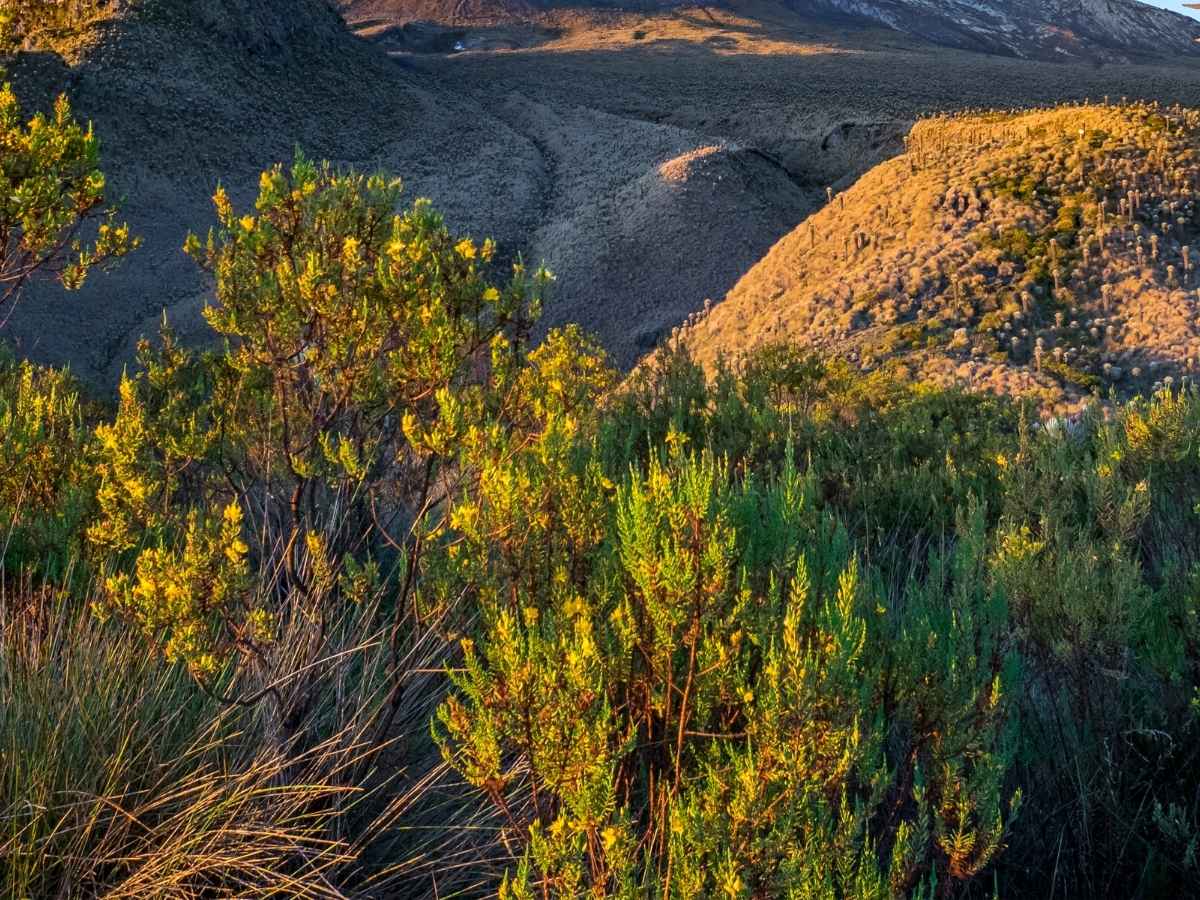
Los Nevados National Park: Colombia’s Mountain Wilderness
Rising above the Coffee Region, the snow-capped peaks of the Parque Natural Los Nevados National Park form one of Colombia’s most dramatic landscapes. The national park protects several high-altitude volcanoes, including Nevado del Ruiz, and a high-paramo ecosystem that is ecologically remarkable.
Access to Los Nevados is managed carefully to protect the environment, and visits are typically made through guided tours from Manizales. The terrain is challenging and the altitude considerable, but for those who want to experience the Andes at their most elemental, Los Nevados rewards every step.
Hotels, Travel, and Planning Your Trip to Colombia
Where to Stay
Colombia has an excellent range of accommodation across all budgets. In Bogotá and Medellín, both boutique hotels and well-run guesthouses are easy to find. Cartagena’s old city has some of the most characterful hotels in the country, many set in restored colonial mansions. In the Coffee Region, staying on a finca is strongly recommended — it puts you directly in the landscape and typically includes guided coffee tours as part of the experience.
Planning Your Travel
Getting around Colombia is straightforward. Domestic flights connect the major cities and are affordable by international standards, making it practical to cover significant distances without lengthy overland journeys. Buses are the primary means of travel between smaller towns and are generally reliable and comfortable on the main routes.
The best time to visit Colombia depends on the region. The dry seasons broadly run from December to March and July to August, though the country’s varied geography means that weather patterns differ considerably between regions. Cartagena and the Caribbean coast are warm year-round; the highlands can be cool and wet; the desert areas of La Guajira follow their own rhythms.
A guided tour is a particularly effective way to explore Colombia’s highlights within a structured timeframe, especially for first-time visitors who want to go beyond the obvious tourist trail without the logistical effort of planning everything from scratch. Our Secret Heart of Colombia tour is designed exactly for this — a small-group journey through the country’s most compelling destinations.
Conclusion
Colombia is a country of genuine depth — one that reveals more the longer you spend in it. From the historic streets of Bogotá and the colonial grandeur of Cartagena to the extraordinary landscapes of the Coffee Region and the remote drama of Punta Gallinas, it offers experiences that stay with you long after you return home.
The Undiscovered Destinations team has been crafting small-group journeys to Colombia since 2004, taking travellers to the places that make this country remarkable. If Colombia is on your list, take the step: it is one of South America’s most rewarding destinations, and there has never been a better time to discover it.
Ready to explore Colombia for yourself? Browse our Colombia tours and find the journey that fits you.