AITO 4.9 Excellent Rating

“Bolivia is broadly safe for well-prepared UK travellers. Petty theft is the most common risk, while violent crime targeting tourists is rare. The bigger challenge for most visitors is altitude sickness, which can affect anyone arriving in La Paz or Potosí. With the right precautions — solid travel insurance, altitude awareness, and sensible transport choices — the vast majority of UK travellers explore Bolivia without incident.”
Bolivia does not make it easy to ignore. It is a country of jaw-dropping contrasts — salt flats that stretch to the horizon like a mirror reflecting the sky, Amazonian jungle teeming with wildlife, ancient Andean cities draped in colonial architecture, and a living indigenous culture that runs deeper here than almost anywhere else in South America. For UK travellers seeking something genuinely different, Bolivia delivers in ways that few destinations can match.
And yet the question persists: is Bolivia safe? It is a fair one, and it deserves an honest answer rather than a vague reassurance or an unnecessary scare story. The short answer is yes — Bolivia is a broadly safe country for well-prepared travellers. Like any destination, it comes with risks worth understanding. But with the right knowledge and a sensible approach, the vast majority of visitors explore this extraordinary country without incident and return home wondering why they waited so long.
This guide is written specifically for UK travellers planning a Bolivia trip in 2026. It covers the essential travel information you need — from regional safety to altitude sickness, transport to travel insurance — so you can make informed decisions and focus on what really matters: the adventure ahead.
Why Bolivia Belongs on Your Travel List
A Country Like No Other
Bolivia is one of South America’s best-kept secrets, and that is both its challenge and its greatest appeal. While neighbours Peru, Chile, Brazil, and Argentina draw the crowds, Bolivia quietly offers some of the continent’s most staggering experiences with a fraction of the tourist footfall. Among South American countries, few pack such extraordinary variety into a single destination.
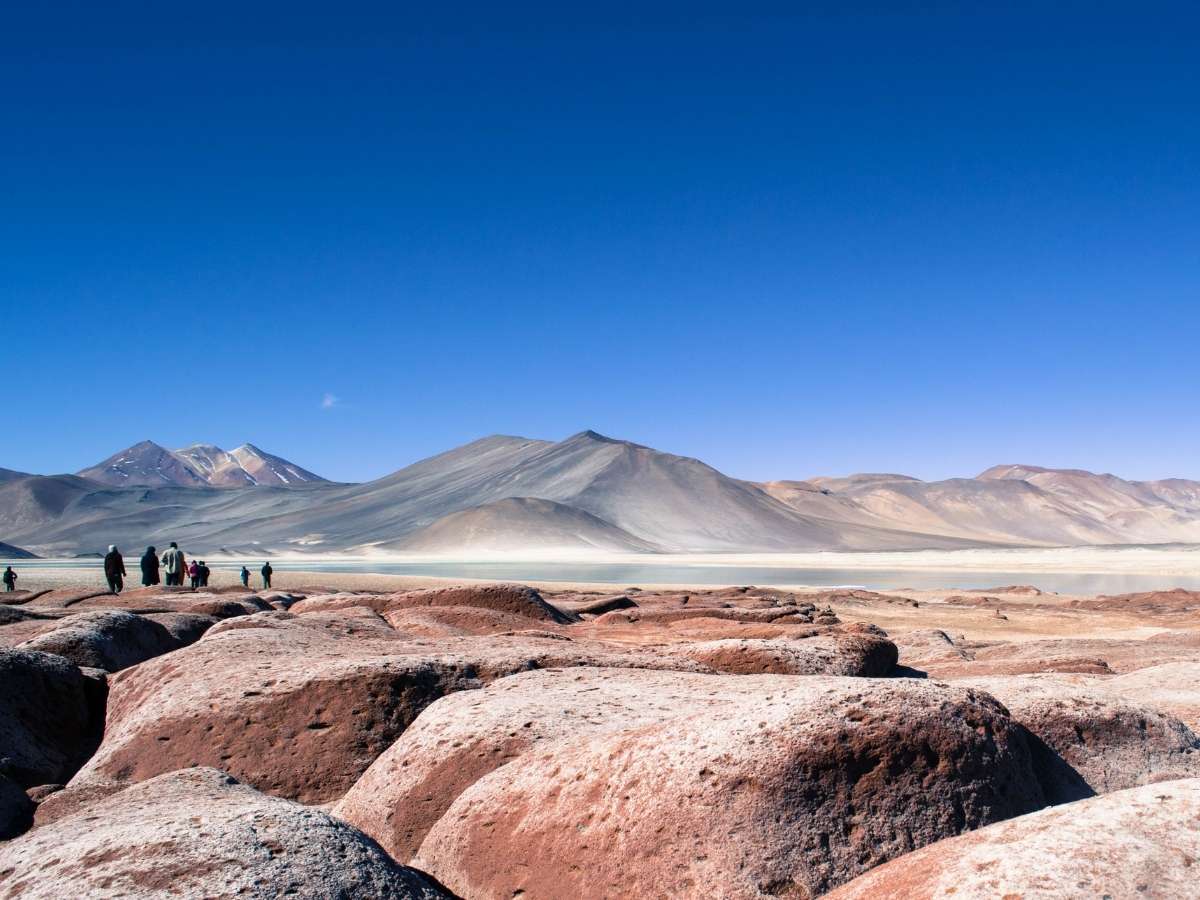
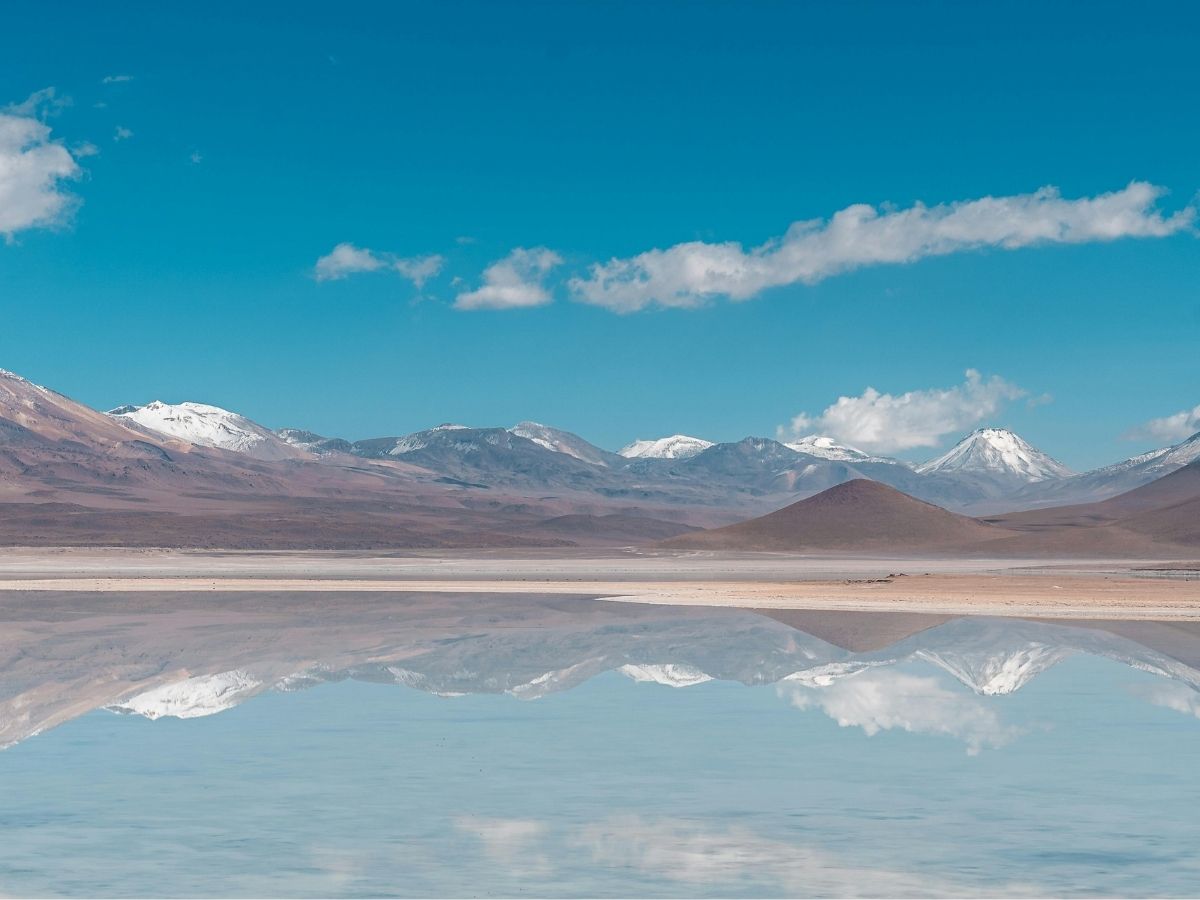
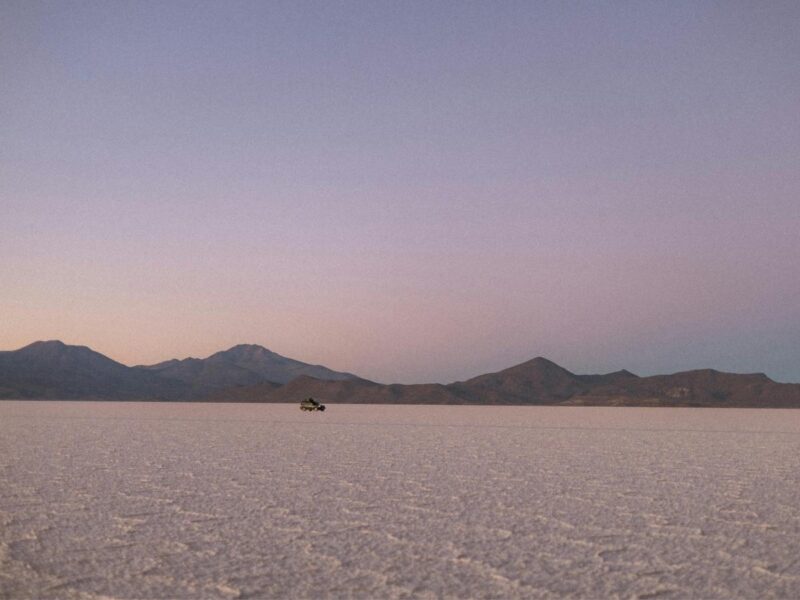
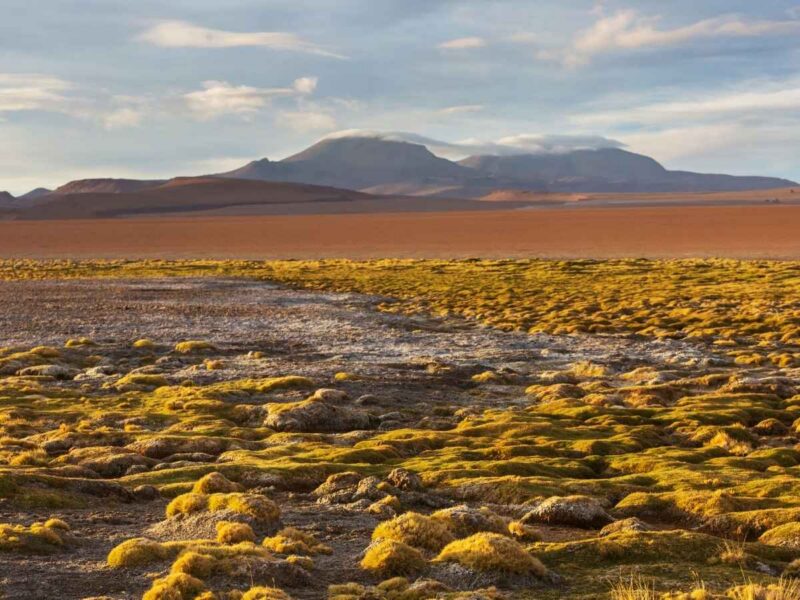
The Salar de Uyuni — the world’s largest salt flat — is unlike anything else on earth. During the wet season, a thin layer of water transforms the surface into a perfect mirror, creating one of the most surreal and photographed landscapes on the planet. For a full breakdown of what to expect and how to make the most of your visit, our Uyuni Salt Flats travel guide covers everything from tour options to the best time to go. Lake Titicaca, straddling the border with Peru, is the highest navigable lake in the world and home to ancient island communities that have maintained their traditions for centuries. The Andean highlands — known as the Altiplano — offer a dramatic, high-altitude world of snow-capped peaks, deep valleys, and traditional villages where life has changed little over generations. Head north and the landscape shifts dramatically into lush Amazonian rainforest, home to pink river dolphins, macaws, and caimans. Further still, the Atacama region’s fringes offer spectacular volcanic scenery and remote salt lakes that most visitors never reach.
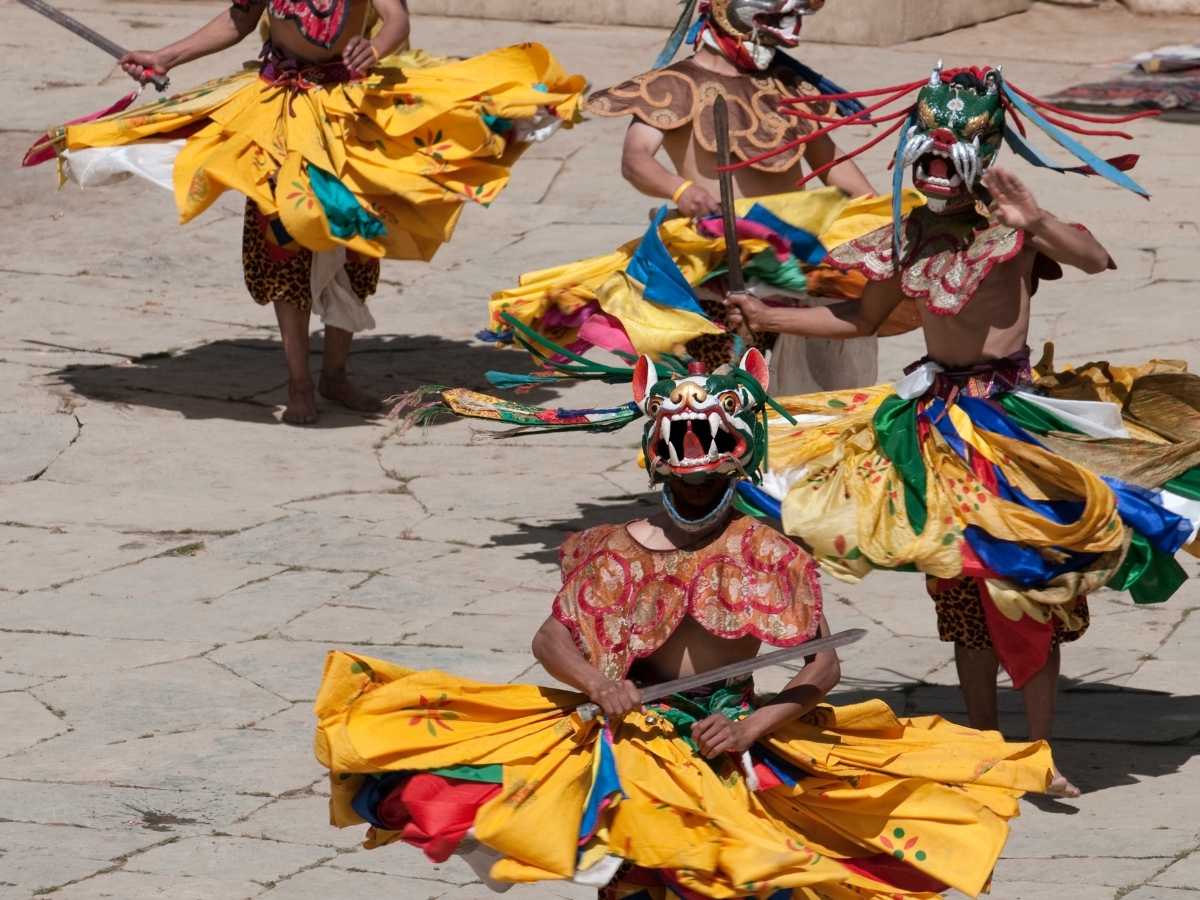
Beyond the landscapes, Bolivia’s cultural richness sets it apart. Indigenous traditions remain vibrant and central to everyday life. Markets burst with colour, festivals follow ancient rhythms, and the food — hearty, honest, and rooted in local produce — tells its own story. For travellers who value depth over surface-level sightseeing, Bolivia is extraordinarily rewarding.
The Bolivia That Most Travellers Never See
Bolivia’s relative obscurity on the global tourism circuit is, for many, its defining attraction. This is a destination where it is still possible to feel genuinely off the beaten track — to visit places where tourist infrastructure is light, local life is unperformed, and the experience feels earned rather than packaged.
The country’s affordability adds another dimension. Bolivia is one of the most budget-friendly destinations in South America, meaning that quality tailor-made experiences — private guides, comfortable lodges, bespoke itineraries — remain accessible without the premium price tag of more visited destinations. For UK travellers used to the costs of European travel, Bolivia offers remarkable value. You will find that your bolivianos go a long way, whether you are paying for a jungle lodge, a guided salt flat tour, or a meal in a local market. Having some boliviano notes in smaller denominations is always handy for tips, market stalls, and smaller establishments that may not accept cards.
Wildlife enthusiasts, history lovers, adventure seekers, and those simply hungry for something new will all find their version of Bolivia. The challenge is not finding reasons to go — it is deciding where to begin.
Safety in Bolivia — What UK Travellers Need to Know
Bolivia is generally safe for well-prepared travellers, and most visits are trouble-free. The main risks are petty theft, transport-related issues, and altitude, all of which can be managed with basic precautions and awareness.
Putting Crime in Context
Bolivia travel advice from official sources and experienced travellers alike tells a consistent story: Bolivia is broadly safe for tourists who travel thoughtfully. It is not without risk — no destination is — but the picture painted by some online forums and outdated articles is far more alarming than the day-to-day reality experienced by thousands of visitors each year.
Violent crime targeting tourists is rare. Petty crime is the more common concern, and it is largely manageable with sensible precautions. Political protests and road blockades can occasionally disrupt travel plans, but these are generally non-violent and predictable with good planning. Altitude, unique to this part of the world, presents a health challenge that should not be underestimated — but it is not a safety threat in the conventional sense.
For the most up-to-date Bolivia travel advice, check official travel guidance for UK before you depart and again closer to your travel dates to stay informed of any recent developments. Many travellers also find it useful to connect with reputable tour operators who have on-the-ground knowledge of current conditions.
Theft and Scams — Practical Advice for Staying Safe
Petty crime is the most common form of crime against tourists in Bolivia, and the good news is that most of it is highly preventable. Pickpocketing and bag snatching occur in busy tourist areas, markets, bus terminals, and crowded streets. Keep your passport and valuables in a money belt or concealed pouch rather than in a backpack or jacket pocket. Avoid displaying expensive cameras, phones, or jewellery in busy public spaces, and be particularly vigilant in touristy areas where opportunistic theft is most common.
Scams targeting tourists are also worth knowing about. The most commonly reported involve individuals posing as plain-clothed police officers who approach tourists, claim to be conducting a drugs inspection, and attempt to steal cash or valuables during the process. Legitimate officers do not stop tourists on the street and ask to inspect wallets or bags. If this happens to you, do not hand anything over — ask to be taken to the nearest police station, or look for tourist police who are present in many popular areas.
Taxi scams are another consideration. Always use radio taxis or app-based services — Uber operates in La Paz and Santa Cruz and is a reliable, safe option — rather than hailing unmarked cabs from the street. Your hotel or tour operator can arrange trusted transport.
Express kidnapping — short-term abductions where victims are taken to ATMs and forced to withdraw cash — has been reported in La Paz and Santa Cruz. While rare, this is almost always linked to unofficial taxis. Avoiding unmarked vehicles essentially removes this risk for most travellers.
A few practical safety tips worth keeping in mind: carry a photocopy of your passport rather than the original when out and about, use ATMs inside banks or shopping centres rather than on the street, and keep a small amount of local cash separate from your main wallet for day-to-day things like transport, snacks, and market purchases.
Regional Safety — Where to Go and What to Know
La Paz
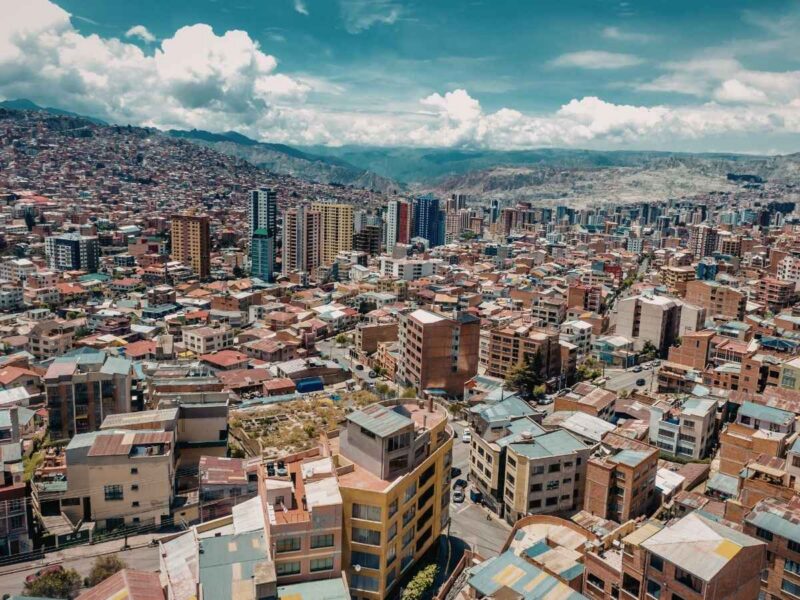
La Paz is Bolivia’s most visited city and its seat of government, perched dramatically in a canyon in the Andes at an altitude that leaves most new arrivals breathless — literally. It is a remarkable, chaotic, and deeply compelling place, and most travellers find it far more manageable than they expected.
The city’s tourist centre — Sopocachi, Miraflores, and the area around Plaza Murillo — is generally safe and well-trafficked. The Witches’ Market, the cable car network, and the city’s many museums and restaurants are all comfortably accessible. The market district and El Alto, the sprawling city above the canyon rim, warrant more care, particularly after dark. Stick to well-lit, busy streets in the evenings and use trusted transport rather than walking long distances at night.
Altitude is worth factoring into your La Paz experience. Arriving from sea level at over 3,600 metres can cause headaches, fatigue, and nausea in the first day or two. Take it slowly, drink plenty of water, and resist the urge to explore at full pace immediately.
Sucre and Potosí
These two colonial cities in southern Bolivia are among the country’s most beautiful and, generally speaking, among its safest for tourists. Sucre, the constitutional capital, is a UNESCO World Heritage city of whitewashed buildings and relaxed plazas. Potosí, built on the wealth of its famous silver mines, tells a more complex and sobering story but is no less extraordinary for it.
Both cities have a smaller, more manageable scale than La Paz, and the slower pace of life here makes for a very different travel experience. Crime levels are noticeably lower, and first-time visitors to Bolivia often find these cities an excellent and less overwhelming introduction to the country. Our Bolivia itinerary routes through both Sucre and Potosí and is a useful reference for structuring your trip.
Copacabana and Lake Titicaca
The lakeside town of Copacabana is one of Bolivia’s most popular destinations and a well-established stop on the South American traveller circuit. Sitting on the shores of Lake Titicaca, it is a relaxed and generally safe place to spend a few days, with good tourist infrastructure, reputable tour operators running island excursions, and a friendly atmosphere. As with any tourist town, basic precautions around petty theft apply — but this is one of the more straightforward and welcoming destinations in Bolivia for first-time visitors.
Uyuni and the Salar de Uyuni
The Uyuni region is one of the safest areas in Bolivia for tourists. Crime is extremely low, and the main considerations here are practical rather than security-related: the remoteness of the landscape, rapid weather changes, and the quality of your tour operator.
Touring the Salar de Uyuni on a reputable, well-organised trip — with experienced guides, reliable vehicles, and proper equipment — is essential. Cutting corners on cost can mean cutting corners on safety in an environment where distances are vast and help is a long way away. Choose reputable tour operators with strong reviews and do not be tempted by the cheapest option available.
Santa Cruz
Bolivia’s largest and most modern city sits in the lowland tropics and has a very different energy to the Andean cities. It is wealthier and more developed but also has higher crime rates, particularly in certain districts. For most tourists, Santa Cruz serves as a gateway city — a transit point for flights or onward travel — rather than a destination in itself.
Sticking to the central zona and well-known tourist areas, using trusted transport including Uber, and exercising the same vigilance you would in any large Latin American city is sufficient for a safe and comfortable experience.
The Chapare Region and the Amazon Basin
The Chapare region — a lush tropical zone stretching between the Andes and the Amazon lowlands — and the jungle town of Rurrenabaque further north offer some of Bolivia’s most extraordinary wildlife and nature experiences. The Chapare is best visited with an experienced guide and a well-organised itinerary, as its remote terrain and limited tourist infrastructure make independent travel more challenging than elsewhere in the country.
Crime is minimal in both the Chapare and the Amazon basin, and the experience — pampas tours, jungle lodges, river wildlife, and vast skies — is unlike anything else. The key considerations here are health-related. Yellow fever vaccination is strongly recommended, malaria risk exists in lower-altitude jungle areas and should be discussed with your GP before travel, and the Zika virus has been present in the region. Insect repellent and appropriate clothing are essential rather than optional. Choosing reputable tour operators with proper safety protocols is, in these environments, a genuine health and safety decision.
Altitude Sickness — The Risk Most UK Travellers Underestimate
Understanding Altitude in Bolivia
Of all the risks associated with travel in Bolivia, altitude sickness is arguably the one most UK travellers are least prepared for. Unlike crime or road safety, it is not something that common sense alone can prevent — it is a physiological response that can affect even fit, healthy individuals.
La Paz sits at approximately 3,600 metres above sea level on the Altiplano. Potosí reaches around 4,090 metres, making it one of the highest cities in the world. At these altitudes, the air contains significantly less oxygen than at sea level, and the body takes time to adjust. Spanish-speaking locals — many of whom have lived at altitude their entire lives — are often a good source of practical advice on local remedies and acclimatisation habits.
Symptoms of acute mountain sickness (AMS) include headaches, dizziness, nausea, fatigue, and difficulty sleeping. They typically appear within the first 24 hours of arrival at altitude and usually ease within a couple of days. In most cases, AMS is uncomfortable rather than dangerous. However, in rare cases it can progress to more serious conditions — high-altitude pulmonary oedema or cerebral oedema — which require immediate descent and medical attention.
How to Acclimatise Properly
The most effective approach to altitude is simply to give your body time. On your first day in La Paz or any high-altitude location, rest. Drink plenty of water. Avoid alcohol, which dehydrates and worsens symptoms. Eat lightly. Resist the temptation to pack your itinerary with activity before you have had 48 hours to settle.
Coca tea — made from the same plant as cocaine but an entirely legal and mild local remedy — is widely drunk in Bolivia and is said to ease altitude symptoms. Many travellers find it genuinely helpful, and it is served in virtually every hotel, café, and restaurant at altitude. It is one of those things that feels quintessentially Bolivian and is well worth embracing on arrival.
If you are particularly concerned or have a history of heart or respiratory conditions, speak to your GP before travelling. Acetazolamide (Diamox) is a prescription medication that can help the body acclimatise more quickly and is worth discussing as part of your pre-travel health consultation. A basic first aid kit is also worth packing — particularly one that includes pain relief for altitude headaches and rehydration sachets.
Transport in Bolivia — Getting Around Safely
Road Travel and Bus Journeys
Bolivia’s road network ranges from reasonably well-maintained highways to challenging mountain roads that demand experienced drivers and reliable vehicles. Long-distance bus travel is common and, on major routes between cities, broadly manageable — but it comes with considerations worth knowing about.
Night buses, while popular for saving time and accommodation costs, carry a higher risk than daytime travel. Visibility is reduced, driver fatigue is a factor, and road conditions in the Andes can be unpredictable after dark. Where possible, travelling by day on well-travelled routes is the more prudent choice. This is one of the most consistent travel tips offered by experienced Bolivia visitors.
On any longer bus journey, choose established operators with good reputations rather than the cheapest ticket available. Your hotel, tour operator, or a trusted Spanish-speaking local contact can advise on which companies are most reliable for specific routes.
The Death Road — Less Dangerous Than It Sounds
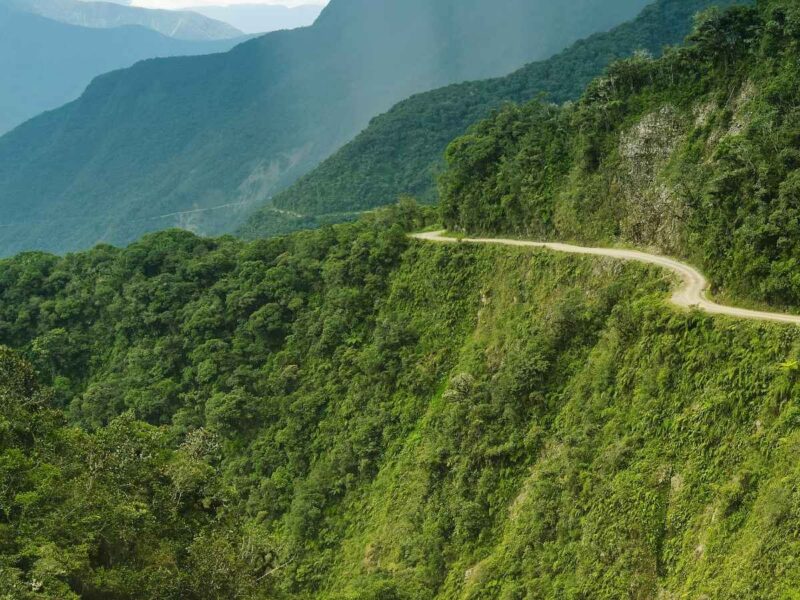
The North Yungas Road — better known as the Death Road — has one of the most alarming nicknames in world travel. Once considered the most dangerous road on earth due to the volume of vehicle accidents on its narrow, precipitous track, it now functions primarily as a thrilling downhill cycling route for tourists.
Organised cycling tours along the Death Road are a popular and well-established activity. With a reputable operator, good equipment, and a properly briefed guide, it is a manageable and genuinely exhilarating experience — not the reckless gamble its name might suggest. Thousands of travellers complete it each year without incident. It is, however, not the place to opt for the cheapest operator or to attempt independently.
Domestic Flights
For longer journeys — particularly between the highlands and the Amazon lowlands — domestic flights are a faster, more comfortable, and in many respects safer alternative to road travel. Bolivia’s main domestic airlines connect La Paz, Santa Cruz, Sucre, Potosí, and Rurrenabaque, among other destinations.
Flights are not always cheap by Bolivian standards, but the time saved and the reduction in road-related risk often make them well worth considering as part of a well-planned itinerary. For female travellers in particular, flying between distant regions can remove some of the additional considerations around long overnight road journeys.
Health Precautions, Food, and Travel Essentials
Climate, Weather, and What to Expect
Bolivia’s climate varies dramatically depending on where you are. The Altiplano and Andean highlands are cold, particularly at night, with temperatures dropping sharply after dark even in the warmer months. The Amazon lowlands are hot and humid year-round. The Salar de Uyuni can be scorching by day and bitterly cold after dark.
The wet season runs roughly from November to March. While the salt flats are at their most spectacular during this period, some roads become impassable and certain tours are unavailable. The dry season — April to October — is generally the most comfortable and accessible time to travel, with clear skies and firmer ground. Our guide to the ideal time to visit Bolivia goes into detail on weather patterns, seasonal highlights, and month-by-month tips to help you choose the right window for your trip.
Pack layers regardless of when you visit. The altitude means temperature swings are significant, and being caught underprepared in the Andes at night is an easily avoidable discomfort. A good waterproof layer, warm mid-layer, and sun protection are all essential given the intensity of UV radiation at altitude.
Food Safety and Eating Well in Bolivia
Bolivian food is hearty, flavourful, and deeply rooted in local ingredients — think slow-cooked stews, grilled meats, fresh river fish, and the extraordinary variety of potatoes and grains that the Andes produce. Eating well in Bolivia is one of the great pleasures of travel here, and the country’s markets and local restaurants offer some of the most authentic food experiences in South America.
As with any developing country, a degree of care around food and water is sensible. Drink bottled or filtered water rather than tap water, and be cautious with raw salads and unpeeled fruit from street stalls if your stomach is not yet accustomed to local conditions. Street food is a wonderful part of Bolivian culture and the food itself is generally excellent — simply be thoughtful about choosing stalls with high turnover and visibly fresh ingredients. Most travellers who approach food with curiosity rather than anxiety eat their way enthusiastically through Bolivia without any issues.
Understanding basic food etiquette also helps. Bolivians are proud of their culinary traditions, and showing appreciation for local food — even when ordering something simple — goes a long way in building warm exchanges with locals.
Vaccinations and Pre-Departure Health Precautions
Bolivia requires preparation from a health perspective that goes beyond what many European destinations demand. The recommended vaccinations include hepatitis A, typhoid, and — for anyone visiting the Amazon region — yellow fever. Depending on your travel history and individual circumstances, your GP or travel health clinic may also recommend additional jabs. Malaria prevention medication may be advised for jungle regions, and Zika virus precautions — including insect repellent and covering exposed skin — are particularly important for pregnant travellers or those planning a pregnancy.
Book a travel health appointment well in advance of your departure — ideally six to eight weeks before you travel. Some vaccines require multiple doses over several weeks to be effective. The NHS travel vaccination service covers some jabs, while others may require a private travel clinic. Pack a solid first aid kit including rehydration sachets, antihistamines, blister plasters, and any prescription medication you have been advised to take. For full and up-to-date medical guidance before travelling, read more on the official NHS travel health advice for Bolivia
Getting a SIM Card in Bolivia
Staying connected in Bolivia is straightforward in larger cities and tourist areas. Local SIM cards are widely available and inexpensive — you can pick one up at the airport on arrival or from mobile phone shops in La Paz, Santa Cruz, and Sucre. The main providers are Tigo and Entel, with Entel generally offering better coverage in rural and highland areas.
Having a working local SIM card is more than a convenience — it is a practical safety measure. Being able to contact your tour operator, hotel, or emergency services without relying on WiFi gives you an important layer of security. Your SIM card also enables access to navigation apps and Uber in cities, both of which make getting around safer and simpler. It is one of those small things that makes a significant difference to the quality and confidence of your travel experience.
Getting the Right Travel Insurance
Standard travel insurance policies may not provide adequate cover for all aspects of Bolivia travel. High-altitude trekking, adventure activities, and travel to remote regions are commonly excluded from basic policies and require specific add-ons or specialist cover.
Medical evacuation cover is particularly important in Bolivia. If you were to become seriously ill in a remote area — or suffer a severe episode of altitude sickness — the cost of evacuation to a suitable medical facility can be significant. Ensuring your policy includes comprehensive medical evacuation cover is essential. Read your policy carefully before you travel, check the altitude limits, confirm that your planned activities are covered, and ensure the medical cover limit is high enough to be meaningful.
Solo Travel in Bolivia
Travelling Alone — Is It Doable?
Absolutely. Bolivia is a manageable and rewarding destination for solo travellers, and many thousands of independent adventurers — from North America, Europe, and beyond — explore it each year without difficulty. The keys are preparation, common sense, and a willingness to connect with other travellers along the way.
One of the most practical and sociable ways to explore Bolivia solo is through a small group tour. Rather than navigating logistics, language barriers, and unfamiliar transport networks alone, a well-organised small group tour provides structure, safety, and the added pleasure of sharing extraordinary experiences with like-minded people. Having even a basic grasp of Spanish is helpful and appreciated by locals — a few key phrases go a long way in building trust and navigating day-to-day situations more comfortably.
For solo travellers concerned about the additional cost that single occupancy sometimes brings, it is worth knowing that not all operators charge compulsory single supplements — meaning the solo travel premium need not apply.
Travel Tips for Female Travellers
Bolivia is broadly manageable for female travellers, though as with any destination, a degree of awareness and preparation makes a significant difference. In rural and more traditional areas, dressing modestly is respectful of local etiquette and culture, and reduces unwanted attention. Trusting your instincts — particularly around transport choices and unfamiliar situations after dark — is always sound travel advice.
Carrying a photocopy of your passport, keeping your main bag close in crowded spaces, and using Uber or trusted radio taxis rather than unmarked vehicles are all sensible safety tips that female travellers report making a real difference to their confidence on the ground.
Connecting with fellow travellers through hostels, group tours, and well-reviewed accommodation is both a safety measure and one of the great pleasures of solo travel. Many female travellers in Bolivia find that joining a small group tour for at least part of their trip offers the best of both worlds: the freedom and independence of travelling on their own terms, with the added confidence and community of a trusted group.
Conclusion
Bolivia is not a destination that gives up its secrets easily — and that is precisely what makes it extraordinary. From the surreal stillness of the Salar de Uyuni to the electric energy of La Paz at altitude, from the colonial grandeur of Sucre to the wildlife-rich waterways of the Amazon, this is a country that rewards the traveller who comes prepared. The risks are real but manageable. With solid travel insurance, a proper understanding of altitude, sensible precautions around transport and personal security, and the right health preparation before you leave home, Bolivia sits well within reach for most UK adventurers. If you are ready to explore one of South America’s most remarkable countries with experts who know it well, the Undiscovered Destinations Bolivia team has been crafting small group tours since 2004 — with a 97% satisfaction rating and no compulsory single supplements.
For travellers looking to go further, our small group tours Bolivia are designed to deliver immersive experiences across the Andes, combining expert guidance with carefully planned itineraries.