AITO 4.9 Excellent Rating
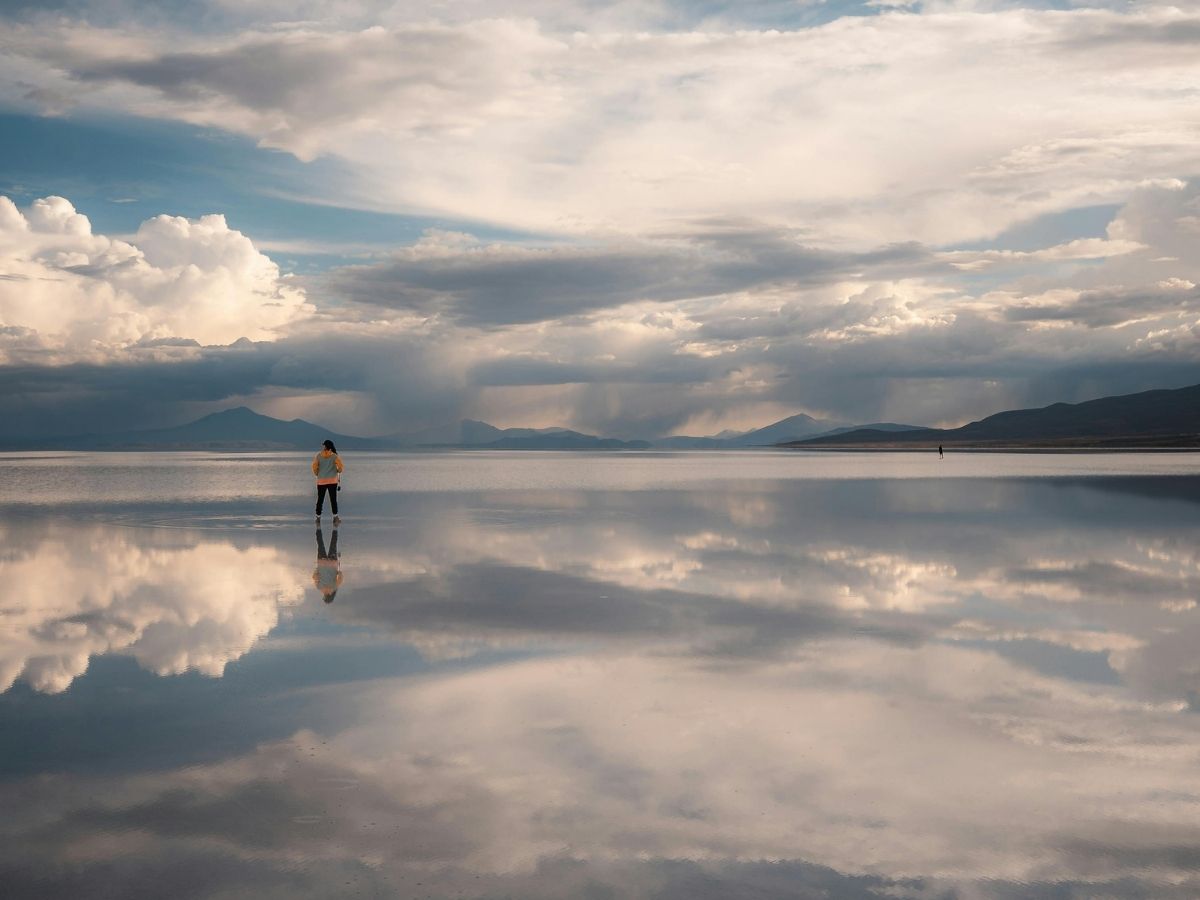

The Salar de Uyuni is one of the most extraordinary landscapes on Earth. Located high on Bolivia’s Andean Altiplano at over 3,650 metres above sea level, it is the world’s largest salt flat, stretching across more than 10,000 square kilometres of dazzling white salt crust. So vast and perfectly flat, it is even used by satellites for calibration.
For travellers, the Uyuni Salt Flats offer an unforgettable experience. From the famous mirror effect of the rainy season to cactus-covered islands and colourful high-altitude lagoons, this remote corner of Bolivia feels truly otherworldly. Whether you are visiting independently or joining one of our small group tours of Bolivia, Salar de Uyuni is one of South America’s most remarkable destinations.
Understanding the Uyuni Salt Flats in Bolivia
A Geological Wonder of the High Desert
The transformation from prehistoric lakes, such as Lake Minchin, into the modern salt crust is a fascinating story. Over thousands of years, as the waters evaporated, they left behind the thick mineral layers we see today. This area is also a vital source of minerals for the modern world. Beneath the white surface lies one of the largest lithium reserves on the planet. According to the USGS , lithium is a critical component used to power everything from mobile phones to electric cars.
Despite this industrial value, much of the Salar remains a wild and untouched wilderness, far removed from the busy routes of Peru or the popular Inca Trail. The salt crust itself can vary in thickness from just a few centimetres to over 120 metres in the deepest parts. This ancient basin, formed by the drying of seven distinct prehistoric lakes, is roughly 100 times the size of the famous Bonneville Salt Flats in the United States.
The Cultural Significance of the Uyuni Salt
For the local Aymara people, the landscape is more than just a geological wonder. It is a place of deep legend. According to local myth, the salt flats were created from the tears and milk of the goddess Tunupa. The volcano that sits on the edge of the salt flat still bears her name. Standing at over 5,000 metres, the surrounding mountains provide a dramatic backdrop to the white plains below.
The connection between the land and the people remains strong today. Many families in the nearby village of Colchani belong to a salt cooperative. They work the land much like their ancestors did, albeit with modern transport. They harvest the salt by hand, creating small mounds that look like snowy pyramids under the harsh Andean sun. This traditional lifestyle exists in a delicate balance with the growing lithium mining industry, which represents a modern shift for the region. To understand how this fits into a broader trip, you can view a Bolivia travel itinerary that covers these cultural highlights.
When to Visit: The Two Faces of the Salar
The Mirror Effect (The Wet Season)
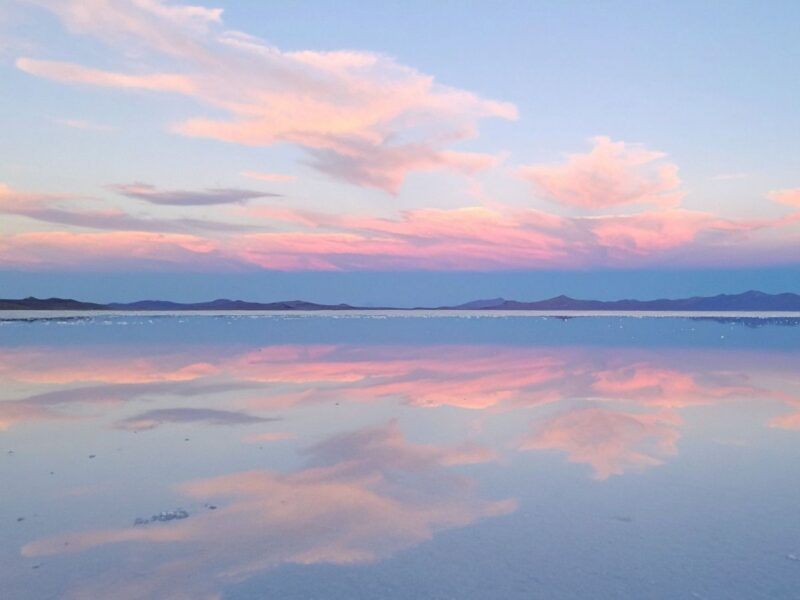
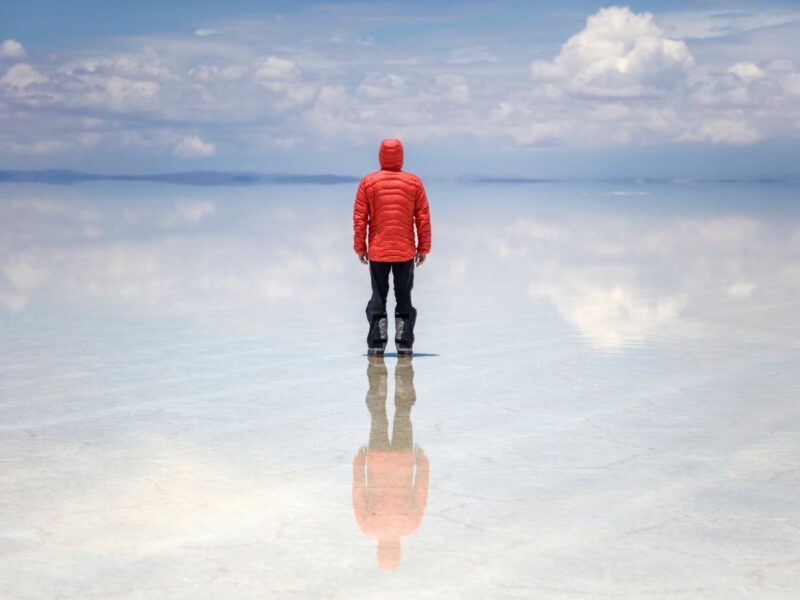
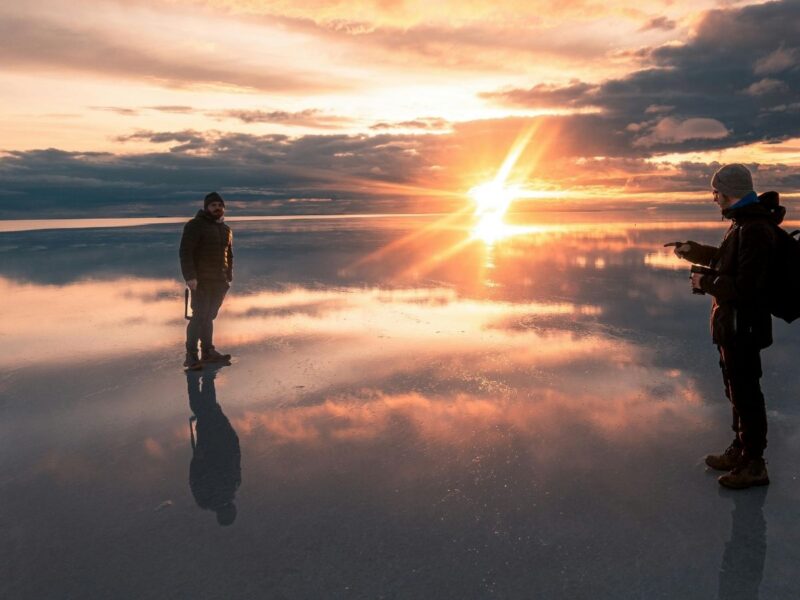
From January to March, the Altiplano sees its rainy season. During this time, a thin layer of water often covers the salt crust. This transforms the Salar into the world’s largest natural mirror. The sky and the ground blend into one, creating the breathtaking mirror effect where clouds appear beneath your feet. It is a time when photographers flock to the area to capture a sunrise or sunset that feels like it exists between two worlds.
While visually stunning, this season can affect accessibility. Certain areas of the salt flats, including Incahuasi Island, may become difficult to reach when water levels are high. Travel can also be slower due to weather conditions, so visitors should be prepared for occasional rain. For a detailed breakdown of conditions throughout the year, see our guide on the Bolivia travel seasons before planning your trip.
The Hexagon Landscapes (The Dry Season)
From May to October, the water disappears, and the salt dries into a hard, white crust. This is when the famous geometric hexagon patterns appear on the surface. The skies are usually a deep, cloudless blue, and the air is very clear.
The dry season is the best time for those who want to explore every corner of the region. You can drive right across the heart of the flats and visit the cactus-covered islands. However, keep in mind that this is also winter in the Andes. While the days are sunny, the temperatures at night can drop well below freezing. For travel safety and entry requirements, UK travellers should also check official updates from the UK Foreign Travel Advice.
Essential Sights in the Uyuni Region
Isla Incahuasi and the Ancient Cacti
Rising out of the white sea of salt is Isla Incahuasi. This is not a typical island; it is the top of an ancient volcano that was submerged in the prehistoric lakes. Today, it is covered in giant cardon cacti, some of which are hundreds of years old and grow over ten metres tall. A short walk to the top of the island provides a 360-degree view of the vast white expanse. It is one of the most surreal sights in South America, making it a highlight of any Uyuni salt flats tour.
The Train Cemetery and Industrial History
Just outside the town of Uyuni lies the Great Train Graveyard. In the late 19th century, British engineers were brought in to build railways for the booming mining industry. When the industry collapsed in the 1940s, the locomotives were left to the elements. Today, these rusted steam engines provide a stark, industrial contrast to the natural beauty of the Altiplano. It is a hauntingly beautiful spot that offers a glimpse into Bolivia’s past.
Exploring Beyond the Day Tour: The Eduardo Avaroa Reserve
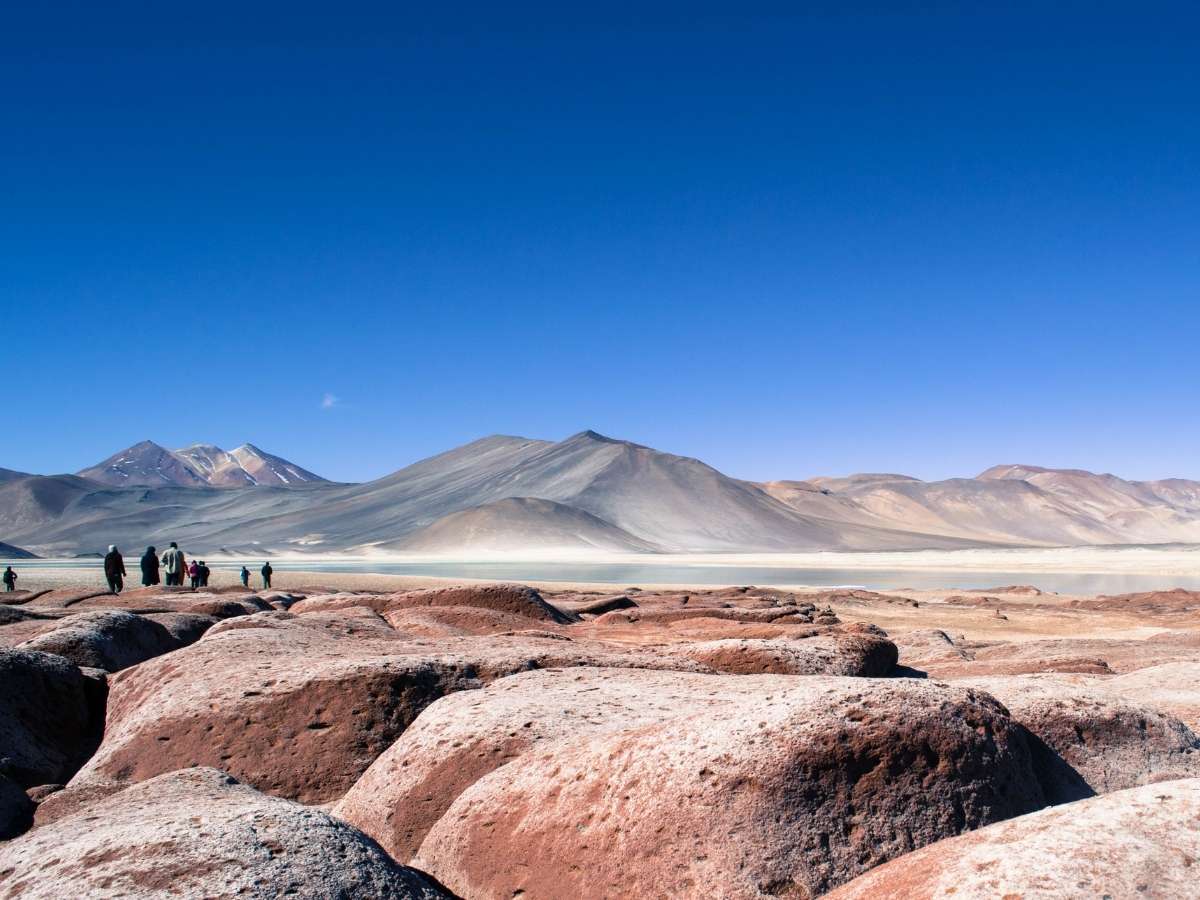
If you have more than a single day tour, you must travel south into the Eduardo Avaroa Andean Fauna Reserve. This is a land of high-altitude deserts and brightly coloured lagoons. Unlike a standard day trip, a multi-day itinerary allows you to see the true diversity of the Atacama desert.
- Laguna Colorada: This stunning red lagoon gets its colour from a specific type of algae. It is home to thousands of pink flamingos, including the rare James’s flamingo.
- Polques Hot Springs: One of the most relaxing stops is the hot springs of Polques. Bathed in naturally warm mineral waters, you can watch the sunrise over the mountains while staying warm against the chilly Altiplano air.
- Sol de Mañana Geysers: At an altitude of nearly 5,000 metres, this geyser field is a hive of volcanic activity. You can walk among bubbling mud pots and towering plumes of steam.
- The Dalí Desert: This area is named after the artist Salvador Dalí because the wind-sculpted rocks and barren landscapes look like something out of a surrealist painting.
For those looking to combine these sights with neighbouring countries, an Argentina, Chile and Bolivia explorer tour provides a comprehensive trans-continental experience.
Life on the Altiplano: Culture and Cuisine
The high-altitude environment of the Altiplano has shaped a unique culinary and social culture. Travellers who venture beyond the salt flats will find that the local food is designed to provide energy and warmth in the thin air.
One of the most iconic snacks you must try is the salteña. These are juicy, meat-filled pastries that are typically eaten in the morning. Unlike a standard empanada, a salteña is filled with a sweet and savoury broth, making it a delicious but messy challenge for first-timers. In the Uyuni region, you might also find dishes featuring quinoa, which has been grown in the Andes for thousands of years. It is often served in hearty soups or as a side to llama meat, which is a lean and healthy local staple.
The Andean cosmovision is also a vital part of daily life. This is the way local people view the relationship between humans, nature, and the spirit world. You may notice small rituals, such as offering a few drops of a drink to Pachamama (Mother Earth) before taking a sip. These traditions have survived for centuries and add a deep layer of meaning to any visit to the region.
Stargazing: A Night Under the Stars
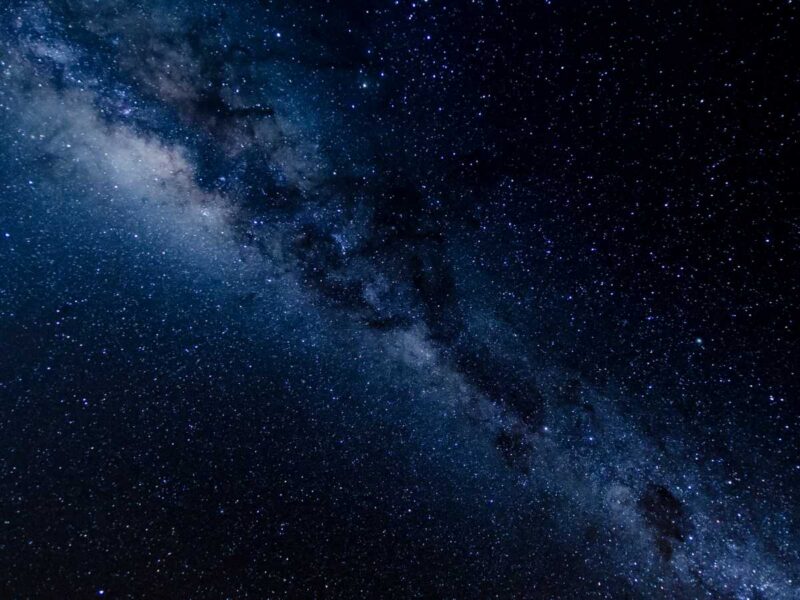
While the daytime views are spectacular, the nights on the Salar de Uyuni are equally magical. Because the area is so remote and high above sea level, there is almost no light pollution. This makes it one of the best places on Earth for stargazing.
During the wet season, the mirror effect works its magic at night as well. The stars are reflected in the thin layer of water on the ground, making you feel as though you are floating in the middle of the Milky Way. Many travellers now choose tours that include a dedicated night observation session. With a telescope and a hot drink to ward off the cold, you can see constellations and planets with incredible clarity. It is a peaceful and humbling experience that perfectly complements the daytime adventure. Travellers wanting to explore Bolivia’s full geographical range can also consider our lowlands to the High Andes tour, which captures the country’s dramatic altitude shift.
Practical Tips for UK Travellers
Entering from Bolivia or Chile
Getting to such a remote location requires some planning. Many of our travellers begin their journey in San Pedro de Atacama in Chile. From San pedro, it is a spectacular cross-border journey through the atacama region, crossing the Chilean border at Hito Cajón. This route connects the salt flats with the high-altitude wonders of northern Chile.
Health and Safety Tips: Managing High Altitude
The Uyuni Salt Flats sit at about 3,650 metres above sea level, and the reserve is even higher. Altitude sickness can affect anyone, regardless of fitness level. The key is to take these tips to heart: take things slowly, stay hydrated, and ensure you have enough Bolivianos (the local currency) for small purchases and park fees at the salt cooperative in Colchani.
Sun protection is also critical. The white salt acts like a giant mirror, reflecting the sun’s rays from every angle. Even on cold days, you can get a serious sunburn or “salt blindness” without high-factor cream and good quality sunglasses.
Why Choose a Small Group Adventure?
Cultural Immersion and Unique Stays
Our tours focus on more than just the scenery. On a private tour or small group journey, you might visit a salt cooperative to see how locals process salt or stay in an old salt hotel where the walls and furniture are carved from salt blocks. These hotels provide a surprisingly comfortable experience and are a great example of local ingenuity. Such immersive stays also feature on our Panama and Bolivia journey, which pairs the salt flats with another culturally rich Latin American destination.
The Solo Traveller Advantage
At Undiscovered Destinations, we want to make adventure travel accessible to everyone. One of the biggest hurdles for solo travellers is often the extra cost. We are proud to offer no compulsory single supplements on our small group tours. This means you can join a group of like-minded adventurers without having to pay more just because you are travelling alone. You get the safety and social benefits of a group while keeping your costs down on your flat tour. Our tours ensure that you have a guaranteed departure, so you can plan your flights with confidence.
Conclusion
The Uyuni Salt Flats are a testament to the raw beauty of our planet. From the rusted ghosts of the Train Cemetery to the towering cacti of Incahuasi Island, every mile of this journey offers something unexpected. It is a place that challenges your senses and rewards your curiosity with views that you will remember for a lifetime. Whether you are walking across the white hexagons of the dry season or floating on the giant mirror of the rains, the Altiplano is a destination like no other.
Ready to see the world differently? Join Undiscovered Destinations on a journey into the heart of the Bolivian Andes. Our small group tours offer the perfect balance of adventure and comfort, with guaranteed departures and no single supplements for solo travellers. Book your seat on our next South American adventure today.