AITO 4.9 Excellent Rating


Brazil is a land of staggering proportions, yet most international visitors barely scratch the surface. While the rhythmic pulse of Rio de Janeiro and the thundering mists of Iguazú Falls are iconic for a reason, they represent only a fraction of what this South American giant has to offer. For the independent-minded traveller, the true magic of Brazil lies far beyond the famous coastlines, tucked away in vast wetlands, golden deserts, and preserved colonial towns.
At Undiscovered Destinations, we believe the best way to experience a country this diverse is through cultural immersion and exploration of its lesser-known corners. This guide is designed to take you off the beaten track, moving past the postcards to discover the raw, authentic heart of Brazil. As your dedicated travel provider, we ensure your itinerary balances famous sights with hidden treasures across Latin America.
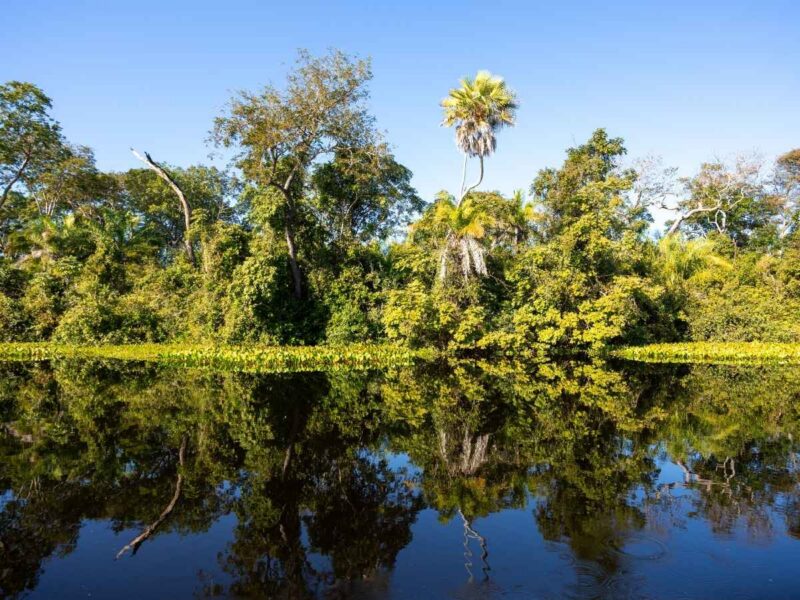
The Pantanal: A Wildlife Frontier for the World
While the Amazon Rainforest often takes the headlines, seasoned naturalists know that the Pantanal is the premier wildlife sanctuary of South America. This enormous tropical wetland offers unparalleled opportunities for animal sightings because the open marshes provide a clear line of sight that the dense jungle canopy does not.
Spanning an area larger than England, the Pantanal is a bio-geographic mixing bowl where species from the Amazon, the Chaco, and the Cerrado converge. Because the vegetation is less dense than the rainforest, you don’t just hear the wildlife; you see it in abundance. It is an essential stop for anyone who values sustainable tourism and close encounters with the natural world.
Northern vs Southern Pantanal Tips
The region is split into two distinct entry points, each offering a slightly different adventure. The Northern Pantanal, accessed via Cuiabá, is the gateway to the Transpantaneira. This is a legendary dirt road that crosses over 120 wooden bridges, serving as a raised transect through the marshlands. During the dry season, animals congregate near the roadside ditches, making for incredible photography.
The Southern Pantanal, reached through Campo Grande, offers a slightly more varied landscape with higher land and different species. This area is often better for those interested in birdwatching and seeing the giant anteater. Both regions provide a sense of isolation that is hard to find elsewhere in the world. To see these landscapes firsthand, you can discover Brazil Pantanal through our detailed regional insights.
The Quest for the Jaguar: Nature’s Advice
The Northern Pantanal is globally recognised as the best place to spot the elusive jaguar. In the remote river reaches of Porto Jofre, these magnificent cats are often seen lounging on riverbanks or hunting caiman in broad daylight. This is largely due to the unique geography of the region, where the cats have become accustomed to river traffic.
Small group tours are particularly effective here. Expert local trackers increase your chances of a sighting while maintaining a respectful distance from the animals. There is a profound thrill in sitting quietly in a small boat as a jaguar stalks the shoreline just metres away. It is an experience that stays with you long after you return home. For those ready to embark on this journey, our Brazil Pantanal Explorer tour offers a dedicated itinerary focused on these apex predators.
Immersive Ranch Stays and Local Brazilians
To truly understand the Pantanal, you must stay at a traditional pousada, or eco-lodge. These are often working cattle ranches that have embraced conservation. The lifestyle here revolves around the sun and the seasons. Life slows down, and you begin to notice the smaller details of the marshland.
Days are spent on boat safaris, night drives to spot ocelots, and even piranha fishing. These activities provide a deep connection to the rhythms of this extraordinary ecosystem. Staying in these lodges also supports the local economy, ensuring that the preservation of the wetlands remains a priority for the people who live there.
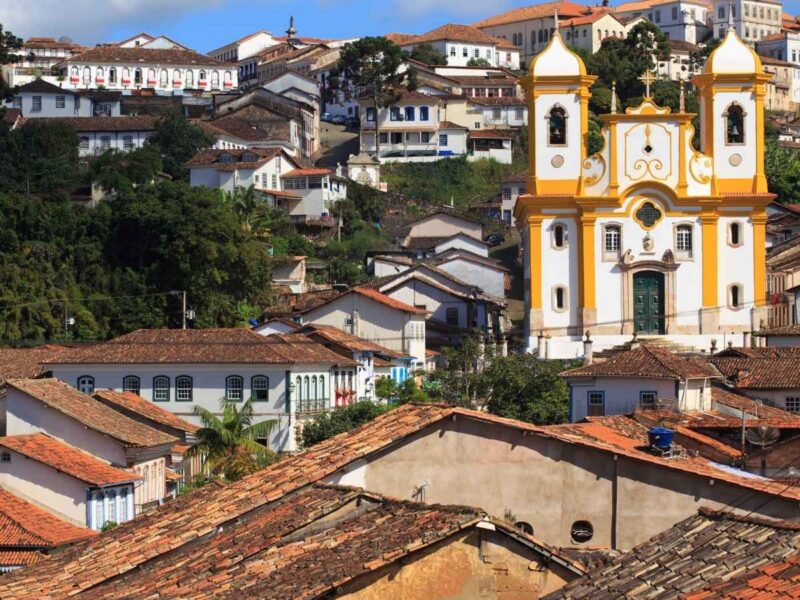
Minas Gerais: The Baroque Heart of Brazil
Leaving the wetlands behind, the state of Minas Gerais offers a journey back in time. This is the historic soul of the country, where the 18th-century gold rush left behind a legacy of opulence and incredible artistry. It is a land of rolling green hills, mist-covered mountains, and towns that look exactly as they did three centuries ago.
Colonial Time Travel Near Rio de Janeiro
The town of Ouro Preto, a UNESCO World Heritage Site, is a masterpiece of colonial architecture. Its steep, cobblestone streets are lined with whitewashed houses and churches adorned with gold leaf. Walking through Ouro Preto or the nearby town of Tiradentes feels like stepping into a living museum.
Unlike the modern skyscrapers of Sao Paulo or the bustling beaches of Rio, these towns move at a different pace. The ringing of church bells and the clip-clop of horses on stone are the primary sounds. It is a place for quiet reflection and a deep dive into Brazil’s complex colonial history.
Art and Architecture Beyond Salvador
Minas Gerais is the home of Aleijadinho, Brazil’s most famous sculptor and architect. Despite suffering from a debilitating disease, he created some of the most beautiful religious art in the world. His soapstone carvings and the “Twelve Prophets” at Congonhas are essential viewing for any culture enthusiast.
The intricate detail of the baroque churches reflects a period when Brazil was the world’s leading gold producer. Every altar and every ceiling tells a story of the wealth that once flowed through these mountain passes. Exploring these sites with a small group tour allows for a much more detailed explanation of the symbolism and history behind the art.
Mineiro Cuisine: The Soul Food of Brazil
No visit to this region is complete without sampling the local food. Known as Cozinha Mineira, it is arguably the most beloved regional cuisine in the country. The food is rustic, hearty, and incredibly comforting, often cooked on traditional wood-burning stoves.
From the ubiquitous pão de queijo (cheese bread) to the hearty feijão tropeiro (bean and sausage stew), the flavours here are as rich as the history. Coffee is also a major part of the culture here, with the high-altitude farms producing some of the best beans in the world. Sharing a meal in a local home or a small family-run restaurant is one of the best ways to experience true Brazilian hospitality.
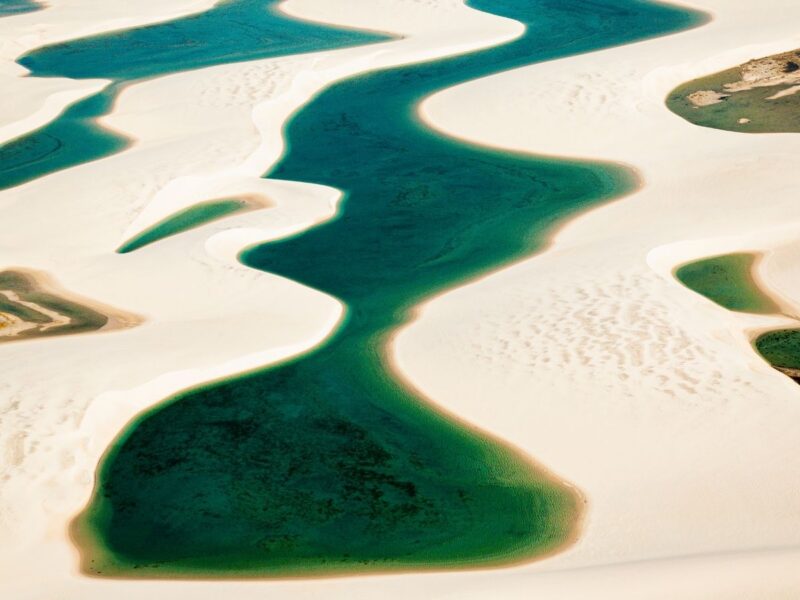
Lençóis Maranhenses: The Desert of Lagoons
On the northern coast lies a landscape that defies logic: the Lençóis Maranhenses National Park. This is one of the most visually stunning places on Earth. Imagine a vast expanse of blindingly white sand dunes stretching as far as the eye can see, punctuated by thousands of crystal-clear, rainwater lagoons.
A Seasonal Miracle and Essential Travel
Timing is everything for this destination. The lagoons are filled by seasonal rains, meaning the best time to visit is between May and September. During this window, the dunes are filled with emerald and turquoise pools. Outside of these months, the lagoons can evaporate, leaving behind a stark, albeit still beautiful, desert.
The phenomenon is caused by an impermeable layer of rock beneath the sand that prevents the rainwater from draining away. This creates a temporary paradise that appears and disappears every year. It is a reminder of the incredible power and cycles of the natural world.
Remote Outposts Near Ilha Grande
While most visitors stay in the busy town of Barreirinhas, those seeking a more “undiscovered” experience should head to Atins or Santo Amaro. Atins is a sandy fishing village where the river meets the sea. There are no paved roads here, and the atmosphere is one of total relaxation.
Santo Amaro offers the easiest access to the largest and deepest lagoons. Staying in these smaller outposts allows you to experience the park without the crowds. You can enjoy the silence of the dunes and the brilliance of the stars at night, far away from any light pollution.
Adventure in the Dunes: Janeiro to July
Exploring the park requires 4×4 vehicles and experienced local guides. Driving over the dunes is an adventure in itself, but the real highlight is on foot. There is nothing quite like trekking over a ridge of white sand to find a deep, cool pool waiting for you to dive in.
The water is fresh and warm, and the sand is incredibly soft. Many travellers describe it as the most surreal swimming experience of their lives. Because the landscape is constantly shifting with the wind, no two visits to Lençóis Maranhenses are ever exactly the same.
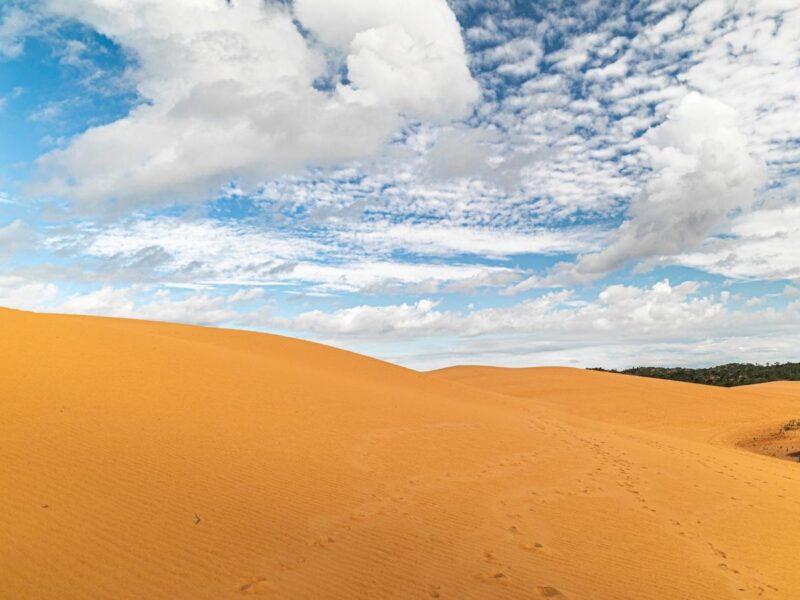
Jalapão State Park: The “Desert of Waters”
If you want to go truly off the grid, Jalapão is the place. Located in the state of Tocantins, this region is one of Brazil’s most remote and least-populated areas. Despite its rugged nature, it has earned the nickname “the desert of waters” due to its abundant springs, waterfalls, and rivers.
The Floating Springs (Fervedouros) and Travel Advice
The highlight of Jalapão is the fervedouros. These are small, turquoise thermal pools surrounded by lush vegetation. What makes them unique is the water pressure from underground springs. It is so high that it creates a natural buoyancy, making it impossible to sink.
You simply bob on the surface, surrounded by lush banana trees and tropical birds. It is a bizarre and joyful sensation that feels more like a science experiment than a swim. Because these pools are fragile, visitor numbers are strictly controlled, ensuring they remain pristine for years to come.
Golden Dunes and Canyons in Paulo
The landscape here is a mix of cerrado (savannah), orange sand dunes, and towering plateaus. The sand contains high levels of iron, giving it a deep golden hue that glows at sunrise and sunset. The canyons, such as Sussuapara, offer cool retreats from the sun with moss-covered walls and dripping water.
Watching the sunset from the top of the Brasília horizon from the Serra do Espírito Santo offers a panoramic view of a wilderness that few travellers ever see. It is a place of immense scale and quiet beauty, where the only tracks in the sand are usually those of local wildlife.
Quilombola Communities: Cultural Advice
Jalapão is also home to Quilombola communities—descendants of escaped slaves who have preserved their unique traditions for centuries. They live in harmony with the environment, using sustainable methods to farm and create art.
They are famous for their traditional handicrafts made from “Golden Grass” (Capim Dourado). This is a naturally shimmering plant that only grows in this region. The grass is harvested once a year and woven into beautiful jewellery and home goods. Buying these items directly from the community supports their way of life and keeps these ancient skills alive.
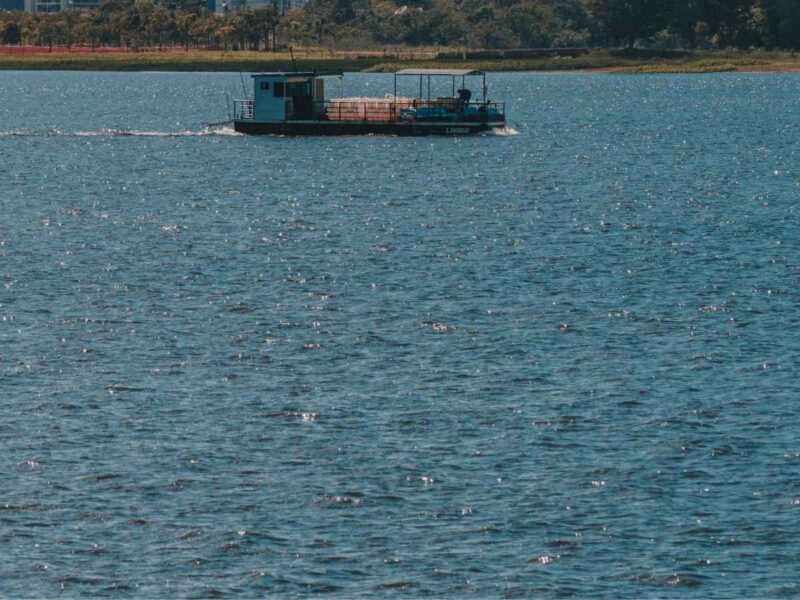
The Amazonas: Deep Immersion in the Amazonas State
The Amazonas is the world’s greatest rainforest, but many people make the mistake of taking a quick day trip from the city of Manaus. To truly appreciate the scale and importance of the “lungs of the planet,” you need to go deeper into the forest.
Beyond the Meeting of the Waters in São Paulo
Most tourists see the “Meeting of the Waters,” where the dark Negro River and the sandy Solimões River run side by side without mixing. While impressive, it is only the beginning. True adventure lies hundreds of miles upriver, where the forest is taller and the wildlife is more abundant.
Small group boat expeditions allow you to reach areas that large cruise ships simply cannot. You can navigate narrow tributaries and visit remote villages that are completely cut off from the modern world. This is where you find the real Amazonas.
Expedition Life: Professional Advises
The best way to experience the rainforest is by staying in a remote jungle lodge or a traditional riverboat. These accommodations are designed to be low-impact and high-immersion. You wake up to the sound of howler monkeys and go to sleep to the chorus of tree frogs.
Daily activities include jungle trekking, where you learn about the medicinal properties of plants, and nighttime canoe trips to spot caiman and nocturnal birds. It is an educational experience that highlights the fragility and the importance of this global treasure.
Indigenous Connections: Real World History
Respectful cultural exchange is a vital part of any Amazon trip. Many indigenous communities are now using sustainable tourism as a way to protect their lands from logging and mining. Learning about their traditions, their food, and their connection to the forest provides a perspective that no guidebook can offer. It is a humbling experience to see how people have lived in balance with the jungle for thousands of years.
Navigating Brazil as a Solo Traveller
Brazil is a welcoming country with a legendary passion for life, but its size and language barrier can be daunting for those travelling alone. This is where the benefits of small group tours become clear.
Safety, Favelas, and Social Connection
Travelling in a small group provides “safety in numbers” and the expertise of a local guide who knows the nuances of each region. It removes the stress of navigating complex logistics in remote areas. While famous cities often have complex areas like favelas, a guided group ensures you explore the country safely and responsibly.
Furthermore, small groups attract like-minded people. You aren’t just travelling with strangers; you are travelling with people who share your curiosity about the world. Many lifelong friendships are formed on the dusty roads of Brazil.
The Small Group Advantage Over Carnival Crowds
Unlike large group tours that can feel impersonal and rushed, or the massive crowds of Rio Carnival, small groups (typically around 12 people) allow for a more flexible and intimate journey. You can stay in smaller eco-lodges and dine in local family-run eateries that couldn’t accommodate a large bus.
Small groups also have a smaller environmental footprint. We can visit sensitive areas without causing the disruption that a large crowd would. It allows for a much more respectful interaction with local communities and wildlife.
Eliminating the Single Supplement
One of the biggest hurdles for solo adventurers is the “single supplement”—an extra fee charged by many travel companies for those occupying a room alone. This can often make solo travel prohibitively expensive.
At Undiscovered Destinations, we believe adventure should be accessible to everyone. We offer a “no compulsory single supplement” policy. If you are happy to share a room with another traveller of the same gender, you pay the same price as everyone else. If we can’t find a roommate for you, you still don’t pay extra. It is a simple way to make sure that solo travellers aren’t penalised for their independence.

Practical Essentials and FCDO Travel Advice Updates
Before you set off, there are a few practicalities to keep in mind for a smooth journey through rural Brazil. Following the latest travel advice is key to a stress-free trip. Before departing, check TravelHealthPro for the latest health recommendations.
Money, Insurance, and Logistics
- Money: While credit cards are widely accepted in cities, you will need cash for remote areas. The currency is the Brazilian Real.
- Travel Insurance: Appropriate travel insurance is essential. Ensure your travel insurance covers adventure travel activities such as trekking in Chapada Diamantina.
- Logistics: Distances in Brazil are vast. Using metric measurements, a “short trip” between towns can still be 400 kilometres. Domestic flights between airports like Guarulhos are often necessary.
- Health: Before departing, check TravelHealthPro for the latest health recommendations and vaccination requirements
- FCDO Guidance: Checking the latest FCDO travel advice for Brazil is a vital part of planning to stay informed on safety and entry rules
Visa Requirements and Official Travel Advice
Checking the latest FCDO travel advice updates is a vital part of planning. This ensures you are aware of any changes to safety or entry rules. While the government rarely advises against travel to major tourist regions, staying informed on your travel plans is best practice.
- Visa: Verify visa requirements with the Brazilian Embassy or Brazilian Consulate before you fly. Your passport must be valid for the duration of your stay.
- Customs: Brazilian immigration authorities have specific rules, especially for brazilian minors or those holding brazilian citizenship. For brazilian nationals, different entry rules apply compared to foreign tourists.
Why Off-the-Beaten-Track Matters
Choosing to visit the lesser-known parts of Brazil isn’t just about avoiding crowds. It is about contributing to a more balanced and sustainable form of tourism. When visitors only go to Copacabana Beach or Ipanema Beach, it puts an enormous strain on those locations.
By visiting places like Bahia to eat authentic moqueca, or exploring the breathtaking beaches of Santa Catarina and Rio Grande, you are helping to preserve local traditions. Your presence gives these communities a reason to protect their environment. Whether you are visiting the border regions of Argentina and Paraguay near Iguazú, or the modernist streets of Brasilia, independent travel within a guided framework is the ultimate way to see the real Brazil.
Conclusion
Brazil is too large to see in a single trip, but it is too beautiful to see only through a window. By stepping away from the famous sands of Copacabana and into the heart of the wetlands, canyons, and colonial towns, you find a country that is rich, raw, and incredibly welcoming. The true spirit of Brazil isn’t found in a crowded stadium or a busy hotel; it is found in the quiet of a Pantanal sunrise, the golden glow of a Minas Gerais church, and the laughter of a local community sharing their traditions with you.
Whether you are tracking jaguars in the Pantanal or floating in the fervedouros of Jalapão, the best memories are often found where the crowds aren’t. It is the unexpected moments—the wildlife sighting you didn’t anticipate, the meal that becomes a three-hour celebration, the sunset that turns the desert orange—that define a great adventure.
Ready to swap the tourist trails for a true adventure? View our full range of Brazil tours and start planning your journey with Undiscovered Destinations today—where the only thing you’ll leave behind is the single supplement. If you have any questions about our itineraries, please contact us to speak with one of our travel specialists.