AITO 4.9 Excellent Rating
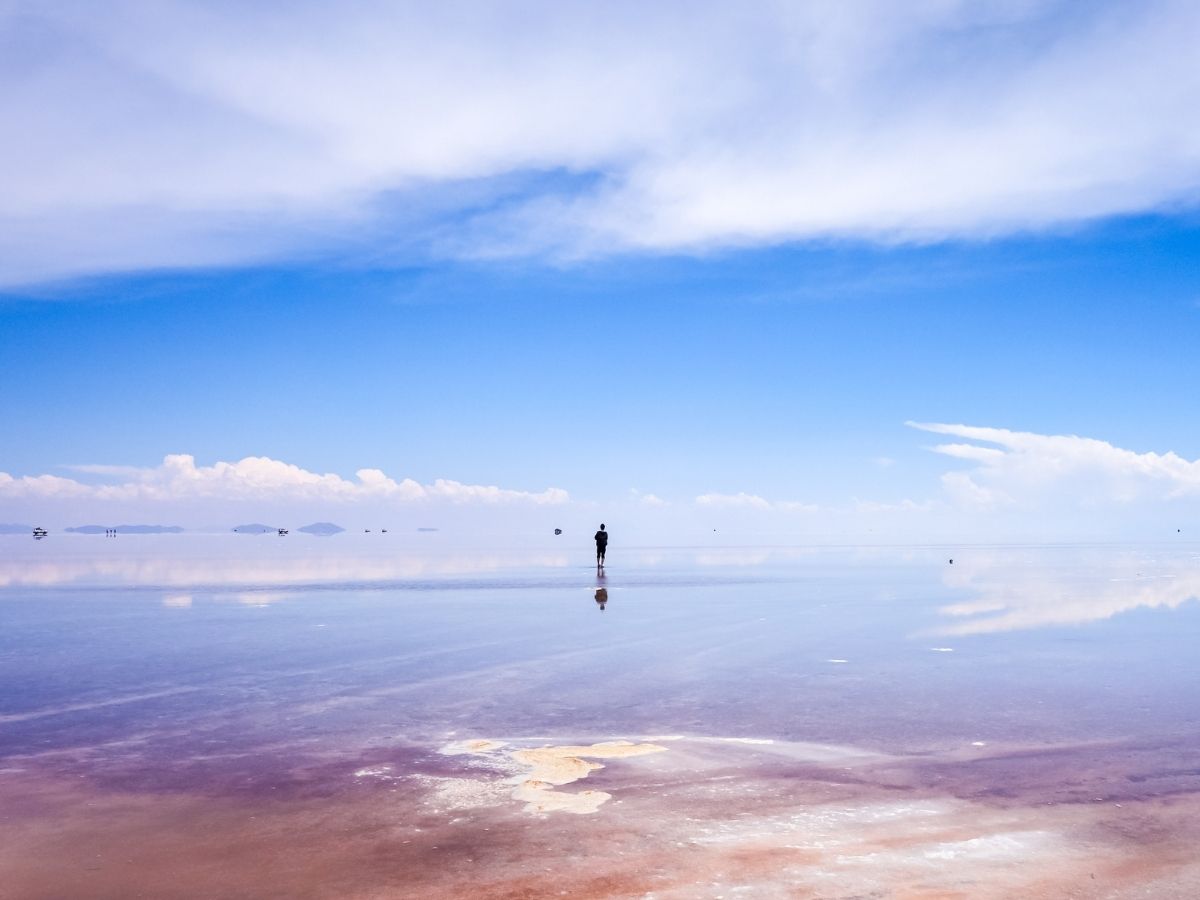

“The best time to visit Bolivia is May to October — the dry season — when skies are clear, roads are stable, and trekking conditions are at their finest. For the Uyuni salt flat mirror effect, visit late January to February. For the best balance of green landscapes, fewer crowds and good weather, April, May, or September are ideal. Bolivia can be visited year-round, but each season offers a very different experience.”
Bolivia is a land of dramatic contrasts. From the high-altitude plains of the Andes to the tropical humidity of the Amazon basin, the weather varies wildly depending on where you are and when you visit. Because the country sits in the Southern Hemisphere, its seasons are the reverse of those in the UK. Understanding the best time to go to Bolivia is the first step to planning an adventure that matches both your travel style and the landscape you want to see.
For many travellers, the best time to visit Bolivia is during the dry season, which runs from May to October. During these months, the skies are a clear, piercing blue, and the roads are easier to navigate. However, the wet season offers its own unique magic, specifically the famous mirror effect on the Uyuni Salt Flats.
In this guide, we break down the Bolivian calendar month by month to help you decide the best time for your own adventure, whether you are seeking high-altitude treks, cultural festivals, or total wilderness immersion.
Understanding Bolivia’s Climate and Two Seasons
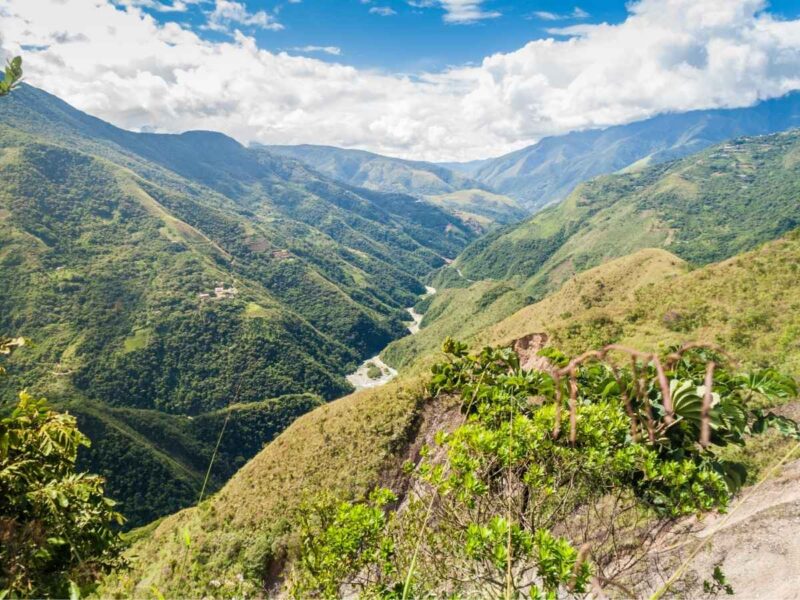
Unlike the four distinct seasons experienced in Britain, Bolivia’s climate cycles primarily between two: the dry season and the rainy season. Because of the country’s extreme variation in elevation — from Andean peaks above 6,000 metres to Amazon lowlands barely above sea level — temperature is determined more by altitude than by time of year. In a single day, you might experience the warmth of a Mediterranean spring in the afternoon and the biting chill of an Arctic night once the sun drops below the horizon.
Bolivia has five distinct climate zones: the Altiplano highlands, the Yungas valleys, the Amazon basin, the Chaco lowlands, and the temperate valleys around Sucre and Tarija. The best time to travel in Bolivia can differ considerably between these regions, so understanding where you plan to go is just as important as knowing the season.
The Dry Season (May to October): Best for Landscapes and Trekking
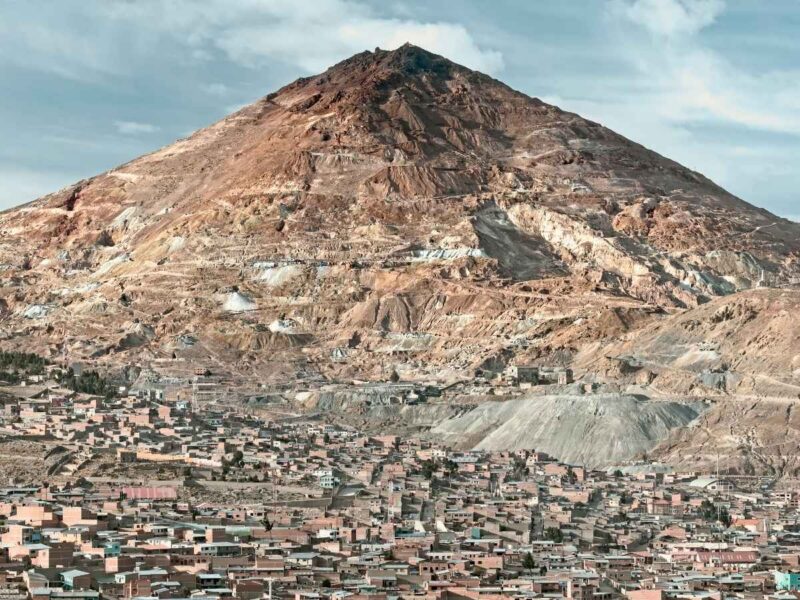
The dry season is widely considered the peak time for tourism in Bolivia. During these months, the “Altiplano winter” brings bright, sunny days and very little rain. This is the ideal time for trekking in the Cordillera Real or visiting the silver mines of Potosí, a UNESCO World Heritage Site, as trails and roads are at their most stable. The lack of cloud cover means you are almost guaranteed spectacular views of the snow-capped peaks and the deep blue waters of Lake Titicaca.
Be prepared for cold, particularly in June and July. While the sun is strong during the day, temperatures in the highlands can drop well below freezing at night — sometimes as low as -20°C at Uyuni and on the open Altiplano desert. The air is thin and dry, which sharpens the cold further. High-quality thermal layers, a windproof outer jacket, warm hat, and gloves are essential.
One weather phenomenon worth knowing about is the surazo — a mass of cold polar air that sweeps up from Argentina, capable of dropping temperatures sharply for several days at a time. These are most common from April through September and can affect even the warmer lowland areas around Santa Cruz.
June to September is the peak travel window. Book accommodation, tours, and transport well in advance, particularly for Uyuni and La Paz. Bolivia’s Independence Day falls on 6 August and is celebrated nationwide with military parades, cultural events, and public festivities — a wonderful time to visit, but one that adds extra pressure on availability.
The Rainy Season (November to March): Best for the Salt Flats Mirror Effect
The rainy season brings warmer temperatures but frequent heavy downpours. In the lowlands and Amazon basin, this leads to high humidity, muddy tracks, and occasional flooding that can slow travel considerably. In the highlands, rain tends to arrive in short, intense bursts followed by spells of beautiful sunshine — though road closures and landslides are a real possibility from January onwards.
The landscapes transform dramatically during this period. The dusty browns of the Altiplano give way to vivid green, and wildflowers bloom across the mountain slopes. Most importantly, this is the only time of year to witness the Salar de Uyuni mirror effect — a thin layer of water turns the salt plains into a vast, seamless reflection of the sky. Late January and February offer the best conditions for this phenomenon, though water levels in January can sometimes be too deep even for 4×4 vehicles, restricting access to certain areas.
Travel conditions in Bolivia and other remote regions can change at short notice due to weather, road closures, strikes, or local disruptions. Always check the latest official government travel advice before and during your trip.
Regional Highlights: When to Plan Your Holiday
Bolivia is topographically diverse, meaning the best time to visit Bolivia can vary significantly depending on which region you plan to explore.
The Uyuni Salt Flats: Choosing Your Season
The Uyuni salt flats are Bolivia’s most iconic landmark, a vast high-altitude desert made of salt. To see the “Sky on Earth” phenomenon, where a thin layer of water turns the salt plains into a giant mirror, you should visit in February. This is when the rains flood the flats, creating breathtaking reflections that make it impossible to tell where the ground ends and the sky begins. It is a photographer’s dream, providing a perspective found nowhere else on the planet.
If you prefer the vast, cracked white crust that looks like an endless sea of salt, the dry months of June to August are perfect. During this time, the ground is hard and stable. You can drive across the entire expanse and visit Isla Incahuasi, an island covered in giant cacti. This spot is often inaccessible during the flooded months, so your choice of season will dictate exactly which parts of the salt plains you can explore — something you can experience in our Argentina, Chile and Bolivia Explorer tour.
La Paz and Lake Titicaca: High Altitude Climate
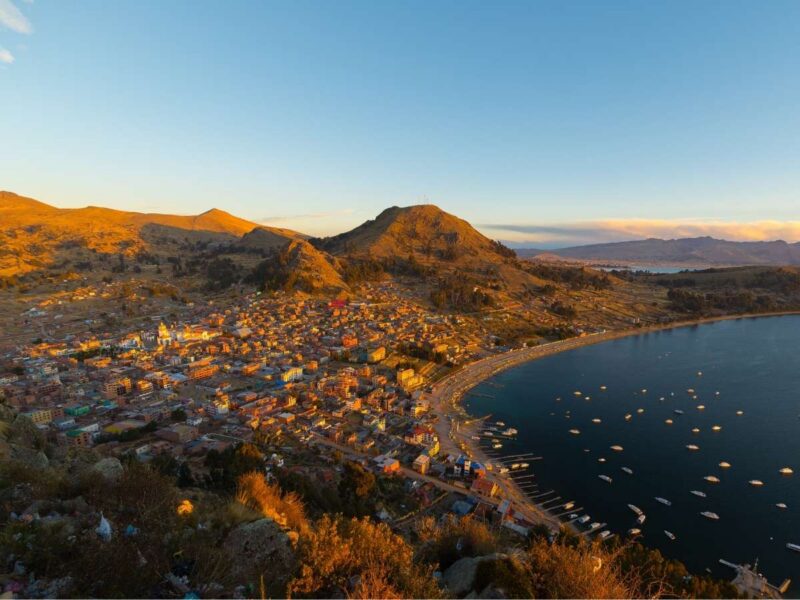
In La Paz, the world’s highest administrative capital, the Bolivia weather is often a game of shadows and light. The best time to visit Lake Titicaca is when the skies are clear, as the reflection of the sun on the water is truly dazzling. Copacabana, the lakeside town, is a lovely base for boat trips to the sacred Isla del Sol and Isla de la Luna. Because these areas sit so high in the Andes, the climate is crisp year-round. Even in summer, you will want a warm layer once you step out of the sun.
Santa Cruz and the Tropical Valleys
If you head east toward Santa Cruz de la Sierra, you will find a much warmer, tropical atmosphere. This area has a much lower elevation than the rugged sierra of the west. The valleys around this region offer a temperate escape from the freezing Andean nights. While the highlands are shivering in July, Santa Cruz remains balmy, making it a popular spot to start or end a holiday if you want to ease into the altitude.
The Amazon Basin and Pampas
Bolivia’s Amazon region — best accessed through Rurrenabaque — is hot and humid year-round. The dry season (May to September) offers the most comfortable conditions, with lower humidity and better wildlife visibility. This is the best time to spot Bolivia’s extraordinary diversity of birds, mammals, and reptiles. From October onwards, rising temperatures and increasing rainfall make conditions more challenging, though the jungle remains lush and accessible with the right operator.
Month-by-Month Bolivia Weather Guide
Bolivia can be visited year-round, but weather conditions vary greatly across the country. From the high Andes to the Amazon lowlands, each season offers different experiences. Here’s what you can expect month by month when travelling in Bolivia.
January to March: Popular Festivals and Salt Reflections
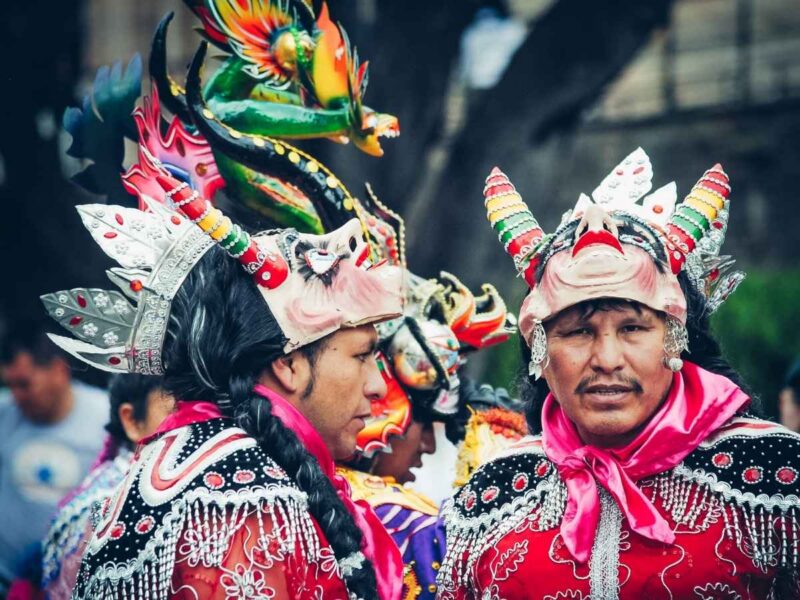
The beginning of the year, spanning January to March, is the height of the rainy season. While rainfall can make travel slower, it is a fantastic time for culture seekers to witness popular festivals. In February, the city of Oruro hosts its world-famous Carnival, featuring colorful festivals that celebrate indigenous and colonial history. Near Lake Titicaca, you might also encounter La Candelaria festival, where music and dance fill the streets.
recognised by UNESCO as an Intangible Cultural Heritage (see the Oruro Carnival UNESCO listing) — featuring colourful parades celebrating indigenous and colonial history. Near Lake Titicaca, you might also encounter the La Candelaria festival, where music and dance fill the streets.
April to June: The Lush Shoulder Season
April and May are often the secret best months to visit. The rains have stopped, but the mountains are still green and the air is fresh and clear. For photographers, this is the “sweet spot” where you can capture the beauty of the Andes without the heavy dust of the late winter. In June, travellers often visit the ruins of Tiwanaku to celebrate the Aymara New Year during the winter solstice.
August: Popular Time for Outdoor Activities
August is Bolivia’s busiest travel month. Independence Day on 6 August is celebrated with parades, patriotic events, and public festivities in every town and city. In Andean communities, August is also associated with traditional offerings to Pachamama (Mother Earth). Because this is peak season, it is essential to book accommodation, tours, and transport well in advance — particularly for Uyuni and La Paz. Our From the Lowlands to the High Andes tour visits Bolivia’s most dramatic highland landscapes and is a popular choice during this period.
September to October: Clear Skies and Excellent Wildlife
September and October are among the best months to visit Bolivia. The dry season continues, temperatures begin to rise, and conditions remain excellent for trekking, wildlife viewing, and exploring the salt flats. In the Amazon and Pampas, animal sightings are often at their best as wildlife gathers around shrinking water sources.
These months also offer a great balance of favourable weather, thinner crowds, and excellent photography conditions across the country.
November to December: The Arrival of Spring
As November arrives, temperatures start to climb across the country. This is a lovely time to visit the constitutional capital, Sucre, or the wine-growing region of Tarija. The valleys are warm, and the spring blossoms begin to appear. It is a time of renewal, and the crowds of the peak winter months begin to thin out.
Exploring Beyond Bolivia: Peru, Chile, and Argentina
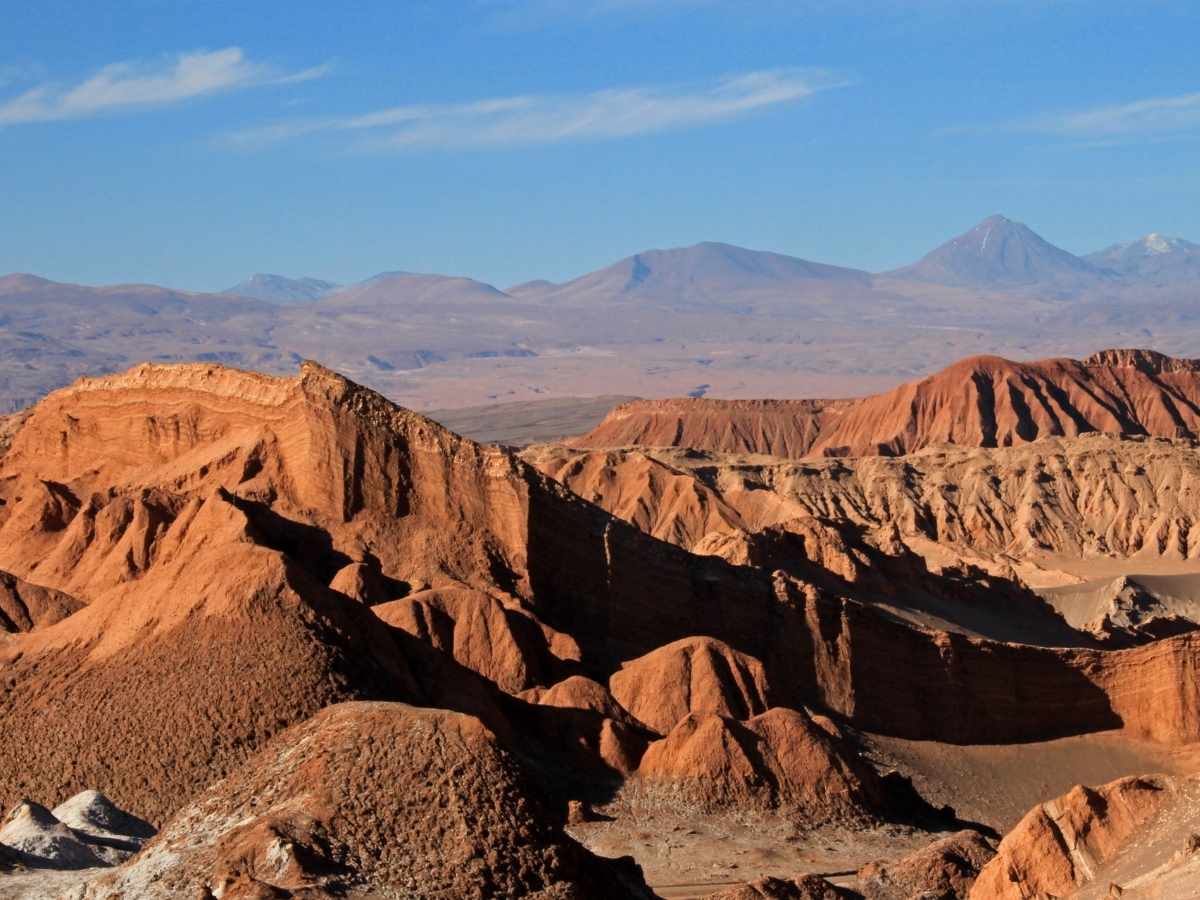
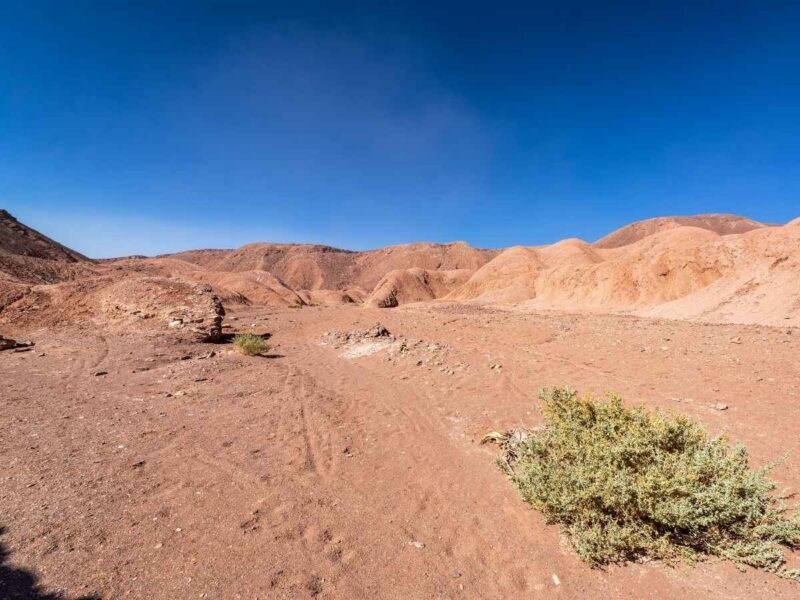
Many travellers choose to combine their visit to Bolivia with other destinations across South America. Bolivia shares the high Altiplano with both Peru and Chile. During the dry season, crossing into the Atacama Desert in Chile makes for a spectacular overland extension. Similarly, if your heart is set on Machu Picchu in Peru, the dry months from May to October offer the best conditions there too.
For those looking to experience the continent’s landscapes by rail, our Buenos Aires to Lima Rail Adventure connects the Southern Cone to the Andean highlands in one of South America’s great overland journeys.
Expert Tips for Planning Your Trip
When planning your journey, remember that Bolivia is a place that rewards those who are flexible.
Solo Travel and Group Tours
Bolivia is an excellent destination for independent travellers, but the high altitude, remote roads, and limited infrastructure in some areas make joining a guided group a wise choice. At Undiscovered Destinations, we offer Bolivia tours with no compulsory single supplements, making it far more affordable to experience these rugged landscapes on your own terms. Our Panama and Bolivia guided small group tour combines two of South America’s most captivating destinations in a single itinerary.
What to Pack for the Weather
Dry Season (May–October): Thermal base layers, a heavy fleece, a windproof and waterproof outer jacket, warm hat and gloves for evenings, high-factor sunscreen (the altitude intensifies UV radiation significantly), sunglasses, and sturdy walking boots.
Rainy Season (November–April): Lightweight, breathable clothing for daytime warmth, a quality waterproof jacket, insect repellent (DEET-based for jungle regions), and quick-dry layers. Even in summer, a warm mid-layer is essential for highland evenings.
At all times of year, staying hydrated is critical at altitude — carry a refillable water bottle and drink more than you think you need. For detailed guidance, see the NHS Altitude Sickness page before your trip.
Conclusion
Bolivia is a land where the earth and sky often seem to merge, offering a raw beauty that few other places on the planet can match. The best time to go to Bolivia ultimately depends on what you want from the trip. Choose May to October for clear skies, stable roads, and classic highland trekking. Choose January to March for the mirror effect at Uyuni and the electric atmosphere of Oruro Carnival. Choose April or September for the perfect balance of green landscapes, manageable crowds, and excellent conditions across most of the country.
There is no truly bad time to visit this extraordinary South American destination — each season reveals a different side of its ancient soul. Adventure is waiting for you in the heart of the Andes. Explore our Bolivia tours and start planning your journey today.