AITO 4.9 Excellent Rating
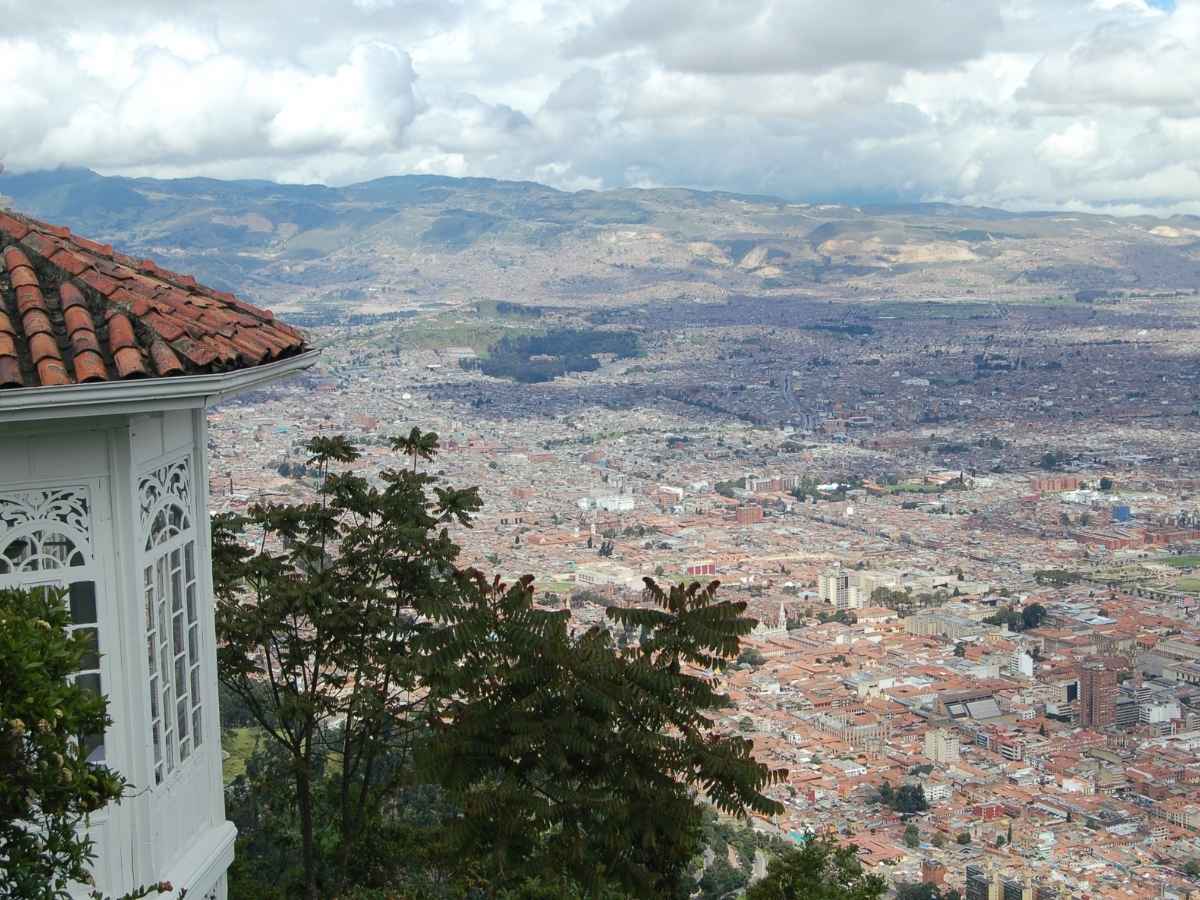

Bogotá is a city that defies simple labels. Perched high in the Andes at a staggering 2,640 metres above sea level, the Colombian capital is a place of thin air and thick history. If you are looking for the best things to do in Bogotá, you will find a sprawling, high-altitude metropolis where gritty urban street art meets the silent, misty moorlands. To truly understand modern Colombia, one must spend time in its heart, navigating the cobblestones and climbing its peaks to see why this city is a highlight of Latin America.
At Undiscovered Destinations, we believe that the best way to see a city like Bogotá is through authentic immersion. We focus on small group tours that allow you to scratch beneath the surface of the typical tourist trail. In this guide, we explore how to master the altitude, dive into the local culture, and discover the wild landscapes that make this high-altitude capital a world unto itself.
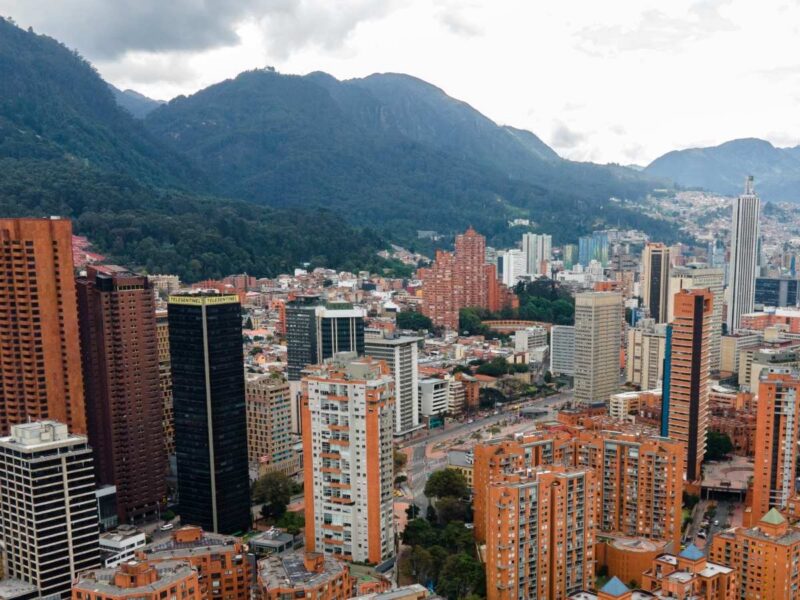
Mastering the Altitude: A Stroll Through Bogotá First
Arriving in Bogotá can be a literal shock to the system. The city is one of the highest capitals in the world, and the transition from sea level can leave even the fittest traveller feeling a little breathless. Understanding how to manage the altitude is the first step in any successful Colombian adventure. Many visitors make the mistake of rushing their itinerary, but in the Andes, patience is a virtue that rewards you with better health and a clearer head.
The Science of 2,640 Metres in Bogotá
At this height, the air is significantly thinner than what most travellers are used to. Your body has to work harder to get the oxygen it needs, which can lead to mild symptoms like headaches or fatigue during your first 48 hours. This is not a cause for alarm, but rather a sign that your system is adapting to the Andean environment. The barometric pressure is lower here, meaning that every breath you take contains fewer oxygen molecules than it would in London or Manchester.
Practical Tips for a Gentle Stroll and Acclimatisation
One of the most authentic ways to help your body adjust is to follow local tradition and drink Aromática. These herbal infusions are found everywhere, from street stalls to high-end cafes. They often contain a mix of mint, chamomile, and other local herbs that soothe the digestive system, which can sometimes slow down at high altitudes. Many locals also recommend coca tea, which has been used for centuries in the Andes to combat altitude sickness.
Hydration is your best friend when navigating the high-altitude energy of the city. Aim to drink at least two to three litres of water daily. The dry mountain air can lead to dehydration faster than you might realise, especially when you are distracted by the vibrant sights of the city. We also suggest a “stroll, don’t run” rule for your first few days. Save the steep mountain hikes for the middle of your trip once your lungs have found their rhythm and your red blood cell count has begun to rise.
Urban Adrenaline: A Bogotá Graffiti Tour and Street Culture
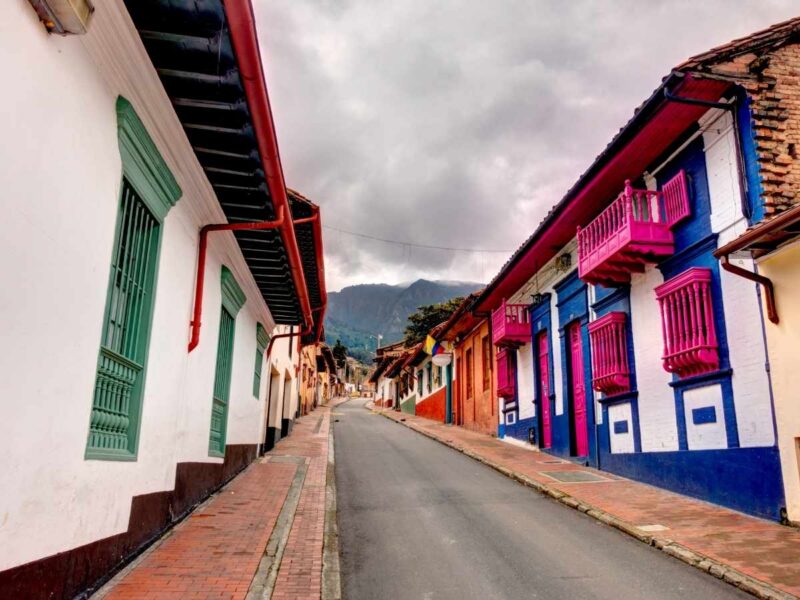
Bogotá is often called the “Athens of South America,” but its modern identity is written on its walls. The city has become a global hub for street art, with murals that are as much about social transformation as they are about aesthetics. Unlike many other global cities where graffiti is strictly suppressed, Bogotá has embraced it as a legitimate form of cultural expression. Many a travel blogger has noted that the narrow cobblestone streets of the la candelaria neighborhood provide the perfect backdrop for these visual stories.
Beyond Aesthetics: Taking a Bogotá Graffiti Tour
In Bogotá, graffiti is more than just decoration; it is a powerful tool for political expression. Many of the city’s most famous murals tell stories of the country’s complex history, social justice, and the resilience of its people. Taking a Bogotá graffiti tour with an expert tour guide allows you to decode these messages. It is a way to understand the struggles and triumphs of the population without opening a history book. You might even join a free walking tour to see how the youth are reclaiming their historic streets.
Exploring the Plaza de Bolivar and La Candelaria
The historic heart of the city is La Candelaria, which leads directly to the grand Plaza de Bolívar. This bolivar square is the centre of civic life, surrounded by the Casa de Nariño (the seat of the colombian government) and the impressive Catedral Primada de Colombia. While it is one of the main attractions, the bold traveller can find hidden corners away from the other tourists.
The la candelaria neighborhood is a colonial neighbourhood with bright facades and heavy wooden doors. Look for the Gabriel García Márquez Cultural Center, a great place to appreciate modern architecture and literature. This district is a living museum, where the ghosts of Spanish rule meet the vibrant energy of modern Colombian youth.
Bogotá Attractions: Masterpieces and Ancient Treasures
While we champion the off-the-beaten-path, some of the central Bogotá attractions deserve their stellar reputation. These top attractions provide a window into the soul of the nation, from the columbian times to the present day.
Gold Museum (Museo del Oro) and Pre-Columbian Art
The Gold Museum, known locally as the Museo del Oro, houses the world’s largest collection of pre-Hispanic gold work. It is not just about the glitter; it is about the sophisticated spiritual beliefs of the people who lived here before the arrival of the Spanish. The intricate craftsmanship is breathtaking, showcasing a level of detail that remains a mystery to many.
Botero Museum (Museo Botero) and Modern Colombian Style
Similarly, the Botero Museum offers a whimsical look at the work of the famous colombian artist, Fernando Botero. Located in a beautiful colonial house, the Museo Botero contains the artist’s personal collection. His signature style of depicting people in exaggerated, voluminous forms is world-renowned. Between visiting these areas, you can stop at various coffee shops to sample world-class colombian coffee.
Into the Wild: High-Altitude Hiking and Cerro Monserrate
While the city centre is vibrant and noisy, the true adventure often lies just beyond the urban sprawl. Bogotá is surrounded by unique ecosystems that look like they belong on another planet.
Views from the Cerro de Monserrate
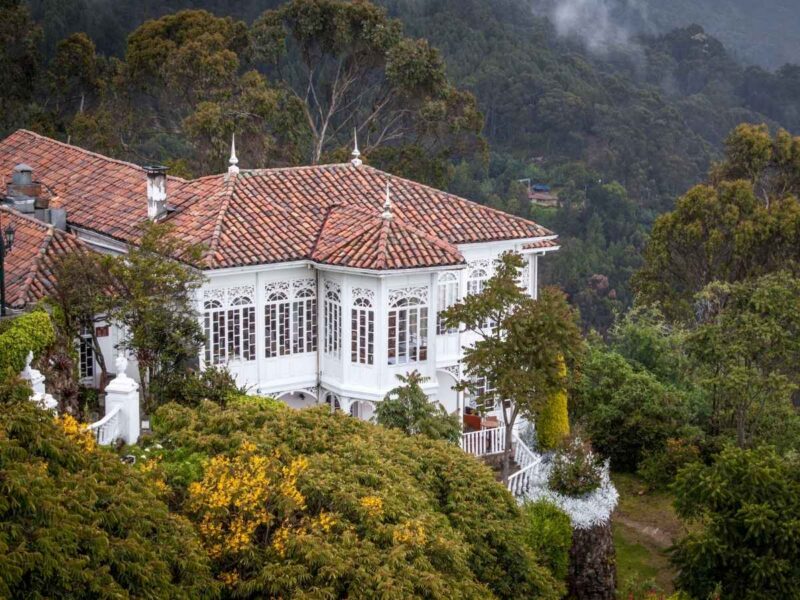
For the best perspective of the capital, a trip to the Cerro de Monserrate is essential. This mountain peak towers over the city and provides a panoramic view. At the top, you will find the Santuario Nuestra Señora del Monserrate, a place of pilgrimage. While many take the funicular, the bold traveller might choose to walk the stone path after a few days of acclimatisation.
Day Trips and Natural Wonders
For a truly off-the-beaten-track experience, day trips to Chingaza National Park are essential. This park is home to the Páramo, a rare high-altitude moorland ecosystem. As you hike through the misty trails, the silence is profound. If you have a full day in bogotá, you might also visit the Iglesia de San Francisco, the city’s oldest church, or explore other areas like the northern restaurants and bars districts. While places like Salento, Medellin, or even Argentina have their charms, the nature surrounding the capital is uniquely raw.
If you’re looking to explore more of Colombia beyond Bogotá, check out our 10 Hidden Gems in Colombia guide for unique towns, remote landscapes, and little-known cultural treasures.
Authenticity on a Plate: Colombian Cuisine and Explosive Sports
You cannot claim to have experienced Bogotá without engaging with the flavours of colombian food and its idiosyncratic activities. The city’s food scene is a sensory riot.
A Taste of Traditional Colombian Cuisine
To see where the city eats, head to Paloquemao Market for a DIY food tour. Navigate through the maze of stalls to discover exotic fruits. For the truly adventurous, breakfast like a Bogotano. This might mean a hearty bowl of Ajiaco or tamales wrapped in plantain leaves. One of our favorite things to do is to simply sit in a local café and watch the world go by with a cup of colombian coffee.
Tejo: Colombia’s Explosive National Sport
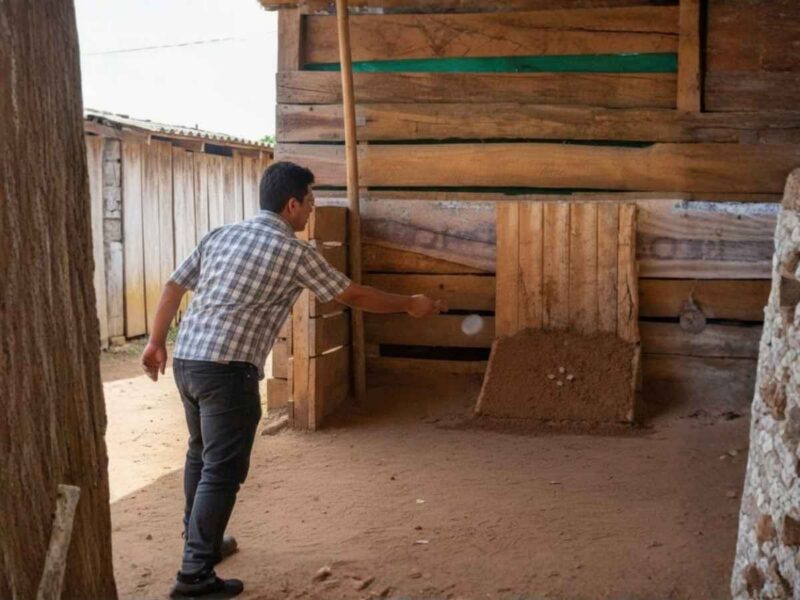
The most memorable night you will have in Bogotá will likely involve gunpowder. Tejo is the national sport of Colombia, and it is a must-play for any visitor. The game involves throwing heavy metal discs at targets filled with gunpowder. It is a loud, social, and incredibly fun game that dates back to the indigenous heritage of the region. It is the perfect end to a busy trip before returning to your hotels.
To make the most of your trip, including knowing the best months to visit different regions, see our Best Time to Visit Colombia guide for practical, month-by-month travel tips.
Conclusion: The Gateway to the Undiscovered
From colonial history to contemporary art, traditional markets to innovative restaurants, these things to do in Bogotá showcase a city that defies expectations. What is there to see in Bogotá Colombia? Everything from golden treasures to street art masterpieces, cloud-piercing mountains to underground cathedrals.
Whether you’re spending three days or three weeks, Bogotá rewards curious travelers with layers of culture, history, and urban energy. The city serves as an excellent introduction to Colombia before exploring the rest of this diverse country.
Ready to experience Bogotá and beyond? Since 2004, Undiscovered Destinations has specialised in small group tours. Our expert-led journeys go beyond the typical tourist trail, connecting you with local guides, hidden neighborhoods, and genuine cultural encounters.
Check out our Colombia tour packages, including our 17-day “The Secret Heart of Colombia” and 28-day “Colombia and Panama – Bridging the Americas” itineraries. With a maximum of 12 travelers per group, you’ll experience intimate, authentic adventures from Bogotá’s vibrant streets to the coffee region, archaeological wonders of San Agustín, and beyond.
Explore our Colombia tours and start planning your Colombian adventure today.