AITO 4.9 Excellent Rating
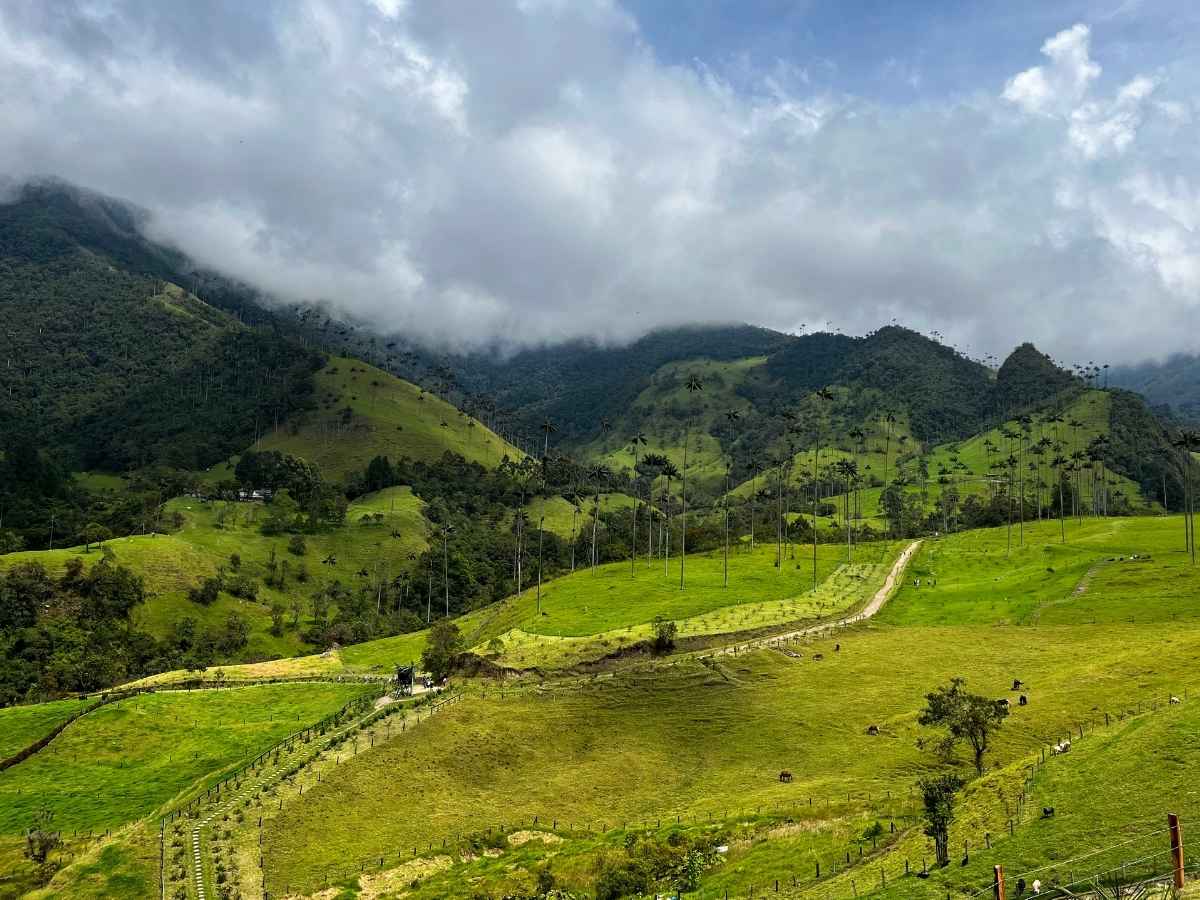

Colombia had long lived in my imagination as a country of exciting contrasts — coffee and cloud forests, colonial towns and Caribbean rhythms, a complex past giving way to a vibrant present. It was a destination that seemed to promise colour, character and authenticity in equal measure. As my plane descended through thick Andean cloud towards Pereira, revealing an impossibly green landscape below, I had the distinct feeling this was going to be a journey full of surprises.
Arriving in Colombia’s Coffee Region
Touching down in the city of Pereira, I was immediately struck by how beautifully lush the landscape was. After getting acquainted with my local guide, Santiago, we set off through rolling verdant countryside, getting to know each other through intermittent rain showers. Deeper we travelled into terrain adorned with coffee plantations until we arrived at Finca Evelyza, situated at 1,400 metres above sea level.
From Cacao Plant to Colombian Chocolate
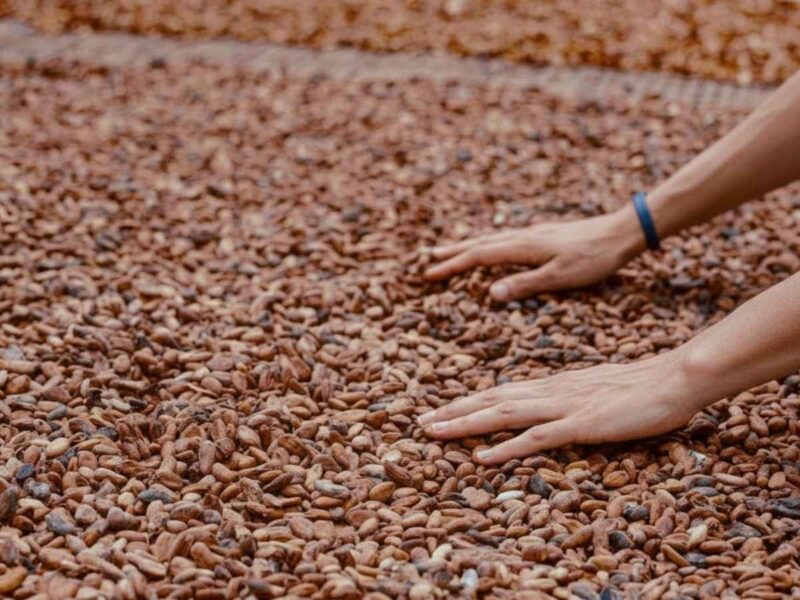
We were visiting to familiarise ourselves with the process of cacao cultivation, and its journey from plant to chocolate. It was explained to us that there are three types of cacao plant, the original hailing from the Amazon. We strolled through the undulating slopes of the farm learning about cultivation, my gaze from time to time distracted by tantalising views of distant sunlit mountains beyond the city of Armenia. We observed the process of the beans being toasted, the water content reducing from around 6–8 percent to zero, before finally being ground into cocoa powder. The finca was really off the beaten track, but the reward for the bumpy journey was the degustation of the chocolate, both in solid form and as a drink. I did find it somewhat surprising that the local accompaniment to hot chocolate happens to be cheese. The farm also has the added bonus of sublime views and prolific birdlife.
After the visit, and as darkness descended, we continued to our overnight accommodation, Hotel Delirio Campestre — a delightfully atmospheric boutique property oozing old-world charm, situated on the outskirts of the small town of Montenegro, firmly within the UNESCO-protected coffee cultural landscape. After a tour of the impressive property, a delicious meal of beef, rice and salad was served fresh from the kitchen, washed down with a crisp Colombian beer.
Hiking the Cocora Valley and Its Towering Wax Palms
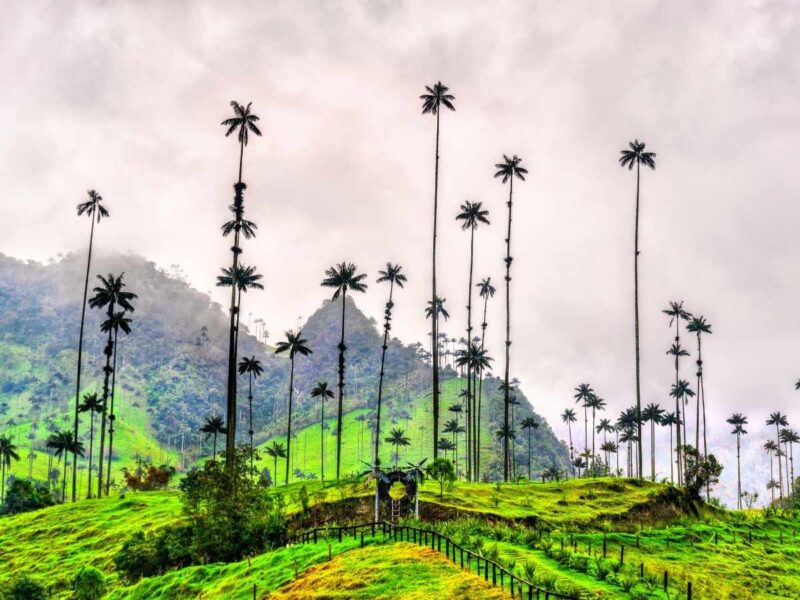
In the morning we travelled early through beautiful scenery to the Cocora Valley, a protected high-altitude forest and home to Colombia’s national tree, the wax palm, which grows to an impressive 200 feet in height amid a stunningly scenic valley of majestic views in every direction. We embarked on a trail from the valley floor higher into the humid forest and soon found ourselves enveloped in an eerie mist obscuring the vistas. Undeterred, we continued, the forest alive with birds, and were rewarded with a close-up view of a pair of vibrantly coloured Andean motmots perched in a tree just off the trail. Just as we were deciding to turn back, and as the temperature began to rise, the mist suddenly lifted to reveal breathtaking scenes — the wax palms towering like silent sentinels over the glorious slopes.
Exploring the Colourful Towns of Salento and Filandia
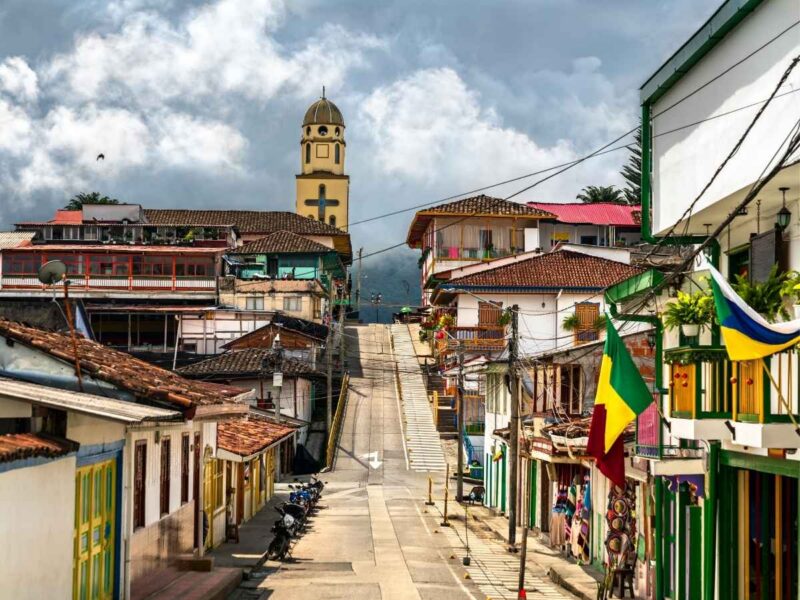
Next, we continued to the towns of Salento and Filandia, the former a popular gateway to the Cocora Valley, and the latter slightly more off the beaten track. What these towns have in common, however, is their wonderful vibrancy and how pleasurable they are simply to wander, soaking up the laid-back highland atmosphere. Salento was particularly memorable for a gritty local bar where, in the basement, the traditional game of Tejo is played — involving the throwing of small metal projectiles at a clay-filled board from a distance, with targets containing small charges of gunpowder! Not sure how that would go down in my local! Filandia feels a little quieter than Salento, but enjoys many impressive viewpoints over the coffee region, as you make your way around town.
Birdwatching and Coffee Tasting at Hacienda Venecia
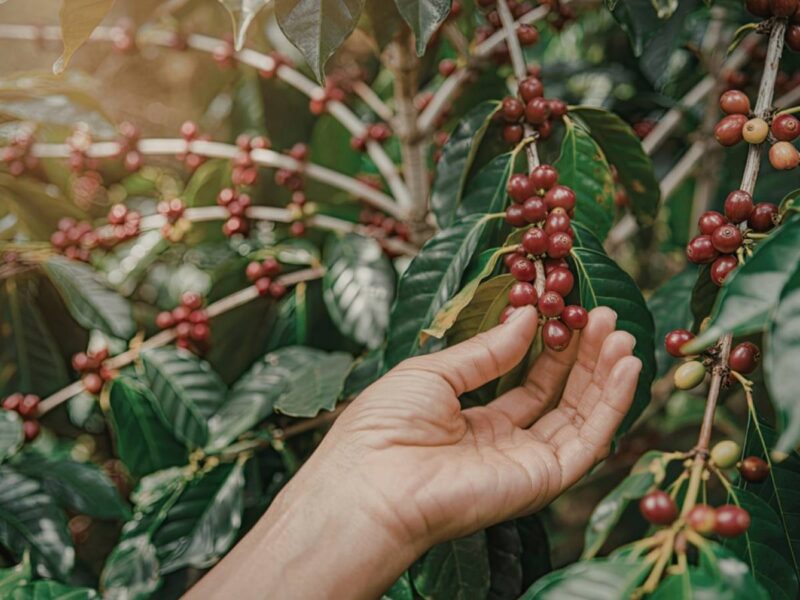
We ended the day at beautiful Hacienda Venecia, a working coffee farm in an idyllic location close to the important highland town of Manizales. It was clear from the outset that this was a veritable paradise for both coffee enthusiasts and nature lovers alike. My room had a lovely open balcony overlooking a garden absolutely bursting with birdlife. My identification app was in overdrive and it was hard to know where to focus the binoculars. Beautiful tanagers and hummingbirds were especially abundant. One hummingbird, to my incredulity, hovered just a few inches from my face as if inspecting me for nectar. Hacienda Venecia operates an honesty bar, dinner is taken in a communal setting. I particularly enjoyed chatting with a lovely family from Cádiz about their Colombian experiences.
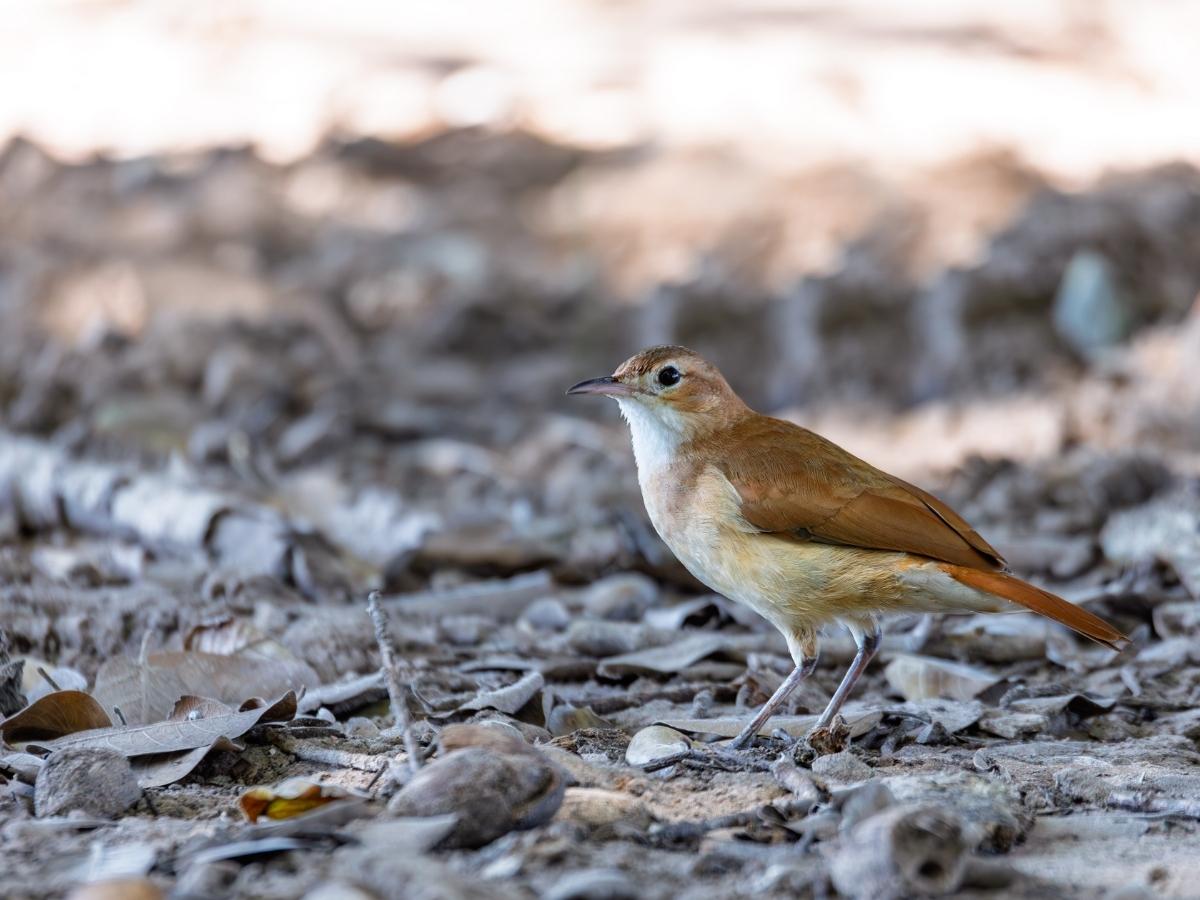
Early the next morning, I enjoyed some birdwatching in the grounds of the hacienda, early mist dissipating as the tropical sun rose over the Andean forest. We finished at the beautiful main farmhouse which has a number of garden feeders visited by numerous species, including the particularly striking Scarlet Flycatcher.
After breakfast, it was time for a comprehensive plant-to-bean-to-cup tour of the coffee farm. Our effusive guide provided an easy-to-understand synopsis of coffee production, as well as its origins and characteristics. Interestingly, Colombia produces only Arabica coffee due to its relatively high altitudes. Coffee produced at lower elevations is typically known as Robusta — easier to cultivate, lower in quality, but with higher yields. We strolled among the coffee plants in the sunshine learning about the intricacies of the crop, and also visited the processing area where the beans are dried and roasted. The tasting itself was fascinating, learning about the flavour notes and aromas of different roasts, all brought to life by the passion of our guide. Incidentally, the hacienda offers other activities for those wishing to stay longer, including hiking and cooking experiences. After the tour there was naturally time for a coffee on my balcony while observing the fleeting comings and goings of Blue-grey Tanagers and a superb close sighting of a Red-crowned Woodpecker feasting on berries, seemingly oblivious to my presence.
Crossing the Páramo — Nevado del Ruiz to Honda
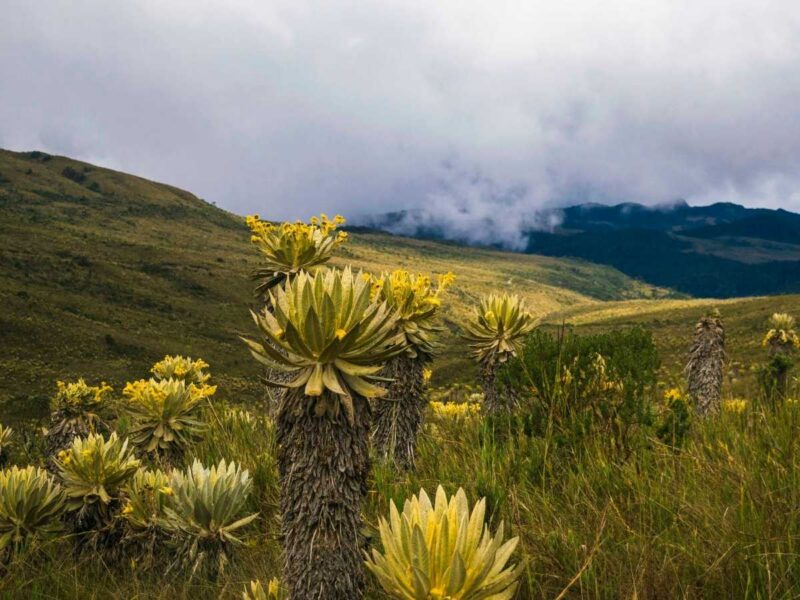
Time to get back on the road — and what a road it would be. We took an incredible back route towards our destination, Honda, skirting the active ice-capped volcanic giant Nevado del Ruiz (5,700 metres). At a heady Andean elevation of around 4,000 metres we slowly navigated this otherworldly páramo landscape dotted with frailejones, as mist rhythmically drifted in and out of our path, occasionally providing tantalising glimpses of sunlit valleys far below. Historic lava flows provided a stark reminder of the volatility of this landscape. It was enthralling to step out of the vehicle at such altitude and feel the icy volcanic air on my face. The winding route down from Nevado del Ruiz towards Honda was equally superb — a landscape dotted with farms and spacious horse ranches, the animals looking as though they were living their best lives in such glorious surroundings. We stopped for coffee and cake in the traditional highland town of Murillo before continuing our gradual descent to Honda, situated on the Magdalena River.
Approaching Honda we passed the tragic village of Armero, partially buried by a huge 50 kph mudflow after the eruption of Nevado del Ruiz some 40 years ago, with the loss of some 20,000 souls. Some buildings still remain in ruin today including a hospital, a stark and rather bleak reminder of the unstoppable power of nature.
The Colonial Charm of Honda on the Magdalena River
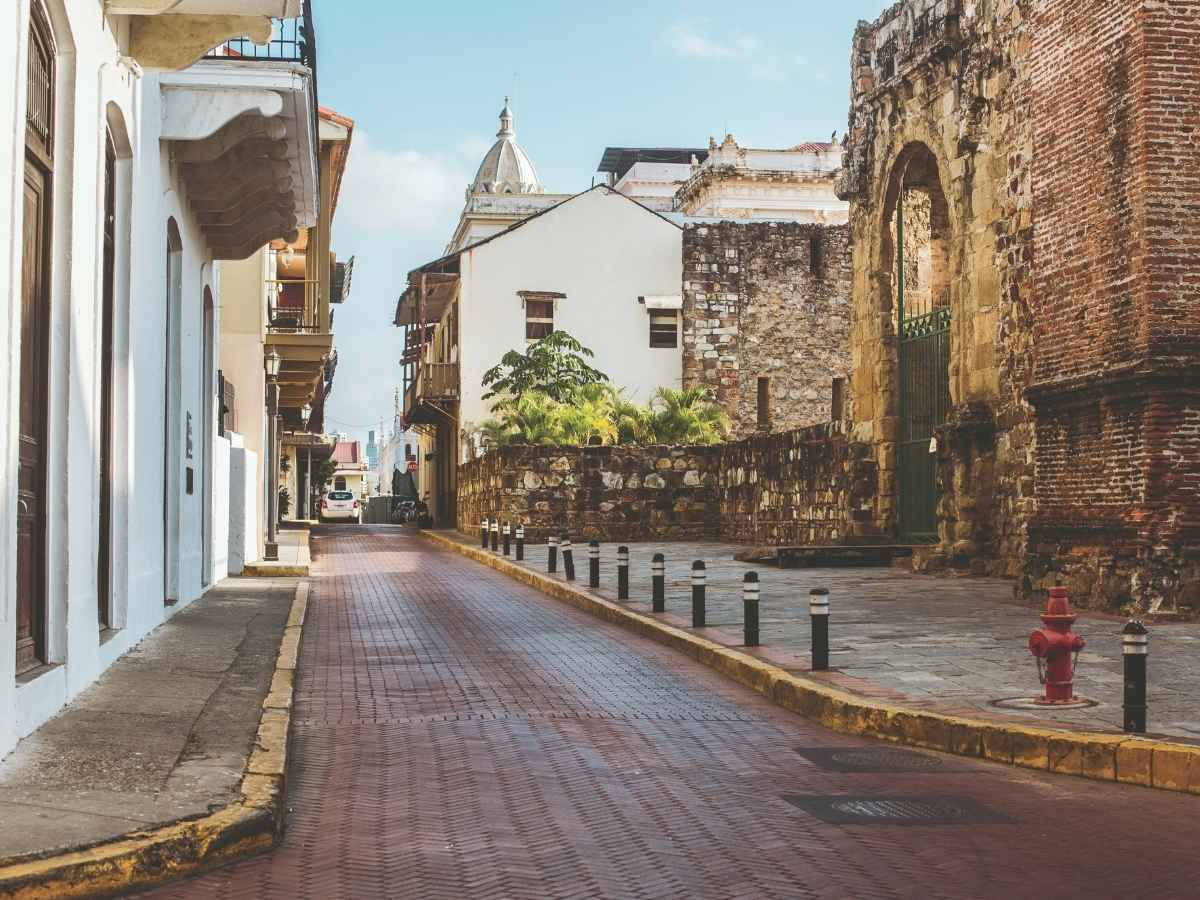
Honda greeted us with a steamy temperature of 30°C — quite a shock after the chill of just a few hours earlier. The next morning we set off on foot in the relative cool of early day to explore the old city of Honda, which dates back to the early European settlers in the early to mid-16th century, and later became an important trading post along the mighty Magdalena River, connecting the Caribbean coast with Colombia’s interior. Nowadays. much of that trade no longer travels by river, so Honda’s strategic importance has waned somewhat. Nevertheless, this does nothing to detract from its old-world charm — narrow cobbled streets tumbling down to the riverbanks, houses adorned with flowers and colourful facades. A number of original 19th-century bridges cross the river and its tributaries, offering impressive views of the town. The old market building, known as the Pantheon of Honda is also well worth a visit, comprising some 300 columns and forming a central focal point of daily life. Shady old plazas, no doubt with many stories to tell, provide welcome respite from the furnace-like heat.
Discovering Bogotá — Street Art, Museums and Mountain Views
From Honda it was time to cross our final mountain range towards Bogotá. En route we stopped in the town of Guaduas and enjoyed a short stroll around the main square, spending time observing local life over a coffee.
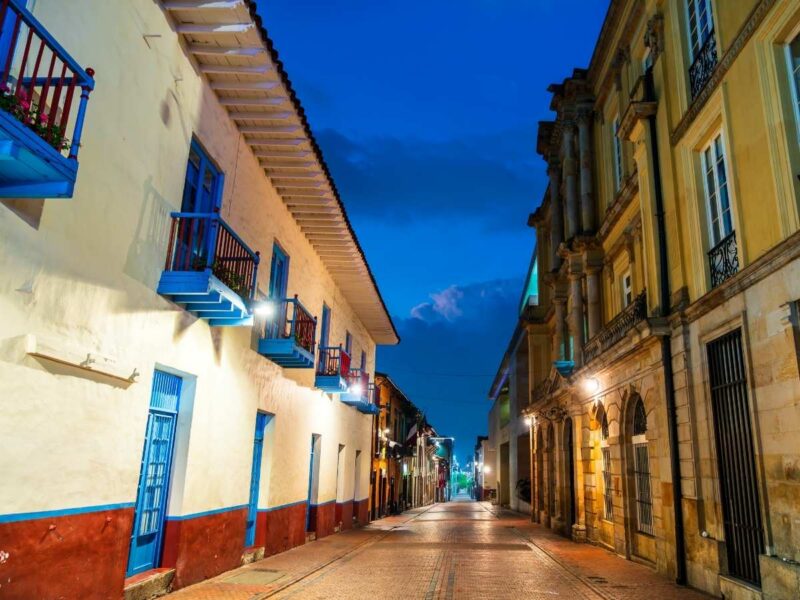
Later that day we arrived in the sprawling capital of Bogotá, the third-highest capital city in the world. We stayed in the historic La Candelaria district at the centrally located art deco property Casa Deco. After checking in, Santiago and I strolled through atmospheric La Candelaria, briefly taking shelter in a local bar while a colossal rainstorm turned the cobbled streets into flowing streams. Thankfully the storm passed after about an hour, revealing Bogotá’s considerable charm in the late afternoon light, complemented by impressive street art murals throughout the neighbourhood. If museums are your thing, the Botero Museum is highly recommended (with pieces donated by Botero including works by Picasso and Monet), as is the surprisingly fascinating Gold Museum. Market enthusiasts should not miss the buzz of Paloquemao Market, housing a mind-bogglingly diverse range of colourful fruits and vegetables. Our final port of call in Bogotá was a trip up the mountain that looms directly behind the city, known as Cerro de Guadalupe, perched at 3,200 metres above sea level. It is something of a pilgrimage site for locals, particularly at weekends, with a church and simple eateries offering spectacular views across the vast metropolis. The adjacent and more famous peak of Cerro de Monserrate can be reached by cable car from the city.
Cartagena — Caribbean Magic on the Coast
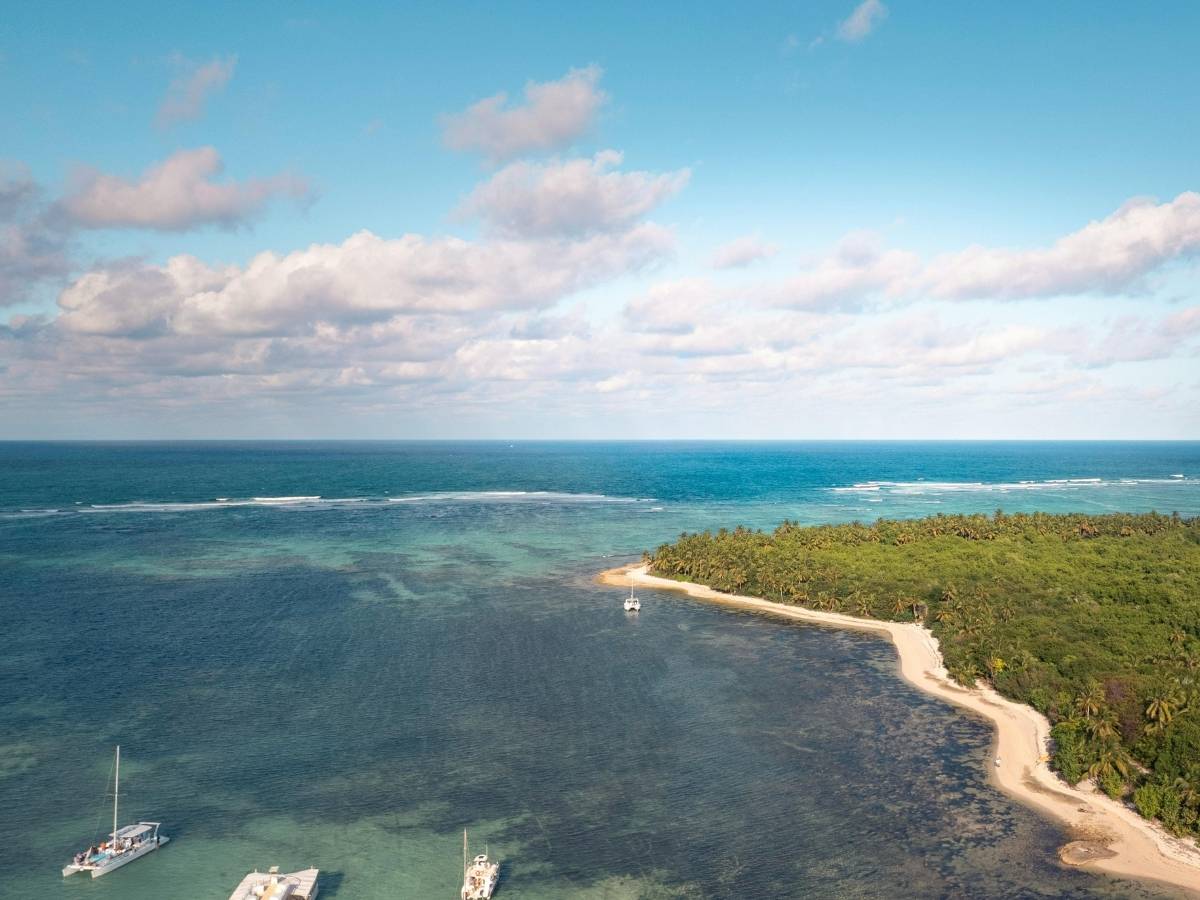
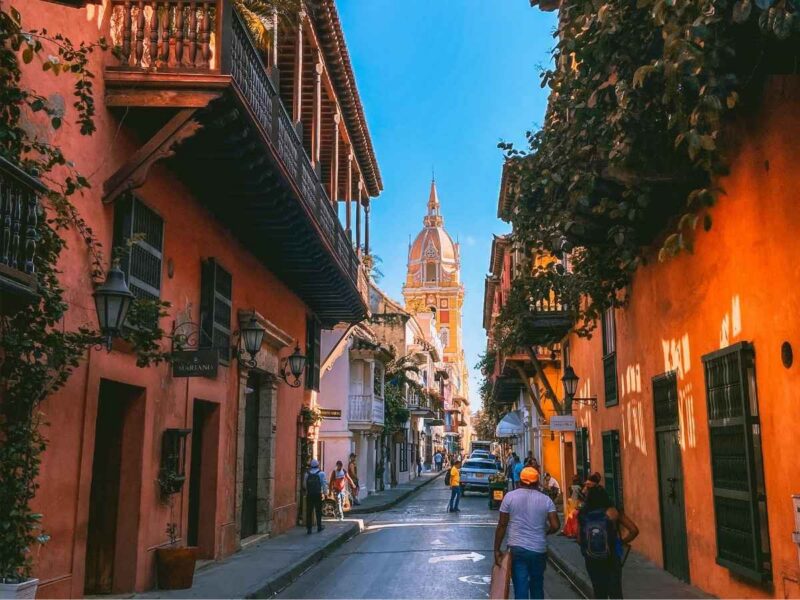
My final stop in Colombia was the Caribbean coastal city of Cartagena, one of the first Spanish settlements of the conquistadors in the early 16th century and somewhere I had long held a romantic notion about. My flight arrival coincided with a spectacular sunset, deepening the sense of anticipation as I enjoyed perfect views over the sparkling Caribbean Sea coming in to land. After checking in at the conveniently located Hotel 3 Banderas, I met my local guide Lena for a night walk and dinner. The streets pulsed in the warm evening air, Latin music spilling from busy bars and restaurants. It was just as I had imagined — and hoped it would be. The next morning I took an early walk in an altogether different atmosphere, but one no less enjoyable. With hardly another soul around, I wandered the colourful lanes of Getsemani and the old city, admiring beautiful houses, murals, churches and old squares glowing in the soft early light.
It seemed much of the city had enjoyed a late night, as the streets were largely deserted save for an elderly gentleman pushing a coffee cart, plying his trade by waking the neighbourhood with the aroma of fresh coffee. I continued onto the fortified walls of the old city where a warm Caribbean breeze provided welcome company. Returning to the hotel for a leisurely breakfast, I finished my notes over a couple of fresh coffees — naturally. The perfect way to end my time on the Caribbean coast was with a lunch plate of fresh fish, and one final cold Colombian beer.
Why Colombia Should Be on Your List
Colombia may still carry the shadow of its past reputation, but what I experienced was a country confidently writing a very different story. A place of extraordinary landscapes, genuine warmth, remarkable biodiversity and a cultural energy that feels both authentic and infectious. What stayed with me most was not just the dramatic scenery or the exceptional coffee, but the small moments — interactions with locals, birdsong at sunrise in the Andes, mist lifting over wax palms, and the rhythm of Caribbean streets at night. Colombia is no longer simply a destination for the curious traveller; it is becoming one for the inspired traveller. And as I boarded my flight home, already reminiscing over one last Colombian coffee, I knew this was not a question of if I would return, but when.
Mark Huggins travelled to Colombia in March 2026.
Ready to Explore Colombia for Yourself?
Undiscovered Destinations offers a small group tour in Colombia – The Secret Heart of Colombia. Undiscovered Destinations can also offer private and bespoke arrangements in Colombia – contact Mark Huggins to plan your trip now! 0191 5634434