AITO 4.9 Excellent Rating
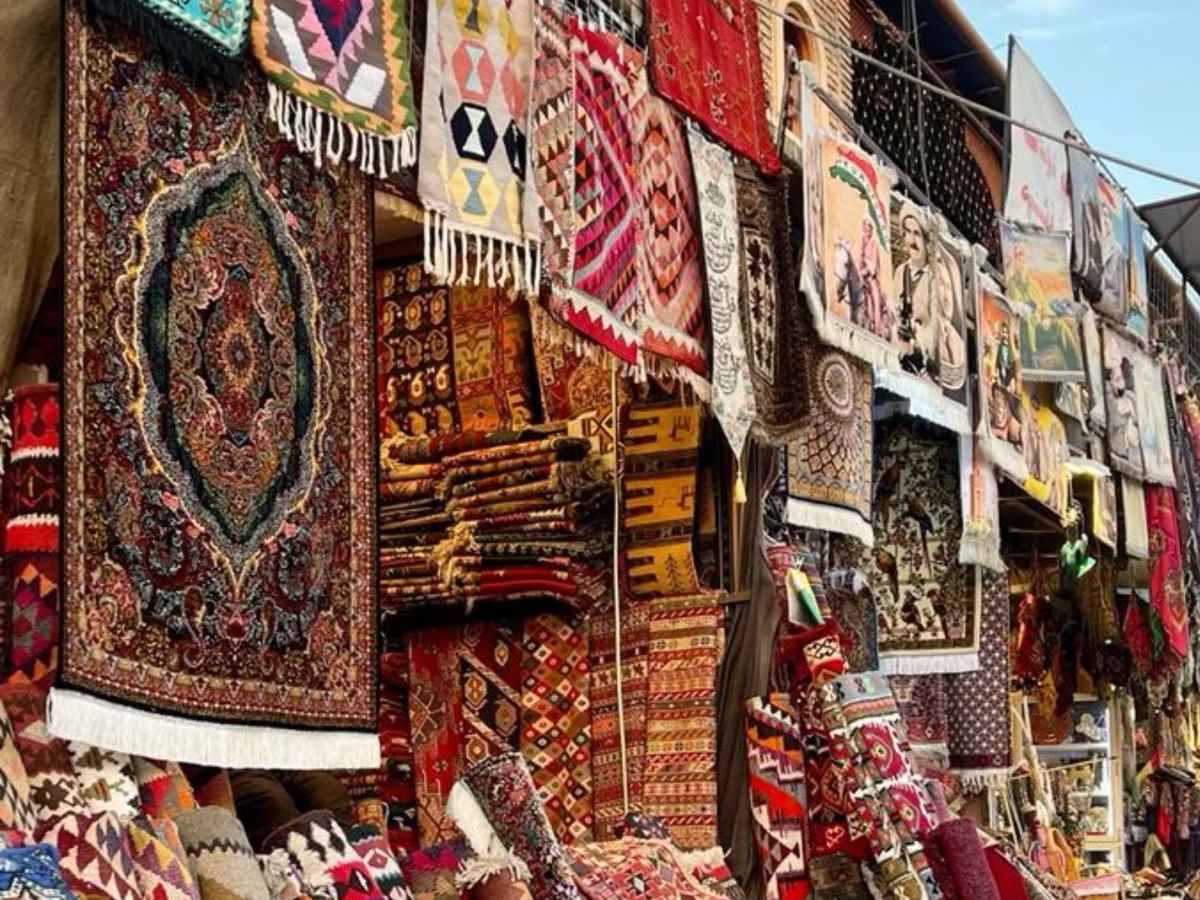

When looking for 10 interesting facts about Iraq, one must start with its identity as the “Cradle of Civilisation.” This land, nestled in the heart of the Arab world, is where humanity first mastered writing, farming, and urban living. Today, iraq facts reveal a nation of 47.5 million people that is moving forward with a young, digital-first generation. From the bustling streets of Baghdad to the serene mountains of the north, it remains one of the most culturally significant countries in Asia and the world.
Discovering the Republic: Iraq and the Cradle of Civilisation
The story of the Republic of Iraq begins long before its modern borders were drawn. Known in ancient times as Mesopotamia, it hosted the world’s first great empires. From the Sumerians to the Babylonian empire, the innovations created here eventually spread across the Middle East, Asia, and Europe.
1. The World’s First Writing System
Long before paper or pens existed, the people of ancient Sumer in southern Mesopotamia were finding ways to keep records. Around 3200 BCE, they developed Cuneiform. This was a system of writing that used wedge-shaped marks made on wet clay tablets. It was the spark that ignited all future civilisations.
At first, this writing was used for simple tasks. However, it soon evolved into a tool for storytelling. The world’s first great piece of literature, the Epic of Gilgamesh, was written here. This ancient history follows a king’s quest for eternal life and is still studied by historians today.
2. The Legacy of the 60-Minute Hour
Every time you look at a clock or a compass, you are using a system designed by ancient civilisations in Iraq. The Babylonians used a “sexagesimal” system based on the number 60. This led to the creation of the 60-second minute and the 60-minute hour. They also decided that a circle should have 360 degrees. It is incredible to think that our modern global schedule is still ruled by ideas born in this land thousands of years ago.
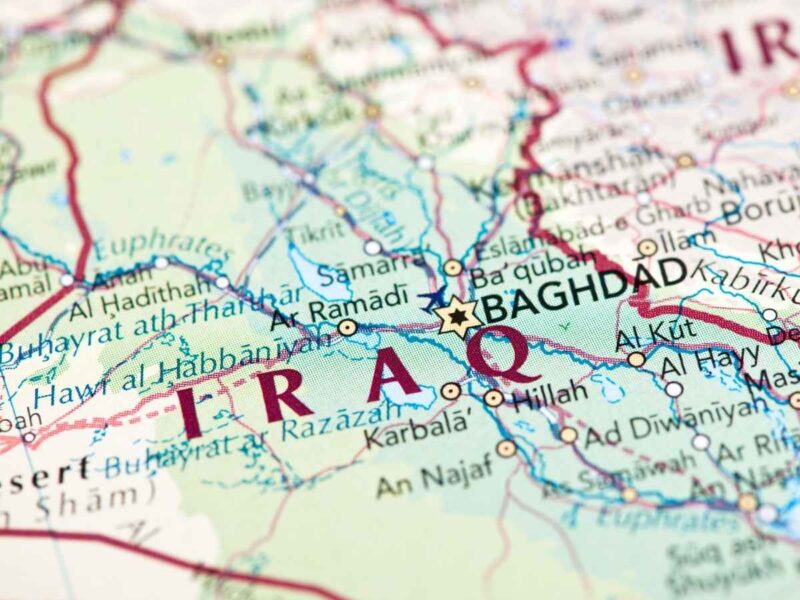
Iraq Geography: A Land of Marshes and Mountains
The geography of Iraq is surprisingly varied. While many people think of it as a desert land, it actually contains lush wetlands in the south and snow-capped mountains in the north. This varied area has allowed different cultures and ethnic groups to thrive in distinct ways for millennia.
3. The “Venice of the East”: The Mesopotamian Marshes
In the south, where the Euphrates river system meets the Tigris, you will find the “Ahwar” or the Iraqi Marshes. This is a massive wetland that looks nothing like the desert. It is a lush, green world that has been named a UNESCO World Heritage site.
The people who live here are known as the Ma’dan, or Marsh Arabs. They have a unique way of life that has stayed the same for centuries. They build beautiful, arched houses called “Mudhifs” using only local reeds. These houses float on the water and require no nails or wood. It is a truly sustainable way of living.
4. Wadi-us-Salaam: The Valley of Peace
Iraq is home to the largest cemetery in the entire world. Located in the city of Najaf, Wadi-us-Salaam covers over 1,400 acres. It contains more than six million bodies, and it continues to grow every day.
The cemetery is a place of great spiritual importance. Many people wish to be buried here because it is located near the Shrine of Imam Ali. For visitors, the sight of millions of graves stretching as far as the eye can see is a powerful reminder of the nation’s long history.
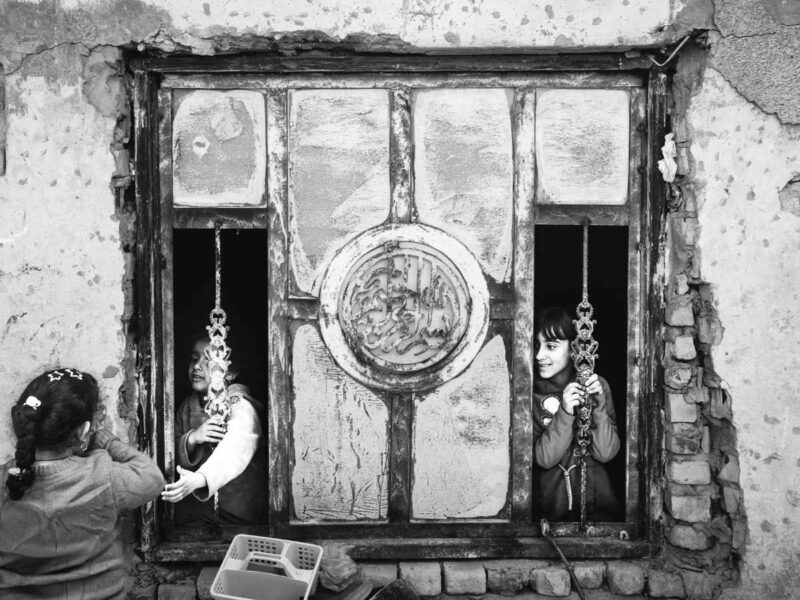
Historical Facts: Ancient Cities and Modern Countries
When comparing Iraq to other countries, its density of historical sites is unmatched. These interesting facts about its ancient ruins show why it remains a top destination for historians. Despite the challenges of the past, the country is working to protect its heritage.
5. The Great Ziggurat of Ur and Abraham’s Origins
One of the most impressive sights is the Great Ziggurat of Ur. Built in the 21st century BCE, this massive step pyramid was dedicated to the moon god, Nanna. The city of Ur is also famous for being the biblical birthplace of the Prophet Abraham. This makes it a site of massive importance for three of the world’s major religions.
6. A Nation of Youth in 2026
Iraq is a country that is looking toward the future. By day Iraq has reached a population of 47.5 million. What makes this even more interesting is how young the population is. The median age is only 20.8 years. This youthful energy is changing the country. In the big cities, you will find a growing scene of artists, tech start-ups, and modern cafes.
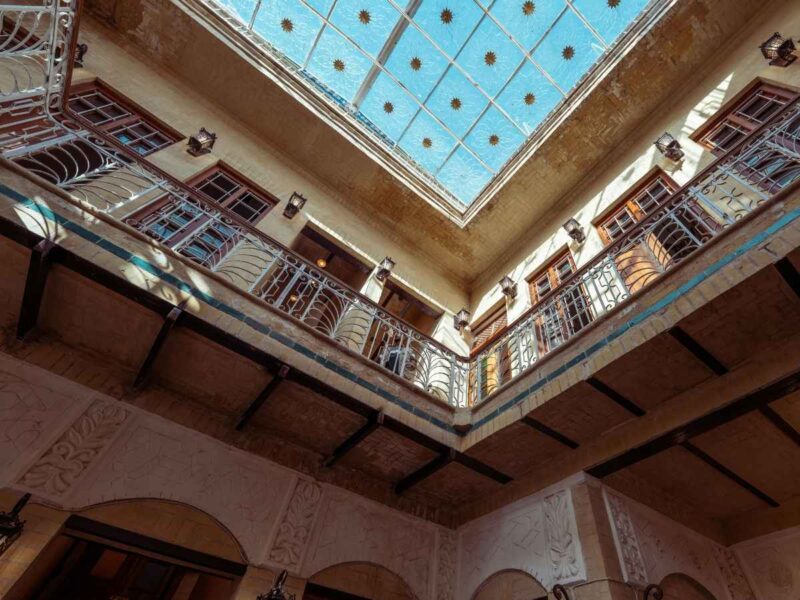
Culture and Ethnic Groups: The Heart of the Middle East
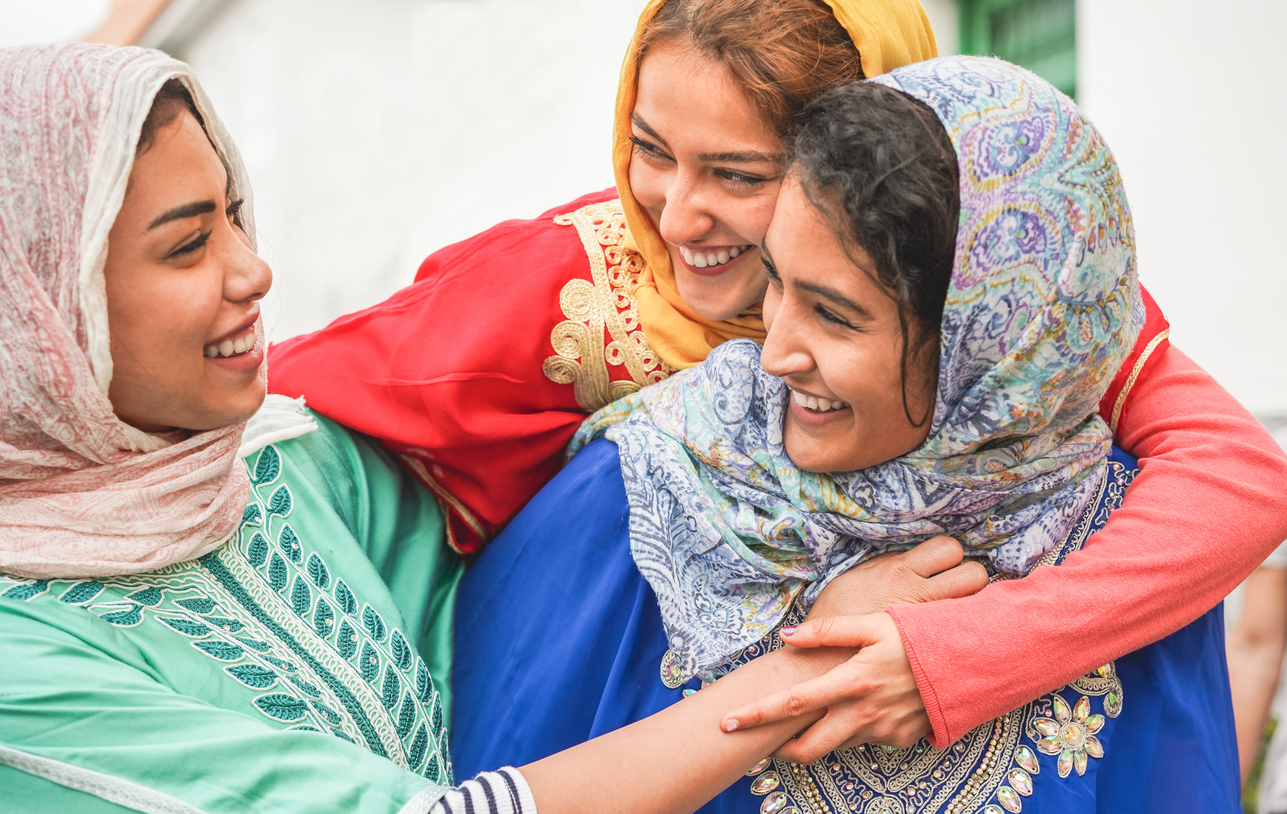
The social fabric of the country is woven from many different ethnic groups. While Arabs and Kurds are the largest, there are also Turkmen, Persians, Assyrians, and Yazidis who call this land home. These diverse facts about Iraqi life are best seen through their food and legendary hospitality.
7. The Mystery of the Hanging Gardens of Babylon
Babylon is one of the most famous names in history. It was once the largest city in the world and was home to the Hanging Gardens, one of the Seven Wonders of the Ancient World. However, no one has ever found them. Archaeologists have searched the ruins of Babylon but found no physical proof. Some believe the gardens were actually located north in the city of Nineveh, the ancient capital of Assyria.
8. Culinary Traditions: Masgouf and Iraqi Hospitality
You cannot understand Iraq without tasting its food. The national dish is called Masgouf. It is a large carp fish from the major rivers that is seasoned with salt and tamarind, then grilled slowly over an open fire.
Food is also a big part of hospitality in the Islamic world. If you visit someone’s home, you will always be offered “Chai.” This is a strong, sweet tea served in small glasses called “istikans.” It is a symbol of friendship and a sign that you are a welcome guest.
9. Erbil: The Oldest Continuously Inhabited City?
In the north, near the border with Turkey, you will find Erbil and its famous Citadel. This ancient fortress sits on a high hill in the centre of the city. Historians believe it has been inhabited for at least 6,000 years. This would make it one of the oldest continuously lived-in settlements on Earth. Today, Erbil is a bustling, modern city that acts as a bridge between ancient traditions and the modern world.
10. The 2026 e-Visa and Modern Travel
Travel to Iraq has become much easier in recent years. In 2026, the government has fully rolled out an electronic visa (e-Visa) system. Many nationalities can now apply for their travel documents through an online portal before they arrive. This shift is helping more people discover hidden gems, from the Fertile Crescent to the shores of the Persian Gulf.
Understanding the Complex History of the Land
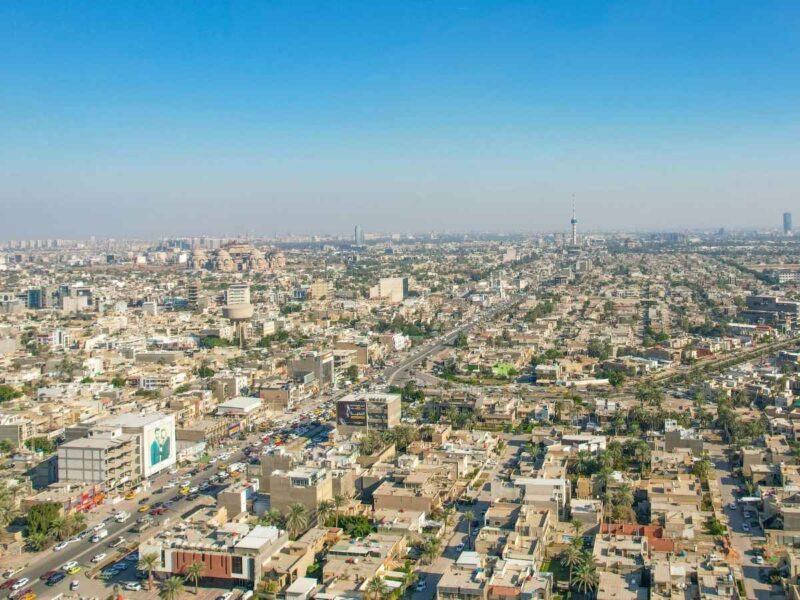
To fully appreciate the Iraq of today, one must look at the layers of its past. The land has seen the rise and fall of the Abbasid Caliphate, which turned Baghdad into a global centre of learning during the Islamic period. Later, it was part of Ottoman Iraq for centuries under the Ottoman Empire.
The 20th century brought significant change. Following the Iraq war and the fall of the regime led by Saddam Hussein (often referred to simply as Saddam), the nation faced a long road to recovery. From the Persian Gulf War to the fight against the Islamic State, Iraqis have shown incredible strength. Today, visitors can see the resilience of the people in the rebuilt mosques, such as the Great Mosque of Samarra, and the vibrant life in cities that once stood at the centre of the world.
Bordered by Iran, Kuwait, Saudi Arabia, and Syria, Iraq remains a strategic heart of the Middle East. While it is home to some of the world’s largest oil reserves, its true wealth lies in its heritage and its people. Whether you are a Sunni or Shia visitor, you will find a culture that prides itself on welcoming strangers. The Iraqi flag, with its bold colours and Takbir, flies over a nation that is ready to share its stories with the world.
Conclusion
Iraq is a land that has given the world so much, from the way we tell time to the way we write. It is a place where every corner holds a story from thousands of years ago, yet it is also a country full of young people building a new future. Seeing these sights for yourself is a powerful way to appreciate the true depth of human history.
If you are ready to see the “Cradle of Civilisation” with your own eyes, Undiscovered Destinations specialises in small group tours and holidays to Iraq that take you deep into the heart of Iraq’s culture and history. Our expert-led journeys focus on cultural immersion and authentic experiences in lesser-known destinations, ensuring you see the real Iraq beyond the headlines.
Explore our unique itineraries and start your journey into history with Undiscovered Destinations.