AITO 4.9 Excellent Rating
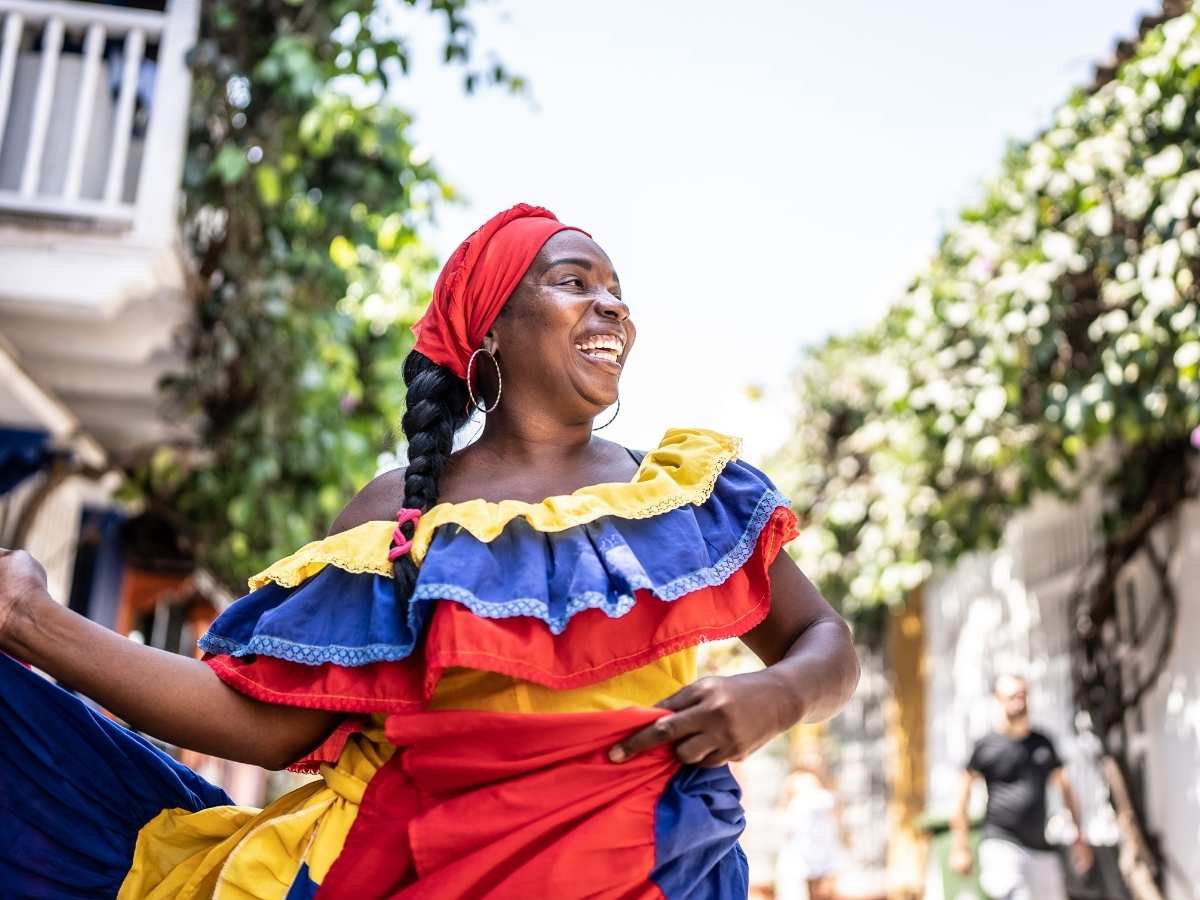

When exploring colombia culture facts, one quickly discovers that this South American nation is defined by its immense diversity and a spirit known as “sabrosura.” This unique energy permeates every aspect of daily life, from the way locals greet one another to the vibrant festivals that take over small-town plazas. To truly understand colombian culture, a visitor must look beyond the standard tourist brochures. While the major cities offer a modern pace, the heart of the country is found in its traditional customs, where history and community remain the most important values for its nearly 52 million inhabitants.
To truly experience this, one must move beyond the crowded tourist hubs. While the big cities offer excitement, the heart of the nation is found in its smaller, quieter traditions. Exploring in a small group allows for a level of intimacy that large tours simply cannot provide. This depth of connection is what transforms a standard holiday into a life-changing journey, allowing you to see the world through the eyes of those who call it home.
The Social Fabric: Family and Colombian Food
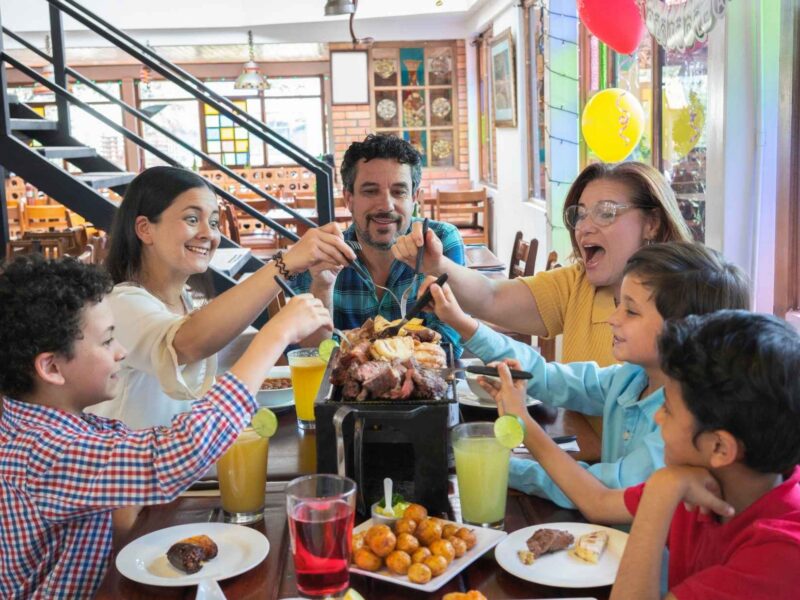
Family is the undisputed foundation of life in this part of South America. It dictates the rhythm of the week and the priority of the people. We often focus on individual schedules, but here, the collective unit comes first. This sense of belonging is extended to guests, who are often treated with a level of warmth that can be quite overwhelming for the uninitiated. This communal spirit is perhaps most visible in the “Paseo de Olla,” or the “Pot Gathering.”
The Importance of the ‘Pot Gathering’
On weekends and public holidays, it is common to see large families heading to local rivers with massive pots, firewood, and fresh ingredients. They spend the day cooking a sancocho – a hearty stew – over an open fire by the water. For a visitor, witnessing or joining a version of this tradition offers a window into the country’s deep sense of community and shared leisure. To ensure you catch these gatherings in the best weather, it is worth checking the best time to visit Colombia before booking your flight.
Exploring the Variety of Colombian Food in Every Region
Colombian cuisine is a matter of intense regional pride. While the world knows the arepa, each department has its own staple that locals will defend with passion. In the Andean region, you will find the Bandeja Paisa, a generous platter featuring beans, rice, meat, and avocado, designed to fuel mountain workers. On the coast, the focus shifts to fresh seafood and coconut rice, reflecting the Caribbean influence. Sharing these meals in local eateries, rather than international hotel chains, is essential for authentic cultural immersion. It allows you to taste the history of the land and the diverse geography of the region in every single bite.
The Ritual of the ‘Tinto’
Social life often revolves around the ritual of the “tinto.” Unlike the large lattes found in British high streets, a tinto is a small, sweet cup of black coffee. Colombian coffee is world-renowned, but for the locals, the “tinto” is less about the caffeine and more about the social connection. In small towns, you will see locals lingering in the main plaza for hours, tinto in hand, catching up on news. It is the social currency of the nation, and accepting an offer of a tinto is the first step in building a friendship. It is a slow, methodical way of life that encourages people to stop and appreciate the present moment.
Rhythm and Resilience: The Sound of Colombia
Colombian music is not just background noise in this country; it is a historical record and a source of national identity. The sound is a “triple heritage,” a unique blend of spain, African, and indigenous peoples influences that you won’t find anywhere else. This fusion creates a landscape of sound that is as varied as the terrain, ranging from the haunting flutes of the mountains to the thunderous drums of the Pacific coast.
Beyond the Big Carnivals
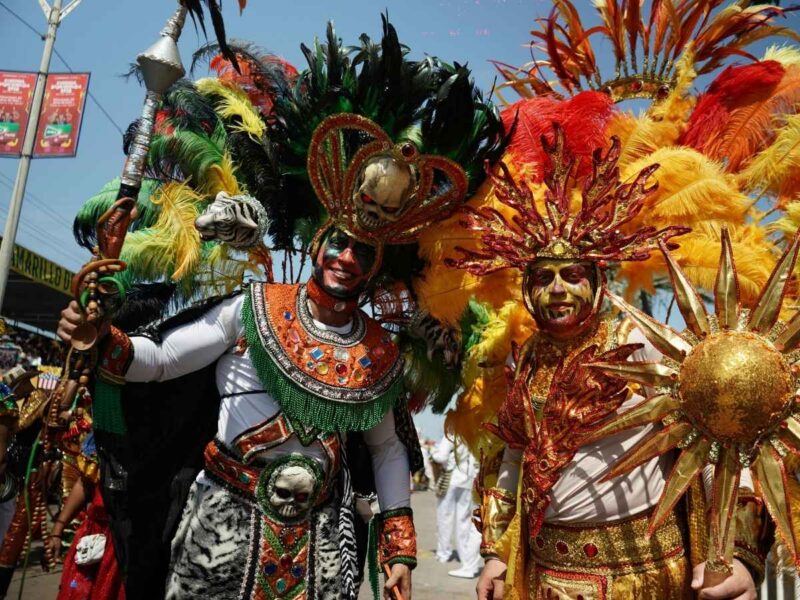
While the Barranquilla Carnival is world-famous, small-group travel allows you to find smaller, regional festivals where traditions remain untouched by mass commercialism. In these settings, the atmosphere is intimate and the welcome is warm. You might find yourself in a town square where the festival is a celebration of a local harvest or a patron saint, providing a much more authentic look at how people celebrate. These smaller events often involve the whole town, from the youngest children to the oldest residents, all dressed in traditional finery.
The Influence of Salsa and Traditional Rhythms in the Country
In cities like Cali, the rhythm of life is dictated by music. This is evident in genres like Cumbia and vallenato music, but it is the energy of the dance floor that truly brings people together. Originally from the Caribbean coast, traditional genres use the accordion, the drum, and the flute to tell stories of love, hardship, and resilience. Modern stars like juanes have taken these traditional sounds to a global audience, while urban streets often throb with the beat of reggaeton. Each instrument represents a different part of the nation’s DNA, coming together to create a harmony that is both haunting and celebratory.
Dance as a Language within the Culture
In colombia culture, dance is a language used by every generation. It is not an activity reserved for the young or for nightclubs. It is a vital part of socialising and a key way that history and emotion are passed down. It is not uncommon to see a grandmother and grandson sharing a dance floor at a family event, moving with a natural grace that reflects a lifetime of rhythm. To visit and not see the locals dance is to miss one of the most vital aspects of their identity.
Natural Wonders: From the Amazon Rainforest to the Andes
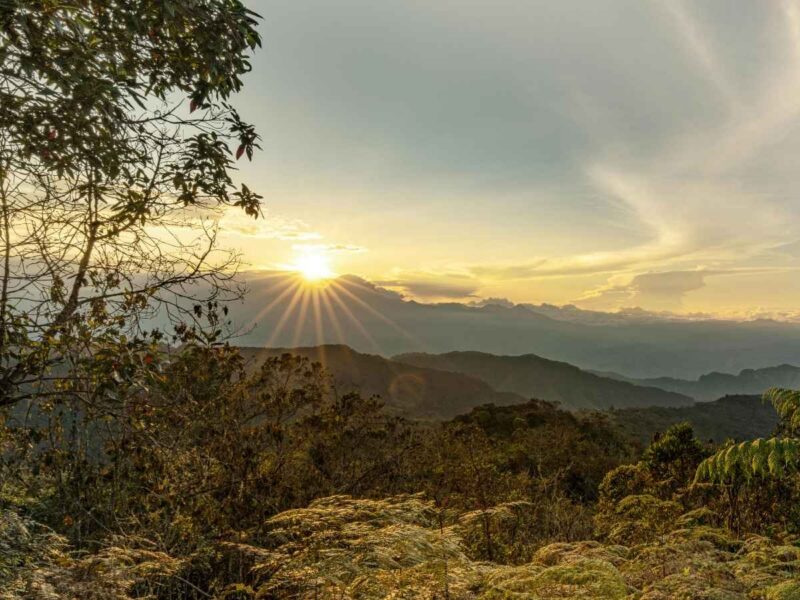
The geography of this South american country is as diverse as its people. Sharing borders with panama, venezuela, brazil, peru, and ecuador, it sits as a gateway to the continent. From the heights of the mountains to the depths of the jungle, the landscape offers a constant sense of wonder for the intrepid traveller.
Biodiversity in a Biodiverse Country
This is the second most biodiverse country on Earth, home to a staggering array of plants and animals. Whether you are trekking through high-altitude moorlands or exploring the lush lowlands, the sheer variety of life is breathtaking. For those interested in nature, the chance to see rare birds, exotic insects, and unique flora in their natural habitat is a primary draw. This richness of natural resources is a source of great national pride and a key part of the environmental identity of the region. You can find more official information on protected areas and travel guidelines via the Official Tourism Guide of Colombia.
Exploring the Amazon Rainforest and Remote Jungle Culture
The southern reaches of the territory are dominated by the vast tropical rainforest of the Amazon. This ancient rainforest is home to indigenous communities who have lived in harmony with the land for millennia. Visiting this region provides a profound look at a way of life that is increasingly rare in the modern world. One of the most stunning natural sights is caño cristales, often called the “River of Five Colours,” which blooms in vibrant hues during certain months of the year.
Giant Palm Trees and Coastal Beauty
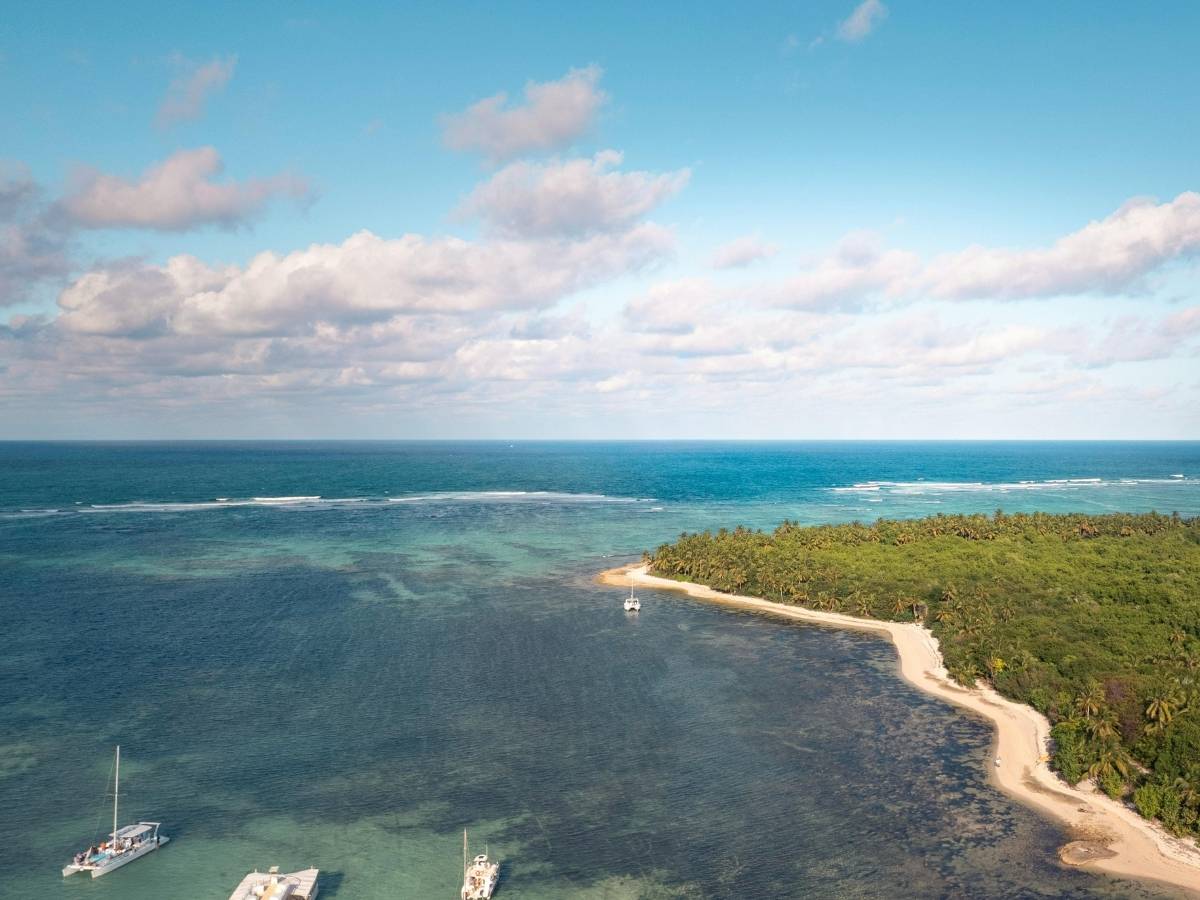
One of the most iconic sights is the presence of giant wax palm trees in the Cocora Valley. These towering trees, the tallest of their kind in the world, create a surreal and beautiful landscape – one of the many hidden gems across Colombia. Towards the coast, the caribbean region offers a different pace. From the white sands of san andrés to the historic streets of santa marta, the caribbean sea provides a stunning backdrop to the nation’s history. Nearby, the sierra nevada de santa Marta mountain range rises sharply from the shore, providing a home to sacred indigenous sites.
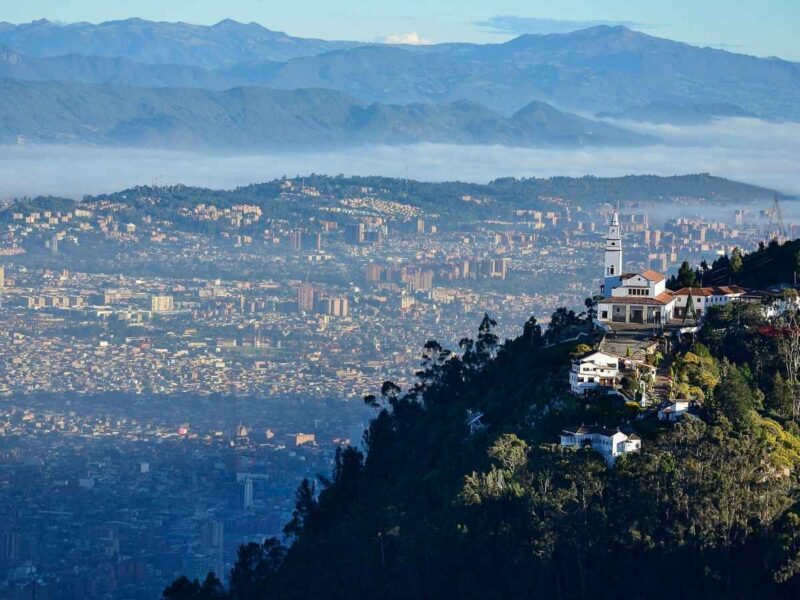
Modern Urban Life: Bogotá and Beyond
While the rural areas offer traditional charm, the modern cities are centres of innovation, art, and vibrant urban culture.
The Cultural Heart of Bogotá
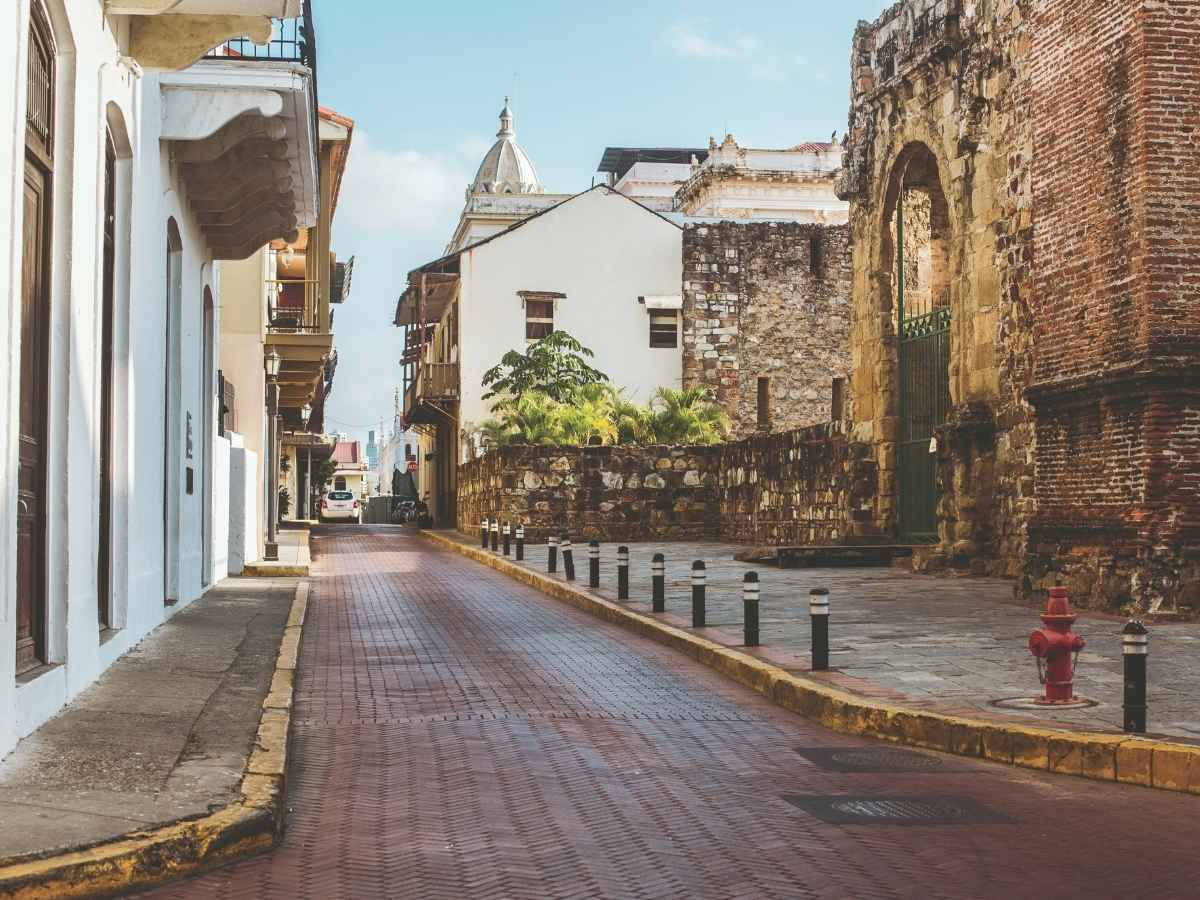
As the high-altitude capital, bogota is a sprawling metropolis that serves as the cultural and political heart of the republic. It is home to world-class museums, such as the Gold Museum, and a thriving street art scene that tells the story of the country’s modern evolution. The city’s history is etched into the cobblestones of the Candelaria district, a reminder of the era of new granada. It is a place of contrasts, where tradition and modernity live side by side. You can explore our blog on things to do in Bogotá to learn more.
Interesting Facts about Colombia and Urban Rebirth
There are many colombia facts regarding its urban transformation. Cities like Medellín, once known for their troubled past, have become global models for urban social innovation. Political leaders like juan manuel santos have overseen periods of significant change and peace-building. This spirit of rebirth is evident throughout the country, as urban spaces are reclaimed for art, education, and community life. It is a testament to the resilience and creativity of a population that is always looking forward while honouring its roots.
Artistic Identity and Modern Museums in the Country
Modern identity is also shaped by world-class art and literature. The “voluptuous” sculptures of Fernando Botero and the Nobel Prize-winning words of gabriel garcia marquez have put the country’s creativity on the global stage. Their work often captures the “magical realism” of daily life here. Beyond the Spanish official language, the country recognises dozens of indigenous languages, including those spoken in the cauca and quechua speaking regions, showcasing the depth of its ancestral history.
The Art of Being a Guest: Etiquette and Social Rules
The colombian people are known for being exceptionally polite and welcoming. However, there are social norms that can help a traveller feel more at home and show respect to their hosts.
The Value of Local Etiquette and Cultural Respect
Formalities matter in this culture, and using “please” and “thank you” goes a long way. When entering a shop or a small café, a warm “Buenos días” is expected. This level of courtesy is a reflection of the deep respect for others that defines the social structure. In a small group setting, these interactions become more frequent and more meaningful. You become a person with a name and a story, and that makes all the difference in building genuine connections.
Understanding the Mañana Mindset and the National Sport
Visitors should also embrace a more relaxed pace of life. Punctuality is appreciated in professional settings, but it is not always strictly followed in social life. To truly bond with locals, one might visit a Tejo hall. Tejo is the national sport, involving throwing metal discs at targets containing gunpowder. It is loud, social, and perfectly encapsulates the country’s love for explosive fun and communal activity.
Solo Travel in a Welcoming and Friendly Country
For independent travellers, especially those heading out solo, the territory is remarkably welcoming. It is the only country in South America with coastlines on both the Pacific and the Caribbean, offering endless variety. The culture of hospitality means you are rarely truly alone if you choose to interact. By choosing travel options that avoid compulsory single supplements, solo adventurers can enjoy the security of a group while maintaining their independence. This allows for a stress-free exploration of a land that values the guest above all else.
Conclusion
Colombia is far more than a list of facts on a page; it is a feeling. It is the sound of an accordion in a village square, the steam rising from a bowl of sancocho, and the genuine, toothy grin of a local who is truly happy you decided to visit. By stepping off the beaten track and joining a small group of like-minded explorers, you move from being a mere observer to a welcome guest. Whether you are throwing metal discs at gunpowder targets in a game of Tejo or learning the slow, rhythmic steps of Cumbia, you will find that the country’s greatest treasure isn’t the gold of El Dorado—it is the warmth of the people you meet along the way.
Swap the tourist trail for the heart of the Andes. At Undiscovered Destinations, we don’t just show you the map; we introduce you to the soul of South America. Our small group adventures dive deep into living traditions, led by expert guides who know the path less travelled. With guaranteed departures and absolutely no compulsory single supplements, the only thing you’ll need to bring is your curiosity.
Ready to uncover more? Explore our Colombia tours today and start planning your journey. Your next great story begins where the crowds end.