AITO 4.9 Excellent Rating
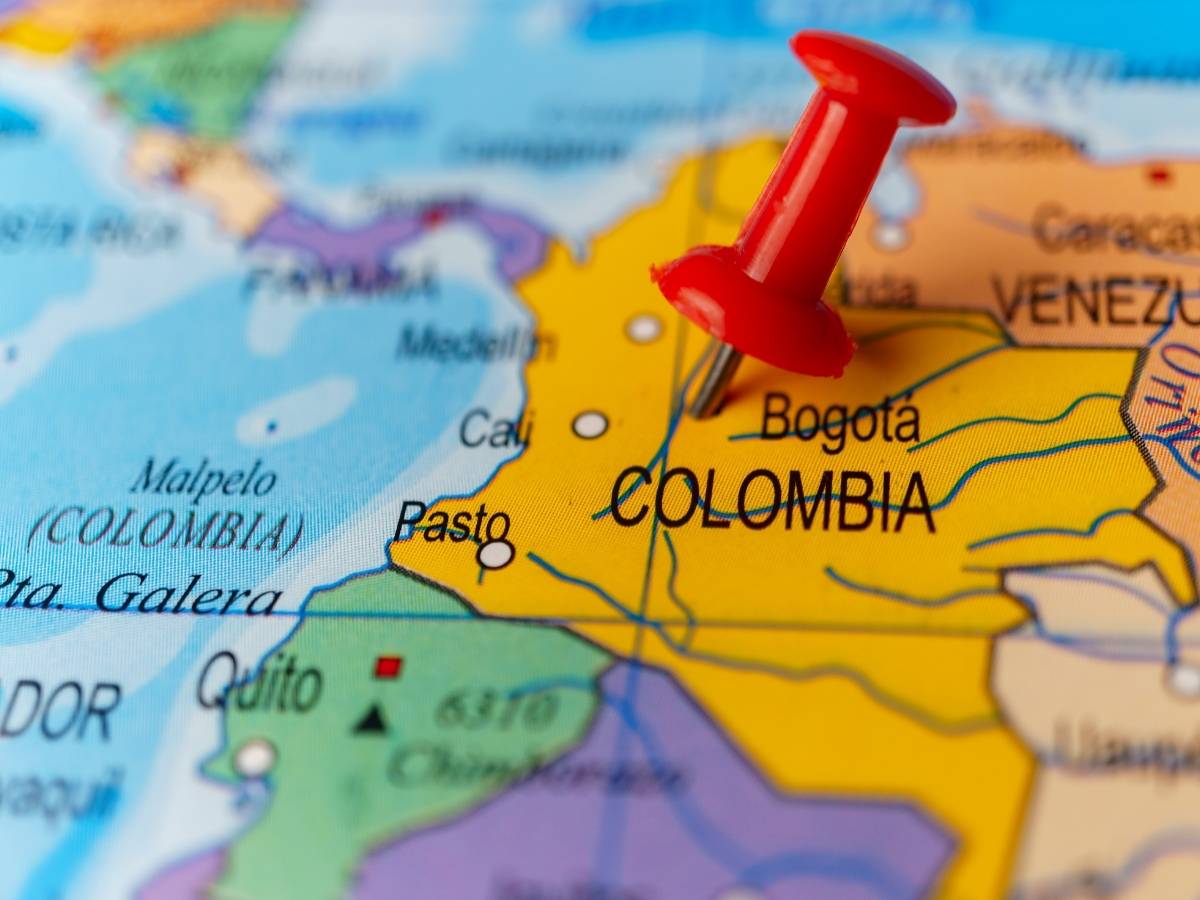

Colombia is a land of eternal spring, tropical beaches, and misty mountains. Because it sits right on the equator, the country does not have four traditional seasons. Instead, the Colombia weather is defined by altitude and rainfall. You can find sunshine in one valley and a tropical downpour in the next, making it a year-round destination for those who know where to look.
For the sophisticated traveller, picking the right time of year is about more than just dodging rain. It is about finding the moments when the crowds thin out, the wildlife appears, and the local culture shines brightest. Whether you want to trek through high-altitude páramos or relax on the Caribbean coast, understanding these patterns is the first step to an authentic journey.
Understanding the Best Month for Your Colombia Vacation
Colombia follows a unique rhythm with two distinct dry periods. These are generally the most popular times to visit for those who want stable weather and clear skies.
Peak Travel in January and February
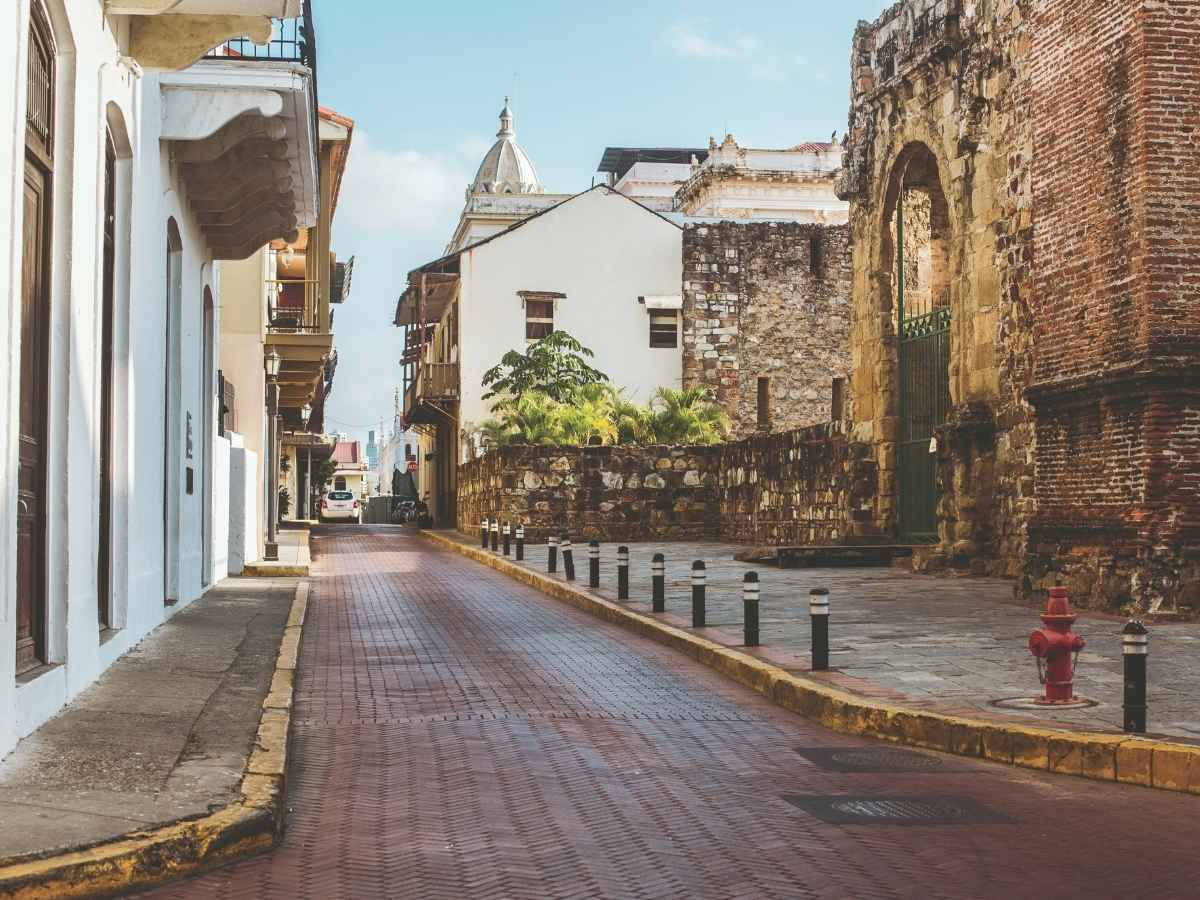
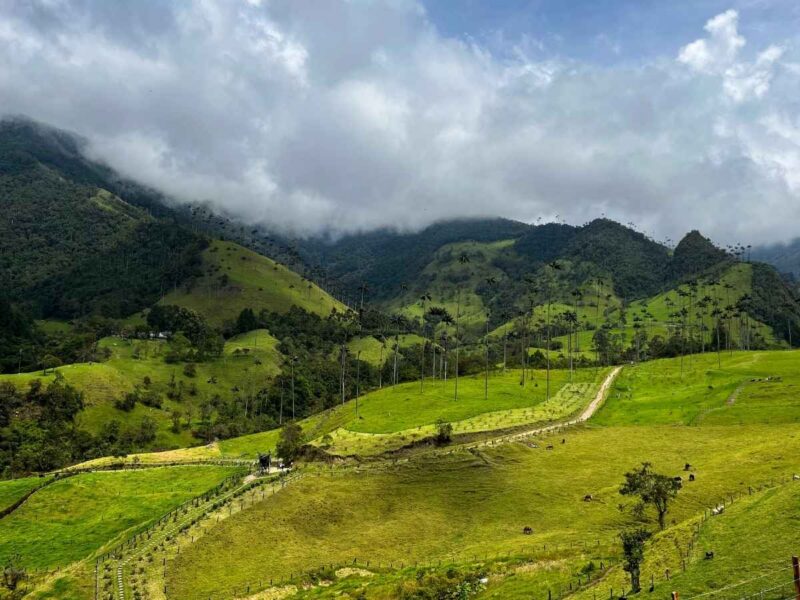
This is widely considered the peak travel window. Across the Andes and the Caribbean coast, you will find the least amount of rain and the most sunshine. It is the perfect time for hiking in the Cocora Valley or exploring the colonial streets of Cartagena. However, because this coincides with the British winter months and local school holidays, popular spots can be busier.
During January and February, the humidity on the coast is at its lowest, making it much more comfortable to explore the stone bastions of the Old Town or hike the trails of Tayrona National Park. In the highlands, the days are crisp and the nights are cool, perfect for those who enjoy active days followed by a warm fire in a mountain lodge.
Planning a Trip During the “Little Summer” of June, July, and August
Often called the “veranillo” or little summer, this period offers a second dry season. It is an excellent choice for a mid-year escape. The weather in the highlands remains mild, and the skies over the mountains are often at their clearest. This is a fantastic time for outdoor adventure before the heavier autumn rains arrive.
This “mini-summer” in June is particularly pleasant in the Andean regions. It provides a reliable window for those looking to conquer the trek to the Lost City (Ciudad Perdida) without the trails becoming too muddy. It is also a time of high energy in the cities, as locals take advantage of the sun for outdoor markets and rooftop gatherings.
Navigating the Rainy Season: Why the Rain Should Not Stop Your Holiday
From April to June and September to November, Colombia enters its rainy season. While this sounds daunting, embarking on a trip during these rainiest months offers unique rewards for the adventurous soul. During the wet season, the landscape of this beautiful country transforms, revealing a lush side that few see.
The landscapes are at their most vibrant during these months. The coffee region plantations are a deep, brilliant green, and the waterfalls in the jungle are at their most powerful. Because there are fewer tourists, you can often enjoy famous sites like the San Agustín statues or the underground salt cathedral of Zipaquirá in near solitude.
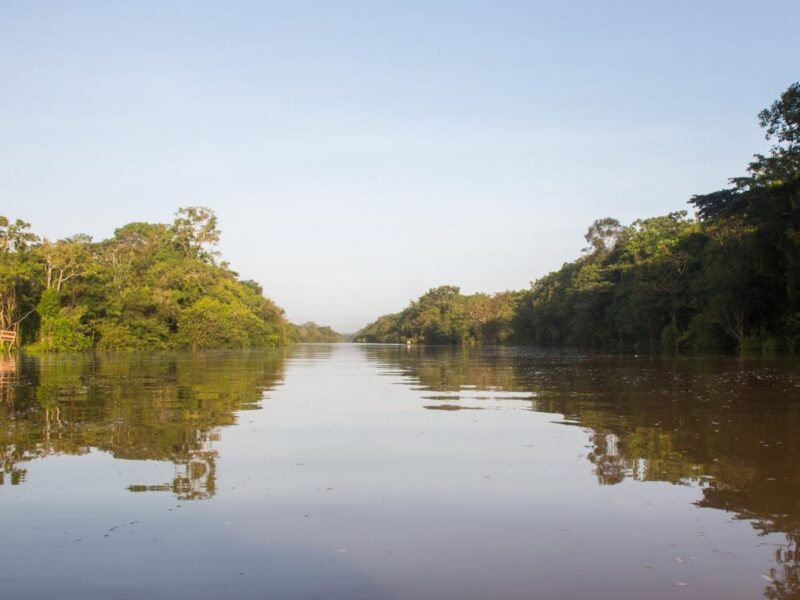
For wildlife lovers, the rain brings life. In the Amazon, particularly around the river port of Puerto Nariño, rising river levels allow boats to glide deep into the flooded forests, bringing you closer to the canopy. The tropical weather in these regions means heavy rainfall is often followed by bright sunshine. The humid weather can be intense, but it is essential for the incredible biodiversity found in Latin America. According to the World Bank, Colombia’s biodiversity makes it one of the world’s “megadiverse” countries, hosting nearly 10% of the planet’s biodiversity.
Regional Travel: Weather in Bogotá, Medellín, and Santa Marta
Since the climate varies so much by altitude, the best time for your travel depends heavily on where you want to go. This month climate guide will help you tailor your itinerary to avoid the worst weather conditions.
Tropical Heat in Cartagena and Santa Marta
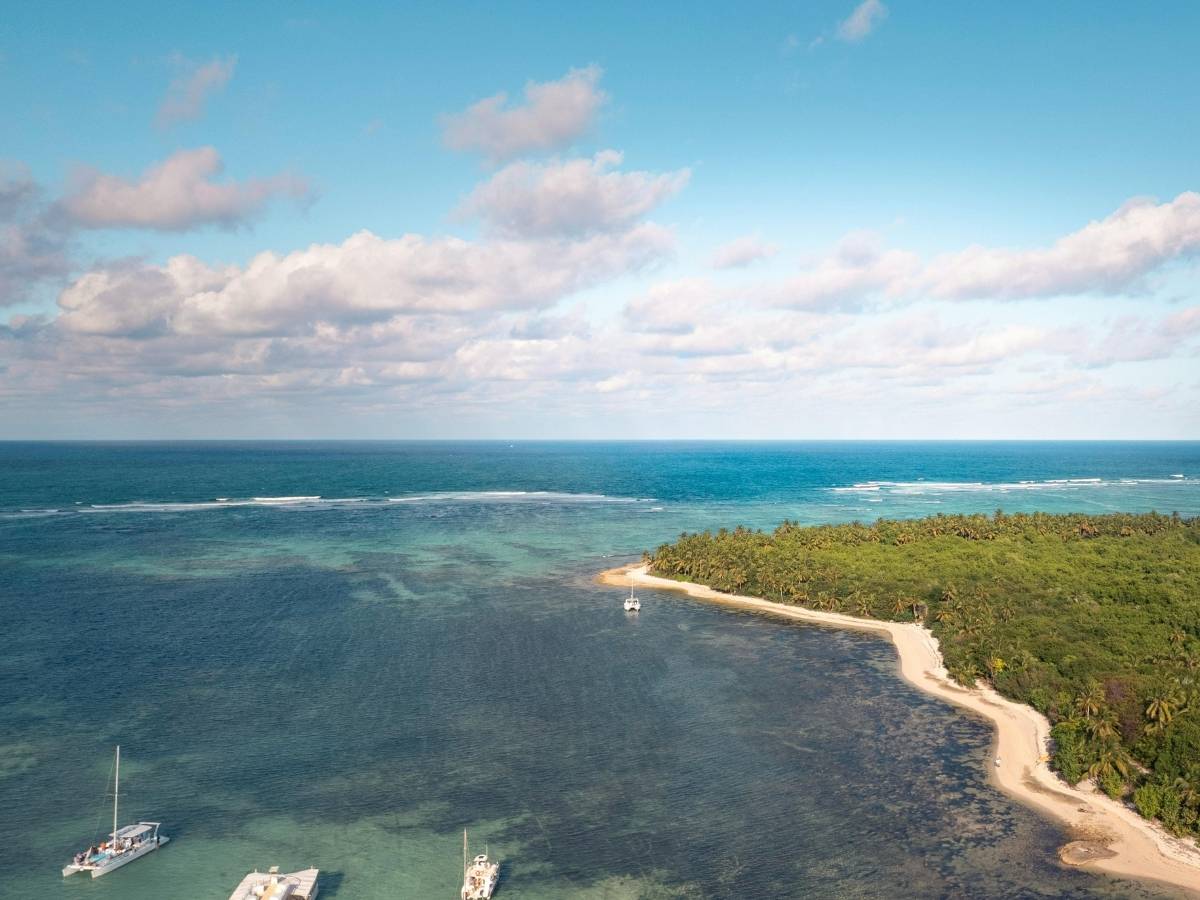
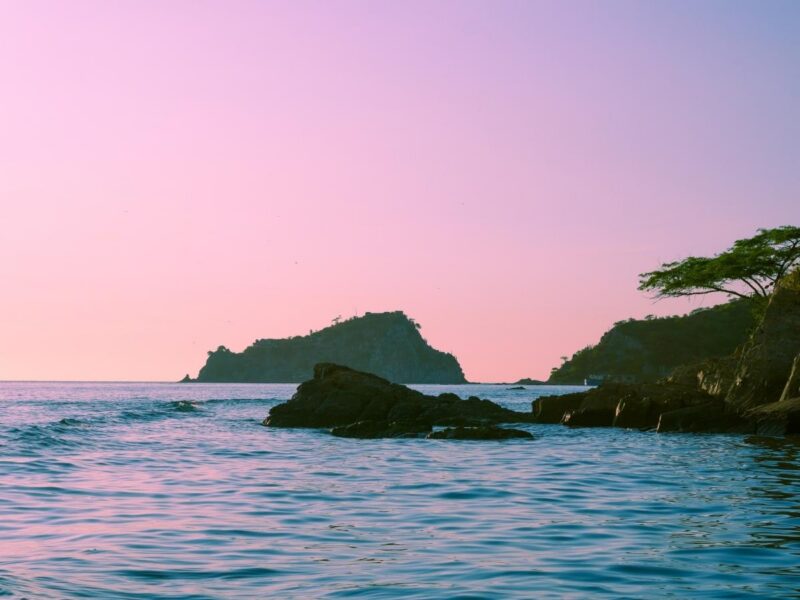
The Caribbean coast stays hot and tropical all year, with warm temperatures hovering between 28°C and 32°C. To avoid the heaviest humidity and the risk of Caribbean storms, visit between December and April. This is also when the sea is at its clearest for those interested in snorkelling or visiting the Rosario Islands near Santa Marta.
If you are looking for an island escape, you might consider Caribbean island hopping to explore remote archipelagos of San Andrés and Providencia. These islands enjoy a more consistent tropical climate and are best visited during the dry weather of January to May to avoid hurricane risks
The Highland Climate of Bogotá and Medellín
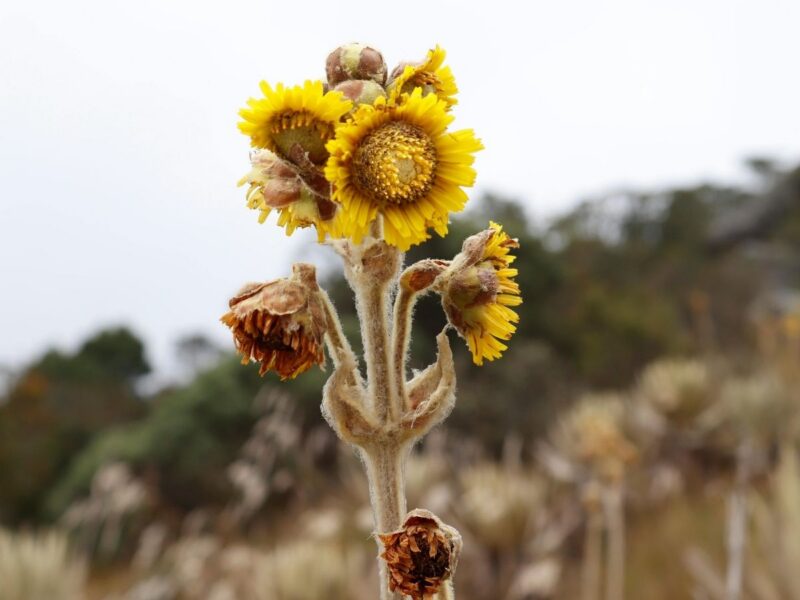
In the Andes, cities like Medellín enjoy pleasant weather year-round, earning it the title of the “City of Eternal Spring.” However, Bogotá (or Bogota) stays much cooler due to its high altitude. If you are planning to visit the high-altitude páramos—unique alpine tundras found only in a few places on Earth—the dry months of January and February offer the best visibility to see the strange and beautiful frailejones plants.
Wildlife and Harvests in September and October
The coffee region is beautiful any time, but the main harvest from September to December offers a chance to see the full production cycle in action. In the eastern plains of Los Llanos, the landscape shifts dramatically between the flood and the sun. This “Colombian Safari” is best for wildlife spotting when the water recedes in the early months of the year, such as March.
Further south, the incredible “Liquid Rainbow” of Caño Cristales is a must-see. The best time to visit this vibrant river is between June and November, when the aquatic plants are in full bloom. Unlike its neighbours Ecuador or Chile, Colombia’s equatorial position means you must look at regional micro-climates rather than national seasons.
Deep Dive into Colombian Ecosystems
To truly appreciate why the time of year matters, one must look at the sheer scale of the country’s biodiversity. Colombia is the second most biodiverse country on the planet, surpassed only by Brazil, which is nearly ten times its size. This richness is due to its five distinct natural regions: the Andes, the Caribbean, the Pacific, the Amazon, and the Llanos.
The Magical Páramo and Cloud Forests
High in the Andes, between 3,000 and 4,500 metres, lies the páramo. This ecosystem acts as a giant sponge, capturing water from the mist and providing it to the cities below. Visiting during the dry weather of January or February allows travellers to see the frailejón plants at their best. These furry-leaved plants are iconic to the region and thrive in conditions that would challenge most life.
Below the páramo, the Andean cloud forests are characterised by high rainfall and frequent fog. These forests are a haven for birds, including over 1,900 species that make Colombia the world leader in bird diversity. In these misty corridors, you might catch a glimpse of the velvet-purple coronet or the legendary Andean condor.
The Sun-Drenched Caribbean and Arid Guajira
The Caribbean coast offers a stark contrast to the misty mountains. While Tayrona National Park is famous for its white sands and jungle-backed beaches, the La Guajira Peninsula is a desert scrubland that receives very little rain. Here, the Wayuu people have lived for centuries, creating vibrant artisan crafts that reflect the stark beauty of their home. Visiting this region in June provides a unique experience where the heat of the desert is balanced by the cool breeze of the Atlantic.
Cultural Highlights: When the Festivals Come Alive
Colombia is famous for its festivals, and timing your trip to catch one can be a highlight of your journey. These events offer a window into the soul of the country.
- January: The year starts with the Carnival of Blacks and Whites in Pasto. This UNESCO-recognised celebration is one of the oldest in the country, featuring giant floats and a playful atmosphere.
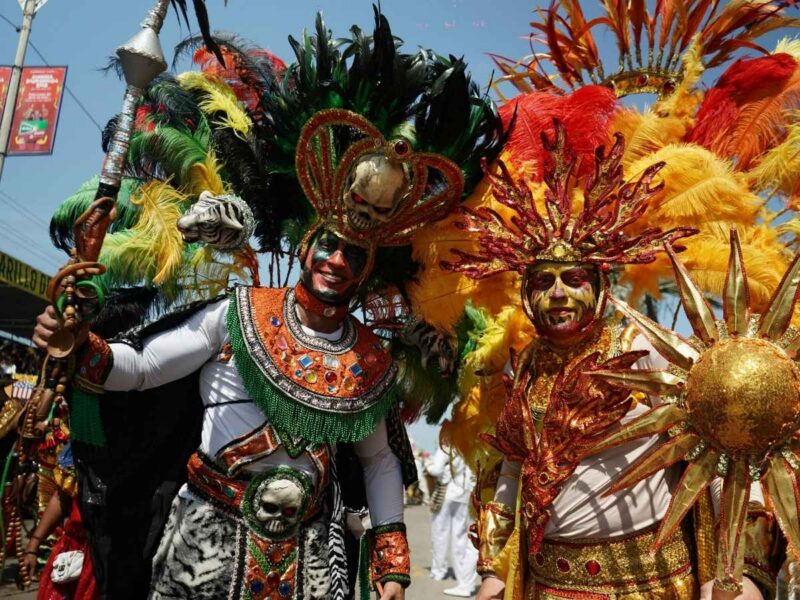
- February: The world-famous Barranquilla Carnival takes over the coast. It is a massive explosion of colour and dance.
- April: Holy Week (Semana Santa) in Popayán is a somber yet beautiful experience.
- August: Medellín transforms during the Medellín Flower Festival. The highlight is the “Silleteros” parade, where farmers carry massive, intricate floral displays through the beautiful countryside.
- December: The entire country glows with Christmas lights. Medellín’s “Alumbrados” are world-renowned.
Practical Logistics for the Modern Adventurer
Navigating a country as geographically diverse as Colombia requires some planning. While major cities are well-connected by air, the heart of the country is best discovered by road and river.
Getting Around: Air, Road, and Water
Domestic flights are the fastest way to travel between major hubs like Bogotá, Medellín, and Cartagena. Airlines like Avianca and LATAM cover these routes frequently. However, for more remote regions like the Amazon or the Pacific coast, you will often need to rely on smaller planes or boats. In Leticia, for instance, the river is the primary “highway” connecting indigenous communities and wildlife lodges.
On the mainland, intercity buses are a comfortable and scenic alternative for those who prefer slow travel. Companies like Expreso Brasilia offer modern services with Wi-Fi and reclining seats. For shorter distances, “colectivos” or local vans are a common way to hop between nearby towns, such as from Santa Marta to the beaches of Palomino.
Health, Safety, and Connectivity
Travel insurance is essential when visiting Colombia, particularly if you plan to explore rural or high-altitude areas. High-altitude sickness can be an issue in Bogotá or Pasto, so it is wise to take it easy for your first few days. While tap water is generally safe in major cities, it is recommended to use purified water in rural regions.
Connectivity is excellent in urban centres, with local SIM cards being affordable and easy to find. However, once you head into the national parks or the Amazon, expect patchy or non-existent signals. This is often a blessing, allowing travellers to truly disconnect and immerse themselves in the natural world.
Choosing the Undiscovered Way for Your Trip
At Undiscovered Destinations, we believe the best way to see Colombia is by stepping away from the typical tourist trail. We don’t just follow the sun; we follow the story of the land. By choosing the “shoulder” months of April or September, you can find a perfect balance of decent weather and quiet paths.
Our limited group size tours are designed to make the most of these windows. We focus on deep cultural immersion and wildlife experiences that are best enjoyed in an intimate setting. Whether it is visiting a remote village in the Sierra Nevada de Santa Marta or exploring the ancient statues of San Agustín, we ensure that your presence is respectful and your experience is personal.
We also understand the needs of solo adventurers. We know that many people want to explore the world on their own terms but enjoy the security and camaraderie of a group. That is why we offer tours with no compulsory single supplements. We believe that solo travel should be about freedom, not extra fees. This makes these incredible experiences accessible to everyone, regardless of whether they are travelling with a partner or on their own.
When you travel with a small group, you have the flexibility to adapt to the local rhythm. You get to see the real Colombia—not just the postcards, but the hidden colonial gems, the vast eastern plains, and the misty cloud forests.
Preparing for Your Colombian Adventure
Because of the “four seasons in one day” nature of the Andes, packing is an art form. We always recommend layers. A light waterproof jacket is essential, as is a warm fleece for the cool evenings in Bogotá or the mountains. For more practical advice, our travel tips suggest comfortable walking shoes for the cobbled streets of the colonial towns and the forest trails. Always consult the Colombia menu of regional dishes to fuel your adventures—from hearty ajiaco soup in the highlands to fresh coconut rice and fish on the coast.
Choosing the best time for your travel to Colombia depends on the magic you want to find. Whether you are chasing the rhythm of a Caribbean carnival, the quiet mist of a high-altitude forest, or the sight of a humpback whale in the Pacific, there is a perfect window for your adventure. Colombia does not have a single “on” or “off” season; it has a soul that changes with the rains and the sun. By picking the right month and the right way to travel, you ensure your journey is a deep immersion into one of the most diverse places on Earth.
At Undiscovered Destinations, we take the stress out of planning and ensure you can focus on the beauty of the journey. We are experts in finding the paths less travelled and creating connections that last a lifetime. Are you ready to find your perfect Colombian moment?
Discover the vibrant heart of South America and book your authentic small group tour with Undiscovered Destinations today.