AITO 4.9 Excellent Rating

Colombia has long since shed its old reputation, emerging as one of the most vibrant and biodiverse destinations on the planet. While the colourful streets of Cartagena and the innovative parks of Medellín rightly draw crowds, the true magic of this South American jewel lies further afield. If you are looking for the best places to visit in Colombia South America, you will find that the “Secret Heart” of the nation is found in its mist-covered Andean peaks, archaeological mysteries, and colonial towns that feel frozen in time.
Exploring these remote regions can be daunting for solo adventurers due to complex logistics and a lack of reliable transport. However, by joining a small group tour, you can navigate these “undiscovered” paths with local expertise, avoiding the stress of planning and the burden of compulsory single supplements. Here is your guide to the 10 best places to visit in Colombia that go far beyond the standard tourist trail.
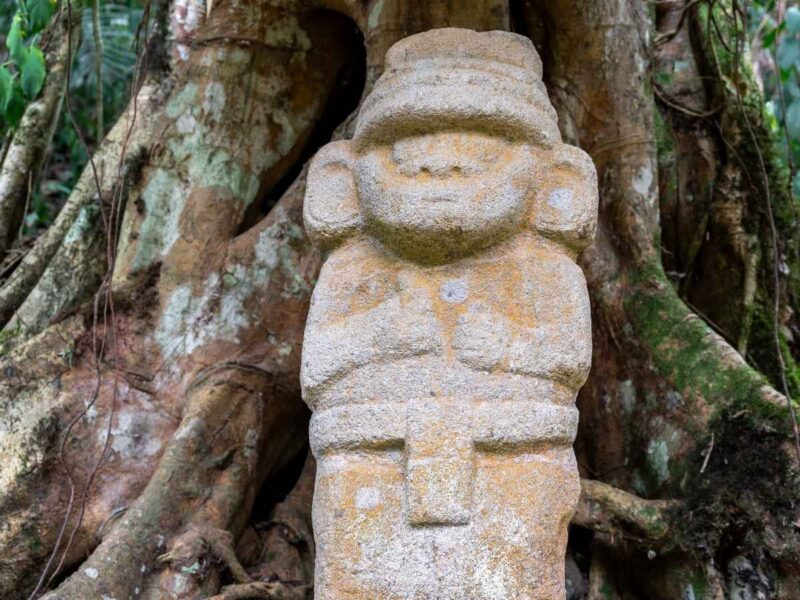
1. San Agustín: Pre-Columbian Traditions and Stone Giants
Hidden in the rugged hills of the Huila department, San Agustín is home to the largest group of religious monuments and megalithic sculptures in South America. This UNESCO World Heritage site features over 500 pre-Columbian statues scattered across a lush, green landscape that feels like a natural open-air museum.
The statues, carved from volcanic rock, depict everything from mythical monsters to sacred animals like jaguars and eagles. Walking through the San Agustín Archaeological Park feels like stepping into a forgotten world. To see the “Narrowness of the Magdalena,” you can head to a nearby point where Colombia’s mighty Magdalena River is squeezed through a rocky gorge. This dramatic feature highlights the raw power of the landscape that the ancient sculptors called home.
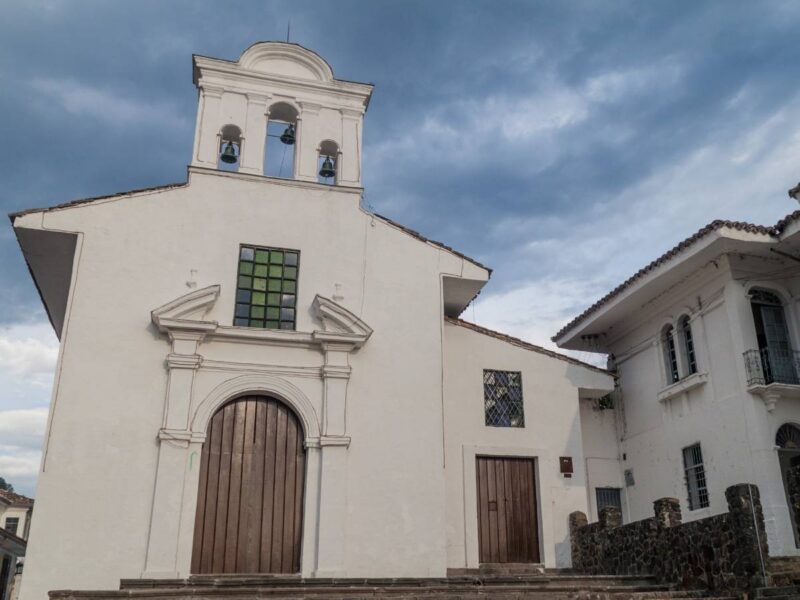
2. Popayán: Stately Charm Near the Sierra Nevada
Known as “La Ciudad Blanca,” Popayán is one of the most impressive colombian cities in the country. Its historic centre is a sea of whitewashed walls and red-tiled roofs, exuding a sense of stately calm that contrasts with the bustle of Bogotá. Founded in 1537, it served as a major political hub during the Spanish colonial era.
Popayán is not just a feast for the eyes; it is a UNESCO City of Gastronomy. The local cuisine is a blend of indigenous and Spanish influences—be sure to visit a local mercado to try the empanadas de pipián. The city is also famous for its elaborate Holy Week processions, which have been a tradition since the 16th century. Because this city remains largely off the main route, you can enjoy its serene plazas and ornate churches without the typical tourist throngs.
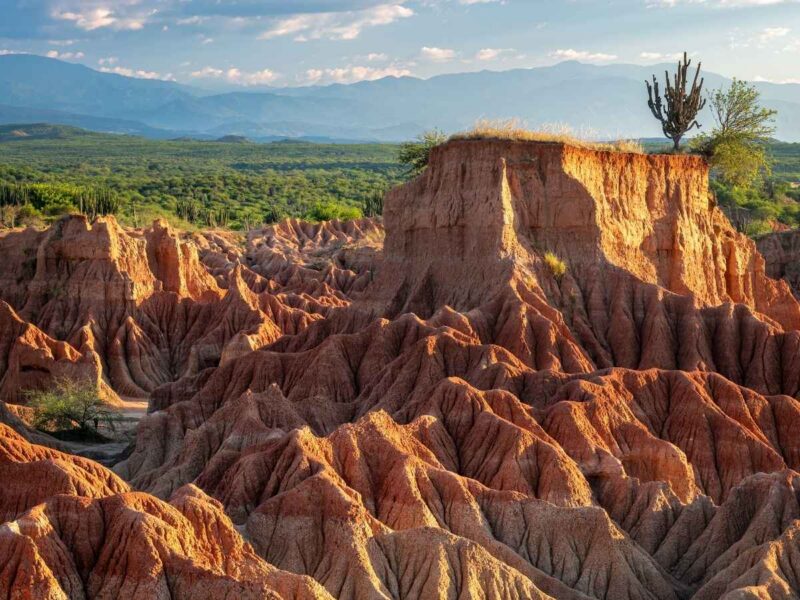
3. The Tatacoa Desert: A Trip to the Labyrinth
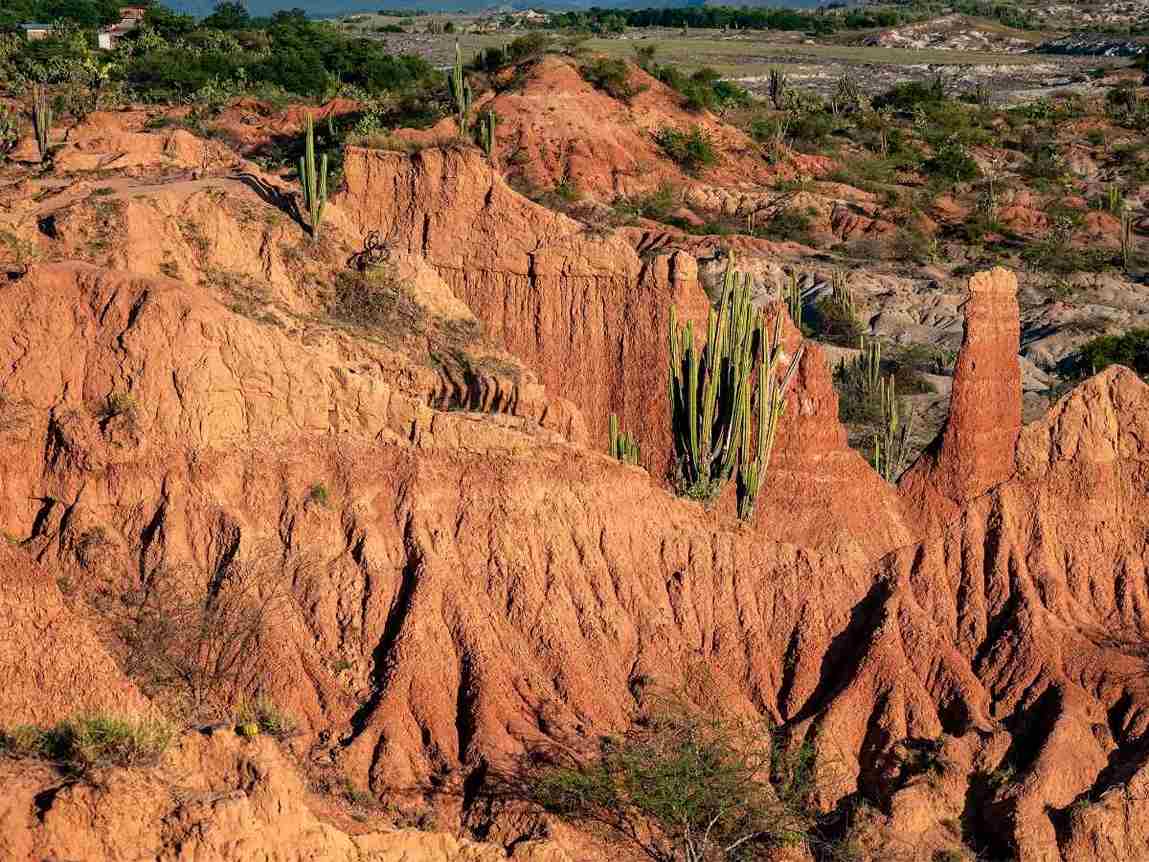
Technically a tropical dry forest rather than a true desert, Tatacoa is a surreal landscape of eroded cliffs and winding gullies. It is split into two distinct zones: the ochre-red labyrinth of El Cuzco and the moon-like grey formations of Los Hoyos. The area was once a lush forest, but over millions of years, it transformed into this arid, beautiful wasteland.
For photography enthusiasts, the contrast between the deep red soil and the bright blue sky is breathtaking. As you hike through the canyons, you will see giant cacti standing like sentinels. At night, Tatacoa transforms into one of the best spots for stargazing in South America. Its location near the equator and lack of light pollution mean you can often see both the northern and southern constellations with incredible clarity.
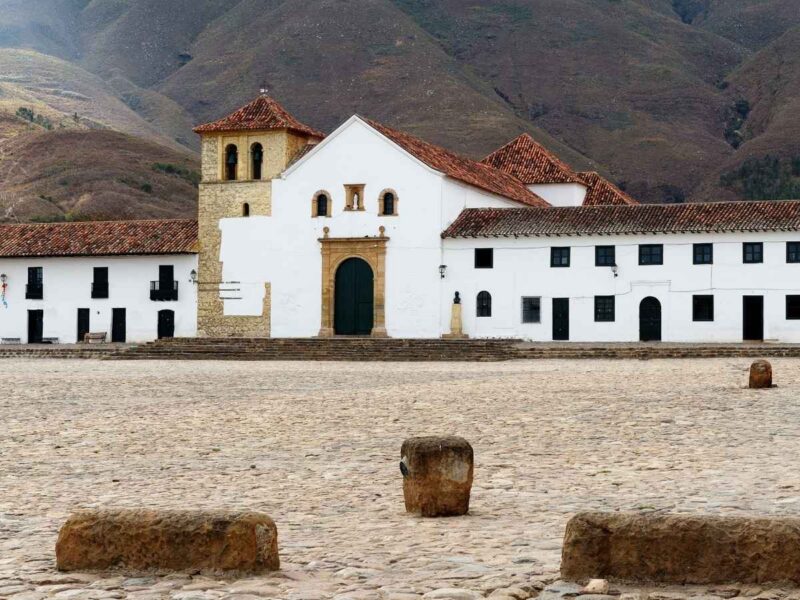
4. Villa de Leyva: A Historic Visit Beyond Bogotá
A National Park for the Mind
While many travellers visit the Salt Cathedral of Zipaquirá as a day trip from the capital, the real reward lies further north in Villa de Leyva. This town boasts the Plaza Mayor, the largest cobbled square in South America. The absence of modern overhead power lines and the strict preservation of its colonial buildings make it feel like a living museum.
The town has been preserved so perfectly that it is often used as a film set. Beyond the town walls, you can explore “El Infiernito,” an ancient Muisca astronomical observatory. The dry air makes it perfect for long walks. When looking for places to stay, there are several charming boutique hotels and friendly hostels that offer a view of the mountains.
5. The Coffee Heartlands: Salento and the Cocora Valley
Life Beyond the Big Cities
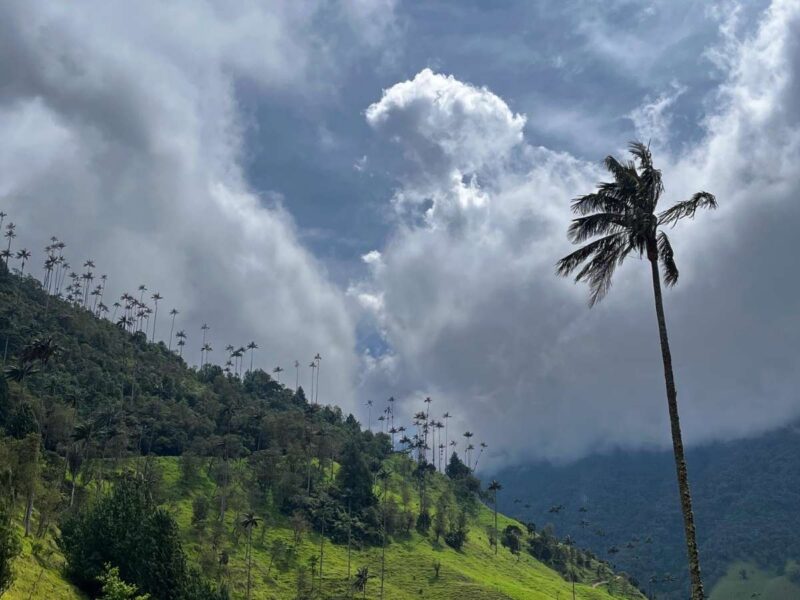
Most people head straight to Salento to see the towering wax palms of the Cocora valley. While the palms are a must-see, the nearby village of Filandia offers a more authentic “paisa” experience. It features the same brightly painted wooden balconies but with a much slower pace that allows for genuine interaction with the residents.
To truly understand the region, you must immerse yourself in the coffee culture. Staying on a family-run finca (coffee farm) allows for deep cultural immersion. You can walk through the plantations, pick your own cherries, and learn the “bean-to-cup” process from local experts. This is a great place to learn why the world loves Colombian beans while looking out over the verdant valle.
6. Tierradentro: Exploring Ancient Places and Tombs
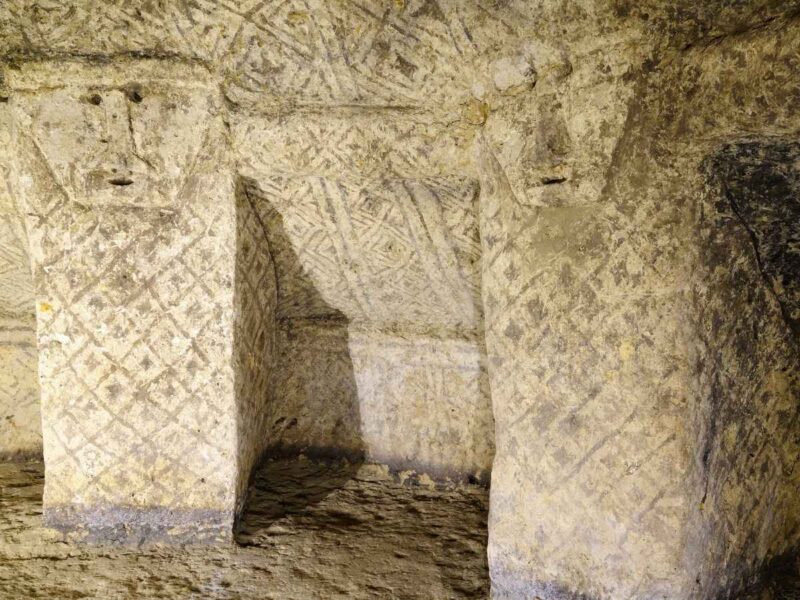
If San Agustín represents the heights of pre-Columbian sculpture, Tierradentro represents the depths of its architectural genius. This remote site is famous for its underground burial chambers decorated with intricate geometric patterns in red, black, and white.
Descending into these tombs via steep stone spiral stairs is an adventure. Some of the chambers are located seven metres below the surface, carved directly into the soft volcanic rock. Because Tierradentro is difficult to reach independently, it remains one of the most peaceful historical sites in the country, often visited only by those on specialised small group tours.
Descending into these tombs via steep stone spiral stairs is an adventure. Some of the chambers are located seven metres below the surface, carved directly into the soft volcanic rock. Because Tierradentro is difficult to reach independently, it remains one of the most peaceful historical sites in the country, often visited only by those on specialised small group tours.
7. Aracataca: Travel Into Magic Realism
For lovers of literature, a visit to Aracataca is a pilgrimage. This is the birthplace of Nobel laureate Gabriel García Márquez and the inspiration for Macondo in One Hundred Years of Solitude. The town sits in the shadow of the Sierra Nevada de Santa Marta mountains.
The town is a living monument to “magical realism.” You can visit the reconstructed house of the author’s grandparents and see the telegraph office where his father worked. It is a humble, hot town that offers a raw look at the Caribbean lowlands. This is a truly colourful place where history and fiction blend together on the picturesque streets.
8. Mompox: Escaping the Crowds of Cartagena
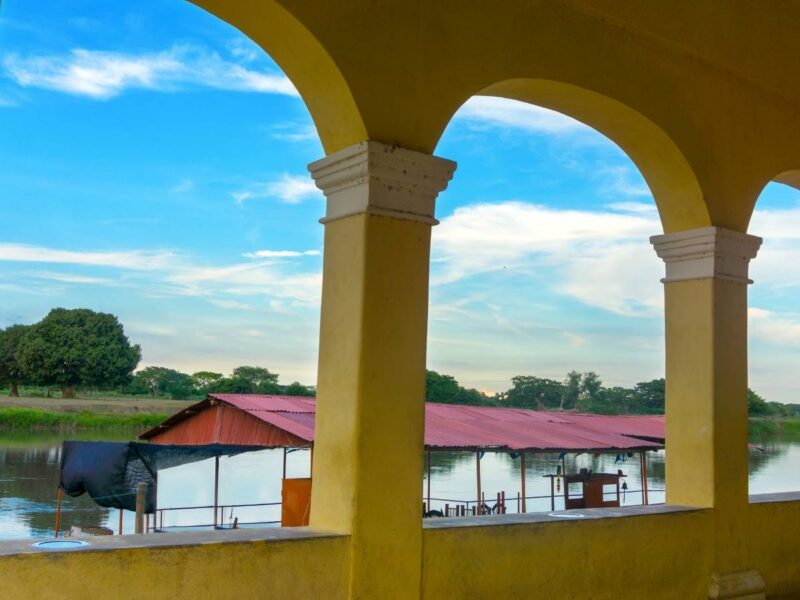
Set on an island in the middle of the Magdalena River, Mompox was once a vital port. When the river changed course, the town was left isolated, which served to preserve its colonial architecture perfectly. It is a world away from the busy walled city of Cartagena.
The town is famous for its intricate silver filigree jewellery. Watching artisans spin hair-thin threads of silver into beautiful earrings is a highlight of any visit. The humid, tropical air and the sound of the river give Mompox a dreamlike quality. You will find several excellent restaurants tucked away in colonial courtyards serving traditional river fish.
9. Northern Wonders: Santa Marta and Tayrona National Park
From Jungle Trails to Ciudad Perdida
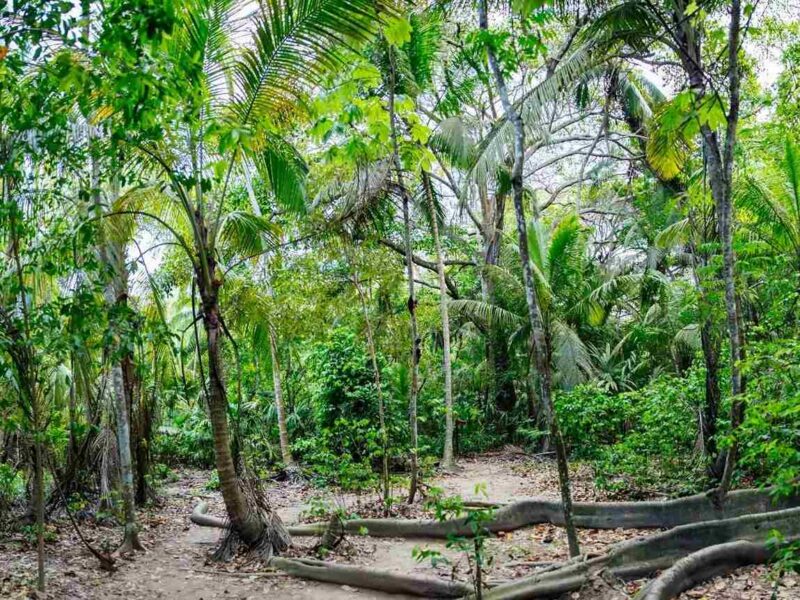
Santa Marta serves as the gateway to some of the most beautiful places in the north. From here, you can embark on the trek to La Ciudad Perdida (the Lost City), hidden deep in the jungle. This ancient archaeological site predates Machu Picchu and requires a multi-day hike through dense forest and river crossings.
If you prefer a more relaxed pace, Tayrona National Park offers beautiful beaches where the mountains of the Sierra Nevada meet the Caribbean Sea. You can hike from Palomino or visit the quiet mountain village of Minca to enjoy cooler temperatures and bird-watching.
10. Wild Horizons: Los Llanos and Pacific Beaches
Remote Beauty: Providencia, Palomino, and Punta Gallinas
While many stick to different cities like Medellín, the wild horizons of Los Llanos offer a “safari” experience where you can see giant anteaters and capybaras. For those seeking the mountains, a trek into Los Nevados National Park provides a stark contrast with its volcanic peaks and high-altitude paramos.
In Medellín, you can explore the transformation of the city from the era of Pablo Escobar to a hub of modern art and innovation. Be sure to visit the leafy neighbourhood of El Poblado or the historic district of La Candelaria. For a gritty, authentic food experience, the Bazurto market in Cartagena is a must-see to experience the true pulse of the coast.
Reclaiming the Spirit of Adventure
Colombia is a land of layers, and most visitors only scratch the surface. Whether you are walking through the ancient Ciudad Perdida or enjoying the beautiful beaches of Providencia and Punta Gallinas, every trip offers something new. By venturing off the beaten track, you find a country of incredible depth and unmatched warmth.
Small group travel makes these remote gems accessible. It provides the safety and local insight needed to navigate the terrain, allowing you to immerse yourself in the culture. These are our favourite places for a reason—they represent the true spirit of discovery.
Ready to explore the authentic heart of South America without the stress of logistics? Check out our specialised Colombia small group tours for guided adventures off the beaten path. Follow our curated itinerary and discover the magic of the Andes and beyond. Book your next small group adventure with Undiscovered Destinations and see the side of Colombia that most travellers miss.