AITO 4.9 Excellent Rating

Day 1 – Kaieteur Falls
A leisurely first morning was most welcome to recharge and refresh amid the old-world charm of Cara Lodge. Breakfast was excellent with fresh tropical fruits, yoghurt and perfectly seasoned scrambled eggs cooked to order, washed down with hot coffee.
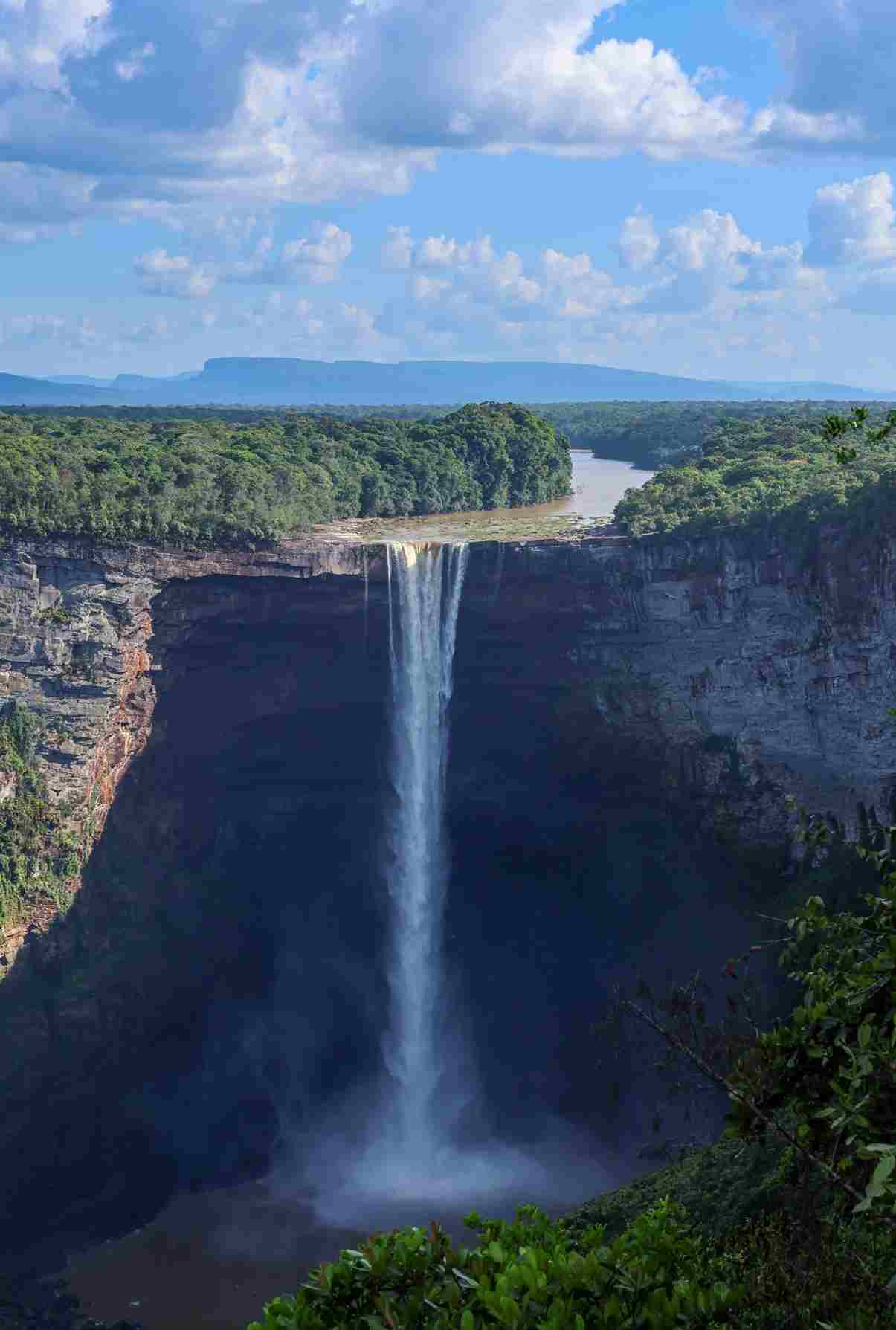
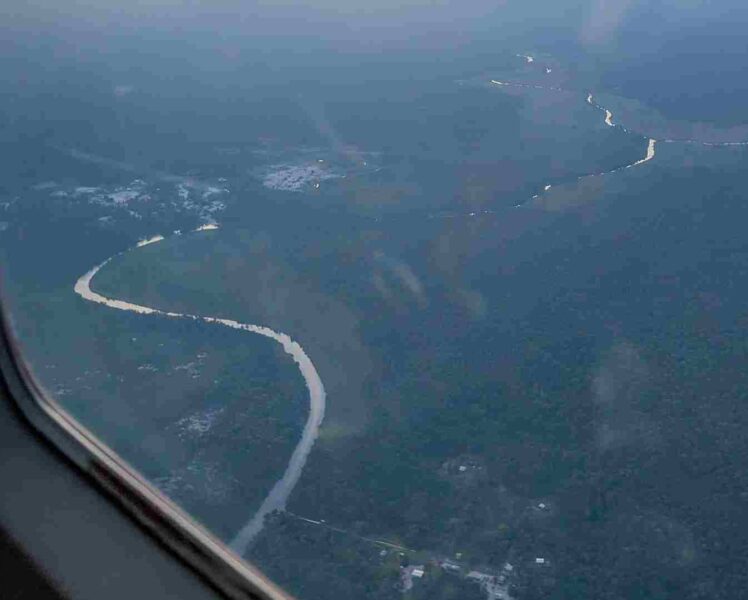
Late morning, we transferred to the nearby city Ogle airport and checked in for our flight to Kaieteur Falls on TransGuyana Airways. The turbo prop aircraft 50-minute experience was great fun, with a few minor bumps through cotton wool-esque cumulonimbus, and memorable vistas of the mighty Essequibo and Demerara Rivers (the former being a feeder river of the Amazon). As we neared our destination, the stunning Pakaraima Mountains came into view, culminating in a breathtaking fly past of the falls.
Upon landing our guide Jeremiah took us on a 2km walking circuit, pointing out fascinating plants including a giant bromeliad, home to the tiny but beautiful golden rocket frog that lives therein due to the plants water storage capabilities. I was delighted to get a nice view of this charming little amphibian.
Water levels are low at this time of year, but the falls themself are still jaw droppingly beautiful, the Potaro River plummeting over a scarcely believable 700 feet sheer cliff into the abyss below. One could only imagine the thundering roar of the falls in the peak of the wet. The dreamy views from each of the three lookout points we visited were hugely memorable, as was the sighting of the iconic resplendent orange Cock of the Rock bird, sitting regally in the canopy, in full view a short way off the trail.
2 hours on the ground really raced by, and it was time to head back to Georgetown. We enjoyed a smooth and scenic flight back to the coast, revelling in an almost ethereal light show against the clouds as the sun dipped. A great start to the trip.

Day 2 – To Iwokrama
We travelled today by light aircraft again this time deep into the Guyana interior to the pristine forest reserve of Iwokrama. The last 20 minutes of the flight were particularly spectacular following the Essequibo and flying low over the verdant canopy bathed in sunlight. We touched down at the red dirt airstrip of Fair View and drove the ‘highway’ a further hour or so to Atta Rainforest Lodge.
Lunch was served on arrival, delicious fish and chicken washed down with sweet guava juice, setting us up for the afternoon. Rather than take the offered siesta, I was keen to discover the abundance of nature on offer and was rewarded with sightings of a majestic and rather vocal white throated toucan, a yellow tufted woodpecker, and at ground level an Amazonian Boa Constrictor and more.
The grounds of Atta are a delight, a circular clearing for the 8 bungalows surrounded by towering virgin forest, hammocks to relax in, and a bar in the communal area for a welcome cold drink. Although not present this afternoon, Howler and Spider Monkeys often disrupt the tranquillity with their raucous calling. Black Vultures and Black Curassows are omnipresent with no fear of the visitors to their domain.
Later in the afternoon it was time to venture into the jungle and to the canopy walkway, a 20 minute or so walk into the thick forest. After a short climb we reached the bridges and the platforms where we stayed for an hour, marvelling and the tropical views and spotting birds such as a well camouflaged Amazonian Pygmy Owl and a superb Fork Tailes Woodnymph. In the distance our local guide trained the spotted on a resplendent Scarlet Macaw and to his delight, a rare close up of a male tufted coquette.
We returned from the steamy forest as a rapid tropical darkness descended, and had a refreshing drink at the lodge bar, before a tasty dinner was served. Thereafter, we took a short walk back into the forest for some atmospheric night spotting and saw leaf cutter ants forming an organized highway along the forest floor. Looking forward to more Iwokrama forest magic tomorrow.
Day 4 – Iwokrama to Rock View Lodge
Up early again at 5 for a much-needed brew, and then back into the dense forest and to the canopy walkway. Relatively quiet on the bird front, but memorable for a spectacularly close fly past by a pair of resplendent Scarlet Macaw.
Our guide was also determined to lure the Amazonian Pygmy Owl, and after 45 minutes was successful, and we were treated to an excellent view of such a beautiful bird. I was also pleased with my long-range spot of the Black Faced Hawk in the distance through the binoculars.
After breakfast we journeyed to Rock View Lodge and left the majestic Iwokrama Forest behind us. En route we took a short trail to spot the utterly spectacular orange Guianan Cock of the Rock, and some of the groups were treated to a beautiful sighting.
We were welcomed warmly at Rock View by all the family, including the gregarious owner of the property Colin. The family sat with us over a tasty local lunch and thereafter son Zorba showed us around the property, including the superb lookout point after which the property is named.
Around 4, we reconvened for tea/coffee and homemade cookies before observing a remarkable demonstration of skill and dexterity of cotton weaving and basket making from a husband-and-wife combination from the local Amerindian community.
A sunset walk around the perimeter of the property and onto the adjacent airstrip proved very worthwhile as the area was awash with birdlife, parrots in particular abundance. To top it off we were treated with a mesmerizing tequila sunset, palm trees, and nearby mountains providing compelling silhouettes – much like the scenic drives in our escorted Hidden Guianas itinerary.
Day 5 – Rock View Lodge – Lethem – Georgetown
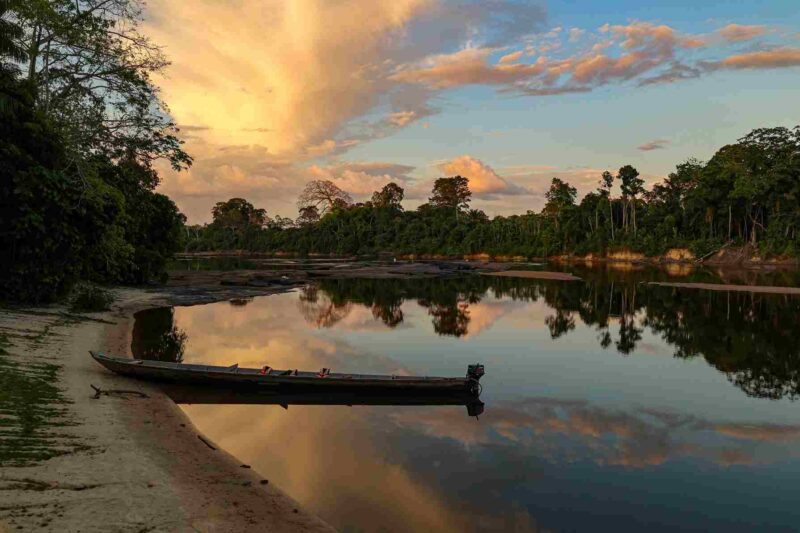
Up early for breakfast and a 3-hour journey to the frontier town of Lethem on the Brazilian border to take our flight back to the capital. The journey was quite rough in terms of the unpaved road, countered by a glorious day of huge skies dotted with cotton candy clouds, savannah grasslands stretching out in all directions towards distant mountains.
The flight was a little delayed, but smooth and by mid-afternoon we were back at the Cara Lodge. A quick bite to eat and we were off to cruise the Demerara River, the 3rd largest river in the country but the most important strategically and economically. It was a hot clear late afternoon, so to be on the wide expanse of water with a breeze was very welcome.
We cruised into a small side channel to witness a beautiful Osprey fly off a tree clinging to a fish in its claws. We cruised out to the impressive new bridge spanning the Demerara River built in only 2 years by the Chinese, and finally skirted the mangroves, stopping to enjoy drinks and light snacks, and to witness a quite remarkable spectacle of thousands of egrets, herons and majestic Scarlett Ibis fly in to roost for the night, against the backdrop of a quite spectacular sunset. Dozens of Snail Hawks also joined the gathering. As darkness descended, we cruised back to the city, still shellshocked by an incredible display of nature.
Day 6 – Sights of Georgetown
Today started early with a sunrise visit to the city Botanical Gardens, home to an array of birdlife. We strolled as the sun kissed the top of the palms, and parrots bathed in the early rays. The highlight from a birding perspective was a Great Horned Owl in full view enjoying a peaceful slumber, seemingly oblivious to our admiring stares.
Next was a Guyanese breakfast at a local cafe in the centre of town to enjoy perfectly spiced scrambled eggs, plantain and smoky salt fish, washed down with hot coffee.
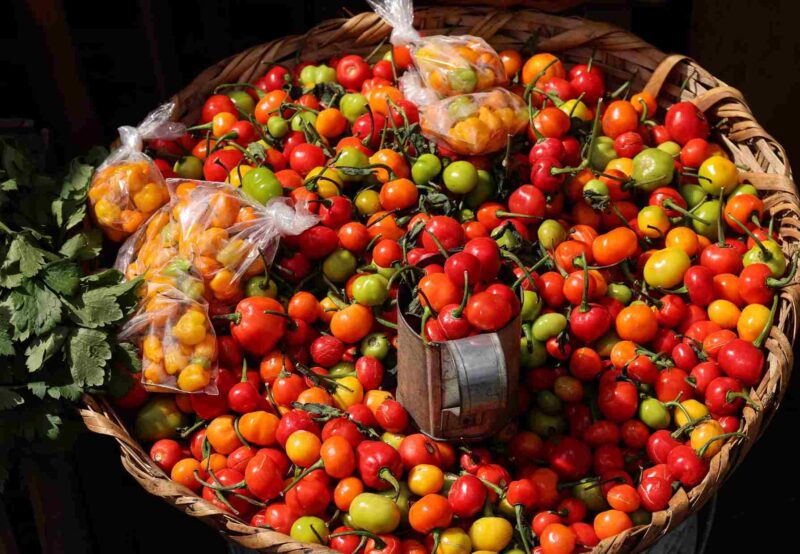
We then toured historic Bourda market, an atmospheric labyrinth of fresh produce and goods. Here we expertly navigated through the market by talented local chef Delven Adams, enthusiastically greeting vendors like family and gathering ingredients to cook up a storm later in the day.
As Chef Delven worked his magic in his Backyard Cafe kitchen, we toured the city, admiring the colourful old colonial era wooden buildings. For nature lovers, the city national park is home to a number of West Indian Manatees, gentle melancholic creatures that will steal your heart and some grass if you are willing to pick some from the lake fringe.
After a visit to the excellent National Museum, it was off to the shady retreat of the Backyard cafe to enjoy the culinary delights of Chef Delven and his kitchen team. They did not disappoint, serving up a tasty beef noodle dish, fresh fried fish from the Bourda market, al dente vegetables, tropical fruits and a fresh coconut water.
Suitably satisfied by not only todays food, but in general by the natural riches of Guyana, it was time to head to the second country in our Guianas journey, Suriname.
Day 7 – Paramaribo (Suriname)
This morning, we embarked on a walking tour of the charming old city of Paramaribo, recognised by UNESCO for its outstanding architectural value. The old houses are of timber frame construction and beautifully painted during restoration.
We then visited a site of an old plantation called Peperpot. The land of Commenwinje was once dominated by plantations, and Peperpot is a perfectly picturesque location next to the river, where nature and history intertwine effortlessly.
After a delicious lunch of roti chicken and veg, we headed to New Amsterdam for a tour of the Dutch Fort, a strategically important defensive location where the Suriname and Commenwinje Rivers converge just a short journey from the Atlantic. Buildings such as the gunpowder room and the rather menacing prison, which was still in use until the 1980’s, made for interesting observation.
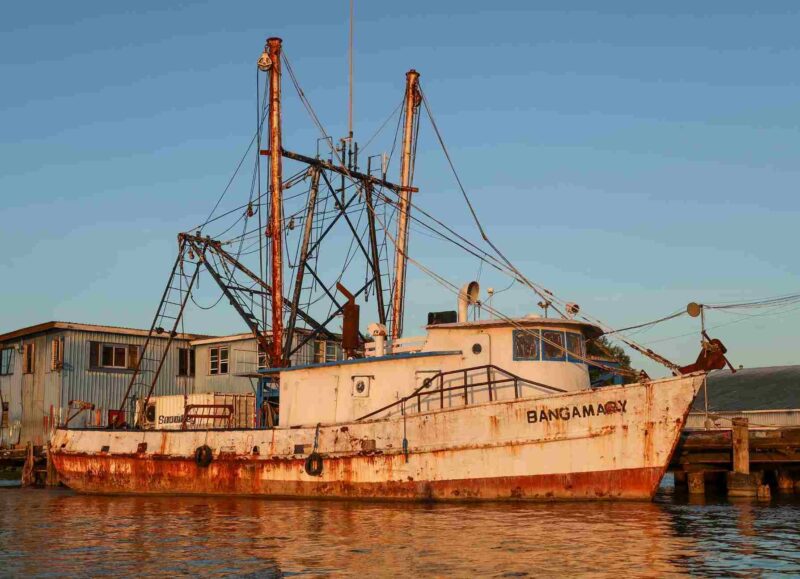
After stocking up on cold drinks and snacks, we headed out into the Suriname River in search of the Guianan River Dolphin and other wildlife. We passed the vibrant colours of the New Amsterdam fishing fleet, and also the sea facing cannons of the fort. After reaching the confluence of the Commenwinje, we got our first glimpses of the dolphins from a distance, and as soon as they were there, they were gone.
In the absence of the cetaceans, we turned our attention to the mangroves and were delighted to observe a pair of stunning Ospreys feeding. Huge American frigate birds sailed overhead on the warm zephyr.
Around an hour from sunset, the dolphins reappeared…and how! Seemingly they had enjoyed a good feed and were now more than willing to socialise near the boat. We were treated to wonderful sightings, even being able to see their somewhat jovial faces and slightly pink hue, caused by their diet. We were also lucky to see a manatee pop to the surface.
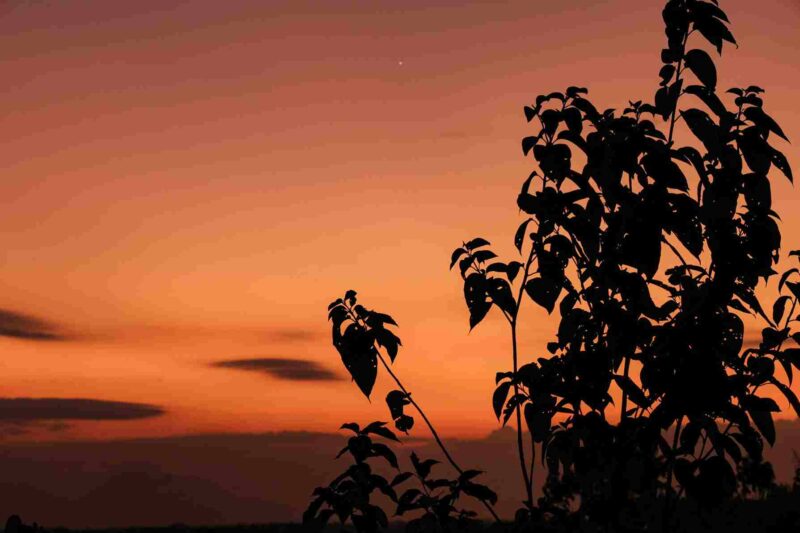
The dolphins continued to bless us with their presence right up until the sun set below the horizon and delighted us with a few acrobatics. Amazingly, we also observed large tarpin leaping from the river, desperately trying to escape their expert hunters. The dolphins do not have it all their own way however, clever terns working in teams to divebomb and steal the fish. We headed back to shore as the sky turned a fiery orange and felt privileged to have witnessed such a spectacle of nature.
Day 8 – To Danpaati
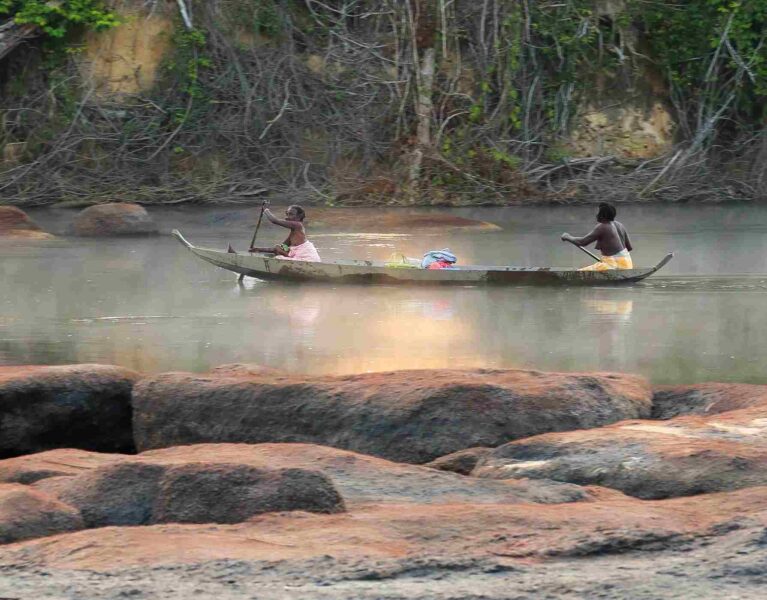
A pre-dawn start awaited us for our j0ourney deep into the interior of Suriname. We travelled first on an uneventful 3-hour road journey where we then boarded dugout canoes for the second half of the journey. It was a wonderful cruise up the Suriname River passing by indigenous villages, plenty of kids playing in the river with the water levels being so low. A couple of times we were required to get of the boat as shallow rapids were expertly negotiated.
We were warmly welcomed at Danpaati Lodge by the staff and checked into our lovely cabanas. Outside each cabana is a raised terrace and a hammock to sit and enjoy the sumptuous vista up and down the Suriname River.
We were taken on a short orientation tour of the island before some rest and then at 430 made a short journey by boat to some gentle rapids and enjoyed drinks and snacks, a swim and to generally soak up life on the river. We returned to the lodge at sunset, amazing reflections of the forest canopy visible in the calm waters.
After a very welcome cold pre dinner local beer in the atmospheric bar, we enjoyed dinner of soup, succulent seasoned chicken with mash, and fresh fruit.
At 9pm we boarded the dugout canoe once more and took a short journey up the river night spotting. Under a clear starry sky and a beautiful crescent moon we scanned the riverbanks. Our guide spotted some shining eyes, and we got closer to reveal a super spectacled Caiman on the edge of the water. Shortly after the engines were turned off and we sat in darkness and glorious silence under the tropical jungle sky, simply stargazing and listening to the orchestra of frogs and insects. An absolute treat. I could have sat there all night but soon the engine was back on, and we cruised back to base. I went to bed already in enchanted by the allure Danpaati and looked forward to exploring tomorrow.
Day 9 – Danpaati
Our day began with a fascinating walk in the rainforest with our local guide learning about how the maroon people use different plants and trees in the forest for warnings, remedies, pain relief and food/water. A lovely moment occurred when a huge spectacular Blue Mopho butterfly crossed the track. The heat and humidity in the forest were intense, even the guide was sweating profusely, I was drenched!
After a fish lunch, we had some relaxation time, I used the time to wander round the island looking at the flower’s plants, and some glorious butterflies. At the end of the island, I spent a while watching the local people go about daily tasks on the riverbank. As I returned to the cabana, a large shower swept through, and shortly after a few mischievous looking Capuchin monkeys’ marauder a path across my balcony, seemingly oblivious of my presence.
As late afternoon approached, we headed for a walk around the nearby maroon village with our local guide. It was a steamy late afternoon, but the light was soft, and we wandered the village with a bunch of the kids into googling and hooting after receiving a high five. We learned tales of the ancestors, spirits and the general function of the village. It seemed sad though how our guide (who is from the village), commented rather matter of fact that this maroon community is being slowly depleted as the modern ways of life encroach deeper into the jungle of Suriname, and community members leave for pastures new, and do not ever, or rarely return.
Dinner consisted of a juicy beef stew and rice, and thereafter we sat with a rum and enjoyed a dance performance from some of the women of the village. This was interspersed with interpretation of the dances from our local guide. There was a certain inevitably we would be invited to join in the dancing, so we did enthusiastically much to the delight and amusement of the ladies.
I finished the evening on the balcony of my cabana looking out on the stars, and the silhouette of the canopy across the river, enchanted by the wonders of this natural haven deep in the Suriname interior, and hoping that Danpaati Lodge, through its excellent eco-tourism model, contributes to conserve the traditions of the Maroon people.
Day 11 – Suriname into French Guiana
This morning, we travelled the 2.5 hours from Paramaribo to the border town of Albina on the Moroni River, which separates Suriname from French Guiana. Suriname immigration was super quick, and we then went walked a short distance to our small boat to whisk us across the Moroni, and into official French territory, and the town of Saint Laurent du Moroni. We met out guide Helen and proceeded to the nearby transportation camp commissioned by Napoleon. French convicts were sent across the Atlantic from the mid-19th century awaiting forced labour, and death by guillotine for more serious offenders. Papillon was first incarcerated here after his sentence for murder and escaped before being captured and then sent to Devils Island down the French Guiana coast, from which he latterly escaped again.
Thereafter, we took a stroll around Saint Laurent du Moroni admiring the old atmospheric creole buildings, some beautifully restored, and some very much exuding an air of dilapidation and faded grandeur. To me the town also had a slightly Bond-esque feel to it. We walked through the colourful produce market to our lunch stop just before the heavens opened.
We enjoyed a delicious fresh fish lunch and then continued to Kourou stopping at the late 19th century wood constructed Saint Joseph D’Uracabou. The church looks unremarkable from the exterior, but step inside, and be wowed by its spectacular interior artwork, carried out by a single prisoner from a nearby camp. A truly incredible sight.
We continued a further 1 hour by road to Kourou for our overnight stay.
Day 12 – Ile du Salutation (including Devils Island)
This morning, we travelled via an impressive bakery to pick up our picnic items and then to the nearby dock to board a catamaran to Ile de Salut (Salvation Islands), a group of 3 islands located around 10 miles off the coast of French Guiana. The islands were used as a notorious penalty colony for French prisoners in the mid-19th to mid-20th centuries.
The crossing took around an hour and a half, pretty smooth overall with a light swell. Apparently, it can be quite rough, so sickness tablets advised for those without sea legs!
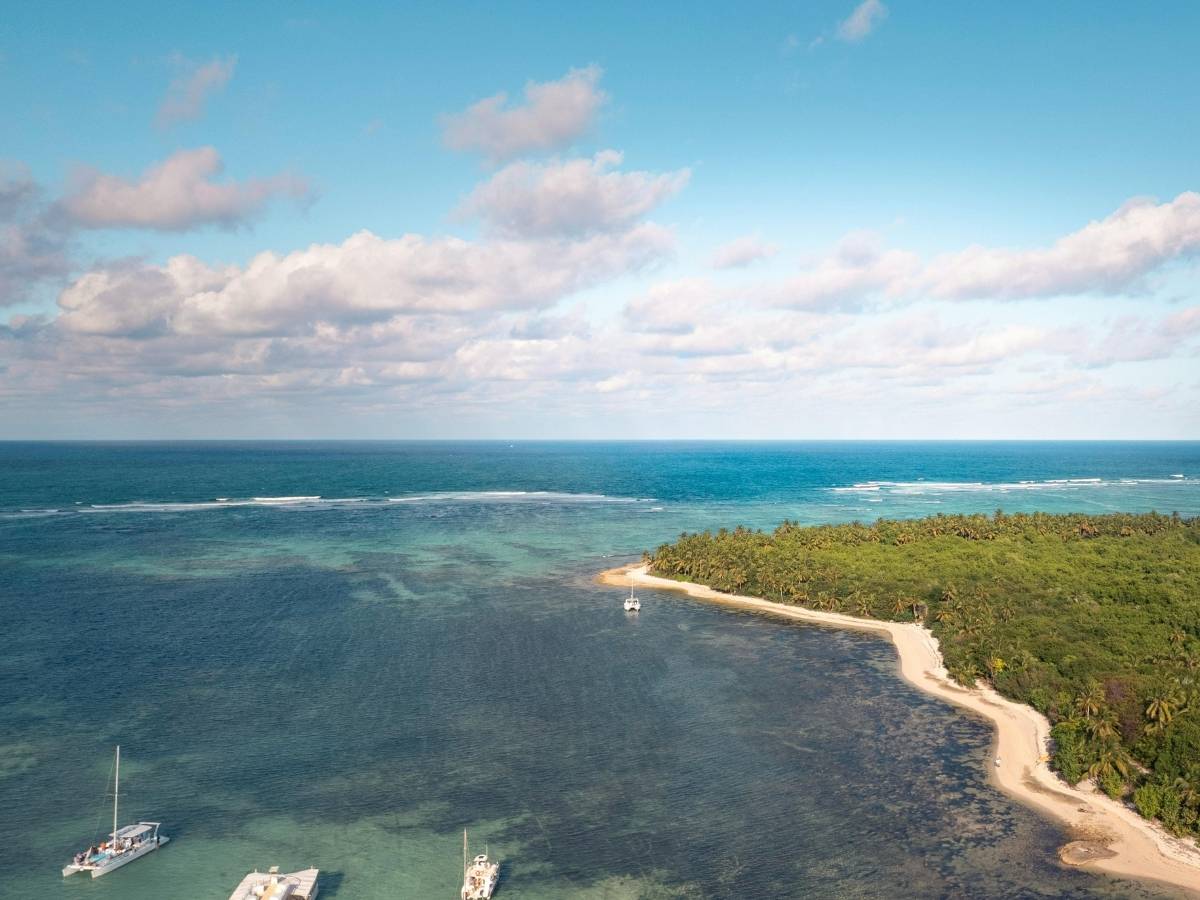
As the islands approached, what was noticeable was the colour of the water had changed. The Guianas have cloudy coastal waters due to the silt from the rivers that flow into the Atlantic, but this far from the coast, one can enjoy more Caribbean-esque sea conditions.
We first did a circumnavigation of Devils Island, as it is unsafe to go onto the island itself. This was where political prisoners were held, including Alfred Dreyfus who was held here for 5 years for treason in the last years of the 19th century. The hut he was kept in is easily visible from the boat and he apparently had 14 guards to ensure he did not try to escape, although attempts to escape were usually futile due to sharks and the treacherous currents.
Next, we moored on Ile Royale, which was the reception and administrative island, and also housed low grade prisoners. The walk on the island and visit to the various buildings including the church and the hospital proved extremely interesting and provides wonderful vistas through the palms out to the azure waters.
After our picnic lunch, we got back on the Catamaran and hopped over to Ile St. Joseph, which was reserved for the most serious criminals, who were held in brutal solitary conditions often in darkness and was given the alternative names of the Island of Silence and the Man Eater. Most convicts held here, if they did not die by guillotine, succumbed to the hideous conditions, and rampant disease. Bodies were mercilessly thrown to the sharks. The remnants of the cells are a haunting sight, nature has retaken over, trees and vegetation sprawling like octopus tentacles from the ghostly cells.
One can only imagine the suffering that was endured here. More happily, the island also has a picturesque beach, and Agoutis are commonly seen from the paths. Also, it is worth looking out for beautiful sea turtles that bob around close to the rocky outcrops of the islands.
After leaving Ile St. Joseph, there was time for a refreshing swim off the catamaran, before we headed back under sail to the mainland. As we entered the estuary of the Kouoro River, a beautiful warm sunset ensued, Scarlet Ibis and other waders patrolling the edges of the mangrove.
Day 13 – Space Centre and Cayenne
Our final full day in the Guianas starts with a short drive from downtown Korou to the home of the European Space Agency also known as the Guiana Space Centre. On arrival, a superb to scale replica of the ARIANE rocket greets the eager visitor.
The site spans over a vast 70000 hectares close to the Atlantic Ocean. The centres relative coastal and equatorial proximity was thought to be a factor in the original selection of the site, for example the site not being prone to hurricane activity. Also launches can be made in both a northerly and easterly direction over the ocean. Around 1700 people are directly employed on the site of the space centre. It is a huge operation.
We checked in and received our accreditation, and shortly thereafter were sitting comfortably in the public viewing area of the Jupiter launch control room, which was rather surreal. Huge screens showed the activity from around the site, including the launch area. We proceeded then to take a bus tour around the vast site with English commentary. It was a great time to tour the site, as a launch of ARIANE 6 is scheduled in just a few days’ time, so there was a buzz of pre-launch activity in the control room. The so called ‘payloads’ launched from the space centre are nearly always satellites, with no people being sent into space from here. We were able to get close to the launch site, but for security reasons were not permitted any further. An absolutely fascinating experience all-round and highly recommended.
Soon it was time for our final journey to Cayenne, the capital of French Guiana. We embarked on a walking tour of the city, the place exudes a rustic old-world charm, with the many atmospheric creole houses. There is also a fabulous lookout hill close to the centre of town affording a great 360-degree vista. As night fell, we enjoyed a pre-dinner drink on the veranda of Bar Palmistes as a parade made its way through the streets. Our final meal together was memorable, Paris-Cayenne restaurant a beautiful establishment where superb food and artwork go hand in hand.
Our journey through the Guianas has been memorable and extremely diverse. From the crashing falls of Kaieteur to the Cock of the Rock, to the remote Maroon people, and the cutting-edge tech of a space centre, the Guianas may be little visited but offer an exciting blend of experiences.
Book Your Spots Today for 2026
Inspired by thundering waterfalls, vibrant maroon cultures, playful river dolphins, and rocket-fueled horizons? Transform this diary into your story with expert-guided immersion of hidden Guianas, seamless logistics, and insider access that uncovers the Guianas’ wild heart.
Don’t miss out—spots fill fast for 2026 departures. Secure your adventure now: Start planning with undiscovered destination. Join the Hidden Guianas Tour for flexible exploration at your pace.