AITO 4.9 Excellent Rating

Oman is a land where ancient traditions meet dramatic natural beauty, offering travellers an experience that feels refreshingly untouched. There are countless things to do in Oman, from exploring lush southern landscapes to standing on the edge of vast mountain canyons in the north. Since 2004, Undiscovered Destinations has focused on revealing the country’s authentic character through meaningful travel experiences and small group journeys.
This guide is designed to inspire travellers who want to understand Oman beyond highlights—showcasing nature, culture, wildlife, and everyday life. Whether you are swimming in turquoise wadis, walking through ancient forts, or watching stars from the desert, these experiences reflect the true spirit of the country.
Oman Travel Tips: Before You Explore
Before setting out, it helps to understand Oman’s climate, customs, and everyday norms. A little preparation goes a long way and makes exploring the country more comfortable, respectful, and enjoyable.
Best Time to Experience Oman
The best time to explore Oman is from October to April, when mild temperatures make outdoor activities enjoyable. Hiking, desert exploration, and coastal visits are most comfortable during these months.
In contrast, Salalah’s Khareef season (June–September) offers a completely different experience, with misty mountains and green landscapes rarely associated with Arabia.
Cultural Awareness and Dress Code
Oman is welcoming but culturally conservative. Visitors should dress modestly, especially in mosques and traditional towns. Lightweight long sleeves and trousers are ideal. For women, understanding local expectations helps ensure respectful travel—this guide on women’s dress code in Oman is particularly helpful.
Days 1–3: Southern Oman & the Empty Quarter
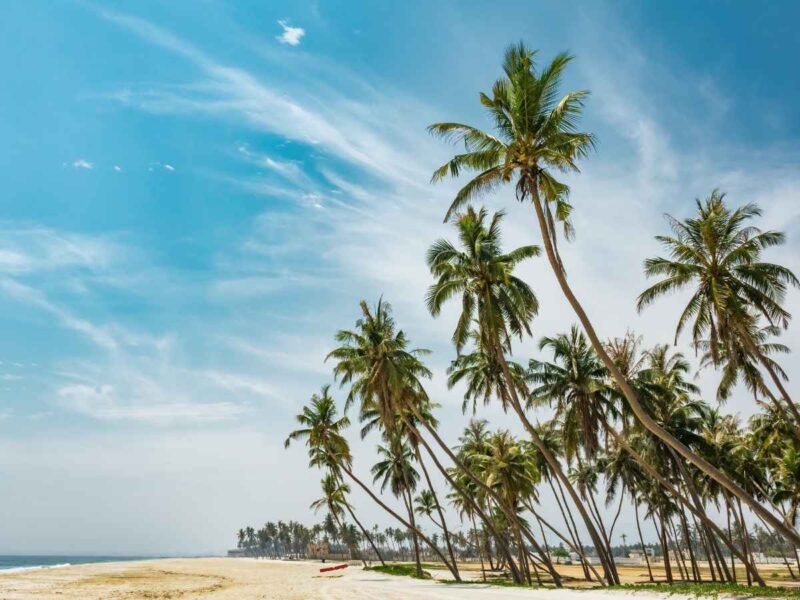
Southern Oman feels very different from the rest of the country. This region is known for its frankincense history, dramatic coastline, and vast desert landscapes. The experiences here offer a strong introduction to Oman’s natural beauty and ancient trading past.
Explore Salalah and the Frankincense Coast
Salalah offers some of the most unique things to do in Oman, blending history, nature, and coastal scenery. Highlights include:
- The Land of Frankincense (UNESCO World Heritage Site)
- Al-Mughsail Beach and its dramatic natural blowholes
- The Tomb of Job, set high in the surrounding mountains
These experiences reveal Oman’s ancient trade routes and spiritual heritage.
Discover the Rub Al Khali Desert
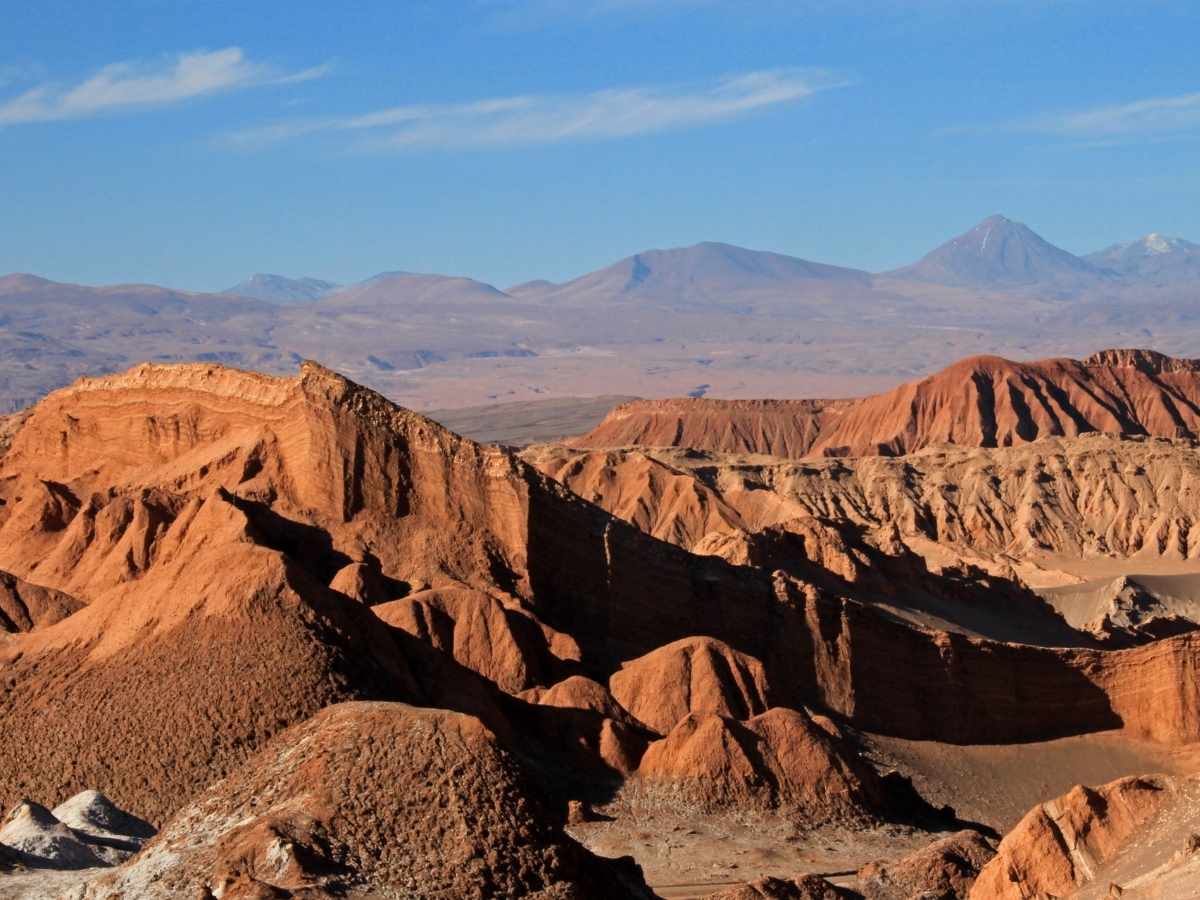
A journey into the Rub Al Khali (Empty Quarter) is one of the most unforgettable things to do in Oman. This vast desert hides the legendary Lost City of Ubar, once a major hub along the frankincense trade routes.
You can learn more about this fascinating site in our feature on the Lost City of Ubar in Oman.
Spending a night in the desert offers silence, stargazing, and an insight into Bedouin hospitality—an experience that defines Oman’s soul.

Days 4-6: Muscat and Coastal Activities and Attractions
After the remote landscapes of the south, Muscat provides a balance of culture, history, and coastal life. The capital is calm and refined, making it an easy place to explore Oman’s traditions while enjoying scenic seaside views.
Discover Muscat’s Cultural Highlights
Muscat blends tradition and modernity gracefully. Key things to do include:
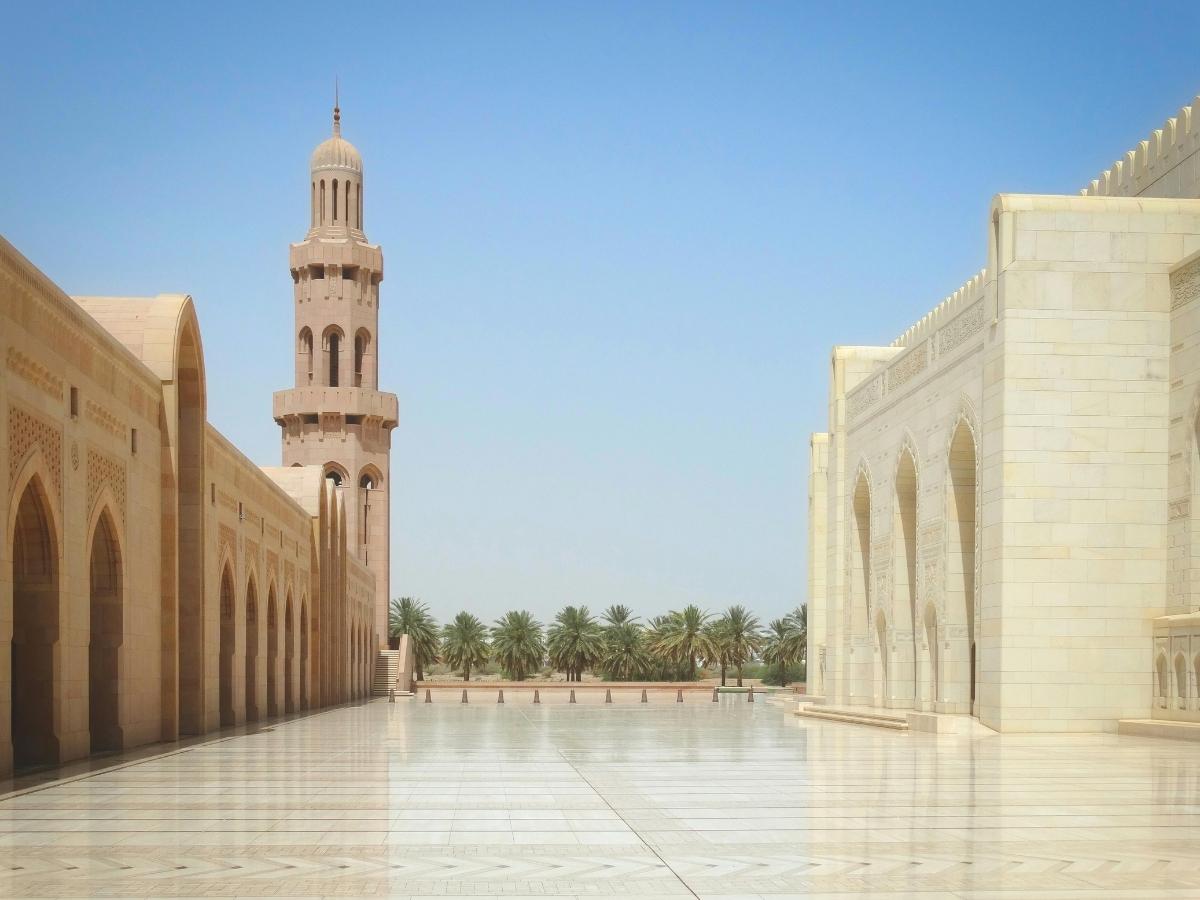
- Visiting the Sultan Qaboos Grand Mosque, one of the most beautiful mosques in the Middle East
- Walking along the Muttrah Corniche
- Exploring the Muttrah Souq for frankincense, silver, and spices
These experiences offer a gentle introduction to Oman’s capital without overwhelming crowds.
Wildlife Encounters at Ras Al Jinz
Travelling east along the coast leads to one of Oman’s most special natural attractions—the Ras Al Jinz Turtle Reserve. Here, endangered green turtles come ashore at night to nest. Read more about this remarkable conservation area in our guide to Ras Al Jinz Turtle Reserve.
Days 7–9: Wadis, Deserts & Historic Towns
This part of the journey focuses on Oman’s interior, where nature and history sit side by side. From freshwater wadis to desert dunes and ancient towns, these days highlight the variety of landscapes that make Oman so rewarding to explore.
Swim in Oman’s Famous Wadis
Few experiences rival swimming in Oman’s wadis. Wadi Shab and Wadi Bani Khalid are among the best places to enjoy turquoise pools surrounded by dramatic canyon walls. These natural oases are perfect for gentle hikes and relaxed afternoons in nature.
Experience Bedouin Life in Sharqiya Sands
The rolling dunes of Sharqiya Sands (Wahiba Sands) are ideal for dune bashing, sunset photography, and overnight desert stays. Sitting around a campfire and learning about Bedouin traditions is one of the most authentic cultural experiences in Oman.
Step Back in Time at Nizwa Fort
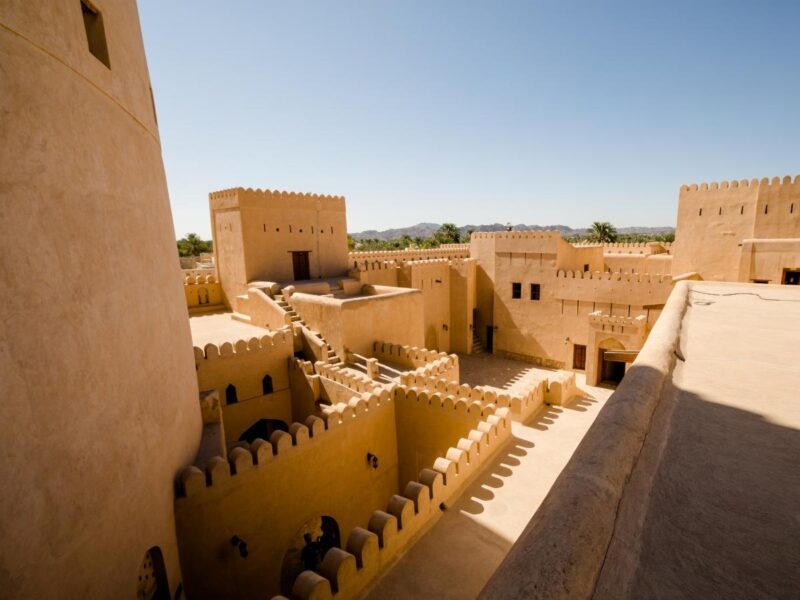
Nizwa is often considered the cultural heart of Oman. The 17th-century Nizwa Fort and nearby Jabrin Castle showcase Oman’s architectural and historical heritage. These sites are especially engaging for families and curious travellers alike.
Days 10–11: Mountains & Grand Canyons
The final days take you into Oman’s highlands, where cooler temperatures and dramatic scenery dominate. Mountain roads, deep canyons, and traditional villages offer a peaceful and memorable way to end the journey.
Hike Jebel Shams – Oman’s Grand Canyon
Jebel Shams, the highest mountain in Oman, overlooks Wadi Ghul, often called the Grand Canyon of Arabia. The famous Balcony Walk offers breathtaking views and passes abandoned mountain villages—perfect for those seeking scenic, non-technical hikes.
Explore Jebel Akhdar & Beyond
Jebel Akhdar is known for terraced farms, rose gardens, and cool mountain air. If time allows, travellers may also explore:
- The fjords of Musandam
- The coral-rich waters of the Daymaniyat Islands
These extensions highlight Oman’s geographical diversity.

Food, Hospitality & Everyday Life in Oman
Food in Oman is closely tied to daily life, celebrations, and the way people welcome guests. Meals are not just about eating but about sharing time, stories, and traditions. Exploring local dishes and hospitality gives a deeper understanding of Omani culture, especially when experienced in homes, small eateries, and village settings rather than formal restaurants.
Traditional Tours and Activities for Foodies
Omani cuisine is a blend of Arabian, Indian, and African influences. You must try Shuwa, a festive dish of marinated meat that is slow-cooked in an underground pit for up to 48 hours. In the south, look for Muthbe, a specialty where meat is cooked on heated flat stones.
The Ritual of Coffee and Hospitality
Hospitality is central to the Omani way of life. Every guest is welcomed with Kahwa—strong coffee flavoured with cardamom—served alongside fresh dates and Halwa. This sweet treat remains a symbol of Omani generosity that helps tourists feel at home.
Conclusion
Oman is a place best discovered slowly. Whether it’s swimming in a wadi, walking through old forts, watching turtles on the coast, or standing in silence in the desert, the real magic is in the everyday moments. These are the experiences that stay with you long after the trip ends.
Travelling in small group tours makes it easier to explore at a relaxed pace, reach quieter places, and connect more naturally with local life. If you’re considering an Oman tour that goes beyond the usual highlights, this approach offers a more thoughtful and rewarding way to experience the country.