
Anyone drawn to the Himalayas will eventually face the same question. Bhutan or Nepal? Both countries sit along the same great mountain range, both count among the most distinctive Himalayan countries in South Asia, and both promise Buddhist monasteries, prayer flags, cultural attractions, and views that reset your whole sense of scale. And both have built strong reputations among travellers who want something beyond the ordinary package holiday. But they are not interchangeable. The choice between them says more about the kind of trip you want than it does about the mountains themselves. For a full rundown of Bhutan's sights, see our guide to things to do in Bhutan.
This guide compares Bhutan and Nepal honestly, covering culture, cost, trekking, and distance, so you can work out which one belongs at the top of your list. And if you finish reading still torn between the two, that is worth paying attention to. It might be a sign you do not have to choose at all.
Bhutan and Nepal at a Glance
Two Himalayan Neighbours, Two Very Different Approaches to Tourism
Nepal is a republic of around 30 million people, roughly the size of England and Wales combined, and it has welcomed independent travellers for decades. Bhutan, in contrast, has a population of under a million and only opened its doors to tourism in the 1970s. It still manages visitor numbers carefully today. Nepal's tourism is open and traveller led. Bhutan's is structured and shaped by government policy at almost every level, from the licensed operators required to arrange your trip to the daily fee that funds free healthcare and education for Bhutanese citizens.
That one difference in approach explains almost all of the main differences in a Bhutan vs Nepal comparison, from the price of a trip to the pace at which you travel once you land.
A Quick Snapshot: Key Differences Between Bhutan and Nepal
Nepal is known for open borders, budget travel, and some of the most famous trekking routes on earth. Bhutan is known for careful, high value tourism, a fiercely protected culture, and a calm that is hard to find anywhere else in Asia. Nepal suits travellers who want flexibility and don't mind a bit of chaos along the way — explore more on our Nepal tours. Bhutan suits travellers who want a slower, curated experience and are happy to pay more for it.
How Far Is Bhutan from Nepal?
The Distance Between Kathmandu and Paro
If you are wondering how far Bhutan is from Nepal, the answer is closer than most people expect. The two capitals sit around 400 kilometres apart in a straight line, and a direct flight between Kathmandu and Paro, Bhutan's only international airport, takes about an hour to an hour and fifteen minutes. Only two airlines fly this route, Druk Air and Bhutan Airlines, though some connections also route through Delhi or Kolkata in India. Kathmandu airport itself also serves as one of the busiest hubs in the region, with onward connections reaching well beyond Nepal. On a clear day, the flight into Paro weaves between Himalayan mountains, sometimes offering a glimpse of Everest itself.
Why There's No Direct Land Border
Despite that short flight time, there is no direct land border between Bhutan and Nepal. The Indian states of Sikkim and West Bengal sit in between, so travelling overland is not a simple option. Bhutan itself is landlocked between India to the south and China to the north, and the wider Himalayan range stretches far beyond these two Himalayan countries, from Pakistan in the west to Bhutan in the east. In practice, flying remains the only realistic way to move between Bhutan and Nepal.
Can You Combine Both Countries in One Trip?
Given how close the two countries sit and how direct the flight is, combining Bhutan and Nepal into a single trip is entirely achievable. Many travellers spend one to two weeks exploring Nepal's cities, jungle, and hill towns before flying into Bhutan for a slower, more contemplative second half of the journey. Others extend the trip further still, pairing it with other short haul destinations in Asia such as Thailand, Bangladesh, Sri Lanka, or Malaysia, since flights into this part of the world often connect through the same regional hubs. The contrast between Bhutan and Nepal makes each country feel more distinct rather than repetitive.
Faith and Culture: Two Very Different Kinds of Devotion
Nepal's Layered Hindu-Buddhist Culture
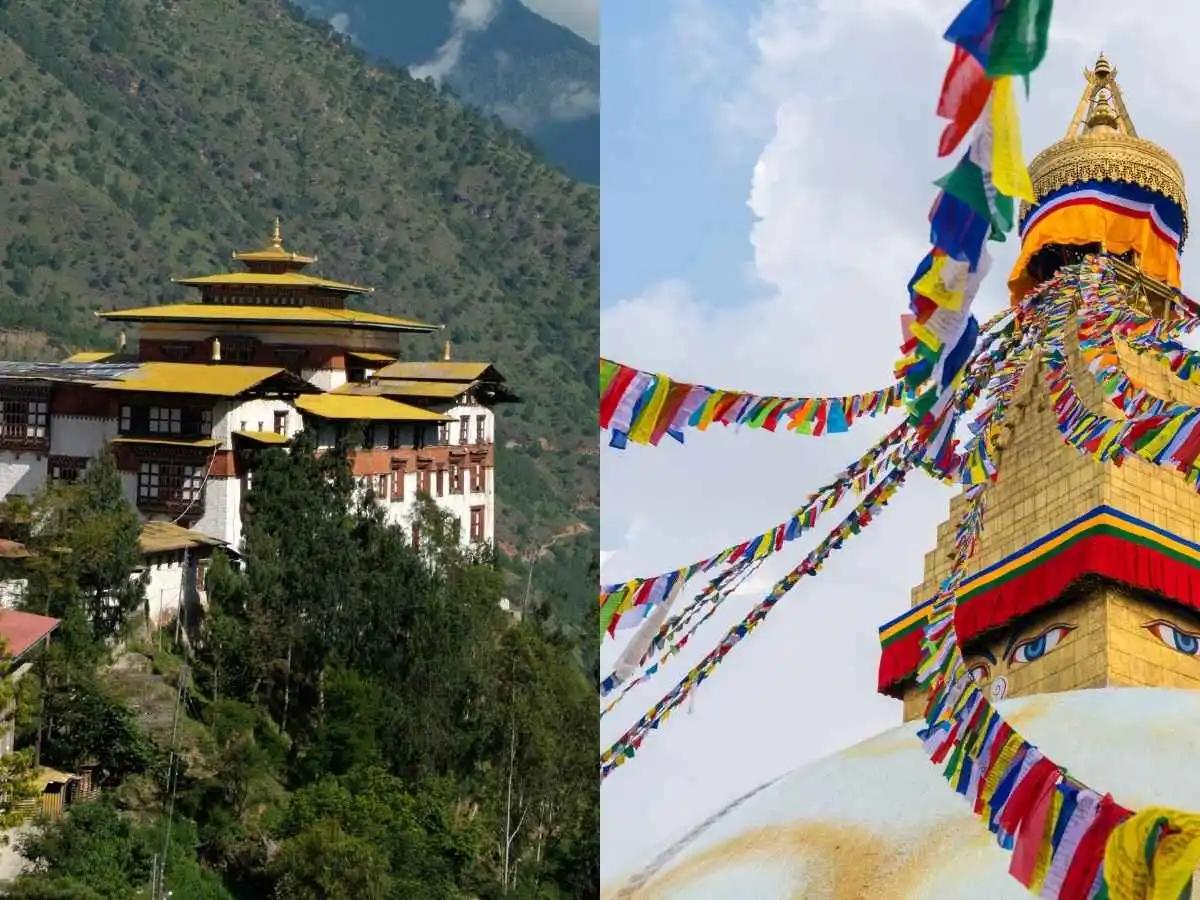
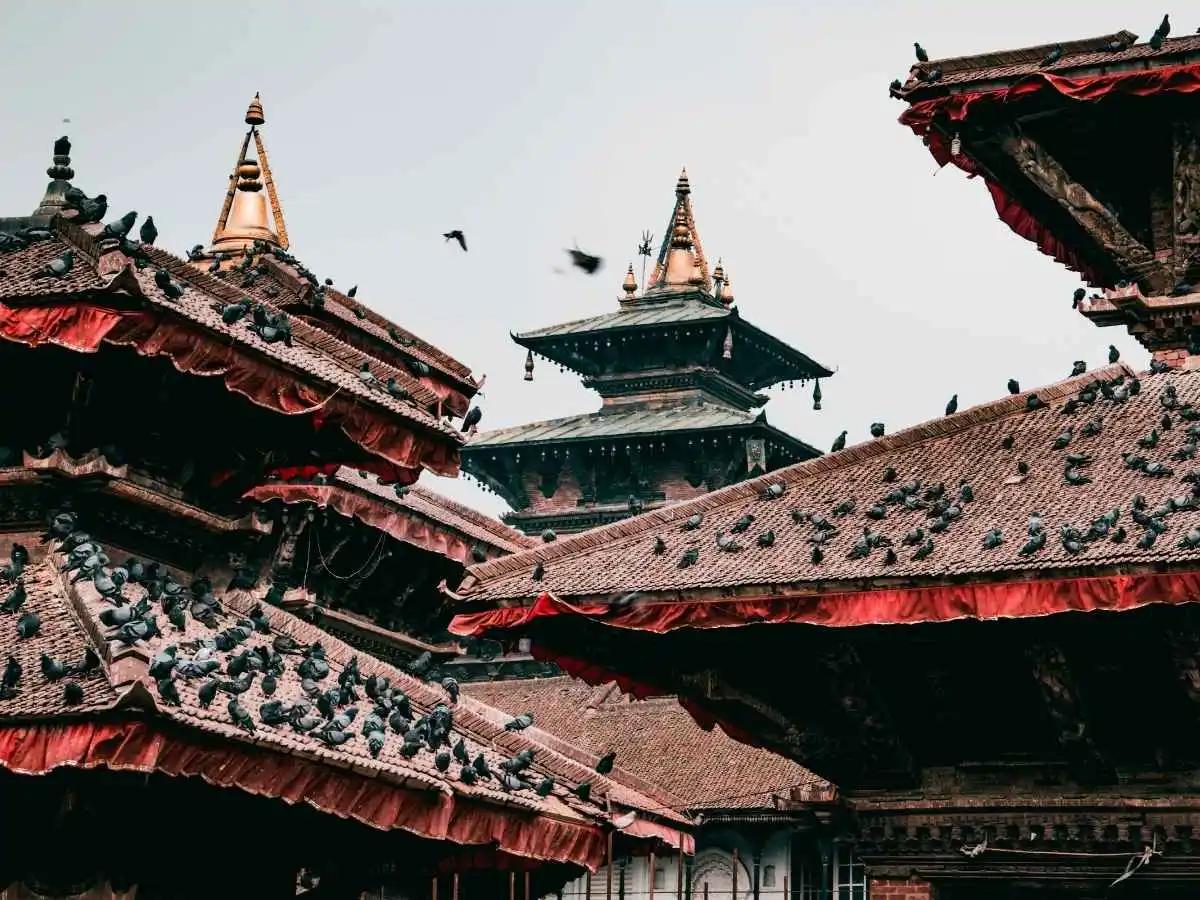
Nepal's culture blends Hindu and Buddhist traditions, visible in the temples of Kathmandu's Durbar Square, the sacred Pashupatinath Temple, and the great Buddhist stupas of Swayambhunath and Boudhanath. Hinduism remains significant in Nepal, practised by the majority of the population alongside a long-established Buddhist tradition, and the two faiths share temples, festivals, and everyday customs more often than they compete. Kathmandu itself is chaotic in the best sense. Narrow lanes, incense, and centuries of layered history sit side by side. Nepal is a country that reveals itself gradually, through conversation and observation, and it rewards travellers who enjoy a bit of unpredictability.
Bhutan's Preserved Buddhist Kingdom
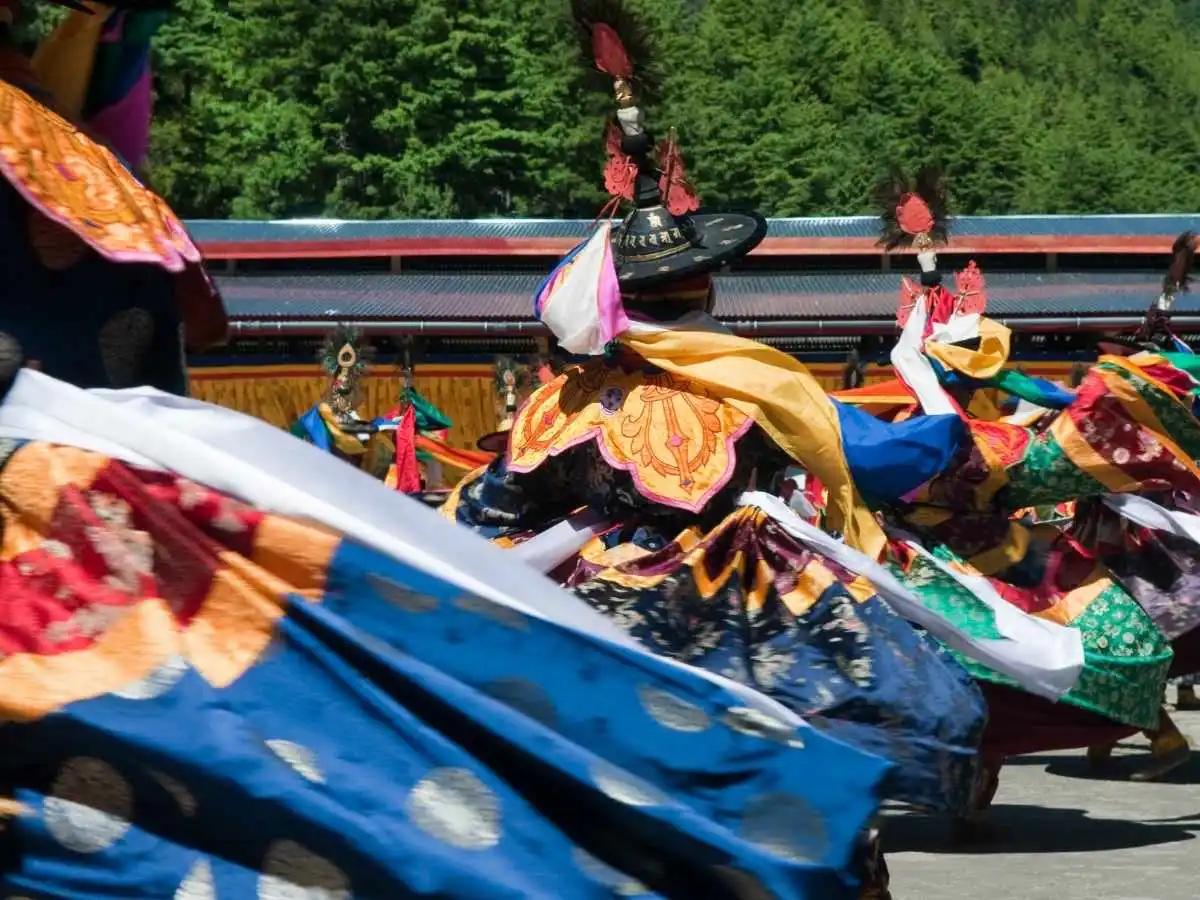
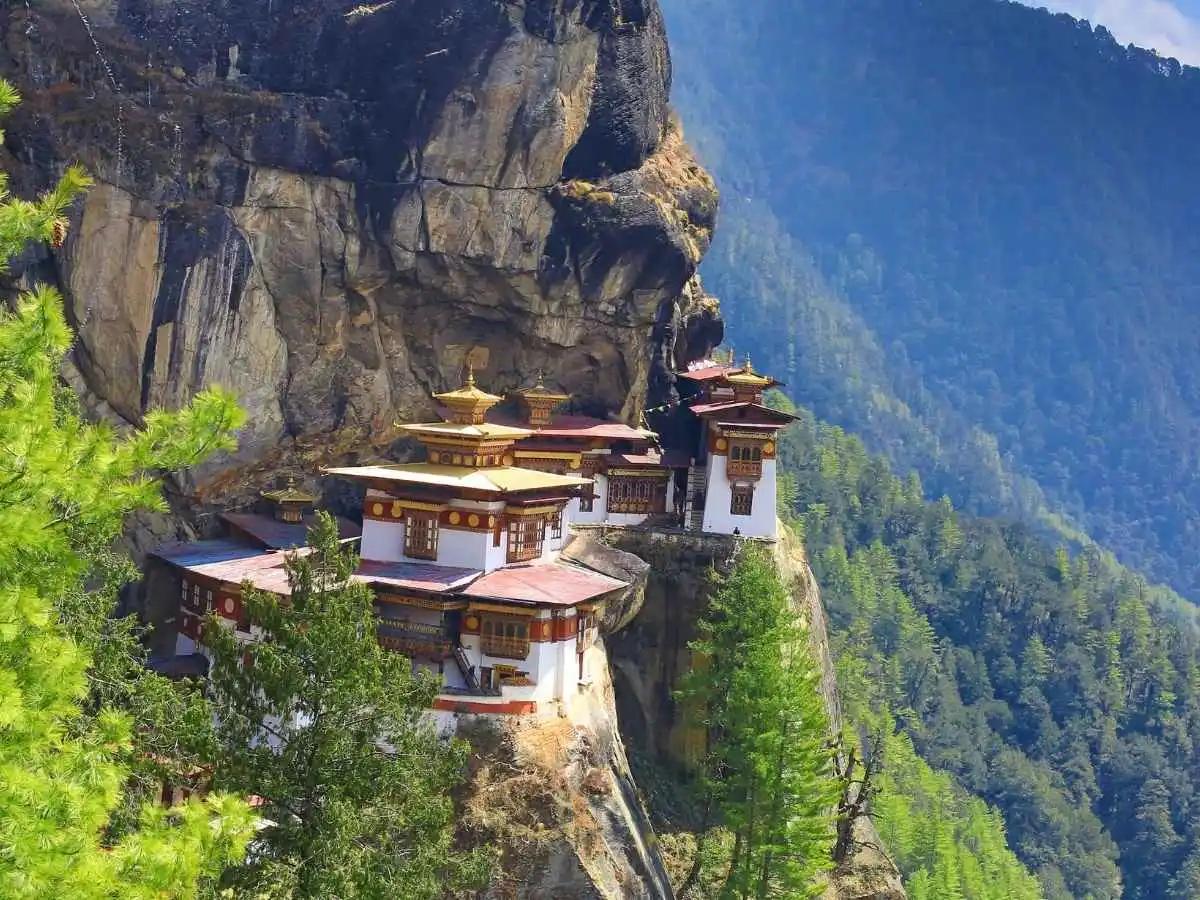
Bhutan feels different from the moment you land. The country is overwhelmingly Buddhist, and it protects its identity with real determination. Traditional dress is worn as everyday clothing rather than kept for festivals, architecture is strictly regulated to preserve a single national style, and Gross National Happiness is treated as a genuine guiding principle of government rather than a marketing slogan — you'll find the full picture in our Bhutan travel guide. Because tourism is managed rather than mass market, Bhutan tends to feel calm even at its most visited sites. Paro's cliffside Tiger's Nest Monastery draws visitors every day of the year, yet it never feels overrun the way a comparably famous site elsewhere in Asia often does.
The Cost of Travel: Budget Nepal vs Curated Bhutan
Nepal's Open, Budget-Friendly Approach
Nepal has long been a magnet for independent and budget travellers. Accommodation, food, and domestic transport are all inexpensive, and it is entirely possible to travel through Nepal on a modest daily budget while still trekking, sightseeing, and eating well. Even a basic tour price in Nepal tends to undercut Bhutan considerably, which is part of why the two countries attract such different types of traveller. This flexibility is part of why Nepal attracts such a broad mix of travellers, from first time backpackers to seasoned trekkers returning for a fourth or fifth visit.
Bhutan's Sustainable Development Fee, Explained
Bhutan works differently. Every visitor pays a Sustainable Development Fee on top of accommodation, transport, and guiding costs. As of 2026, this fee stands at 100 US dollars per person, per night, a rate that has applied since September 2023 and is set to run until August 2027. Children under six are exempt, and those aged six to eleven pay half price. This sits separately from the Bhutan visa fee, which is arranged by your tour operator and included in the overall cost of a guided trip, so tourists rarely need to handle the paperwork themselves. Independent, unguided travel is not permitted in the way it is in Nepal, so this fee sits on top of a fully guided itinerary rather than replacing it. The money funds free education and healthcare for Bhutanese citizens and helps keep visitor numbers low enough that the country's landscapes and culture stay largely undisturbed. Travellers who choose Bhutan are, in effect, paying for exclusivity and preservation as much as for the trip itself — whether that's on a classic set departure or something more tailored, like our Bhutan tour for women.
Trekking and Landscapes: High Peaks vs Sacred Valleys
Nepal's Famous Peaks and Trails
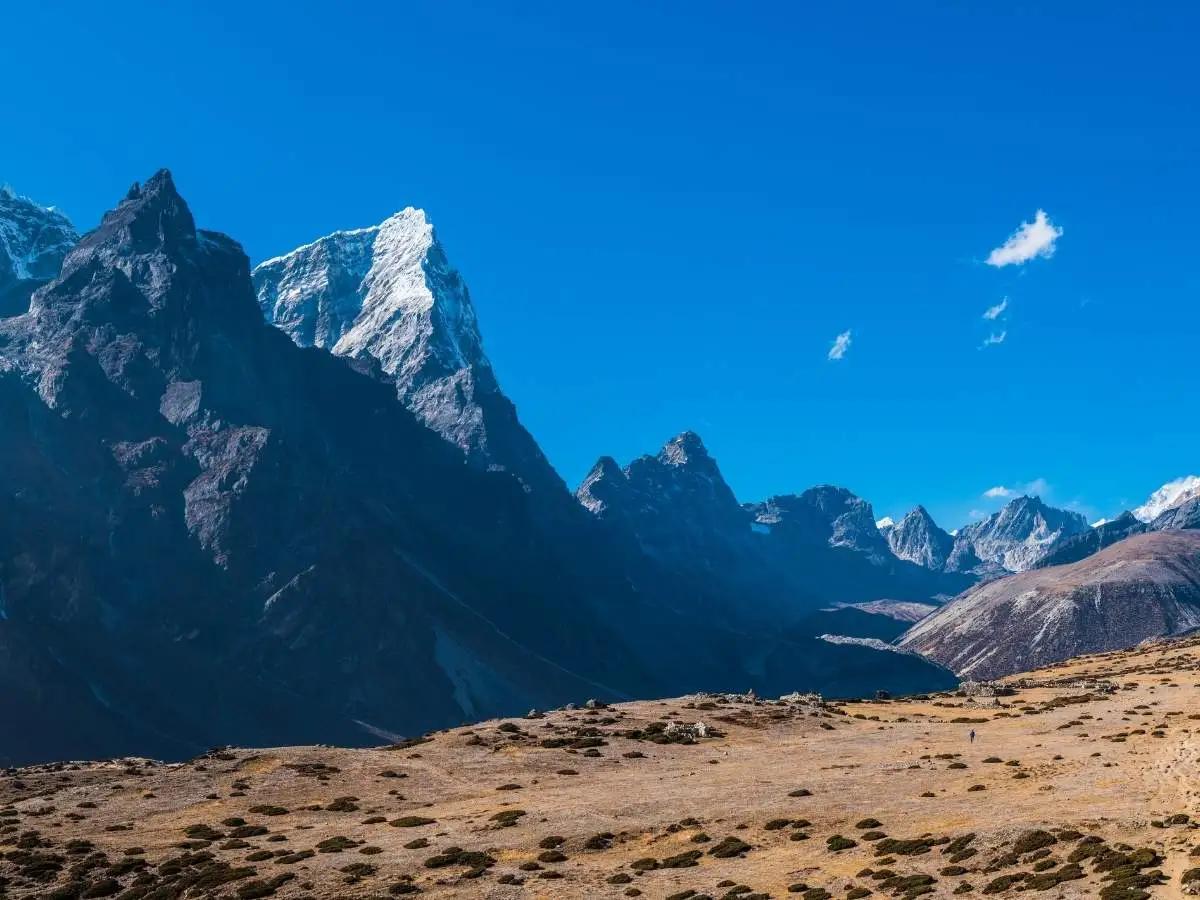
Nepal is where most people think of first for serious high altitude trekking. Everest and Annapurna are among the most famous names in mountaineering anywhere in the world, and Nepal and trek-focused travellers have followed some of the original expedition routes into these mountains for decades. Nepal's trail network built around the Annapurna region and the Everest region is unmatched in the Himalayas. Beyond the headline routes, the country offers everything from gentle multi-day walks in the foothills to demanding treks across rugged terrain — many featured on our Nepal highlights tour — with some of the more remote paths still relying on camping rather than teahouses. Nepal's landscape moves from terraced hillsides to dramatic river valleys within a short drive, which is part of what makes it so rewarding for travellers who want variety alongside altitude.
Bhutan's Sacred Trails and Slower Pace
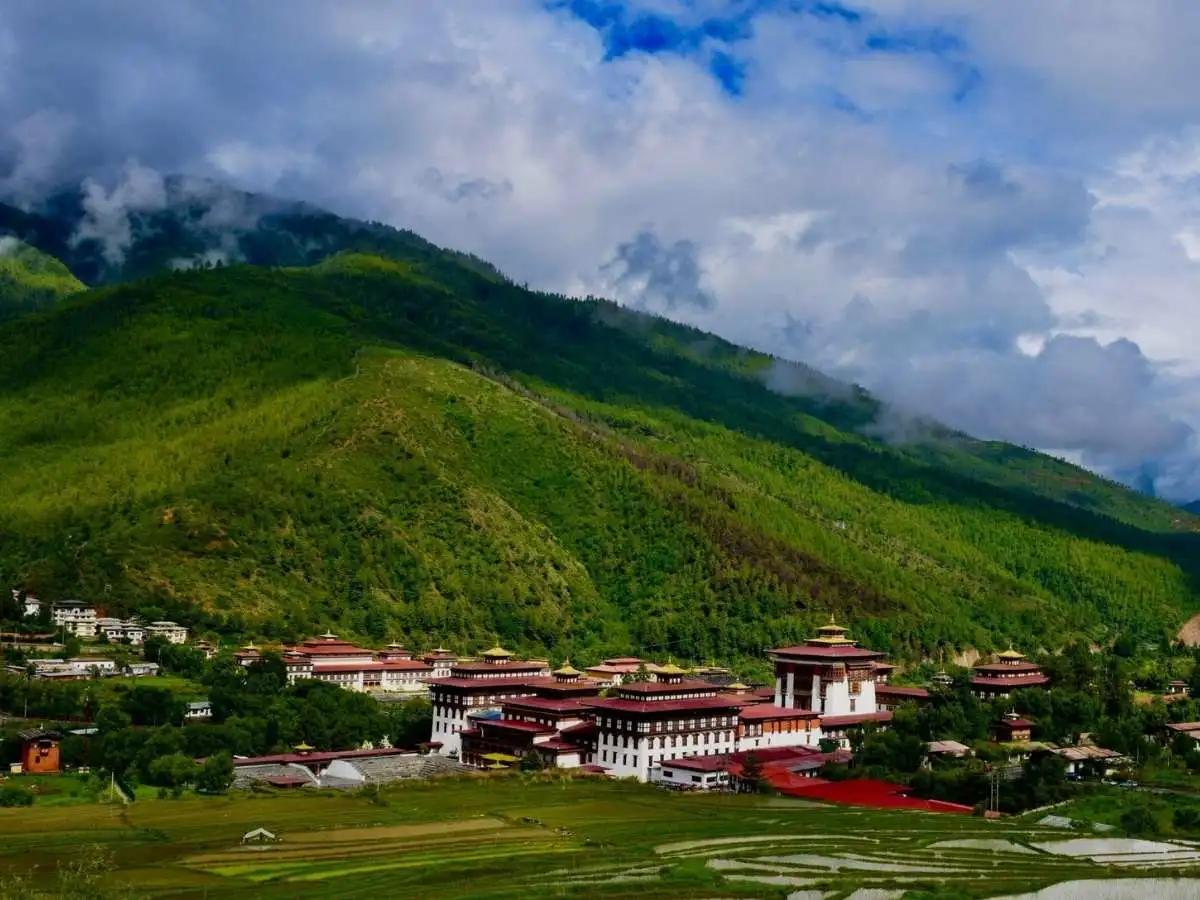
Bhutan trots to a different rhythm. Its trails are quieter, its valleys less developed, and the pace of travel noticeably slower. A typical Bhutan itinerary moves through Paro and Thimphu before continuing east through Punakha, where the fertile valley is watched over by Punakha Dzong at the meeting point of two rivers, and Chimi Lhakhang sits among terraced fields nearby — the kind of route laid out in full in our Bhutan itinerary guide. Further east, Bumthang holds some of the kingdom's oldest and most revered temples, while the remote Phobjikha Valley becomes home each November to hundreds of black necked cranes arriving after their summer in Tibet, celebrated with a festival held in their honour — an event our dedicated Bhutan festival trip is timed around. The scenery in these high valleys is sometimes compared to Switzerland, though the comparison only goes so far. Bhutan's best known walk, the hike up to Paro's cliffside Tiger's Nest Monastery, is steep and demanding but achievable for anyone with a reasonable level of fitness — our Tiger's Nest hike guide covers what to expect — and it remains one of the most rewarding short hikes anywhere in Asia.
Highlights: What Each Country Offers
Nepal's Must-See Sites
Nepal's highlights begin in Kathmandu, where Durbar Square, Pashupatinath Temple, and the stupas of Swayambhunath and Boudhanath sit within easy reach of one another. From there, most itineraries continue to Chitwan National Park for wildlife in the subtropical jungle, and to Lumbini, the birthplace of the Buddha. Pokhara, known as the Lake City, offers walking routes such as the hike to Sarangkot for sunset views over the Annapurna and Dhaulagiri ranges. Smaller towns such as Bandipur, Nagarkot, Bhaktapur, and Patan round out a Nepal itinerary with a slower, more local pace.
Bhutan's Must-See Sites
Bhutan's highlights are fewer in number but deeply concentrated. Paro's Tiger's Nest Monastery and Rinpung Dzong anchor most itineraries, alongside Thimphu's Buddha Dordenma statue, Memorial Chorten, and National Textile Museum — the capital alone is worth a full day, covered in our things to do in Thimphu guide. Punakha Dzong is widely considered one of the most beautiful fortresses in the Himalayas, and the temples of Bumthang carry a spiritual weight that draws pilgrims from across the Buddhist world. For travellers visiting in November, the Phobjikha Valley and its Black Necked Crane Festival add a rare wildlife dimension to an already rich cultural trip, one of several celebrations mapped out in our Bhutan festivals guide.
Which Should You Choose?
Choose Nepal If...
Choose Nepal if your priority is serious trekking, a flexible budget, and the freedom to shape your own route day by day. Nepal rewards travellers who don't mind a little unpredictability and want the option to change plans on the ground.
Choose Bhutan If...
Choose Bhutan if you are drawn to a slower, more curated experience and want a country that feels genuinely untouched by mass tourism. Timing matters more here than in Nepal, so it's worth checking our best time to visit Bhutan guide before you book. Travellers who have already done a classic backpacking trip through Asia often find Bhutan particularly compelling, precisely because it does not resemble anywhere else they have been.
Conclusion
Bhutan and Nepal answer different questions, not the same question twice. Nepal gives you scale, flexibility, and some of the greatest trekking on the planet. Bhutan gives you stillness, preservation, and a version of the Himalayas that has been deliberately kept rare. Neither is better. They are simply different journeys wearing the same mountain range.
If you have read this far and still can't choose, take that as your answer. Undiscovered Destinations runs a 26 day Best of Nepal and Bhutan tour that does exactly what this article has been building toward: it takes you through Kathmandu, Chitwan, and Pokhara, then flies you over the Himalayas into Paro to finish among Bhutan's dzongs, valleys, and festivals. Sometimes the right itinerary is the one that never makes you pick a side.