
Mongolia is one of the last places on earth where you can travel for days and barely see another person. It is a land of vast open steppe, sweeping desert and communities who still move their homes with the seasons, much as their ancestors did. That remoteness is exactly what draws so many travellers to it, but it also means a trip here takes a little more preparation than most holidays. This mongolia travel advice guide brings together the practical facts, honest warnings and season-by-season tips you need before you go, starting with the question most people ask first. Whether you are travelling independently or as part of a small group, the core preparation is largely the same.
Getting to Mongolia
Flying in
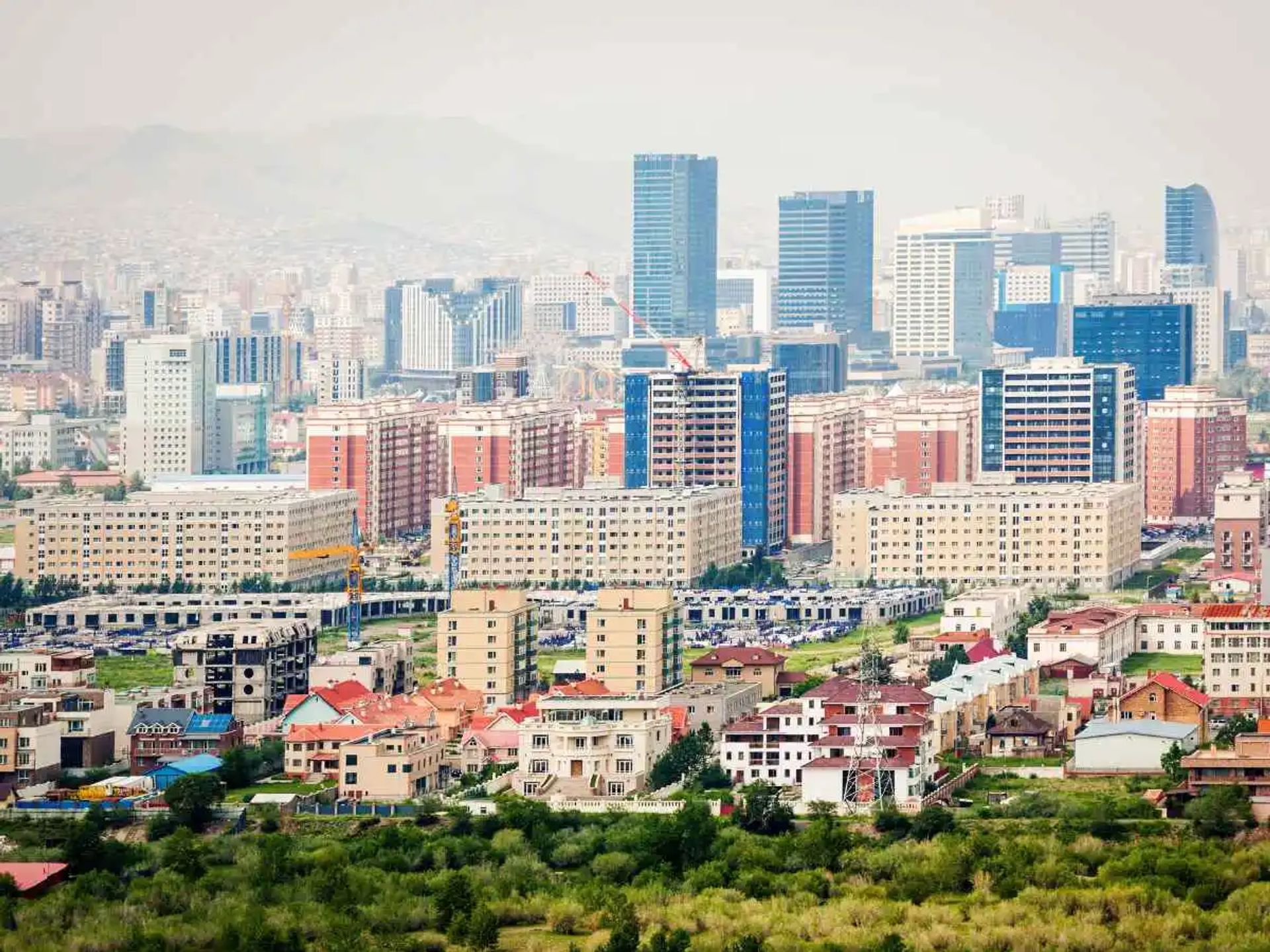
Most travellers reach Ulaanbaatar, sometimes spelled Ulan Bator, by air, often connecting through Beijing en route from the UK.
Travelling overland
For a different approach, some travellers choose to arrive overland, taking the Trans-Mongolian branch of the Trans-Siberian Railway through Russia before crossing the border into Mongolia. The country's two main land borders, with Russia to the north and China to the south, see steady overland traffic from travellers combining Mongolia with a wider regional trip, often pairing it with other must-visit places across Mongolia on the same itinerary.
Mongolia Safety and Security: Is It Safe to Visit?
So, is Mongolia safe to visit? For the most part, yes. Millions of visitors travel there without any trouble, but like anywhere, it has its own particular risks worth understanding before you go.
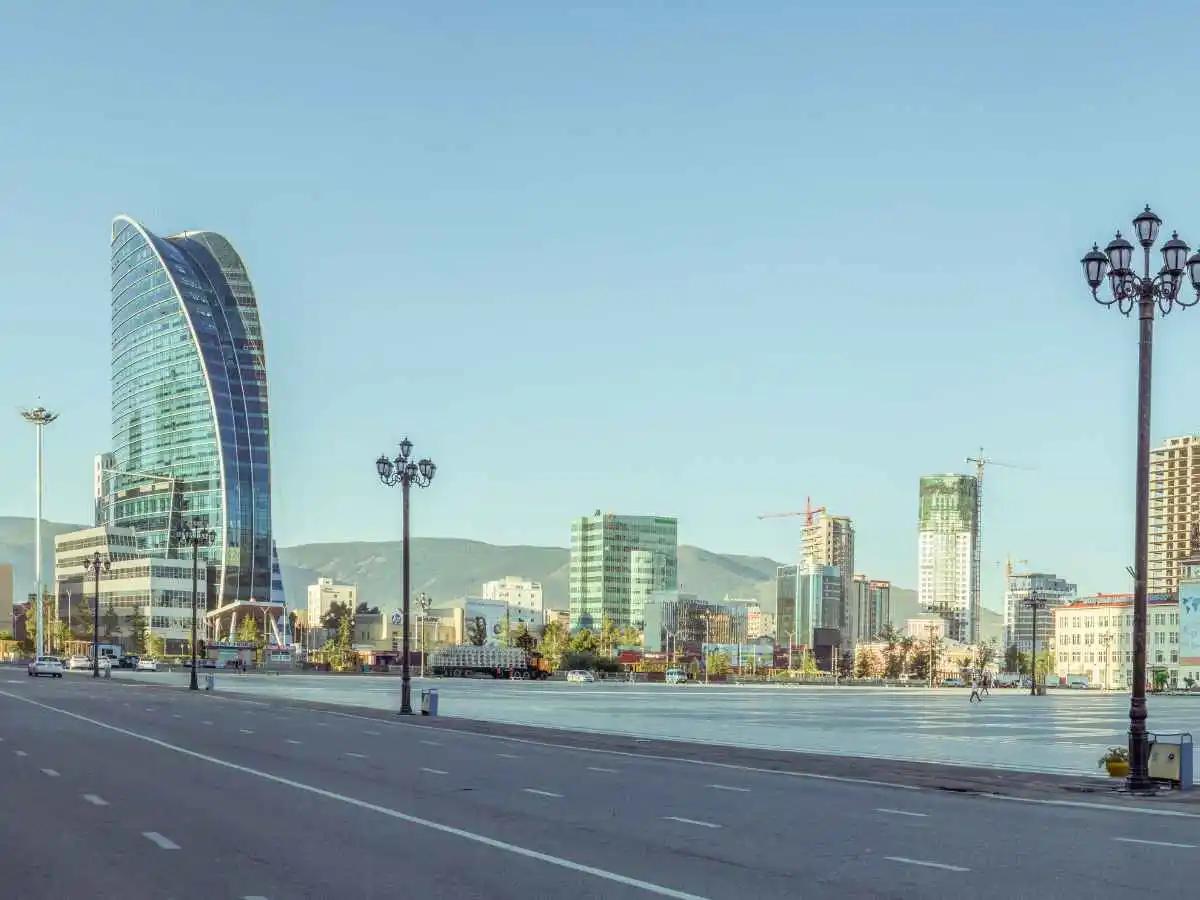
Crime and personal safety in Ulaanbaatar
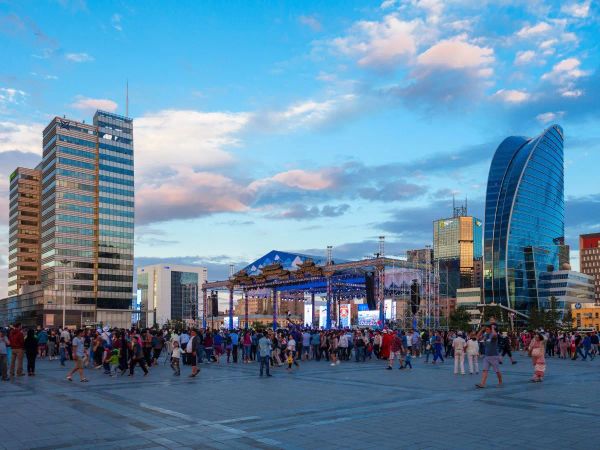
Most trouble, when it happens, is petty rather than serious. Pickpocketing is more common in markets and crowded public spaces, and the risk rises during the Tsagaan Sar festival in winter and during Mongolia's Naadam Festival in July, when crowds are at their thickest. There have also been reports of foreign visitors being assaulted or robbed in the capital, so it is sensible to stay alert around busy squares and entertainment venues, especially after dark. There is no recent history of terrorism in the country and the overall threat is considered low, though as with anywhere, attacks cannot be entirely ruled out.
Road safety on long-distance journeys
Getting between sites in Mongolia usually means long hours on the road, and this is where real caution matters most. Only around 10 percent of roads outside Ulaanbaatar are tarmacked, and signposting across the countryside is minimal. Road accidents are not unusual, caused by a mix of poorly maintained vehicles, difficult terrain and inconsistent driving standards. Most operators use mini vans or 4x4 vehicles depending on the terrain and group size, which helps when tracks turn rough or disappear altogether. Choosing an experienced local driver and building extra time into your route makes a genuine difference.
Extreme weather and remoteness
Mongolia's climate is known for its extremes. Summer temperatures can reach 35°C, while winter can drop to minus 40°C. Flooding, dust storms, blizzards and sudden heatwaves are all possible, with warnings most frequent in the Gobi Desert and across the open steppe — conditions well worth understanding before joining a multi-day Gobi Desert tour. The Gobi can swing from freezing nights to hot, dry days even within the same week, while the northern steppe holds onto the cold for longer into spring. None of this should put you off, but it does mean staying flexible and listening to local guidance about conditions as you travel.
Mongolia Travel Advice and Warnings: What to Know Before You Go
Beyond general safety, there are a handful of official mongolia travel warnings worth reading properly before you pack your bags.
Health, Healthcare Access and Travel Insurance
There is no reciprocal healthcare agreement between the UK and Mongolia, so treatment is not free, and hospitals often ask for around 80 percent of costs upfront. Outside Ulaanbaatar, healthcare standards drop considerably and English-speaking doctors are hard to find. This makes comprehensive travel insurance, including medical evacuation cover, essential rather than optional. If you do need help, the emergency police number is 102, and the ambulance service can be reached on 103.
Legal considerations to keep in mind
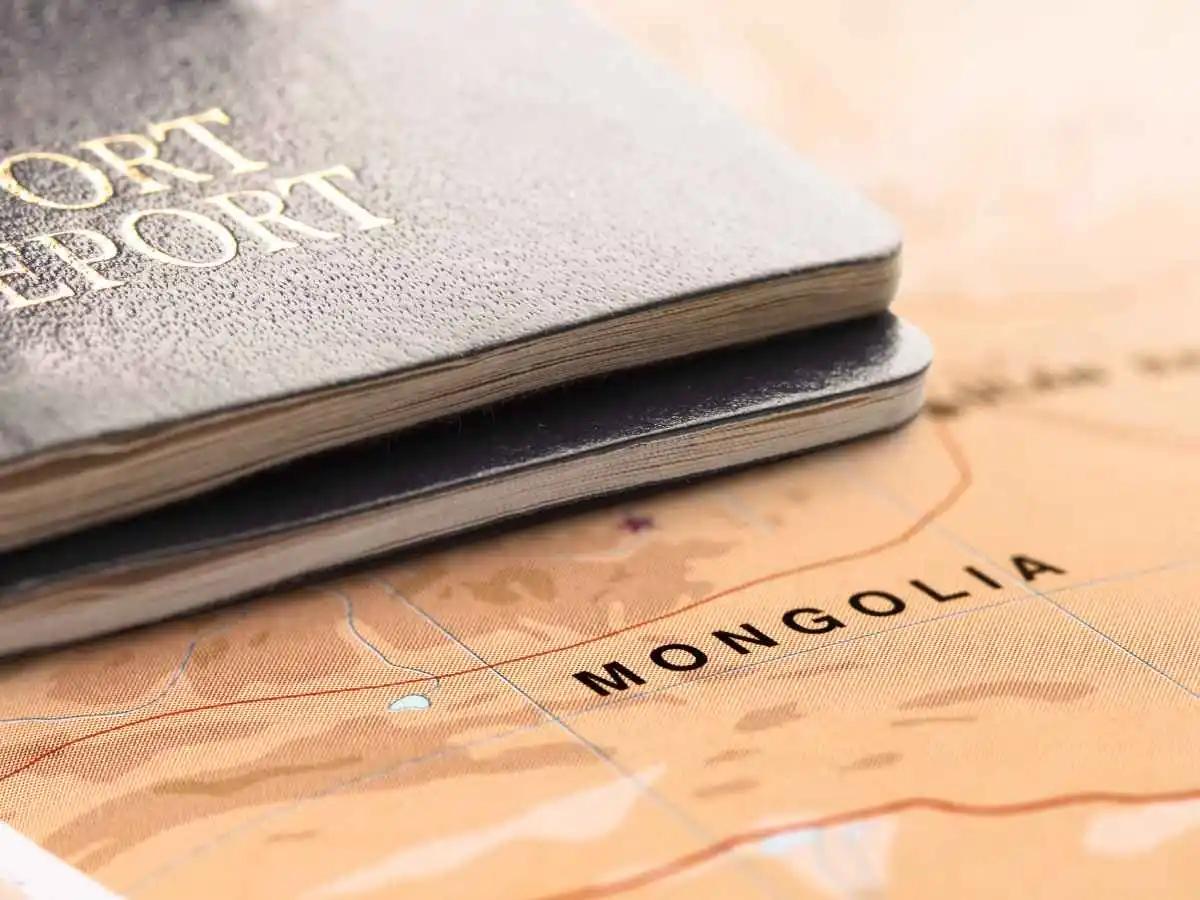
Mongolian law is stricter than many travellers expect in a few specific areas. You must carry your actual passport at all times, since police will not accept a photocopy and may issue a fine if you cannot produce one. Photographing police officers or military personnel is illegal and can lead to arrest. Drug offences are treated with particular severity, with trafficking carrying the possibility of a life sentence, so it is worth staying well clear even of casual offers. Mongolia also protects its wildlife closely, and it is illegal to buy, sell, capture or kill protected species without a licence, so avoid any souvenirs or encounters that raise doubts about where an animal came from. LGBT+ travellers should also be aware that attitudes can be less accepting than in the UK, with some reports of harassment, so it is worth researching current guidance before you go.
Visas, Money and Staying Connected
Practical travelling to Mongolia advice starts with three things: your visa, your money, and how you will stay in touch with home.
Visa and entry requirements
British passport holders can currently visit Mongolia for tourism purposes for up to 30 days without needing a tourist visa, a rule confirmed as valid until 31 December 2026. If your trip falls outside these terms, for work, study or a longer stay, you will need to contact the Mongolian Embassy in London directly to arrange the correct visa. Because entry rules can change, always check the latest position on gov.uk before booking, again when you pay your balance, and once more shortly before you fly.
Money and currency
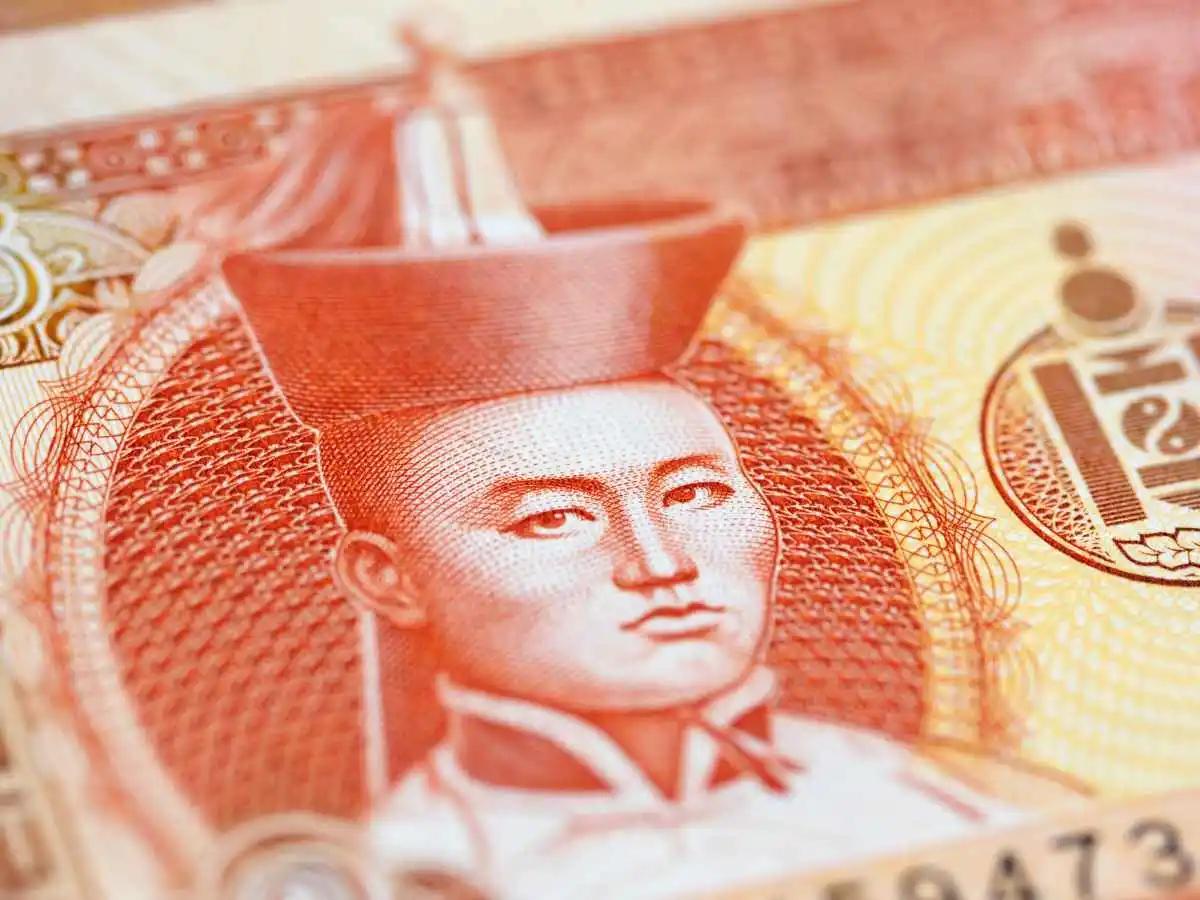
The Mongolian currency is the Tögrög, and while cards are increasingly accepted in Ulaanbaatar's hotels and restaurants, cash is still essential once you leave the capital. It is worth carrying enough Tögrög to cover several days at a time, since ATMs and card machines become scarce in rural areas. When exchanging cash, banks generally expect clean, undamaged notes issued after 2011, so it is worth checking your sterling notes before you travel. If you join a guided tour, discretionary tipping is common practice, with tour leaders typically receiving around £5 per person per day and drivers around £3, though it is always worth checking what is expected with your operator.
Staying connected
Mobile signal and WiFi are generally reliable in Ulaanbaatar but fall away quickly once you head into the countryside. Long stretches without any signal are normal in the Gobi Desert and on the open steppe, so let people at home know you may be uncontactable for periods, and download anything you need in advance. Picking up a local SIM card once you arrive in Ulaanbaatar is usually the simplest way to get reasonable data coverage in and around the capital, even if it becomes less useful further out.
Electricity, time zones and everyday practicalities
Mongolia runs on a 230V electricity supply at 50Hz, using plug types C and E, so UK travellers will need an adaptor for anything brought from home. The country also spans two time zones, with Ulaanbaatar eight hours ahead of GMT and the western Hovd region seven hours ahead, which is worth remembering when coordinating calls home.
Health Preparation Before You Travel
A little planning before departure prevents most health problems altogether.
Vaccinations and medication
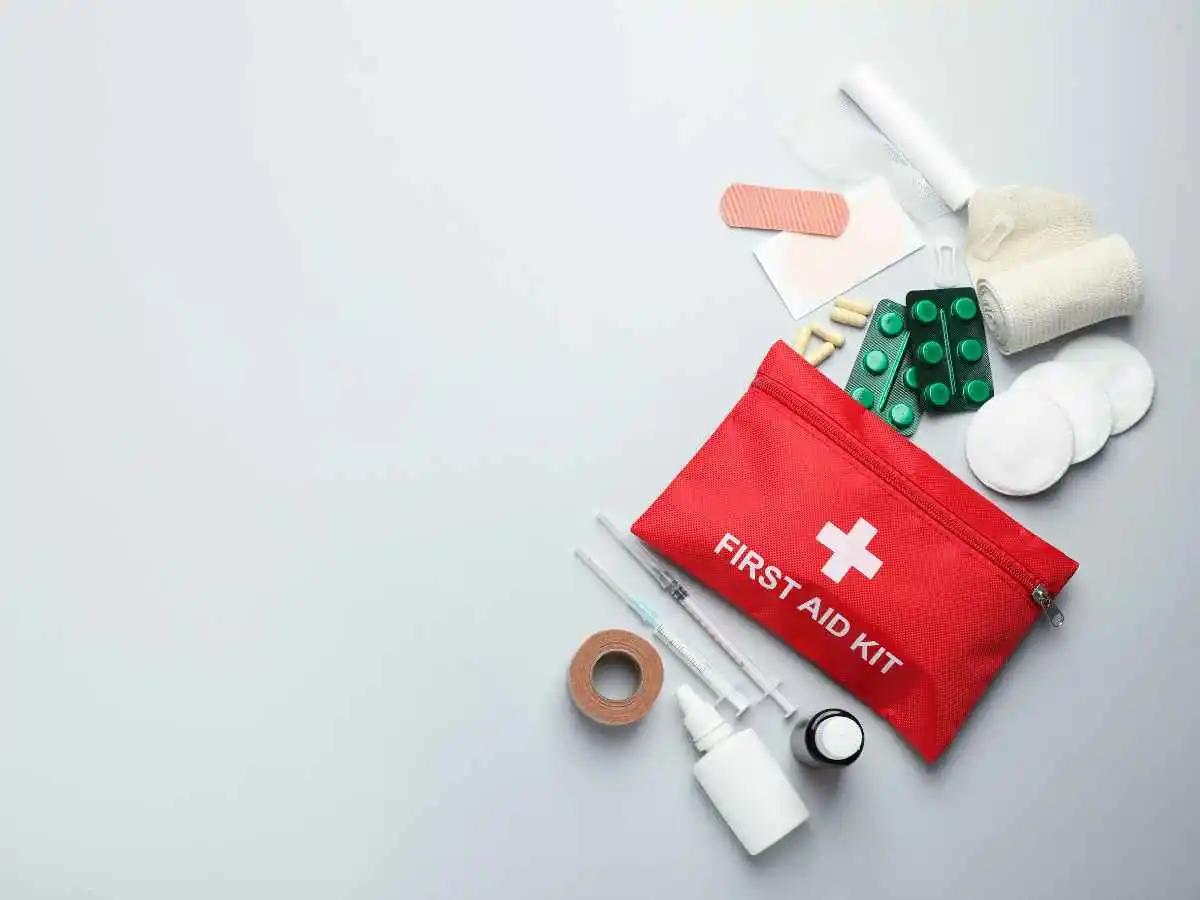
It is recommended to seek vaccine advice at least eight weeks before you travel, checking guidance such as TravelHealthPro for anything specific to Mongolia. Common recommendations include protection against hepatitis A, typhoid and tetanus, though your GP or a travel clinic will confirm exactly what applies to your own itinerary and medical history. Bring a full supply of any prescription medication you need, since pharmacy stock is mostly sourced from China and Russia and may not be labelled in a way you recognise.
Altitude and air quality
Altitude sickness is a documented risk in parts of the country, so take things slowly for the first day or two if your route includes higher ground. Air quality in Ulaanbaatar can also be poor in winter, which may aggravate asthma or other respiratory conditions, so it is worth discussing this with your doctor beforehand if you have a pre-existing condition.
When to Go and What to Pack
Among the most useful mongolia travel tips is simply choosing the right season, since the weather here shapes almost every part of a trip. For a fuller month-by-month breakdown, our guide to the best time to visit Mongolia covers exactly when to go.
Choosing the best season
May to October is generally considered the most comfortable window to visit, with July being the busiest month thanks to the Naadam Festival. Travelling outside these months brings colder, harsher conditions, though it also means far fewer crowds at popular sites. Travellers drawn to Western Mongolia sometimes plan around the Golden Eagle Festival, held near Bayan-Ölgii in the Altai Mountains each autumn, when Kazakh eagle hunters and their birds gather for a very different side of Mongolian culture compared with the summer Naadam. If your route includes internal flights to reach the west, luggage allowances are usually tighter than on international routes, often around 10 kilograms for hold luggage and 5 kilograms for hand luggage, so pack accordingly.
Packing for a changeable climate
Given the huge gap between Mongolia's summer and winter temperatures, layering is essential, even within a single day. A warm hat, sturdy walking shoes, a light waterproof layer and clothing you can add or remove easily will cover you for the steppe's unpredictable weather, whatever the season. A torch or headlamp is worth packing too, since lighting inside a ger camp can be limited after dark, along with a reusable water bottle to cut down on plastic waste in areas without recycling.
Culture, Food and Etiquette
Mongolia's culture is deeply tied to the nomadic lifestyle of the Mongols, and a little awareness goes a long way when you are a guest in someone's home or camp. Our Mongolian culture and traditions guide covers the customs behind this in far more depth.
Etiquette in a ger
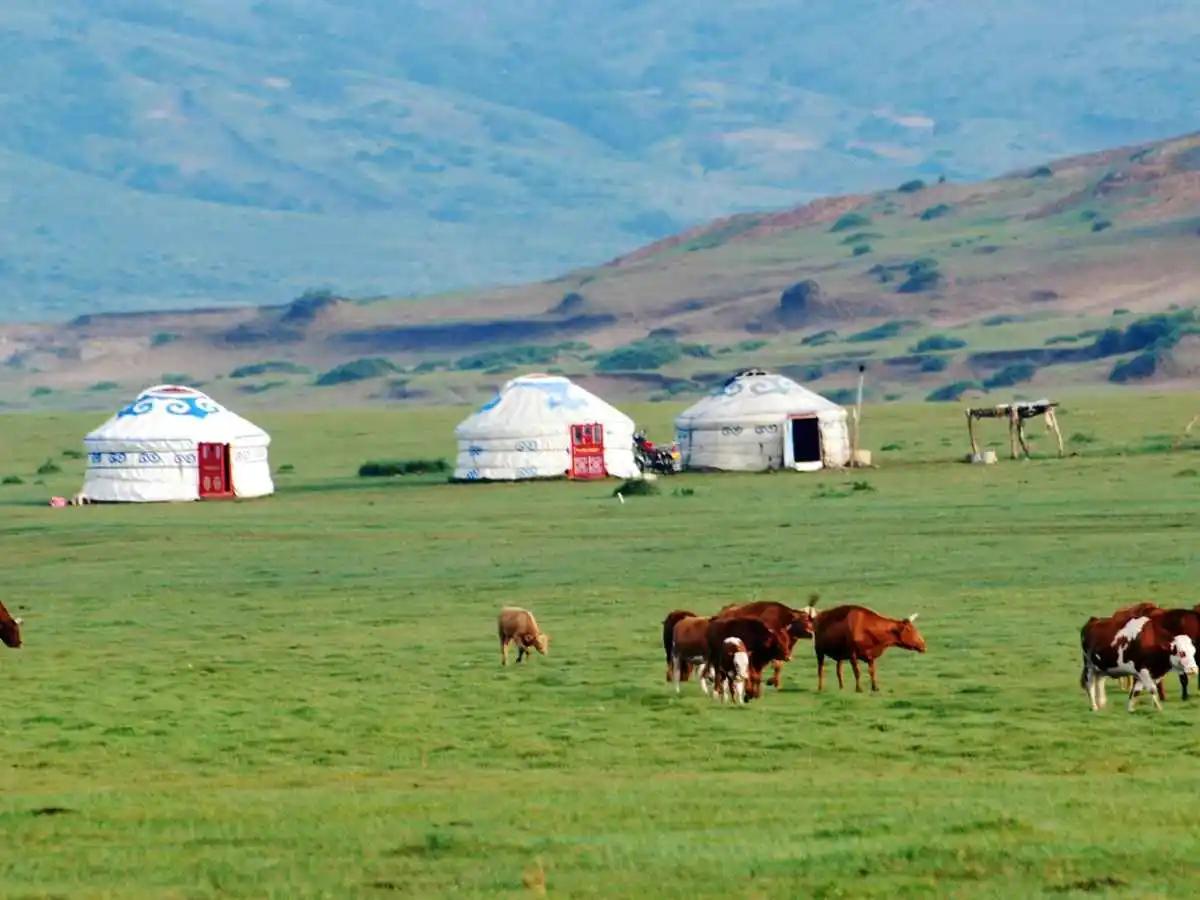
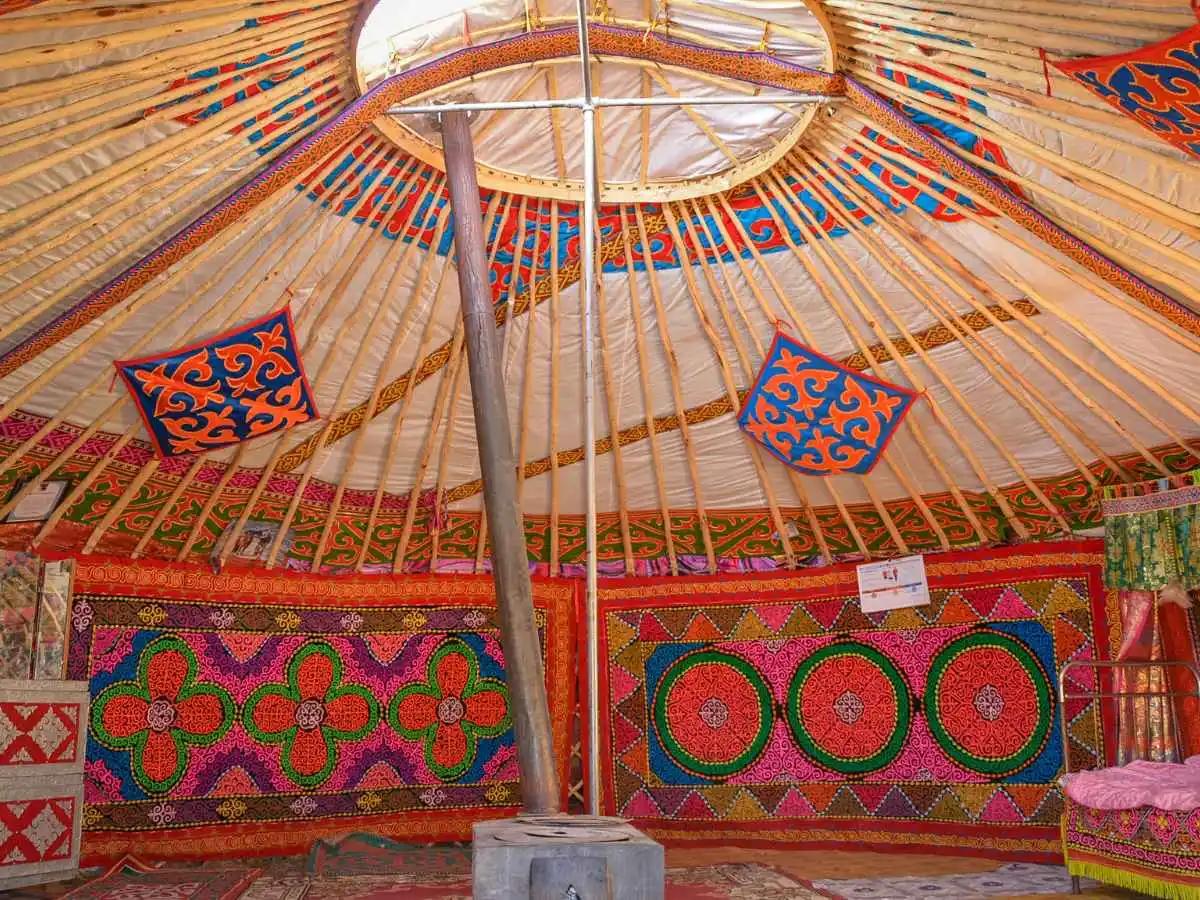
Fire is considered sacred in a traditional ger, so avoid passing rubbish across it or pointing your feet toward the stove. It is also polite to accept food or drink offered to you with your right hand, or both hands together, rather than refusing outright, even if you only take a small amount — a small courtesy that matters far more once you understand what the traditional Mongolian ger actually represents to the family hosting you. It is polite to ask before photographing people, particularly nomadic families and herders, and drone use is restricted in many areas, so check locally before flying one.
Language
Khalkha Mongolian, written in the Cyrillic alphabet, is the standard dialect spoken by the majority of the population, while Kazakh is widely spoken in the western provinces around Bayan-Ölgii, one of many more fascinating facts about Mongolia worth knowing before you go. English is limited outside hotels and tourist sites, so a handful of local phrases go a long way.
Food and drink
Mongolian cuisine centres on meat, particularly mutton, reflecting a diet built around herding rather than farming, and the traditional Mongolian diet includes relatively few vegetables compared with Western meals given how little land is suited to arable farming. You may also be offered airag, a fermented mare's milk drink that is a distinctly Mongolian experience in itself, along with suutei tsai, a salty milk tea served throughout the day.
Naadam and other festivals
Naadam, held every July, brings wrestling, archery and horse racing together in what is often described as Mongolia's most iconic celebration, reportedly including child jockeys as young as six taking part in the races. Tsagaan Sar, the Lunar New Year, is another major celebration worth knowing about if you are travelling in winter, marked by family visits and shared meals — just two of several festivals of Mongolia worth timing a trip around.
Conclusion
Mongolia asks a little more of its visitors than most destinations, but that is exactly why it stays with people long after they get home. The same vast distances, changeable weather, and remoteness that call for careful preparation are what make its landscapes and hospitality so hard to find anywhere else. If a Mongolia holiday is on your list, let this be the year curiosity wins over hesitation. Explore the country with one of our small group travel to Mongolia, carefully designed to take you beyond the highlights and into the heart of the country's landscapes, culture, and nomadic traditions.