
Ask a traveller what Mongolian tents are called and most will say "yurt". It's a fair guess, but not quite right. In Mongolia, this round felt home is called a ger. The word "yurt" actually comes from Russian and Turkic languages, and outside travellers picked it up long before most of them ever saw one in person. Mongolians themselves have always called it a ger, and that word carries far more weight than a simple name for a tent. It is the word for home.
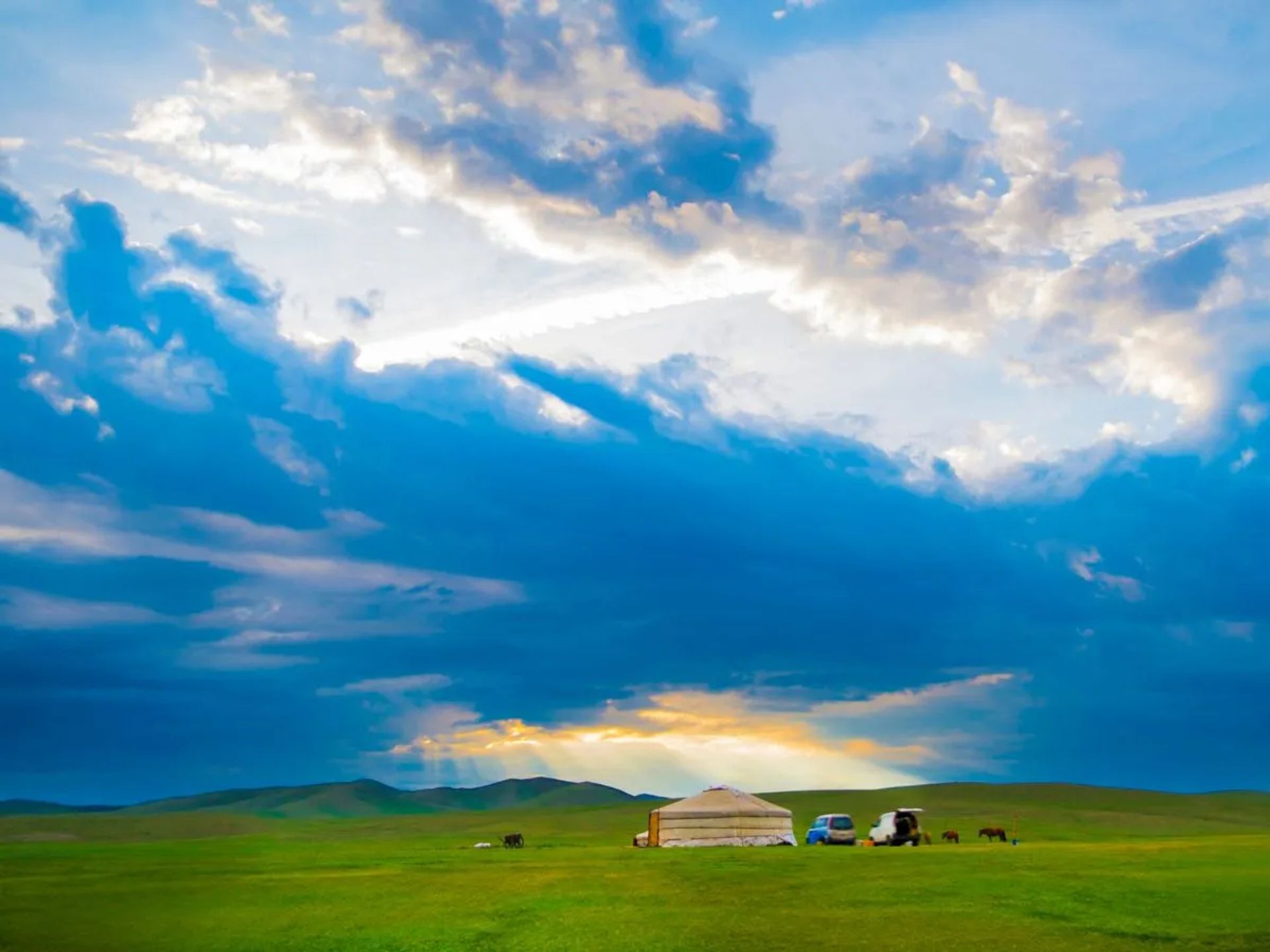
Across the open grasslands of the steppe, where winters bite hard and summers turn the land gold, the ger has sheltered families for longer than most buildings on earth have stood. This is not a relic kept alive for visitors. It is a working home, still built, still lived in, and still moved from place to place exactly as it always has been.
Across the open grasslands of the steppe, where winters bite hard and summers turn the land gold, the ger has sheltered families for longer than most buildings on earth have stood. This is not a relic kept alive for visitors. It is a working home, still built, still lived in, and still moved from place to place exactly as it always has been, a small but vital thread in the broader tapestry of Mongolian traditions.
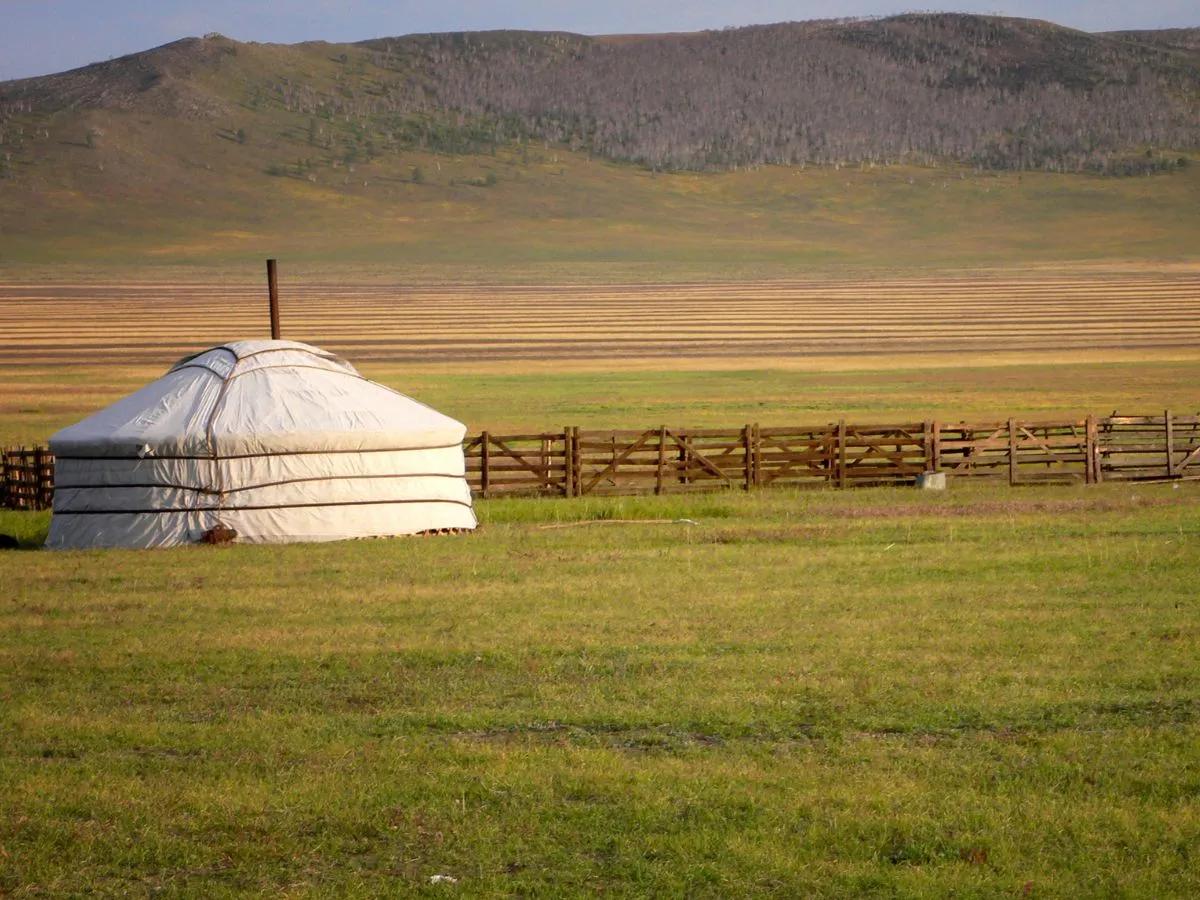
What Is a Mongolian Ger Tent?
For Mongolian nomads, home has never been a fixed address. A ger is a round tent made from a collapsible wooden frame and thick layers of felt, built to be carried rather than left standing. It has no permanent foundation, which is exactly the point. It is one of the world's oldest examples of a truly portable, circular dwelling, and remains one of the most recognisable traditional dwellings still in everyday use today. Mongolia's herding families have always needed to follow the seasons, moving their animals to fresh grazing land, and their home has had to move with them.
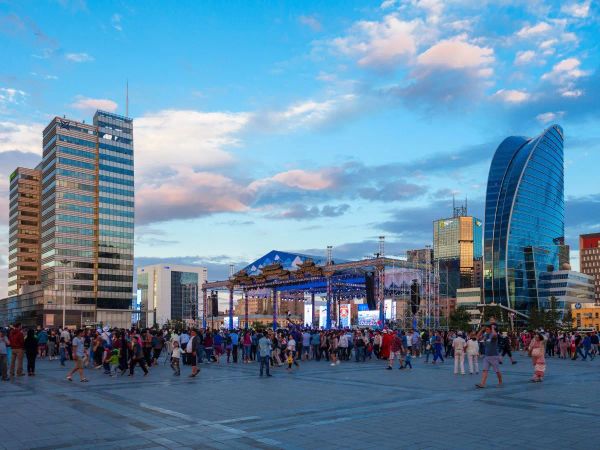
The ger hasn't stayed confined to the countryside either. On the edges of Ulaanbaatar, whole neighbourhoods known as ger districts have grown up as families move to the city but keep their traditional home instead of moving into a flat. It's a reminder that the ger isn't simply a rural relic, but a living choice many Mongolians still make today, in the city as much as on the steppe.
Ger vs Yurt: Clearing Up the Confusion
The confusion between "ger" and "yurt" is worth clearing up early, since it shapes how the whole subject is talked about. "Yurt" is not a Mongolian word at all. It comes from Russian and Turkic roots, and was picked up by outsiders describing similar tents used across Central Asia. In Mongolia, the correct and only word used is ger. If you're planning a trip, or just curious about what Mongolian tents are called, ger is the word to remember.
Similar round shelters are still built by other nomadic peoples too. Traditional yurts, and today increasingly modern yurts, are found across Kyrgyzstan, Kazakhstan, Turkmenistan and Uzbekistan, as well as among Buryat communities in parts of Siberia. Many linguists trace "yurt" back to a Turkic word, which helps explain why the name stuck across Central Asia even though it was never quite right for Mongolia. A Kyrgyz yurt and a Mongolian ger share the same basic idea, a circular frame wrapped in felt or other fabric, but each has its own construction style, colours and meaning to the people who build it. In recent years, versions of the modern yurt have also become popular across western countries as a form of countryside glamping, built more for comfort than for survival on the open steppe.
A Home Older Than You Think
The ger's history stretches back much further than most people assume. Ancient rock drawings found across Mongolia suggest people were using tent-like dwellings similar to the ger as far back as ten thousand years ago, one of many surprising facts about the mongolia that visitors rarely expect. Empires have risen and fallen since then, including that of Chinggis Khan, known in the West as Genghis Khan, whose armies once rode out from ger encampments across the very steppe travellers cross today, a warrior heritage still celebrated each summer at the Naadam Festival.
Long before satellite images could map the steppe, generations of herders were already reading its rhythms, packing up their homes at the first signs of a changing season. The ger survived the fall of the Mongol Empire, the rise of Soviet influence, and the pull of modern city life, arriving in the present day looking remarkably similar to how it always has.
How a Mongolian Ger Is Built
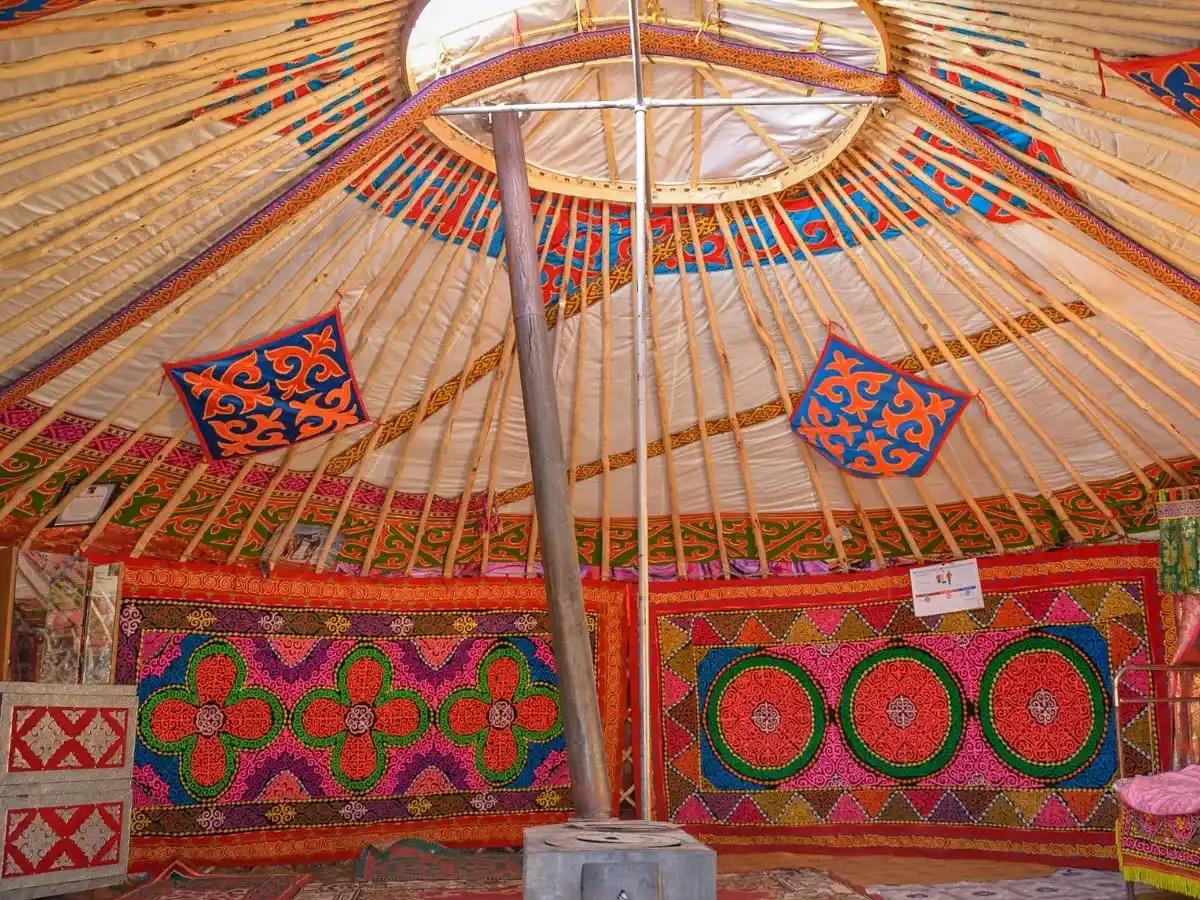
The ger's design looks simple from the outside, but every part of it has a purpose and a name. Its construction and the customs around it are significant enough to be listed by UNESCO as an Intangible Cultural Heritage of Humanity, a recognition of just how much skill and tradition goes into every ger raised on the steppe.
The Frame: Uni, Toono, Khana, Bagana
The wall of the ger is made from a folding wooden lattice called the khana, which expands like a fence to form the circular base. Long wooden roof poles, called uni, rise from the top of the khana to meet a central wooden ring called the toono. This ring sits at the very top of the ger and lets in daylight, while also acting as a chimney for the stove smoke below. In larger gers, wooden support columns called bagana hold up the toono from inside. The door frame, or khaalga, is traditionally set to face south, away from the coldest winds.
Felt, Wind and the Steppe
Once the frame is up, it is wrapped in thick sheets of felt made from sheep's wool. This felt keeps the inside warm through brutal winters and surprisingly cool during hot summer days. The round shape isn't just tradition either. It's engineering. A ger's low, curved profile lets wind pass around it rather than push against flat walls, and a well-built ger can withstand gusts of wind over 100 kilometres an hour without so much as shifting.
Even the felt itself takes real effort to produce, made by rolling and pressing raw wool for hours until it turns dense and rain resistant. Families often add fresh layers before the coldest months arrive, treating the upkeep of their ger as seriously as anyone else might treat repairs on a house.
Up and Down in Under an Hour
These nomadic families traditionally keep five types of livestock, horses, cattle, camels, sheep and goats, moving them across the steppe in search of fresh grazing as nature dictates the rhythm of the year. Because herding families in Mongolia typically move camp two or three times a year, following their animals to better pasture, the ger has to come down fast and go back up just as quickly. A family ger can usually be dismantled or rebuilt in under an hour. Once packed away, the whole home, poles, felt and all, is loaded onto a truck or cart and carried anywhere from 5 to 13 kilometres to the next site, ready to be raised again by nightfall.
Life Inside a Ger: Layout and Meaning
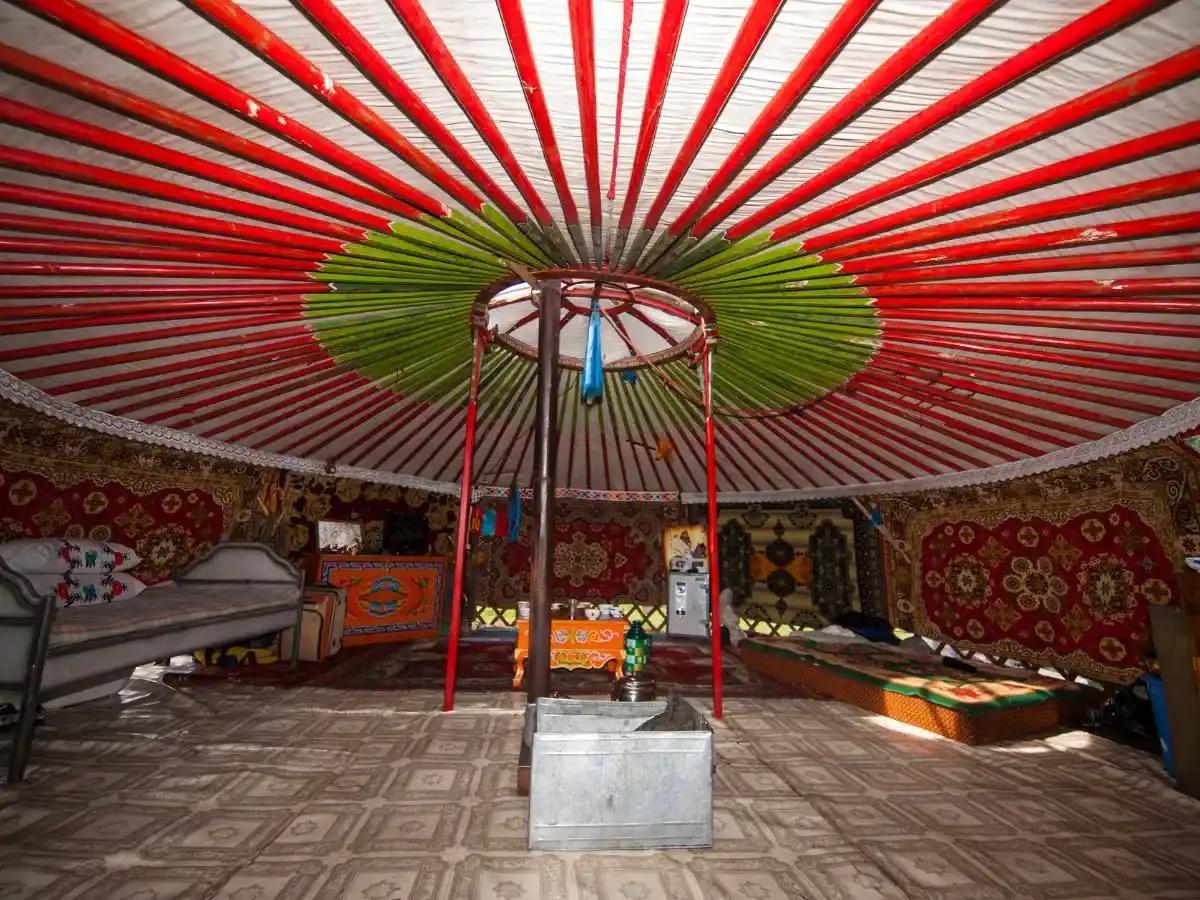
Step inside a ger and the layout tells its own quiet story. Nothing sits there by accident.
A Home Divided by Tradition
Traditionally, the western side of the ger belongs to the men of the household, where saddles, tools and horse equipment are kept close to the door. The eastern side belongs to the women, home to cooking utensils and kitchen supplies. This division has held for generations and still shapes how many ger interiors are arranged today.
The Khoimor and the Family Altar
Directly opposite the door, on the northern side of the ger, sits the khoimor, the most honoured space in the home. This is where a family altar, photographs of ancestors or treasured belongings are usually kept. Guests are shown warmth and respect by where they are invited to sit, and understanding this small piece of etiquette goes a long way when visiting a herder family in person.
The Stove at the Centre
At the very middle of the ger stands the stove, usually burning wood or dried dung, both the practical heart of the home and its symbolic centre. Smoke rises straight up through the toono above, almost like a direct channel between the family inside and the open sky above them, a detail that has long carried spiritual meaning for those who live there.
Staying in a Ger on a Mongolia Adventure
For travellers, staying in a ger is often the part of a Mongolia trip they remember most clearly, long after they've come home.
What to Expect at a Traditional Ger Camp
On a small group tour, a night at a Mongolian ger camp on the open steppe or out in the Gobi Desert is nothing like a conventional campsite, and it's just one of several regions worth exploring on a wider trip. Several gers are grouped around a larger central ger used for meals and gathering, and as tourism to Mongolia has grown, many of these tourist camps have been purpose-built for visitors, though they still follow the same basic ger design used by nomadic families for centuries, preserving much of its cultural value even as comfort levels rise. A typical camp might bring together anywhere up to thirty individual gers clustered loosely around that central dining ger, each with its own path worn into the grass leading back to the door. Despite the numbers, camps rarely feel crowded, since the openness of the steppe swallows up even a large group with ease.
Inside your own ger, expect simple furniture, a bed piled with warm blankets, a small table, and a wood-burning stove that camp staff will often light for you before you turn in. Washing facilities are usually shared and kept clean, though understandably simpler than a city hotel.
Meeting Nomadic Herder Families
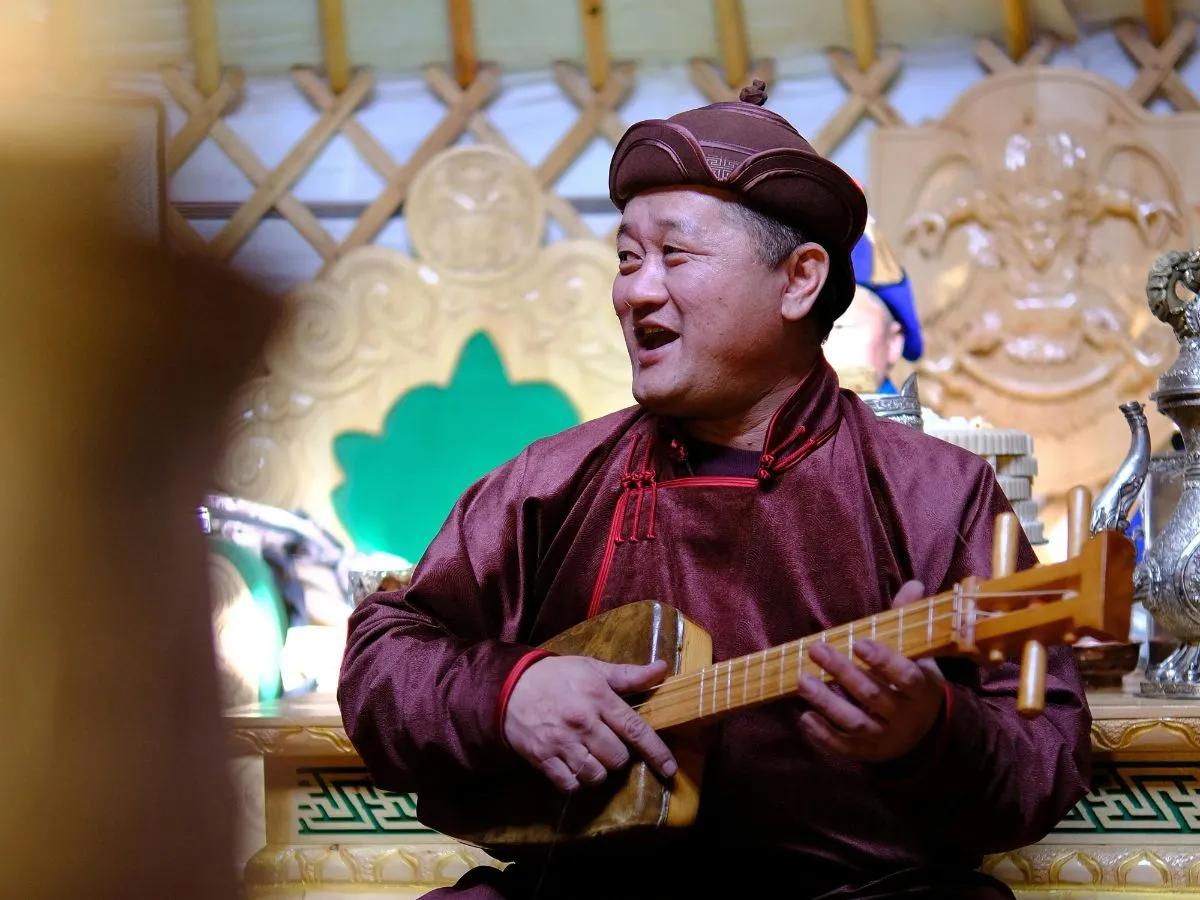
Roughly half of Mongolia's population still lives in a ger today, many of them herding families living much as their grandparents did. Mongolian hospitality is famously warm, and visiting one of these families, sharing warm milk tea and seeing daily life on the steppe up close, is often the single most memorable part of travelling here for tourists exploring the country's culture. Conversations are often simple, helped along by a guide translating where needed, but the warmth carries its own language. You might be offered airag, a mildly fermented mare's milk drink, or shown how a family herds its animals each morning before the heat of the day sets in, one of many unforgettable experiences across Mongolia that go far beyond the ger itself. It isn't a performance staged for visitors. It's simply an invitation into someone's actual home, and a small window into the cultural significance the ger still holds for the people who live in one.
Practical Tips for Ger Camp Life
A few small preparations make ger camp life far more comfortable. Pack in a soft bag or backpack rather than a hard suitcase, since gers and rural roads don't suit wheeled cases well. Bring layers, since seasonal weather patterns on the steppe can swing sharply between day and night. And don't expect strong WiFi once you're outside Ulaanbaatar. Out here, that's rarely something anyone minds.
Conclusion
Ten thousand years is a long time for anything to survive unchanged, yet the ger endures, not as a museum piece, but as a home still lit, heated and lived in every night across Mongolia's vast steppe. To step inside one is to step into a tradition that has outlasted empires, still standing exactly where the wind is strongest and the sky is widest. There is no better way to understand a country than to sleep the way its people have slept for millennia, and with Undiscovered Destinations' small group tours across Mongolia, that experience is never a re-enactment. It is simply how the journey is lived.