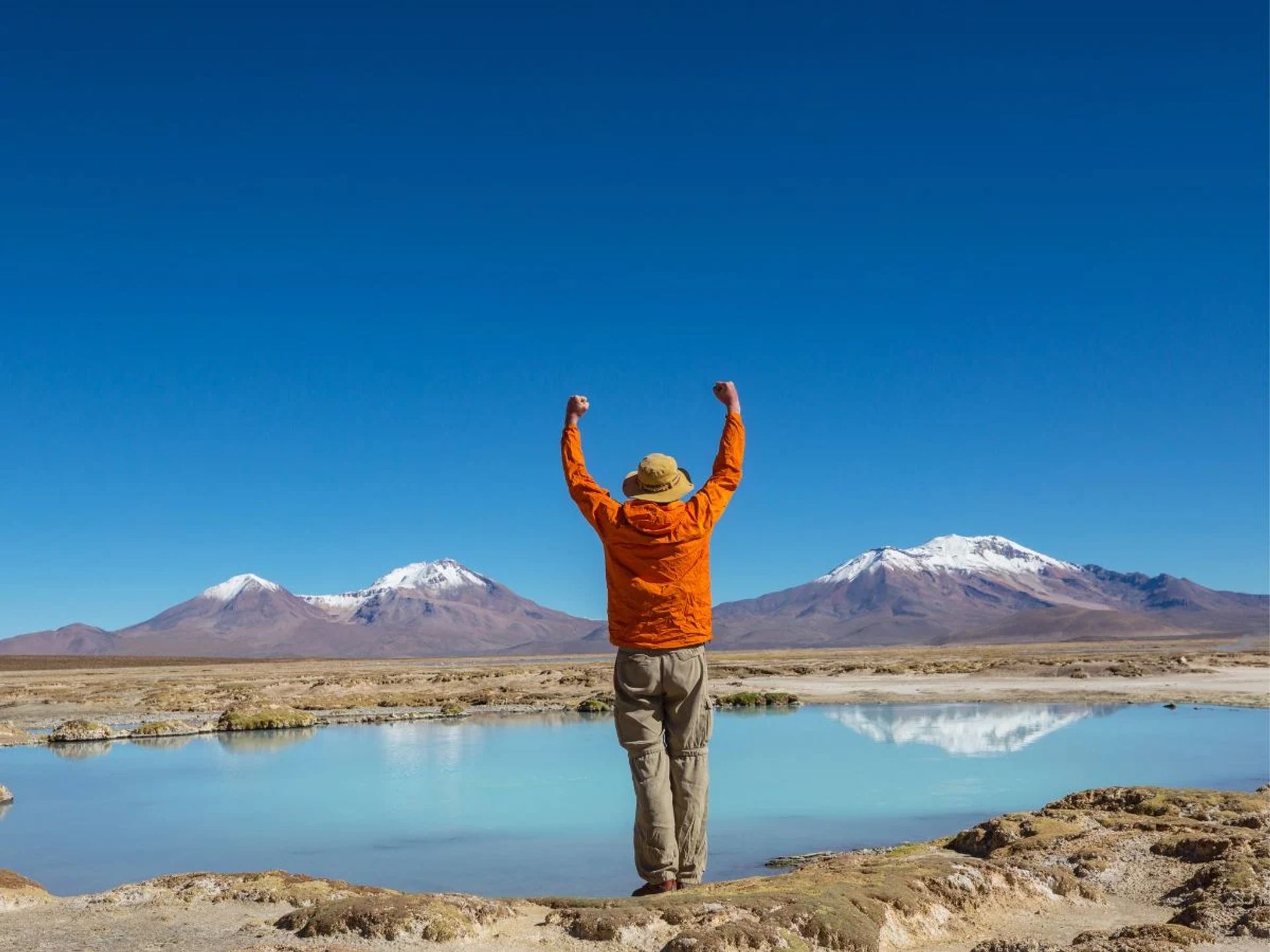

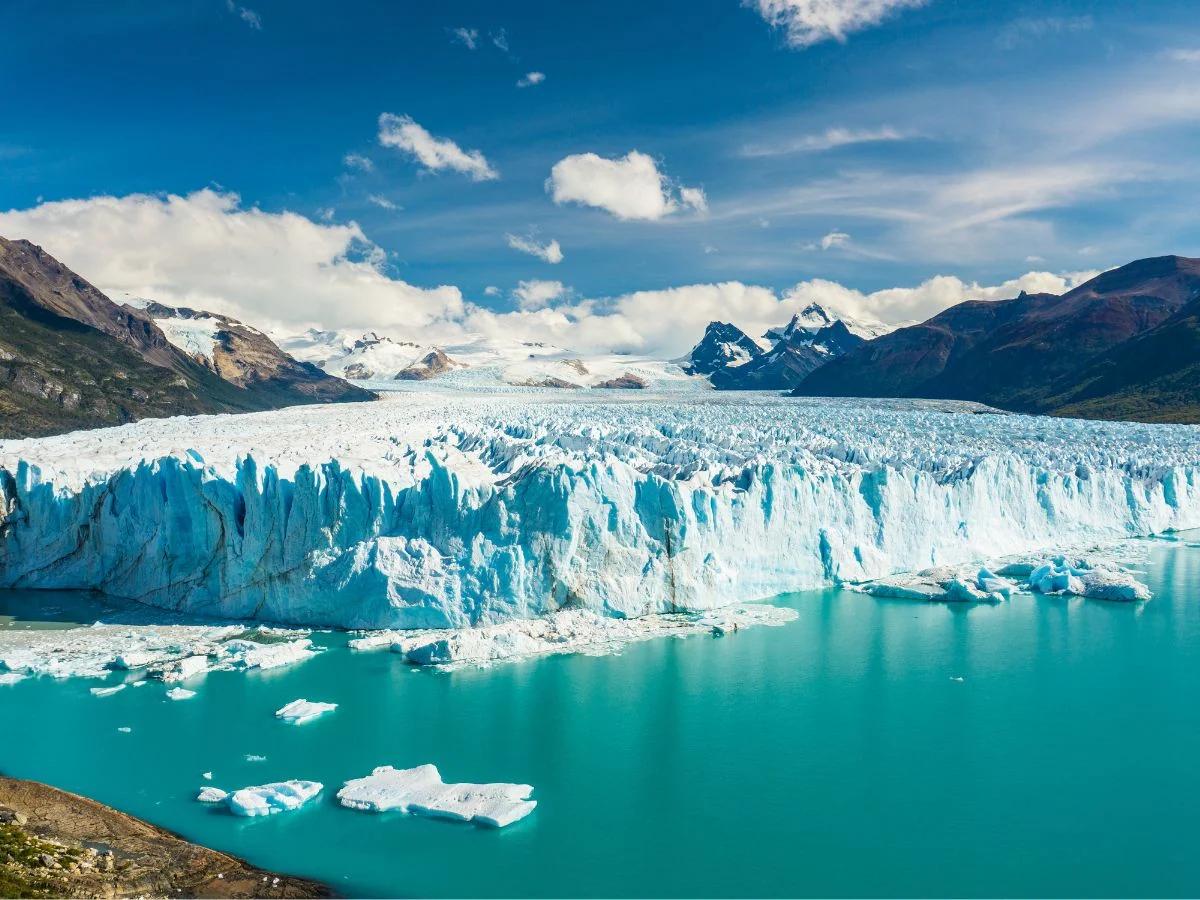
Picture two mornings on the same trip. On the first, you stand in thin, freezing air above 4,000 metres, watching steam rise from dozens of geysers as the sun comes up. On the second, you sit on a boat in a cold southern fjord, looking up at a wall of blue ice. Both are Chile, and both depend on getting your timing right.
So what is the best time of year to visit Chile? For most travellers who want to see both the north and the south, the answer is spring or autumn: October to November, or March to April. Summer has its fans, and the desert can be visited in almost any month. But the full picture is more interesting than one simple answer, and it's worth knowing before you plan your Chile trip.
Why Chile's Climate Changes from North to South
A Country 4,270 km Long
Chile is one of the most stretched-out countries in South America, or anywhere on earth. From north to south it runs about 4,270 km, yet it averages just 177 km wide. That long, thin shape crosses many climate zones. North Chile, where the country borders Peru and Bolivia, is bone-dry desert. The middle has a mild, Mediterranean feel. The deep south is a land of ice fields, fjords, mountains and wind.
This means the weather in one region tells you very little about another. A perfect week in the Atacama can be a stormy one in Patagonia, and the other way round.
Seasons Flipped: Chile's Summer Is the UK's Winter
Chile sits in the southern hemisphere, so its seasons run the opposite way to ours. The Chilean summer lasts from December to February. Autumn is March to May. Winter runs from June to August, and spring from September to November.
For UK travellers, this is good news. You can swap a grey January at home for long, bright days in the south. Or you can use the UK summer holidays for a trip to the northern desert when it is at its driest.
The Best Time to Visit the Atacama Desert in North Chile
Why the Desert Works Year-Round (and Peaks May to September)
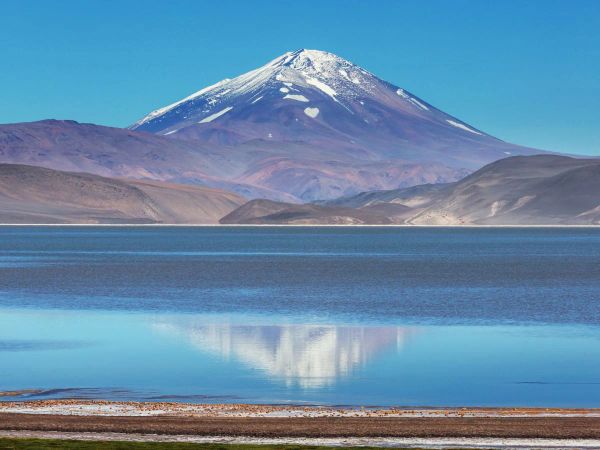
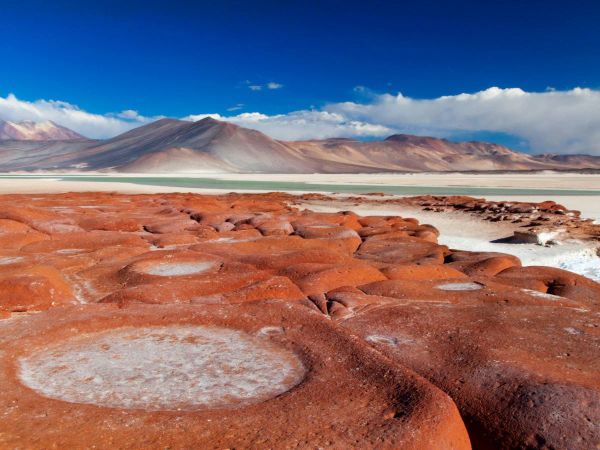
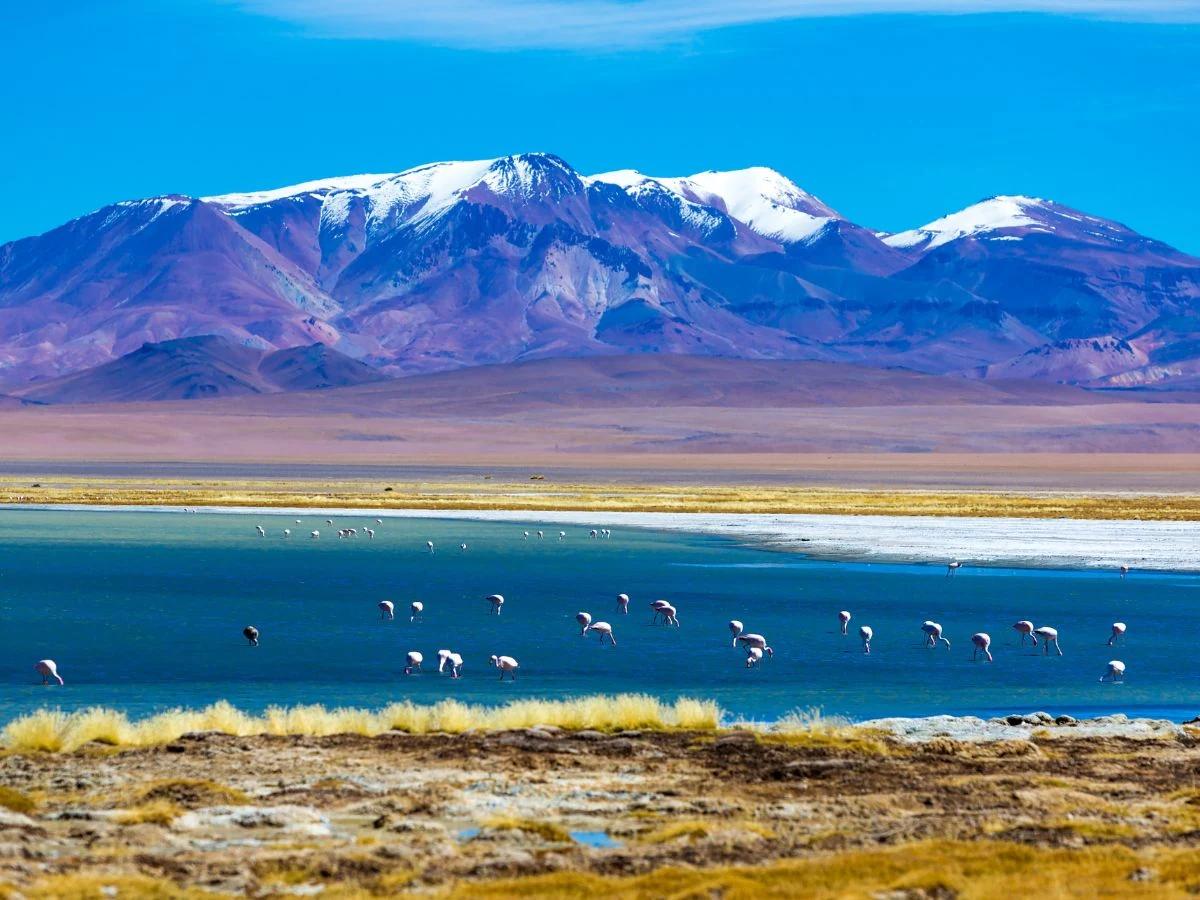
Often called the driest desert on earth, the Atacama is, more precisely, the driest non-polar desert in the world. Some parts receive less than 1 mm of rain a year on average. With so little rain, there is rarely a bad time to go. Most trips start from San Pedro de Atacama, a small town at 2,475 metres. From here, day trips reach salt flats, high lagoons and the wind-carved ridges of Valle de la Luna in the Cordillera de Sal.
Many travel guides point to May to September as the sweet spot for north Chile. Skies are at their clearest, and days are warm but not hot.
The Altiplanic Winter: January and February Storms
There is one catch. In January and February, moist air can push over the Andes and bring sudden afternoon storms to the high plateau. Locals call this the altiplanic winter, even though it happens in summer. These storms can cause flash floods and may affect trips to the highest spots. San Pedro itself still sees very little rain, but it pays to build some flexibility into your plans at this time of year.
Warm Days and Freezing Nights
The desert's biggest surprise is the cold. In the winter months, days reach around 22°C, but nights can fall to about 4°C. In summer, days climb to around 30°C with nights close to 16°C. Higher up, it gets much colder, so pack layers whatever month you visit.
Altitude matters too. Many sights sit well above 4,000 metres, and the air is thin. Take it slowly for the first few days, drink plenty of water and give your body time to adjust.
El Tatio and the Dawn Start
El Tatio is one of the Atacama's star sights. At around 4,200 metres, it has more than 80 active geysers and is the largest geyser field in the southern hemisphere. Visits start very early, long before sunrise, and there is a good reason for it.
The geysers are not much more active at dawn. They are just easier to see. When the air is well below freezing, the steam turns into tall white columns straight away. El Tatio sits below freezing at dawn in every month of the year, so the early start works in any season. A hat, gloves and a warm coat are a must.
Stargazing in June, July and August
The Atacama's dry air and high altitude make it one of the best places on the planet to look at the stars. Skies are clear for more than 300 days a year. Astronomers certainly think so: Chile today concentrates nearly 40% of the world's astronomical observation capacity.
For the darkest skies, time your stay around a new moon. The long, dry winter nights are especially good, as long as you wrap up well.
The Best Time to Visit Chilean Patagonia
Summer (December to February): Long Days and Strong Winds
Summer is peak season in southern Chile. Many travellers reach the region through Punta Arenas, the main city on the Strait of Magellan. In January, temperatures in Puerto Natales, the gateway town for Torres del Paine National Park, range from around 8°C to 20°C. In late December, daylight lasts close to 17 hours. That gives you plenty of time for walks to viewpoints over Lago Grey, the Cuernos del Paine and the Grey Glacier.
The trade-off is wind. December and January are the windiest months in Torres del Paine, with gusts often reaching 80 to 100 km/h. Summer is also the busiest time. Many Chileans take their holidays in January and February, and places to stay fill up fast. Further north, the remote Aysén region is also at its best from December to February, when its roads are at their driest.
Spring and Autumn: Quieter Trails in October and April
For many, the shoulder months hit the sweet spot. October and November bring lengthening days and fewer visitors than high summer, while March and April are quieter still. Any of these is a good month for outdoor activities such as hiking, without the summer rush.
April has a special appeal. Temperatures sit between around 3°C and 13°C, and daylight drops to about 10 hours. In return, the lenga forests turn copper and gold, and the low autumn light is a gift for photographers. April and October also tend to bring slightly calmer winds than midsummer.
Why Winter Is a Different Trip
From May to September, Patagonia enters its low season. Days are short and cold, and many services close until spring. It can be beautiful under snow, but it suits a very different kind of trip. For most first-time visitors, October to April is the window to aim for.
Four Seasons in One Day
Whatever month you choose, Patagonia keeps you guessing. Sunshine can turn to hail and back again within an hour, and even midsummer brings fast-changing weather at these southern latitudes. Boat trips through the Última Esperanza Fjord to the Balmaceda and Serrano Glaciers depend on conditions on the day. Waterproofs, warm layers and a flexible mindset will serve you far better than any forecast, and the stunning landscapes more than make up for the odd soaking.
Other Places to Visit: Central Chile and Easter Island
Santiago, the Wine Valleys and Harvest Festivals
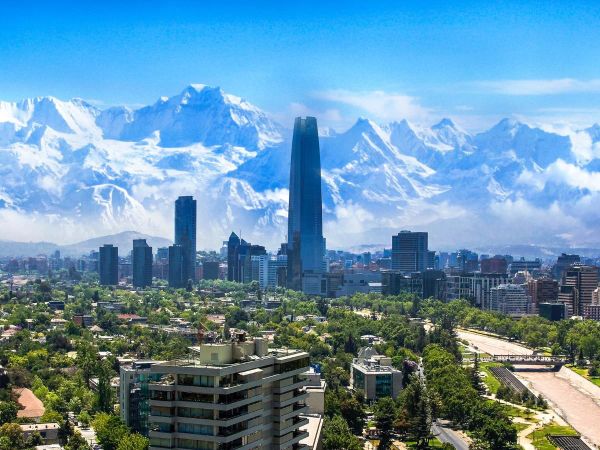
Central Chile has a mild climate that makes it easy to visit for much of the year. Santiago is warmest from December to February, at around 23°C. October to November and March to April are also pleasant. March brings the grape harvest to the wine valleys, with festivals to match. On the coast, the colourful hillside port of Valparaíso is popular all year, though it gets busy in the Chilean summer. From June to September, the ski season brings snow to resorts in the Andes less than two hours from Santiago.
Puerto Varas and the Lake District
South of the capital, the Lake District around Puerto Varas has warm, short summers and cooler, damp winters. October to March is the best window for exploring its lakes and volcanoes.
Easter Island
Far out in the Pacific, Easter Island (Rapa Nui), home to the moai of the UNESCO-listed Rapa Nui National Park, enjoys warm weather all year, with temperatures around 24°C in summer. The busiest and priciest months are January to March, while the cooler months of July and August suit hiking. Come in early February and you may catch the Tapati festival, a lively two-week celebration of Rapa Nui culture with music, sport and body painting.
How to See the Desert and the Glaciers in One Trip
The Overlap Months: March, April, October and November
If you want the Atacama and Patagonia in one Chile trip, timing becomes a balancing act. The desert is at its best outside the January and February storms. Patagonia is at its best from October to April. Put the two together and the overlap is clear: October to November in spring, and March to April in autumn.
In these months you can usually expect mild desert days, fewer crowds in Torres del Paine and enough daylight in the south to make the most of it. You'll still want layers for both.
Crossing into Argentina Along the Way
Many journeys through Chile also dip into Argentina. In the north, the road over the Jama Pass links the Argentine Puna with San Pedro de Atacama, climbing to around 4,700 metres before a thrilling 50 km descent into the desert. In the south, the border crossing near Puerto Natales connects Torres del Paine with the Argentine side of Patagonia and the glaciers around El Calafate. Some travellers also head north from the Atacama into Bolivia and its vast salt flats. The same seasonal windows apply across the region, which makes spring and autumn ideal for a multi-country adventure.
Chile Month Guide: Season by Season
Use this quick month guide to match each season to the Chile you want to see.
Summer (December to February) is best for Patagonia's long days, but it is the busiest and windiest season in the south, and the high desert may see storms.
Autumn (March to May) is a strong all-rounder. March and April suit both the Atacama and Patagonia, with autumn colour in the south and the grape harvest in central Chile. By May, the south is winding down.
Winter (June to August) is prime time for the Atacama and stargazing, and the heart of the ski season in the Andes. Patagonia is largely closed.
Spring (September to November) keeps the desert dry and clear, while Patagonia wakes up from October with fewer visitors than summer.
Conclusion
The best time of year to visit Chile is less about one magic month and more about matching the season to the place. The Atacama rewards you almost all year, as long as you dodge the summer storms and pack for cold nights. Patagonia shines from spring to autumn, whether you want long summer days or quiet, copper-coloured trails in April. And if you want both, spring and autumn let you have the desert and the glaciers in a single journey.
Undiscovered Destinations runs small group tours through both of Chile's great wildernesses, from the geysers and salt lakes of the Atacama to the peaks and glaciers of Torres del Paine. Join a departure that fits your season, or pair the two tours and let Chile show you both ends of the earth.