
Picture this. At dawn you stand beside steaming geysers high in the Andes, your breath misting in the cold air. A few days later you're on a boat, sliding past blue ice at the end of a Patagonian fjord. Both moments happen in the same country.
That contrast is what makes a Chile travel itinerary so exciting to plan, and also so tricky. Chile runs for more than 4,000 km from north to south, which makes it one of the longest countries on Earth. Getting from the desert to the glaciers takes careful planning.
This guide shows you how to link the Atacama Desert and Patagonia in one trip. It covers how long to spend in each region, how to travel between them, and how routes through Argentina can help. It also covers what to see and how to handle altitude and weather, two things many guides skip.
Why Combine the Atacama Desert and Patagonia?
Two Extremes in One Country
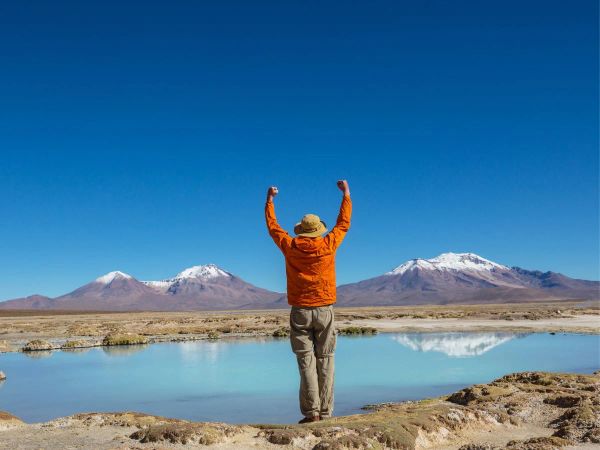
Few places in Latin America offer such opposite landscapes in a single trip. The Atacama in the north is the driest non-polar desert in the world. It is so dry and harsh that NASA scientists have used it to test equipment designed to search for life on Mars.
Far to the south, Patagonia is a land of wind, ice and granite. Torres del Paine, its most famous national park, was named a UNESCO Biosphere Reserve in 1978. It protects lakes, glaciers and wildlife such as guanacos and condors.
What Each Region Adds
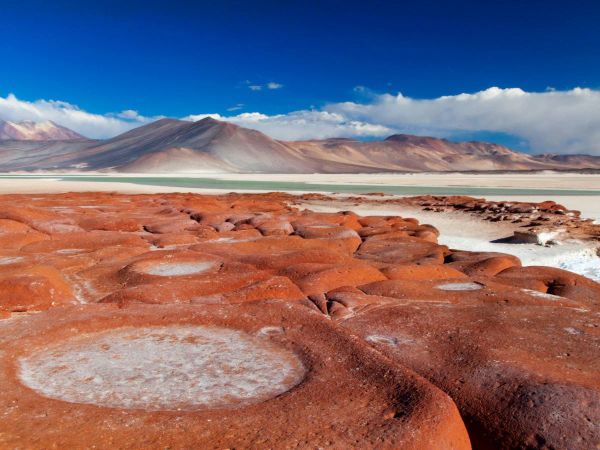
The Atacama gives you salt flats, flamingo lagoons, volcanoes and some of the clearest night skies on the planet. Patagonia gives you jagged peaks, glacial lakes and long walks in huge, open scenery. Together they show Chile at its most dramatic, and neither feels quite complete without the other.
How Long Does a Chile Travel Itinerary Need?
Why Two Weeks Is the Realistic Minimum
It's tempting to squeeze both regions into ten days. In practice, travel days take a big bite out of a short trip. The flight from Santiago to Calama, the airport for the Atacama, takes about two hours. From Calama it's roughly another hour or so by road to San Pedro de Atacama.
Heading south, the flight from Santiago to Punta Arenas takes around three to three and a half hours. After that comes a drive of about three hours to Puerto Natales, the gateway to Torres del Paine. Add the long-haul flight from the UK, and you can see why two weeks is the sensible minimum.
Splitting Your Trip Between North and South
A good balance is four to five days in the Atacama and five to six in Patagonia. The Atacama needs time for altitude, so rushing it is a mistake. Patagonia needs spare days because the weather can change your plans at short notice. With three weeks, you can slow down and add a stretch through Argentina.
Getting Between the Desert and the Glaciers
Flying via Santiago
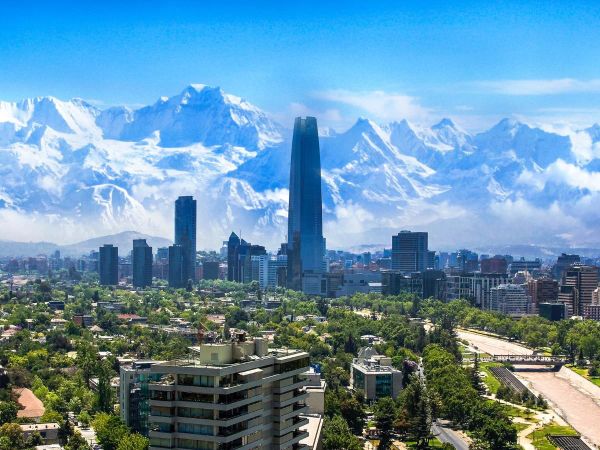
Many Chile itineraries spend several days in Santiago, Valparaíso's historic port quarter and the wine valleys, but this route puts the desert and the glaciers first. The standard way to link the two regions is by domestic flight through Santiago. Most visitors fly into the capital, head north to Calama, return to Santiago and then fly south. It works well, but it means spending time in airports rather than in the landscapes you came to see.
The Argentina Shortcut
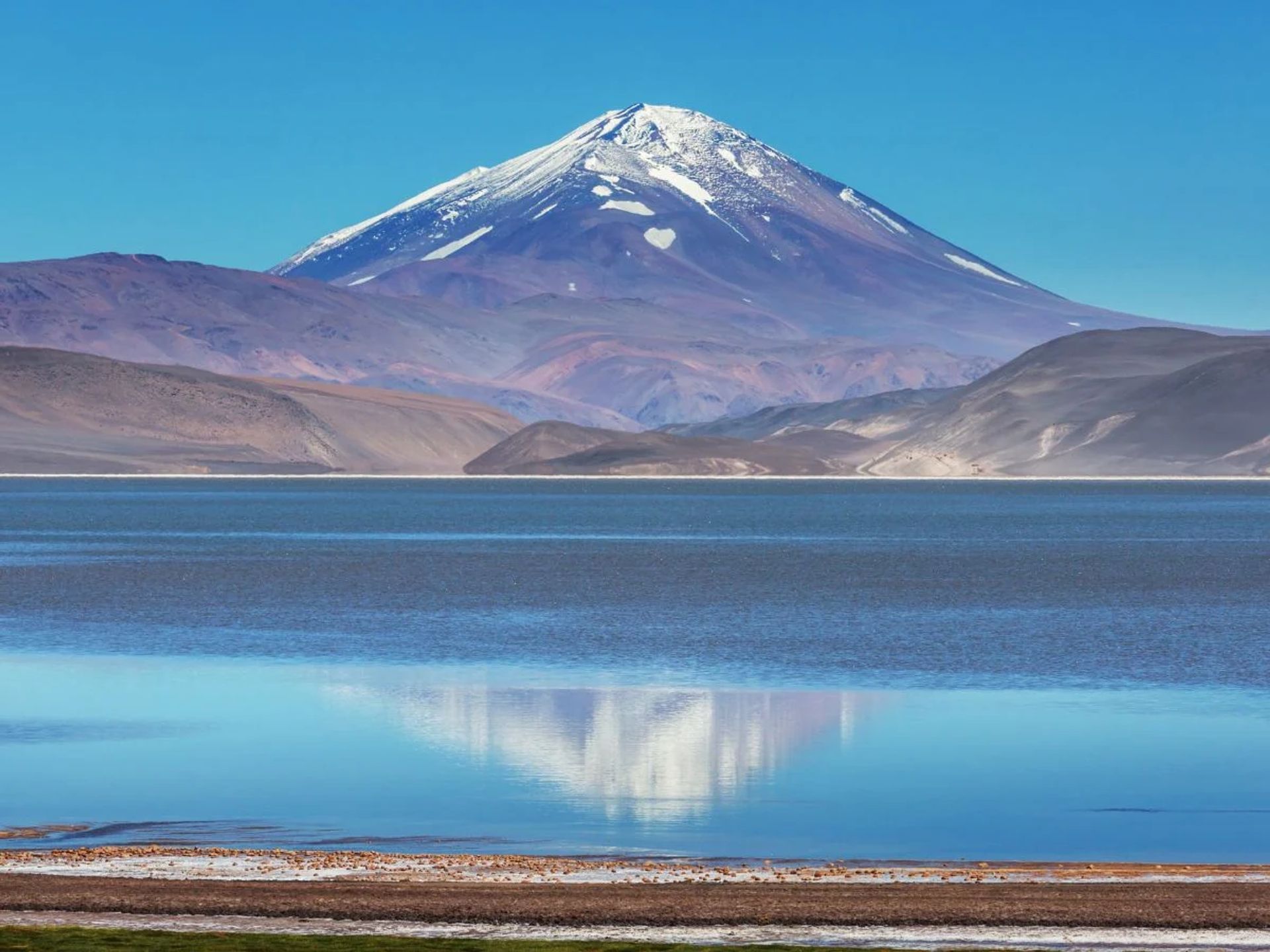
Chile's two great regions both sit right beside Argentina, and crossing the border can make for a richer journey. Cross-border trips often start in Buenos Aires, with short domestic flights to reach Argentina's far north or deep south. In the north, the Jama Pass links Argentina's high Puna plateau with San Pedro de Atacama. The road climbs to more than 4,800 metres before a thrilling descent into the desert, with views of the cone-shaped Licancabur Volcano.
In the south, a bus runs between El Calafate in Argentina and Puerto Natales in Chile. The ride itself takes about three and a half hours, but allow five to six hours in total for the border crossing. It's a practical way to pair Torres del Paine with Argentina's Perito Moreno Glacier or the peaks around El Chaltén.
Entry Rules for UK Travellers
According to the UK government's travel advice, British citizens can visit Chile for up to 90 days without a visa. You'll be given a tourist card on arrival, which you must keep and hand in when you leave. Your passport should be valid beyond the date you plan to leave Chile. Rules can change, so check the latest advice before you book and again before you travel.
The Best Places to Visit in the Atacama Desert
San Pedro de Atacama as Your Base
Almost every Atacama trip starts in San Pedro de Atacama, a small adobe town at 2,475 metres above sea level. It has a relaxed feel, with dusty streets, local restaurants and plenty of places to book day trips. It also sits within easy reach of the region's best sights, from salt flats and lagoons to hot springs.
El Tatio Geysers at Dawn
A very early start takes you to the El Tatio geyser field, at around 4,200 metres in the Andes Mountains. With more than 80 active geysers, it is the largest geyser field in the southern hemisphere and the third largest in the world. The steam columns are at their best in the freezing hour around sunrise, so wrap up warmly.
Sunset in the Cordillera de Sal and Valle de la Luna
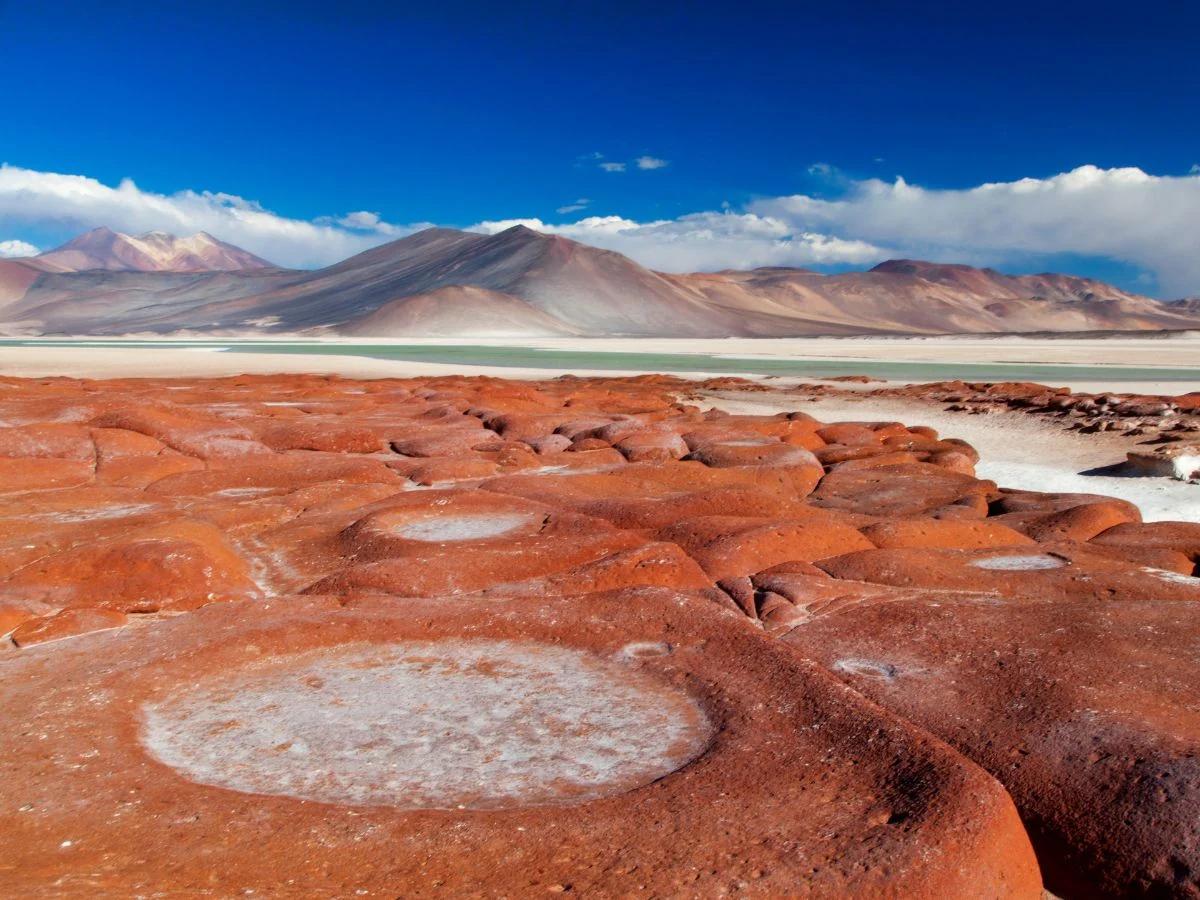
The Cordillera de Sal, or Salt Mountains, lies just outside San Pedro. Here wind and time have carved ridges, dunes and salt formations that glow red and gold as the sun goes down. The Valle de la Luna, or Moon Valley, is the best-known part of this landscape, and sunset here is a highlight of any trip north.
The High Lagoons of Miscanti and Miñiques
South of San Pedro, the Miscanti and Miñiques lagoons sit at around 4,200 metres. Their dark blue water, framed by volcanoes and a deep cobalt sky, makes a striking sight. Flamingos often feed along the shores, and the silence up here is something you'll remember.
Planning for the Altitude
Altitude is the part many travellers underestimate. San Pedro sits at about 2,475 metres, but El Tatio is roughly 1,700 metres higher. Some Andean routes nearby climb above 4,800 metres.
Give yourself an easy first day in town before heading higher. Drink plenty of water, go slowly and avoid heavy meals late at night. If you have any health concerns, speak to your GP before you travel.
The Best Places to Visit in Patagonia
Puerto Natales as Your Gateway
Puerto Natales is a small harbour town on the edge of a fjord and the main base for Torres del Paine. It has a good range of accommodation, from cosy guesthouses to comfortable hotels, plus outdoor shops and restaurants serving Patagonian lamb. Staying here lets you explore the park by day and return to a warm hotel bed at night.
Exploring Torres del Paine National Park
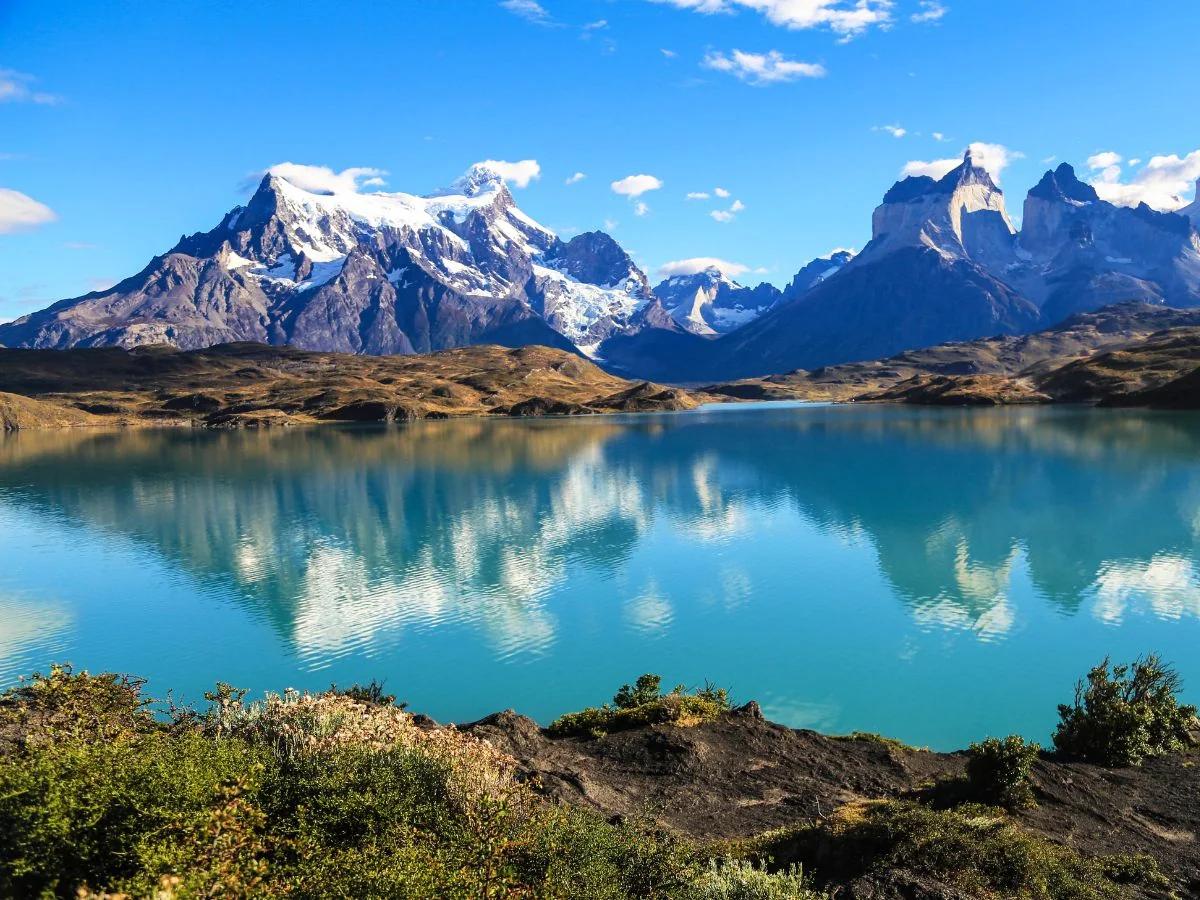
Even without a multi-day trek, you can see much of the park in a full day. The Mirador del Lago Grey looks across to the Grey Glacier. The sharp Cuernos del Paine rise above the turquoise waters of Lago Nordenskjöld, and the Salto Grande waterfall roars nearby.
Keen hikers often come for the famous W Trek. It's worth knowing that day walks and viewpoints also give a real taste of the park's scale.
The Milodón Cave
About 24 km north of Puerto Natales lies the Milodón Cave. Here, remains of a giant prehistoric ground sloth called the mylodon were found. A life-size replica stands at the entrance, and the cave itself is huge. It's an easy stop on the way to the national park.
Fjords and Glaciers by Boat
One of the most memorable trips from Puerto Natales is a boat journey along the Última Esperanza Fjord. The route passes waterfalls, cattle ranches and seabird colonies on the way to the Balmaceda and Serrano glaciers in Bernardo O'Higgins National Park. A short walk leads to a viewpoint over the Serrano Glacier. As with much in Patagonia, these trips depend on the weather.
When to Go: Timing Both Regions
Patagonia's Short Summer Window
Patagonia decides the timing of most trips. January and February are the peak months, with the longest days and the busiest trails. November, March and April are quieter shoulder months, with fewer visitors but cooler, less predictable weather. Winter brings short days and closures, so most travellers avoid it.
The Atacama All Year Round
The Atacama can be visited in any season. Days are usually sunny and dry, but nights and early mornings at altitude are bitterly cold, especially at El Tatio. That makes the desert an easy partner for a Patagonia trip in the summer months.
Four Seasons in One Day
Patagonia's weather is famous for changing fast. Even in mid-summer, you can face sun, rain, wind and cold within a few hours, so plan for four seasons in one day. Pack warm layers, a waterproof jacket, a warm hat, sunglasses and sturdy walking boots. The same layers will serve you well on those freezing desert mornings.
A Sample Two-Week Route from North to South
Here is one simple way to shape a 14-day itinerary. Fly from the UK to Santiago and rest for a night. Then fly north to Calama and transfer to San Pedro de Atacama. Spend four nights there, starting gently before building up to El Tatio, the high lagoons and a Cordillera de Sal sunset.
Next, fly back through Santiago to Punta Arenas and continue by road to Puerto Natales. Spend five nights here. Give one full day to Torres del Paine and one to the fjord and glaciers, with time for the Milodón Cave. Keep a spare day in case the weather closes in.
Finish with the journey home, allowing a buffer night in Santiago if your flights are tight. If you have longer, swap the Santiago links for overland routes through Argentina. Crossing the Jama Pass in the north or the El Calafate border in the south adds Argentine highlights along the way.
Guided Tour or Going It Alone?
When It's Worth Travelling Independently
Chile is a safe and well-organised country, and many visitors plan their own trips. If you're happy booking domestic flights, arranging day trips and driving on gravel roads, independent travel gives you full control over your pace.
What a Small Group Adds to a Remote Adventure
Some routes are harder to manage alone. The high Andean crossings between Chile and Argentina climb above 4,800 metres and include off-road days that can be slow and bumpy. Border formalities, remote roads and changing weather all add stress. Travelling with an expert local guide and a small group means someone else handles the logistics while you enjoy the view.
Conclusion
A Chile travel itinerary that pairs the Atacama with Patagonia gives you two of South America's great landscapes in a single trip. The key is honest planning. Give each region enough days, respect the altitude in the north, and pack for fast-changing weather in the south. Think about routing through Argentina too, as it can save time and add even more to the journey.
If you'd rather spend your energy on the view than the logistics, join one of Undiscovered Destinations' small group tours through Argentina and Chile, and trade the spreadsheets for guided walks in Torres del Paine and the walkways facing the Perito Moreno Glacier.