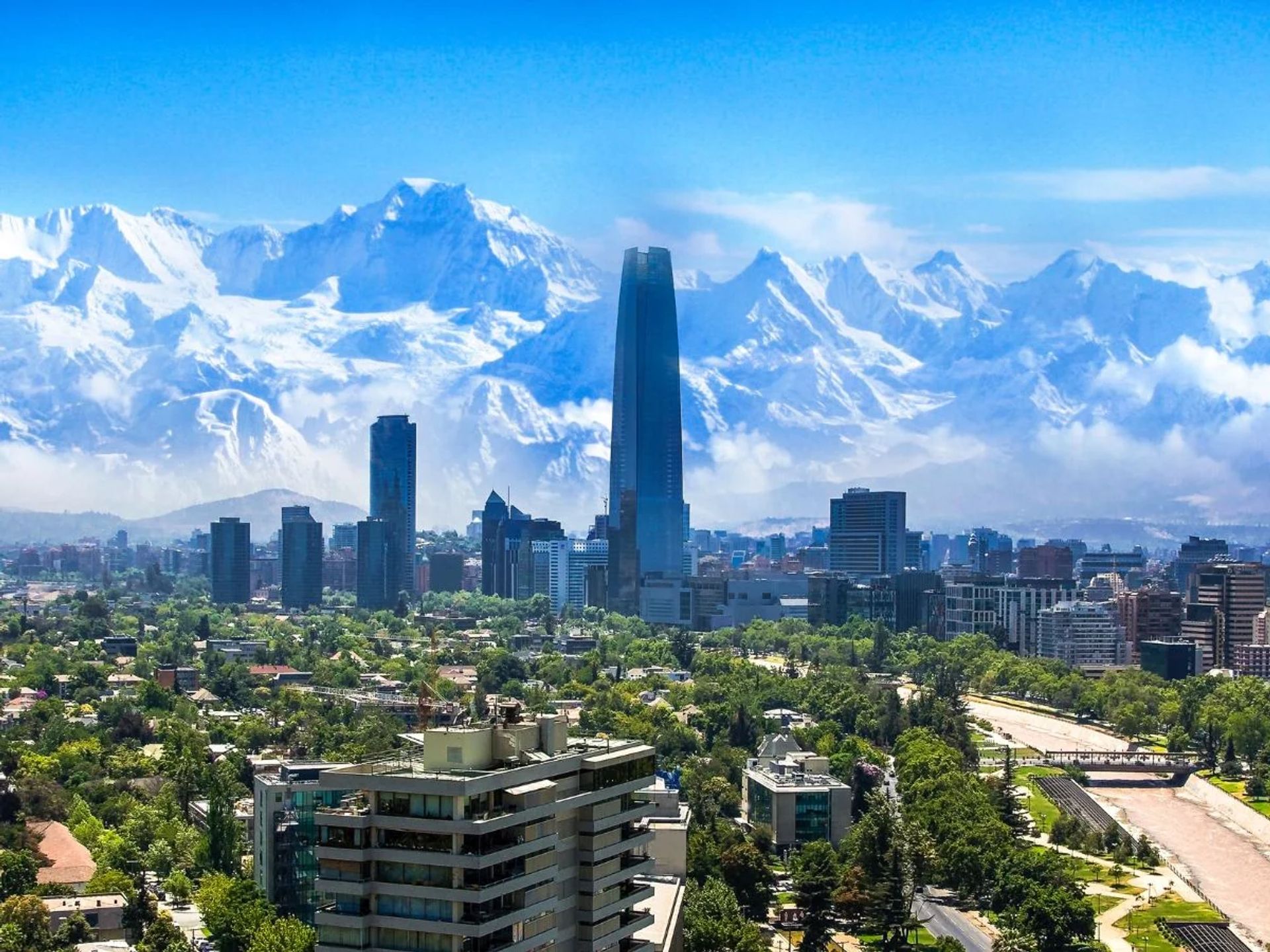

Stretch a piece of string from the Sahara to Scandinavia and you would cover roughly the same distance as Chile runs from top to bottom. Few countries pack such diverse landscapes into one long, narrow border. In the north lies a desert so dry that some parts have never recorded rain. In the south, glaciers grind slowly towards the sea beneath jagged granite peaks. In between sits a string of volcanoes, vineyards, fishing towns and one of the most isolated islands on the planet.
Ask what Chile is famous for and the answer changes depending on which end of the country you are standing in. Some of its fame comes from record-breaking geography, some from what lies beneath the ground, and some from the people who have shaped its culture over centuries. It is, by most accounts, a beautiful country to visit, and this guide pulls together the things that make it so distinctive, from its landscapes and wildlife to its food, wine, industry and culture.
A Country Like No Other: Chile's Extraordinary Shape
The World's Narrowest Country
Before anything else, Chile is famous simply for its shape. According to Guinness World Records, the country runs for around 4,300 kilometres from north to south, yet averages only about 175 kilometres across. That makes it the narrowest country in the world relative to its length.
This sliver of land is squeezed between the towering Andean Cordillera to the east and the Pacific Ocean to the west. Unlike South America's larger nations, such as Brazil or Argentina, Chile's fame rests less on its size and more on how much ground it covers in such a narrow space. The result is a country where you can drive for hours without the landscape repeating itself. Deserts give way to farmland, farmland gives way to forest, and forest eventually gives way to ice.
The Atacama Desert: The Driest Place on Earth
A Landscape of Salt Flats and Volcanoes
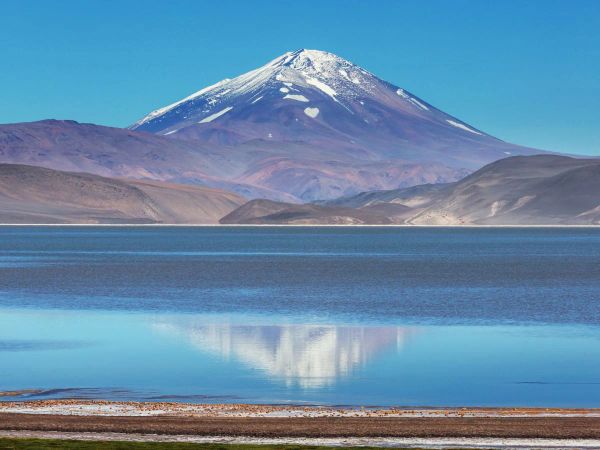
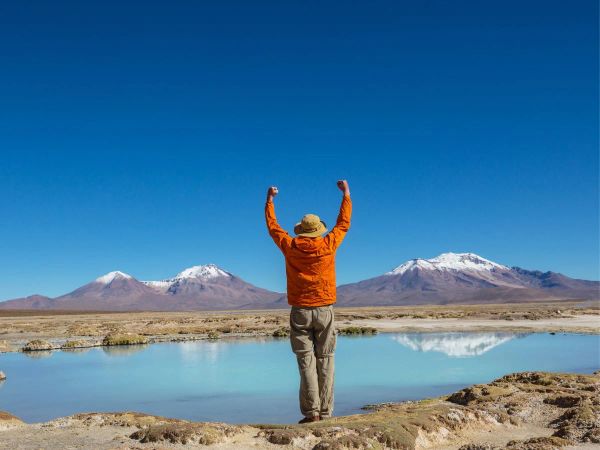
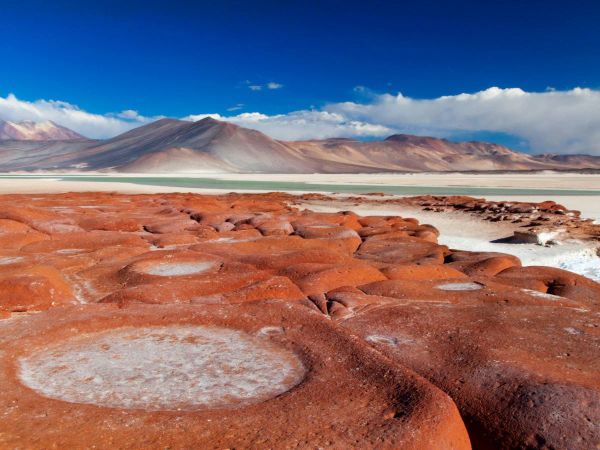
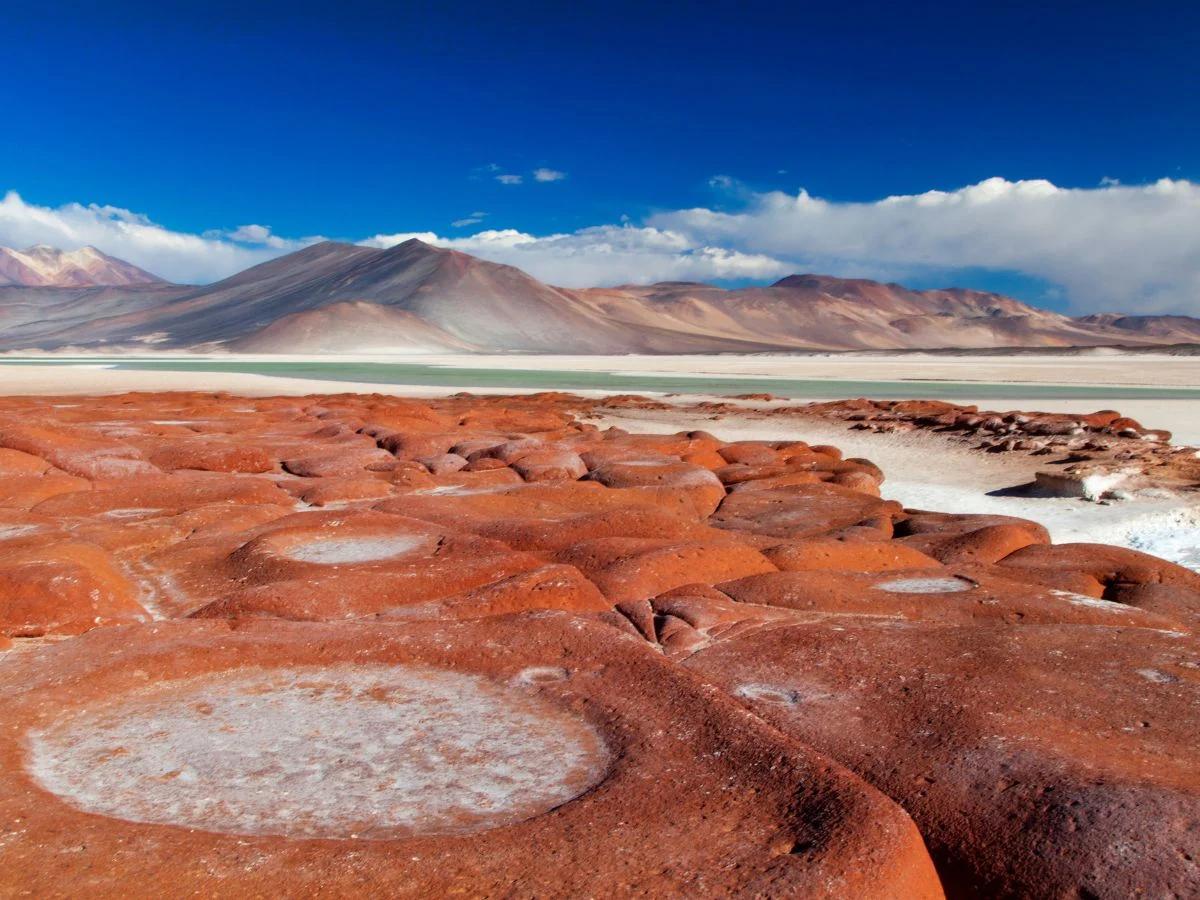
In the north, the Atacama Desert is often described as the driest non-polar desert on Earth. Some weather stations here have gone decades without measuring a drop of rain. The result is a landscape that looks more like Mars than anywhere else on the continent, with salt flats and cone-shaped volcanoes rising from the plain.
Towns such as San Pedro de Atacama sit at the heart of this region, acting as a gateway to features like the Valle de la Luna, or Moon Valley, where wind and time have carved the rock into ridges, dunes and eroded shapes. Walking through it at sunset, when the light turns the clay a deep red, it is easy to see why it has earned its nickname.
The desert does not stop at Chile's border. It stretches north across the frontier into Peruvian territory, and long before Spanish colonisers arrived in the region, this same high ground lay at the southern edge of the Inca Empire, whose trails once linked what is now Chile with Peru and Bolivia further north.
The World's Best Stargazing
The same dryness that makes the Atacama so barren also makes it one of the clearest places on Earth to see the night sky. With little moisture or light pollution, the region enjoys more than 300 clear nights a year, which is why several of the world's largest astronomical observatories have been built here. Around 50 kilometres east of San Pedro de Atacama, on the Chajnantor plateau over 5,000 metres above sea level, sits ALMA, an array of 66 high-precision antennas that ranks among the most powerful radio telescopes ever built, capable of producing images sharper than those from the Hubble Space Telescope. On a clear night lower down, away from the observatories, the Milky Way appears almost close enough to touch with the naked eye.
Copper Country: An Economic Powerhouse
It is not only the scenery that has made Chile famous. Beneath the same northern deserts lies the largest known reserve of copper on the planet, and Chile has held the position of the world's biggest copper producer for decades, currently supplying somewhere around a quarter of global output. The Escondida mine, hidden among the hills of the Atacama roughly 170 kilometres from the port city of Antofagasta, is the single largest copper mine in the world by annual production. It is a reminder that the same barren landscape prized for its silence and clear skies is also one of the most economically important regions on Earth.
Flamingos, Geysers and the High Andean Plateau
El Tatio Geyser Field
High above San Pedro de Atacama, at an altitude of around 4,200 metres, lies El Tatio, one of the largest geyser fields anywhere in the world and the biggest in the Southern Hemisphere. More than 80 geysers push columns of steam into the cold morning air, usually at their most dramatic just after sunrise, when the contrast between the freezing air and the hot vents is greatest.
Wildlife of the Puna
This high plateau, known locally as the Puna, is far from empty. Herds of vicuñas, a wild relative of the llama, graze on the sparse grasses, while flocks of flamingos wade through shallow salt lakes that seem too harsh to support any life at all. The nearby Salar de Atacama, Chile's largest salt flat, is home to three flamingo species, including the Andean flamingo and the James's flamingo, both of which are rarely seen outside these high-altitude wetlands. It is a landscape of extremes, both in temperature and in the creatures tough enough to call it home.
The Wild South: Patagonia's Glaciers and Granite Peaks
Torres del Paine National Park
Travel to the opposite end of the country and the desert gives way entirely to ice. Chilean Patagonia is best known for Torres del Paine National Park, home to three towering granite spires that give the park its name. The park sits close to the border with Argentina, and the wider Patagonia region is often explored from both sides of the Andes. Turquoise lakes, wind-battered forests and herds of guanaco fill the spaces between the peaks, drawing hikers from around the world to its famous long-distance trails.
Glacier Country
Further south, near the town of Puerto Natales, glaciers such as Balmaceda and Serrano descend from the mountains almost to the water's edge inside Bernardo O'Higgins National Park, Chile's largest protected area. Boat trips along the fjords here bring tourists close enough to hear the ice cracking, a reminder that this landscape is still slowly on the move.
Penguins of the Far South
Elsewhere in Chile's far south, away from the glacier routes around Puerto Natales, the region is also famous for its penguins. Magdalena Island, a short boat ride from the separate city of Punta Arenas, hosts the largest Magellanic penguin colony in the country, with around 60,000 breeding pairs nesting there each year. It is one of at least ten such colonies scattered along this stretch of coastline, making it one of the best places anywhere to see penguins in the wild. Punta Arenas itself is often described as the gateway to Antarctica, with expedition ships departing from its docks for the White Continent, a further reminder of how much ground this part of Chile covers beyond its glacier routes.
Easter Island and Its Mysterious Moai
The Rapa Nui People
Far out in the Pacific Ocean, more than 3,500 kilometres from mainland Chile, lies Easter Island, known to its inhabitants as Rapa Nui and often cited as one of the most remote inhabited islands on Earth. The island is famous worldwide for its moai, the huge stone statues carved by the Rapa Nui people between roughly the 13th and 16th centuries. Nearly a thousand of these figures remain scattered across the island, many of them still facing inland as though watching over the villages below, and the site has been recognised as a UNESCO World Heritage Site for its cultural significance. Exactly how such enormous statues were transported across the island without modern machinery remains a subject of debate among archaeologists to this day.
Santiago: South America's Tallest Skyline
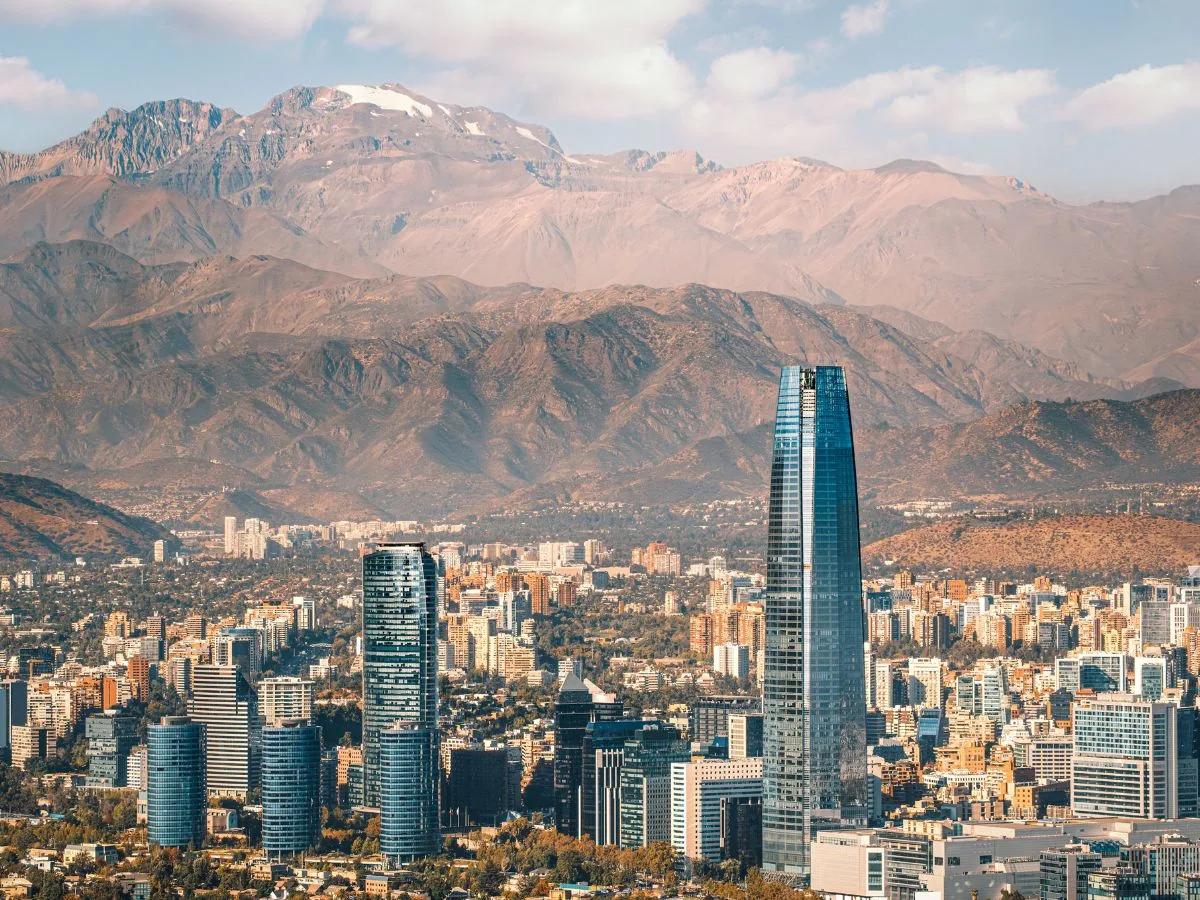
Chile's capital sits in a valley with the snow-capped Andes as a permanent backdrop, and its skyline has become famous in its own right. The Gran Torre Santiago rises around 300 metres above the city's financial district, making it the tallest building in South America and one of the tallest in Latin America. Santiago sits apart from the desert and glacier regions covered further north and south, and many visitors treat it as a separate trip in its own right, sometimes combined with a side visit to nearby vineyards or the port city of Valparaíso on the Pacific.
A City Founded by Conquistadors
Santiago's history stretches back to 1541, when the Spanish conquistador Pedro de Valdivia, who had travelled from Spain and fought alongside Francisco Pizarro's forces in Peru, founded the city. Valdivia later gave his name to another Chilean city further south, Valdivia, in the country's lake district. Centuries later, Santiago's presidential palace, La Moneda, became the site of the 1973 military coup that ended the presidency of Salvador Allende, a moment that still shapes how many Chileans view their more recent history.
The Coast: Resorts, Hotels and a Record-Breaking Pool
Chile's long Pacific coastline is dotted with resort towns that draw both locals and tourists escaping the summer heat inland. Near the town of Algarrobo, not far from Valparaíso, the San Alfonso del Mar resort is home to a stretch of water once recognised by Guinness World Records as the largest swimming pool on Earth, measuring just over a kilometre in length and filled with water pumped straight in from the Pacific. Along this same stretch of coast, hotels and holiday apartments line up to make the most of the sea views, giving this part of Chile something of the feel of a coastal paradise.
Chilean Wine: From Vineyard to Glass
The Carménère Story
Between the desert and Patagonia, Chile's central valleys are responsible for one of the country's best-known exports: wine. The climate here, warm and dry with cool mountain air rolling down from the Andes at night, has proven ideal for growing grapes, and regions such as the Maipo Valley and the Colchagua Valley have built international reputations of their own.
One grape in particular tells a curious story. Carménère was once a common variety in Bordeaux before it was thought to have died out following an outbreak of disease in the 19th century. It survived quietly in Chile, misidentified as Merlot for around 150 years, until vine specialists confirmed its true identity in the 1990s. Today it is considered something of a signature grape for Chilean wine, and bottles of it are now exported to wine drinkers around the world.
Pisco, Empanadas and Chilean Flavours
Chile's food and drink culture is just as much a part of its identity as its landscapes. Pisco, a grape spirit often served as a Pisco Sour, can only legally be produced in five valleys of northern Chile, including the Elqui and Limarí valleys, under strict rules governing where the grapes are grown and distilled. The same stretch of coast near La Serena is also home to the Humboldt Penguin National Reserve, where Humboldt penguins nest on a scatter of small islands a world away from their Magellanic cousins further south.
Away from cocktail bars, piscola, a simple mix of pisco and cola, is arguably even more popular in Chile than the more famous Pisco Sour, and is the drink most likely to appear at a casual gathering. On the food side, empanadas stuffed with meat, cheese or seafood are found everywhere from street stalls to family kitchens, while the country's long coastline supplies an abundance of fresh fish and shellfish. Given how much of Chile touches the Pacific, it is little surprise that seafood plays such a central role at the table.
A Nation Shaped by Poets and Culture
Pablo Neruda's Legacy
Chile's cultural reputation owes a great deal to its writers, and none more so than Pablo Neruda. His poetry earned him the Nobel Prize in Literature in 1971, and his former homes, including one overlooking the sea in the colourful port city of Valparaíso, remain popular for visitors keen to understand the country through the eyes of one of its most celebrated voices.
The Cueca: Chile's National Dance
Beyond literature, Chile has its own national dance, the cueca, officially recognised as such in 1979. Performed by couples waving handkerchiefs in a playful imitation of a rooster courting a hen, the dance remains a fixture at national celebrations and is taught in schools across the country.
Conclusion
What is Chile famous for, in the end, comes down to contrast. It is a country where the driest desert on Earth sits within the same borders as glaciers and granite peaks, where ancient stone statues watch over a remote Pacific island, and where a grape once thought extinct now fills the glasses of wine lovers everywhere. Few places offer such a complete cross-section of landscapes and stories within a single trip, which is part of what makes it such an amazing country to explore.
Undiscovered Destinations runs small-group tours through the Chilean Atacama and Patagonia, with no compulsory single supplement standing in the way of solo travellers. Join a small group crossing this landscape of extremes, from desert stargazing to glacier-carved fjords, guided every step of the way.