
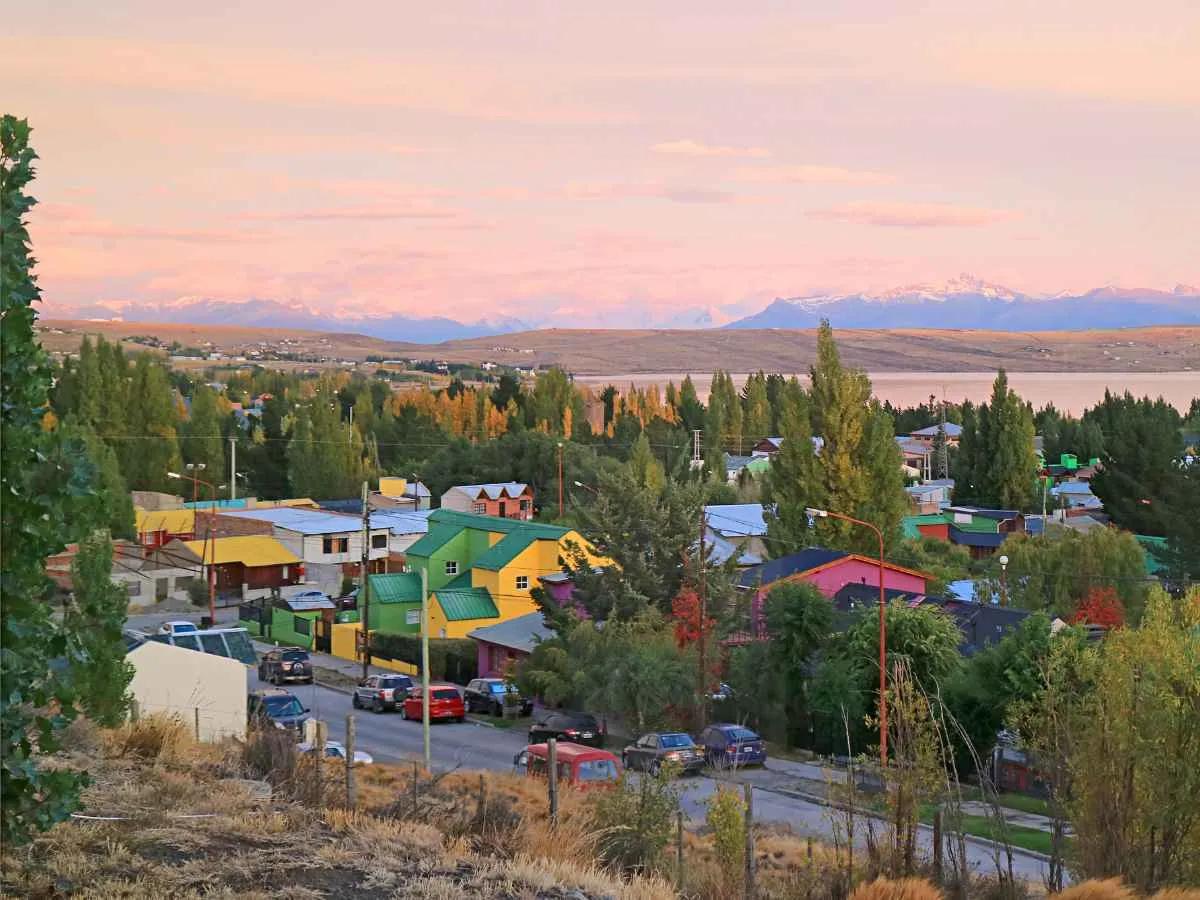
El Calafate sits on the edge of a vast turquoise lake, with the Andes rising behind it and one of the world's most famous glaciers just a short drive away. If you are wondering what to do in El Calafate, Argentina, the answer goes well beyond glacier viewing alone. For most travellers, it is the first stop on a trip through southern Patagonia, and between the ice, the wildlife, and the small-town charm, there is plenty to fill a stay of several days. This guide covers what to see, where to stay, and how El Calafate connects to the wider Patagonian region, from the ice fields on its doorstep to the mountains and national parks further afield, and where it fits among Argentina's other essential stops.
Where Is El Calafate, Argentina? Getting to Know Santa Cruz Province
Location, Geography, and Getting There
El Calafate lies in Santa Cruz Province, in the far south of Argentine Patagonia, on the southern shore of Lago Argentino. It sits around 320 kilometres north-west of Río Gallegos, the provincial capital, and is one of the more isolated towns in Argentina, despite its popularity with visitors.
Getting there is easier than the setting suggests. El Calafate has its own airport, officially Comandante Armando Tola International Airport but commonly known simply as El Calafate Airport, with direct flights from Buenos Aires and connections to other Patagonian hubs such as Ushuaia and Bariloche. This makes El Calafate a practical base rather than a remote afterthought, and it explains why so many Patagonia itineraries are built around it, though its remoteness is still worth factoring into your wider trip planning.
The name comes from a small shrub with dark blue berries that grows wild across the region. Local legend says that anyone who eats a calafate berry is guaranteed to return to Patagonia one day, a story most visitors are happy to test for themselves.
A Brief History — From Frontier Outpost to Glacier Gateway
El Calafate began life as a frontier settlement built around the wool trade. It was formally founded on 7 December 1927, when the Argentine government set aside land on the shore of Lago Argentino for a new town, with the aim of encouraging permanent settlement in this remote corner of the country. In its early years, El Calafate was little more than a handful of buildings serving the sheep estancias scattered across the surrounding steppe.
Growth was slow at first. The creation of what is now Los Glaciares National Park in 1937 gave the town a reason to grow beyond ranching, but the population remained small for decades. El Calafate was not officially recognised as a municipality until 1973, and the surrounding land was not formally transferred to the town until 1978. It gained its first democratically elected mayor in 1983, not long before tourism began to reshape the local economy in earnest. Today, that transformation is complete: what was once a wool-trading outpost is now one of the busiest tourist towns in Patagonia.
The Perito Moreno Glacier — El Calafate's Icon
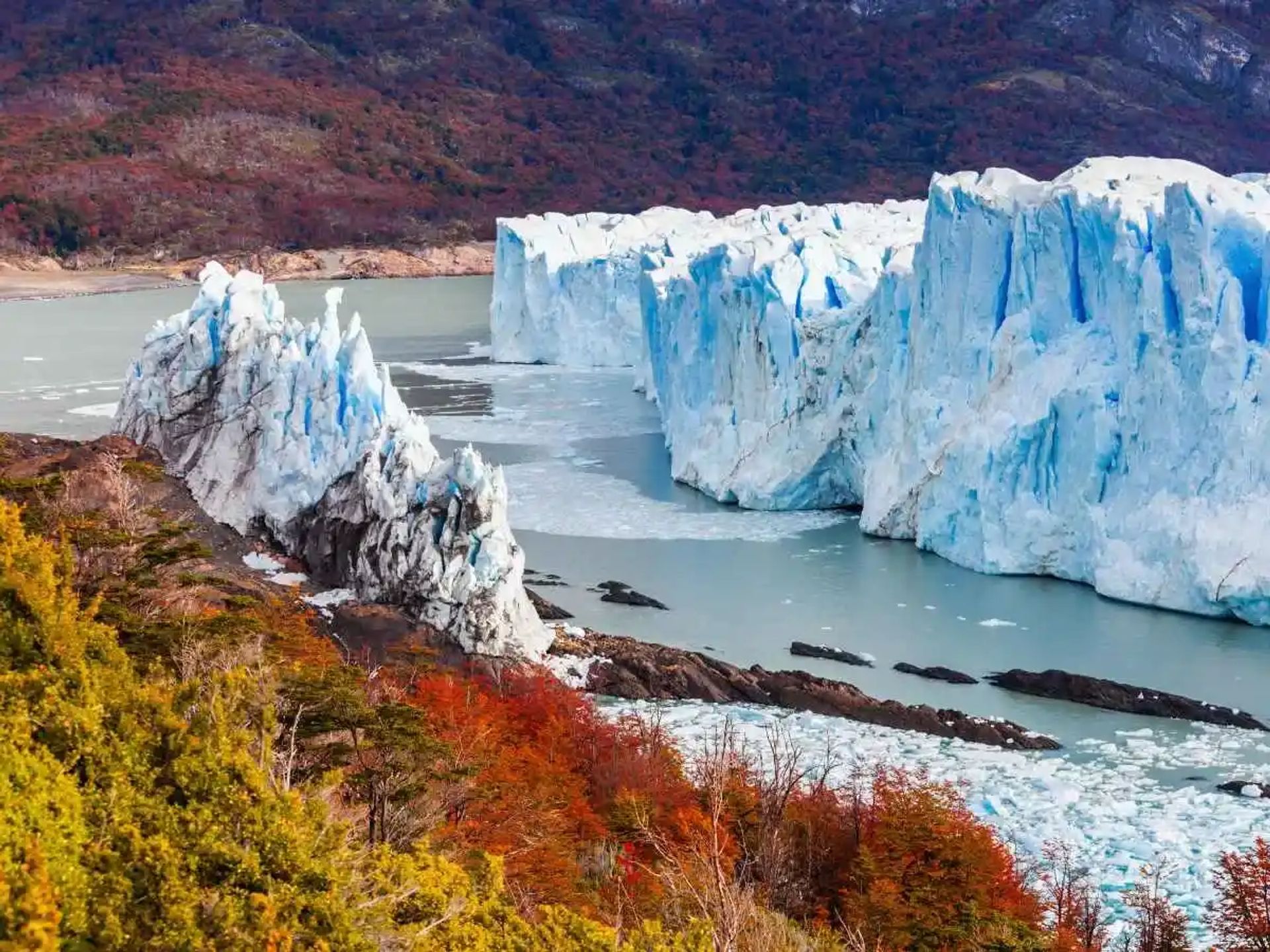
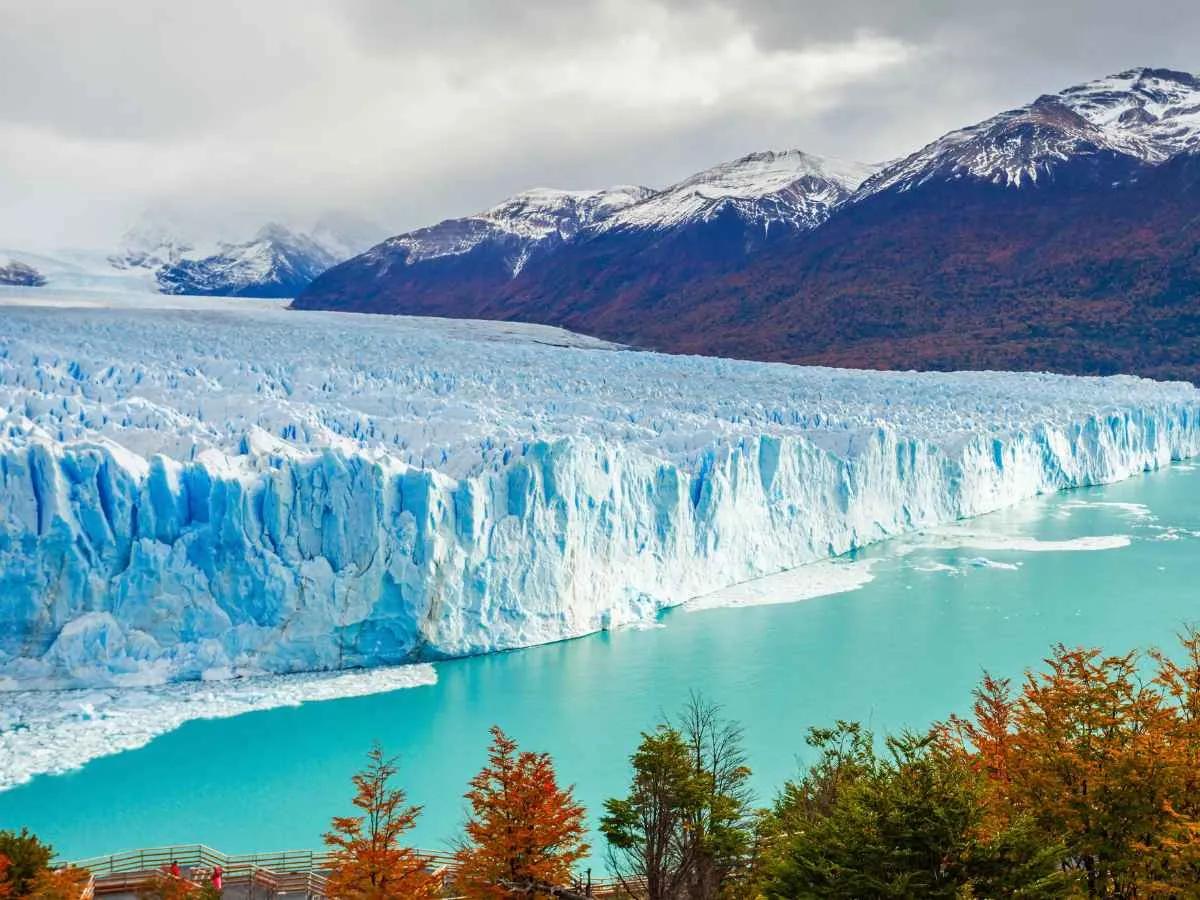
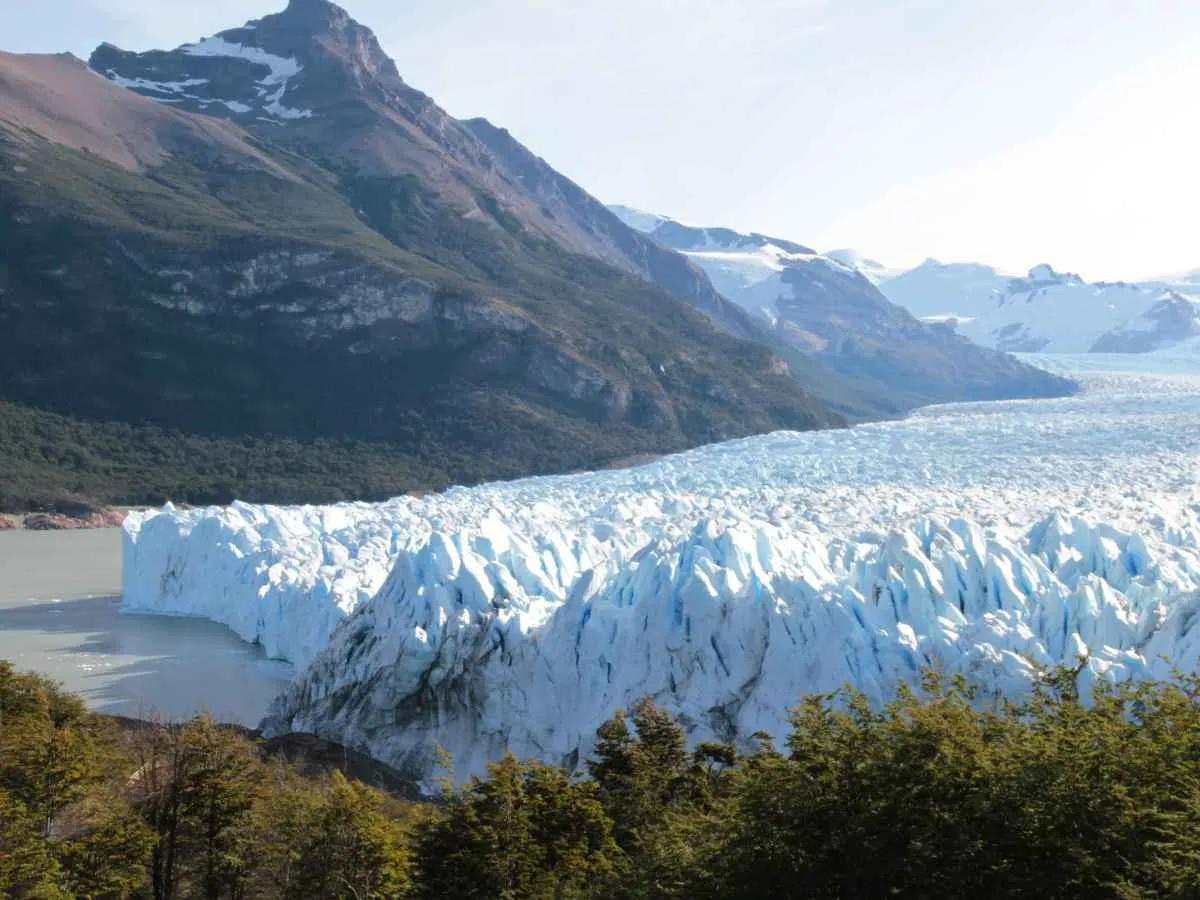
No trip to El Calafate is complete without a visit to the Perito Moreno Glacier, one of Patagonia's greatest natural wonders, roughly 80 kilometres from town. It is one of 48 glaciers fed by the Southern Patagonian Ice Field, a vast expanse of ice stretching around 355 kilometres through the Andes and ranked as the world's third-largest reserve of fresh water. Perito Moreno itself covers around 250 square kilometres, stretches some 30 kilometres in length, and reaches roughly 5 kilometres across at its face, with an ice front that rises about 74 metres above the surface of Lago Argentino.
What makes it truly unusual is that it is one of only three glaciers in Patagonia still advancing rather than retreating. Roughly every four to five years, the glacier builds up enough pressure to trigger a dramatic rupture, sending huge sections of ice crashing into the lake. Even without a rupture, watching smaller chunks calve from the towering ice walls is one of the most memorable sights in South America.
Walking the Boardwalks
Inside Los Glaciares National Park, a network of more than four kilometres of free walkways and viewpoints lets visitors take in the glacier from many different angles without needing a guide. The paths are well maintained and largely flat, making them accessible to most fitness levels, and a visitor centre with a café gives a welcome spot to warm up between viewpoints. Ice-calving events happen roughly every ten to twenty minutes, so a little patience at the main viewpoints usually pays off. Los Glaciares National Park itself is recognised as a UNESCO World Heritage Site, largely because of this glacier and the wider ice field that feeds it.
Boat Trips and Glacier Trekking
For a closer look, boat trips sail right up to the glacier's face, passing floating icebergs in the milky blue water and giving a real sense of scale that the viewpoints cannot quite match, particularly when a section of ice breaks away close to the boat. More adventurous travellers can join a mini-trekking excursion, strapping on crampons over walking boots for a spot of ice trekking directly on the glacier with a guide, weaving between crevasses and past small pools of meltwater in shades of vivid blue. Full-day "big ice" treks go further into the glacier for those with more time and a reasonable level of fitness, while a Perito Moreno kayaking tour offers a quieter way to get close to the ice from the water.
Los Glaciares National Park and Lake Argentino
Beyond the glacier itself, the wider national park protects a stretch of pristine Patagonian wilderness around its lake, with plenty of quieter attractions.
Lago Argentino is the largest freshwater lake in Argentina, covering around 1,415 square kilometres, and is one of the largest lakes in South America. It stretches about 120 kilometres in length and reaches depths of more than 700 metres in places, fed by meltwater from several glaciers besides Perito Moreno, including the Upsala Glacier and Spegazzini Glacier. Full-day boat excursions depart from Puerto Bandera, around 47 kilometres from El Calafate, sailing through the Canal de los Témpanos, or Iceberg Channel, where ice calved from the Upsala Glacier drifts out into the lake. The Spegazzini Glacier has an ice face around 138 metres high, the tallest in the area, while Upsala is one of the largest glaciers by surface area in the whole ice field.
From the same Puerto Bandera departure point, some boat trips continue to Estancia Cristina, a working sheep ranch founded in 1914 by an English settler family and now home to a small museum on the pioneer history of this remote corner of Lago Argentino.
Wildlife at Laguna Nimez Nature Reserve
Just outside town, the Laguna Nimez Nature Reserve is a small wetland reserve that punches well above its size. More than 100 bird species have been recorded here, including flocks of pink flamingos and black-necked swans that gather on the lagoon depending on the season. It makes for an easy, flat walk of an hour or two and a good introduction to Patagonian birdlife before heading further into the national park.
La Leona Petrified Forest and River
Further afield, on the road between El Calafate and El Chaltén, the La Leona Petrified Forest holds fossilised logs that are more than 70 million years old, a strange and quiet landscape that is a reminder this dry steppe was once covered in dense forest. Nearby, the historic La Leona rest stop has its own story worth knowing. Built in 1894 by a Danish immigrant family, it takes its name from an earlier incident in which the Argentine explorer Francisco Moreno was attacked by a cougar at the same spot, giving the La Leona River its name, meaning "the lioness." The rest stop later hosted a rather more notorious pair of guests: Butch Cassidy and the Sundance Kid are said to have stayed here for several weeks in 1905 before crossing into Chile. Today it remains a working café, guesthouse, and small museum, and makes a good stopping point on the road south.
Things to Do in El Calafate Town
El Calafate itself is small, but downtown El Calafate has enough character to fill a day between excursions, with plenty of activities beyond the glacier to enjoy.
Avenida del Libertador and the Glaciarium
The town's main street, Avenida del Libertador, is lined with chocolate shops, outdoor gear stores, and a good mix of restaurants and bars, and it is a good spot for an evening stroll after a day out at the glacier. For a well-reviewed sit-down meal, La Zaina Cocina Patagónica is a popular choice for slow-braised lamb and other Patagonian dishes. Just off the main street, the Intendencia Parque Nacional Los Glaciares is a small park and information office where visitors can get an overview of the wider national park free of charge, useful before heading out to explore it properly.
For a deeper understanding of the ice field, the Glaciarium museum uses interactive displays and short films to explain how glaciers form and move, walking visitors through the science behind the landscape they have just spent the day exploring. It also has its own ice bar, where drinks are served in glasses carved from glacier ice, a novelty many visitors enjoy after a long day outdoors, and just one of the many small details that add up across a longer trip.
A short drive from town, the Walichu Caves hold rock paintings left by the Tehuelche people around 4,000 years ago, discovered by the explorer Francisco Moreno during his 1877 expedition along the Santa Cruz River. The paintings depict hunting scenes, guanacos, and hand prints, and the site is a worthwhile stop if time allows, though it is a smaller, quieter attraction than the glacier and best treated as a short add-on rather than a dedicated half-day trip.
Estancia Experiences and Local Cuisine
El Calafate's roots as a wool-trading outpost live on at nearby estancias, where visitors can watch sheep shearing, try horse riding, and see sheepdog demonstrations that show off the skills still used on working ranches today, living the gaucho way of life for an afternoon. Many estancias also serve a traditional asado of slow-cooked Patagonian lamb prepared over an open wood fire, giving a real sense of the ranching culture that shaped this part of Patagonia long before tourism arrived, echoes of the same rural customs found right across the country. Back in town, restaurants continue that tradition alongside dishes made with the local calafate berry, from jams and wine to ice cream.
Day Trips and Tours from El Calafate
El Calafate's location makes it a natural base for exploring further into Patagonia, though some of these destinations reward a longer stay rather than a single rushed day.
El Chaltén and Mount Fitz Roy: Where to Hike
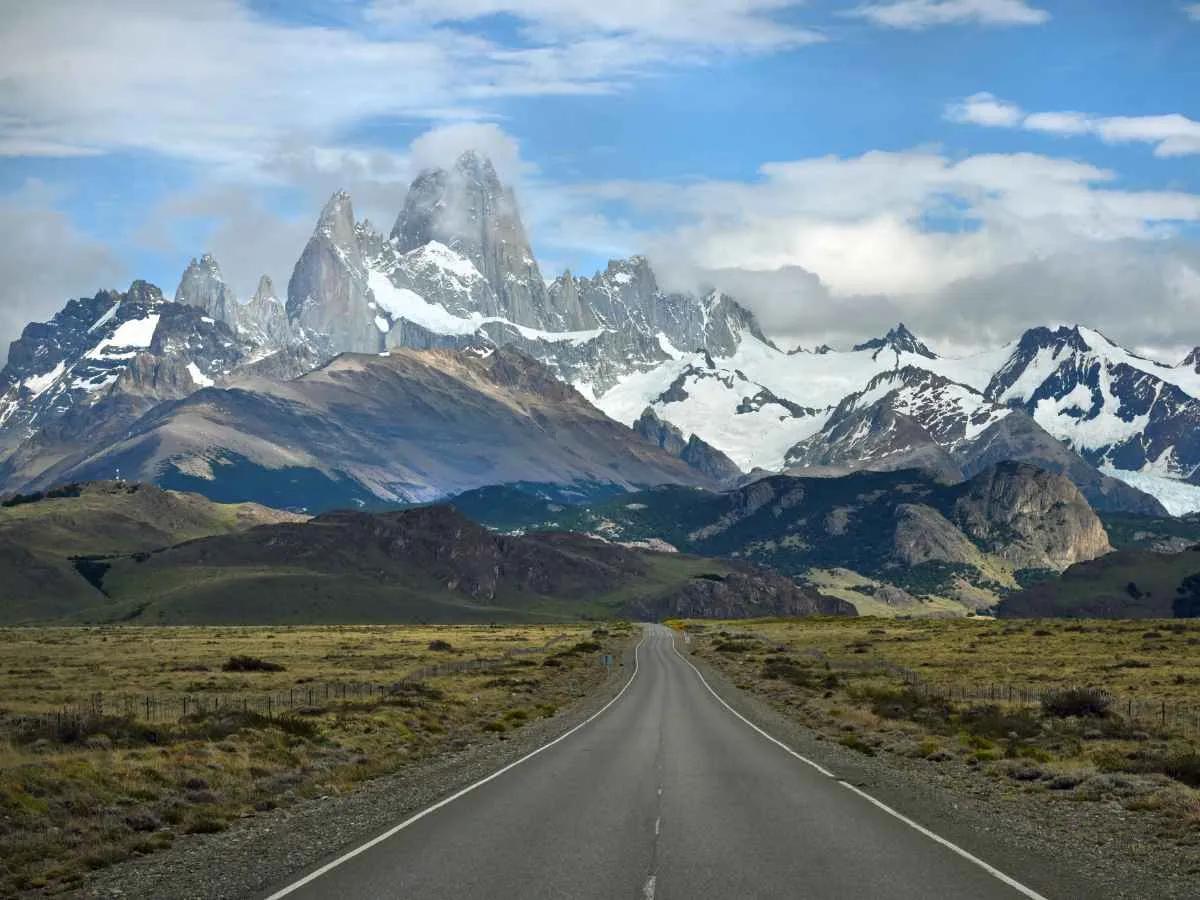
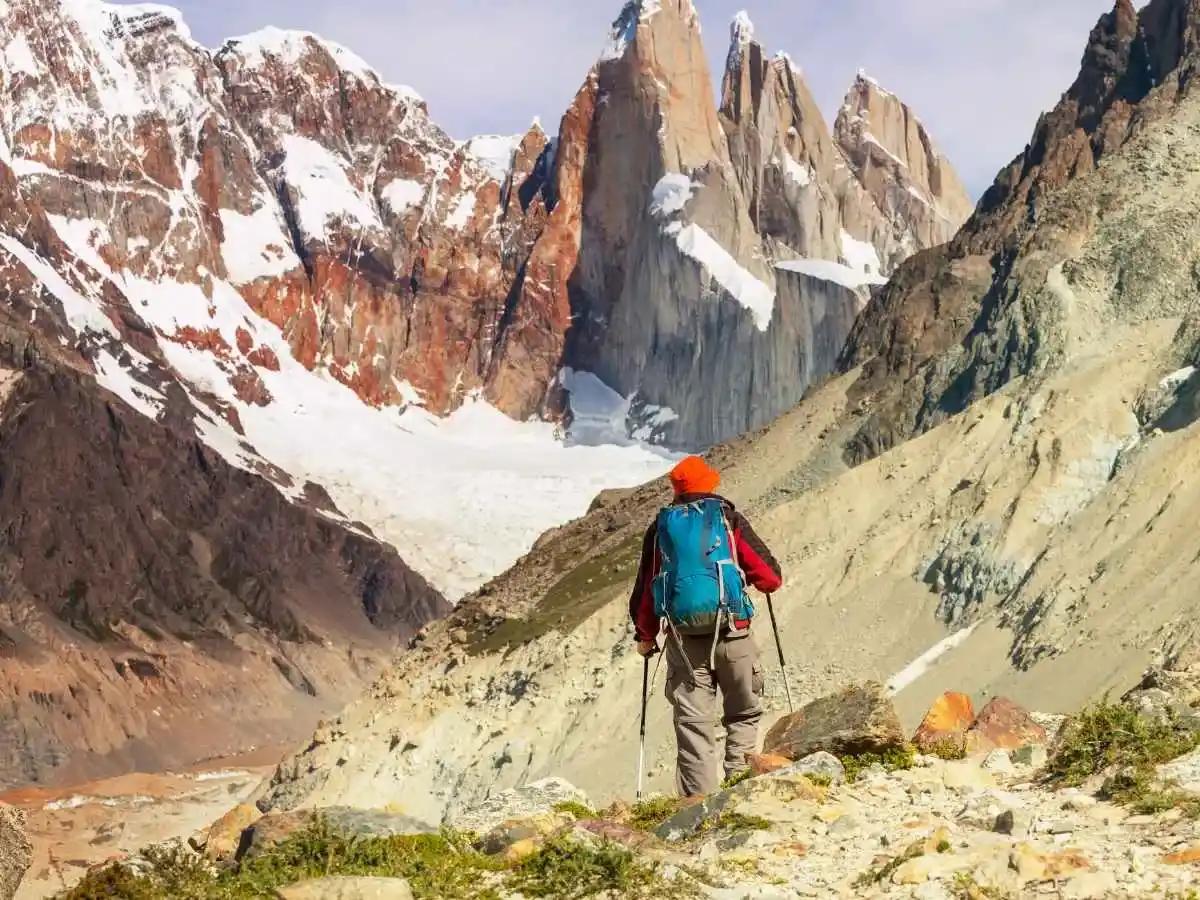
El Chaltén, Argentina's trekking capital, is around three and a half hours away by road. It sits beneath the jagged peaks of Mount Fitz Roy and Cerro Torre, with trails leading through some of Patagonia's most stunning landscapes to viewpoints such as Laguna de los Tres, a demanding but rewarding hike past forests and glacial lakes to a close-up view of Fitz Roy, and Laguna Torre, a slightly gentler route to a lake overlooked by the sheer granite spire of Cerro Torre. For an easier half-day option, the roughly 8-kilometre round trip to Laguna Capri offers a gentler introduction to the same views, reaching a lake framed by native forest with the Fitz Roy massif visible in the distance. Many visitors treat El Chaltén as a separate stop on a longer Patagonia trip rather than a single day trip, given the travel time involved and the number of good trails on offer, best tackled as part of a longer small-group route through this end of the region.
Torres del Paine and Puerto Natales, Chile
Crossing the border into Chile, Puerto Natales is roughly five to six hours away by road, once the border crossing is included. It serves as the gateway to Torres del Paine National Park, home to the dramatic granite towers that give the park its name, along with turquoise lakes, hanging glaciers, and trails such as the French Valley that rank among the best hiking routes in South America. Given the distance involved, this is usually better suited to a multi-day trip than a rushed day tour from El Calafate, allowing enough time to properly explore the park rather than simply glimpse it from a bus window.
Where to Stay in El Calafate
Accommodation in El Calafate spans the full range, from simple hostels to remote luxury lodges, so it is worth deciding on style and budget before booking.
Budget and Mid-Range Options
Backpacker hostels and small guesthouses cluster around the centre of town, within easy walking distance of restaurants and the bus terminal, and typically offer dormitory beds alongside a handful of private rooms. Mid-range hotels tend to offer private rooms with lake or mountain views, and many include breakfast, making them a comfortable option for travellers who want more privacy and a little more comfort without a high price tag. Several sit just far enough from the centre to offer quieter nights while still being an easy walk or short taxi ride from the main street.
Luxury Lodges and Estancias
For a quieter, more scenic stay, a handful of lodges sit outside town with sweeping views over Lago Argentino and the surrounding mountains, often with fewer than twenty rooms and a strong focus on food and service. Some working estancias also offer overnight stays, giving guests a chance to experience Patagonian ranch life firsthand, from morning routines with the animals to evenings spent by the fire, rather than just visiting for an afternoon.
Best Time to Visit Patagonia: Weather and Practical Tips
The Patagonian summer, from December to March, is the busiest and most popular time to visit El Calafate, with long daylight hours and milder weather for enjoying Patagonian landscapes on glacier walks, hikes, and other activities. This is also when accommodation and tours book up fastest, so early planning helps, particularly for mini-trekking excursions and boat trips to the glacier, which have limited daily capacity, and for a month-by-month breakdown across the rest of the country, it's worth checking before you lock in dates.
Outside these months, the town is quieter and cheaper, though some excursions run less frequently and the weather turns colder and windier, with Patagonia's famous winds a factor to plan around whatever the season. Layers are worth packing year-round, since temperatures can shift quickly between a sheltered boardwalk and an exposed viewpoint, and sturdy, comfortable footwear makes a real difference on both the glacier walkways and any hiking day trips.
Conclusion
El Calafate proves that a small Patagonian town can hold a surprising amount of depth, from the thunder of ice falling off the advancing Perito Moreno Glacier to the quiet, flamingo-dotted waters of Laguna Nimez, and from centuries-old estancia traditions to trailheads leading toward Fitz Roy and Torres del Paine. It works equally well as a short glacier stop or as the starting point for a much longer Patagonian adventure. For travellers who want to explore this part of the world properly, with expert local guides and a small group rather than a rushed itinerary, Undiscovered Destinations' Argentina tours are built to bring places like this to life. If Patagonia has been on your list, let this be the trip that finally gets you there.