
Ask most people what they know about Argentina culture and you will hear the same three words: tango, steak, football. They are not wrong, but they only tell part of the story. Argentina is one of the largest countries in the world, and its culture changes as dramatically as its landscape. The elegant, European-flavoured streets of Buenos Aires give way to the open pampas, where the gaucho tradition still runs deep, and further north the Andes hold onto customs that predate the country itself. This guide moves through each of these layers of Argentinian culture, showing how traditions differ from region to region across this vast corner of Latin America, and what a traveller can actually expect to see, taste and take part in along the way, with a fuller regional breakdown available in our guide to the best places to visit in Argentina.
The European Soul of Buenos Aires
Tango and the Milonga Tradition
Tango grew out of the working-class neighbourhoods of Buenos Aires in the late 19th century, born from a blend of European dance, African rhythm and local street life. Today it survives in two very different forms: the polished stage shows built for visitors, and the milongas, informal social dance halls where locals of all ages gather simply because they love to dance. San Telmo, one of the oldest parts of the city, is the easiest place to see both sides of it, especially at weekends when its antiques market spills onto the street.
Argentina's Official Language and Its Immigrant Roots
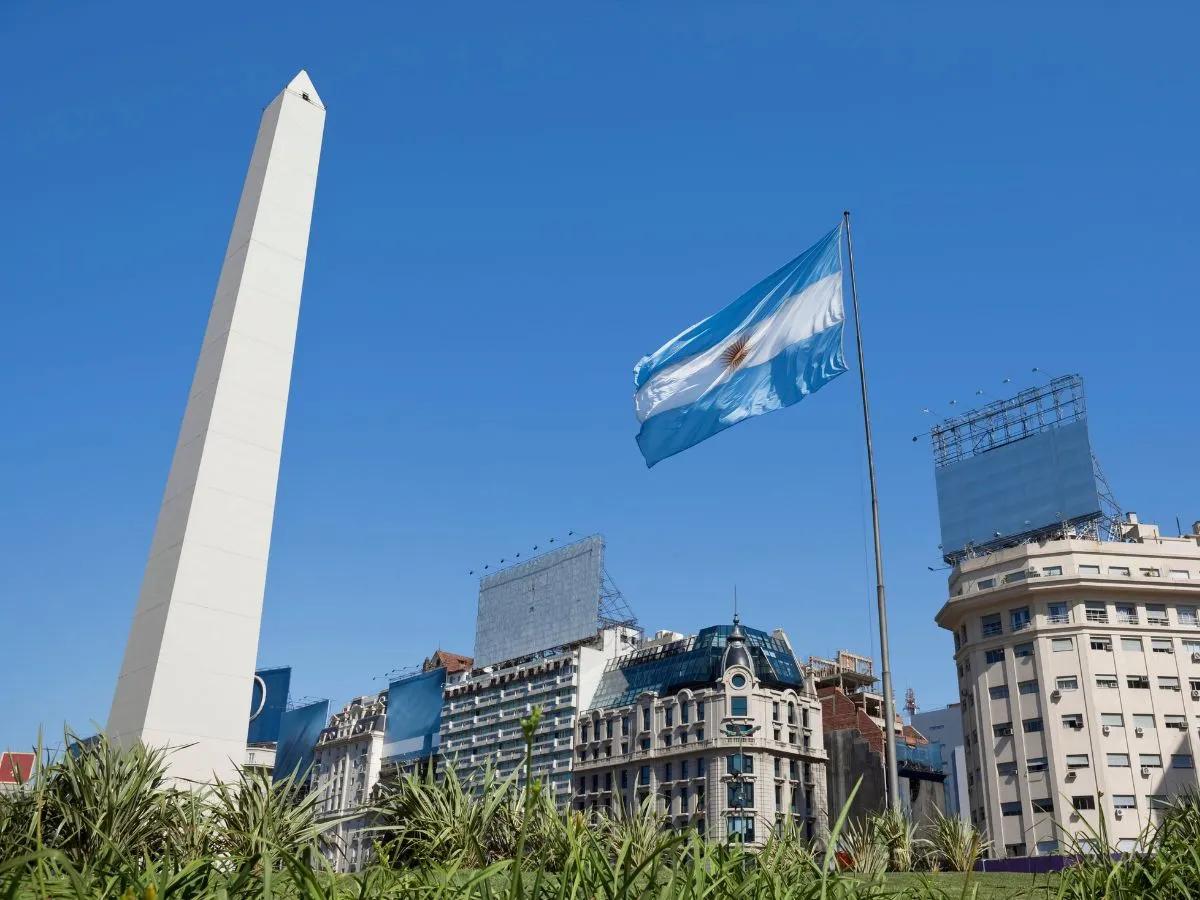
Buenos Aires is often called the most European city in Latin America, and it earns the title honestly. Between 1870 and 1930, Argentina received more than seven million immigrants, mostly from Spain and Italy, adding new ethnic groups to a population already shaped by indigenous heritage and Spanish colonial rule, and reshaping the country's culture and language as a result. Spanish, the country's official language, took on its own accent in the process, known as Argentine Spanish or Rioplatense Spanish, marked by the distinctive "vos" form and an Italian-inflected rhythm. Communication style here is warm and physical: a single cheek kiss is the standard greeting for both men and women, and English is increasingly understood in tourist areas, though it remains far from widespread. La Boca's Caminito reflects the same immigrant story in a different form, its houses painted in bright colours originally taken from leftover shipyard paint.
Arts and Elegance in the Capital
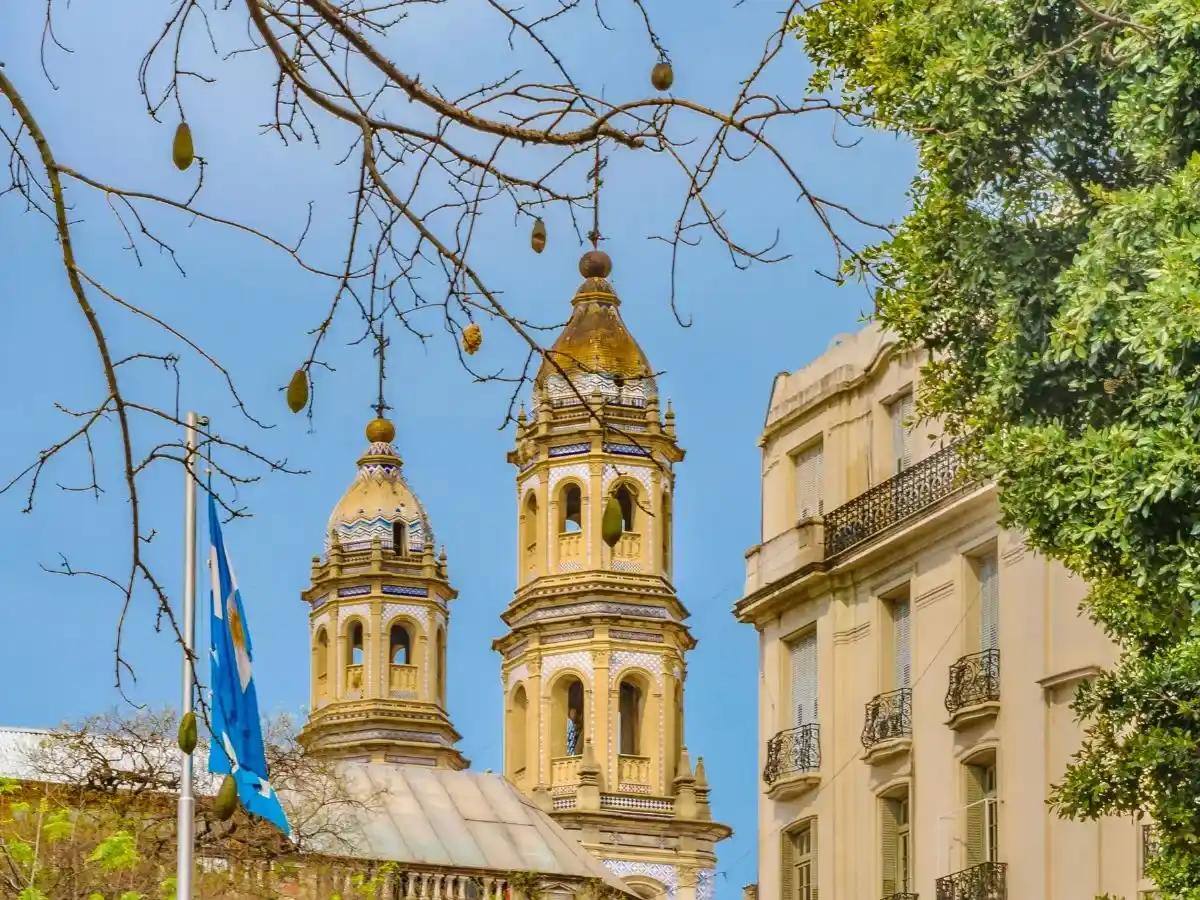
For a quieter side of the city's cultural life, the Colón Theatre is worth seeking out. It is regarded as one of the world's finest opera houses for its acoustics, and it hosts a far broader programme than opera alone, including orchestral and chamber concerts throughout the year. Argentine cinema has built its own international reputation too, with two Academy Awards for Best Foreign Language Film — for The Official Story in 1985 and The Secret in Their Eyes in 2010 — and it remains a genuine source of pride within the country's wider popular culture. For many Argentinians, though, the real cultural life of the city happens more casually, in the bars and cafés where conversation can run long into the evening.
Argentine Cuisine and the Rituals of Everyday Life
Asado: Why the Barbecue Is a Social Institution
If tango is Argentina's most famous export, asado is its most important daily ritual. It is not simply a barbecue. An asado is a slow, sociable event built around the parrilla, an open grill on which beef, chorizo and morcilla are cooked over several hours, usually finished with a sharp, herby chimichurri sauce. Sunday afternoons in particular are set aside for it, and being invited to one is considered a genuine mark of hospitality. Empanadas, small pastries filled with beef, cheese or vegetables, and dulce de leche, a thick caramel spread used in almost every dessert, are just as beloved, rounding out a cuisine built on generosity and slow eating.
Mate: Sharing Argentina's National Ritual
Mate is just as central to daily life, though far less formal. This bitter, herbal drink is made from dried yerba mate leaves, prepared in a hollowed gourd and sipped through a metal straw called a bombilla, and it is almost always shared. One person prepares it and passes it around a group, refilling it each time it is handed back. Turning down a shared mate is considered mildly rude, so most visitors are encouraged to at least try it. Along with asado, it is one of the Argentina traditions that shapes daily life far more than tango or football, even if it is less famous abroad.
Wine Country Traditions in Cafayate
Argentina's wine culture belongs to this same world of ritual and pride. The country is currently the sixth largest wine producer in the world and the largest in South America, and nowhere expresses this better than Cafayate, the capital of the northern wine region. Cafayate is known above all for Torrontés, a fragrant white variety grown at high altitude, and each year its grape harvest festival draws communities together much as an asado does, only on a much larger scale — and timing your trip around the harvest season is well worth the planning. A visit to one of its family-run bodegas shows how closely wine, land and community are tied together here.
Daily Rhythms: Siesta, Late Dinners and National Holidays
Time in Argentina moves differently to much of Europe. In the provinces especially, the siesta still shapes the working day, with shops and offices closing in the early afternoon before reopening later. Dinner follows the same delayed rhythm, rarely starting before nine or ten at night, considerably later than in most other American countries. Public holidays matter just as much: 9 de Julio, marking the country's declaration of independence from Spain in 1816, is celebrated nationwide with asados and family gatherings, and is treated with the same seriousness as Christmas in much of Europe.
The Spirit of the Gaucho
Origins of the Gaucho on the Pampas
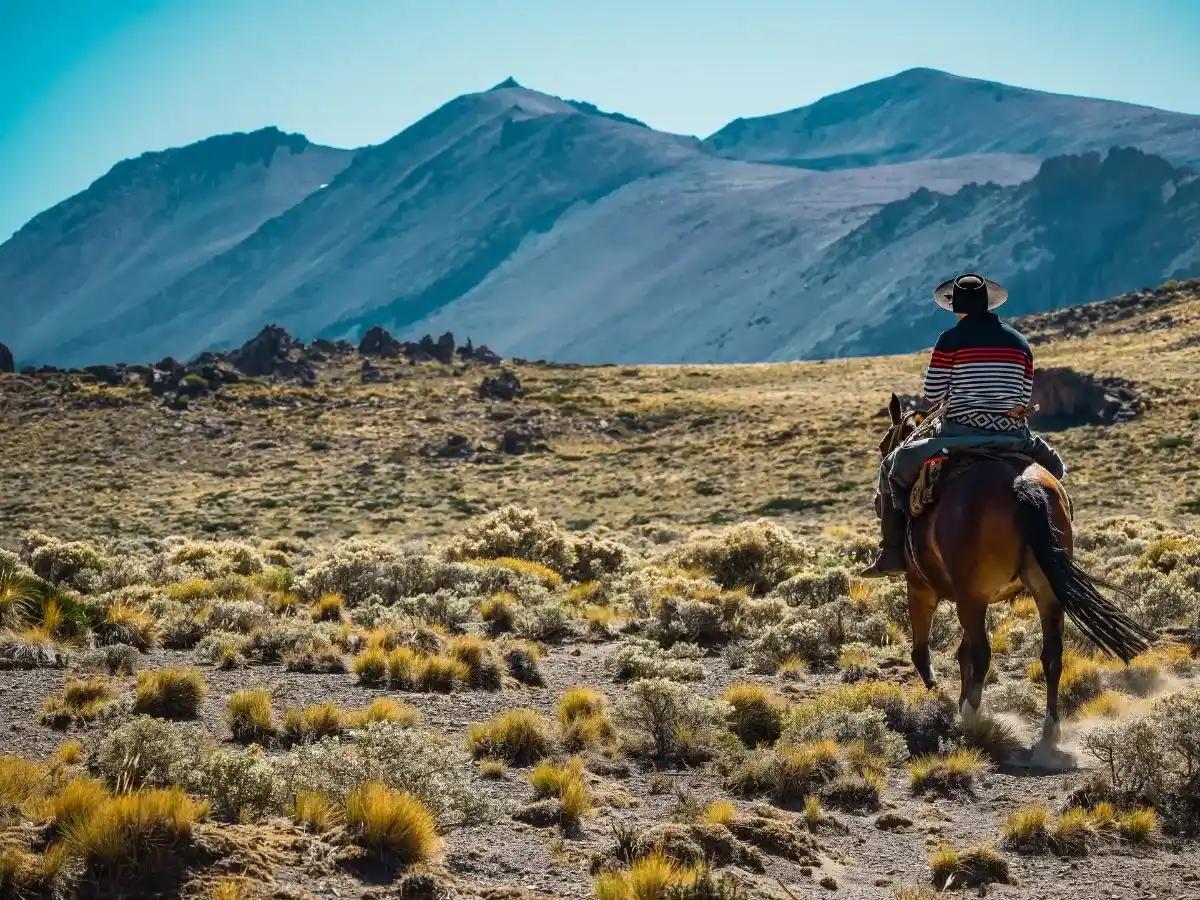
Long before Buenos Aires became a cultural capital, the gaucho was shaping Argentina's identity out on the pampas. Emerging as a distinct figure during the 18th century, gauchos, sometimes known simply as Argentine cowboys, were skilled horsemen and cattle workers whose independence and resourcefulness became a symbol of the nation itself. That same spirit still runs through modern Argentina, from folk festivals to the produce sold at country markets.
Horsemanship and Heritage at the Mataderos Market
That heritage has not disappeared. On weekends, the Mataderos market on the edge of Buenos Aires draws crowds to watch gauchos demonstrate feats of horsemanship, while local groups perform folk songs from their home provinces. It gives city visitors a rare glimpse of rural tradition without leaving the capital, one of several such rural experiences worth building into an itinerary.
Gaucho Life Along Ruta 40
Further afield, along the long stretch of Ruta 40 that runs through the country's north-west, small ranches and campesino communities still live by many of the same rhythms, tending cattle and horses against a backdrop of vineyards and coloured mountains.
Football: Argentina's Unifying Passion
Maradona, Messi and a Nation's Identity
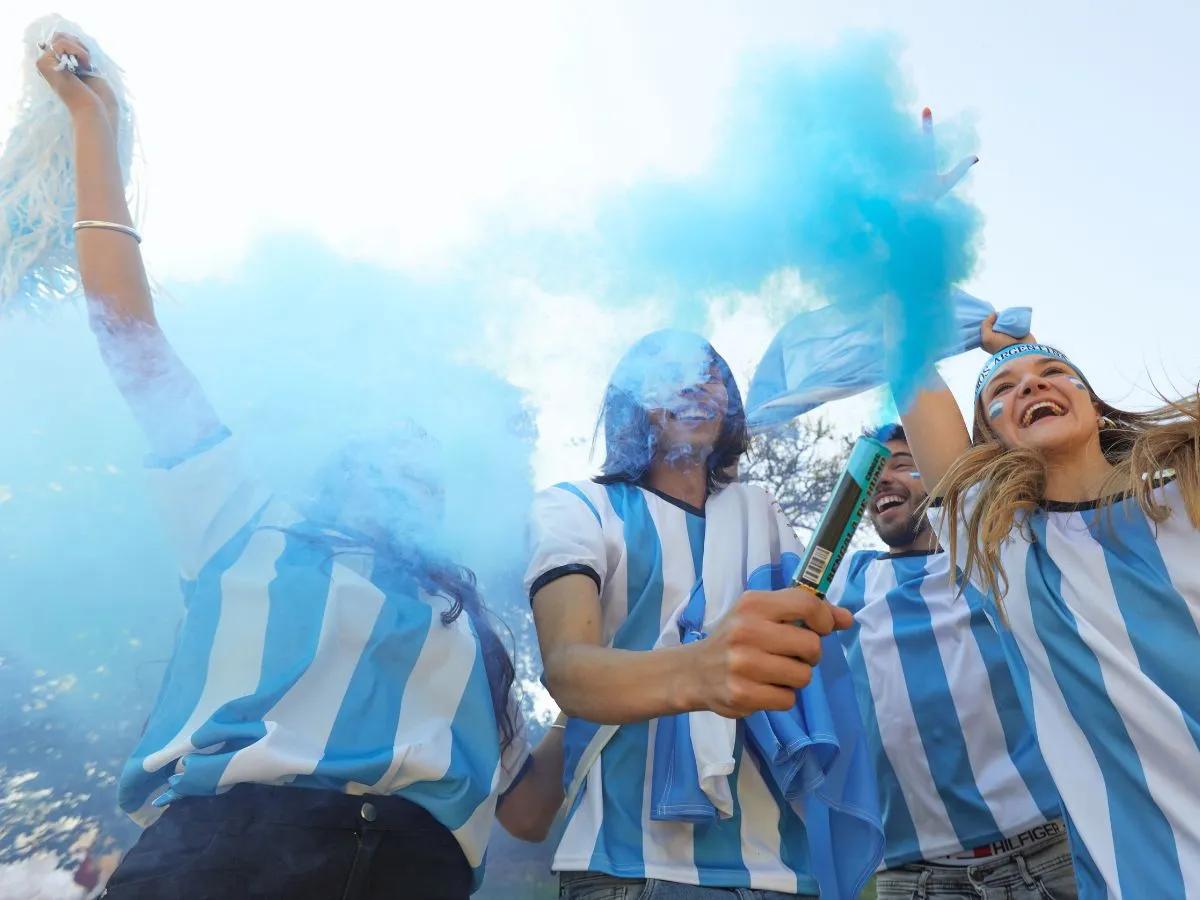
No discussion of Argentinian culture is complete without fútbol. Diego Maradona and Lionel Messi are the names most visitors will already know, and Argentina's three World Cup titles, along with a fierce sporting rivalry with neighbouring Brazil, have only deepened a devotion to the game that shows up everywhere in the country. Few elements of Argentina's popular culture carry the same weight.
Football as Everyday Social Glue
It is less a pastime than a shared national language, one that crosses every social divide in the country, from professional stadiums to five-a-side games played late into the evening on any patch of open ground.
The Living Andean Heritage of the North West
Inca Footprints at the MAAM Museum and Quilmes Ruins
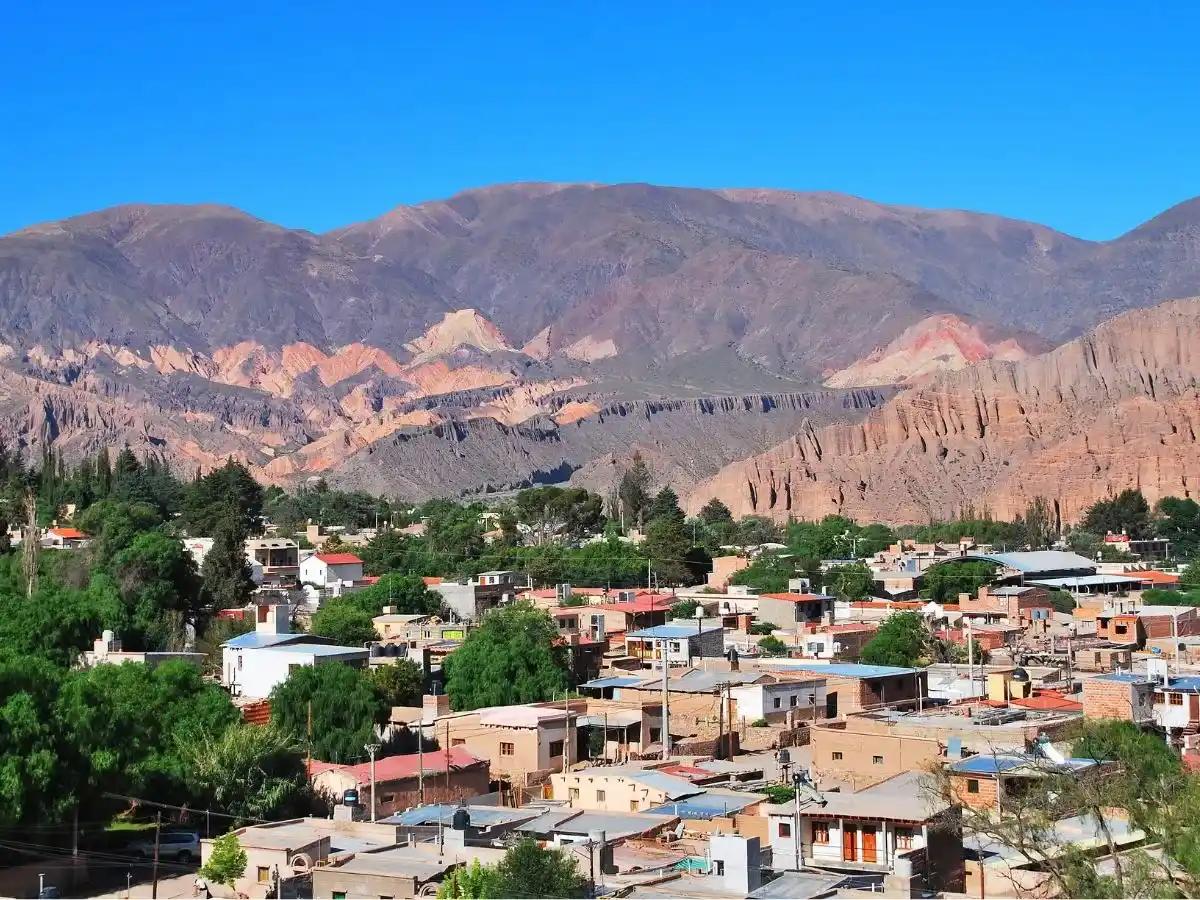
Travel north from Buenos Aires to Salta and Argentina's cultural story changes completely. This is Andean Argentina, home to distinct ethnic groups and indigenous languages such as Quechua that persist alongside Spanish, shaped far more by Inca heritage than by European immigration. Salta's Museum of High Altitude Archaeology, known as MAAM, holds one of the most striking collections of this history, including artefacts recovered in 1999 from an Inca sanctuary near the Llullaillaco volcano, where three remarkably preserved children were found alongside gold and silver ceremonial objects. Further south, the Quilmes Ruins stand as one of the most significant pre-Inca archaeological sites in the region, telling the sobering story of one of the last indigenous communities to resist Spanish conquest.
Craft Markets of the Quebrada
Along the Quebrada de Humahuaca, recognised as a UNESCO World Heritage Site, the towns of Purmamarca, Tilcara and Humahuaca hold busy, colourful craft markets where local weaving, pottery and food traditions are still very much alive rather than staged for visitors.
Ancient Ways of Life in the Puna's Oasis Villages
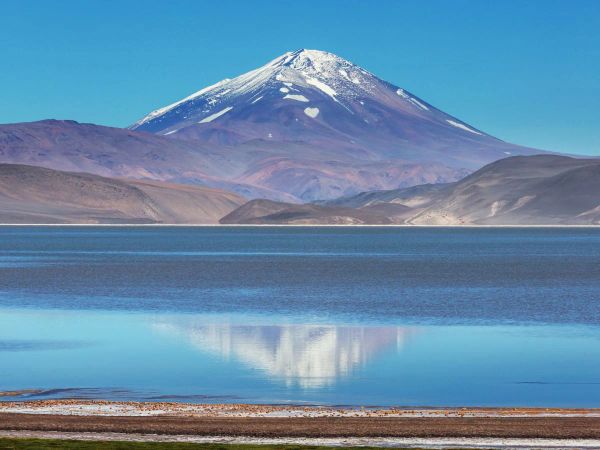
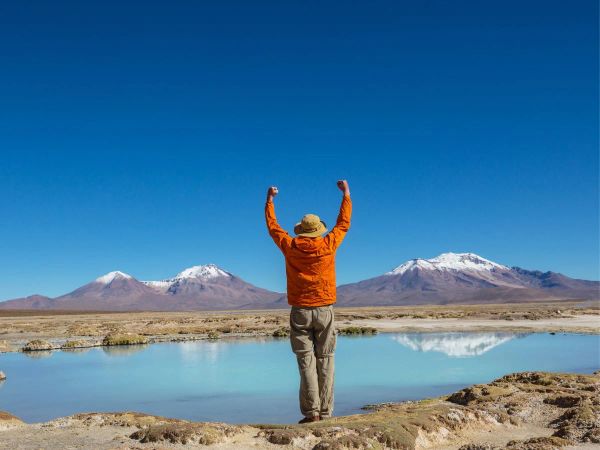
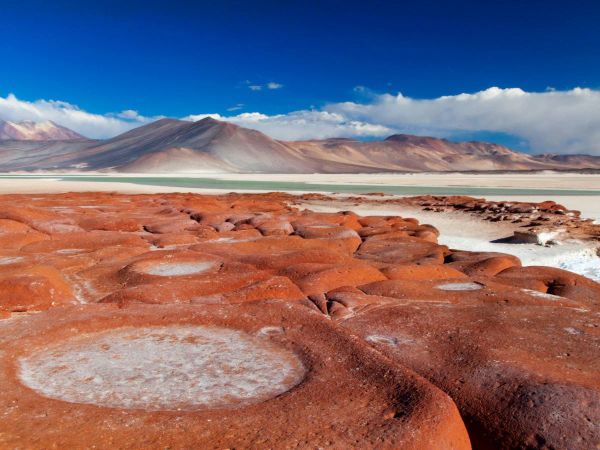
Deeper still, in the remote oasis villages of the Puna such as Antofalla, communities of only a few dozen people continue a way of life built around llama herding and water drawn from natural springs in the middle of a high-altitude desert. It is a striking reminder that Argentine tradition is not only found in cities and museums, but still being lived out quietly in some of the country's most isolated corners, landscapes best reached as part of a small-group high-altitude desert crossing. Argentina's regional diversity does not stop there, either — provinces like Córdoba, in the geographic heart of the country, keep their own traditions alive through folk peñas and colonial Jesuit heritage, a reminder that no single region tells the whole story.

Patagonian Culture at the End of the World
Estancia Life in the Far South
In the far south, culture takes on a different character again, shaped less by ritual and more by remoteness. Around El Calafate and El Chaltén, estancia life still defines much of the region, with sheep farming and horsemanship remaining central to rural identity in Patagonia, a culture that pays little attention to the border with neighbouring Chile, where much the same rural traditions continue around Torres del Paine and Puerto Natales, a landscape covered in depth on a multi-day glacier and mountain crossing.
Ushuaia: Culture at the World's Southernmost City
Continue further south still, and Ushuaia holds the distinction of being the world's southernmost city, a frontier settlement where maritime history and a growing sense of pride in "the end of the world" identity shape local culture as much as any Andean or European influence does further north, and reaching such a remote frontier raises some practical safety considerations worth reading up on first.
Conclusion
Argentina rarely reveals itself in a single afternoon of tango and steak. Its culture is layered like the landscape itself, moving from European elegance in Buenos Aires to gaucho tradition on the open pampas, and further still to the Andean villages of the north-west, where customs older than the country itself are still quietly practised. To understand Argentina is to move through these layers, not just read about them. The real reward comes from slowing down: sharing mate with a stranger, watching a craft market unfold in a mountain valley, or hearing a gaucho's stories along a dusty stretch of Ruta 40. For travellers willing to go further than Buenos Aires, Argentina's north-west and its remote Puna communities, explored in depth on Undiscovered Destinations' small group tours for Argentina, offer some of the most authentic cultural encounters left in South America. The real Argentina is waiting well beyond the tourist trail, and for those who want to keep moving, that journey can even continue overland by train as far as Lima — the only question is how far you're willing to travel to find it.