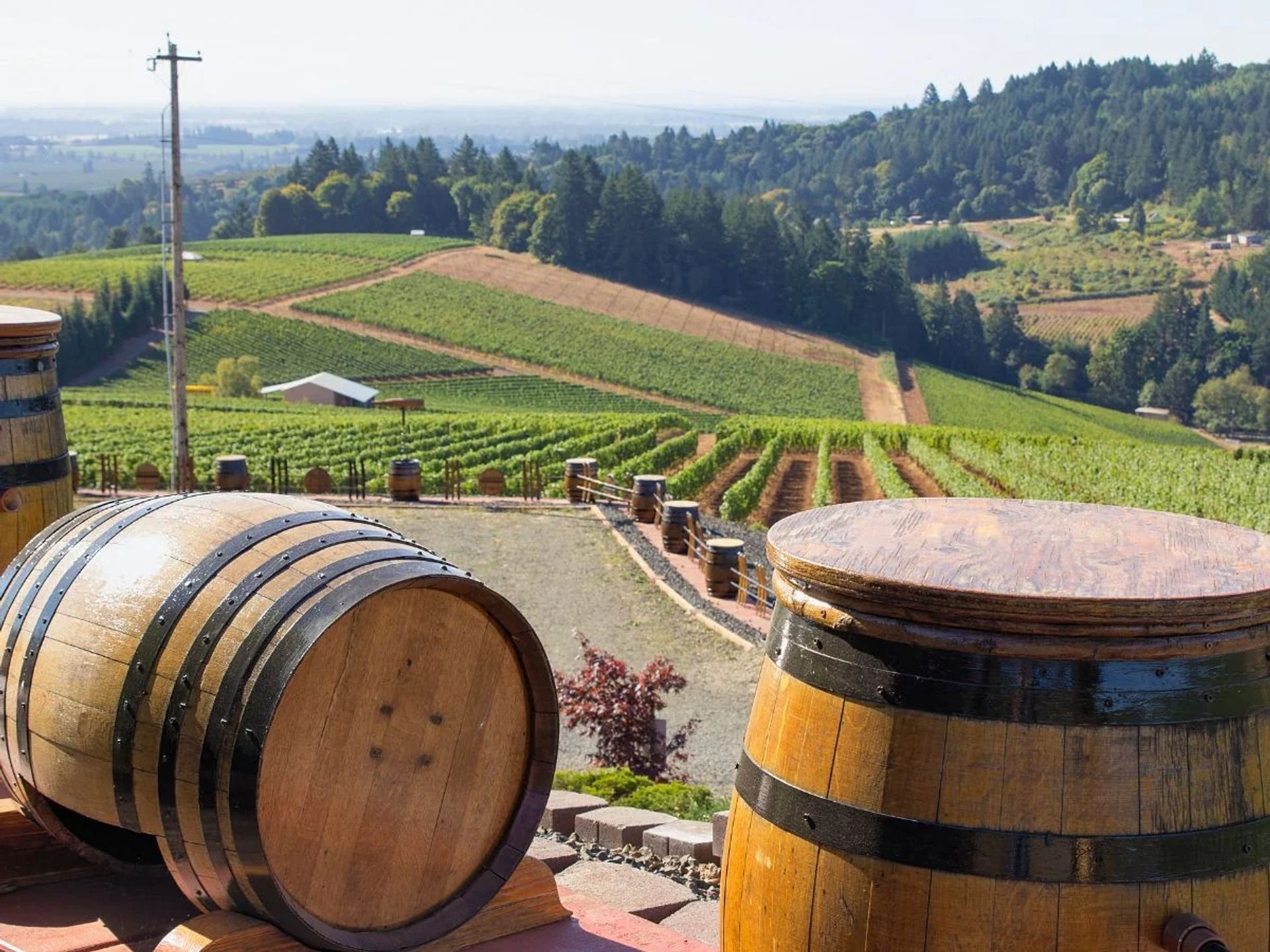

Cafayate, Argentina, does not announce itself the way Mendoza does. There are no famous names on the wine labels, no crowds spilling out of tasting rooms, no queue for a table at lunch. Instead, this small town in northwest Argentina sits quietly among vineyards, red rock canyons and desert light, waiting for travellers who make the effort to reach it. Those who plan a trip here are rewarded with some of the finest wine country in South America, a landscape carved by wind and water over millions of years, and a piece of pre-Columbian history that rarely gets the attention it deserves.
Where Is Cafayate in Argentina?
Location in the Calchaquí Valleys, Salta Province
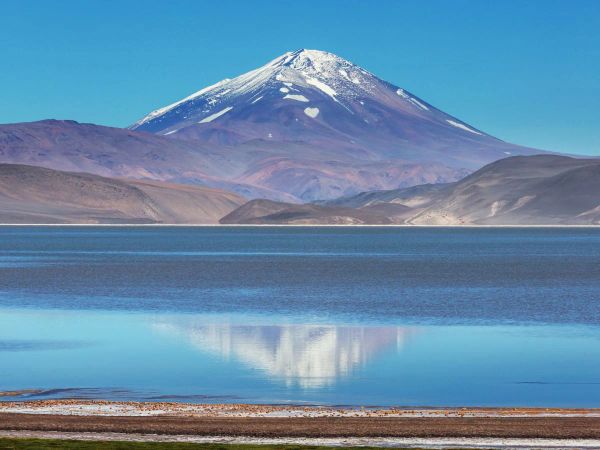
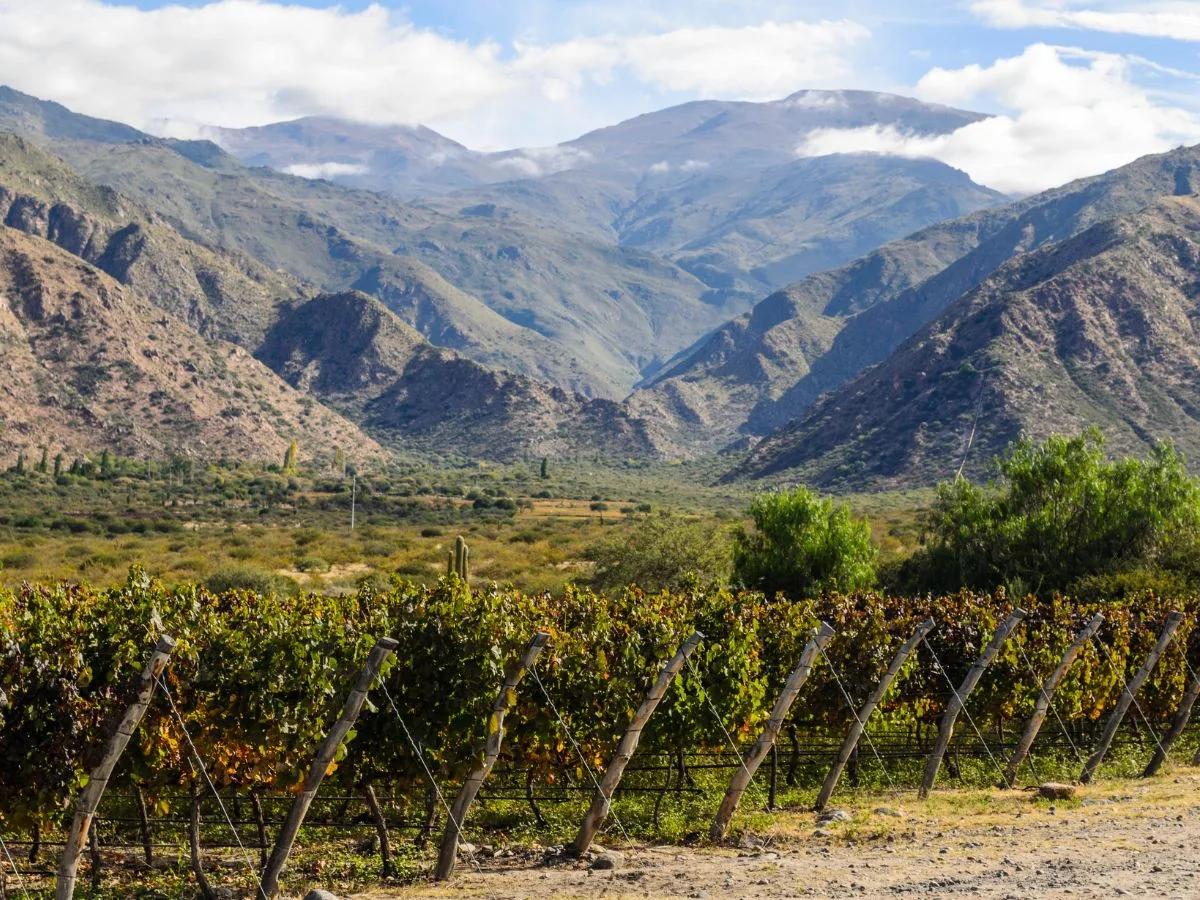
The town of Cafayate sits in Salta Province, in a stretch of high desert valley in the foothills of the Andes, bordered by dry mountains and dotted with vineyards. The wider area is often described as Argentina's Calchaquí Valleys, or Valles Calchaquíes in Spanish, named after the indigenous people who lived here long before Spanish settlers arrived. It is a landscape of contrasts: green rows of vines against bare red rock, and small adobe buildings under a huge open sky.
Altitude and Distance from Salta City
The town sits at 1,683 metres above sea level, considerably higher than most wine regions in the world. It lies around 190 kilometres south of Salta city, the regional capital and the usual starting point for a visit. The drive between the two takes several hours, partly because the road climbs and winds through some of the most dramatic scenery in Argentina.
The Wine of the Valley
Torrontés — the Region's Signature Grape
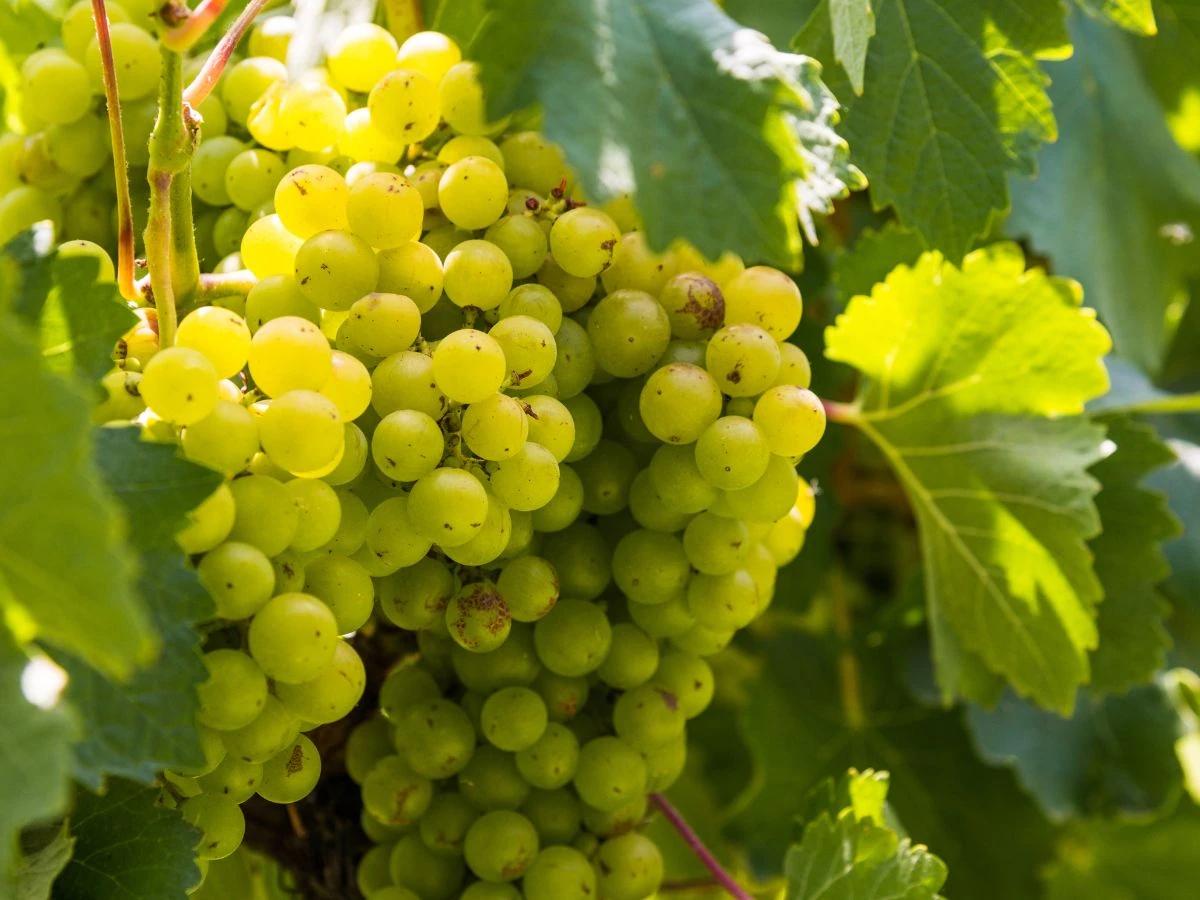
Wine is the reason most people first hear of Cafayate. While Mendoza remains Argentina's best-known wine region, Salta Province has quietly built a reputation of its own, and Cafayate sits at its heart. The grape that put it on the map is Torrontés, a crisp, aromatic white wine with a floral scent that surprises people expecting something heavier. Malbec, Argentina's most famous red, also grows well here and adds a spicier, denser character than versions from lower altitude regions, and together the two varieties have made Cafayate's Argentine wines increasingly sought after abroad.
Why the High-Altitude Vineyards Thrive in a Dry Climate
The conditions that make Cafayate demanding to farm are exactly what make its wine distinctive. The valley receives less than 250 millimetres of rain a year, making it one of the driest wine regions anywhere. Combined with intense sunlight during the day and cool nights at altitude, the grapes ripen slowly and develop concentrated flavour without losing their acidity. It is a difficult environment for agriculture, but ideal for a very particular kind of wine production, with vines here growing at some of the highest altitudes found anywhere in Latin America.
Touring the Wineries of Cafayate
Many of the wineries in Cafayate welcome visitors for tours and tastings, often without needing to book weeks in advance. Bodega El Esteco, one of the valley's oldest producers, and Finca Las Nubes, a small organic winery in the foothills just outside town, are two of the better-known names travellers seek out. Walking between rows of vines with the surrounding mountains as a backdrop, then sitting down to taste the results, is one of the simplest pleasures the region offers. Several also run small museums explaining the history of winemaking in the valley, giving context to what ends up in the glass.
Wine Ice Cream and Other Local Flavours
Wine is not only something to drink here. Since 1996, a local ice cream maker on the town's main street has sold wine ice cream, made with Torrontés and Malbec to create flavours found almost nowhere else in Argentina. It has become one of Cafayate's most talked-about small pleasures, and tourists tend to be divided between calling it delicious or unusual, which is arguably part of the fun of trying it. Local food is easy to enjoy too, with empanadas and tamales sold from stalls around the main square making a satisfying stop between wineries.
The Surrounding Landscapes
Quebrada de las Conchas Gorge
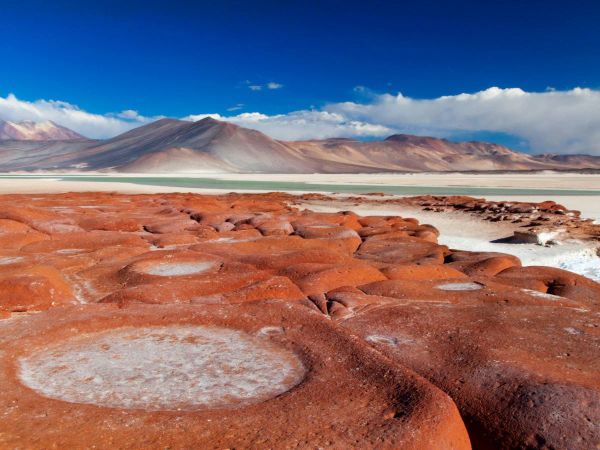
North of town, the road passes through the Quebrada de las Conchas, a gorge stretching around 55 kilometres through sedimentary rock formed over roughly a hundred million years. The colours shift from pale cream to deep red depending on the light and the time of day, and the road itself becomes part of the experience rather than simply a way to get somewhere else.
Notable Rock Formations Along the Route
Within the gorge, wind and water have carved the rock into shapes with their own names and stories. The most striking is the Garganta del Diablo, a tall, narrow tunnel of reddish rock that early visitors thought resembled the mouth of the devil, along with a natural amphitheatre carved from the same red stone nearby. It is the kind of landscape that rewards slow travel, with frequent stops simply to look.
A Popular Hike to the Río Colorado Waterfalls
Beyond the gorge, a well-known local hike follows a riverbed to a series of waterfalls known as the Río Colorado falls. It is a favourite with independent travellers keen to add a walking day to their time in the valley, and it offers a different pace to touring the gorge by road, on foot and closer to the water.
The Quilmes Ruins
History of the Diaguita-Calchaquí People
South of Cafayate lie the Quilmes Ruins, the remains of a settlement built by the Diaguita-Calchaquí people, an indigenous group who occupied the valley long before European contact. The settlement dates back to around 850 AD and endured for centuries before being overwhelmed during the Spanish conquest, a history that gives the site a weight beyond its physical remains.
Scale of the Site and What Remains Today
At its peak, Quilmes is believed to have supported around 5,000 people across roughly 30 hectares, making it the largest pre-Columbian settlement discovered in Argentina. Stone walls and terraces still climb the hillside today, and standing among them gives a real sense of how substantial this community once was, long before Cafayate's vineyards existed.
Getting There
The Route from Salta Along Ruta 40
Reaching Cafayate usually means travelling along part of Ruta 40, a road that runs the length of Argentina for more than 5,000 kilometres and passes through some of the country's most varied scenery. Most journeys start in Buenos Aires, with a flight south to Salta before the overland route into the valley. Many travellers combine Cafayate with the nearby town of Cachi and the cactus-covered Los Cardones National Park on the way back to Salta, while some itineraries continue further still, crossing into Bolivia for a longer exploration of the Andes.
Road Conditions Travellers Should Expect
Away from the main towns, road surfaces can be uneven, and journeys often take longer than the distance alone would suggest. This is not a region for rushing between sights. Travelling with a knowledgeable local guide or driver makes a real difference, both for comfort and for making sense of what you are seeing along the way. In Cafayate itself, many guided tours overnight at a wine resort or hotel with vines visible from the grounds, a fitting way to end a day on the road.
When to Visit Cafayate
The Dry Season Advantage
The dry season, running roughly from May to October, is generally considered the best time to visit. Skies are clear, temperatures are comfortable for exploring on foot, and the vineyards and canyon scenery are at their most photogenic under strong, even light.
What Changes in the Wetter Months
Outside the dry season, rain can affect road conditions in parts of the valley, though the region as a whole remains far drier than most of Argentina. Visiting outside peak months can also mean fewer other travellers around the main wineries and viewpoints.
Practical Tips for Visiting Cafayate
Altitude Considerations
At close to 1,700 metres, Cafayate itself sits at a moderate altitude, but many journeys through the surrounding region climb much higher, sometimes well above 3,000 metres. Travellers coming from sea level should allow time to adjust, drink plenty of water and take the first day or two at a gentler pace.
What to Pack and Wear
Layers are essential here. Days can be warm and sunny, while evenings turn cool quickly once the sun drops behind the mountains. A few practical items make a real difference:
- Comfortable walking shoes for uneven ground around the ruins and canyon
- A sun hat and sunscreen, as the high-altitude sun is stronger than it feels
- A light jumper or fleece for evenings
- A reusable water bottle, since staying hydrated matters more at altitude
Conclusion
Cafayate doesn't chase your attention. It earns it slowly — in the chill of a Torrontés poured at altitude, the sudden red of the Quebrada de las Conchas at sunset, the quiet weight of stone terraces raised long before the first vines ever touched this soil. It rewards patience and effort in equal measure, which is exactly why so few travellers ever make it here. Undiscovered Destinations has been arranging small group tours and tailor-made holidays to corners of the world like this since 2004, with a 97 per cent customer satisfaction rating and no compulsory single supplements for solo travellers. If the pull of the high desert has got hold of you, start your Cafayate escape with a specialist who knows the region.