
Argentina is a beautiful country, and one of the largest in Latin America, so no single trip can cover all of it. It stretches from subtropical wetlands in the north to glaciers near the edge of Antarctica, and no two regions look, sound, or feel much alike. Most visitors fly into Buenos Aires, the capital of Argentina, spend a few days there, and call it a holiday. That is a good start, but it only shows a small part of what this country offers. Head north from the capital and you find Salta, a region of colonial towns, Andean wine, and painted mountains that rarely gets the attention it deserves. Head south and you reach Patagonia, a land of glaciers and granite peaks near the very end of the continent. The best places to visit often depend on the season, so it's worth considering the best time to visit Argentina before planning your itinerary. Rather than a top 10 places checklist, this guide walks through the best things to do in Argentina region by region, starting with the one many places lists skip past too quickly.
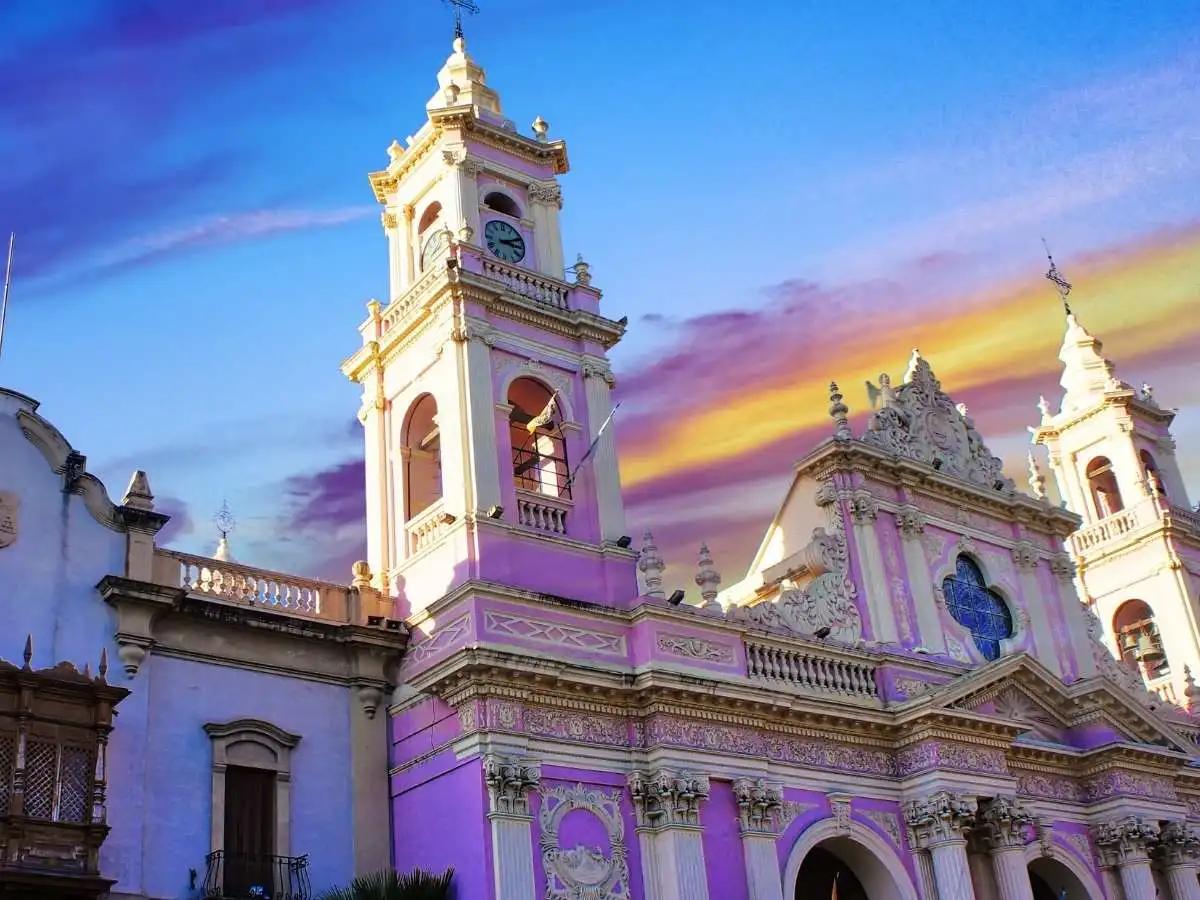
Salta and the Argentine Northwest: The Best Places in Argentina Most Guides Skip
A City Built for Walking
Salta is the natural starting point for exploring northwest Argentina, and one of the best-preserved colonial cities in the country. Its old streets still have the Spanish feel that gave the city its nickname, "La Linda", meaning "the pretty one". The Main Plaza sits at the heart of the old town, ringed by the Cathedral, the Church of San Francisco, and the San Bernardo Convent. A short walk takes you between all three, and each one tells part of the story of how Salta grew from a Spanish colonial outpost into the city it is today. In the evening, the restored streets around the old centre fill with restaurants that have brought new life to buildings that once stood quiet after dark.
Salta's real highlight, though, is a museum. The MAAM, or Museum of High Altitude Archaeology, holds the remains of three Inca children found in 1999 near the summit of the Llullaillaco volcano, high in the Andes. Alongside them, archaeologists found more than a hundred gold and silver objects, ceremonial clothing, and pottery, all remarkably well preserved by the cold, dry mountain air. It is a small museum, but a genuinely moving one, and it explains more about the Inca presence in this part of Argentina than anywhere else in the country.
The Quebrada de Humahuaca
North of Salta, in the neighbouring province of Jujuy, lies the Quebrada de Humahuaca, a long valley cut through layers of red, orange, and green rock in the foothills of the Andes Mountains. UNESCO added it to the World Heritage List in 2003, recognising it as a living cultural landscape shaped by ten thousand years of use as a trade route, first by prehistoric hunter-gatherers, then by the Inca Empire, and later by Spanish settlers.
Three small towns make good stops along the valley. Tilcara has a food market and a small hike into a hidden red gorge. Purmamarca sits beneath a hillside of layered colour and has one of the best craft markets in the region. Humahuaca, further north, has its own market and a strong sense of history in its old stone streets. All three reward slow travel rather than a quick drive-through, and a full day is easily spent moving between them.
Salinas Grandes: A Salt Mirror on the High Plateau
Further into the Andes, at over 3,300 metres above sea level, the Salinas Grandes salt flat stretches for more than 30,000 acres across the high plateau known as the Puna. The flat white surface plays tricks with distance and light, and standing in the middle of it, with nothing but salt and sky in every direction, is one of the more surreal things to do in this part of Argentina. The drive there crosses the Cuesta de Lipán, a winding mountain pass with views back down over the coloured valley below, and it is common to spot herds of wild vicuña grazing on the open plateau along the way.
Molinos, Cachi, and the Road Through Los Cardones
South and west of Salta, a quieter route runs through the small towns of Molinos and Cachi, both places where time seems to move more slowly than in the city. Molinos has a handsome old hacienda that now serves as a place to stay, and Cachi is a neat, whitewashed town set against the Andes at over 2,000 metres. The road between them and Salta crosses four different landscapes in a single day, from lush green hillside to dry, semi-desert valley, climbing over the Piedra del Molino Pass before dropping back down into Salta's own valley floor.
Along the way lies Los Cardones National Park, named for the giant cardón cactus that grows here by the thousand, some standing taller than a house. Condors often circle overhead, and it is not unusual to see guanacos and wild donkeys moving across the red desert floor. A short walk into the park gives a proper sense of scale, standing among cacti that can live for centuries in one of the driest landscapes in Argentina.
Cafayate and the Wine Road
South of Salta, the road runs through the Quebrada de las Conchas, a canyon of red sandstone shaped over millions of years into strange, sculpted forms. The drive ends in Cafayate, a small town that sits at around 1,700 metres and produces some of the best high-altitude wine in the world. This is the home of Torrontés, a light, floral white wine that grows nowhere else quite so well. An afternoon spent visiting family-run vineyards, most of which offer tastings, is one of the most relaxed things to do anywhere in Argentina, and several have a small boutique hotel attached, making it possible to stay right among the vines.
Nearby, the Quilmes Ruins mark one of the most significant pre-Inca archaeological sites in the region, with a history tied to the fall of the Quilmes people after years of resistance against the Spanish. Walking among the stone terraces that once housed thousands of people gives a real sense of how large and organised this pre-Inca community once was, long before the Spanish arrived in the valley.
Deep into the Puna: Argentina's Most Remote Landscapes
For travellers with extra time, a road trip across the Puna plateau north and west of Cafayate, ringed throughout by high Andean peaks, holds some of the emptiest, strangest scenery in the whole country. Tolar Grande, a tiny village reached along tracks of earth and salt, sits close to the Ojos del Mar, a cluster of deep blue holes set in a white salt lake, home to living stromatolites, some of the oldest life forms on the planet. Nearby, a hidden sand dune rises out of the desert floor, and the climb to its top gives a 360-degree view stretching from the sacred Macón mountain to the distant, snow-streaked cone of the Llullaillaco volcano.
Further along, the frontier village of Antofagasta de la Sierra and the smaller settlement of El Peñón sit among some of the most dramatic volcanic scenery in South America. The Campo de Piedra Pómez, a field of pale volcanic rock carved by wind into strange, twisting shapes, feels closer to another planet than to anywhere else in Argentina. Nearby, Laguna Grande, a high-altitude saline lake at over 4,000 metres, draws enormous flocks of Puna flamingos, sometimes numbering in the thousands, while the vast Cerro Galán caldera, one of the largest volcanic craters in the Andes, holds its own quiet lake, Laguna Diamante, tucked inside walls that reach 5,000 metres. Local excursions from El Peñón take in both sites in a single long day. Very few visitors make it into these areas of Argentina, and that is exactly the appeal. If you're wondering about travelling in such remote regions, our Argentina travel safety guide explains what to expect and how to prepare for a safe journey.
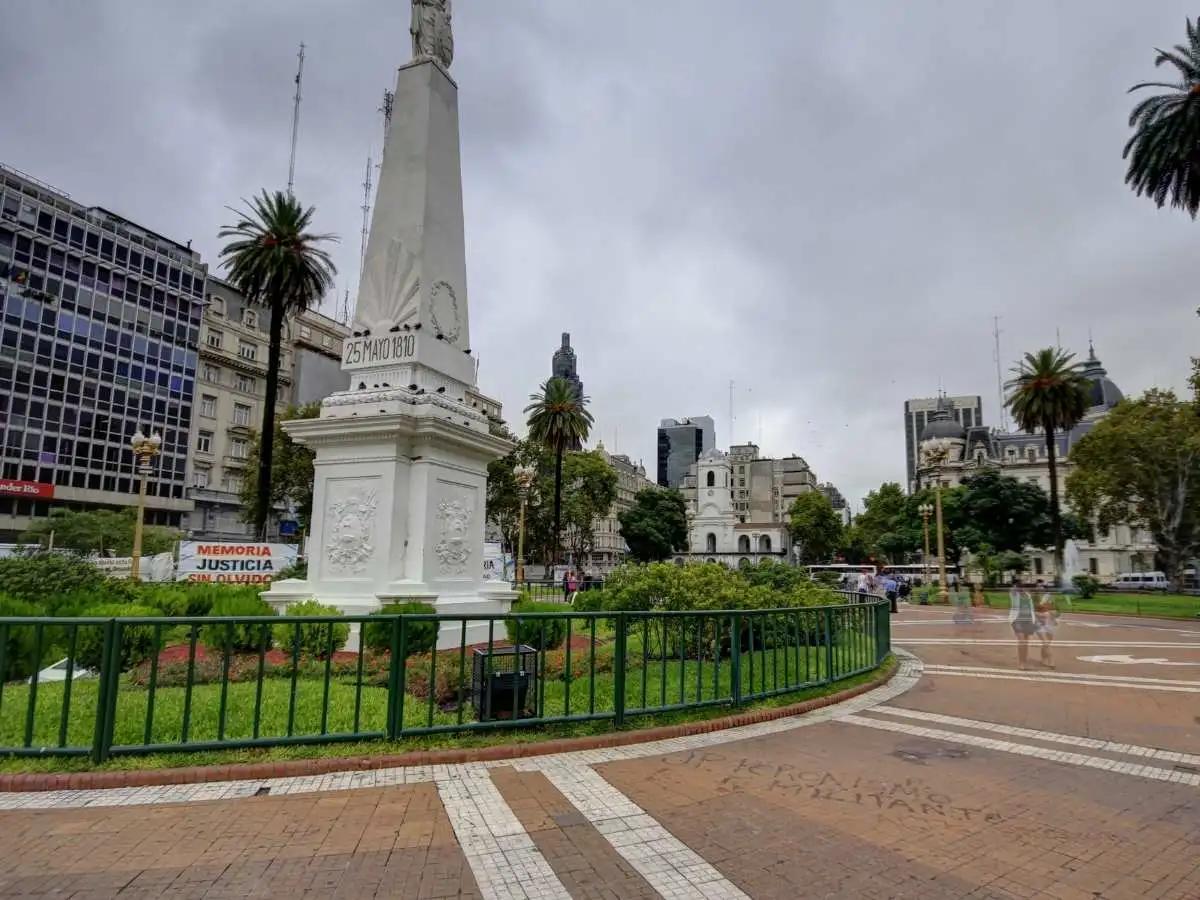
Buenos Aires: Where Most Argentina Trips Begin
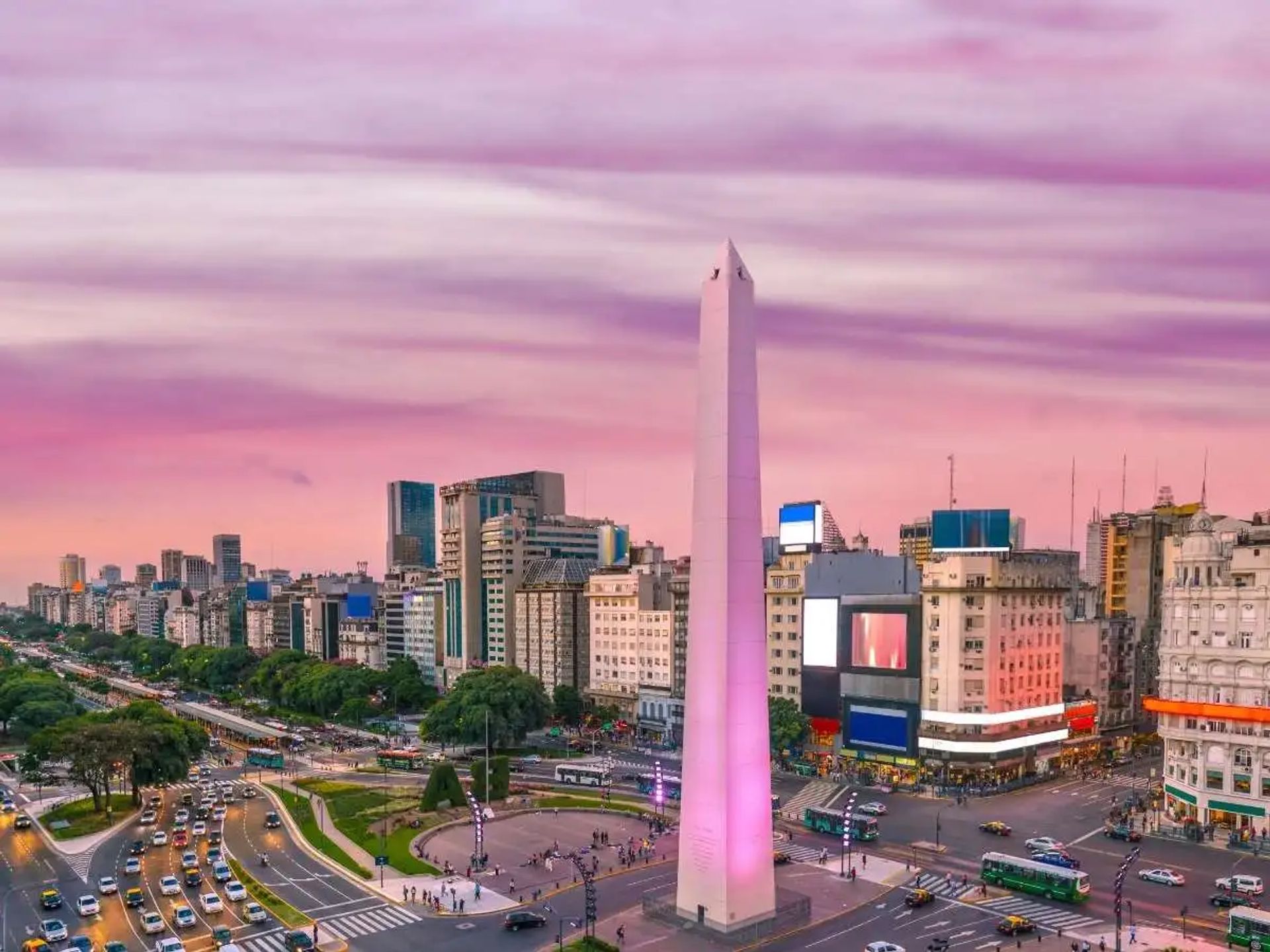
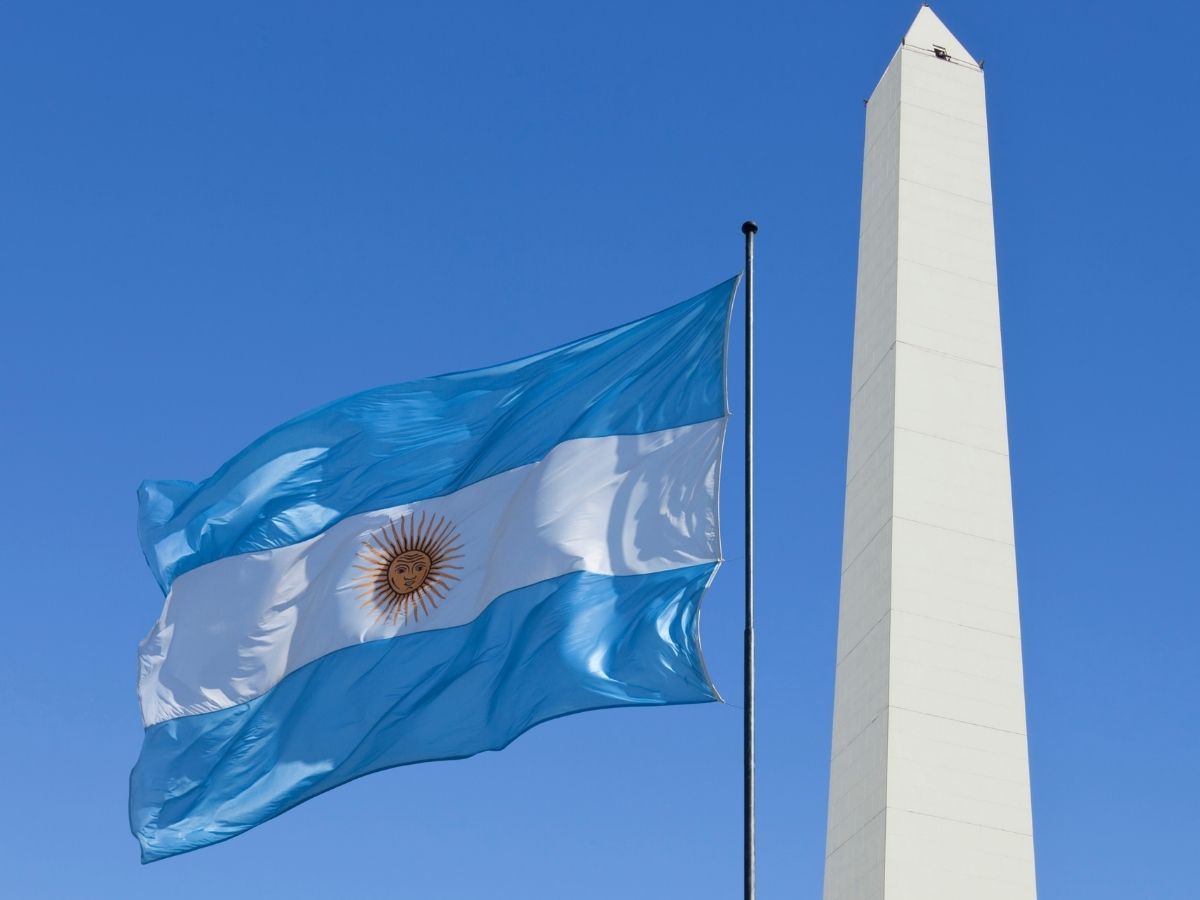
Buenos Aires is still the natural starting point for most visits to Argentina, and it deserves more than a rushed stopover. The city is often called the Paris of South America, and its architecture, particularly around Plaza de Mayo, the historic main square, explains why. The Government House, the Cathedral, and the old Town Hall all sit around this one square, and it remains the political and ceremonial heart of the country.
San Telmo, the oldest neighbourhood in the city, holds a well-known antiques market at weekends, and tango dancers often perform in the surrounding squares. In the evening, the city's milongas, or tango dance halls, give visitors a chance to watch, or even join in with, a tradition that runs far deeper than the tourist shows suggest.
La Boca, a working-class port neighbourhood, is known for the Caminito, a short street lined with brightly painted houses and open-air art stalls. It is touristy, but it photographs beautifully and gives a good sense of the city's working history. Recoleta, by contrast, is one of the most elegant parts of Buenos Aires, and Recoleta Cemetery is genuinely worth a visit. Eva Perón is buried here, among elaborate mausoleums that make it one of the most atmospheric places in the city.
Palermo, the city's largest and most fashionable neighbourhood, is where much of Buenos Aires' restaurant scene is concentrated, and it is home to Don Julio, a parrilla regularly ranked among the best steak restaurants in the world.
Buenos Aires also has more than fifty museums, along with the Colón Theatre, an opera house known around the world for its acoustics. Music lovers will find a full calendar of concerts and recitals across the city, often at a much lower cost than similar shows in Europe. At weekends, the gaucho market at Mataderos gives a different view of Argentine culture again, with traditional music and displays of horsemanship from riders who still work the land outside the city.
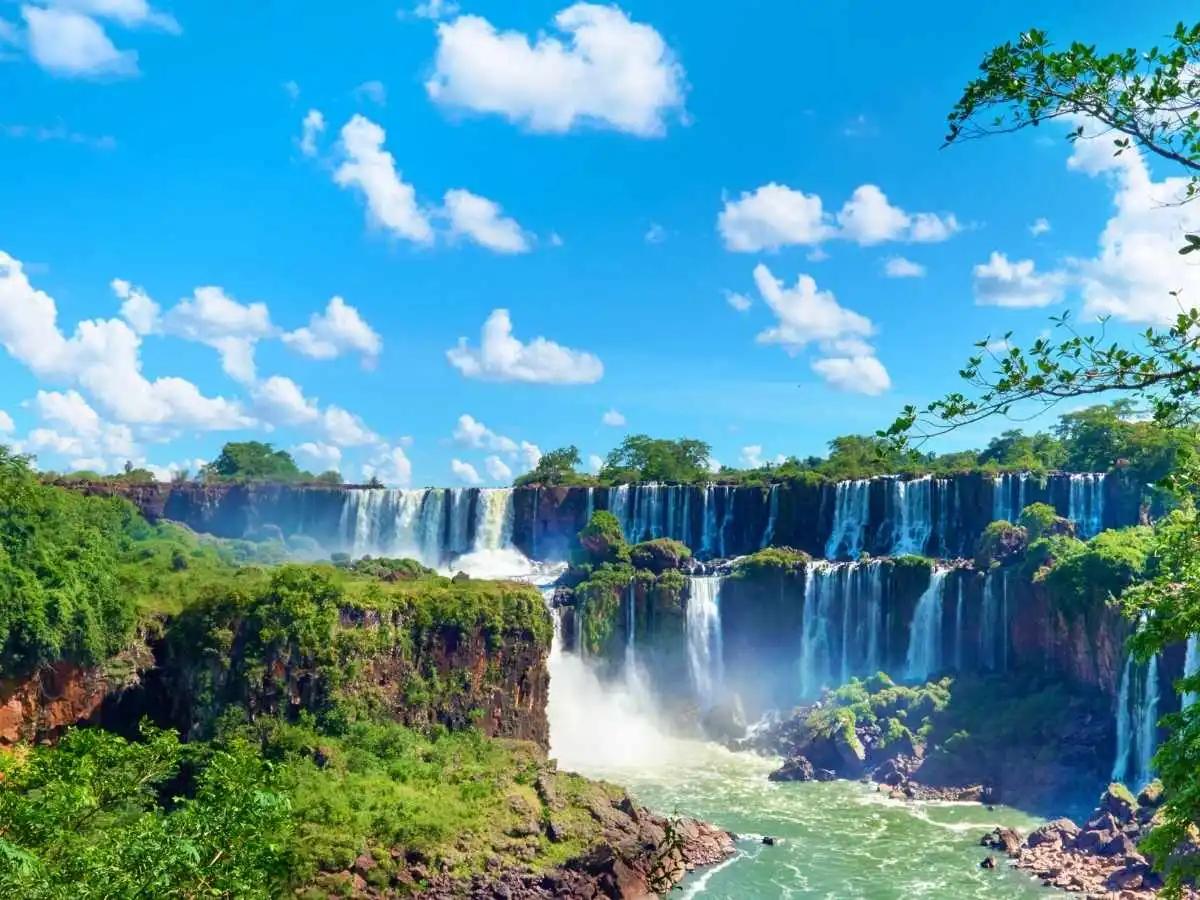
Iguazú Falls: Argentina's Most Famous Natural Wonder
No list of things to do in Argentina would be complete without a mention of Iguazú Falls, on the border with Brazil in the country's subtropical northeast. The falls are among the largest waterfall systems on earth, and the surrounding rainforest is home to a wide range of wildlife, including coatis and brightly coloured butterflies. Posadas, the regional capital, is the nearest sizeable city, though most visitors fly directly to the small town of Puerto Iguazú instead. The Argentine side of the falls offers the closest walkways to the water, and a day trip across to the Brazilian side gives a wider, more distant view of the same falls. Many travellers combine a visit to Iguazu with a longer Argentina itinerary, given the distance from both Buenos Aires and the northwest.
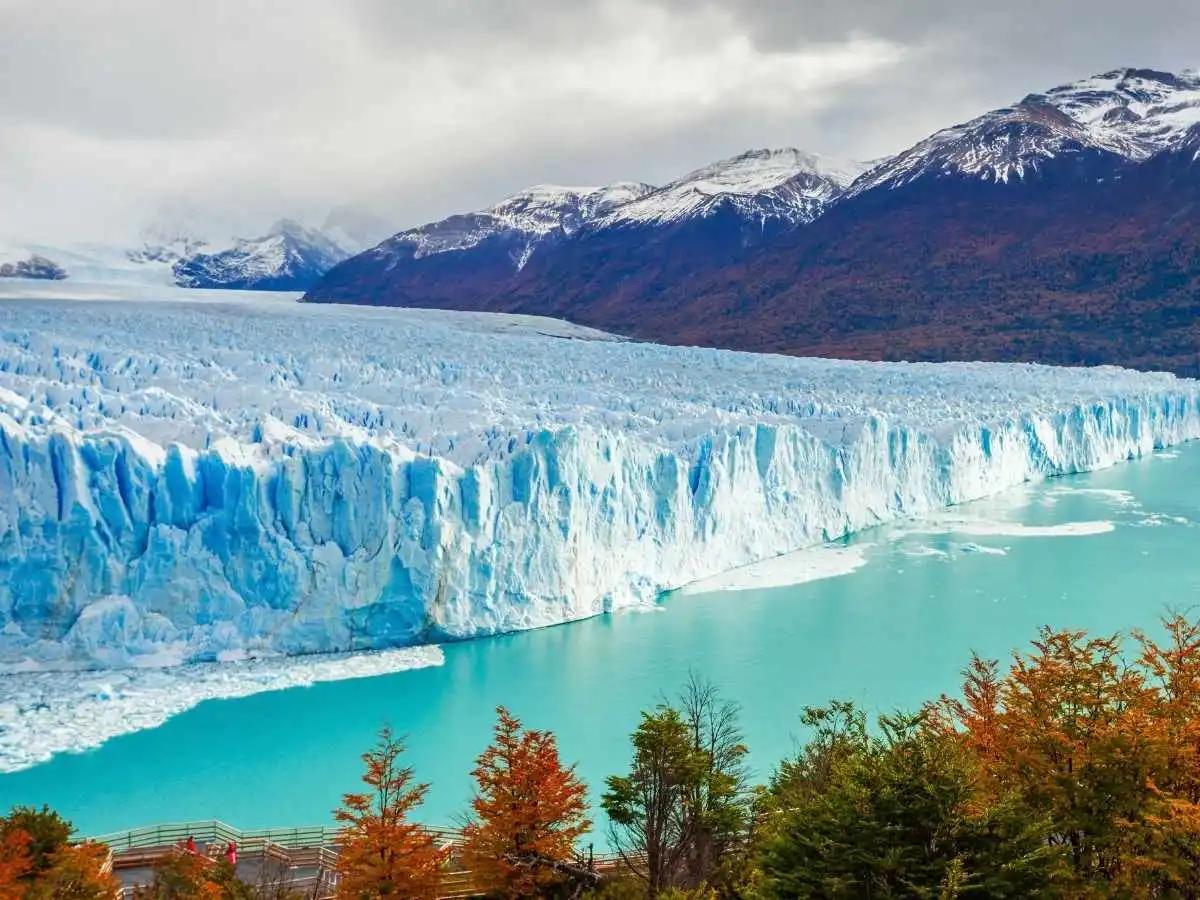
Argentinian Patagonia: Glaciers and Peaks at the End of the World
Searches for Argentina Patagonia usually lead here: the glaciers of El Calafate, the granite spires of El Chaltén, and the far south around Ushuaia, all part of the same stretch of Patagonian landscapes near the bottom of the continent. These iconic destinations are all included in our Argentina and Chile Glaciers and Peaks of Patagonia tour package, making it an ideal choice for travellers wanting to experience the highlights of Patagonia on one unforgettable journey.
El Calafate and Los Glaciares National Park
El Calafate is the usual starting point for a visit to Los Glaciares National Park, home to the Perito Moreno Glacier. A network of walkways and viewing platforms puts visitors close enough to hear, and sometimes see, huge blocks of ice breaking away from the glacier face and crashing into the lake below. It is one of the most memorable sights in the whole of Argentina, and the drive to the park itself is worth the trip, passing through open steppe before the landscape turns to forest as the Andes come into view.
Hiking El Chaltén: The Walk to Fitz Roy
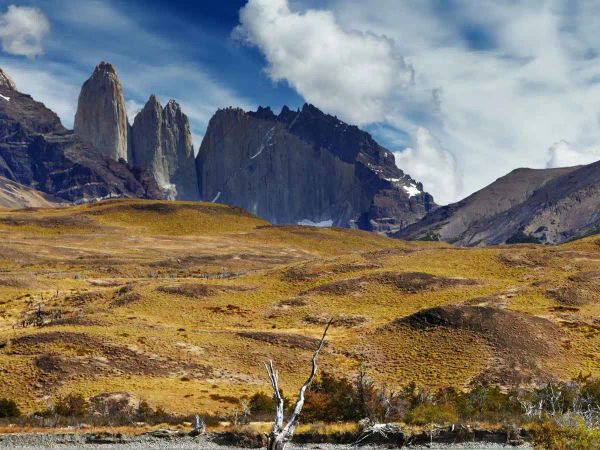
A few hours from El Calafate, the small town of El Chaltén sits beneath Mount Fitz Roy and Cerro Torre, two of the most striking peaks in Patagonia. The walk to Laguna de los Tres, also written as Laguna Los Tres, is a full day out, but it ends with a view over a glacial lake directly beneath Fitz Roy's granite spires, and it does not require any technical climbing skill. A shorter walk to Laguna Torre gives a similar experience with slightly less effort, passing through forest and open valley on the way to a glacial lake beneath the Torre massif, and more energetic walkers can continue further to Laguna Sucia, a smaller lagoon tucked beneath the ice.
Away from the classic walking routes, Lago del Desierto offers a gentler day out. This glacial lake, ringed by forest and snow-capped peaks, can be explored by a short boat trip followed by a walk along its shore, and it makes a good change of pace after a couple of long days on foot.
Ushuaia and Tierra del Fuego
Ushuaia sits at the southern tip of Argentina and is often described as the southernmost city in the world. Tierra del Fuego National Park, just outside the city, has gentle walking trails through native forest and along the shore of the Beagle Channel, ending at a wooden sign marking the end of the country's national road network.
A boat trip across Ushuaia Bay and along the Beagle Channel is one of the best ways to spend an afternoon here. The route passes Bird Island, where cormorants, skuas, and seagulls gather in large numbers, before continuing on to Sea Lion Island, home to colonies of southern sea lions and fur seals. Further along the channel stands the Les Eclaireurs Lighthouse, often mistakenly called the End of the World Lighthouse, one of the most recognisable images of this part of Argentina.
Mendoza: Argentina's Best Wine Region to Visit
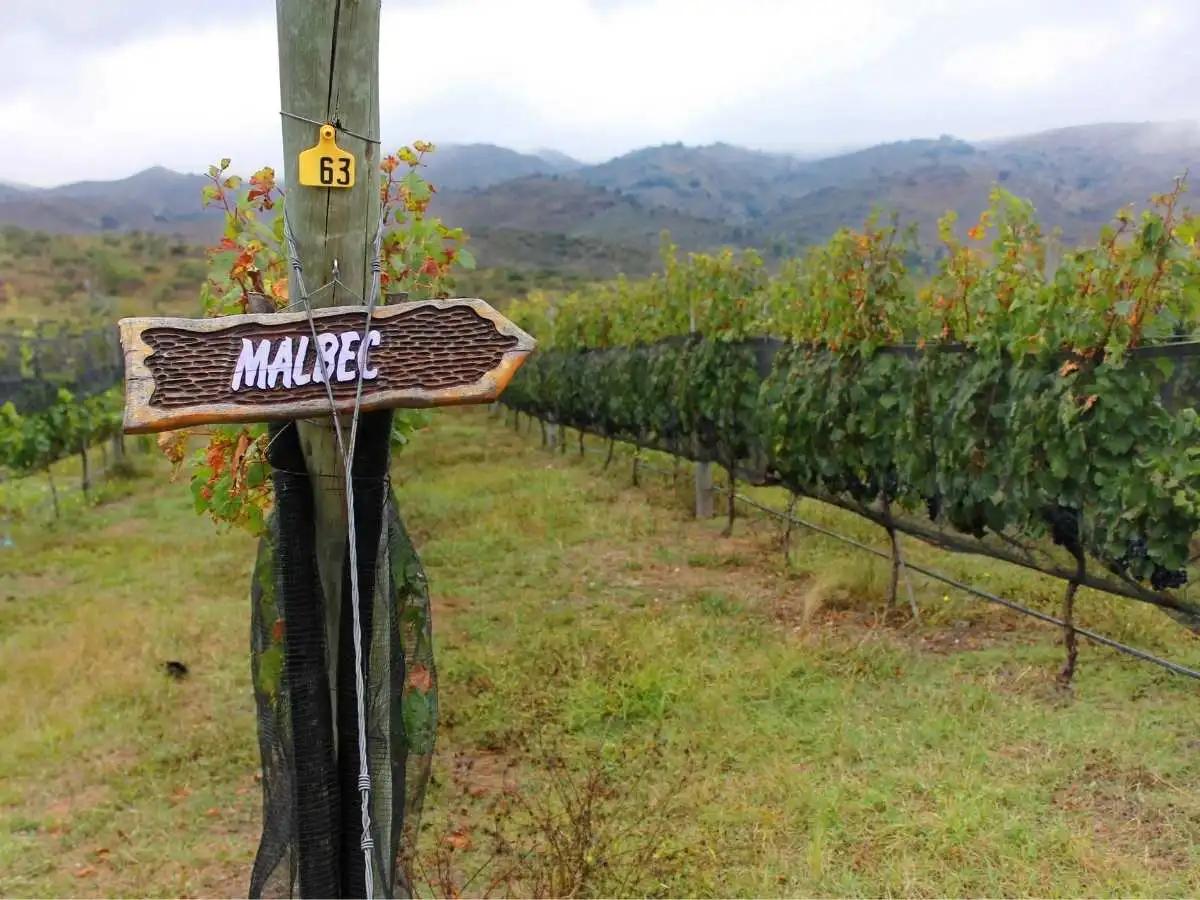
Further north again, Mendoza is the heart of Argentina's wine industry and the country's main source of Malbec, its best-known red wine. Many travellers who enjoy Cafayate's Torrontés in the northwest choose to add a few days in Mendoza to compare the two regions, though the two experiences feel quite different in scale and setting.
Other Places Worth Adding to an Argentina Itinerary
Córdoba: Argentina's Colonial Second City
Córdoba, near the geographical centre of the country, is Argentina's second-largest city and one of its most historic. Its Jesuit Block, a cluster of 17th and 18th-century religious and university buildings in the city centre, was given UNESCO World Heritage status in 2000, and several outlying Jesuit estancias in the surrounding province can also be visited. It sits well off the usual Buenos Aires-to-Patagonia route, so it suits travellers with extra time rather than a first, short visit.
Esteros del Iberá: Argentina's Wetland Wilderness
In the northeastern province of Corrientes, the Esteros del Iberá covers more than 1.3 million hectares of lagoons, grassland, and forest, making it one of the largest wetland systems in the world. Capybara, caiman, and marsh deer are common sights, and a conservation project has been reintroducing jaguars here since 2021, after the species had been absent from the area for around seventy years. The Iberá wetlands are best explored from small lodges on the edge of the reserve, with dawn and dusk boat trips giving the best chance of good sightings.
Península Valdés: Whales on the Atlantic Coast
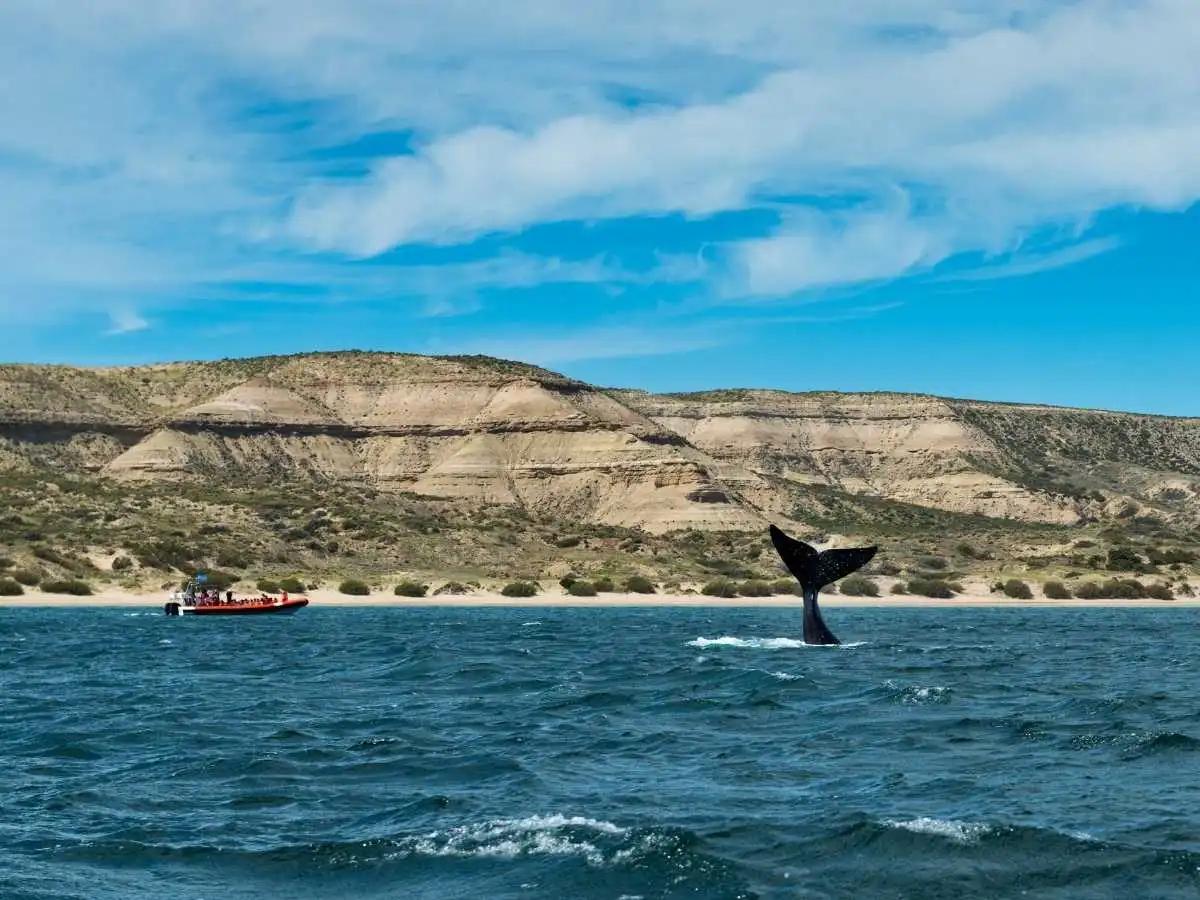
On Argentina's Atlantic coast, in Chubut province, Península Valdés was named a UNESCO World Heritage Site in 1999 for its importance as a breeding ground for southern right whales, which gather here in large numbers between June and December. The peninsula is also home to colonies of elephant seals, sea lions, and Magellanic penguins, and orcas are occasionally seen hunting close to shore.
San Carlos de Bariloche and Nahuel Huapi National Park
Further north in Patagonia, San Carlos de Bariloche sits on the shore of Nahuel Huapi Lake, surrounded by Nahuel Huapi National Park, Argentina's oldest national park. The town is known for its chocolate, its alpine-style architecture, and the hiking and boat trips available around the lake, and it makes an easy add-on for travellers building a longer Patagonia route.
Crossing into Chile
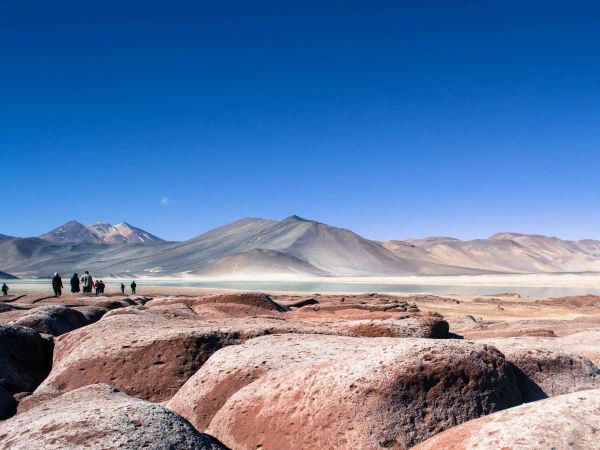
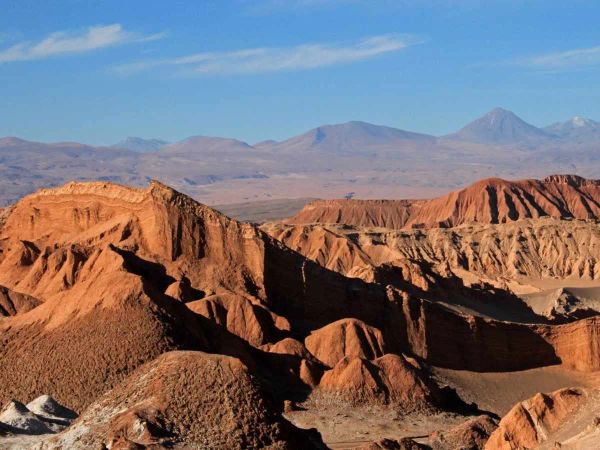
Argentina's western regions sit hard against the Chilean border, and several longer trips through the northwest and Patagonia continue across it. From the Salta region, routes over Los Andes can reach San Pedro de Atacama and its volcanic desert scenery, a journey featured in our Argentina and Chile Puna Atacama tour package. From Argentinian Patagonia, some journeys continue into Chile's Torres del Paine National Park. These are separate onward extensions rather than part of a single Argentina-only trip, worth knowing about if you are considering a longer, multi-country journey.
Argentina's Best Destinations Beyond Buenos Aires
Argentina rewards travellers who go beyond the capital. Salta's wine and colonial streets, the painted valley of the Quebrada de Humahuaca, the empty salt deserts of the Puna, and the ice fields of Patagonia all show a side of the country that a short city break simply cannot reach, and many places on this list end up as a traveller's favourite place in the whole country, ahead of anywhere else on the itinerary. These remarkable landscapes can all be experienced on our Argentina, Chile and Bolivia Explorer, which takes in some of the most spectacular and least-visited corners of South America. Undiscovered Destinations has been running small group tours and tailor-made holidays to Argentina since 2004, with a 97% customer satisfaction rating and no compulsory single supplements for solo travellers.
If Salta's wine road or the glaciers of Patagonia have caught your attention, the next step is simple: pick the region that speaks to you most, then explore our Argentina tours to build the rest of your itinerary.