
The best time to visit Oman is October to March, when daytime highs in Muscat sit between about 25°C and 35°C. From May to September the lowlands reach 35°C to 45°C, so most trips avoid the summer. Salalah in the far south is the exception, and is at its greenest during the June to September khareef, or monsoon.
When is the best time to visit Oman?
For most of the country, November to February are the most comfortable months. Oman's Ministry of Heritage and Tourism says winter runs from November to early March, with milder and drier weather. It puts Muscat's average winter temperature at around 26°C (Experience Oman).
October and March are the shoulder months. They are hotter, but still good for sightseeing if you start early. April and May warm up quickly, and June to August is full summer. For that reason, all our small group Oman tours depart between October and March.
The Oman climate also changes a lot from one region to the next. The Hajar mountains can be up to 15°C cooler than the lowlands, and the south gets a monsoon the north never sees. So the best time to travel depends on where in Oman you are going.
What is Oman's weather by month?
The figures below are the average daily highs and lows for Muscat, taken from 30 years of records (Muscat climate data). Treat them as a guide for the coast. The mountains are much cooler, and the south has a pattern of its own.
Oman in October
October is the warmest month of the season, with highs of about 35°C and lows of 25°C. The heat eases as the month goes on, and by November the average high has dropped by five degrees. Our first small group departures of the season leave in early October.
Oman in November
November is when the season really gets going. Muscat averages highs of about 30°C and lows of 21°C, so a full day of sightseeing is comfortable again. It is a good month to combine the coast, the forts around Nizwa and a desert safari in Oman.
Oman in December
December is one of the coolest and most popular months, with highs of about 27°C and lows of 18°C. Two of our three small group departures for December 2026 have already sold out, so December dates are worth planning well ahead. Evenings up on Jebel Akhdar and Jebel Shams can be cold, so pack a warm layer.
Oman in January
January is the coolest month in Muscat, with highs of about 25°C and lows of 17°C. It is also the wettest month, though rainfall averages only about 14mm. Our January group tours leave in the first week of the year.
Weather in Oman in February
The weather in Oman in February is close to January, with highs of about 26°C and lows of 18°C. In 2027 there is one thing to plan around. Ramadan is expected to start around 8 February and end around 9 March, though the exact dates depend on the sighting of the moon.
During Ramadan, eating, drinking and smoking in public in daylight hours are forbidden for Muslims and non-Muslims alike (Oman Foreign Ministry). None of our small group tours leave in February. If those are your dates, a tailor-made self drive holiday can be planned for any dates in the season.
Oman in March
March warms up to highs of about 29°C and lows of 20°C, and it is the last full month of the cool season. The rose season on Jebel Akhdar begins in mid March and runs to mid or late May (Times of Oman). Our March group tours run in the second half of the month.
April and May
The heat builds fast in spring. Muscat's average high climbs from about 35°C in April to nearly 40°C in May. The mountains, with their cooler temperatures, are the place to be. The terraced villages of Jebel Akhdar are busy with the rose harvest, which produces around 30,000 litres of rosewater a year.
June to September
Summer temperatures in the lowlands usually range from 35°C to 45°C. The FCDO says extreme heat has caused deaths in Oman from dehydration and heat exhaustion. It also warns that tropical cyclones from the Indian Ocean sometimes affect Oman in July and August (FCDO travel advice).
The south is different. In Dhofar, the khareef runs from mid June to September and keeps temperatures between 20°C and 28°C. It is also the best time to see turtles hatching at Ras Al Jinz, which we cover below.
Outside Salalah and the turtle beaches, the summer months suit very few trips, so most people choose a month between October and March.
Fancy a trip? Take a look at our Oman tours and holidays, which all run in the cooler months.
How does the weather change across Oman's regions?
Muscat and the coast
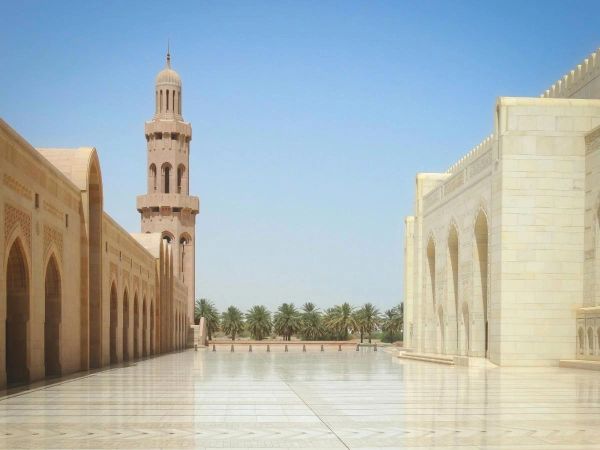
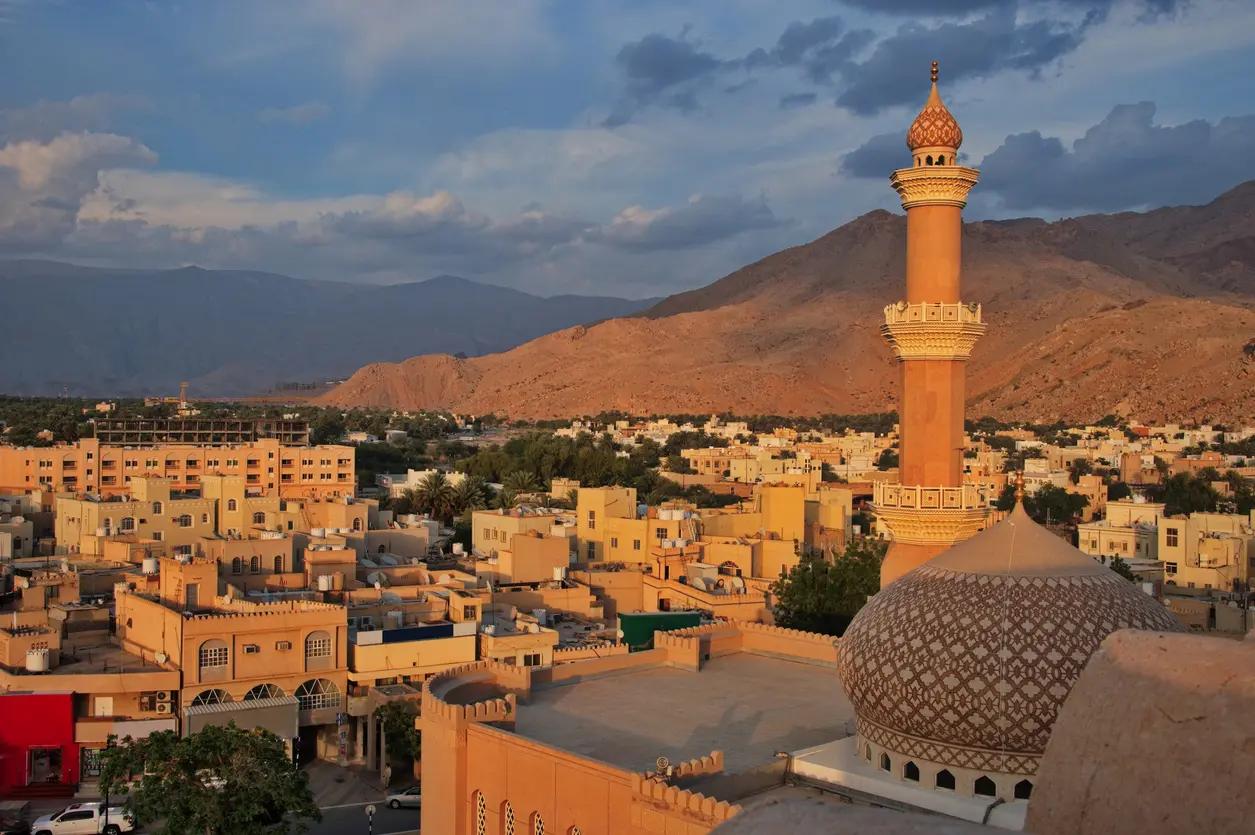
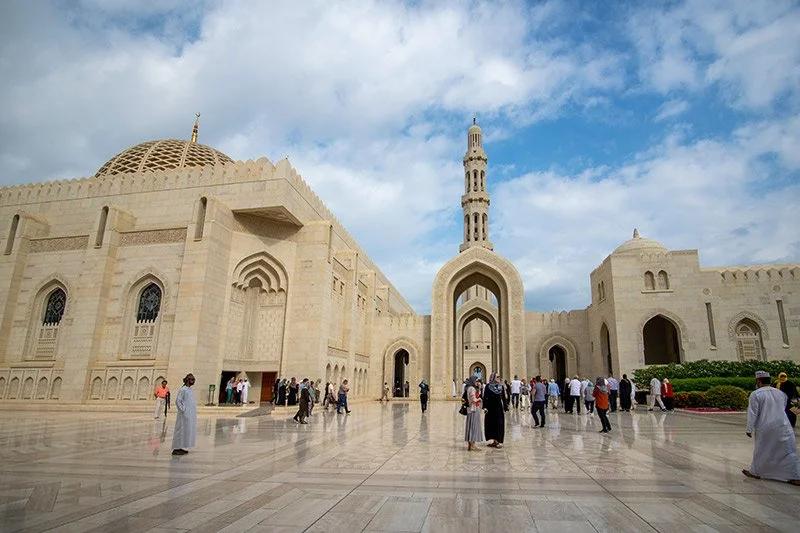
Muscat has a hot desert climate, with long, very hot summers and warm winters. On the coast, November to March is the easiest time for the seafront, the souqs and the Sultan Qaboos Grand Mosque. In summer, the heat makes a full day of walking hard work.
Wahiba Sands and the interior
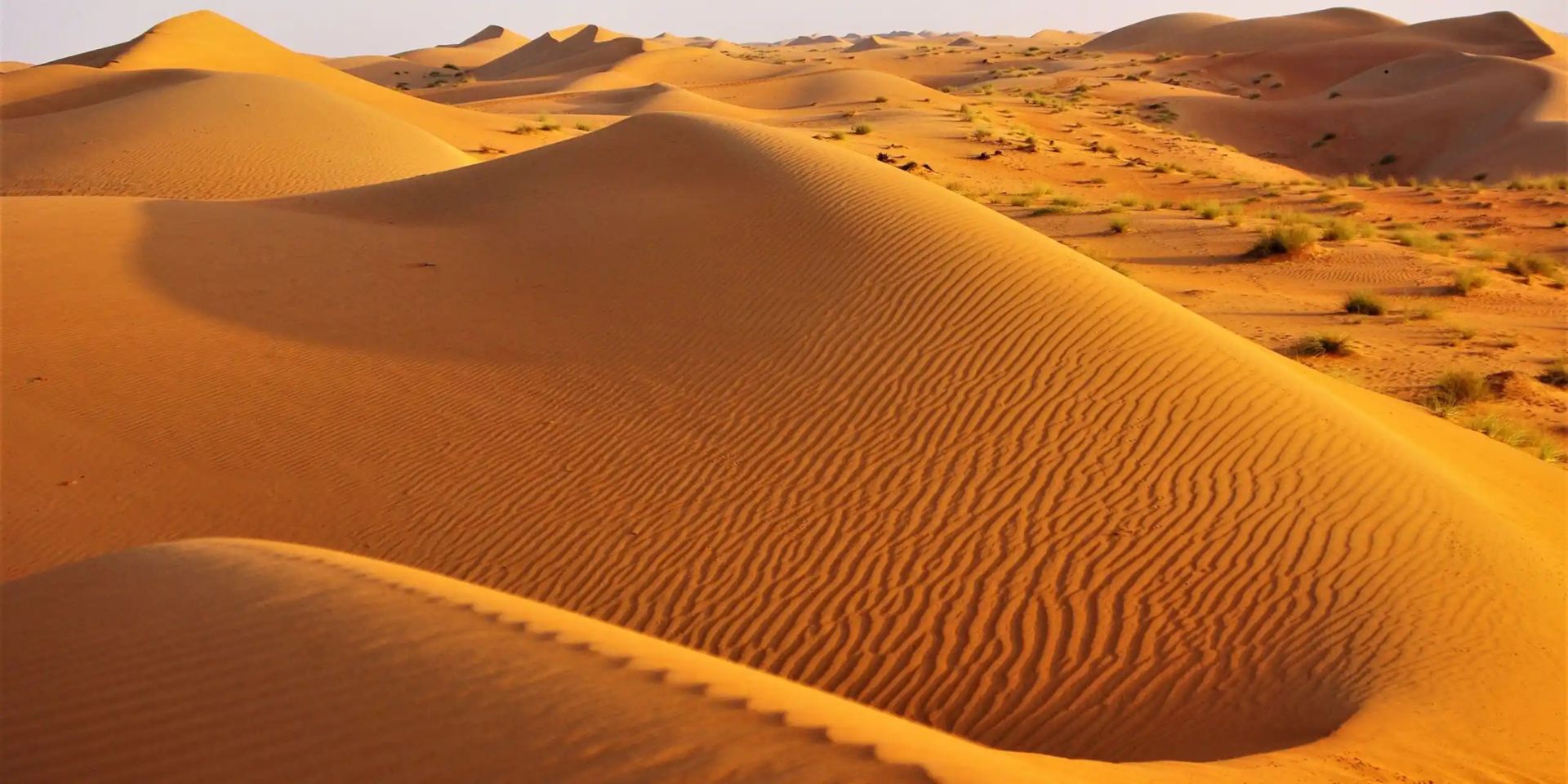
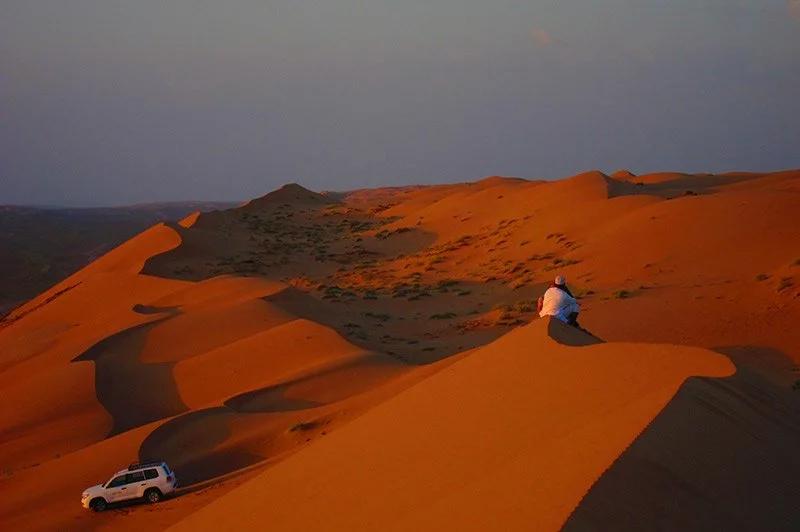
Inland there is no sea to take the edge off the heat, so the cooler months matter even more when you are outside all day. On our tours, groups spend two nights at a camp in the Wahiba Sands, also known as the Sharqiya Sands. The stay includes dune driving, camel riding and lunch at an Omani Bedouin house. The forts at Nizwa, Bahla and Jabrin are also easiest to explore in winter.
Jebel Akhdar and Jebel Shams
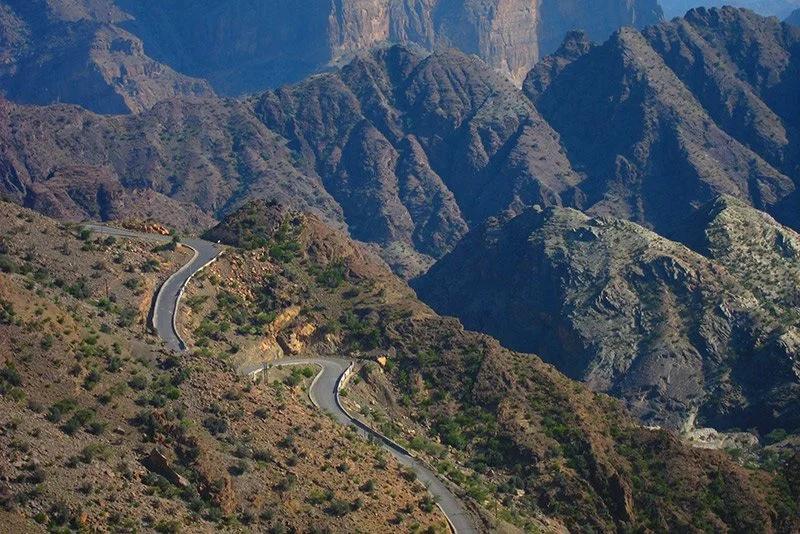
The Hajar mountains are about a two hour drive from Muscat and can be up to 15°C cooler than the lowlands. Jebel Shams is Oman's highest peak at around 3,000m. Its Balcony Walk looks down into Wadi Ghul, often called the Grand Canyon of Oman. Jebel Akhdar's Saiq Plateau sits at about 2,000m, where pomegranates, apricots and roses grow.
Salalah and Dhofar
Salalah has the most unusual weather in Oman. In July and August, its average highs are about 28°C, while Muscat sits at 36°C to 37°C. The khareef brings cloud and fog, and the brown hills around the city turn green, with waterfalls in the mountains. More than 600,000 tourists visited Salalah during the 2017 khareef (Salalah).
Outside the khareef, Salalah's highs stay between about 27°C and 33°C at any time of year. Our Oman Encompassed tour visits in the cooler months, for the frankincense souks, the ruins at Sumhuram and the blowholes at Al Mughsail Beach.
Musandam
Musandam, Oman's northern tip, is separated from the rest of the country by the United Arab Emirates. Its winters are much wetter than Muscat's, with Khasab averaging 45mm to 49mm of rain a month from January to March. Summer highs reach 41°C. Its steep inlets have earned it the name "Norway of Arabia", and dhow trips from Khasab go out to see dolphins.
When should you travel for turtles, desert, hiking or beaches?
Turtles at Ras Al Jinz
Ras Al Jinz Turtle Reserve says the best time to see turtles hatching is during the summer, between May and September. It is the only legal place to watch turtles in Oman. Night viewing starts at 9pm and dawn viewing at 5am (Ras Al Jinz Turtle Reserve).
Green turtles can still be seen in the cooler months. One traveller on our Oman Encompassed tour wrote: "I loved the time spent at the Ras Al Jinz turtle sanctuary, where I saw at least one turtle laying eggs, several having done so and either covering the nests or returning to the sea, and a number of hatchlings scurrying down the sand." Our guide to the Ras al Jinz turtle reserve explains how the visits work.
Desert camping
For a night or two in the dunes, November to February is the best time, when Muscat's highs sit between about 25°C and 30°C. The FCDO advises that road trips into the desert need a well-equipped four-wheel-drive vehicle and a supply of water.
Hiking
Spring is a good time for hiking, as Oman's tourism ministry describes March to May as warm and pleasant, perfect for outdoor activities. The mountains stay comfortable into April and May. For routes and ideas, see our guide to adventure in Oman.
Take care in the wadis. The FCDO says wadis are prone to flash flooding after heavy rain from October to March, so check the forecast before you set off. Wadi Shab and Wadi Bani Khalid both have pools you can swim in.
Beaches
The coast is at its best for beach days from November to March, when Muscat's highs sit between about 25°C and 30°C. On a boat trip, check there are life jackets for everyone. The FCDO notes that tourist boats may not meet UK safety standards.
What should you pack and wear on holiday in Oman?
Pack light, loose clothes that cover your shoulders and knees. Oman's Foreign Ministry says that dressing conservatively is appreciated, especially when visiting religious sites. Women visiting the Sultan Qaboos Grand Mosque also need to cover their hair. Our guide on how women dress in Oman covers this in more detail.
Bring a warm fleece or jacket even in the main season. Temperatures on Jebel Akhdar and Jebel Shams can drop a long way at night.
For the heat, a wide-brimmed hat, high-factor sun cream and a refillable water bottle are the essentials. If you have wider questions about travelling there, our guide on whether Oman is safe to travel to covers the current advice.
Conclusion
For most travellers, the best time to visit Oman is between October and March. November to February is the most comfortable for the coast, the desert and the forts. March and April suit the mountains and the rose season, and Salalah has its own high season during the summer khareef. Undiscovered Destinations runs its small group Oman tours only in the cooler months, with no more than 12 travellers on each departure.
If January or March suits your diary, there is a group trip that covers the whole country, Salalah included.
Fancy a trip? See our Oman Encompassed including Salalah tour, where you can send yourself the full dossier.