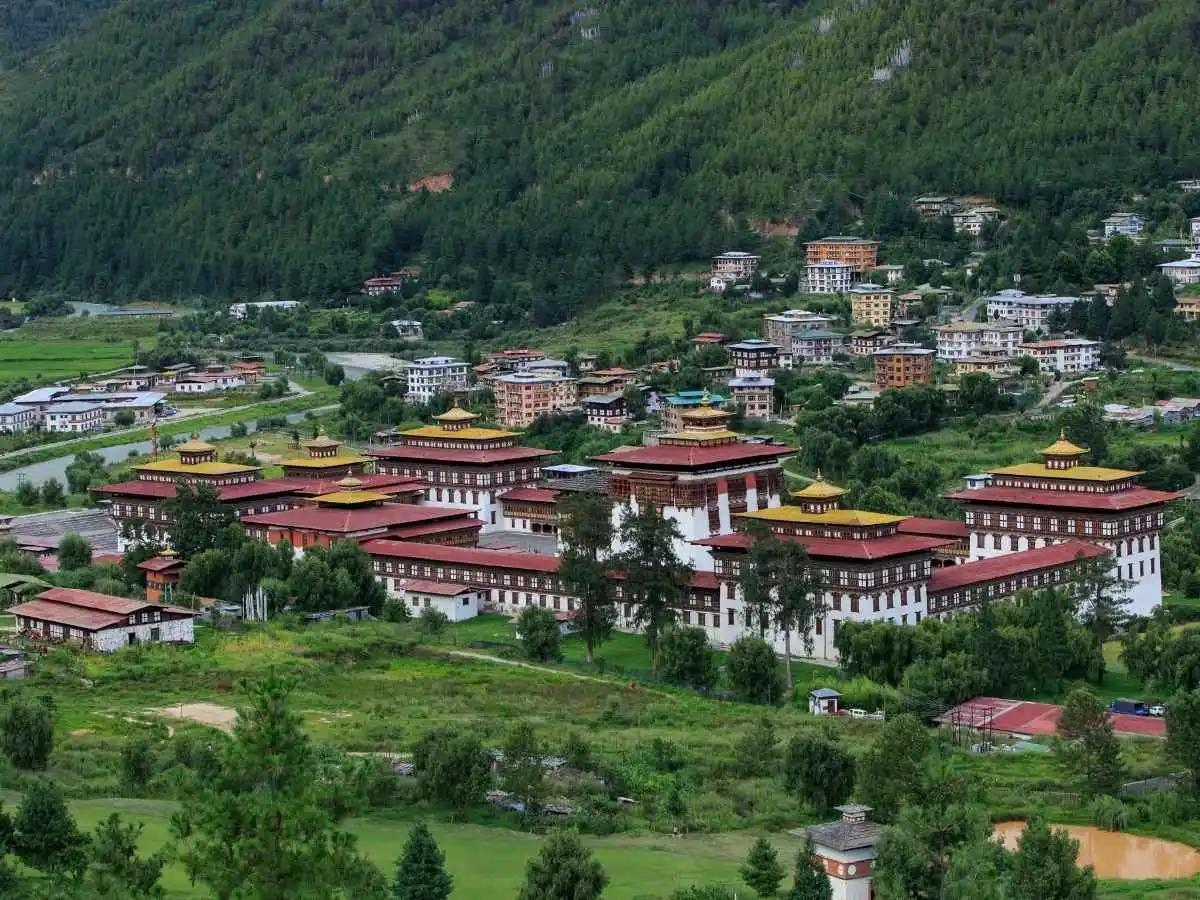
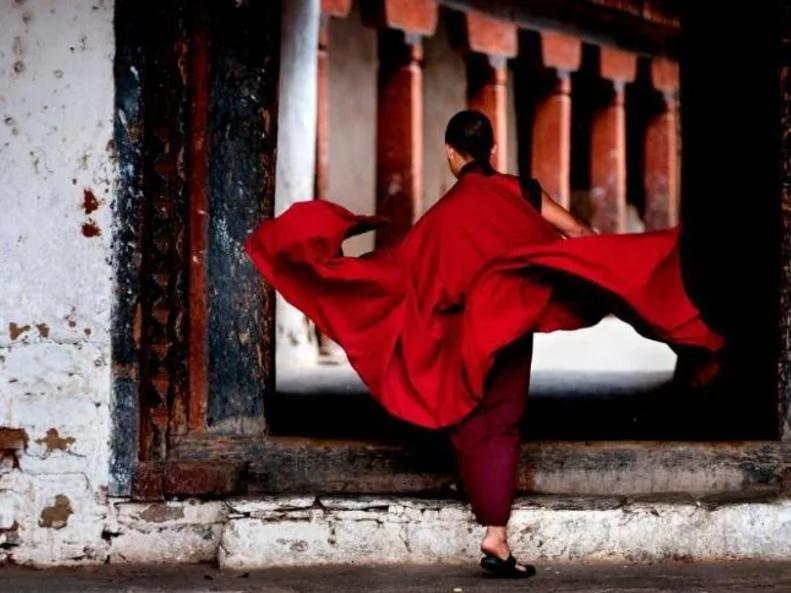
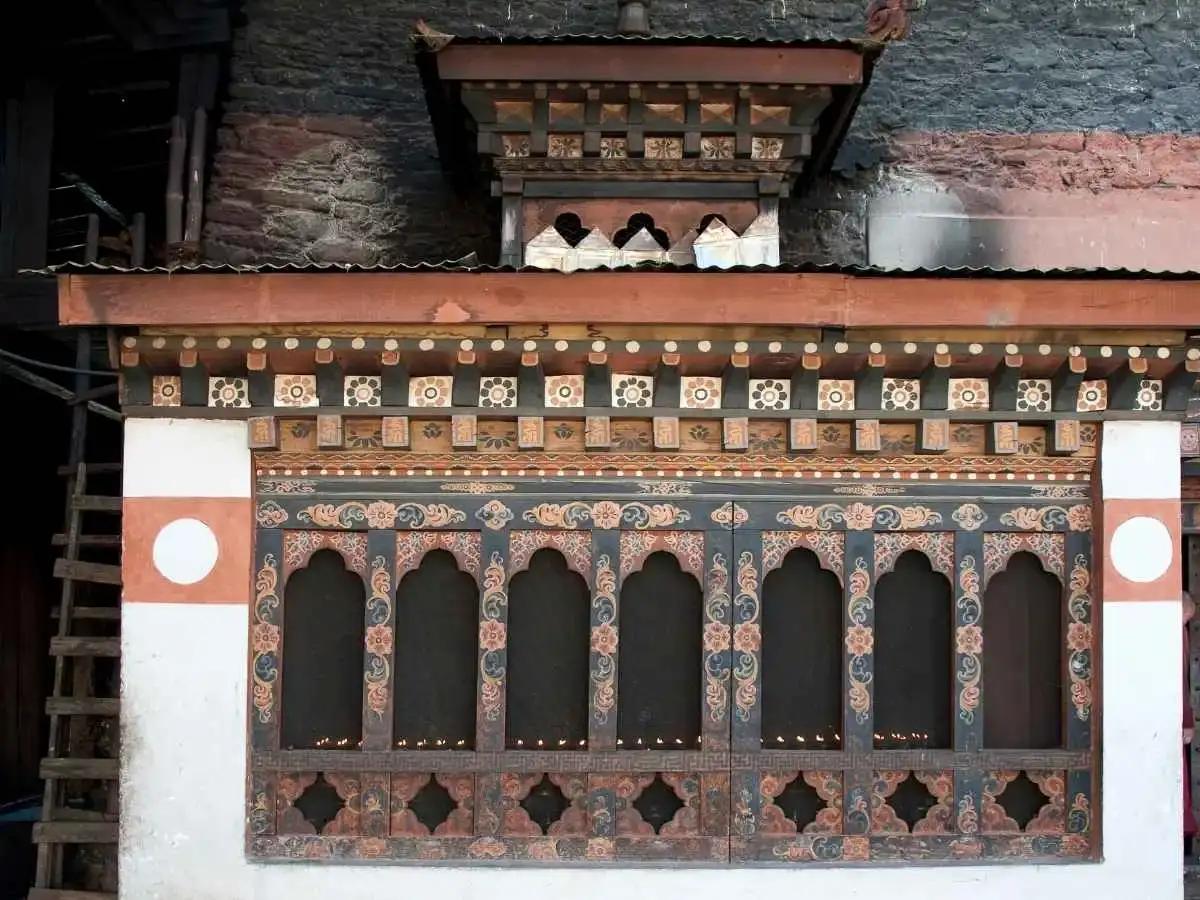
Thimphu Bhutan stands apart from every other capital city in Asia. There are no traffic lights — a white-gloved policeman directs vehicles at the main junction. Locals move through its streets in the gho and kira, Bhutan's national dress, and the architecture follows strict traditional codes so that even government buildings carry the carved woodwork and sloping rooflines of Himalayan fortress design. As the gateway into Bhutan, Thimphu sets the tone for everything that follows: measured, deeply Buddhist, and entirely unbothered by the conventions of mass tourism.
Buddha Dordenma, Memorial Chorten, and the City Below
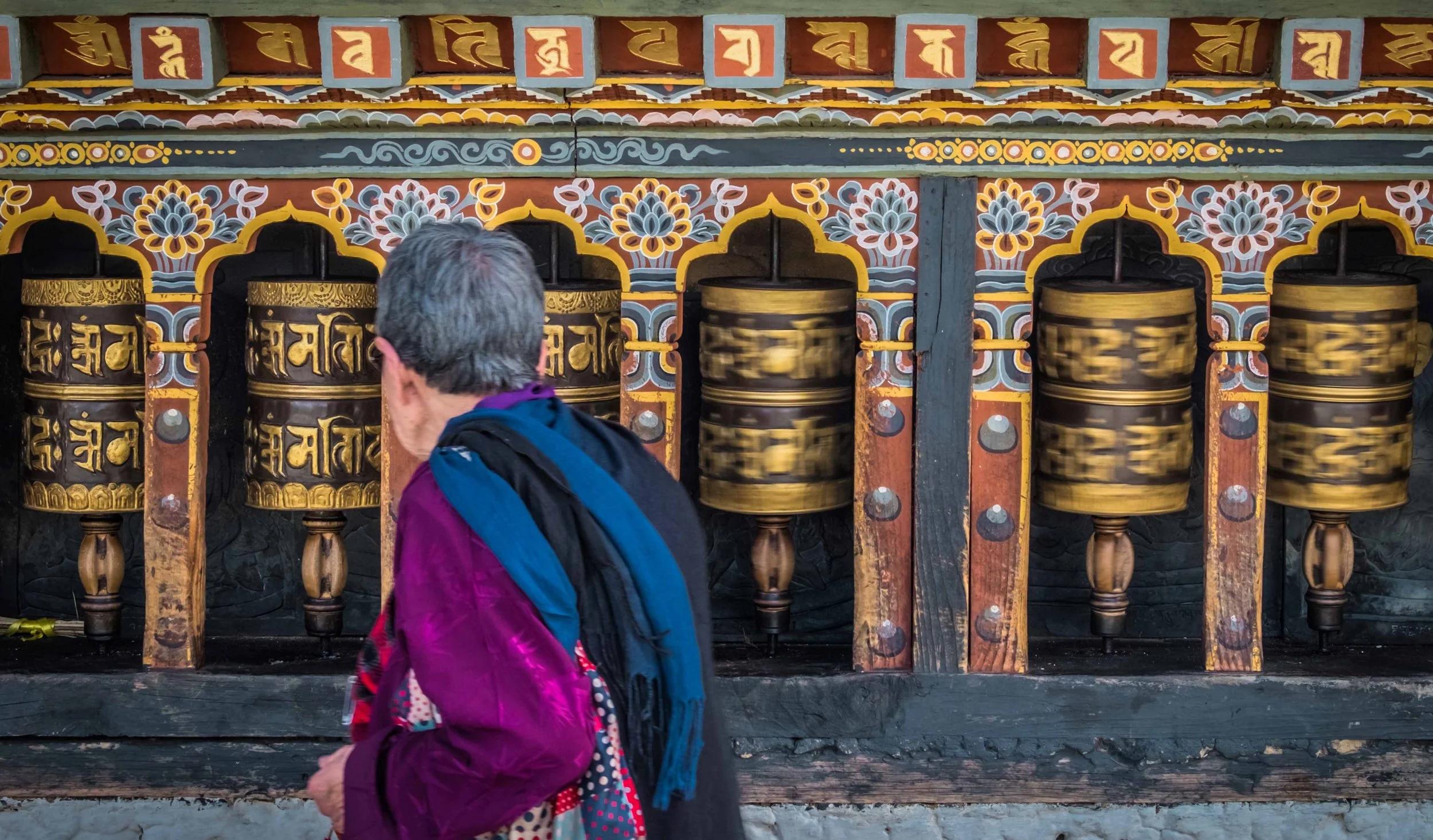
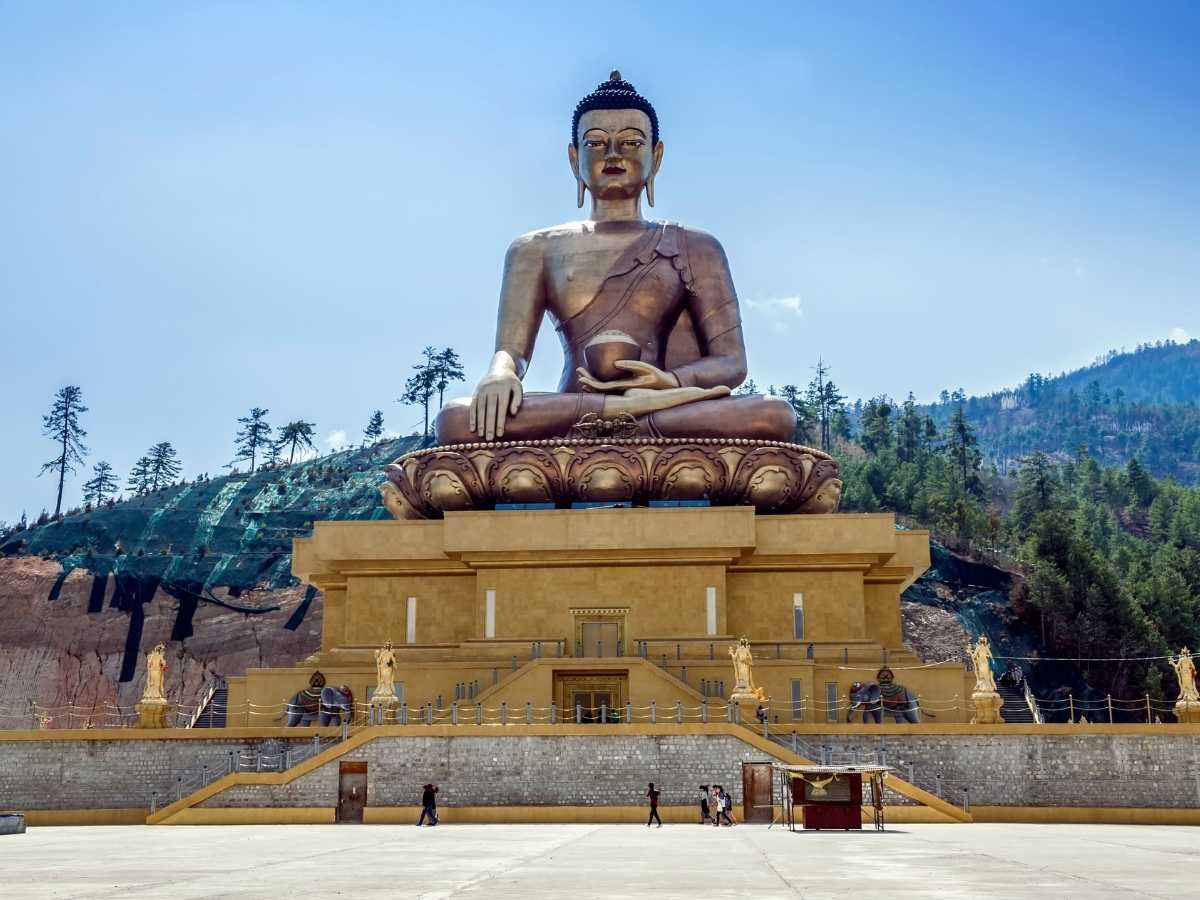
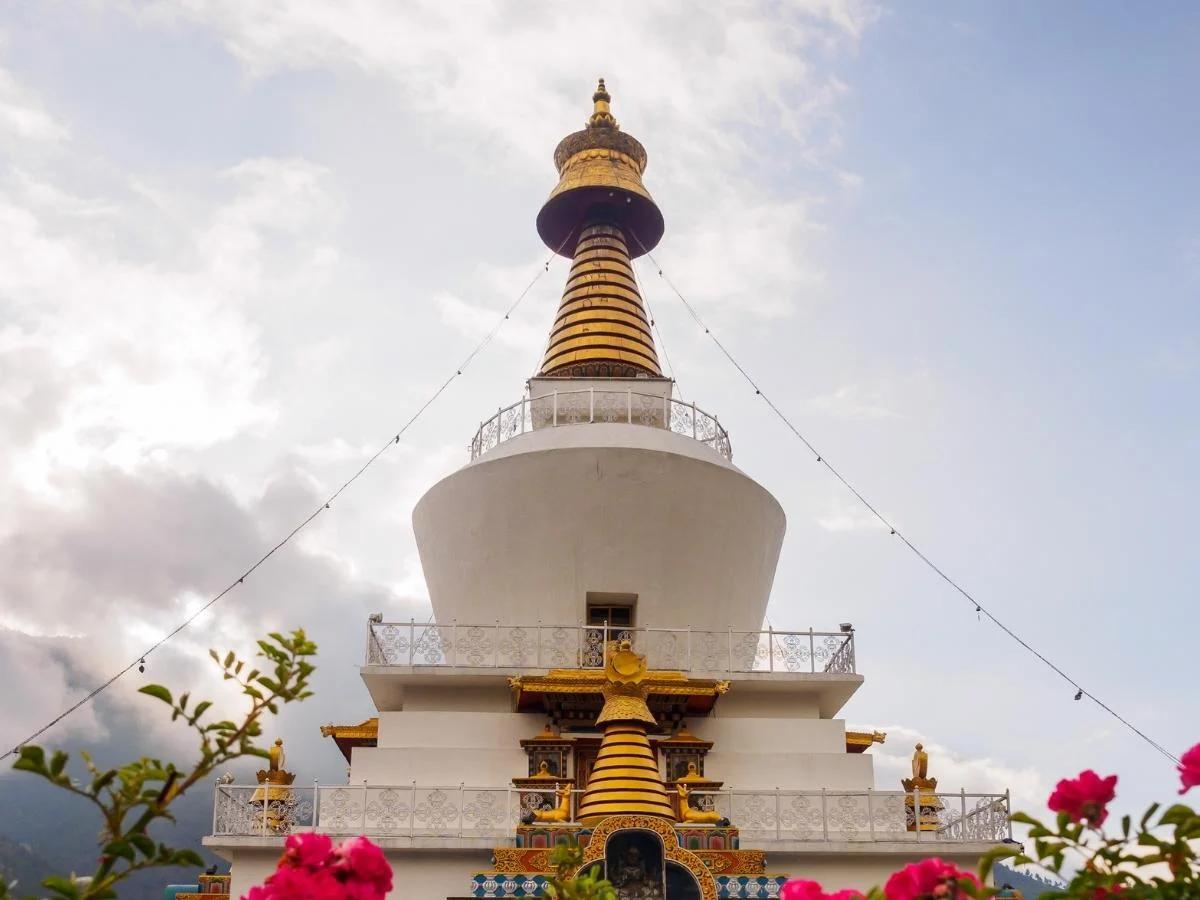
The feature that dominates the skyline south of the city is the Buddha Dordenma statue, a vast three-storey throne that houses several chapels. The body of the Buddha itself is filled with 125,000 smaller Buddha figures. From the throne there is a commanding view across the entire Thimphu valley. Closer to the city centre, the Memorial Chorten is one of the most actively used religious monuments in Bhutan. Devotees circle it throughout the day, spinning prayer wheels and murmuring mantras. It was built in memory of the third King of Bhutan and remains a place of quiet, continuous devotion.
The Walk from Kuensel Phodrang to Changangkha Temple
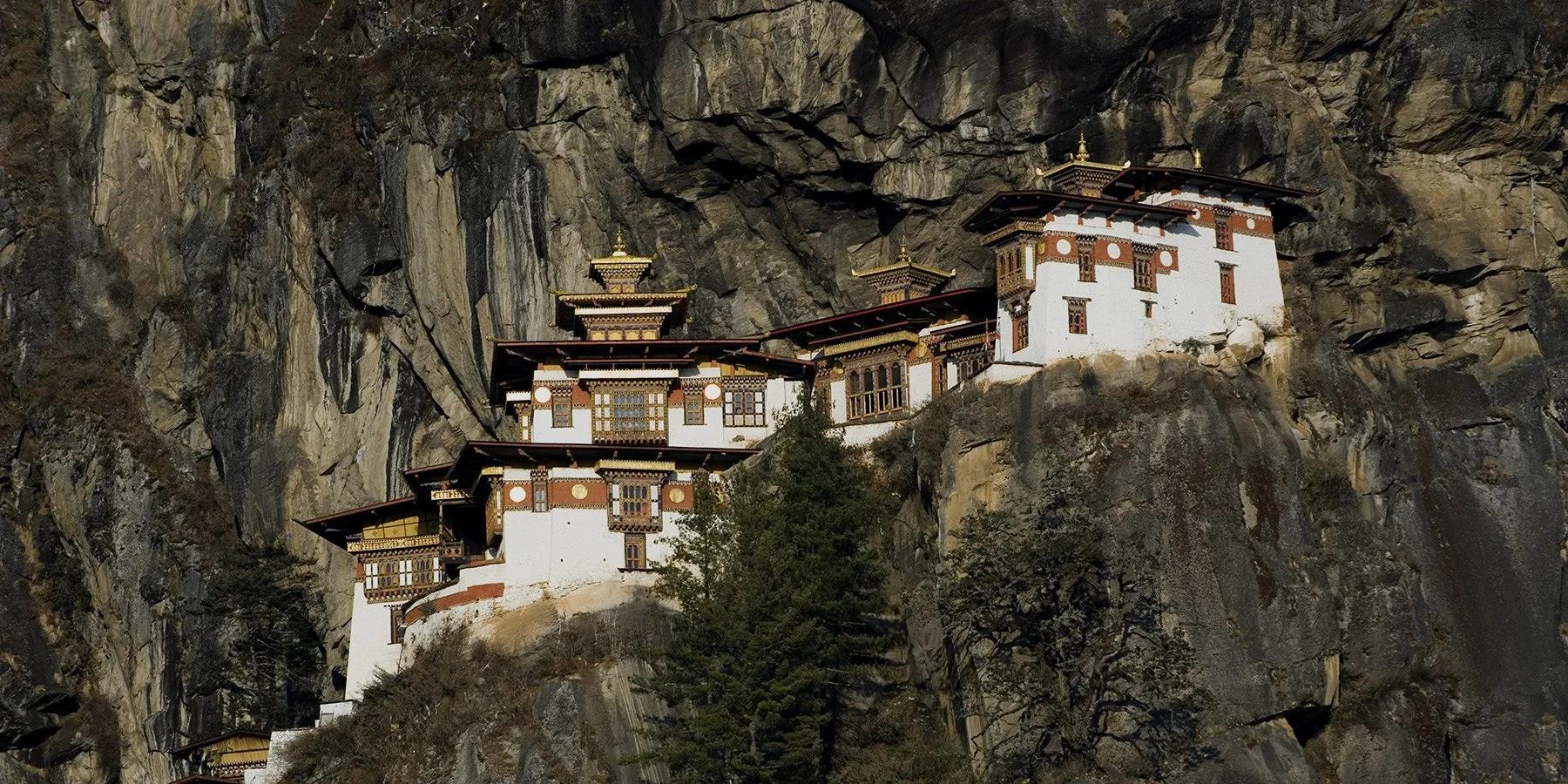
One of the most rewarding things to do in Thimphu is the walk from Kuensel Phodrang Nature Park across the forested hillside to Changangkha Temple, a 12th-century monastery perched on a ridge above the valley. The trail passes through blue pine and rhododendron forest. Changangkha holds particular significance for Bhutanese families, who bring newborns here to receive a name and a blessing from the resident monks. The temple walls carry detailed religious paintings, and from the terrace there are clear views down over the rooftops and river far below.
Markets, Textiles, and the Weekend Bazaar
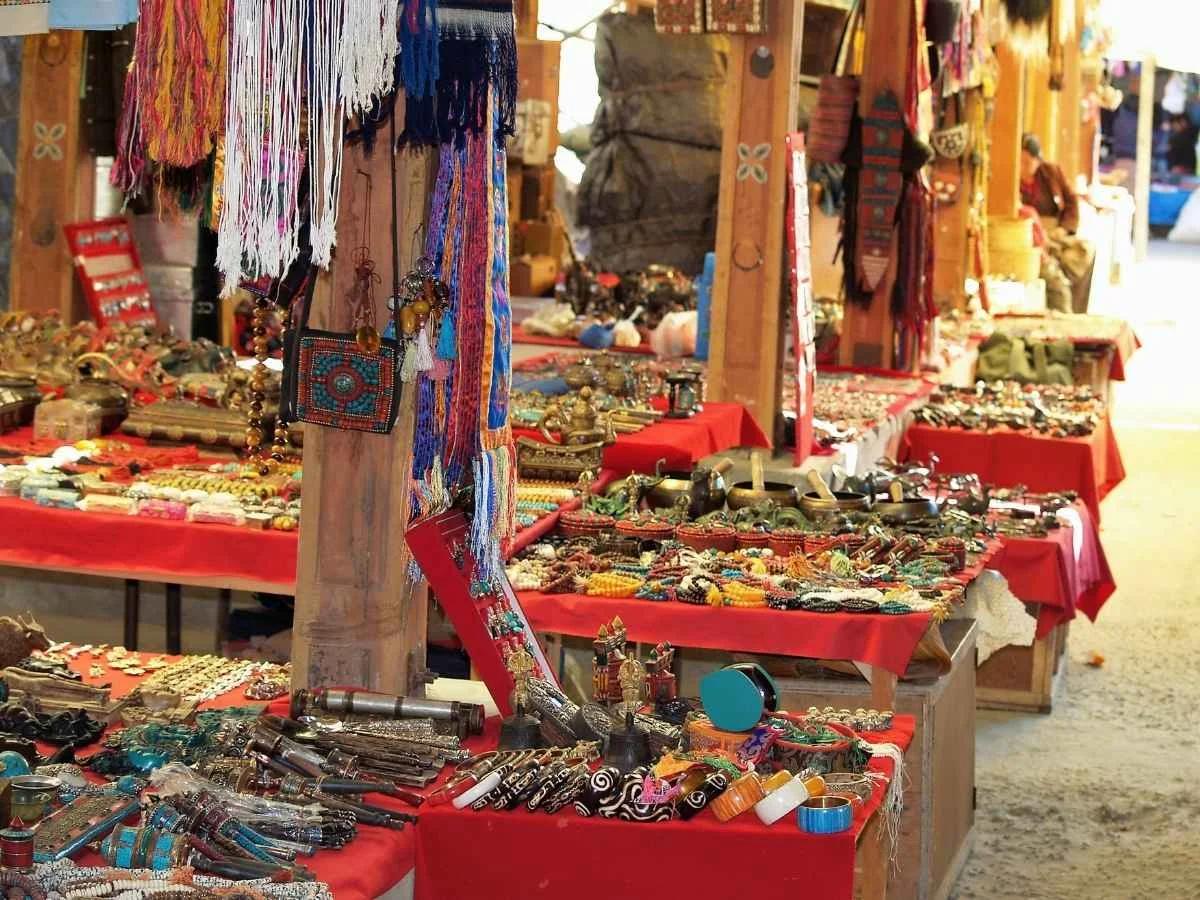
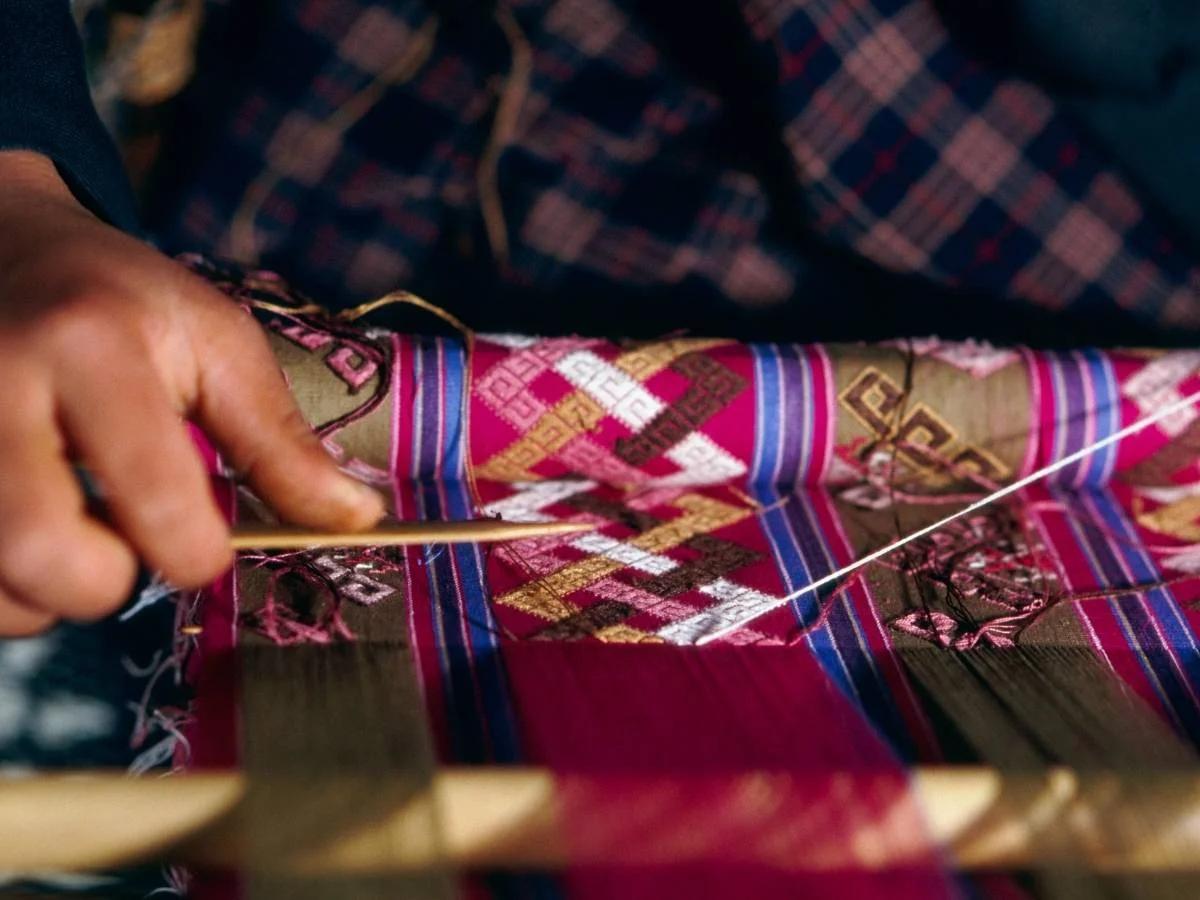
The weekend market draws traders and buyers from across the valley to the banks of the Wang Chhu river. Stalls carry fresh produce, dried chillies, dried fish, and hand-woven textiles. The Craft Bazaar operates alongside it, selling purely homemade articles with no imported goods. For a deeper look at Bhutanese textile traditions, the National Textile Museum holds an extensive collection of intricate fabrics, including the fine silk ceremonial kishuthara and the heavier woollen weaves of eastern Bhutan.
Visiting Thimphu with Undiscovered Destinations
We visit Thimphu at the beginning of the Bhutan leg on all three of our small group tours. On the 13-day Bhutan Festival Tour and the 12-day Women's Tour, you arrive in Paro and transfer directly to Thimphu to explore the Buddha Dordenma, Changangkha Temple, and local markets. Our 26-day Best of Nepal and Bhutan journey also features this comprehensive Thimphu sightseeing experience. All of our tours are capped at 12 travellers and include your accommodation, meals, entrance fees, and the Bhutan Tourist Visa